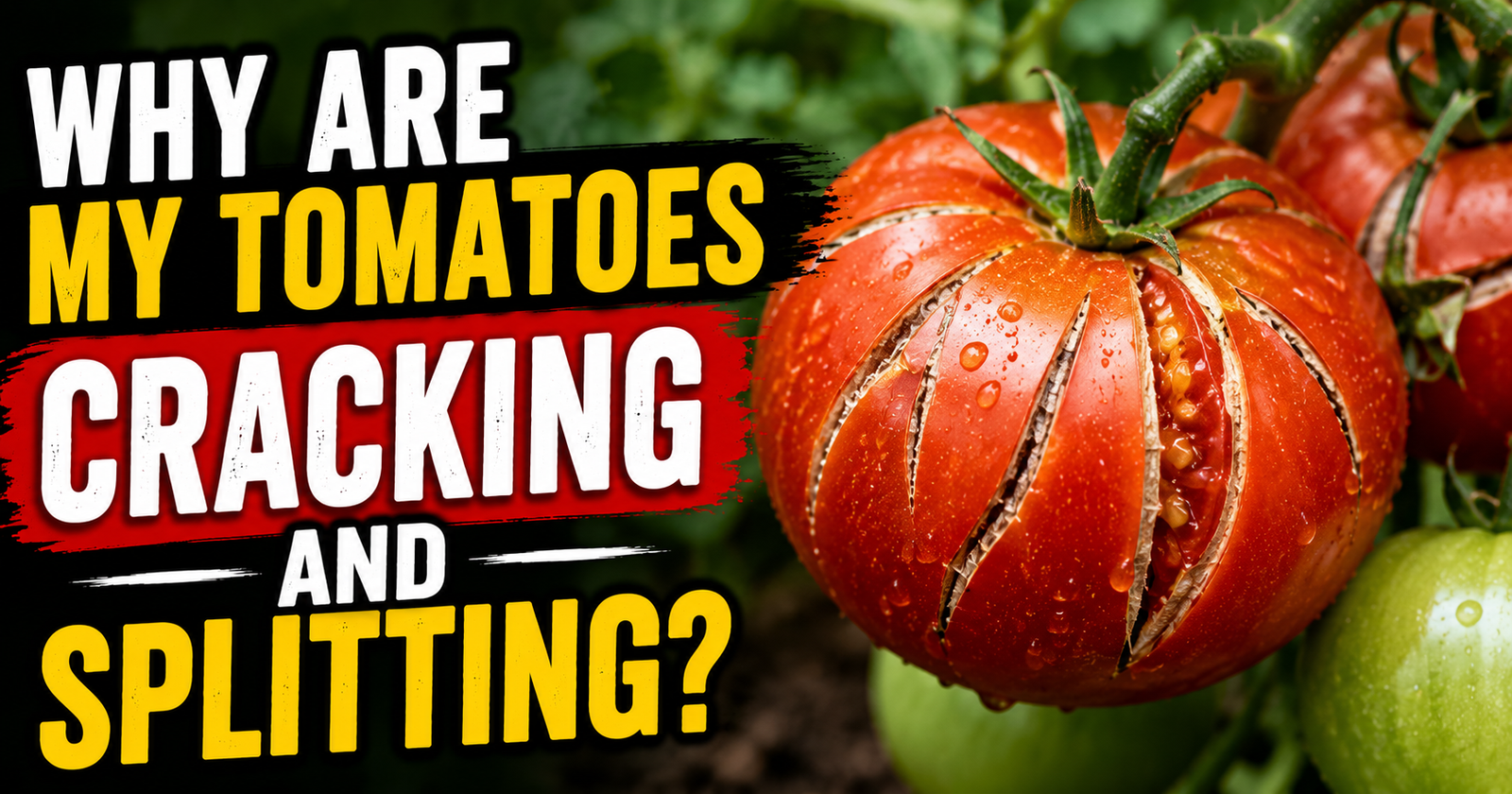
Why Are My Tomatoes Cracking and Splitting?
Tomatoes splitting after rain? Find out why the skin cracks, whether the fruit is safe to eat and how to protect the next harvest.
Straightforward tomato growing guides covering everything from planting and sunlight to pruning, support, pollination and getting more fruit from every plant.
Tomatoes splitting after rain? Find out why the skin cracks, whether the fruit is safe to eat and how to protect the next harvest.
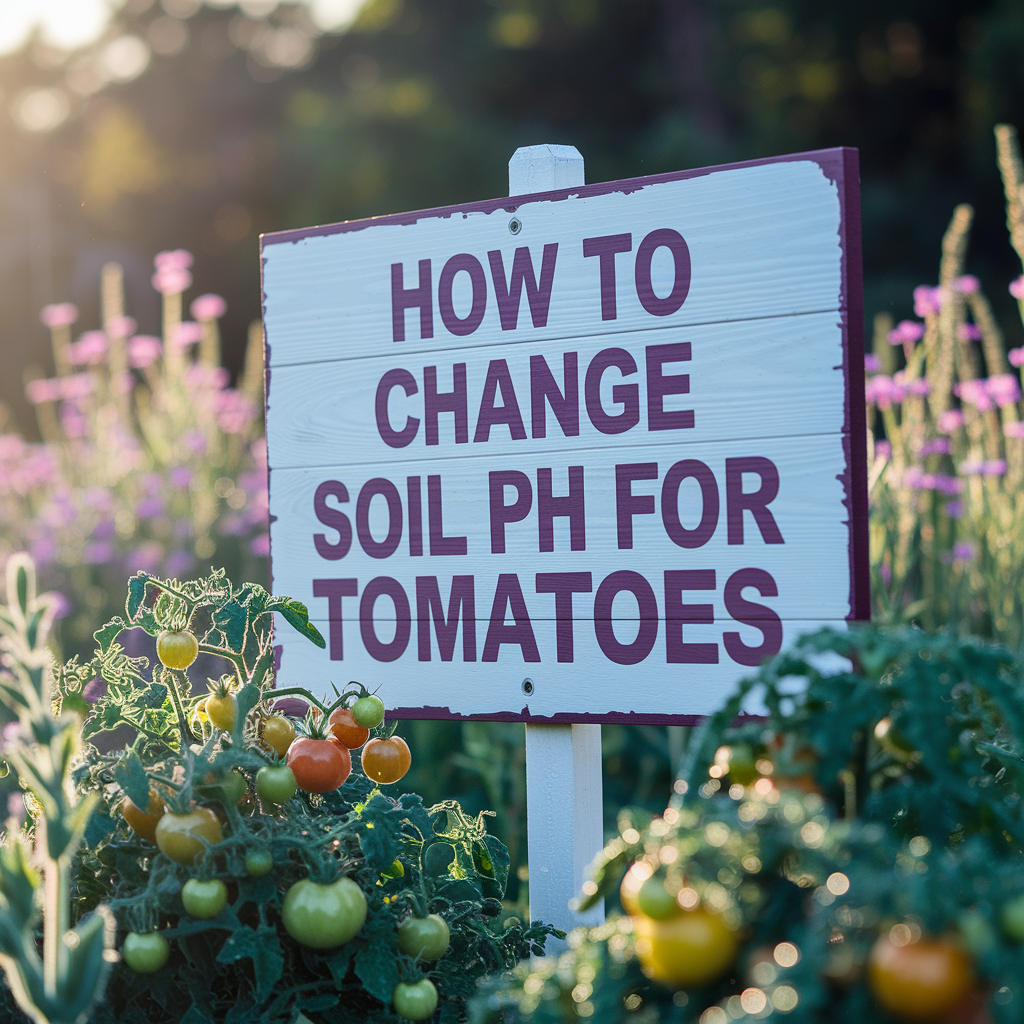
Tomatoes can sit in nutrient-rich soil and still turn yellow when the pH blocks access to it. Test for the 6.0 to 6.8 sweet spot, then adjust with lime or sulfur slowly instead of guessing.
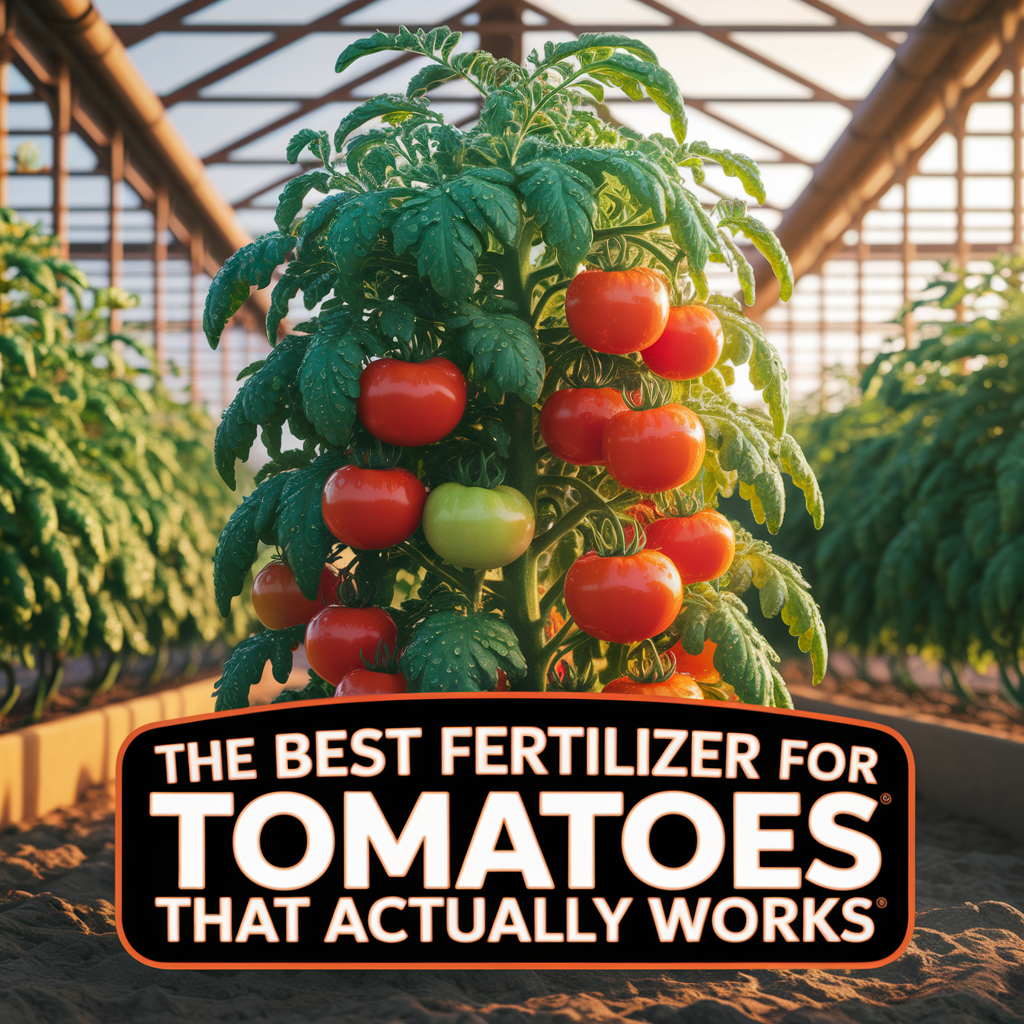
Tomatoes in pots often need feeding every week or 10 days because watering washes nutrients away. This guide explains how to read NPK numbers, when calcium and iron matter, and why liquid fertilizer can beat granular in containers.
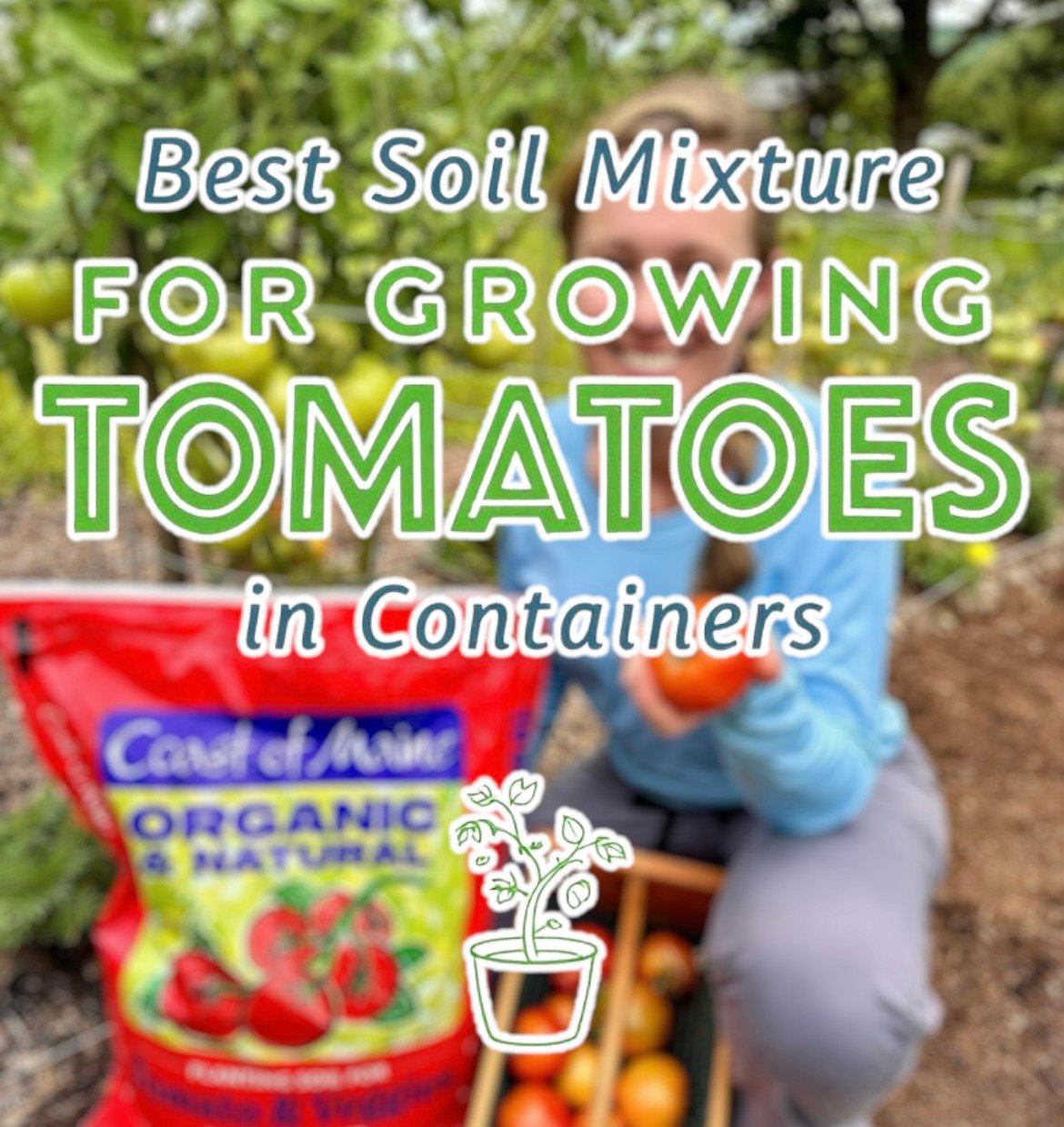
Container tomatoes can drown in the best soil if the pot cannot drain. Get the homemade mix right with potting soil, compost, perlite or coarse sand, aged manure, and a tomato-friendly pH between 6.2 and 6.8.
Tomatoes can struggle even when they have plenty of fertilizer, because the wrong soil pH locks out nutrients the roots need. Test before planting, aim for 6.0 to 6.8, and make careful adjustments with lime or sulfur.
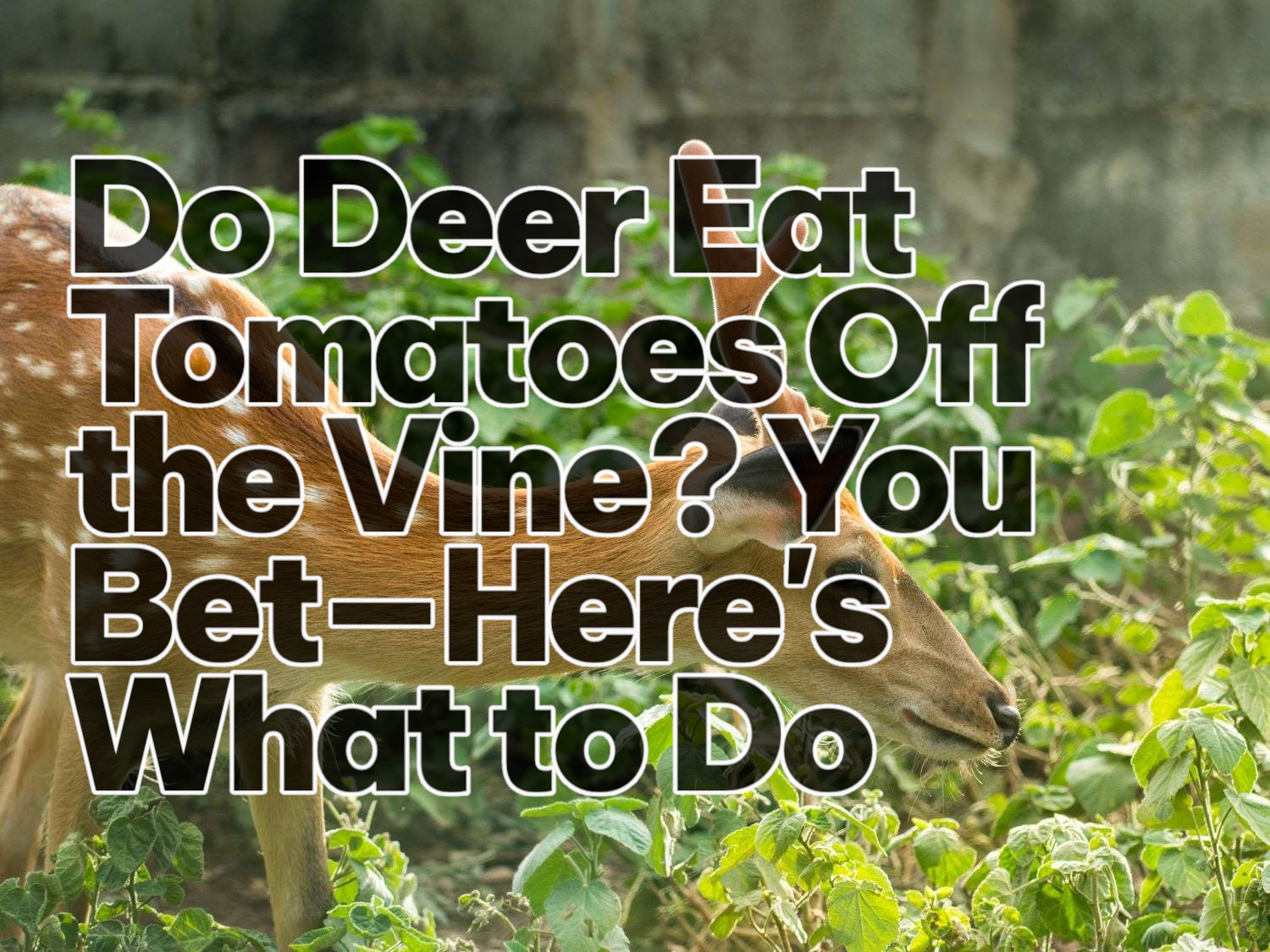
Clean bites, hoof prints and overnight damage point to deer, not hornworms or rabbits. Learn which barriers, repellents and companion plants protect tomato vines, plus how to help a partly damaged plant recover.
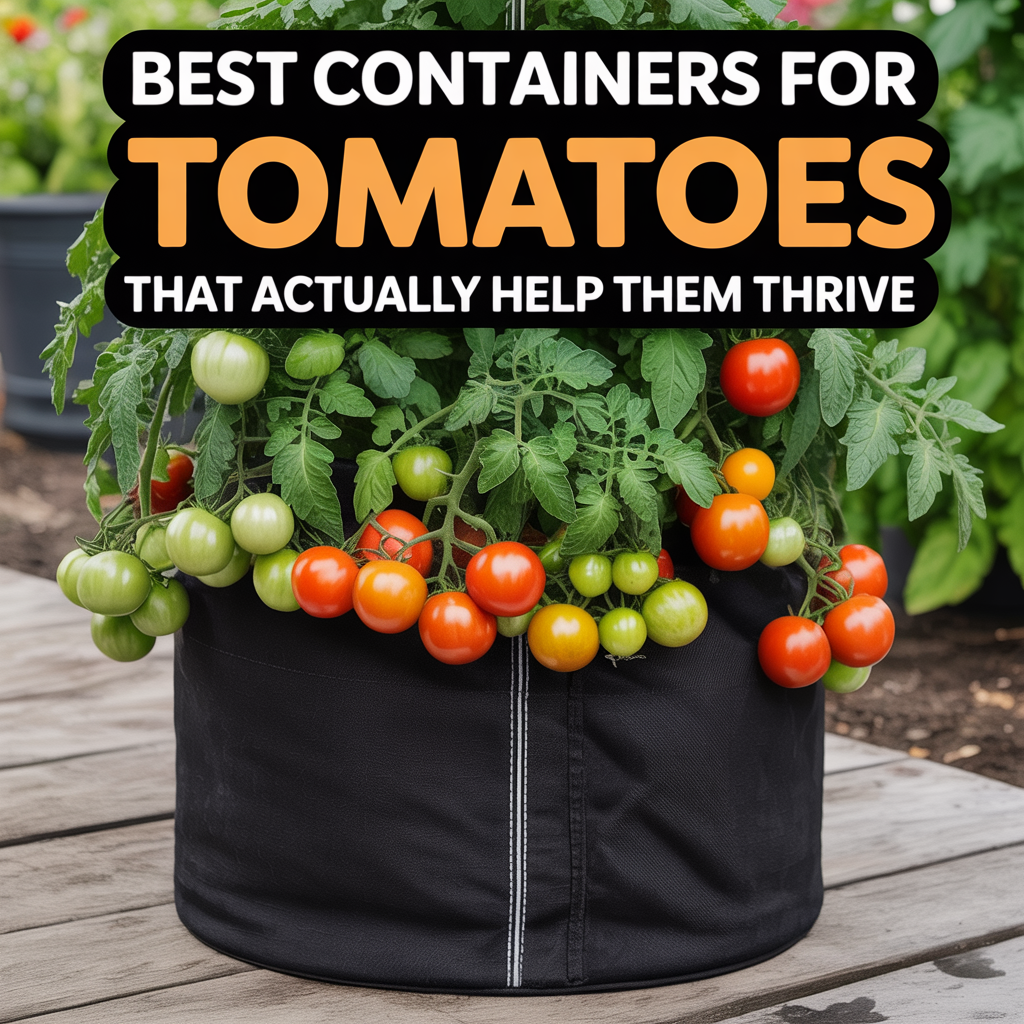
A 5-gallon bucket can grow a tomato, but it usually means more watering and extra support. For most varieties, especially indeterminate ones, 10 gallons is the practical sweet spot, with fabric bags winning for drainage, portability, and cooler roots.
One fat hornworm can strip a tomato branch overnight, hiding in plain sight while leaving black frass behind. Evening flashlight checks, attention to chewed leaves, and reapplication after rain form the practical routine this gardener uses to stop an invasion.

Aphids, whiteflies, and spider mites can curl tomato leaves before you realize pests are the problem. This review explains why Safer insecticidal soap works on contact, where to spray, when to avoid heat, and why hornworms need a different treatment.
A tomato slice can produce sprouts in 5, 10 days, but the real trick is knowing which seedlings to keep. Slice a ripe tomato, cover it lightly with soil, then separate the strongest plants once they reach 2, 3 inches.
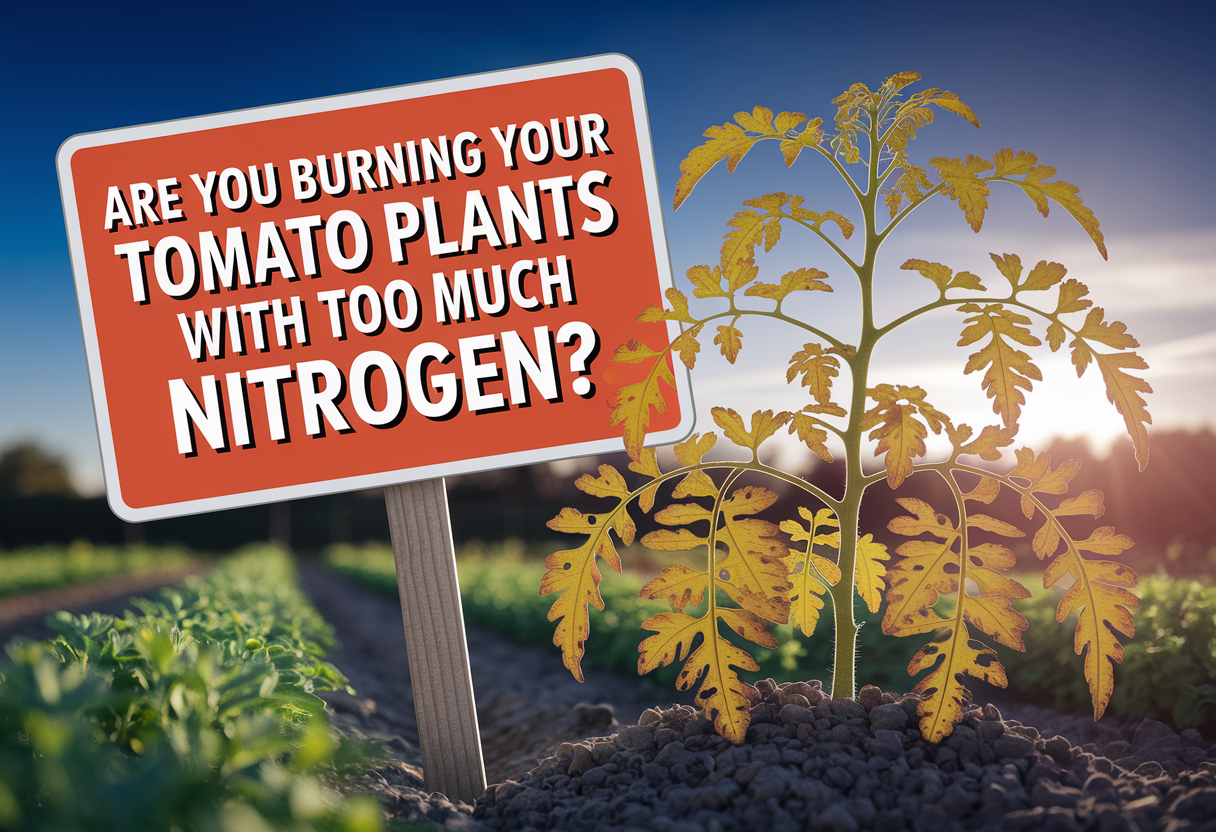
Too much nitrogen can leave tomato plants lush, curled, scorched, and short on fruit. Here’s how to recognize fertilizer burn, flush the soil, help damaged plants recover, and prevent the problem next season.

Too much nitrogen can give you a lush green jungle and barely any tomatoes. Use early varieties, warm the soil, water deeply and switch fertilizer when flowering to push plants toward an earlier, more focused harvest.