Does Time Of Day Matter When Picking Tomatoes?
Picking tomatoes whenever you happen to be in the garden may be costing you flavor. The time of day you harvest can make a noticeable difference to how good they taste.
Tomatoes in pots often need feeding every week or 10 days because watering washes nutrients away. This guide explains how to read NPK numbers, when calcium and iron matter, and why liquid fertilizer can beat granular in containers.
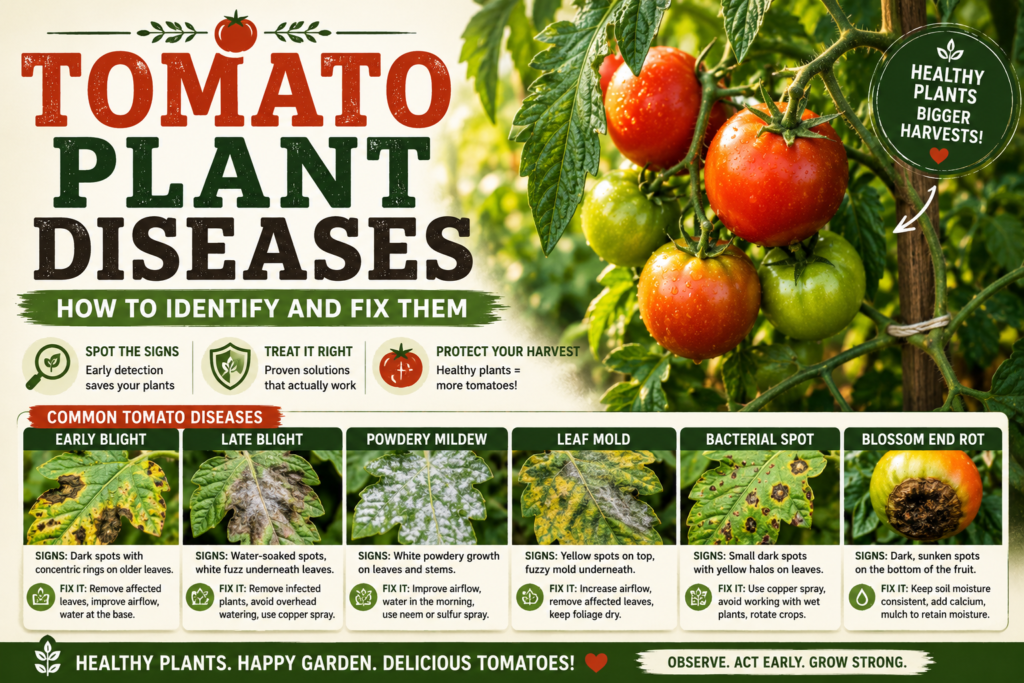
Yellow tomato leaves do not automatically mean your plant is dying. Check the soil before adding water or fertilizer, then look for clues such as bottom-up yellowing, weak sunlight, spots, curled leaves, holes, or sticky residue to identify the real problem.
Yellow leaves and a droopy tomato plant do not always mean it needs another drink. Wet soil can point to overwatering, and these warning signs help you correct the problem before the plant declines.
A 100-foot hose can turn watering into a lot less yard wrestling. This one is lightweight, flexible and kink-resistant, with enough reach for large gardens and the durability to handle pressure through every season.
A concentrated 3, 8, 7 fertilizer with calcium, iron and humic acid made a noticeable difference to this tomato harvest. See why this formula stood out from labels that promise plenty but leave you guessing about the nutrients.
Growing tomatoes without turning over the backyard is easier with these 10-gallon fabric bags. They provide root aeration, sturdy handles for repositioning, and 12 included plant labels, making them useful for tomatoes, peppers, and cucumbers alike.
Big swings in tomato growth are not the only problem a feeding schedule can create. Dr. Earth offers an organic option to rotate with other fertilizers while supporting even development, fruiting, and healthier soil.
Every tomato you grow contains next year’s seeds. Here is the complete process for saving them correctly — fermentation, drying, storage, and what actually keeps seeds viable for years.
A tomato showing its first blush can finish ripening indoors, while staying on the vine exposes it to splitting, sunscald, bugs, and rot. Pick at the breaker stage, keep the fruit firm and unstacked, and you may protect more tomatoes while encouraging new growth.
Picking a tomato variety by the picture on the seed packet can land you with a plant that hates your climate. Start with forgiving cherry tomatoes, give them six to eight hours of sun, and stake them before they become a tipsy scarecrow.
White tomato leaves are not automatically a disease. Bleached, brittle foliage after transplanting points to sunscald, powdery dust suggests mildew, and tiny dots or webbing signal pests. Use the leaf’s appearance and recent weather to choose the right fix.