
I’m Dax Weaver, the founder of Tomato Growing Tips, a home gardener, and the owner of a small four-acre family farm in rural Missouri.
Of all the things I enjoy growing in our garden, tomatoes have always been one of my favorites.
There’s something about walking outside in the middle of summer, finding a big ripe tomato, and knowing you grew it yourself.
And if you’ve ever eaten a really good homegrown tomato, you know exactly what I’m talking about.
But here’s the thing.

Growing tomatoes successfully isn’t always nearly as easy as people make it sound.
You can plant a perfectly healthy-looking tomato seedling, water it, give it plenty of sunshine, and still end up wondering why the leaves are turning yellow or why the tomatoes have ugly black spots on the bottom.
I’ve experienced my share of frustrating growing seasons, mistakes, and surprises.
Some years, the plants grow beautifully.
Other times, something goes wrong, and I end up spending hours trying to figure out what happened.
That’s why I started Tomato Growing Tips.
I wanted to take everything I’ve learned growing tomatoes and make it easier for other gardeners to understand.
My goal is to help you grow healthier plants, recognize problems earlier, and enjoy more of the tomatoes you’ve worked so hard to produce.
And hopefully, you can learn some of those lessons a lot faster than I did.
Growing Tomatoes on Our Missouri Family Farm
My wife, our three kids, and I live on a small four-acre farm in rural mid-Missouri.
We grow a variety of fruits, berries, trees, shrubs, and seasonal garden crops. We also operate Weaver Family Farms Produce and Weaver Family Farms Nursery.
But tomatoes have always had a special place in my garden.
They’re one of those crops I look forward to planting every spring.
Part of the excitement is that every growing season is a little different.
Missouri weather can be unpredictable. We have cold springs, hot summers, stretches of heavy rain, and periods when everything seems to dry out at once.
Those conditions can make tomato growing interesting, to say the least.
A plant that looks fantastic one week might be showing signs of stress the next.
I’ve learned that successful tomato growing requires paying attention to what the plants are telling you.
And sometimes, that means changing an approach you’ve used for years.
Tomatoes Are Different From Many Other Garden Plants
One reason I find tomatoes so interesting is how much there is to learn about them.
They’re not like planting a patch of sweet corn and waiting for the ears to develop.
Tomatoes have different growth habits, pruning requirements, support needs, and fruiting patterns depending on the variety.
Some stay relatively compact.
Others can grow into enormous plants that seem determined to take over the entire garden.
You also have to think about watering, soil conditions, nutrients, sunlight, pollination, disease, and the right time to harvest.
And then there are the tomatoes themselves.
Some are small and sweet.
Some are big and juicy.
Others are better suited for sauces, cooking, or preserving.
I enjoy learning about those differences because they make tomato growing more interesting.
There’s always another variety to consider or another growing method worth understanding.
The Mistakes That Taught Me the Most
One thing I’ve learned over the years is that mistakes can teach you more than a perfect growing season.
I’ve dealt with plants that grew too much foliage, frustrating watering problems, disappointing production, and fruit that didn’t turn out the way I expected.
Sometimes I’d think I was doing exactly what a tomato plant needed, only to discover that my approach wasn’t quite right.
For example, watering tomatoes isn’t simply about dumping water on them every day.
Soil moisture, drainage, temperature, and the plant’s stage of growth all matter.
And giving a plant more fertilizer isn’t automatically going to produce more tomatoes.
Too much of certain nutrients can encourage excessive leafy growth or create other problems.
I wrote about several of those experiences in my article on everything I wish I’d known before growing tomatoes.
That’s exactly the kind of information I want beginners to find.
Not just instructions, but explanations that help them understand why certain growing practices matter.
Learning How to Water Tomatoes Correctly
Watering is one of the most important parts of growing tomatoes, and it’s also one of the easiest things to get wrong.
When I first started learning, I didn’t fully appreciate how much inconsistent moisture could affect a tomato plant. Inconsistent moisture is also one reason gardeners should understand why tomato leaves curl down and what to do about it.
It isn’t always as simple as too much water or too little water.
Sometimes the problem comes from the soil repeatedly drying out and then becoming saturated.
That can contribute to fruit cracking and interfere with the movement of calcium into developing tomatoes.
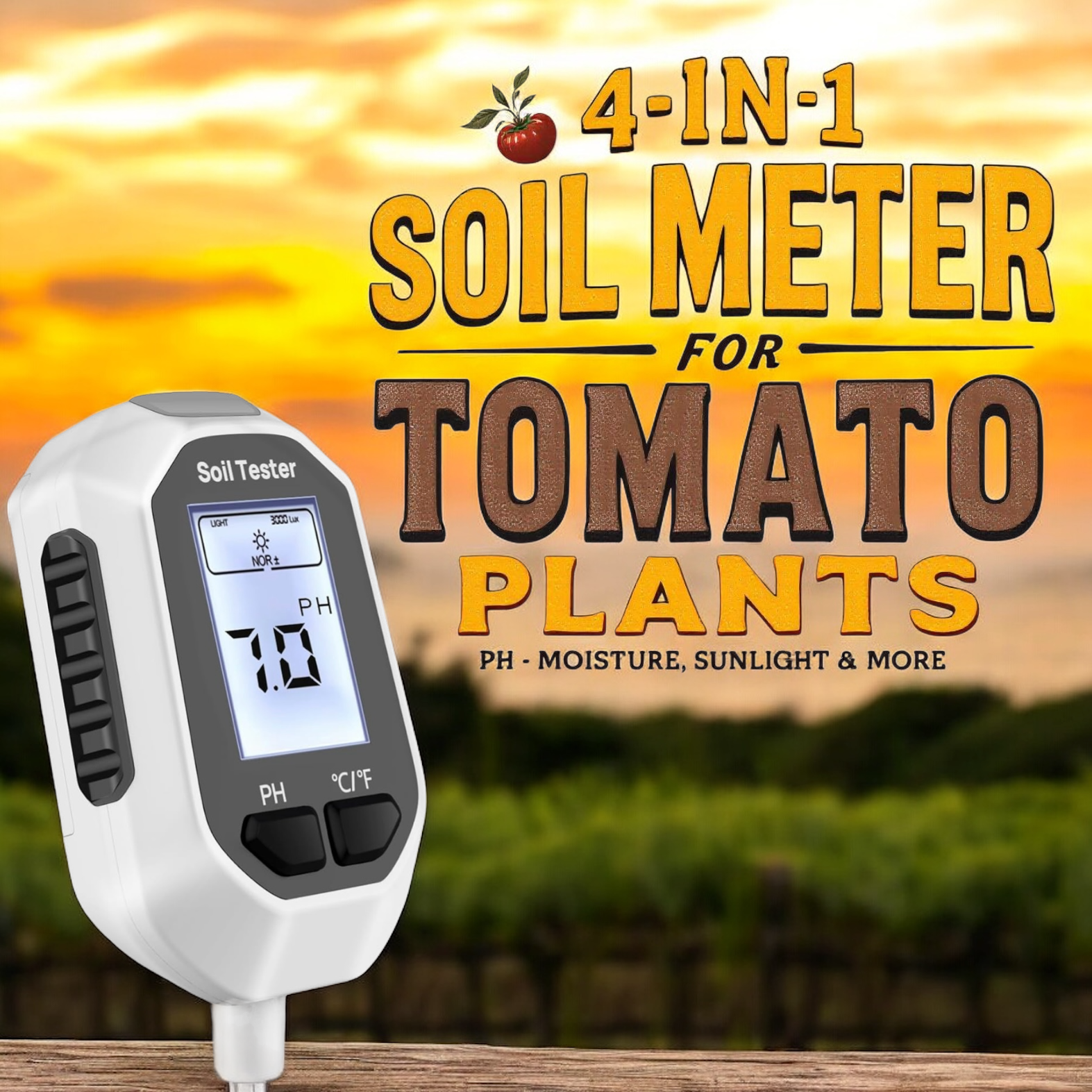
I’ve learned to pay closer attention to soil moisture rather than assuming every plant needs the same amount of water on the same schedule. A a 4-in-1 soil meter can help gardeners check conditions before deciding whether a tomato plant needs water.
A tomato growing in a container may dry out much faster than one growing in the ground.
A plant during a hot Missouri summer may need more frequent watering than it did during a cool spring.
And the type of soil can make a major difference.
I want readers to understand those relationships so they can adjust their watering habits to their own gardens.
Why Tomato Leaves Turn Yellow
Few things are more frustrating than walking out to your garden and discovering yellow leaves on a tomato plant that looked healthy a few days earlier.
The temptation is to assume the plant needs fertilizer.
But I’ve learned that yellowing leaves don’t automatically mean a nutrient deficiency.
There are several possible causes.
The roots may be staying too wet.
The plant could be stressed by dry soil.
Older leaves may be naturally aging.
Or the yellowing might be associated with disease, pests, or nutrient problems.
The location of the affected leaves and the other symptoms can provide useful clues.
For example, yellowing lower leaves accompanied by distinctive spots can suggest a different problem from widespread pale growth on an otherwise healthy plant.
I believe it’s worth examining the plant carefully before reaching for another fertilizer.
That approach can save both time and money.
Tomato Diseases Can Be Frustrating
Growing tomatoes in Missouri means dealing with weather conditions that can sometimes favor plant diseases.
Warm temperatures, humidity, splashing rain, and wet foliage can create challenges.
I’ve spent time learning how to recognize symptoms associated with problems such as early blight, Septoria leaf spot, and bacterial spot.
One of the biggest lessons is that not every brown or yellow spot has the same cause.
The appearance of the damage matters.
So does where it starts.
A few spots on older leaves may indicate something different from rapidly spreading lesions across the entire plant.
I’ve also learned that early identification can make a difference when deciding what to do next.
I explain some of those clues in my guide to recognizing and managing early blight on tomato plants.
My goal is to help people identify the problem more accurately instead of treating every leaf spot as the same disease.
The Trouble With Tomato Hornworms
If you’ve ever grown tomatoes long enough, there’s a good chance you’ve encountered a hornworm or at least heard about them.
These caterpillars can be surprisingly difficult to spot.
They’re green, they blend in with the foliage, and sometimes you notice the damage before you find the insect responsible.
I enjoy helping gardeners recognize clues such as chewed leaves and missing sections of growth.
I also think it’s important to understand the different ways pests can be managed.
Sometimes hand-picking is practical.
Other situations may require more involved management.
But I don’t believe every insect problem should automatically be handled by spraying the entire garden.
The pest needs to be identified, and any treatment should be suitable for edible crops and applied according to its label.
Protecting the tomato harvest matters, but so does using pest-control products responsibly.
What I’ve Learned About Tomato Fertilizer
Fertilizer is another area where it’s easy to assume that more must be better.
I’ve learned that’s not necessarily true.
A tomato plant needs the right balance of nutrients, but applying unnecessary fertilizer can create problems.
Too much nitrogen, for example, may encourage excessive vegetative growth at the expense of fruit production.
But a fertilizer with a high phosphorus number isn’t automatically the right choice for every garden either.
The soil’s existing nutrient levels matter.
That’s why I think gardeners should pay attention to their soil conditions and what their plants actually need.
Sometimes the answer is adjusting a feeding schedule.
Other times, a soil test may reveal something unexpected.
I enjoy learning about fertilizer because it’s a subject where understanding the reasoning behind a recommendation can help prevent mistakes.
Pruning Tomato Plants Takes Some Learning
I remember how easy it was to underestimate how large a tomato plant could become.
Some varieties keep growing throughout the season, producing more stems, leaves, and fruit clusters as they develop.
Without suitable support, they can turn into a tangled mess.
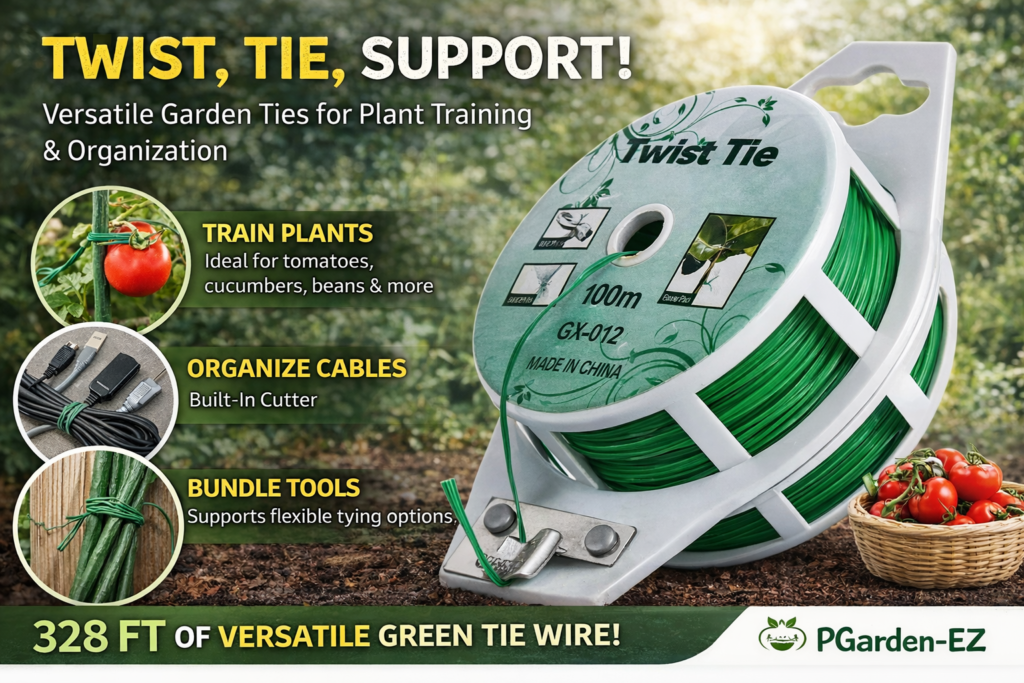
That’s one reason I’ve become interested in pruning and training tomato plants. For plants that need flexible support during training, reusable twist ties for training may be worth considering.
But I’ve also learned that pruning isn’t the same for every variety.
Indeterminate tomatoes can benefit from certain pruning and support methods, depending on the growing system.
Determinate varieties often need a different approach because excessive pruning can remove productive growth.
I don’t believe gardeners should cut branches simply because someone online says every tomato plant needs heavy pruning.
It’s better to understand the variety and the purpose of the cut.
Maintaining healthy foliage, improving airflow, and keeping the plant supported are all useful considerations.
Why I Pay Attention to Tomato Varieties
Another thing I’ve learned is that choosing a tomato variety can affect almost everything about the growing experience.
Some tomatoes are best known for their flavor.
Others are valued for consistent production, compact growth, or suitability for cooking.
And some varieties may perform better than others under particular growing conditions.
I’ve enjoyed learning about different types of tomatoes, including cherry tomatoes, slicers, paste tomatoes, and heirloom varieties.
When choosing what to grow, I think about what I want to do with the harvest.
Am I looking for fresh tomatoes to eat?
Do I want something for sandwiches?
Would a paste tomato be better for cooking?
Or do I want a compact plant for a smaller space?
Those questions can help gardeners avoid disappointment.
A tomato that’s excellent for making sauce might not be the type someone wants for a thick, juicy sandwich.
Understanding the difference before planting makes the whole season more rewarding.
Harvesting Tomatoes at the Right Time
There’s nothing quite like watching a green tomato finally begin changing color.
But I’ve learned that waiting until every tomato becomes completely ripe on the vine isn’t always the best choice.
Sometimes the weather creates problems.
A heavy rain can increase the risk of splitting.
Insects or animals may damage fruit.
And intense summer heat can affect how tomatoes develop their final color.
One growing practice I like is harvesting suitable mature tomatoes when they first begin showing their expected ripe color, known as the breaker stage.
A tomato harvested at that stage can continue ripening indoors under appropriate conditions.
This can be especially useful when damaging weather is approaching.
I discuss the idea in my guide explaining why I pick tomatoes at the breaker stage.
I want gardeners to understand that a tomato doesn’t always need to remain on the plant until it’s completely red to develop into a good ripe tomato.
Cracked, Scarred, and Ugly Tomatoes
If you’ve grown tomatoes for a few seasons, you’ve probably harvested some that looked pretty strange.
I’ve seen how frustrating it can be when a tomato grows beautifully for weeks and then develops a crack or an unusual mark.
Sometimes the damage is largely cosmetic.
Other times, an opening in the skin can allow decay or contamination.
I’ve learned that recognizing the difference matters.
A dry, healed scar isn’t the same as a wet, soft, rotting area.
And a tomato that has been punctured by insects may require different consideration from one that developed a harmless growth mark.
That’s why I enjoy researching the appearance of different tomato problems.
I want people to understand what they’re looking at before assuming every imperfect tomato needs to be thrown away.
But I also believe food safety matters, and questionable or decaying produce shouldn’t be treated as harmless.
Growing Tomatoes in Containers and Small Spaces
One of the things I like about tomatoes is that you don’t necessarily need a large garden to grow them.
Some varieties can do well in containers when they’re given enough space, nutrients, sunlight, and water.
But container growing creates its own challenges.
The soil can dry out quickly.
Roots have limited room.
And a large plant may become difficult to support.
A container that’s suitable for a compact tomato variety may be too small for a vigorous indeterminate plant.
I enjoy helping people understand those differences because I don’t want anyone to believe they need several acres to grow their own food.
A sunny backyard, patio, or suitable container-growing area can be enough to get started.
The important part is matching the plant to the growing conditions.
Why I Started Tomato Growing Tips
I created this website because I wanted to make tomato growing easier for people who are just getting started.
When you’re new to gardening, everything can seem complicated.
You have to choose seeds or plants.
Figure out when to plant.
Prepare the soil.
Understand watering and fertilizer.
Find suitable supports.
And somehow recognize what went wrong when the plant starts looking unhealthy.
That’s a lot to learn.
And it’s especially frustrating when you’ve followed instructions but still don’t get the harvest you expected.
I wanted Tomato Growing Tips to provide understandable explanations that help people avoid common mistakes.
I also wanted to share the lessons that took me multiple growing seasons to understand.
Not because I believe there’s a perfect method that works everywhere.
But because having a better understanding of your plants can make each growing season more successful.
How I Research Tomato Growing Information
My firsthand gardening experience is an important part of this website, but I also believe good growing advice should be supported by reliable horticultural information.
When researching plant diseases, soil nutrients, growing conditions, and pest problems, I look for appropriate information from university Extension programs, horticultural publications, and other credible sources.
Those references help me understand why certain problems occur and how researchers recommend managing them.
I also try to distinguish my personal observations from broader growing recommendations.
For example, I can explain how a particular tomato performed in our Missouri garden.
But that doesn’t mean it will behave exactly the same way in Arizona, Florida, or another part of the country.
Climate, growing season, soil, variety, and watering practices can all affect the results.
I want readers to understand those differences so they can make decisions that work for their own gardens.
Products and Tools I Find Useful
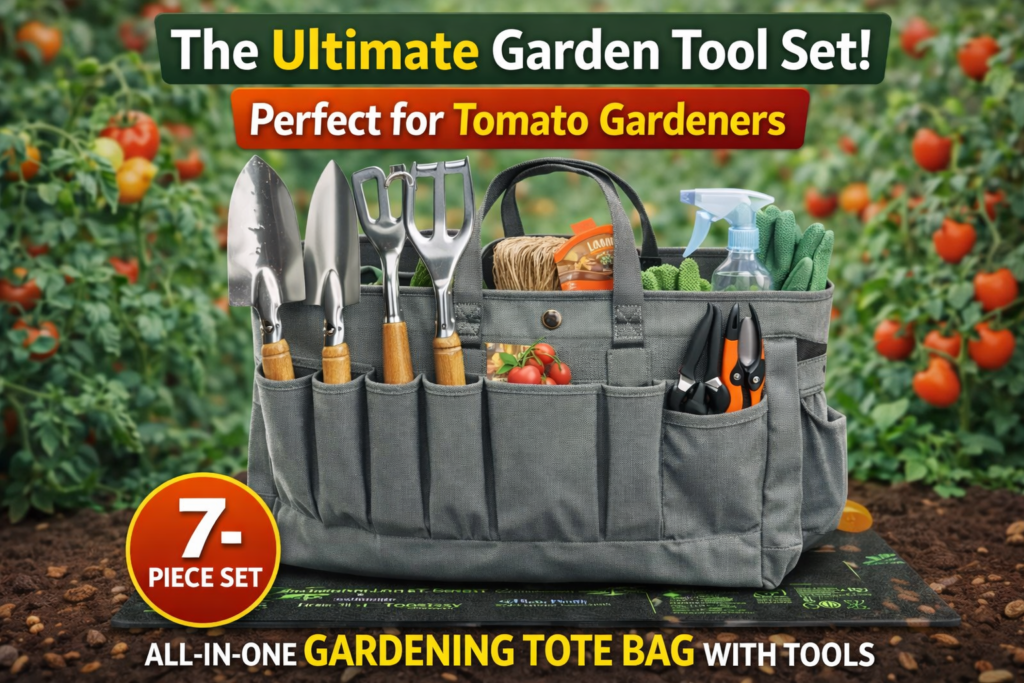
Growing tomatoes has also made me interested in the products that can make gardening easier. For everyday planting and maintenance tasks, a practical garden tool set is one option to examine.
That includes stakes, cages, fertilizers, soil amendments, watering equipment, pruning tools, and pest-management products.
Some products have been useful in my own gardening.
Others are things I’ve researched because they address problems gardeners commonly encounter.
I believe there’s an important difference between a product I’ve personally used and one I’ve evaluated through published information.
When I discuss something based on firsthand experience, I want that to be clear.
When an article relies on manufacturer specifications or other research, that should be presented accurately, too.
I also don’t want to recommend buying something when the problem might be solved through better watering, proper spacing, or a simple adjustment to the growing environment.
Sometimes the most useful gardening advice doesn’t require buying anything.
Sharing the Garden With My Family
One of the best things about living on our family farm is getting to share the growing experience with my children.
I want them to understand where food comes from and how much care goes into raising it.
Tomatoes are a great crop for that.
Kids can watch a small plant grow, see flowers appear, and eventually discover fruit developing on the branches.
Then comes the exciting part of finding ripe tomatoes ready to pick.
It’s a simple experience, but I think there’s something valuable about it.
I want my kids to learn that growing food takes patience and attention.
Sometimes things go wrong.
And sometimes you have to try again the next season.
But the reward of eating something you helped grow can make the effort worthwhile.
What You’ll Find on Tomato Growing Tips
Tomato Growing Tips covers just about every stage of growing tomatoes.
I write about starting seeds, transplanting seedlings, watering, soil preparation, fertilizer, pruning, and supporting plants.
There are also guides to identifying common problems such as yellowing leaves, fruit cracking, blossom end rot, pests, and diseases.
Other articles focus on varieties, harvesting, ripening, containers, and ways to use or preserve the harvest.
Some of these subjects come directly from my own growing experiences.
Others involve research into problems I want to understand better.
My goal is to make the information clear and useful, whether someone is planting their first tomato seedling or trying to improve an established garden.
A Little More About Me
Outside of Tomato Growing Tips, I live in rural mid-Missouri with my wife and our three kids.
Our family operates Weaver Family Farms Produce and Weaver Family Farms Nursery, where we grow fruits, berries, trees, shrubs, and seasonal produce.
I enjoy experimenting with plants, learning why things grow the way they do, and discovering better ways to care for them.
But tomatoes remain one of my favorite garden crops.
There’s something about the whole process that keeps me interested.
Starting with a little plant.
Watching it grow.
Trying to protect it from pests and weather.
Waiting for the fruit to develop.
And finally picking a tomato that tastes so much better because you grew it yourself.
I’ve had successful seasons, frustrating seasons, and plenty of lessons learned along the way.
And I’m still learning.
That’s exactly why I enjoy sharing what I discover.
I want Tomato Growing Tips to help other gardeners avoid unnecessary mistakes, understand their plants, and experience the satisfaction of growing their own tomatoes.
Hopefully, you can learn in one season some of the things that took me several years to figure out.
Dax Weaver
Founder of Tomato Growing Tips
Home Gardener, Tomato Grower & Small Farm Owner
Rural Mid-Missouri