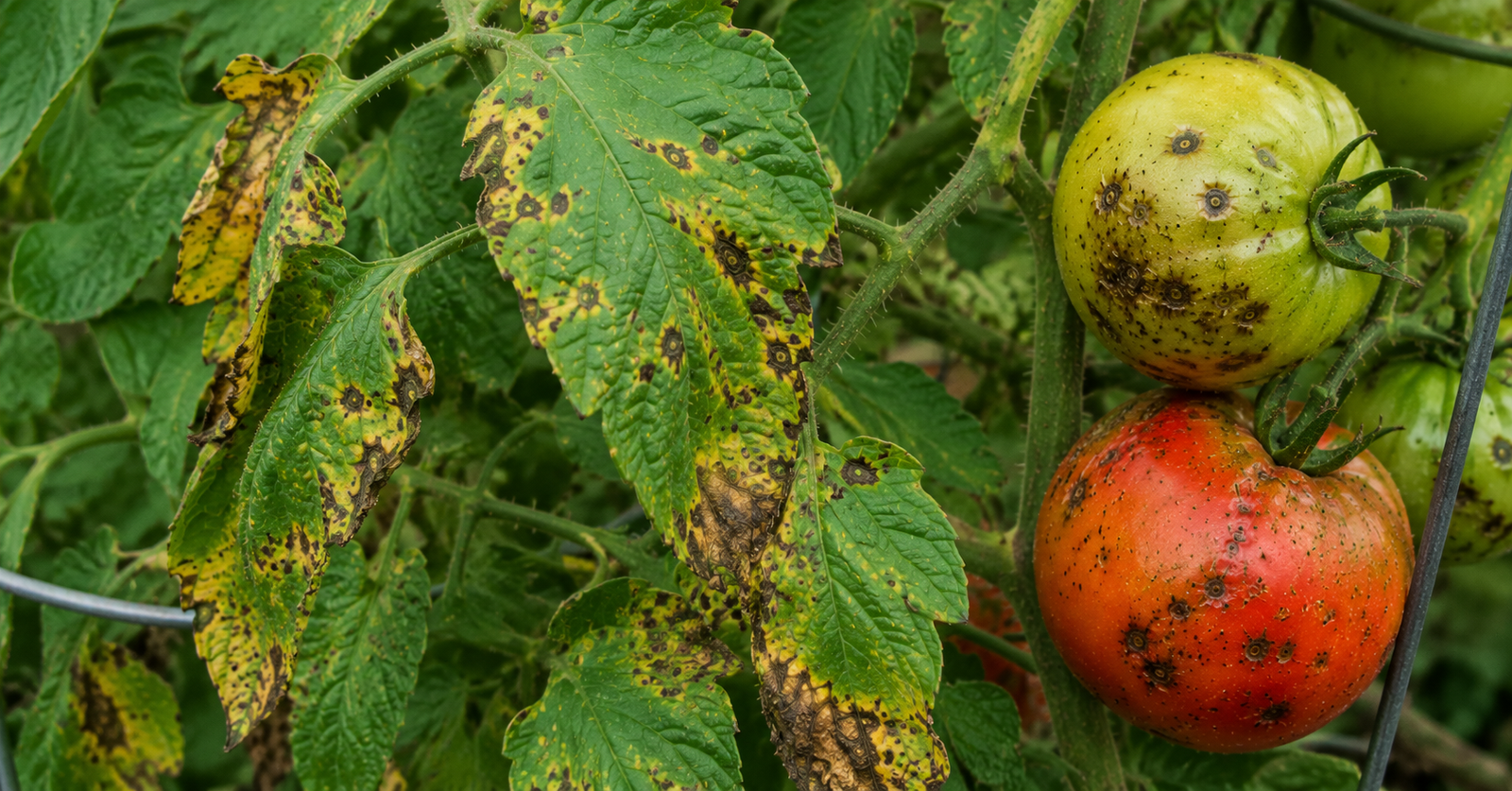
Small black spots on tomato leaves can be easy to dismiss. I have learned to look closer, especially when the weather has been warm, rainy and humid.
Bacterial spot can damage tomato leaves, stems and fruit. It may begin with a few tiny marks before spreading across the plant, causing yellow foliage, leaf loss and rough blemishes on developing tomatoes.
Bacterial speck creates similar symptoms and can be difficult to separate from bacterial spot by looking at the leaves alone. That is why I consider the fruit symptoms, recent weather and the complete pattern across the plant before deciding what I am dealing with.
These diseases cannot be cured by simply feeding the plant or spraying a general garden product. My goal is to recognize the problem early, slow its spread and protect healthy tomatoes nearby.
What Does Bacterial Spot Look Like on Tomato Plants?
Bacterial spot generally produces small, dark brown or black marks on tomato leaves. The spots may initially look wet or water-soaked before becoming dry and dark.
Individual spots are often about one-eighth inch wide or smaller. As the disease progresses, several lesions may merge into larger damaged areas.
I look for several symptoms together.
Small Dark Leaf Spots
The earliest spots may be most noticeable on the undersides of tomato leaves. As they develop, they become visible from above and may be surrounded by pale green or yellow tissue.
The centers sometimes become tan or gray, which makes bacterial spot difficult to distinguish from certain fungal leaf diseases.
Yellowing Leaves
Heavily spotted leaves begin turning yellow. The yellowing may appear around individual lesions before spreading across most of the leaf.
Eventually, the leaf turns brown, dries out and drops from the plant.
Dark Marks on Stems
Bacterial spot can produce dark, narrow lesions on tomato stems, leaf stalks and flower parts. Stem symptoms may be less noticeable than the leaf damage, but they help confirm that this is more than ordinary leaf aging.
Raised Scabs on Tomato Fruit
The fruit symptoms provide some of the best identifying clues.
Bacterial spot usually produces raised, dark blemishes that can enlarge and become rough or scab-like. Some lesions develop a pale, greasy-looking border.
These marks are most noticeable on green tomatoes, although symptoms can remain visible as the fruit ripens.
The University of Maryland Extension describes bacterial spot lesions on fruit as small, dark raised blisters that can enlarge and become scabby.


What Does Bacterial Speck Look Like?
Bacterial speck also produces small black spots on tomato leaves. Older leaf spots may develop pale green or yellow rings.
The fruit marks are usually smaller and more superficial than bacterial spot lesions. They may appear raised or slightly sunken, but they generally do not become as rough, cracked or scaly.
A tomato with bacterial speck can look as though someone sprinkled black pepper across its skin.
Bacterial speck is favored by relatively cool, wet conditions. Bacterial spot is more likely to become severe during warm, wet weather.
Those weather preferences provide a clue, but they are not enough to confirm a diagnosis by themselves.
Bacterial Spot Versus Bacterial Speck
These two diseases are difficult to separate based only on leaf symptoms. Both create small dark lesions, yellowing and eventual leaf loss.
I pay more attention to the tomatoes themselves.
Bacterial Spot Fruit Damage
Bacterial spot tends to produce larger, rougher lesions. The marks may become corky, cracked or scab-like as the tomato develops.
Bacterial Speck Fruit Damage
Bacterial speck generally produces tiny, shallow black marks. The blemishes remain more superficial and do not usually become heavily cracked or scaly.
The University of Minnesota’s tomato leaf-spot diagnostic guide notes that bacterial speck fruit spots are generally only one to two millimeters wide, while bacterial spot may produce larger corky lesions.
For a home gardener, separating the two is not always essential because the basic prevention and sanitation steps are similar.
Bacterial Spot Versus Septoria Leaf Spot
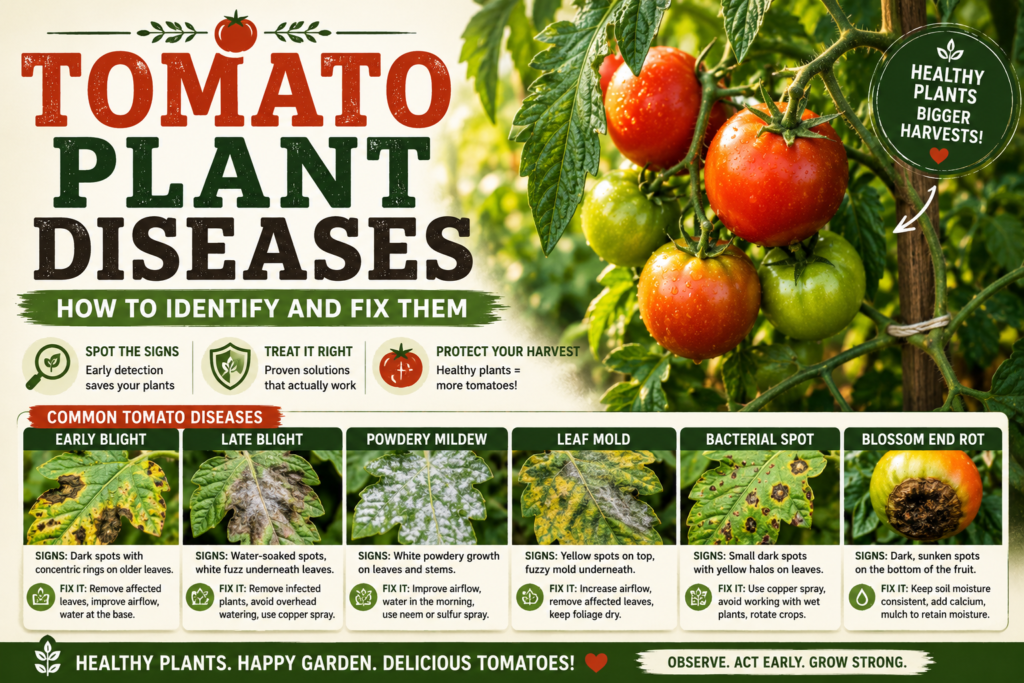
Septoria leaf spot is a fungal disease that usually creates numerous small, round lesions on the lower foliage. Mature spots frequently have pale gray or tan centers, dark edges and tiny black dots within the centers. A side-by-side look at common tomato disease symptoms can make Septoria easier to distinguish from bacterial spot.
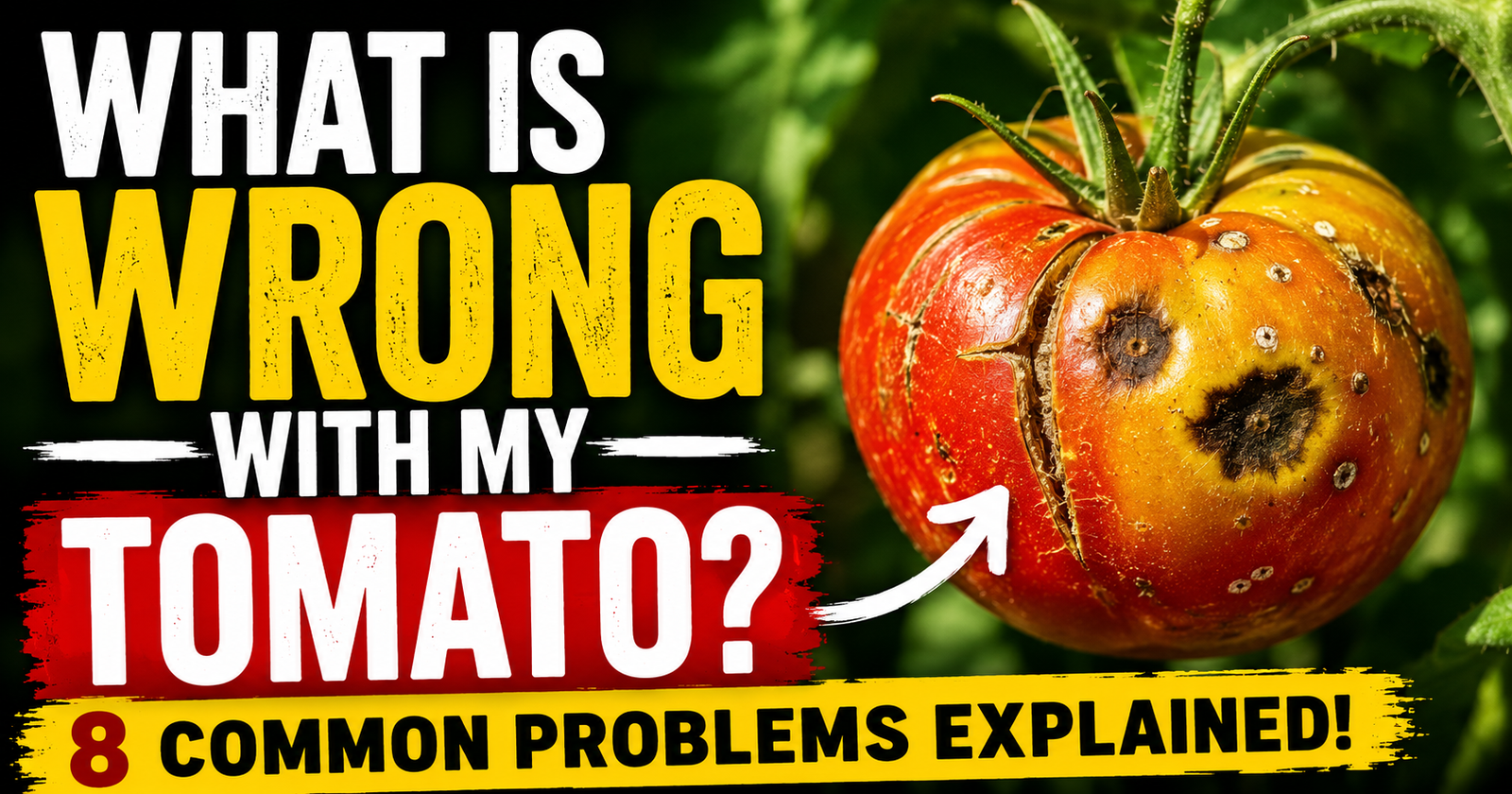
Bacterial spot lesions may look wetter or greasier when they begin. The disease can also produce raised blemishes on tomato fruit, while Septoria primarily damages the leaves. The guide at tomato fruit blemishes offers additional comparisons for deciding whether a tomato blemish is cosmetic damage, insect feeding, or active decay.
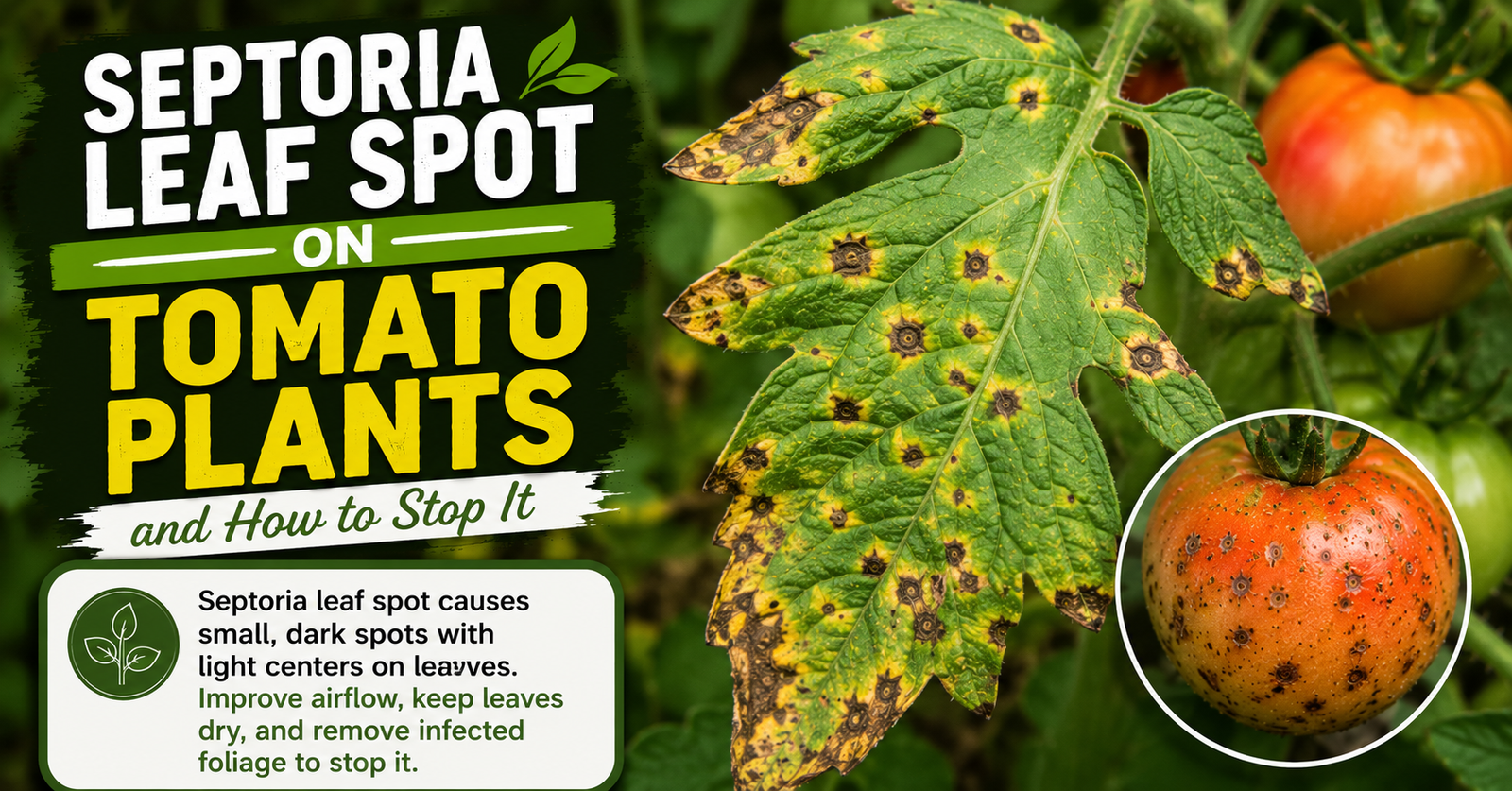
My Septoria leaf spot symptom guide explains how the pale-centered lesions develop and why fruit symptoms point toward a different diagnosis.
Both diseases can occur on the same plant, so I do not assume every spot has one cause.
Bacterial Spot Versus Early Blight
Early blight usually creates larger brown lesions containing concentric rings. These rings give the spots a target or bull’s-eye appearance.
The disease commonly begins on older leaves near the bottom of the plant. It can also create dark, leathery damage near the stem end of tomato fruit.
Bacterial spot produces much smaller leaf lesions and rough, raised fruit scabs rather than large ringed patches.
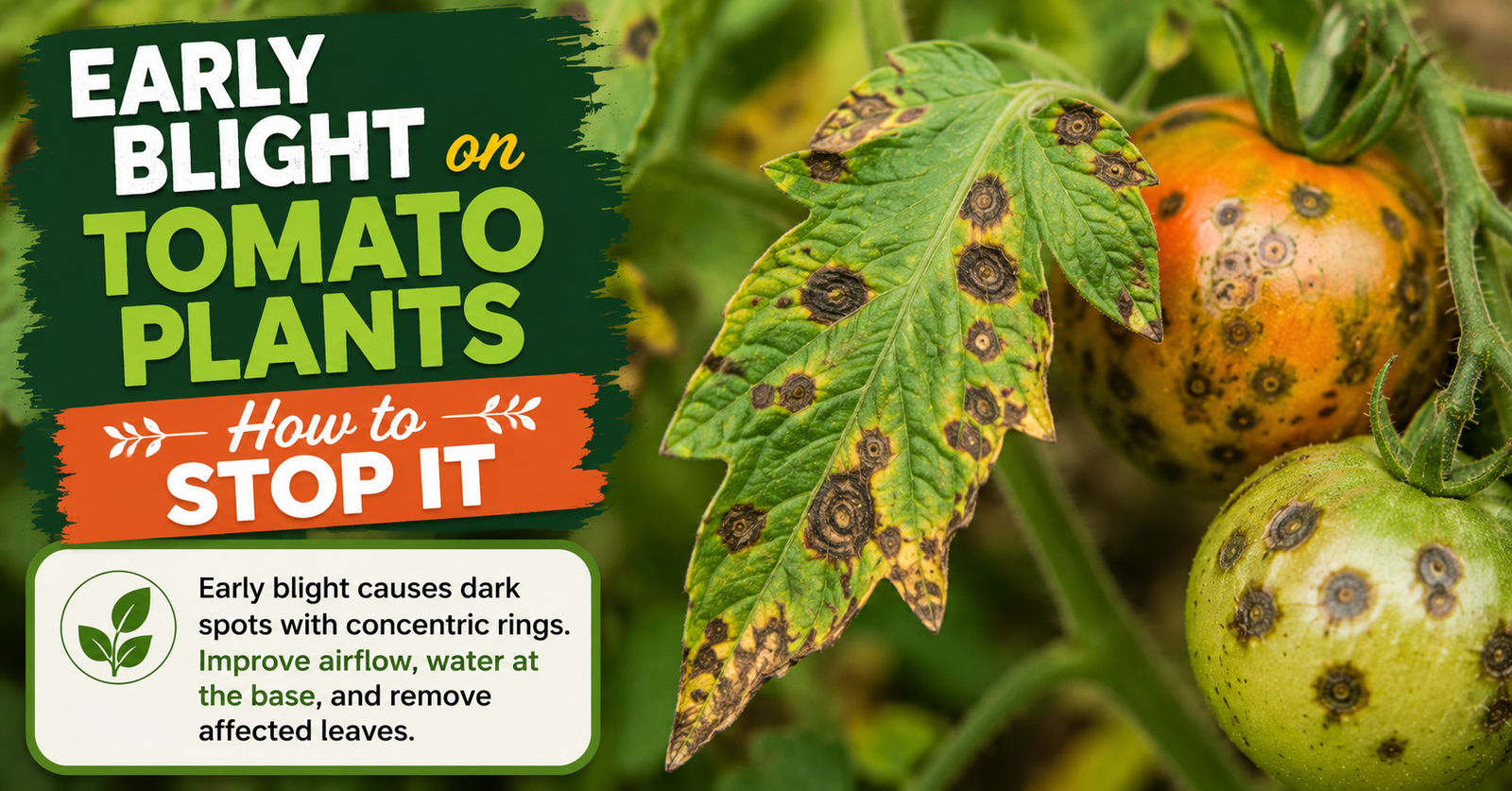
If the leaf spots contain obvious circles, I compare them with my early blight identification guide before deciding the plant has a bacterial disease.
Bacterial Spot Versus Late Blight
Late blight produces rapidly expanding, irregular lesions that often look water-soaked or greasy. These patches become olive green, dark brown or nearly black.
During damp weather, white fuzzy growth may appear beneath infected leaves. Dark stem lesions and large olive-brown areas on fruit are also common warning signs.
Bacterial spot generally creates numerous tiny lesions rather than broad areas of collapsing tissue. Its fruit damage is usually made up of small raised scabs.
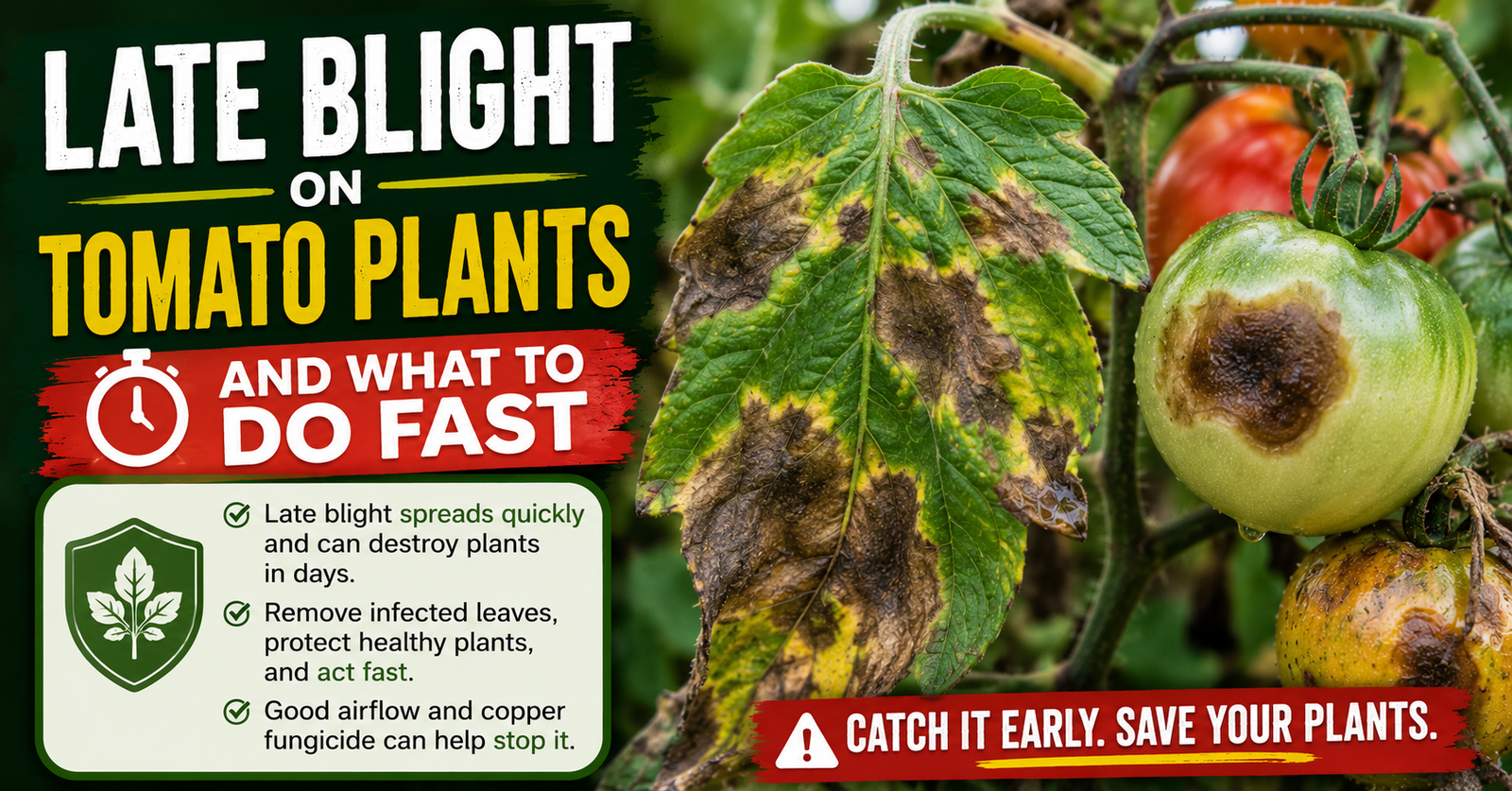
Late blight can destroy plants rapidly during cool, wet weather. If the damage is spreading noticeably from one day to the next, I use my late blight warning-sign checklist and seek confirmation quickly.

Where Does Bacterial Spot Come From?
Bacterial spot may enter a garden through infected seed or tomato transplants. A seedling can carry the bacteria before obvious symptoms appear.
Once introduced, bacteria can move from one plant to another through splashing water, wet hands, clothing and garden tools.
The bacteria may also survive on crop debris, volunteer tomatoes, peppers and certain weeds.
This explains why bacterial spot sometimes appears even in a garden that has never had an obvious problem before. The disease may arrive on a transplant and remain unnoticed until warm, wet conditions encourage symptoms.
Why Wet Weather Makes It Worse
Bacteria need moisture to multiply and enter plant tissue efficiently.
Rain spreads contaminated droplets between leaves and neighboring plants. Overhead watering can create the same problem, especially when foliage remains wet for hours.
Wind-driven rain can push bacteria into small natural openings and wounds. Damage caused by strong wind, insects or garden work may provide additional entry points.
Warm, humid weather strongly favors bacterial spot. Bacterial speck is more commonly associated with cool, damp conditions.
I become particularly watchful after several rainy days when tomato foliage remains crowded and slow to dry.
Can Bacterial Spot Kill a Tomato Plant?
Bacterial spot does not always kill the entire plant, but a serious infection can weaken it substantially.
The biggest problem is leaf loss. When heavily infected leaves turn yellow and drop, the tomato plant loses part of its ability to manufacture energy and shade its fruit.
Exposed tomatoes may then develop sunscald. The plant may also produce smaller fruit or struggle to ripen its existing crop.
A light infection can sometimes be managed well enough for the plant to remain productive. A severe infection affecting most of the foliage and fruit may justify removing the plant, especially when healthy tomatoes are growing nearby.
Can a Tomato Plant Recover From Bacterial Spot?
Existing lesions will not disappear. Damaged leaves and scabbed fruit cannot return to normal.
The plant may continue growing and producing healthy-looking new foliage if the infection is limited and weather conditions improve.
I consider the plant’s overall condition before removing it.
A vigorous plant with a few affected lower leaves may remain productive. A badly defoliated plant covered with new lesions after every rain is much less likely to provide a worthwhile harvest.
What I Do When I Find Bacterial Spot
I focus on slowing the movement of bacteria and keeping the remaining foliage as dry as possible.
Remove Heavily Infected Leaves
I remove leaves that are badly spotted, yellow or dying. I work only when the plant is dry.
I do not strip away every leaf with a tiny mark. Removing too much foliage at once can stress the plant and expose its tomatoes to direct sunlight.
After pruning, I clean my tools before touching another tomato plant.
Keep Diseased Leaves Out of the Garden
Infected foliage does not stay beneath the tomato plant. Rain can splash bacteria from that debris back onto healthy leaves.
I collect removed leaves immediately and dispose of them away from the garden. I do not depend on a casual backyard compost pile to destroy bacterial pathogens.
Stop Overhead Watering
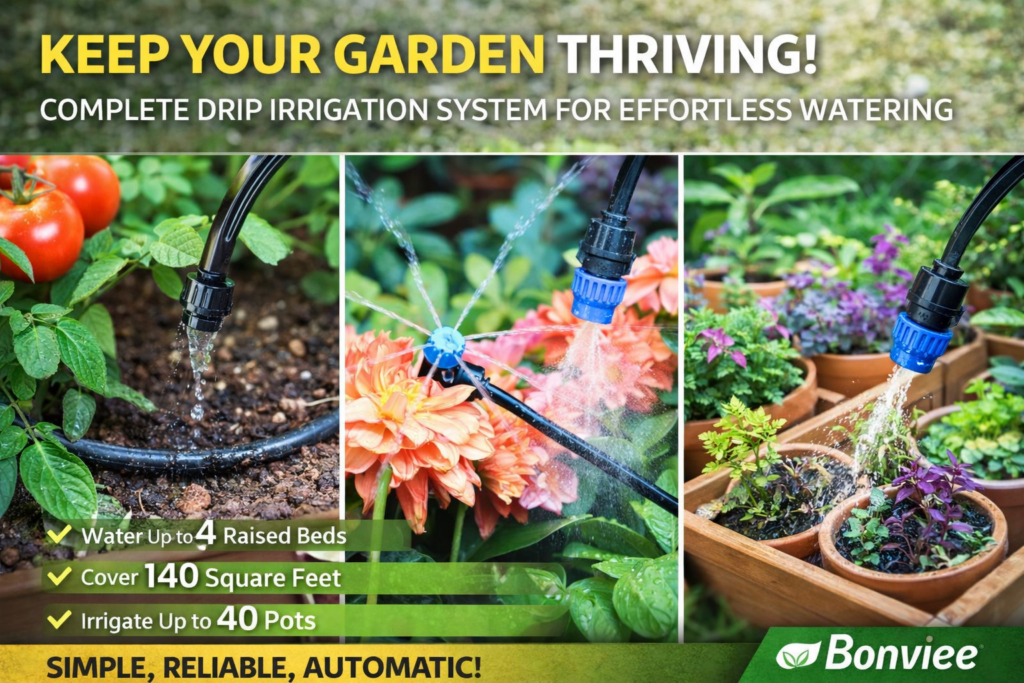
I direct water toward the soil using drip irrigation, a soaker hose or a watering wand held near the root zone.
When hand watering is necessary, I water in the morning. Any foliage that becomes wet has time to dry before evening.
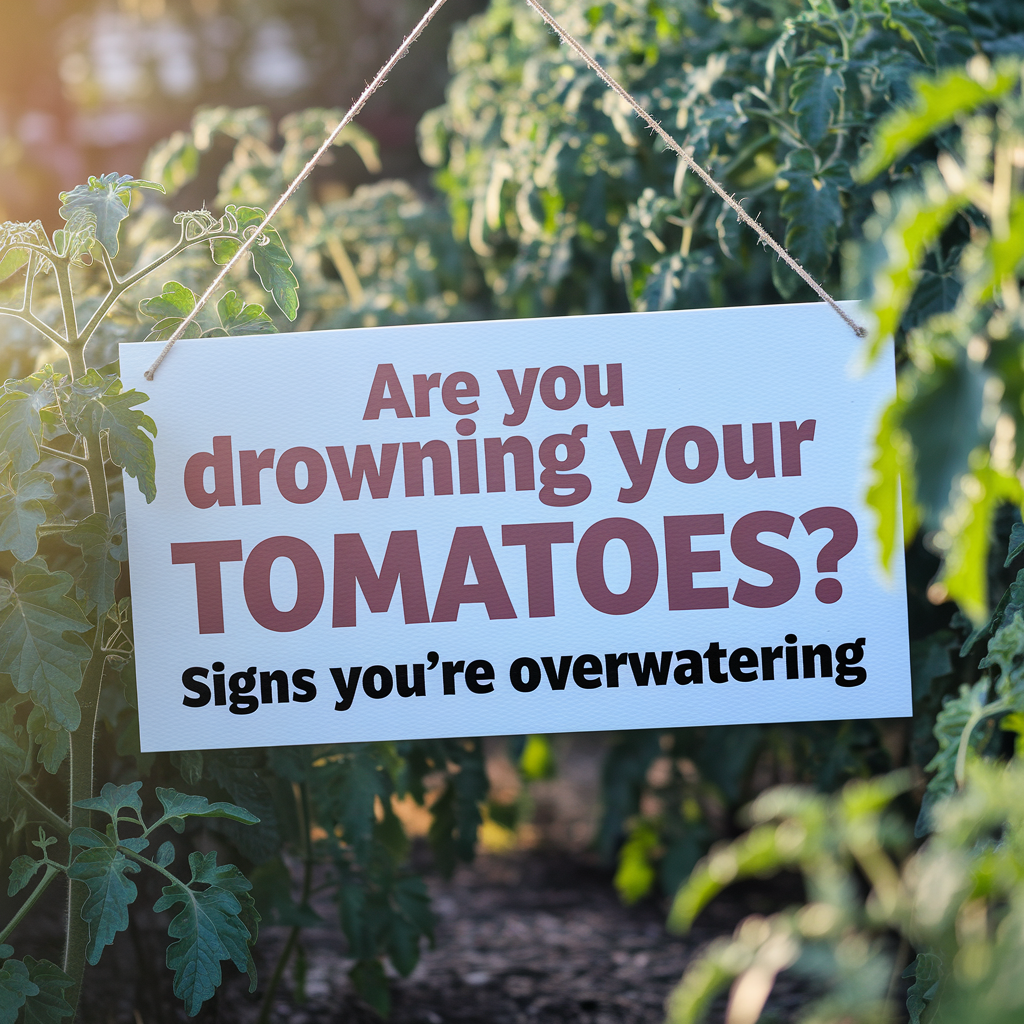
I also avoid watering automatically without checking the soil. Constantly saturated ground creates additional stress, so I watch for these common signs of overwatered tomato plants before adding more water.
Mulch Exposed Soil
A layer of mulch reduces splashing between the soil and lower foliage.
I use clean straw, shredded leaves or another suitable garden mulch. I leave a little space around the tomato stem so wet material is not packed against it.
Mulch also helps maintain consistent soil moisture and keeps low-hanging fruit cleaner.
Improve Airflow
Crowded tomato leaves stay wet longer after rain. I support sprawling branches, remove weeds and create enough space for air to move through the plants.
I avoid aggressive pruning because removing too much foliage can create a second problem. My goal is to open the plant carefully, not leave every tomato exposed to the sun.
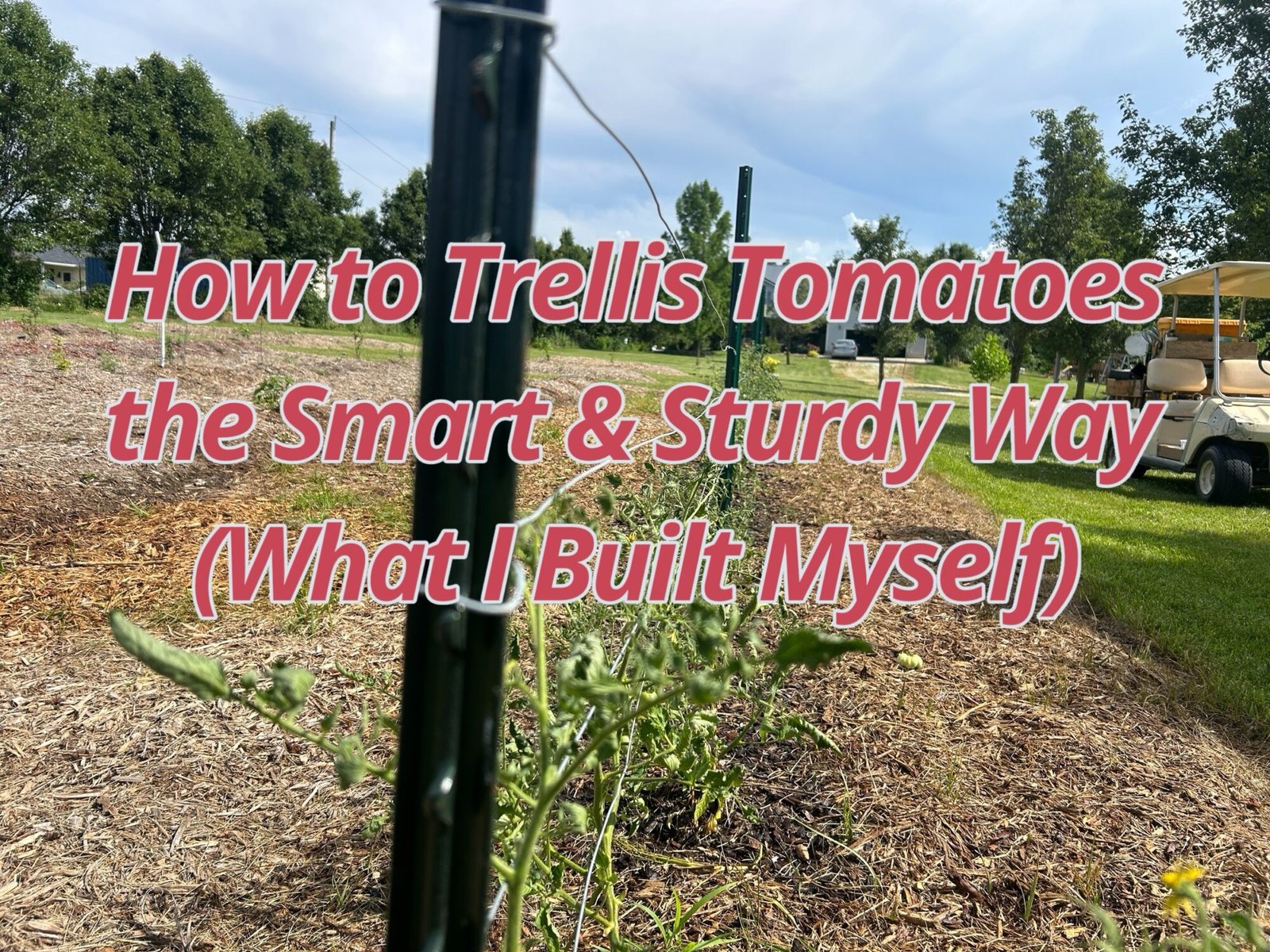
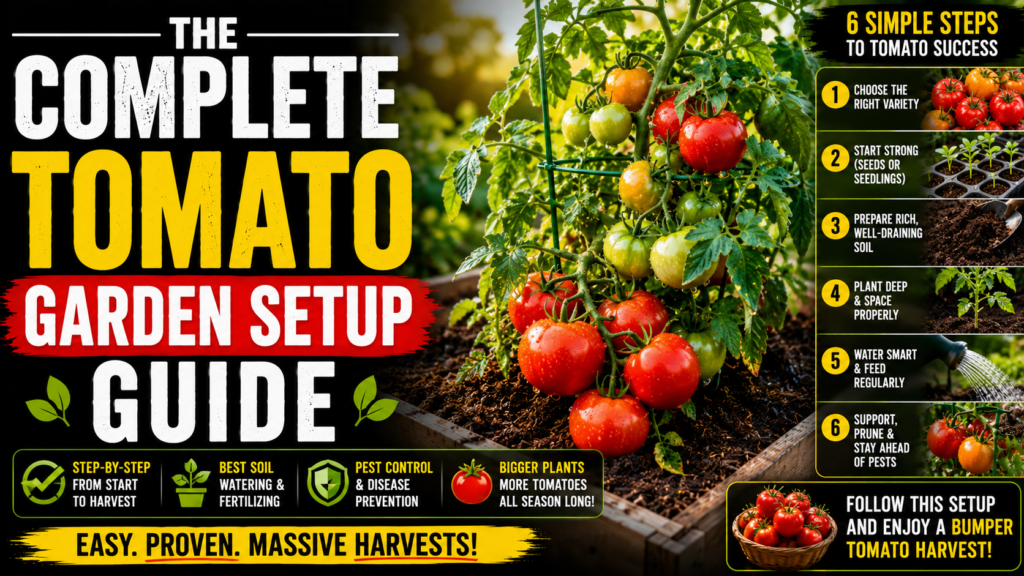
A sturdy support makes this easier. My tomato treato trellis setup for healthier vines keeps branches separated and prevents foliage from sprawling over damp soil.
Avoid Working With Wet Plants
Bacteria can stick to wet hands, tools and clothing.
I wait until dew or rain has dried before pruning, tying vines, weeding or harvesting. If I must inspect a wet plant, I avoid moving directly from a diseased tomato to a healthy one.
Monitor New Growth
I inspect the plant every few days and after significant rain.
The old spots will remain, so I focus on whether new lesions are appearing on previously healthy growth. If the disease continues moving rapidly despite improved conditions, I reconsider whether the plant should stay in the garden.
Should I Remove the Entire Tomato Plant?
A few bacterial spots do not automatically require complete plant removal.
I am more likely to remove a plant when:
- Most of its foliage is infected or falling off
- New lesions continue appearing rapidly
- Fruit damage is widespread
- The plant is young and unlikely to recover
- Healthy tomato plants are growing close beside it
- Several management attempts have failed
When I remove an infected plant, I avoid dragging it through the garden. I bag the foliage and fruit so bacteria are not shaken onto neighboring tomatoes.
Can You Eat Tomatoes With Bacterial Spot?
I do not eat tomatoes with bacterial spot lesions.
The damaged areas can provide openings for secondary organisms to enter the fruit. Some of those organisms may cause soft rot or make the tomato unsafe.
The University of Minnesota Extension advises against eating tomatoes showing bacterial spot damage because secondary pathogens can enter through the lesions.
I also discard tomatoes that are soft, leaking, moldy, foul-smelling or damaged internally.
A completely symptom-free tomato from a plant with limited leaf symptoms is different from a visibly spotted fruit. I inspect it carefully, wash it under clean running water and use it promptly rather than storing it with questionable tomatoes.
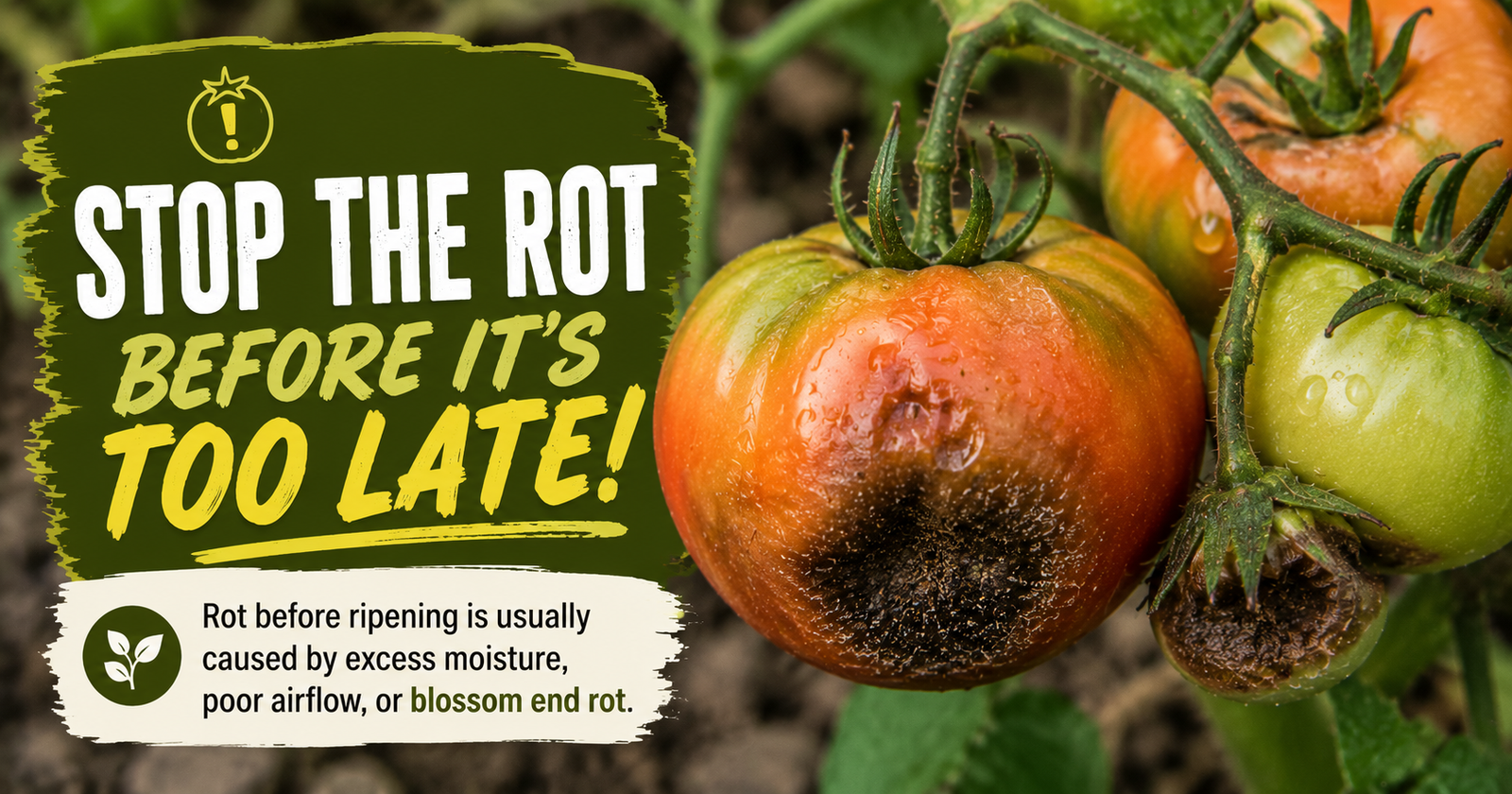
When a fruit is softening or breaking down, I compare its symptoms with my guide to tomatoes rotting before they ripen.
Can Copper Fungicide Cure Bacterial Spot?
Copper fungicide cannot cure leaves and fruit that are already infected.
Some copper products are labeled to help suppress bacterial spot when used preventatively. Results can vary because bacterial populations may develop resistance to copper, and coverage must be applied before new infections occur.
I read the product label carefully before using anything. The label tells me whether the product may be used on tomatoes, whether bacterial spot is listed, how it must be mixed and how often it may be applied.
More copper is not better. Excessive applications can injure foliage and add unnecessary copper to the soil.
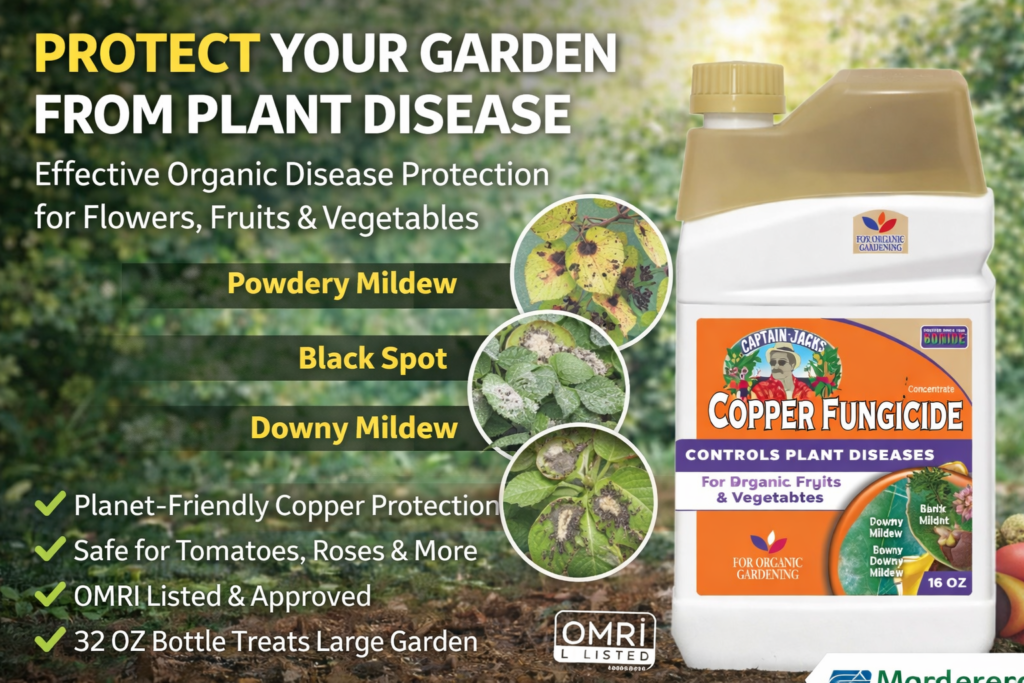
My practical copper fungicide guide for tomatoes explains why spraying after a plant is heavily damaged rarely provides the result gardeners expect.
Will Neem Oil Stop Bacterial Spot?
I do not rely on neem oil to cure bacterial spot.
Neem products are commonly promoted for insects and certain fungal problems, but bacterial spot is caused by bacteria living in and on plant tissue. A badly infected leaf will not recover after being coated with oil.
Oil sprays can also injure tomato foliage when applied during hot weather, in strong sunlight or at an improper concentration.
Sanitation, dry leaves, healthy transplants and proper spacing are more important than experimenting with homemade mixtures.
Should I Use Baking Soda?
Baking soda is not a dependable cure for bacterial spot. An incorrectly mixed homemade spray can burn tomato leaves without controlling the bacteria.
I do not use kitchen ingredients as substitutes for a product specifically labeled for the crop and disease.
If the infection is mild, I begin with removing affected foliage, keeping leaves dry and improving airflow. If the infection is severe, I consider removing the plant.
How I Prevent Bacterial Spot Next Season
Prevention is much easier than trying to stop bacterial spot after it becomes established.
Begin With Clean Seed
I purchase tomato seed from a reputable supplier.
Seed collected from infected plants may carry bacteria into the next crop. Hot-water seed treatment is sometimes used, but the temperature and timing must be controlled carefully because excessive heat can reduce germination.
For most home gardeners, purchasing clean seed is simpler and safer than attempting an improvised seed treatment.
Inspect Tomato Transplants Closely
I examine both sides of the leaves before buying tomato seedlings.
I avoid plants with dark spots, yellow halos, tan blotches or suspicious stem lesions. I also avoid trays where several neighboring plants show unexplained damage.
A clean-looking transplant can occasionally carry bacteria without symptoms, but careful inspection still reduces the risk.
Rotate Tomato-Family Crops
I avoid planting tomatoes, peppers, potatoes or eggplants in the same bed year after year when space allows.
The University of Minnesota Extension recommends rotating away from tomato-family crops for three to four years as part of bacterial spot management.
In a small garden, large containers filled with fresh growing mix may provide another option.
Remove Volunteer Tomatoes and Peppers
Volunteer plants may carry bacteria from one season to the next.
I remove unexpected tomatoes and peppers growing near the garden instead of treating them as free plants. Their unknown health history makes them a possible bridge between crops.
Space Plants Properly
I plan for the mature size of each tomato variety.
Plants that appear far apart in spring can become crowded by midsummer. Good spacing helps leaves dry after rain and makes it easier to inspect the entire plant.
Disinfect Reusable Supplies
I clean cages, stakes, pruning tools and reusable seedling containers before the next season.
I remove all dried tomato tissue from supports before storing them. Plant debris wedged into a cage should not remain there until next year’s tomatoes are tied to it.
Avoid Saving Seed From Sick Plants
Even when the tomatoes look usable, I do not save seed from a plant showing bacterial spot or speck.
Starting next year with fresh, reputable seed is worth more than preserving seed from a questionable plant.
Common Bacterial Spot Mistakes
Assuming Every Tiny Spot Is Septoria
Septoria commonly produces pale-centered spots with dark borders. Bacterial diseases may produce wetter-looking lesions and can create spots on tomato fruit.
My close look at Septoria-damaged tomato leaves can help separate its mature lesions from bacterial damage.
Pruning While Leaves Are Wet
Handling wet foliage can move bacteria between plants. I wait until leaves are dry and clean my tools afterward.
Spraying Without Reading the Label
A garden spray labeled for fungal diseases may not control a bacterial disease. I confirm that the exact crop and intended problem appear on the product label.
Eating Scabbed Tomatoes
I do not cut around bacterial spot lesions and eat the remaining fruit. Those damaged areas can allow secondary organisms to enter beyond the visible spot.
Keeping Badly Infected Transplants
A young infected plant can introduce bacteria before it ever produces a tomato. Replacing a questionable transplant early is easier than managing an entire row of infected mature plants.
Adding More Fertilizer
Bacterial spot is not a nutrient deficiency. Heavy fertilizer will not remove lesions or kill the bacteria.
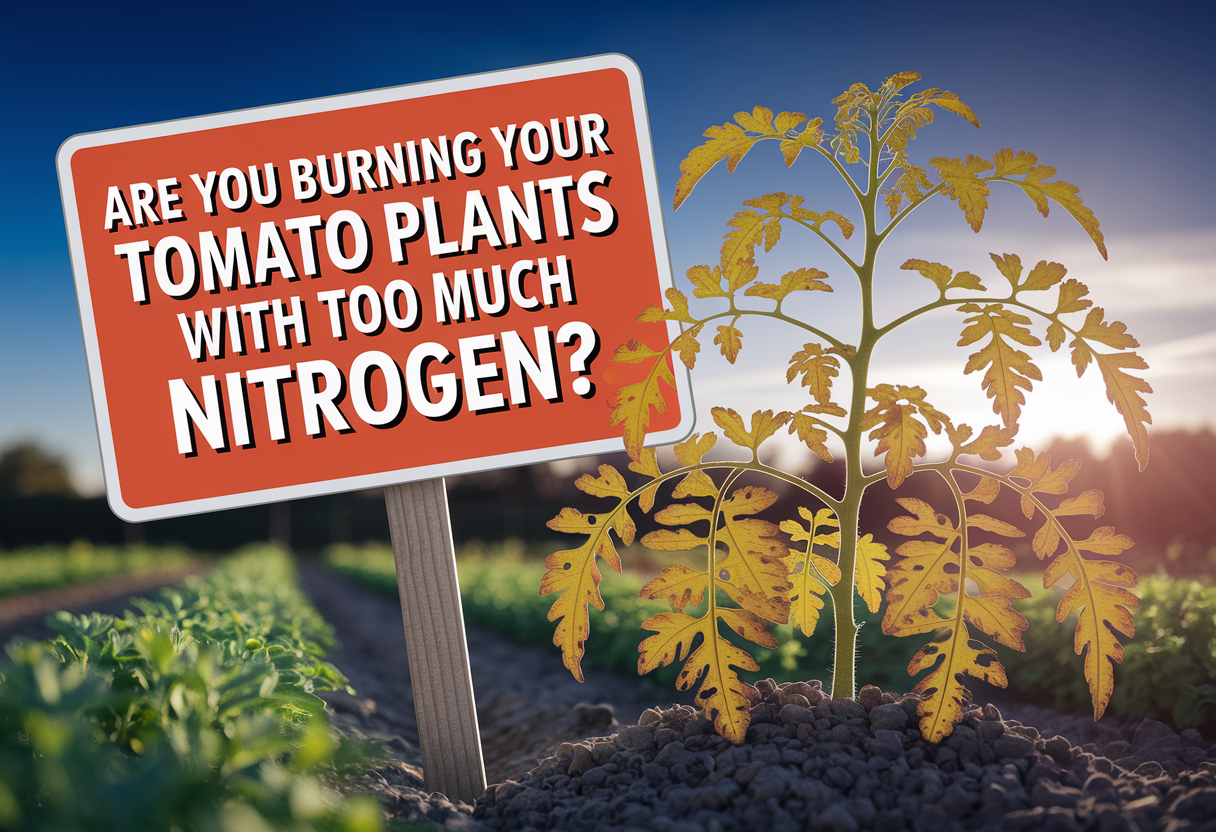
Excessive nitrogen may create a dense canopy that holds moisture. Before feeding a heavily leafed plant, I check for these signs of too much nitrogen around tomatoes.
My Bacterial Spot Action Check
Are the Spots Small, Dark and Numerous?
Bacterial spot and speck usually produce tiny lesions rather than large ringed patches.
Are the Leaves Turning Yellow Around the Spots?
Yellow halos and general leaf yellowing often accompany a developing infection.
Are There Marks on the Fruit?
Raised, scabby lesions suggest bacterial spot. Tiny superficial specks fit bacterial speck more closely.
Has the Weather Been Wet?
Warm, humid weather favors bacterial spot, while bacterial speck is more commonly associated with cooler, wet conditions.
Are Several Plants Affected?
Symptoms spreading through neighboring tomatoes after rain increase the likelihood of an infectious leaf disease.
Did the Problem Begin With New Transplants?
Spots appearing soon after planting may indicate infected transplants or seed-borne bacteria.
Can bacterial spot spread from tomatoes to peppers?
Yes. Bacterial spot can affect tomatoes and peppers. I inspect both crops and include peppers when planning crop rotation.
Does bacterial spot stay in garden soil?
The bacteria can survive on infected crop debris, volunteer plants and certain weeds. Cleanup and rotation help reduce the amount of disease carried into the next crop.
Can bacterial spot spread through pruning shears?
Yes. Wet hands and contaminated tools can move bacteria between plants. I clean pruning tools after handling suspicious foliage.
Can tomatoes outgrow bacterial spot?
A vigorous plant may continue growing and producing after a mild infection, but existing lesions will not heal. Continued wet weather can cause symptoms to return or worsen.
Should I remove every spotted leaf?
I remove heavily infected, yellowing or dying leaves first. Removing too much foliage at once can weaken the plant and expose tomatoes to sunscald.
Is bacterial spot the same as bacterial wilt?
No. Bacterial spot primarily causes lesions on leaves, stems and fruit. Bacterial wilt interferes with the plant’s water-conducting tissue and causes sudden wilting.
Can bacterial spot spread to stored tomatoes?
Bacterial spot lesions can allow secondary decay organisms to enter fruit. I do not store damaged tomatoes with healthy ones.
Does bacterial spot affect tomato flavor?
A symptom-free tomato from an otherwise productive plant may taste normal. I discard any fruit showing bacterial lesions, decay, softness or an unusual odor.
Bacterial spot and speck are much easier to manage before wet weather carries them through an entire planting. I remove heavily infected foliage, keep water off the leaves, clean my tools and inspect the tomatoes themselves for the fruit symptoms that separate these bacterial diseases from common fungal leaf spots.
Written by Rebecca Dawson, a lifelong home gardener who shares practical ways to recognize plant trouble, prevent common growing problems and raise healthier tomatoes through Tomato Growing Tips.