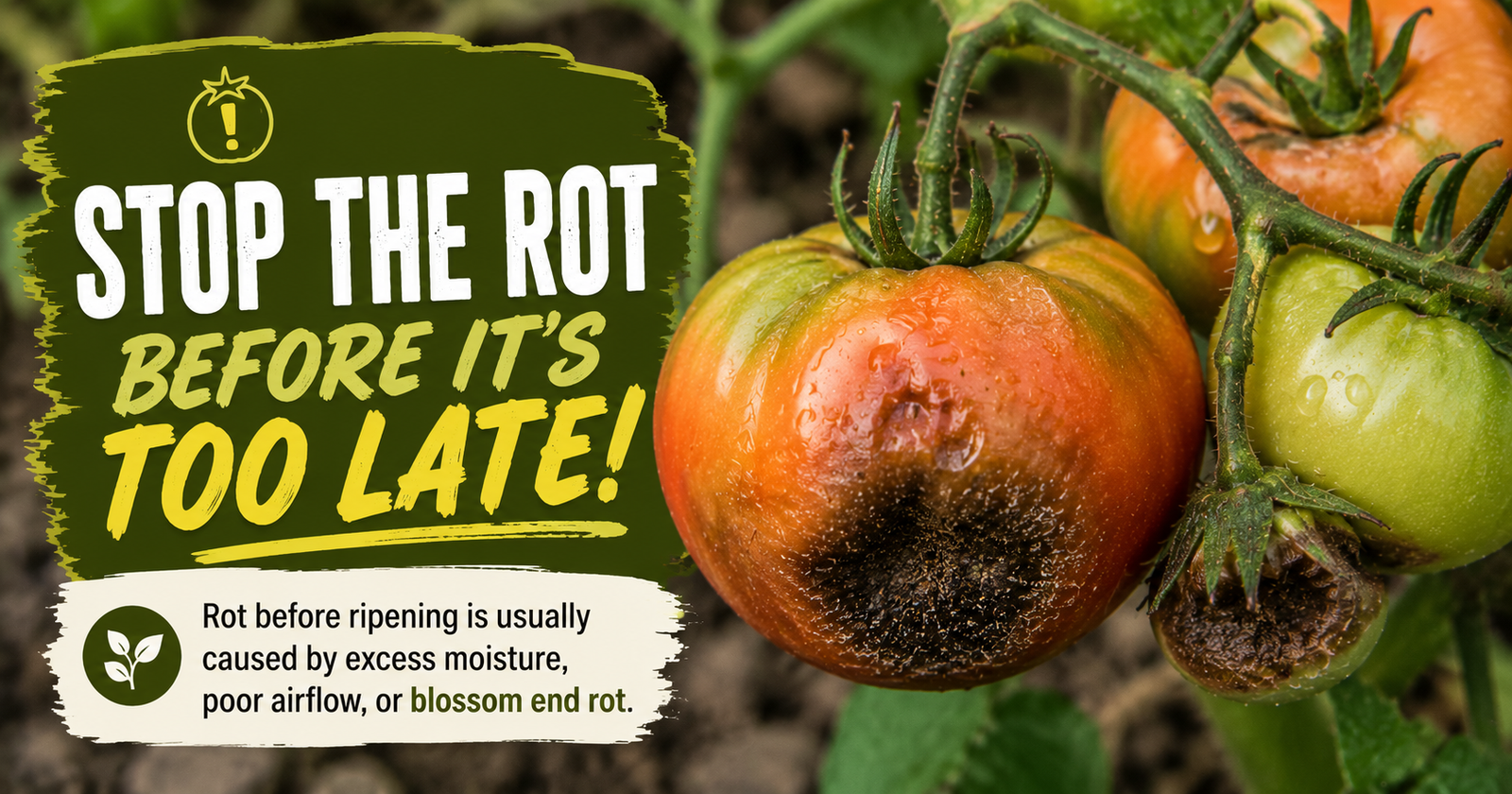
A tomato can grow for weeks, reach nearly full size, and then begin rotting before it ever turns red. Sometimes the damage starts as a dark spot. Other times the fruit becomes soft near the soil, develops rings, or collapses around a crack.
When tomatoes are rotting before they ripen, I first look at where the damage started. A black bottom suggests blossom end rot. A brown spot where the fruit touched the ground points toward soil-borne rot. A dark lesion near the stem may be early blight, while greasy brown patches on green fruit can indicate late blight. The guide to identifying tomato diseases can help confirm which disease or disorder best matches the location and appearance of the damage.
Cracks, insect punctures, and animal bites also give fungi and bacteria an easy way inside.
The damaged tomato will not heal, but identifying the pattern can help protect the fruit that is still healthy.
Why Are My Tomatoes Rotting Before They Ripen?
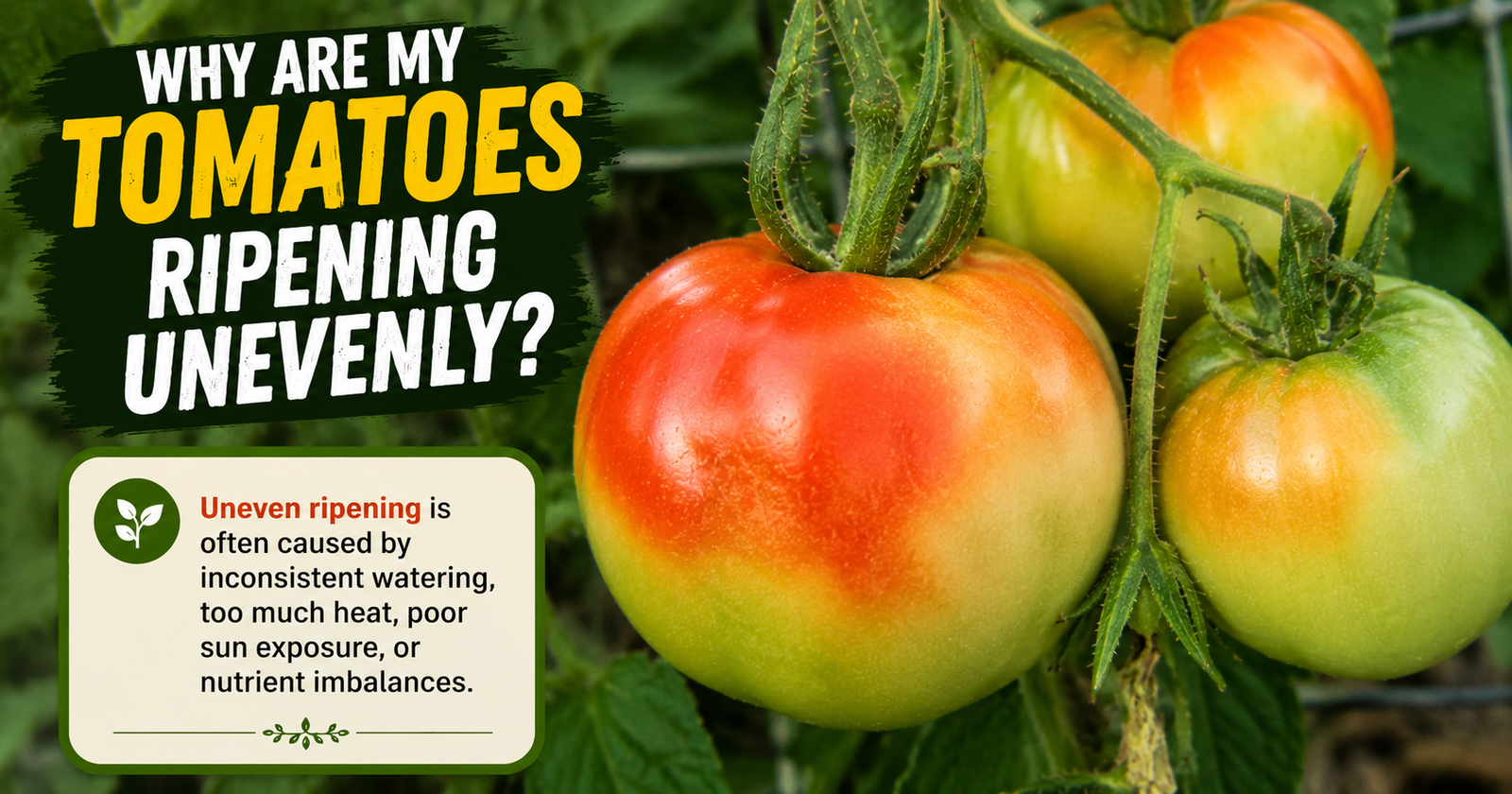
Green tomatoes may rot before ripening because of blossom end rot, buckeye rot, early blight, late blight, Alternaria fruit rot, soil contact, cracking, insect feeding, physical injuries, or prolonged wet weather. If the fruit is not rotting but is developing irregular color instead, uneven ripening covers the main non-rot causes.
Common triggers include:
- Fruit touching wet soil
- Heavy rain and splashing soil
- Overhead watering
- Poor airflow
- Cracks in the tomato skin
- Insect punctures
- Animal feeding
- Infected plant debris
- Dense weeds around the plant
- Fruit remaining wet for long periods
- Damaged or dying foliage
- Cool, wet disease-favorable weather
The appearance and location of the rot provide better clues than the fruit’s color alone.
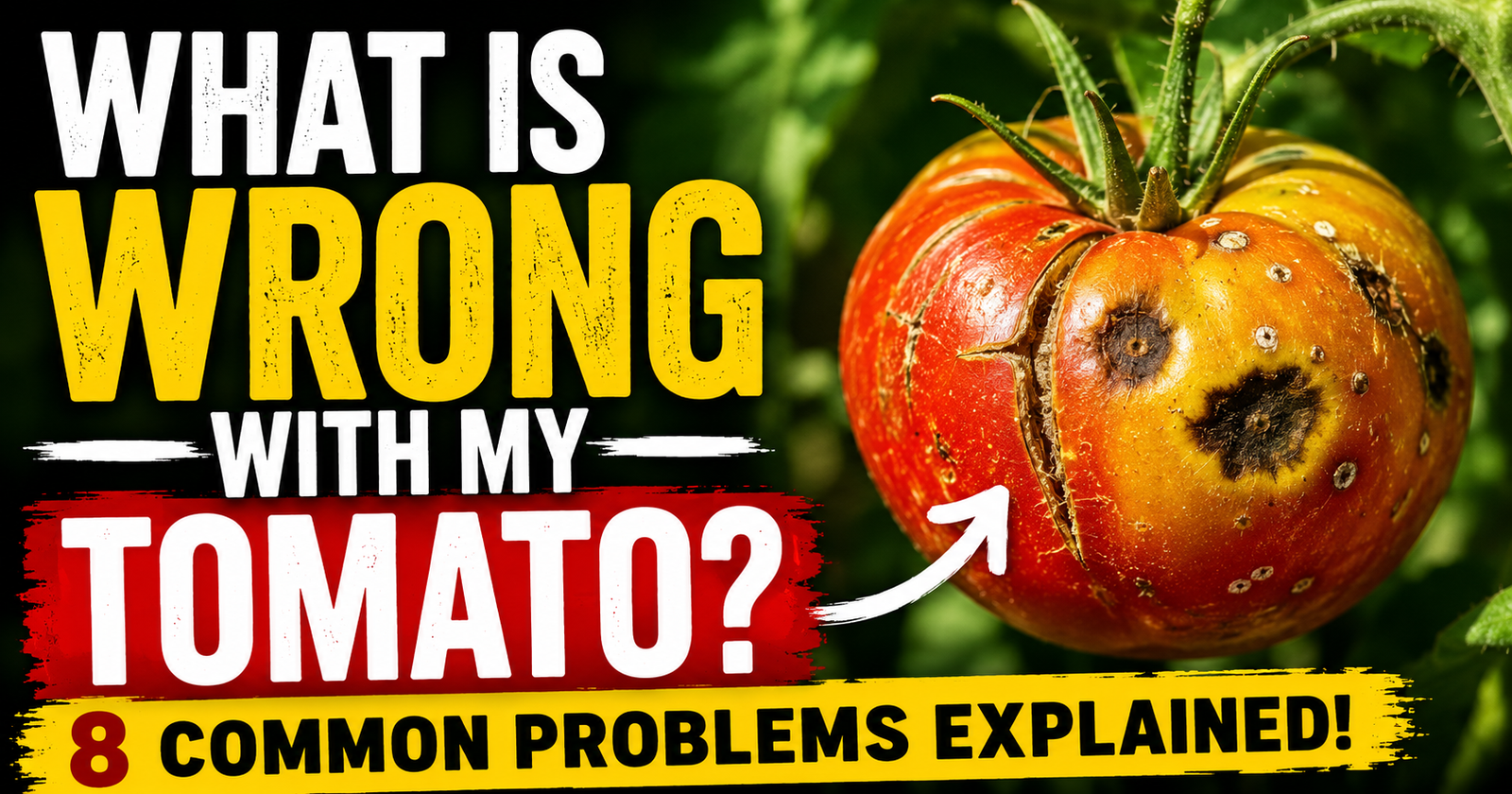
If your tomato has an unusual blemish but is not actually soft or decaying, compare it with the most common tomato fruit problems before assuming it has a disease.
Check Where the Rot Started
Before removing the tomato, inspect the damaged area closely.
Rot on the Bottom
A brown or black patch directly opposite the stem is usually blossom end rot.
Rot Where the Tomato Touches Soil
A brown water-soaked spot with visible rings may be buckeye rot or another soil-associated fruit rot.
Rot Near the Stem
Dark leathery lesions with concentric rings can indicate early blight.
Rot on the Side or Shoulder
A fuzzy black sunken spot may be Alternaria fruit rot. A crack, sunscald patch, or insect puncture can also develop secondary decay in this area.
Olive or Greasy Brown Areas
Firm olive-brown lesions on green tomatoes, especially when leaves are dying rapidly in cool wet weather, raise concern for late blight.
Small Sunken Spots on Ripe Fruit
These are more characteristic of anthracnose. Although infection may begin earlier, the visible rot usually appears after tomatoes ripen.


Is It Really Rot?
A tomato can have black, brown, white, or yellow tissue without actively rotting.
True rot generally causes one or more of these changes:
- Tissue becomes soft or collapses.
- The damaged area expands.
- The skin looks wet or water-soaked.
- Mold or fuzzy growth appears.
- The tomato begins leaking.
- The fruit develops a sour or unpleasant smell.
- Internal flesh turns brown, black, or watery.
- The skin breaks apart easily.
A dry, closed scar is different. So is a hard green shoulder or a pale sunscald patch that has not developed secondary decay.
Blossom End Rot Is the Most Common Look-Alike
Blossom end rot is not a contagious infection, but it certainly looks like one.
It begins at the blossom end, which is the bottom opposite the stem. The area may start tan or water-soaked before becoming brown, black, sunken, and leathery.
Uneven moisture and root stress interfere with calcium delivery into developing fruit. The problem can appear while tomatoes are still small and green. A practical way to check watering consistency is monitoring soil moisture.
A severely affected tomato may later develop mold and true secondary rot. The original problem, however, was physiological rather than fungal.
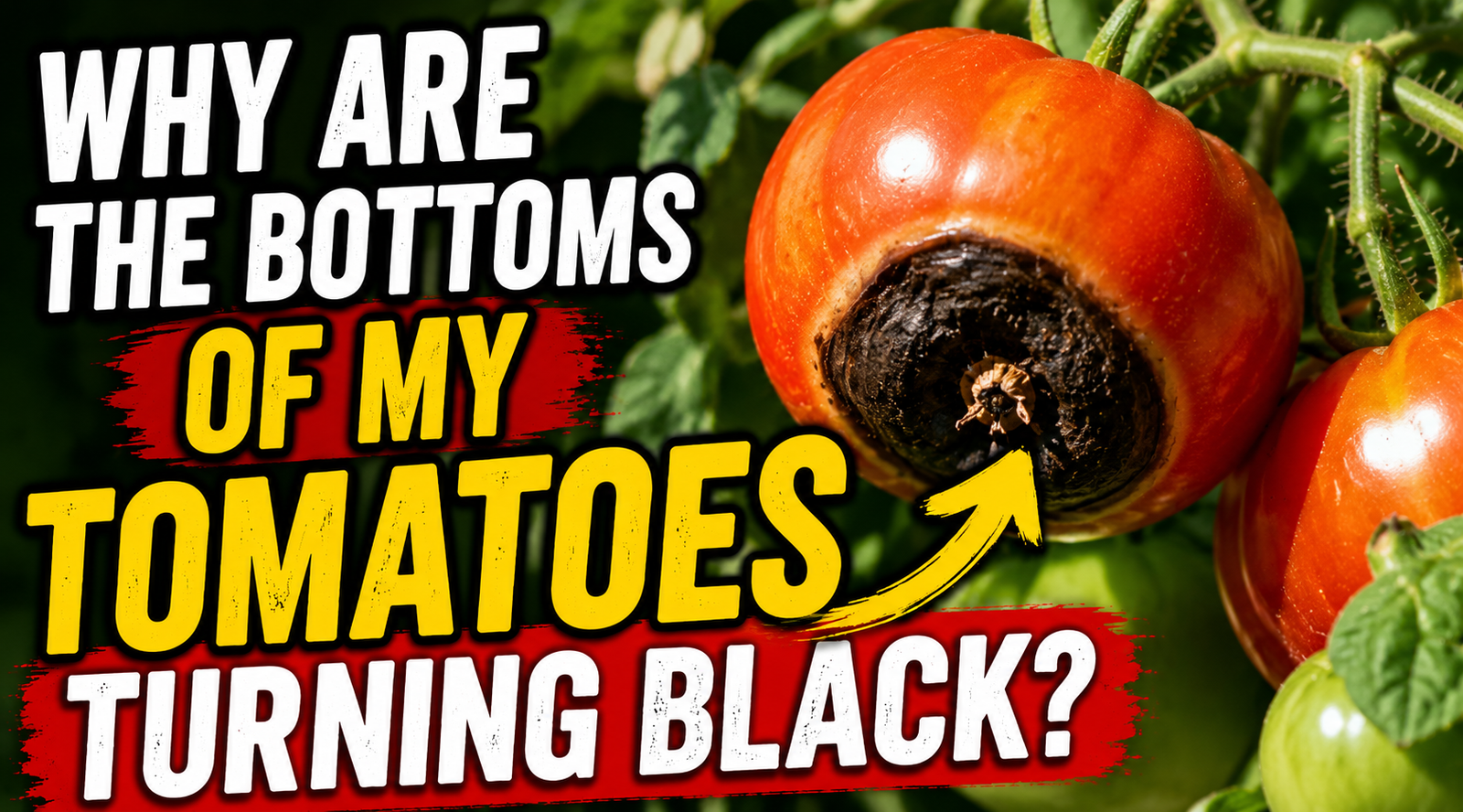
My complete guide explaining why tomato bottoms turn black covers watering, calcium uptake, fertilizer, roots, and what actually helps.
What Buckeye Rot Looks Like
Buckeye rot usually affects tomatoes close to or touching the soil.
It begins as a gray-green or brown water-soaked spot. As the lesion expands, it may develop alternating light and dark rings resembling the markings on a buckeye.
The damaged area remains fairly smooth at first rather than immediately becoming fuzzy.
Warm, wet soil and splashing water favor the problem. Low-hanging tomatoes are at the greatest risk.
Clues That Point Toward Buckeye Rot
Look for:
- Fruit touching or hanging close to soil
- A brown water-soaked lesion
- Alternating rings within the spot
- Rot developing after heavy rain
- Poorly drained ground
- Mud splashed onto the tomato
- Several low fruit affected first
Buckeye rot can enlarge quickly under wet conditions.
How I Reduce Buckeye Rot
I keep fruit off the ground with cages, stakes, or a sturdy trellis.
Mulch creates a barrier between tomatoes and contaminated soil. It also reduces splashing during rain and irrigation.
I water near the base rather than spraying soil and water across the fruit.
Affected tomatoes should be removed promptly. I do not leave them beneath the plant, where they continue breaking down.
Early Blight Can Rot Green Tomatoes
Early blight is better known for creating target-like spots on older leaves, but it can infect tomato fruit at any stage of maturity.
Fruit lesions commonly develop near the stem. They become dark, leathery, and sunken, with raised concentric ridges.
Affected fruit may drop before ripening. University of Minnesota Extension describes these early blight fruit spots as leathery and black, with raised rings usually occurring near the stem. Early blight identification guide
Check the Lower Leaves Too
Early blight usually begins on older foliage near the bottom of the plant.
Look for brown leaf spots containing rings that resemble a target. Yellow tissue often surrounds the lesions.
As the disease progresses, leaves turn brown and fall. Fruit becomes more exposed to sunlight, which can create sunscald in addition to the disease.
How Early Blight Reaches the Fruit
The pathogen can survive in infected plant debris and soil. Splashing rain and irrigation move it onto lower leaves and fruit.
Wet foliage and high humidity encourage infection.
Fruit near the stem can also be vulnerable where water collects around the calyx.
What Late Blight Looks Like on Green Tomatoes
Late blight is a serious and fast-moving disease favored by cool, wet conditions.
Green tomatoes may develop firm, irregular olive, brown, or greasy-looking patches. The lesions can enlarge until much of the fruit is affected.
During wet weather, white growth may appear around infected areas.
The plant usually shows dramatic symptoms too. Leaves develop water-soaked brown lesions, stems darken, and entire sections may collapse quickly.
Late Blight Moves Fast
Late blight can progress much faster than many common tomato diseases.
A plant that looked acceptable several days earlier may suddenly suddenly contain widespread brown leaves, dark stems, and damaged fruit.
If I suspect late blight, I do not treat it as one bad tomato. I inspect the entire planting and contact the local Extension office when confirmation is needed.
Infected plants and fruit generally need to be removed according to local guidance rather than placed in a cool home compost pile.
Alternaria Fruit Rot
Alternaria fruit rot can affect green or ripe tomatoes.
It creates sunken round or irregular spots, often on the side or shoulder. The center may become black and fuzzy.
The fungus frequently takes advantage of injured tissue. Cracks, sunscald, insect feeding, and physical damage provide entry points.
University of Minnesota Extension notes that Alternaria fruit rot may occur on either green or ripe fruit and commonly produces sunken spots with fuzzy black centers. Tomato fruit-spot diagnosis
Why Existing Injuries Matter
A healthy tomato skin forms a strong protective barrier.
Once the surface cracks or is punctured, microorganisms can move into the flesh much more easily.
That means the rot you see today may have started with a completely different problem several days earlier.
Anthracnose Usually Appears as Tomatoes Ripen
Anthracnose is common on ripe and overripe tomatoes.
The fruit develops small, round, sunken spots. Older lesions may have dark centers and produce pinkish spore masses during wet conditions.
The infection can be present before symptoms become obvious, but gardeners usually notice the damage after the tomato begins ripening.
If green tomatoes look healthy but repeatedly develop sunken spots shortly after turning red, anthracnose becomes a strong possibility.
Why Overripe Fruit Is Vulnerable
As a tomato softens, its defenses weaken. A fruit left on the vine after reaching full ripeness is more likely to show anthracnose symptoms.
Prompt harvesting reduces the amount of time mature fruit remains exposed.

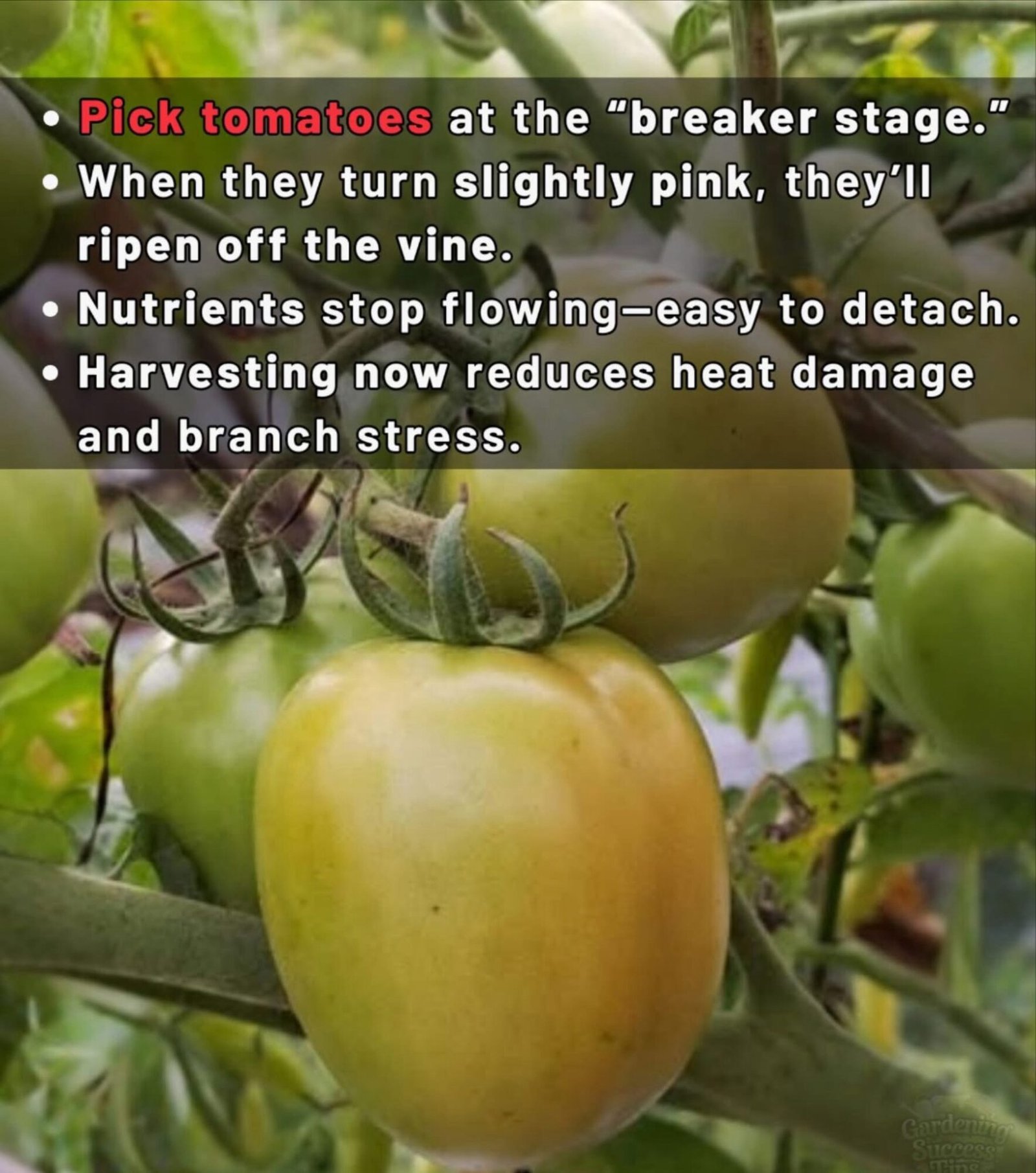
Knowing the best time to pick tomatoes can help you harvest before fruit becomes soft enough for hidden infections to take over.
Bacterial Soft Rot
Bacterial soft rot causes tomato tissue to become watery, mushy, and foul-smelling.
It usually enters through wounds. Cracks, insect punctures, storm injuries, and rough handling create easy entry points.
The fruit may collapse rapidly once the bacteria become established.
A soft, leaking tomato with a strong unpleasant odor should be removed without squeezing it against healthy fruit.
I wash my hands and clean tools after handling suspicious rotten produce.
Sour Rot in Tomatoes
Sour rot can develop in injured tomatoes during warm, wet conditions.
The fruit becomes soft and watery and may smell sour or fermented. White or cream-colored growth can appear around the wound.
Cracks and storm damage make fruit more vulnerable.
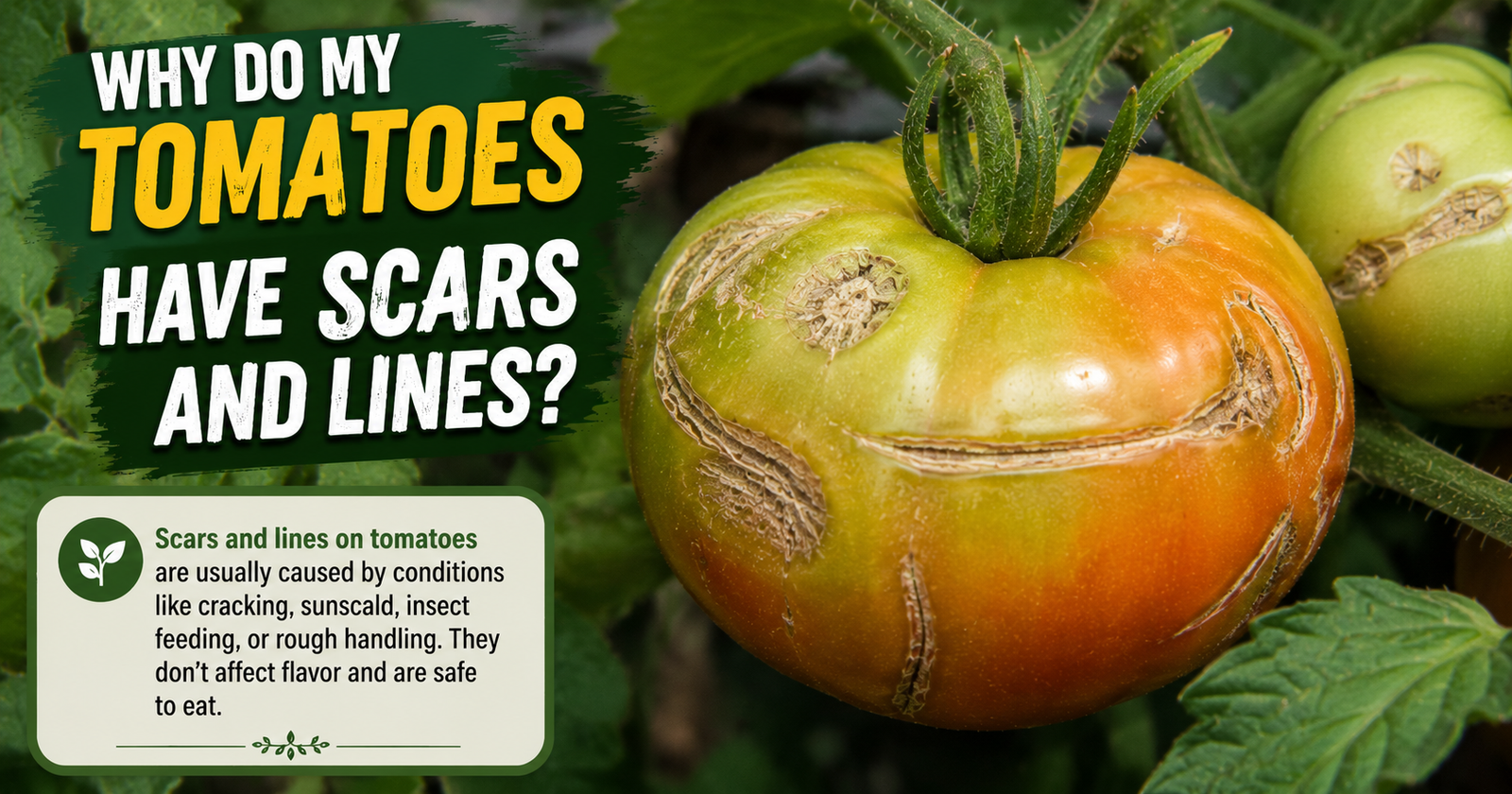
This is another reason I do not leave split tomatoes on the vine. A clean fresh crack can become a rotting mess after several humid days. The earlier causes and appearance of those cracks are covered in why tomatoes develop cracks.
Cracking Opens the Door to Rot
Tomato cracking is a physical problem, but it often leads to biological decay.
A heavy rain after dry weather causes the inside of the fruit to expand faster than its skin can stretch. The split exposes moist flesh.
Water, soil, fungi, bacteria, fruit flies, and other insects can then enter.
A freshly cracked tomato may still be usable when harvested immediately. A crack that has remained open outdoors is much more questionable.
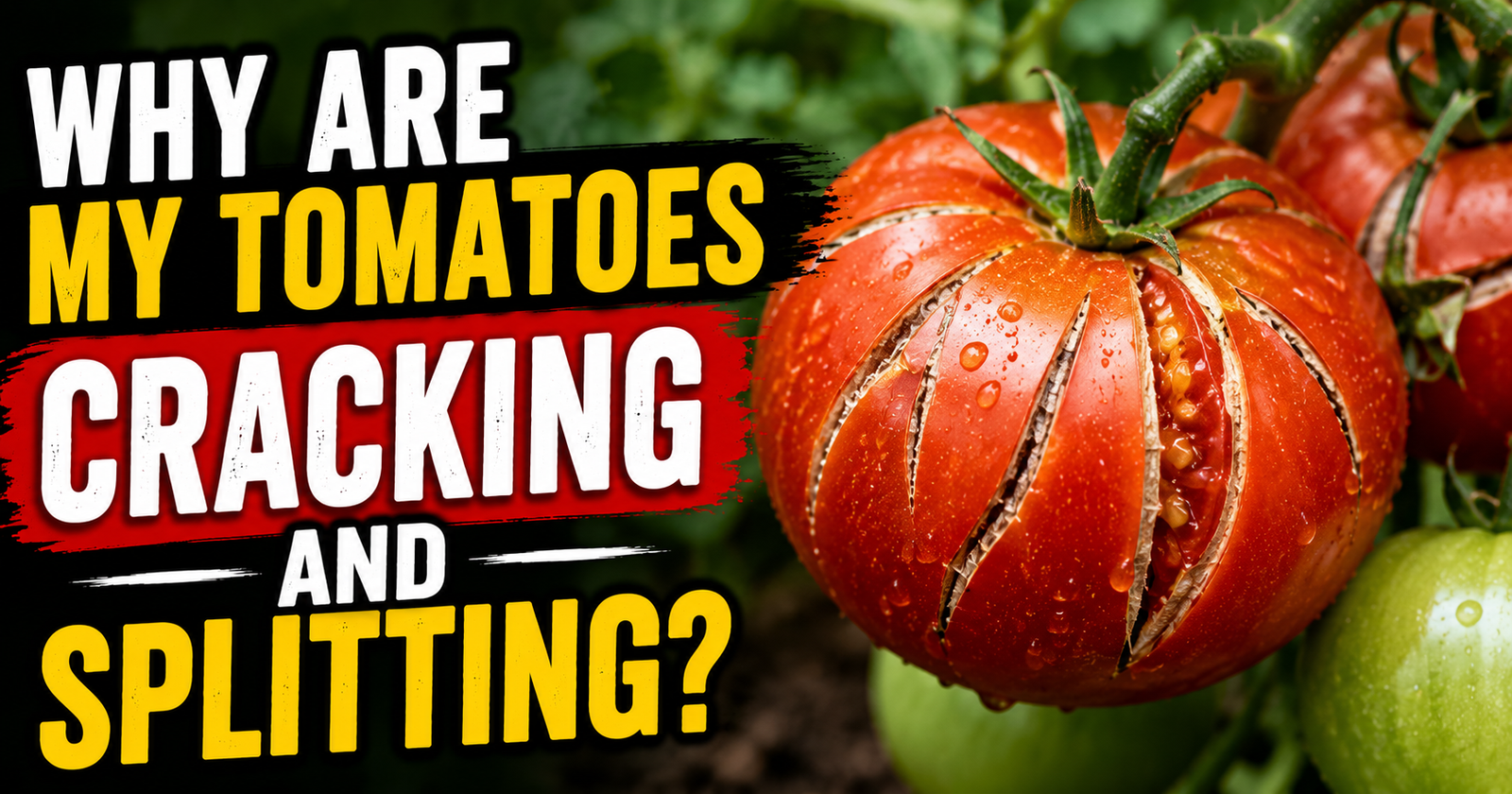
The guide explaining why tomatoes crack and split covers moisture swings, harvesting before storms, and deciding whether damaged fruit is worth keeping.
Insect Punctures Can Develop Rot
Stink bugs and leaf-footed bugs make tiny punctures that can be difficult to see.
Their feeding usually creates cloudy spots and hard white flesh. The original injury may be mostly cosmetic.
However, each puncture weakens the tomato’s protective skin. Secondary microorganisms can enter and cause soft decay around the feeding site.
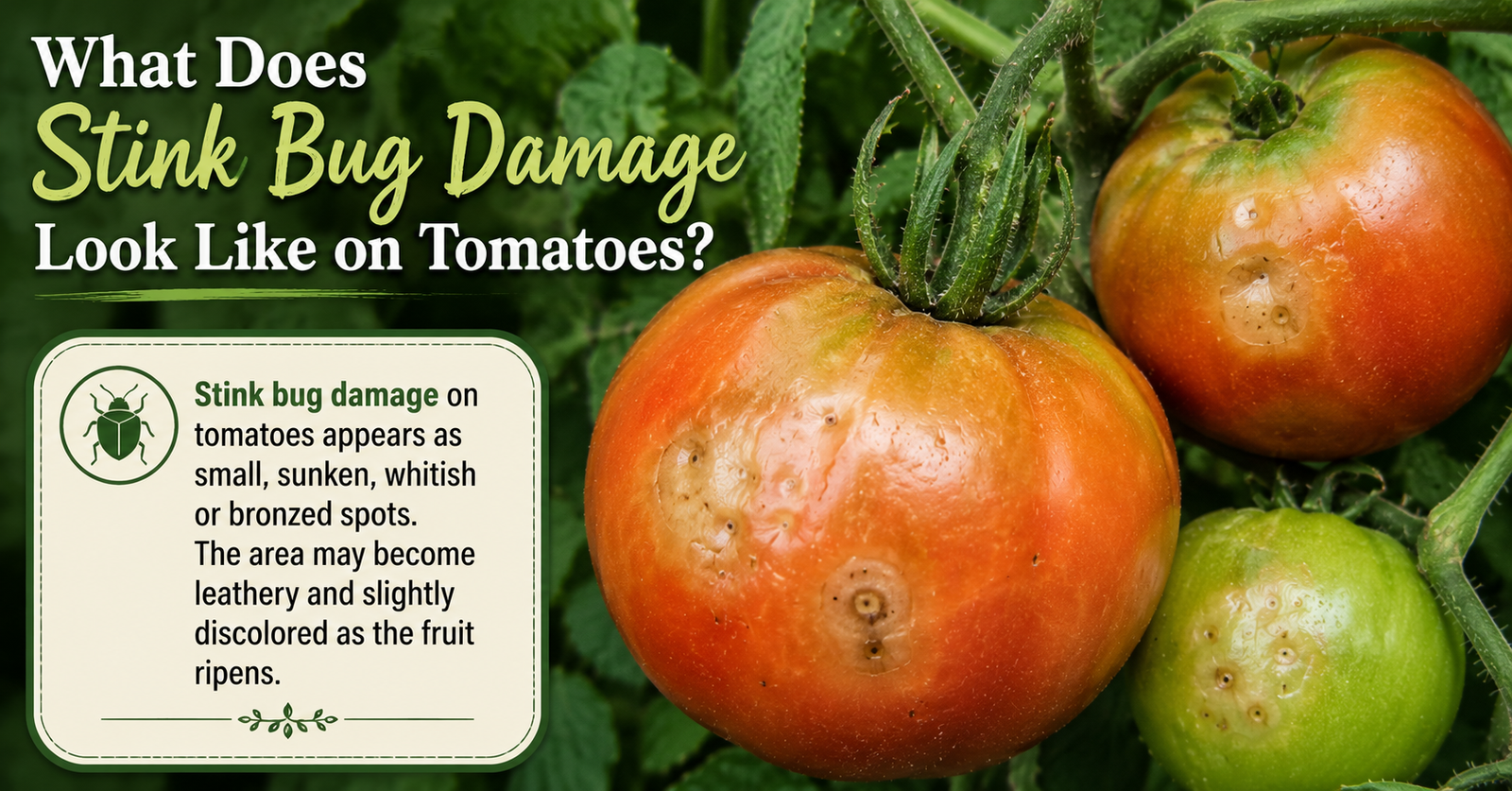
If the fruit has several pale spots rather than spreading rot, compare it with stink bug damage on tomatoes before assuming the insects caused a disease.
Fruitworms Create Hidden Decay
Tomato fruitworms chew into tomatoes and feed inside.
The entry hole may be small, but the internal damage can be extensive. Droppings, chewed tissue, and moisture collect inside the fruit.
Secondary rot often develops around the tunnel. The tomato may soften or change color near the entry point.
I discard fruit containing a caterpillar, tunnel, or insect droppings. Removing the visible hole does not restore the damaged interior.
Animal Bites Contaminate Tomatoes
Birds, squirrels, mice, rats, raccoons, deer, and other animals may bite or peck tomatoes.
The opening allows decay to begin, but spoilage is not the only concern. Animal saliva, feet, urine, and droppings can contaminate exposed flesh.
I do not eat tomatoes with confirmed wild-animal or rodent feeding damage.
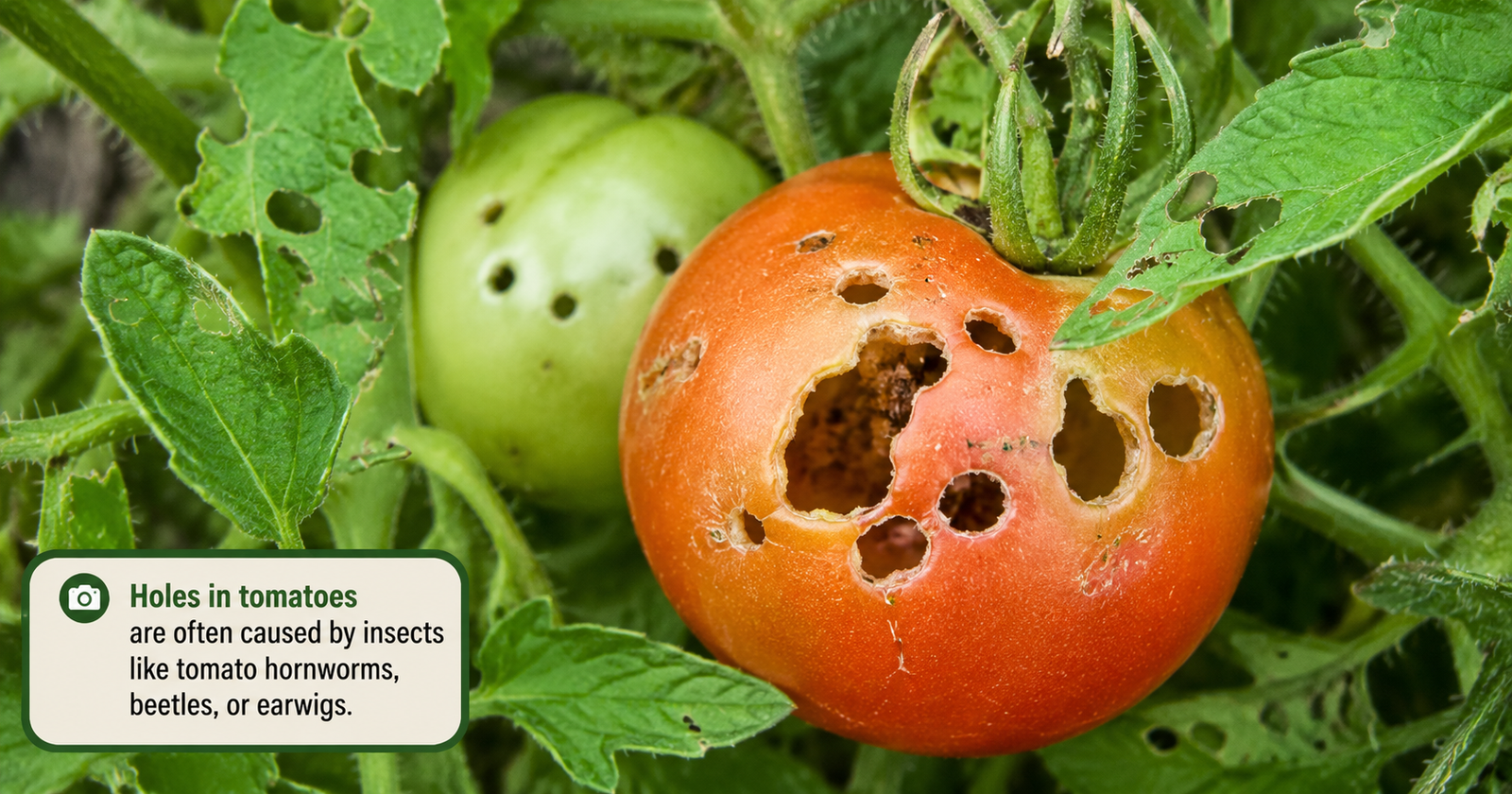
If you cannot identify the visitor, use the marks, tracks, and feeding patterns in what is eating holes in tomatoes to narrow it down.
Sunscald Can Turn Into Rot
Sunscald starts as a pale white, yellow, or tan patch on the side receiving intense direct sunlight.
The injured area may become papery and leathery. At this stage, it is not necessarily rotten.
As the tissue weakens, it may crack or become colonized by mold and bacteria. The patch then turns soft, dark, or fuzzy.
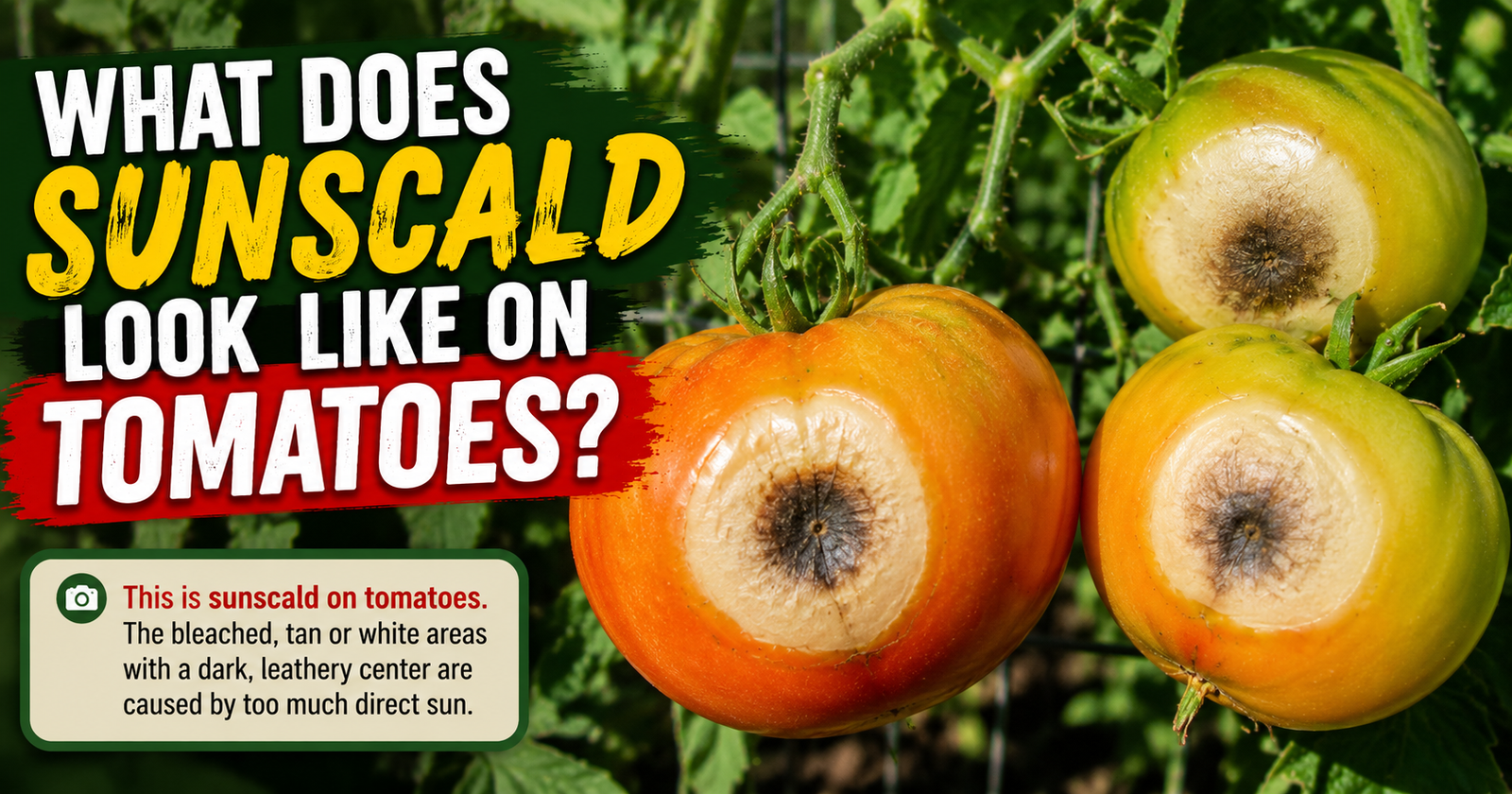
Maintaining enough healthy foliage protects tomatoes from direct exposure. If the damage begins as a bleached patch, see what tomato sunscald looks like before treating it as a primary fruit disease.
Why Fruit Touching the Ground Rots
Soil contains many organisms capable of breaking down plant material.
A healthy tomato held above the ground has limited contact with them. A low fruit resting on damp soil stays wet and becomes coated with dirt and microorganisms.
Its skin may also be scratched by stones, mulch, or soil movement.
The result can be buckeye rot, Rhizoctonia soil rot, bacterial decay, or another opportunistic infection.
I support heavy branches before tomatoes become full-sized. Waiting until fruit rests on the ground makes the vines harder to reposition without breaking them.
Overhead Watering Increases Wetness
Overhead watering does not automatically cause every disease, but it wets leaves and fruit and splashes soil upward.
Many pathogens need extended moisture to infect plant tissue.
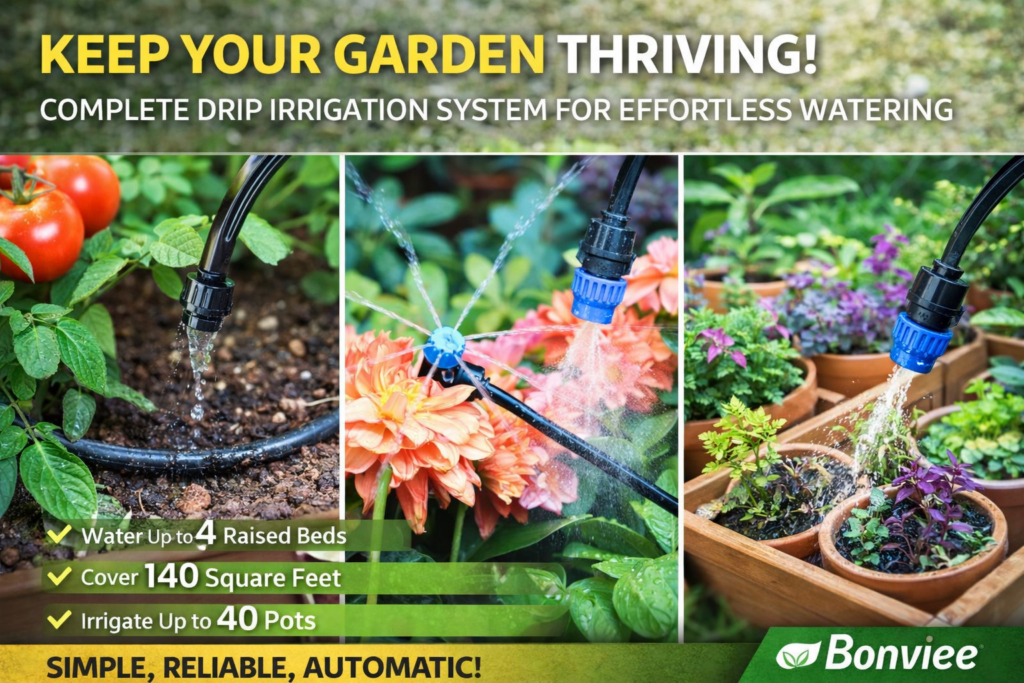
When possible, I use drip irrigation, a soaker hose, or careful watering near the base. If overhead watering is the only option, morning is better than evening because the plant has time to dry.
Watering at the soil also keeps moisture where the roots need it.
Poor Airflow Keeps Fruit Wet
Crowded plants dry slowly after rain, dew, and irrigation.
Dense foliage traps humidity around fruit and leaves. This creates favorable conditions for several diseases.
Proper spacing and support improve air movement. I remove badly diseased lower leaves and growth touching the soil.
I do not strip healthy foliage from around fruit. That can create sunscald and weaken the plant.
The goal is balanced airflow, not a bare tomato vine.
Too Much Rain Can Overwhelm Tomatoes
Extended rainy weather combines several problems:
- Soil stays saturated.
- Roots lose oxygen.
- Fruit and leaves remain wet.
- Soil splashes onto plants.
- Tomatoes crack.
- Weeds grow densely.
- Humidity remains high.
- Disease spreads more easily.
I cannot stop the rain, but raised beds, mulch, proper spacing, plant support, and good drainage reduce its impact.
After a wet stretch, I inspect fruit every day rather than waiting for obvious collapse.
Can Overwatering Make Tomatoes Rot?
Overwatering can contribute by keeping soil saturated and damaging roots.
It also creates humid conditions around low fruit and increases the chance of splashing soil when water is applied forcefully.
A tomato plant needs deep moisture, but its roots also need oxygen.
I check below the surface before watering. The top may look dry while the deeper root zone is still wet.
If the soil stays soggy and leaves begin yellowing, review the signs of an overwatered tomato plant before adding more water.
Can Tomatoes Rot From the Inside Out?
Yes. A puncture, crack, insect tunnel, or internal infection may allow decay to develop before the outside looks severely damaged.
The tomato might feel unusually soft, leak near the stem, or smell fermented.
When a fruit feels suspicious, I cut it open away from healthy produce.
Internal brown tissue, mold, larvae, cloudy liquid, or a foul odor means the tomato should be discarded.
Can You Eat a Tomato With a Rotten Spot?
I do not eat a tomato with active rot or mold.
Tomatoes are soft produce, which allows contamination to extend below the visible surface. USDA food-safety guidance recommends discarding moldy soft fruits and vegetables, including tomatoes, rather than cutting around the mold. USDA guidance on moldy food
A small dry cosmetic scar is different from rot. So is a fresh shallow crack that is harvested immediately and remains clean.
When the tissue is soft, wet, moldy, slimy, or foul-smelling, the whole tomato goes.
Do Not Can Rotten Tomatoes
Home canning does not make rotten tomatoes suitable for use.
I begin with sound, disease-free produce and follow a current tested recipe.
Moldy, fermented, animal-damaged, badly diseased, or decaying tomatoes should never be included in a canning batch.
I also avoid using fruit that has contacted floodwater or other obvious sources of contamination.
Should I Remove Rotten Tomatoes From the Plant?
Yes. Rotten tomatoes should be removed promptly.
They will not recover, and leaving them in place allows insects and decay organisms to continue using them.
I handle them carefully so they do not burst against healthy fruit or foliage.
I also collect fallen tomatoes beneath the plant. A layer of rotting fruit attracts fruit flies, slugs, beetles, rodents, and other animals.
Can Rotten Tomatoes Go in the Compost?
That depends on the cause and the composting system.
A tomato that rotted because of a simple physical injury may be composted in a well-managed pile.
I am more cautious with fruit showing late blight or another serious plant disease. Cool home compost piles may not destroy every pathogen.
Pest-infested tomatoes may also allow caterpillars or flies to complete their development.
When disease identification is uncertain, sealed disposal is safer than spreading questionable material through the garden later.
How I Stop More Tomatoes From Rotting
The fruit already showing rot cannot be saved. I focus on protecting healthy tomatoes.
Remove Affected Fruit
I pick rotten and badly damaged tomatoes as soon as I find them.
Keep Fruit Off the Soil
Cages, stakes, and trellises support heavy vines.
Add Mulch
Mulch reduces soil splash and helps stabilize moisture.
Water at the Base
Drip irrigation and soaker hoses keep foliage and fruit drier.
Improve Airflow
Proper spacing and support help plants dry after rain.
Harvest Promptly
I pick mature tomatoes before they become overripe or remain through another storm.
Remove Diseased Lower Leaves
I trim infected foliage when appropriate and clean tools afterward.
Avoid Working With Wet Plants
Handling wet foliage can spread certain pathogens from plant to plant.
Rotate Crops
I avoid planting tomatoes and closely related crops in the same location every year when disease has been a problem.
Choose Resistant Varieties
Resistance does not prevent every fruit rot, but it can reduce pressure from specific diseases.
Should I Spray a Fungicide?
That depends entirely on the diagnosed disease.
A fungicide cannot reverse fruit that is already rotten. Most products work protectively, meaning they need to be applied before new infection occurs.
Late blight, early blight, bacterial diseases, and soil-borne fruit rots do not all respond to the same active ingredient.
I identify the problem first, read the exact product label, confirm that tomatoes and the disease are listed, and follow the preharvest interval.
When the diagnosis is uncertain or symptoms are spreading quickly, I contact the local Extension office rather than rotating through random sprays.
My Quick Tomato Rot Checklist
When a tomato starts rotting, I check these clues:
- Black bottom means blossom end rot is likely.
- Rings near wet soil suggest buckeye rot.
- Dark target-like lesions near the stem suggest early blight.
- Olive-brown fruit lesions with rapidly dying foliage suggest late blight.
- Fuzzy black side spots suggest Alternaria fruit rot.
- Small sunken spots on ripe fruit suggest anthracnose.
- Soft foul-smelling tissue suggests bacterial decay.
- Rot around a split started with cracking.
- Cloudy punctures point toward stink bugs.
- A tunnel with droppings points toward fruitworms.
- A pale exposed patch that later rots began as sunscald.
- A bite or peck points toward animal damage.
- Low fruit affected first suggests soil contact.
- Several diseases appearing after rain point toward prolonged wetness and splash.
Frequently Asked Questions
Why are my green tomatoes rotting on the vine?
Blossom end rot, buckeye rot, early blight, late blight, Alternaria fruit rot, cracks, and insect injuries can all damage green tomatoes.
Why are my tomatoes brown where they touch the ground?
Soil contact can lead to buckeye rot or another soil-associated decay. Support fruit and use mulch to reduce splash and contact.
Why are my tomatoes rotting near the stem?
Early blight can create dark leathery lesions with concentric rings near the stem. Cracking and water collecting around the calyx can also lead to decay.
Why do tomatoes rot after heavy rain?
Rain keeps fruit wet, splashes soil, saturates roots, encourages disease, and causes cracking. Several of these problems can happen together.
Can a rotten tomato heal?
No. Remove it and focus on protecting healthy fruit.
Can I cut the rotten part off?
I discard tomatoes with active mold or soft rot. Contamination can extend beneath the visible area in soft produce.
Does blossom end rot spread between plants?
No. It is a physiological disorder rather than a contagious disease, although secondary mold may grow on damaged fruit.
Does mulch prevent tomato fruit rot?
Mulch helps by reducing soil splash, preventing fruit-soil contact, and stabilizing moisture. It does not prevent every disease.
Should I remove leaves around the tomatoes?
Remove diseased or soil-touching leaves when appropriate, but keep enough healthy foliage to shade fruit and support growth.
Can overwatering cause tomatoes to rot?
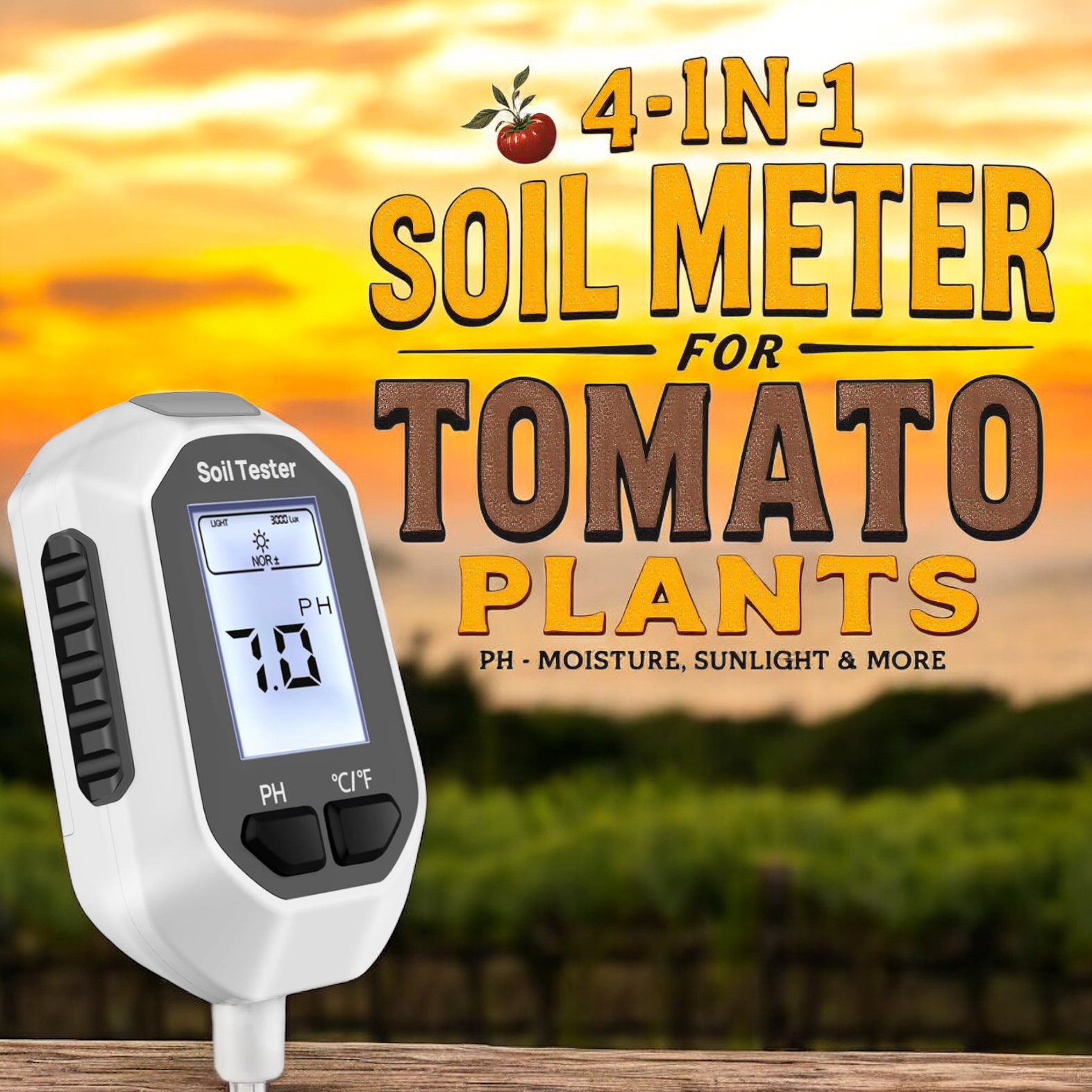
Excess water can damage roots, keep low fruit wet, and favor disease. The tomato plant needs moist soil, not constantly saturated soil. A soil moisture meter for tomatoes can help check whether the root zone is staying too wet before you water again.
Why do tomatoes look healthy until they begin ripening?
Some infections, particularly anthracnose, remain difficult to see until the fruit ripens and softens.
Should I spray every tomato plant after finding one rotten fruit?
No. Identify the cause first. A fungicide will not fix blossom end rot, animal damage, cracking, or fruit that has already decayed.
Written by Daniel Harper, an experienced home gardener who shares straightforward advice for growing healthier plants and making sense of unusual fruit through Tomato Growing Tips.