Finding a dark, rotten-looking patch on the bottom of a tomato is discouraging, especially when the plant otherwise looks healthy. I have watched nearly perfect tomatoes grow for weeks only to discover that their bottoms were turning brown or black before they had a chance to ripen.
When the bottoms of tomatoes are turning black, the most likely cause is blossom end rot. It is not a contagious plant disease, and it does not mean every tomato on the plant is doomed. It is a physical growing disorder that develops when the fruit does not receive calcium consistently while it is forming.
The frustrating part is that a garden can contain plenty of calcium and still produce tomatoes with blossom end rot. Uneven watering, damaged roots, excessive fertilizer, rapid growth, compacted soil, and other stresses can interrupt the movement of calcium into developing fruit.
The black spot that has already formed will not disappear, but correcting the growing conditions can protect tomatoes that develop afterward.
Why Are the Bottoms of My Tomatoes Turning Black?
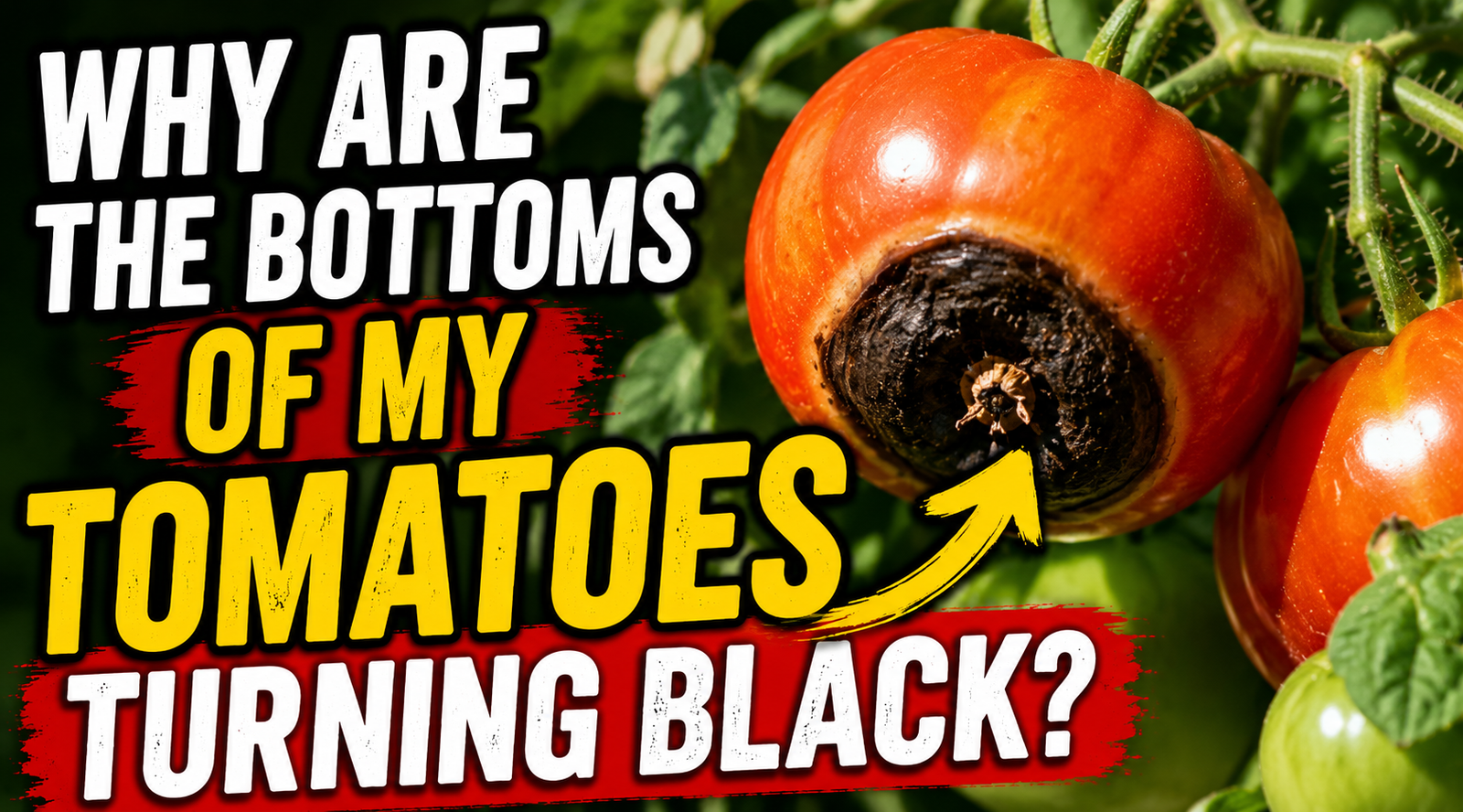
The bottoms of tomatoes usually turn black because of blossom end rot. It begins when developing fruit does not receive enough calcium to build strong cell walls at the blossom end.
The blossom end is the bottom of the tomato, directly opposite the stem. Damage commonly begins as a small tan, pale brown, or water-soaked spot. The affected area gradually becomes darker, flatter, sunken, and leathery.
Blossom end rot may appear when a tomato is still small and green. In other cases, it does not become obvious until the fruit grows larger.
Although a calcium shortage inside the developing fruit causes the damaged tissue, the underlying problem is often inconsistent water movement rather than calcium-deficient soil.

What Blossom End Rot Looks Like on Tomatoes
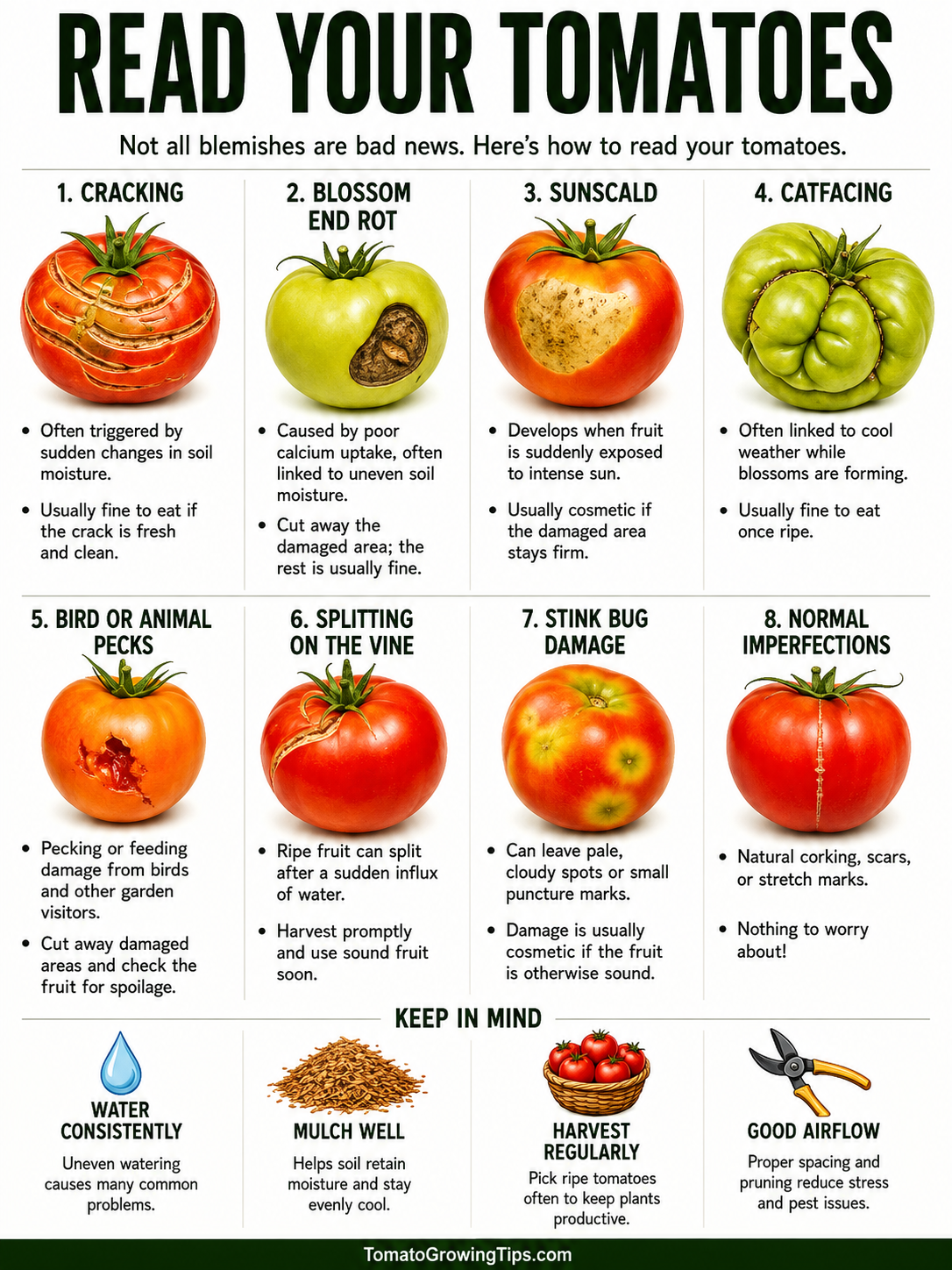
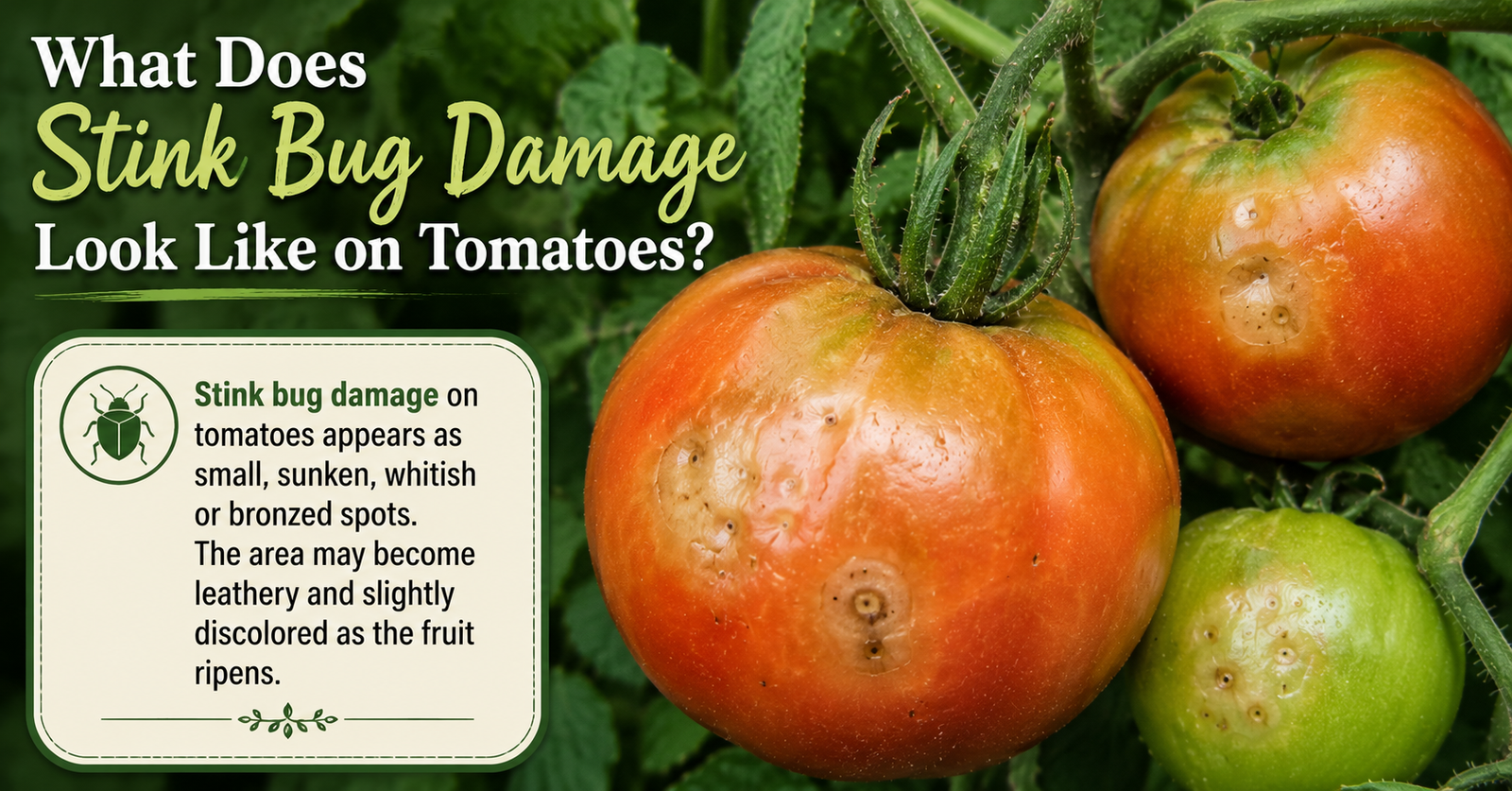
Blossom end rot has a fairly recognizable appearance once you know where to look. The damage remains centered on or near the blossom end rather than appearing randomly across the fruit. Stink bug damage typically appears as pale, cloudy tomato spots rather than a concentrated blossom-end lesion: pale cloudy tomato spots.
Common signs include:
- A tan or brown spot on the bottom of a green tomato
- A dark patch directly opposite the stem
- Sunken or flattened tissue at the blossom end
- A dry, tough, or leathery texture
- A spot that grows larger as the tomato develops
- Several tomatoes on the same plant showing similar bottom damage
- Blackened tissue that eventually develops secondary mold or rot
The damaged area may remain relatively small, or it can spread across much of the bottom half of the fruit. Plum and paste tomatoes sometimes develop damage along the lower side rather than in a perfectly centered circle.
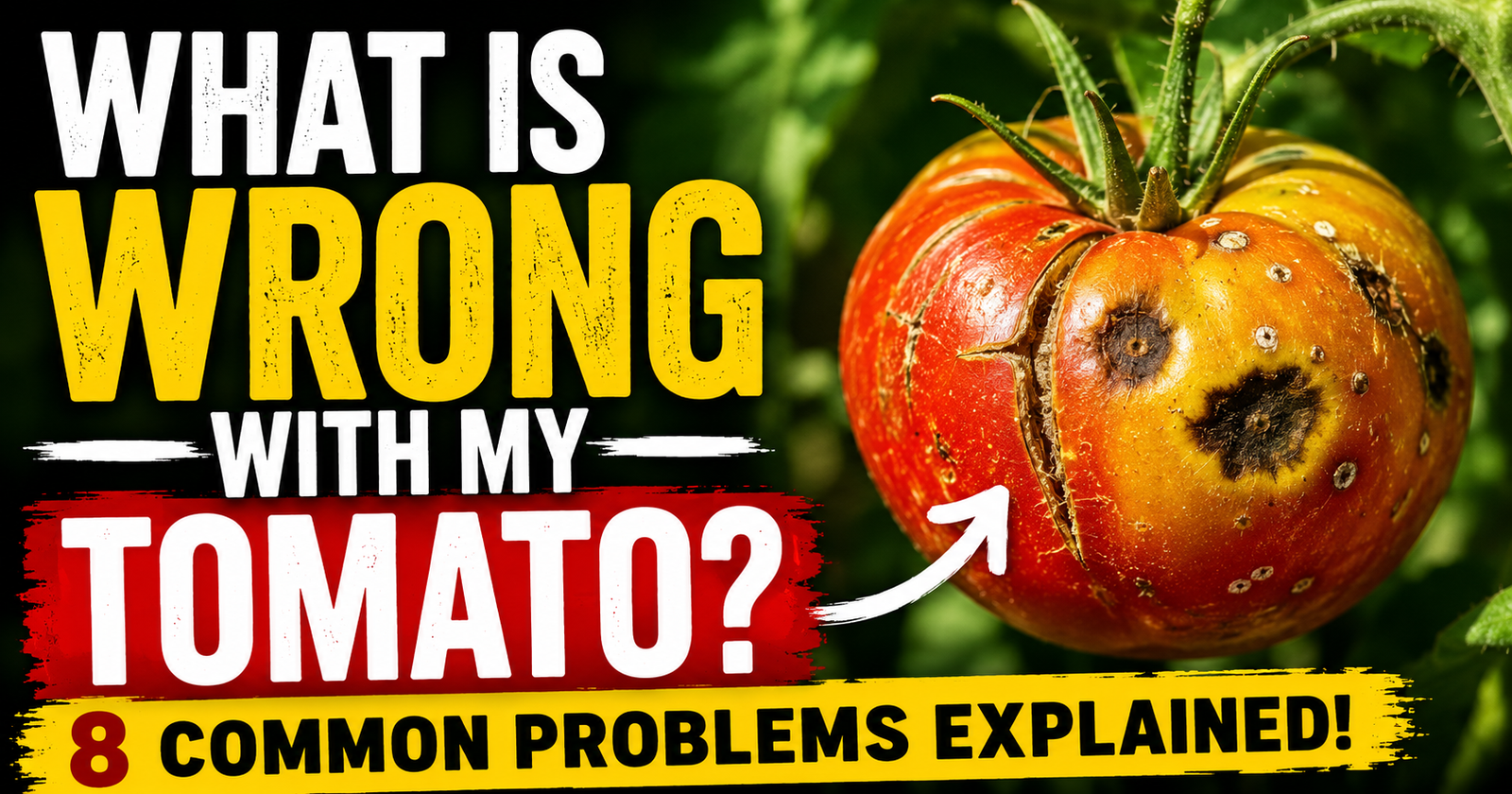
If your tomato does not match this description, use my guide to identify what is wrong with a damaged tomato before assuming the problem is blossom end rot. Sunscald, insect feeding, cracking, animal damage, and fungal fruit spots can look surprisingly similar at first.
Blossom End Rot Is Not a Contagious Disease
Blossom end rot looks like a fungal or bacterial infection, but it does not spread between plants. You do not need to spray a fungicide simply because you found a black patch on the bottom of a tomato.
The affected tissue died because its cells did not receive enough calcium while they were developing. Once that tissue becomes damaged, mold and bacteria may move in and cause secondary decay. Those organisms take advantage of the damaged fruit, but they did not cause the original blossom end rot.
This distinction matters because fungicide will not correct a watering, root, or nutrient-uptake problem. Spraying without identifying the cause wastes time and may distract from the changes the plant actually needs.
Why Tomatoes Need Calcium
Calcium helps plants build and maintain strong cell walls. Rapidly developing tomato fruit needs a steady supply of it.
Tomato plants absorb calcium through their roots along with water. That calcium then travels through the plant’s water-conducting tissues.
Calcium does not move around the plant as freely as some other nutrients. Once it reaches a leaf, it cannot simply be redirected easily into a developing tomato. The fruit needs to receive an adequate supply during its active growth.
The blossom end of the tomato is particularly vulnerable. When calcium delivery is interrupted, cells in that area begin to break down, producing the familiar brown or black patch.
Why Blossom End Rot Happens Even When Soil Contains Calcium
Many gardeners see blossom end rot and immediately assume they must add calcium. Sometimes soil truly is deficient, but that is not the most common explanation in an established garden.
The ground may contain enough calcium while the plant is unable to move it into the fruit. Calcium uptake depends heavily on healthy roots and consistent moisture.
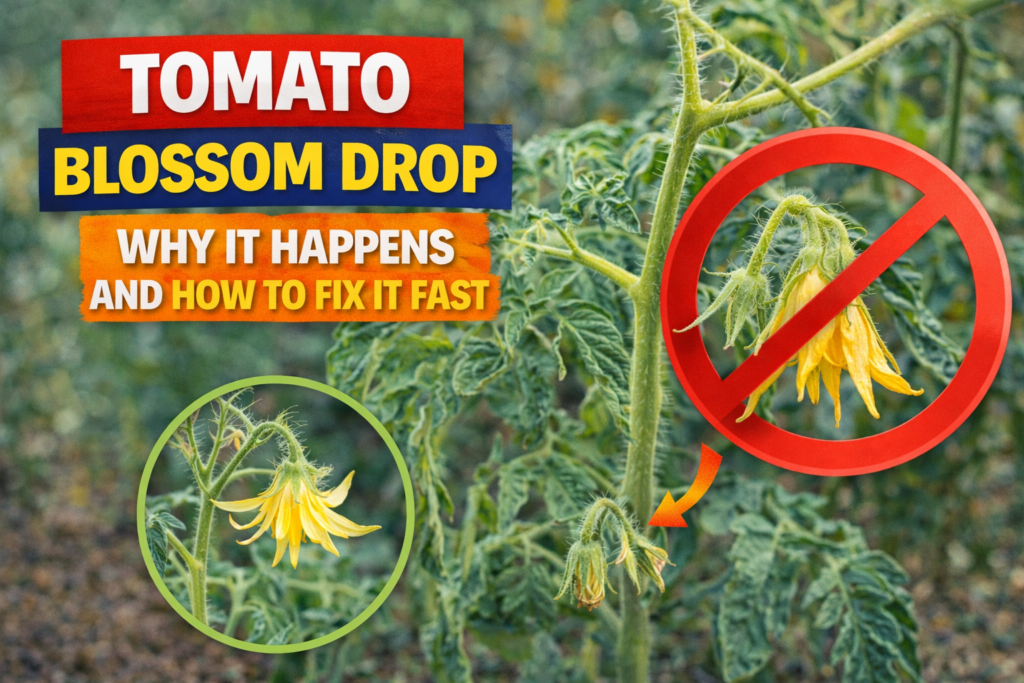
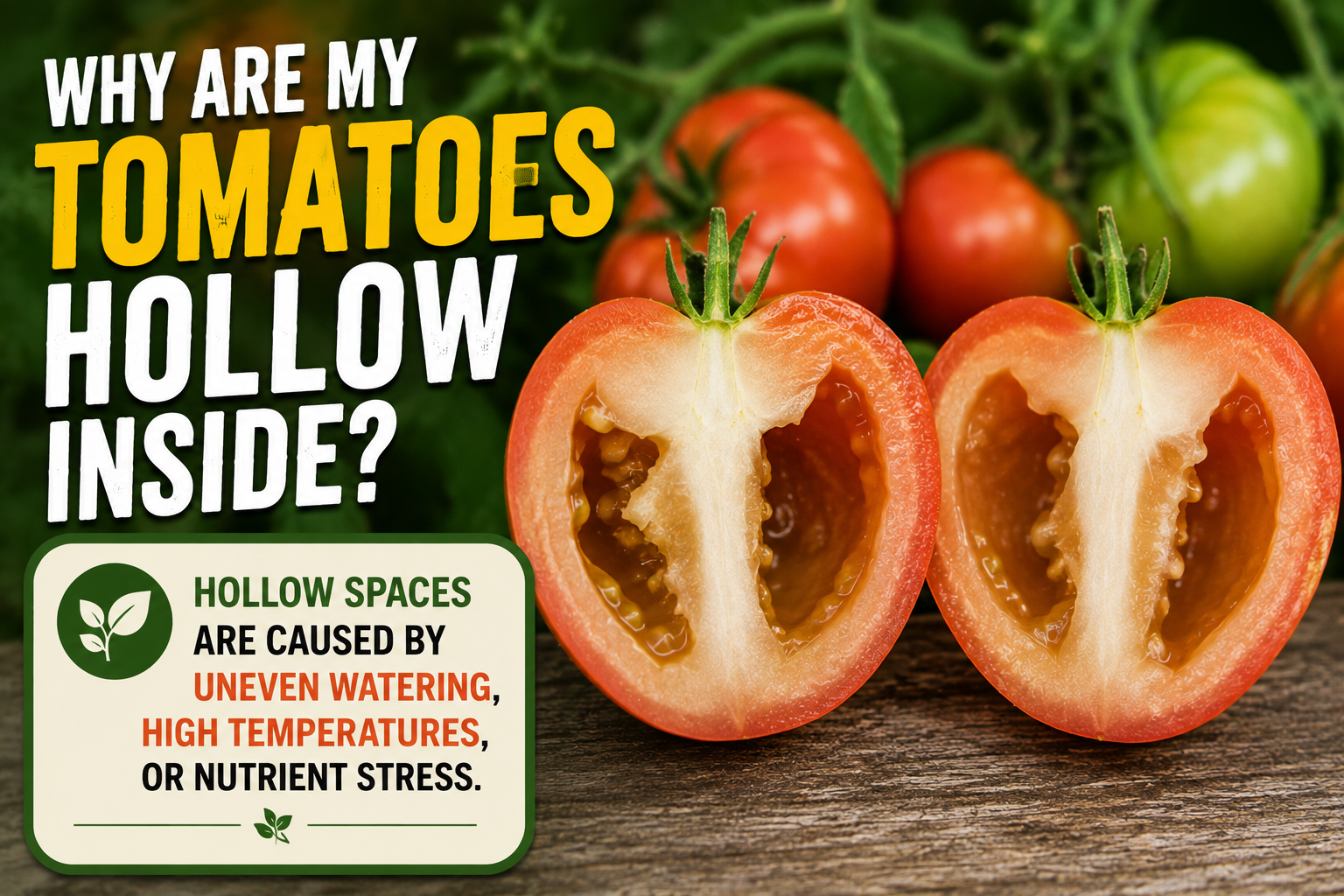
If the soil becomes extremely dry, the roots cannot absorb enough water. If the soil suddenly becomes waterlogged, oxygen levels around the roots fall and root function can suffer. Either extreme can interfere with nutrient movement. The same moisture swings can also cause watering-related tomato stress while flowers are forming.
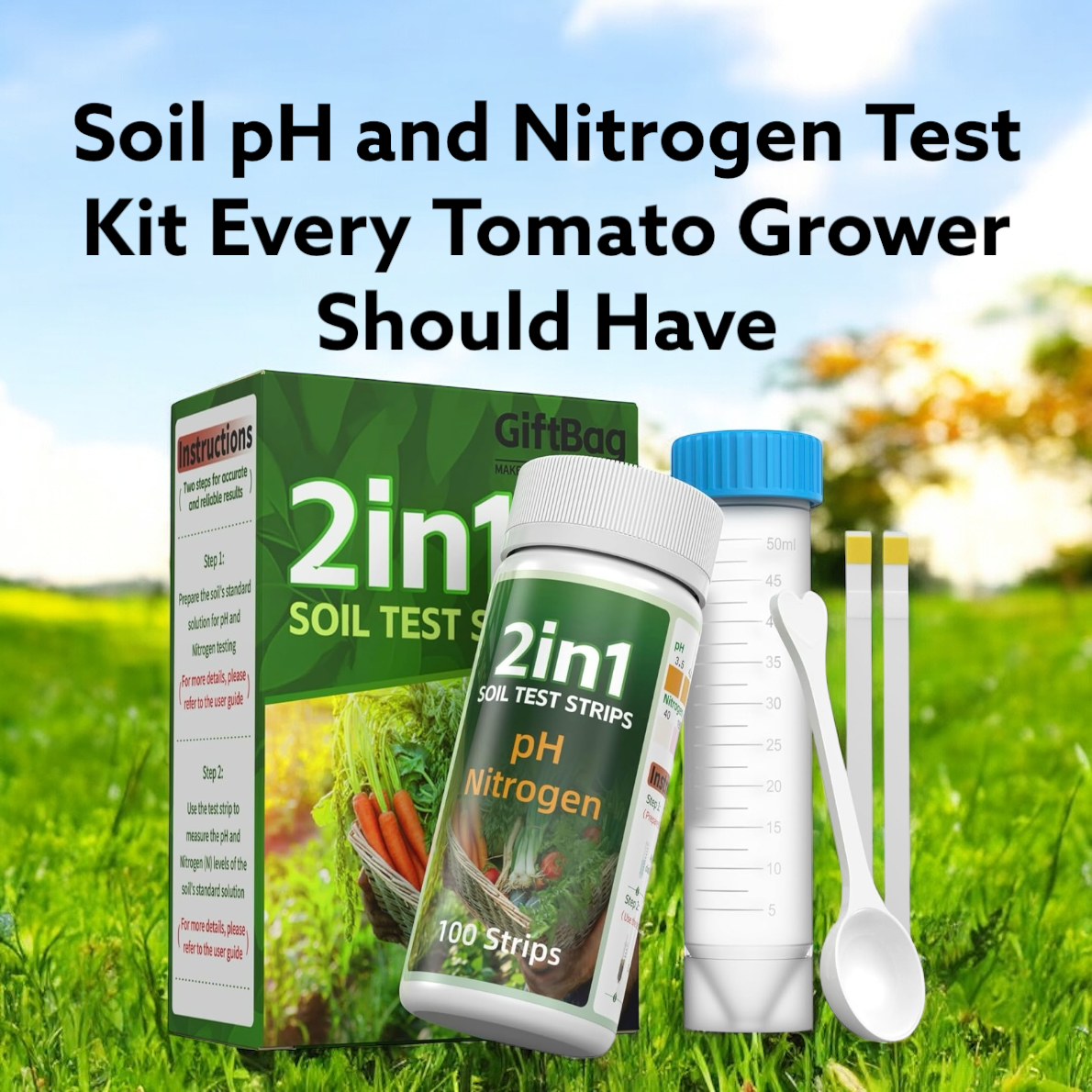
This is why I test before making major amendments. A soil pH and nutrient test gives me useful information instead of forcing me to guess based on one damaged tomato.
Uneven Watering Is the Most Common Trigger
The first thing I examine when the bottoms of tomatoes are turning black is the watering pattern.
Has the garden been allowed to become extremely dry? Did a heavy rain arrive after a hot, dry stretch? Are container tomatoes wilting each afternoon and then receiving a large amount of water at night?
These moisture swings make calcium delivery unreliable. The roots may have access to plenty of calcium, but they cannot transport it steadily when water availability changes dramatically.

Tomatoes contain a tremendous amount of water, yet constantly wet soil is not the solution. My explanation of how overwatering can ruin tomato plants shows why both extremes cause trouble.
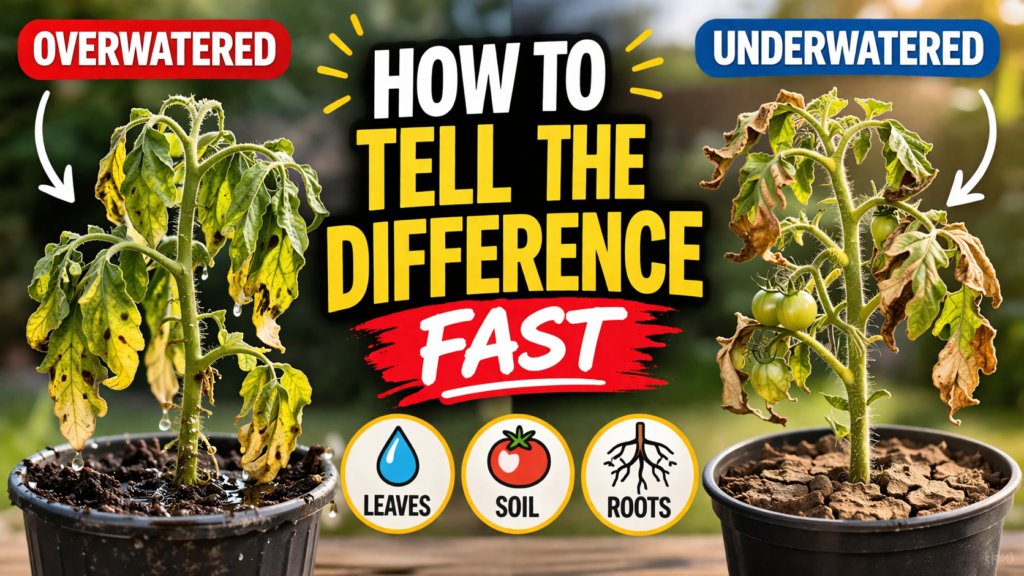
I aim for soil that remains evenly moist within the root zone without staying saturated. That does not mean watering on a rigid schedule regardless of weather. It means checking the soil and responding to what the plant actually needs. This guide shows how to tell whether soil is too wet or dry by checking the soil and plant symptoms.

How Often Should I Water Tomatoes With Blossom End Rot?
There is no single watering schedule that works for every tomato garden. Sandy soil drains quickly, clay holds water longer, raised beds dry faster, and containers may need attention every day during hot weather.
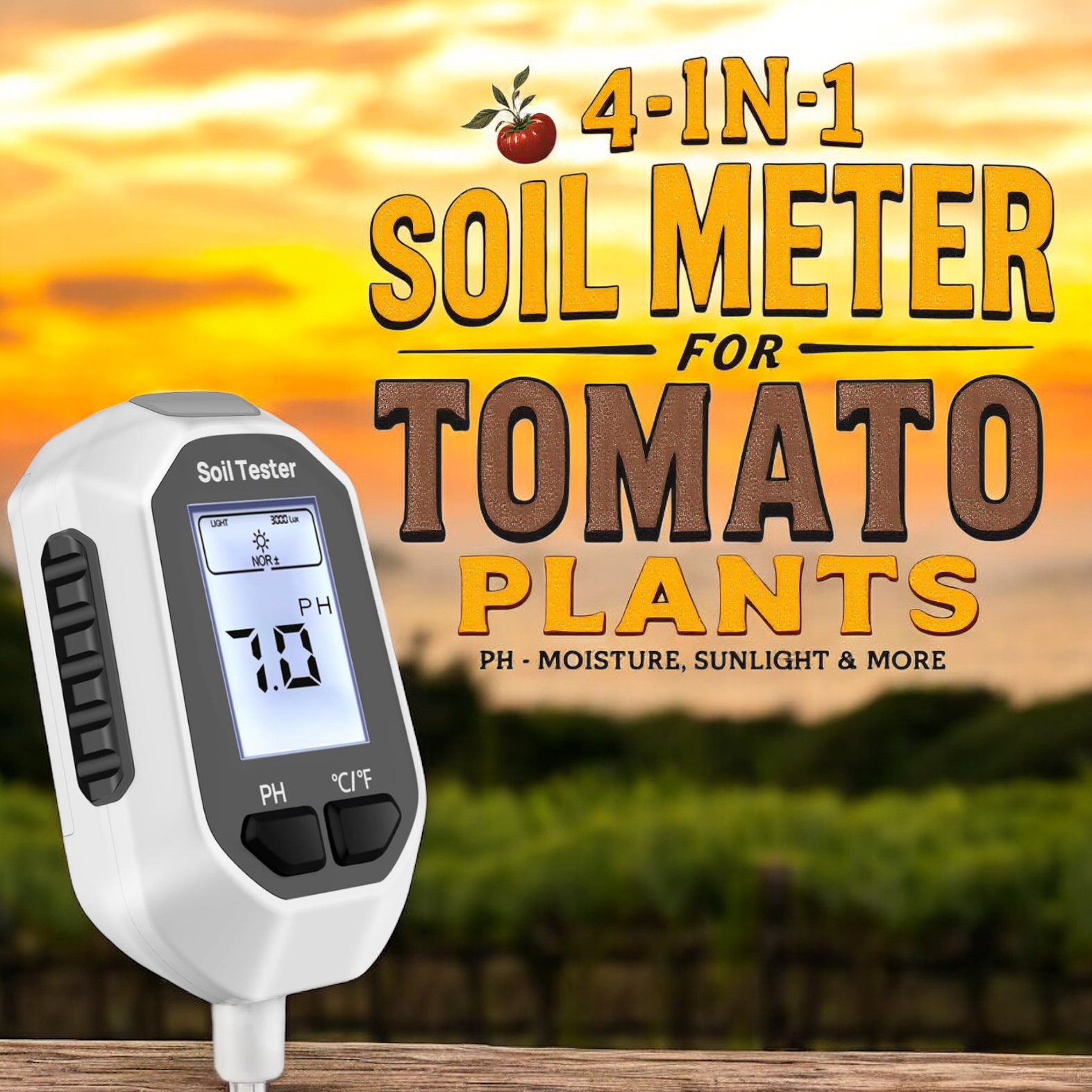
Instead of watering automatically, I check the soil several inches below the surface. If it still feels moist at root depth, I wait. If it feels dry, I water deeply around the base of the plant. For gardeners who find that check difficult by hand, a 4-in-1 soil moisture meter can provide another way to monitor moisture near the root zone.
A deep watering encourages roots to grow into a larger volume of soil. Frequent light sprinkling may wet only the surface, leaving deeper roots without dependable moisture.
During intense summer heat, a large tomato plant may use far more water than it did earlier in the season. I adjust as the plant grows rather than assuming the same spring routine will carry it through July and August.
If you are unsure whether the problem is too much or too little water, look for the other signs of an overwatered tomato plant before adding even more water.
Mulch Helps Prevent Moisture Swings
Mulch is one of the simplest tools I use to reduce blossom end rot. It slows evaporation and helps prevent the soil surface from heating and drying as quickly.
A two to three-inch layer is enough for many gardens. I keep it slightly away from the main stem rather than piling it tightly against the plant.
Suitable materials include clean straw, shredded leaves, untreated grass clippings applied in thin layers, and other weed-free organic mulches.
Mulch does not replace watering, but it gives the roots a more stable environment between waterings. It also reduces soil splashing during rain and irrigation.
Root Damage Can Interrupt Calcium Uptake
Even perfectly timed watering cannot help if the roots are badly damaged. Tomato roots need access to moisture, oxygen, and loose soil.
Several common gardening practices can injure them:
- Cultivating too deeply beside the plant
- Pulling large weeds that are tangled with tomato roots
- Allowing containers to become severely root-bound
- Transplanting roughly or breaking the root ball apart
- Flooding poorly drained soil
- Letting plants wilt severely and repeatedly
- Applying excessive fertilizer close to the roots
- Compacting the ground by walking near the plants
Once tomato plants are established, I avoid digging deeply around them. Their roots can spread well beyond the small area immediately around the stem.
Good root conditions begin before planting. I prepare the bed so water can move through it without leaving the roots trapped in hard, saturated ground. This guide to preparing soil for tomatoes properly explains how I build a better foundation before problems start.
Too Much Nitrogen Can Make the Problem Worse
A tomato plant with excessive nitrogen may grow tall, dark green, and leafy while producing fewer flowers and more fruit problems.
Rapid growth increases the demand for water and nutrients. Developing leaves can compete with fruit for the calcium being transported through the plant.
Excessive nitrogen may also produce soft growth that is more vulnerable to stress and pests. Applying another dose of fertilizer because a tomato developed a black bottom can make the underlying imbalance worse.
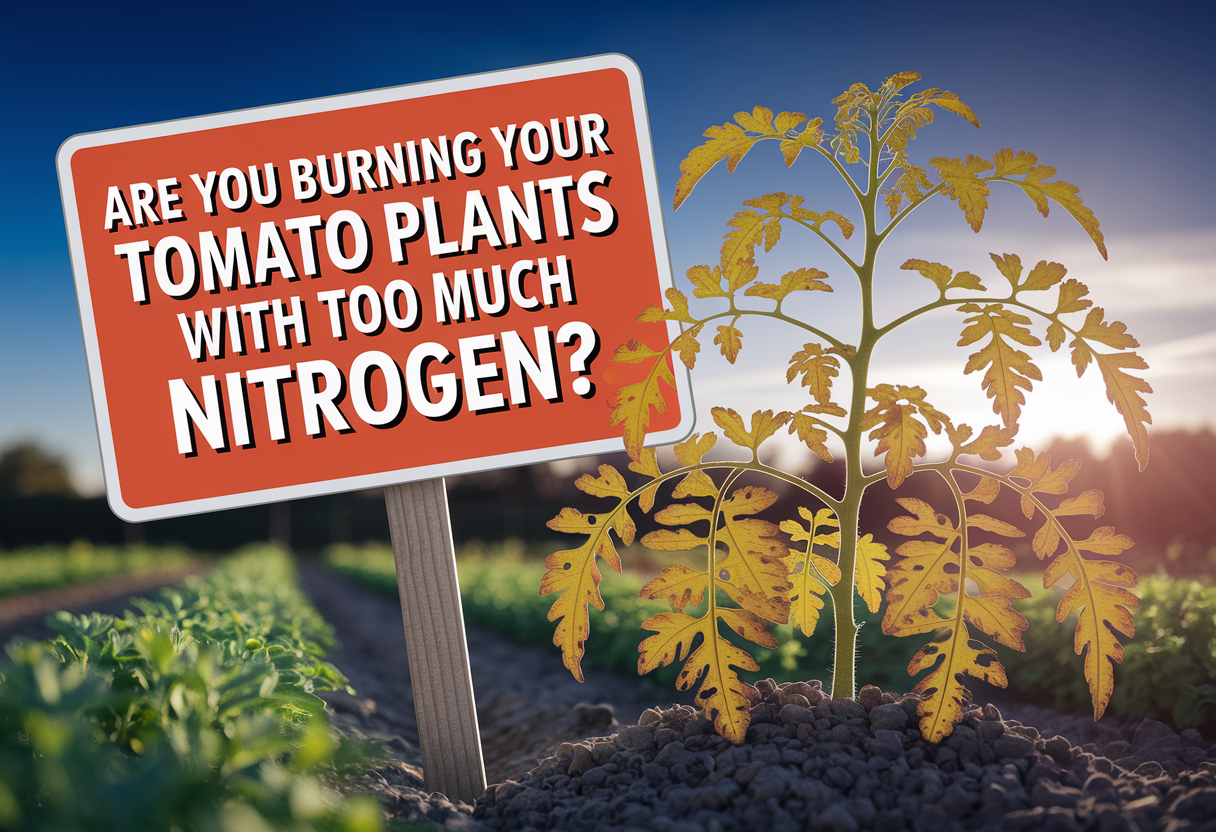
If a plant has unusually lush foliage but poor fruit development, check for the other signs that too much nitrogen is affecting your tomatoes before feeding it again.
I prefer moderate, steady growth over a tomato plant that shoots upward quickly and looks impressive for a few weeks.

Can Incorrect Soil pH Cause Blossom End Rot?
Soil pH affects how easily plants can access nutrients. Tomatoes generally perform best in slightly acidic soil, commonly around pH 6.0 to 6.8.
When the pH falls far outside a suitable range, nutrients may be present but difficult for the roots to absorb. An extreme pH can also damage root performance and upset the overall nutrient balance.
However, I never add lime just because a tomato has blossom end rot. Lime raises soil pH while also supplying calcium. If the existing pH is already appropriate or too high, adding lime may create another problem.
My complete guide to changing soil pH for tomato plants explains why testing must come before treatment.
If a soil test confirms that the soil is overly acidic and low in calcium, agricultural lime may be appropriate. The amount depends on the current pH, soil type, and test recommendation.
Does Adding Lime Stop Blossom End Rot?
Lime can help when a soil test confirms both low pH and a need for calcium. It is not a universal blossom end rot cure.
Agricultural lime works gradually. It is better used to correct soil before planting or between growing seasons than as an emergency treatment for a tomato that is already damaged.
Adding too much can raise the pH beyond the range tomatoes prefer. That can make iron, manganese, phosphorus, and other nutrients less available.
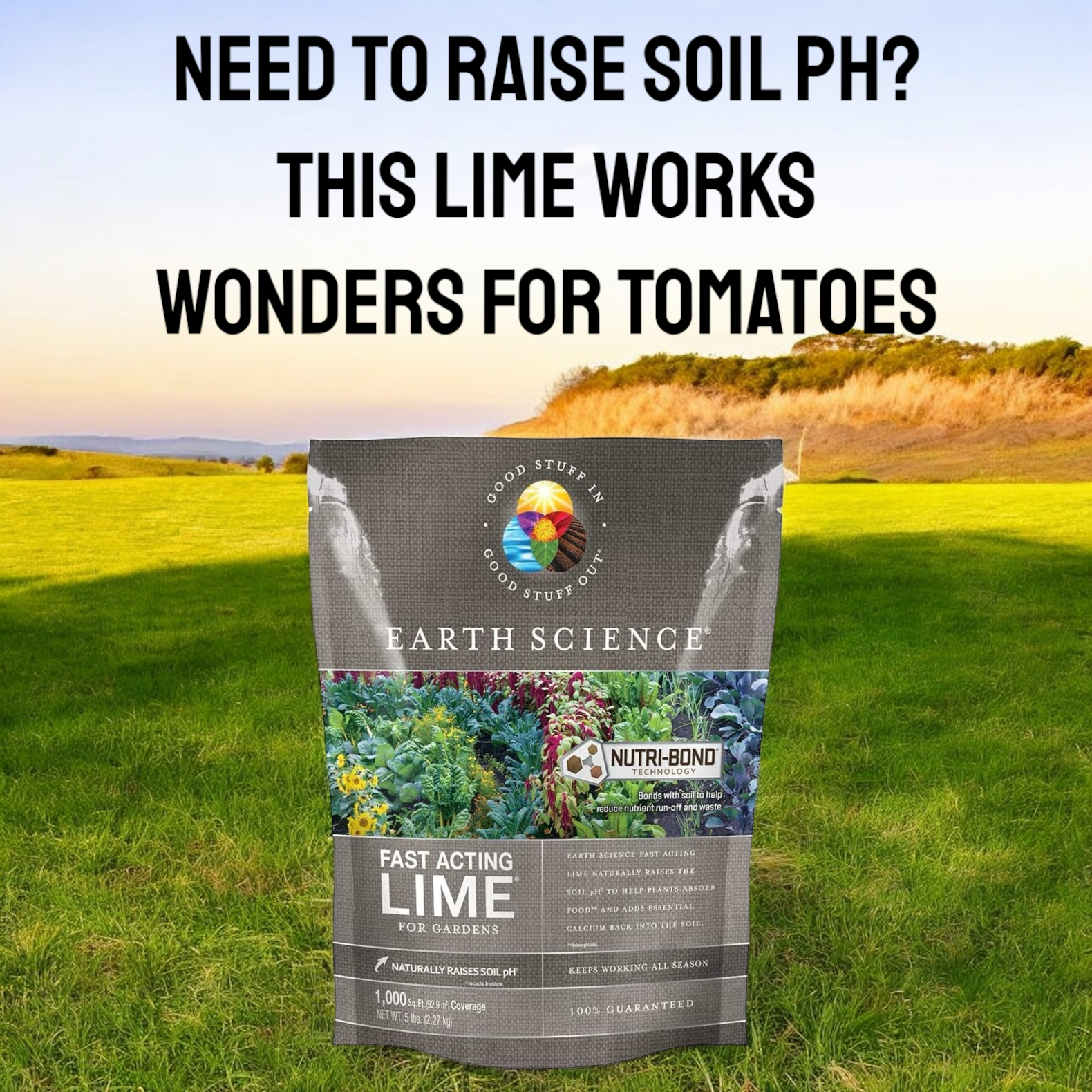
If testing shows that lime is actually needed, use an amount appropriate for the soil rather than applying it by handfuls around individual plants. My guide to raising tomato soil pH with lime explains how this amendment fits into a larger soil-management plan.
Do Eggshells Prevent Blossom End Rot?
Eggshells contain calcium, but they decompose slowly. Large pieces may remain recognizable in the soil long after the growing season ends.
Adding crushed eggshells to compost or garden soil can contribute minerals over time. They are not a dependable emergency treatment for blossom end rot developing today.
Even finely ground shells cannot solve irregular watering, unhealthy roots, compacted soil, or excessive nitrogen. If the soil already contains adequate calcium, adding more shells does not fix the plant’s inability to move that calcium into its fruit.
I do not mind using eggshells as part of a long-term composting routine. I simply do not count on them to reverse black-bottomed tomatoes during the current season.
Does Epsom Salt Help Blossom End Rot?
Epsom salt does not treat blossom end rot because it contains magnesium sulfate, not calcium.
Adding it without evidence of a magnesium deficiency can disrupt the soil’s nutrient balance. High magnesium levels may compete with calcium uptake and potentially make the problem harder to correct.
Epsom salt has become a popular garden remedy because it can help plants growing in genuinely magnesium-deficient soil. That does not make it an all-purpose tomato treatment.
I would only add magnesium when a soil or tissue test indicates that it is needed.
Will Milk Add Enough Calcium?
Pouring milk around tomato plants is not a reliable blossom end rot treatment. Milk contains calcium, but adding food products to garden soil can create odors, attract animals, and encourage unwanted microbial activity.
More importantly, milk does not correct the moisture and root problems that commonly prevent calcium from reaching the fruit.
A balanced soil amendment selected according to a test is more predictable than pouring kitchen products around the plant.
Do Calcium Sprays Fix Black Bottoms on Tomatoes?
Calcium sprays are often marketed as a fast answer, but they have important limitations.
Leaves do not efficiently send absorbed calcium into developing fruit. Calcium is not easily moved from treated foliage to the blossom end of a tomato.
Spraying the outside of a damaged fruit will not rebuild dead tissue. The black area cannot heal once it has formed.
A calcium product may be useful in a carefully managed growing program when a genuine deficiency has been identified, but it should not replace consistent watering, healthy roots, and proper soil management.
Can Improper Fertilizer Cause Black Tomato Bottoms?
Yes, fertilizer can contribute in several ways.
Too much nitrogen promotes rapid leafy growth. Excess fertilizer salts can injure roots. An unbalanced nutrient supply can also create competition between calcium, potassium, magnesium, and other elements.
This does not mean tomatoes should never be fertilized. They need adequate nutrition to flower and produce fruit. The goal is to feed according to the plant’s growth stage and actual soil conditions.
I apply fertilizer at the proper rate and avoid placing concentrated fertilizer against the stem or roots. My guide to when tomato plants need fertilizer can help prevent the cycle of feeding every time a plant shows stress.
Why Container Tomatoes Get Blossom End Rot
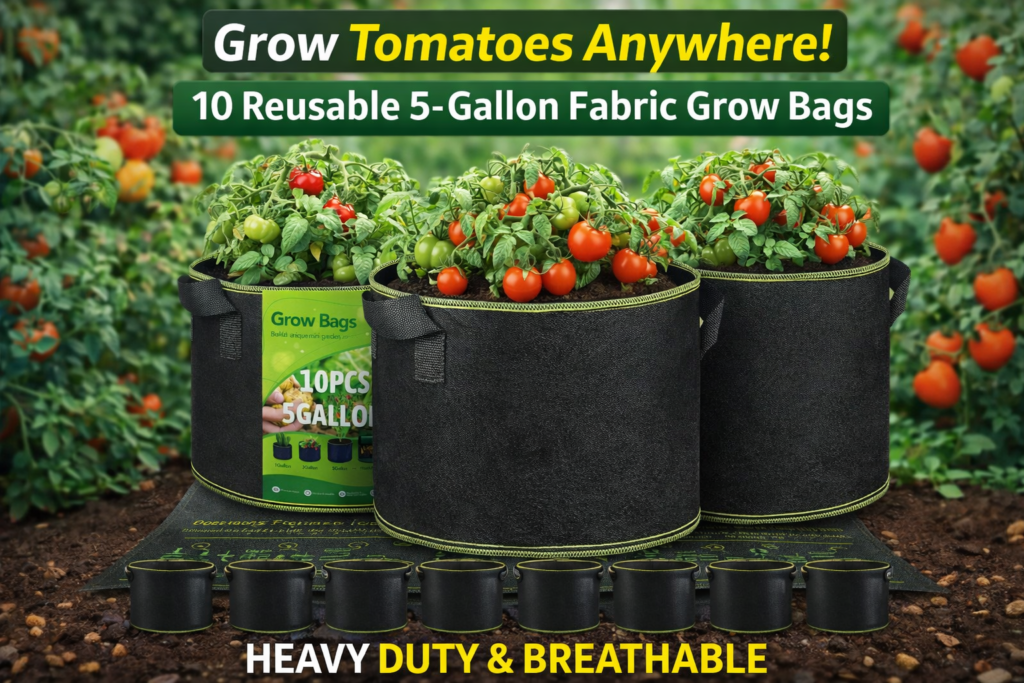
Tomatoes grown in pots and fabric bags can be especially vulnerable because their root zones are smaller and dry more rapidly.
A container that feels moist in the morning may become extremely dry by late afternoon during hot, windy weather. Repeated wilting followed by heavy watering creates exactly the kind of moisture fluctuation associated with blossom end rot.
Small containers also become root-bound quickly. Crowded roots cannot access a large reserve of moisture, and fertilizer salts may build up when drainage is inadequate.
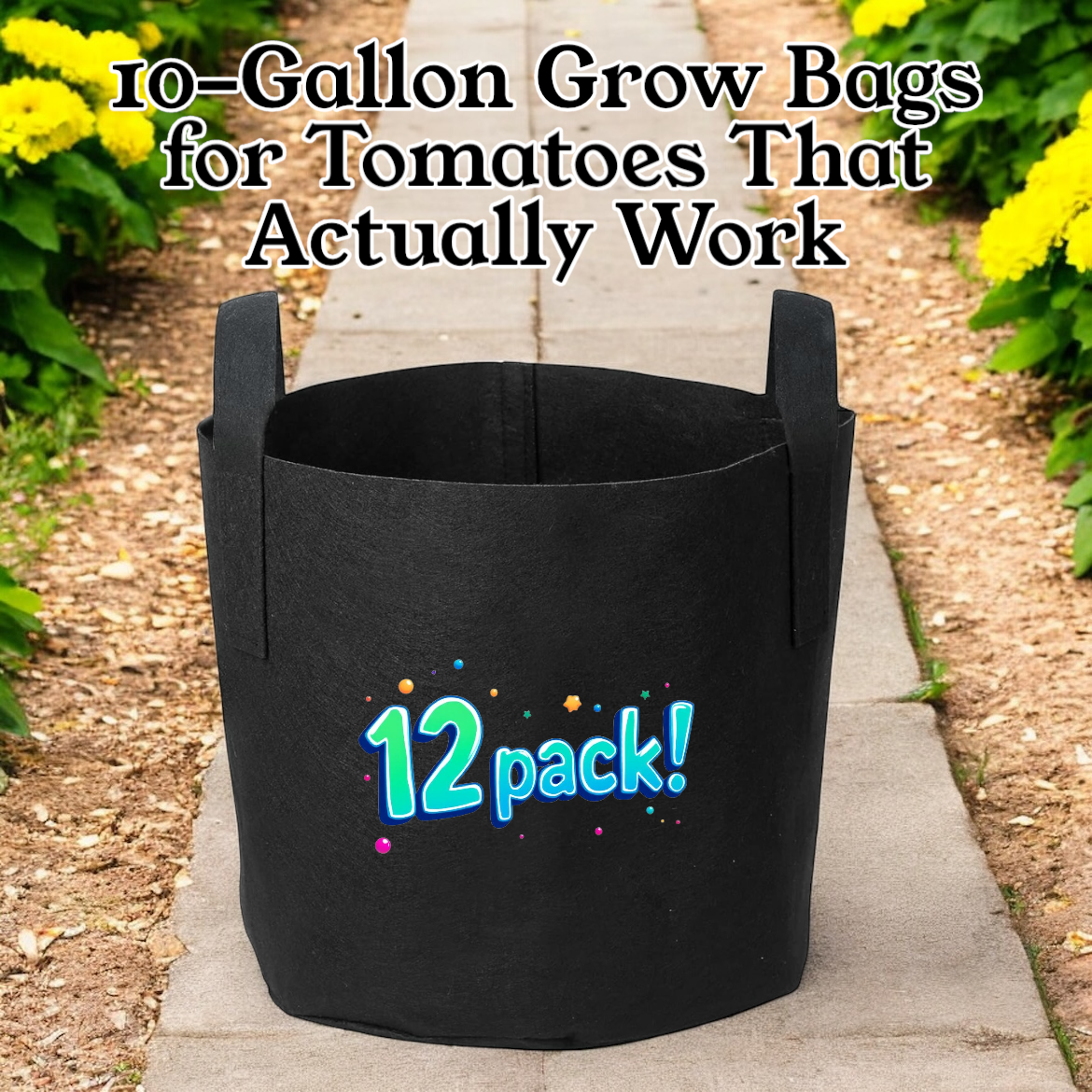
For full-sized tomato varieties, I prefer a container with substantial soil volume. Larger containers hold moisture more consistently and give roots room to spread.
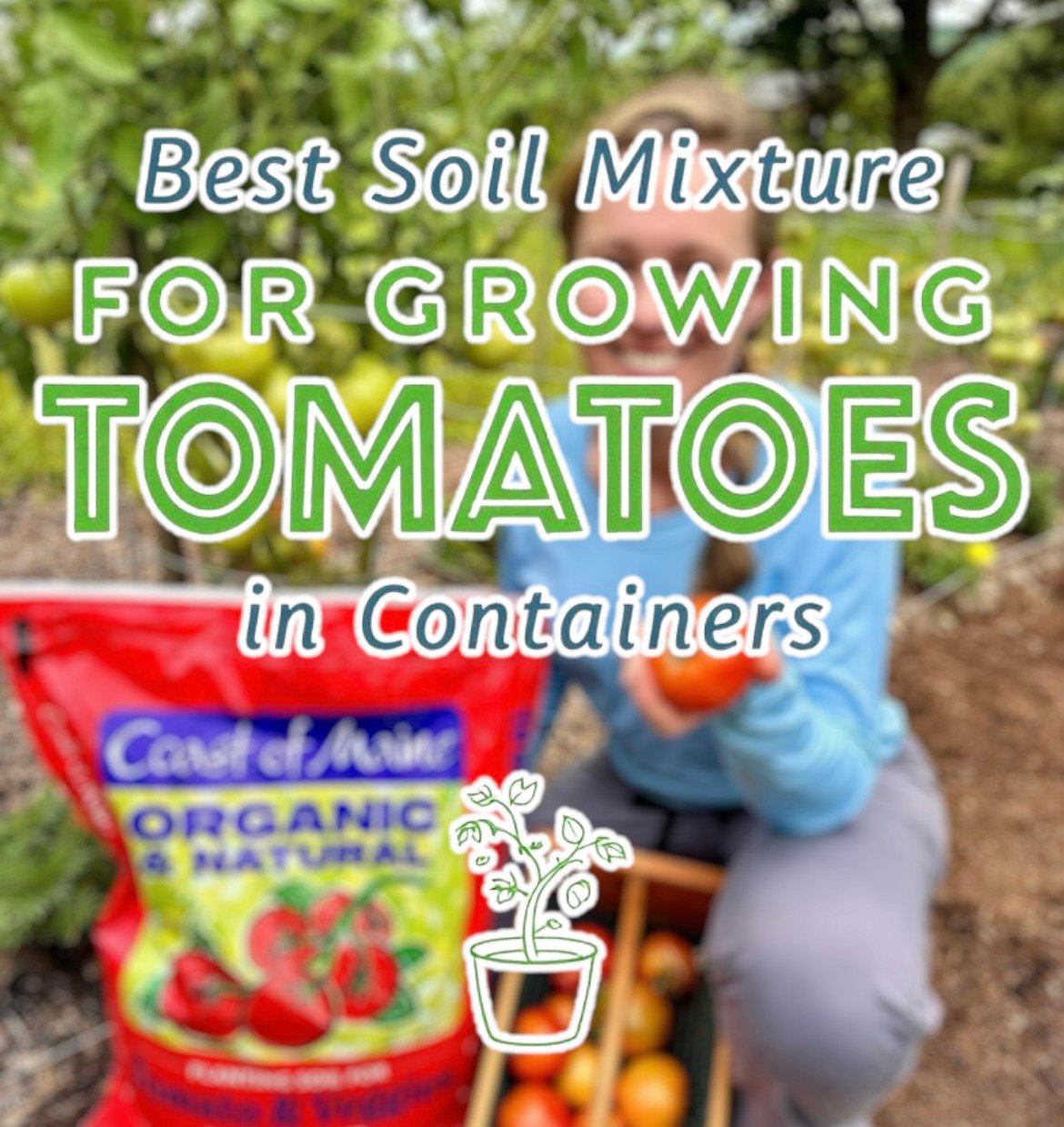
The growing medium matters too. Heavy garden soil may compact in a pot, while an extremely light mix may dry too quickly. The best soil mixture for growing tomatoes in containers balances moisture retention with dependable drainage.
Can Heat Cause Blossom End Rot?
Hot weather can contribute indirectly. High temperatures increase the amount of water lost through leaves and soil.
A plant that was receiving adequate water during mild weather may begin drying out much faster during a heat wave. Containers and raised beds are especially sensitive to this change.
Heat can also affect pollination, fruit set, and root performance. When several stresses occur at once, the plant may struggle to supply calcium to rapidly developing tomatoes.
During hot weather, I check moisture more frequently, protect the soil with mulch, and water early enough for the root zone to become evenly moist before the most intense heat arrives.
Can Heavy Rain Cause Blossom End Rot?
Heavy rain can contribute, particularly when it follows a dry period or leaves the soil waterlogged.
Saturated ground contains less oxygen. Tomato roots need oxygen to function, and prolonged waterlogging can damage them.
Rain can also wash nutrients from fast-draining soil and create abrupt moisture changes. A plant that has been struggling through dry weather may suddenly take up a large amount of water, increasing the risk of cracking as well as nutrient-transport problems.
I cannot control rainfall, but I can improve drainage, avoid planting in low spots, use raised beds where appropriate, and avoid adding irrigation while the ground is already wet.
Can I Eat Tomatoes With Blossom End Rot?
Blossom end rot itself does not make a tomato poisonous. If the damage is limited to the blossom end, the remaining portion may still be usable.
I cut generously above the damaged area and examine the flesh. The portion I keep must be firm, normally colored, fresh-smelling, and completely free from mold or internal decay.
Taste and texture may not be as good as they are in an undamaged tomato, particularly when a large part of the fruit is affected. Severely damaged tomatoes are often not worth saving.
I discard the entire tomato when:
- Mold is growing on the blackened area
- The damaged tissue is wet or slimy
- Decay extends deeply inside the fruit
- The tomato smells sour or fermented
- Insects are living inside the damaged area
- The remaining flesh is unusually soft or discolored
- The damaged portion covers most of the tomato
If I am uncertain about the condition of the remaining flesh, I throw the tomato away.
Should I Remove Tomatoes With Blossom End Rot?
I usually remove tomatoes with severe blossom end rot. The black tissue will not recover, and allowing a badly damaged fruit to continue growing uses energy that could support new flowers and tomatoes.
Removing affected fruit also makes it easier to monitor whether my changes are working. Tomatoes that were already developing when the stress occurred may still show damage, so improvement is not always immediate.
A tomato with a very small dry spot may continue to ripen, but I watch it closely. Once secondary rot begins, I remove it from the garden.
I do not leave rotten fruit on the ground beneath the plants because it can attract insects and animals.
Will New Tomatoes Also Develop Black Bottoms?
Not necessarily. Blossom end rot often affects the earliest fruit and then becomes less severe as the root system expands and soil conditions stabilize.
New tomatoes may develop normally after watering becomes consistent and excessive fertilizer or root stress is corrected.
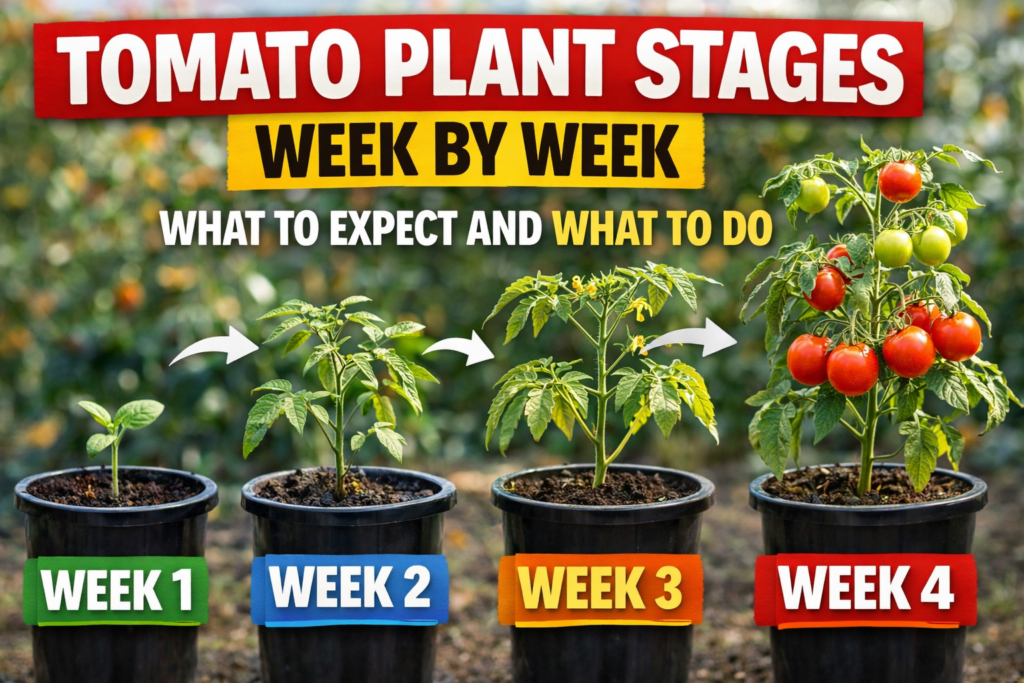
Do not expect the next fruit to provide an instant answer. A tomato may have started developing blossom end rot before you changed anything. It can take time for healthy new fruit to grow large enough to inspect. This tomato fruit development stages helps clarify when developing fruit is most vulnerable to changing water and calcium demands.
I focus on the newest tomatoes and look for a pattern over the following weeks.
How I Fix Blossom End Rot
I treat the underlying growing conditions rather than the visible black patch.
Check the Soil Moisture
I feel the soil several inches below the surface. If it is extremely dry, I water deeply and gradually rather than flooding the plant all at once.
If it is waterlogged, I stop irrigating and look for drainage problems.
Establish a Consistent Watering Pattern
I monitor the soil regularly and water when the root zone needs it. I adjust for rain, heat, wind, plant size, container size, and soil type.
Add Mulch
I apply a layer of mulch over the root zone to slow evaporation and reduce rapid moisture swings.
Stop Unnecessary Fertilizer
If the plant is already dark green and growing aggressively, I do not add another high-nitrogen feeding.
Protect the Roots
I stop deep cultivation and avoid disturbing the soil around established plants.
Test Before Adding Calcium or Lime
I check pH and nutrient conditions before applying an amendment that could change the soil for months or years.
Remove Severely Damaged Fruit
I pick tomatoes that are badly affected so I can monitor new growth and keep decaying fruit out of the garden.
How Long Does Blossom End Rot Take to Stop?
The black area on an affected tomato will never reverse. Improvement can only be seen in fruit that develops after the plant’s growing conditions stabilize.
Depending on the weather and stage of growth, it may take a couple of weeks before the newest fruit becomes large enough to evaluate.
Do not keep changing treatments every few days. Adding lime, calcium spray, fertilizer, Epsom salt, and extra water in quick succession makes it almost impossible to determine what the plant needed. It can also create new nutrient and root problems.
I make measured corrections, keep moisture consistent, and watch the newest fruit.
Is It Blossom End Rot or Something Else?
Not every black tomato spot is blossom end rot.
Blossom end rot develops at the blossom end and commonly becomes flat, sunken, and leathery. Other conditions may appear on the sides, shoulders, or stem end.
Anthracnose
Anthracnose generally affects ripening fruit and causes small, sunken, circular spots. The centers may darken and develop tiny structures that produce pinkish spores under humid conditions.
Buckeye Rot
Buckeye rot often affects fruit touching or hanging close to wet soil. It produces brown, water-soaked spots that may develop rings resembling the pattern of a buckeye.
Sunscald With Secondary Rot
Sunscald begins as a pale or tan patch on the side exposed to intense sunlight. Damaged tissue may later turn dark when mold or bacteria invade it.
Insect Damage
Stink bugs and other piercing insects can leave cloudy patches, pinpricks, and hard pale tissue. Chewing insects may create open wounds that later rot.
Cracking and Splitting
An open crack allows moisture and microorganisms into the tomato. Dark decay may develop around the break, but the original problem began with the skin splitting rather than calcium delivery.
Location remains the most useful clue. A dry black patch centered on the bottom strongly suggests blossom end rot.
How I Prevent Black Bottoms Next Season
Prevention begins before the first tomato forms.
I choose a location with good drainage and prepare the soil with organic matter when needed. I test the soil before making major pH adjustments and use fertilizer according to actual plant needs.
After planting, I establish a deep and consistent watering routine. Mulch goes down before summer heat begins drying the soil rapidly.
I use sufficiently large containers for potted tomatoes and make sure every drainage hole remains open. I avoid letting container plants wilt severely day after day.
I also resist the temptation to push young plants with excessive fertilizer. A sturdy plant with balanced growth is better prepared to support developing fruit than a soft, oversized plant produced by too much nitrogen.
Frequently Asked Questions
Why are my green tomatoes turning black on the bottom?
Green tomatoes commonly develop black bottoms because of blossom end rot. The damage can begin while fruit is still small because calcium delivery was interrupted during early development.
Is blossom end rot caused by a fungus?
No. Blossom end rot is a physical growing disorder associated with insufficient calcium reaching developing fruit. Fungi and bacteria may invade the damaged tissue later, but they do not cause the original problem.
Does blossom end rot spread to other tomato plants?
No. It is not contagious. Several plants may develop it at the same time because they share the same watering, soil, weather, or fertilizer conditions.
Should I spray fungicide on blossom end rot?
Fungicide does not correct blossom end rot. Focus on consistent moisture, healthy roots, balanced fertilizer, and verified soil conditions.
Will watering every day stop blossom end rot?
Not necessarily. Daily watering may be too much in heavy soil and insufficient for a large container during extreme heat. Check moisture within the root zone and water according to actual conditions.
Should I add calcium as soon as I see a black tomato bottom?
Test the soil before adding calcium. Many gardens already contain enough, and the real problem is inconsistent moisture or damaged roots preventing reliable calcium movement.
Can I cut blossom end rot off a tomato?
Yes, if the remaining fruit is firm, fresh, and completely free from mold or secondary decay. Cut generously above the damaged tissue and use the tomato promptly.
Why do only some tomatoes have blossom end rot?
Fruit forms at different times and experiences different growing conditions. Certain varieties and shapes may also be more vulnerable. Early tomatoes are often affected while later fruit develops normally.
Are Roma tomatoes more likely to get blossom end rot?
Elongated paste and plum tomatoes often seem particularly susceptible. Their shape and rapid development can make the blossom end more vulnerable when calcium delivery is disrupted.
Will blossom end rot go away on its own?
Existing damage will not heal. However, new tomatoes may develop normally once the roots mature and soil moisture becomes more consistent.
Can I compost tomatoes with blossom end rot?
A tomato affected only by blossom end rot can generally be composted because the disorder is not contagious. I leave out fruit with extensive mold, pest infestations, or signs of a separate disease unless I know my compost pile becomes hot enough to handle it properly.
Written by Caleb Warren, a lifelong gardener who shares practical growing advice, honest troubleshooting, and lessons learned from real plants through Tomato Growing Tips.