
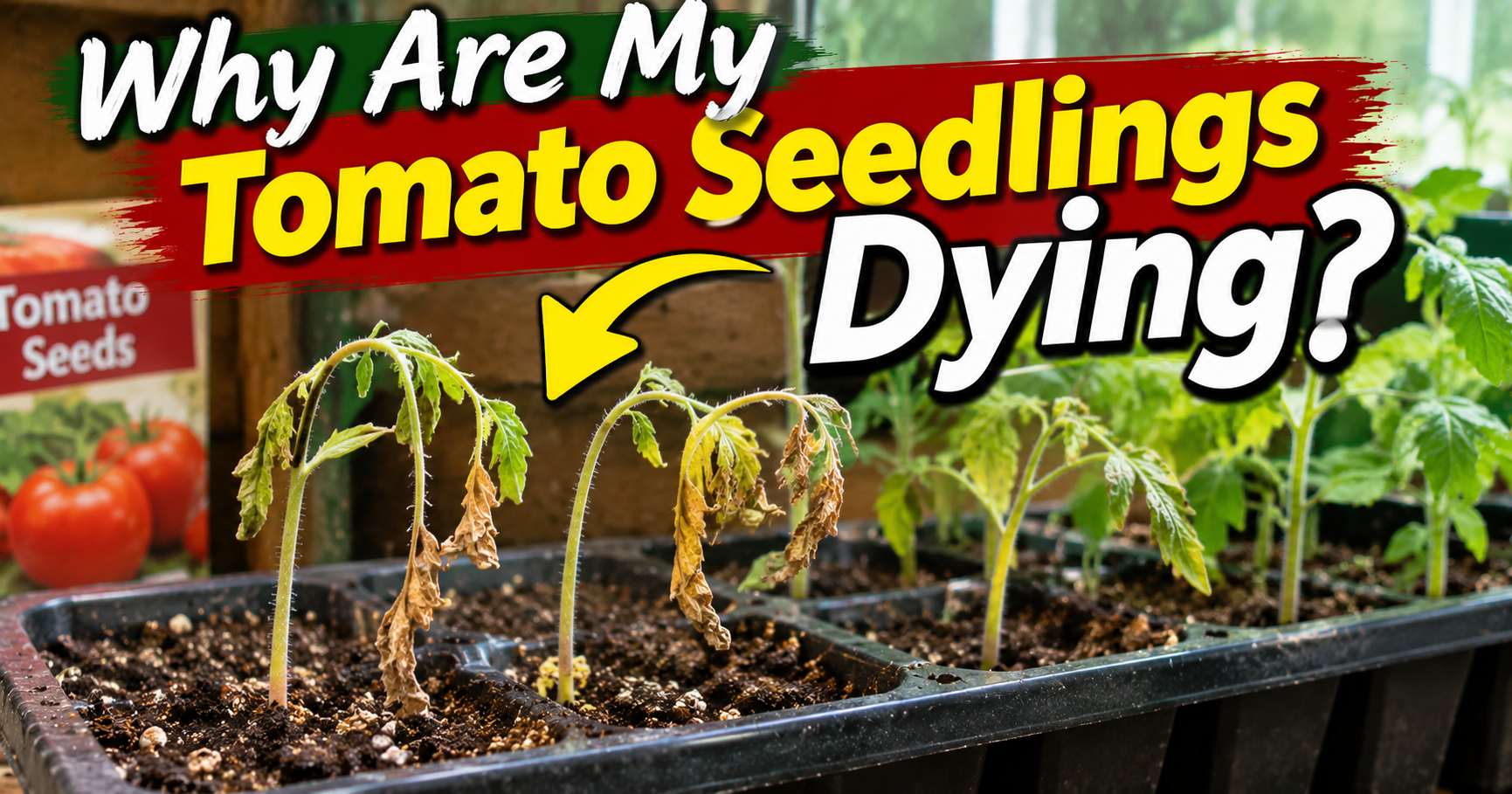
Few things are more frustrating than watching healthy tomato seedlings begin wilting, falling over or turning brown. The plants may have germinated perfectly, only to start dying several days or weeks later.
When my tomato seedlings look like they are dying, I check the stem at soil level first. That one spot can quickly separate damping off from watering trouble, light problems and ordinary transplant stress.
Some damaged seedlings can recover. Others, especially seedlings affected by damping off, usually need to be removed before the problem reaches nearby plants.
What I Check First
Before adding water, fertilizer or another product, I inspect the entire seedling.
I look at the soil, lower stem, leaves and roots. I also consider what changed during the previous few days.
The most useful questions are:
- Is the soil wet, damp or completely dry?
- Is the lower stem thin, dark or pinched?
- Are the leaves wilted, yellow, brown or bleached?
- Did the problem begin after repotting?
- Did I recently move the seedling into direct sunlight?
- Is the grow light producing excessive heat?
- Are several seedlings affected or only one?
These details matter because a wilted tomato seedling does not always need more water. Adding water to a seedling already suffering in saturated soil can finish it off.
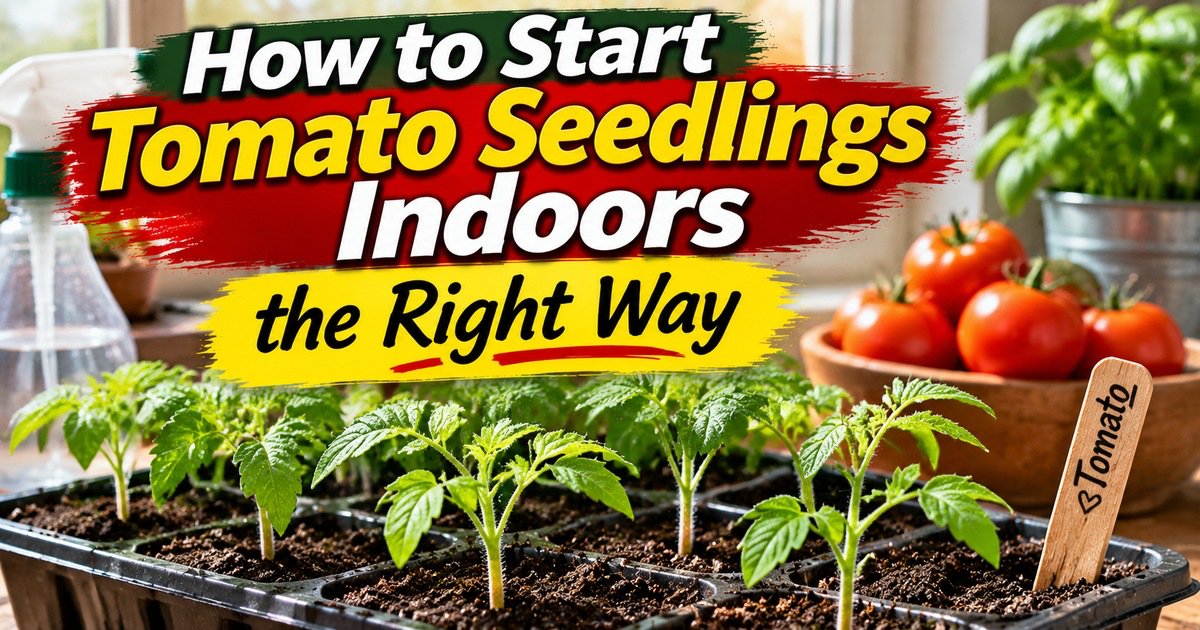
My complete indoor tomato seed-starting method explains how I prepare the growing mix and containers before these early problems appear.
Check the Stem for Damping Off
Damping off is one of the most serious causes of tomato seedlings suddenly falling over and dying.
The lower stem may look thin, dark, watery or pinched where it meets the growing mix. The seedling can appear healthy one day and collapse the next.
Once the lower stem has rotted through, the plant usually cannot recover. Propping it against a stick does not repair the damaged tissue.
Damping off is associated with disease-causing organisms that thrive in wet growing conditions. Crowded seedlings, contaminated containers, poor drainage and limited airflow can all increase the risk.
I remove collapsed seedlings along with a small amount of surrounding mix. I do not allow their stems or leaves to remain across healthy plants.
If multiple seedlings begin collapsing, I improve airflow and reduce excess moisture immediately. I also avoid reusing the affected growing mix.
Overwatering Tomato Seedlings
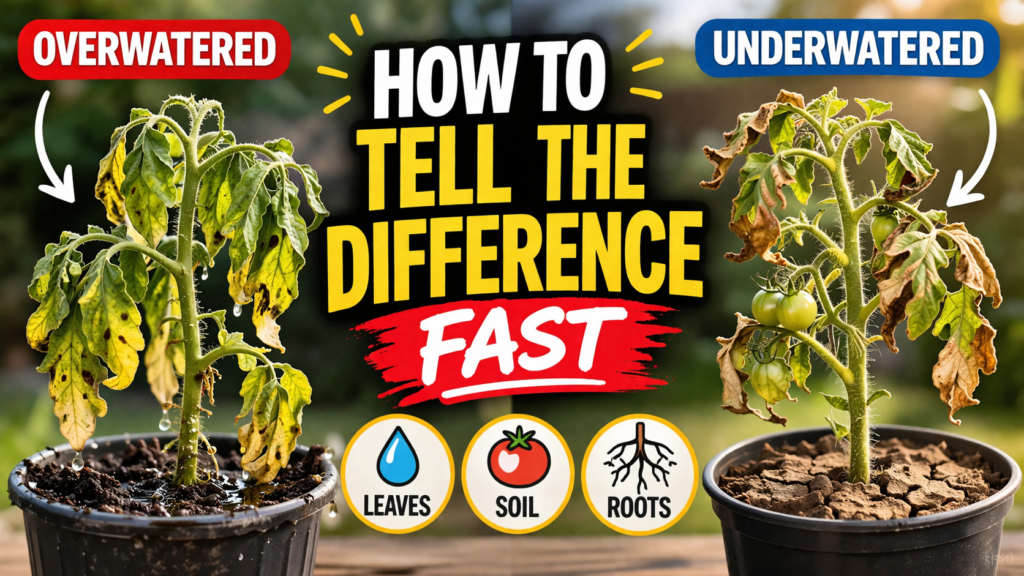
Overwatering is another common reason seedlings decline.
Small tomato seedlings have small root systems. They cannot use water as quickly as mature plants, especially when they are growing in a cool room or an oversized container.
Constantly wet mix limits the oxygen available to the roots. The plant may wilt even though plenty of water is present.
An overwatered seedling may develop:
- Soft yellow leaves
- Drooping that does not improve after watering
- Algae or mold on the growing mix
- A sour smell from the container
- Dark or soft roots
- Slow or stopped growth
I make sure every container has drainage holes. If water collects beneath the tray, I empty it instead of leaving the roots submerged.
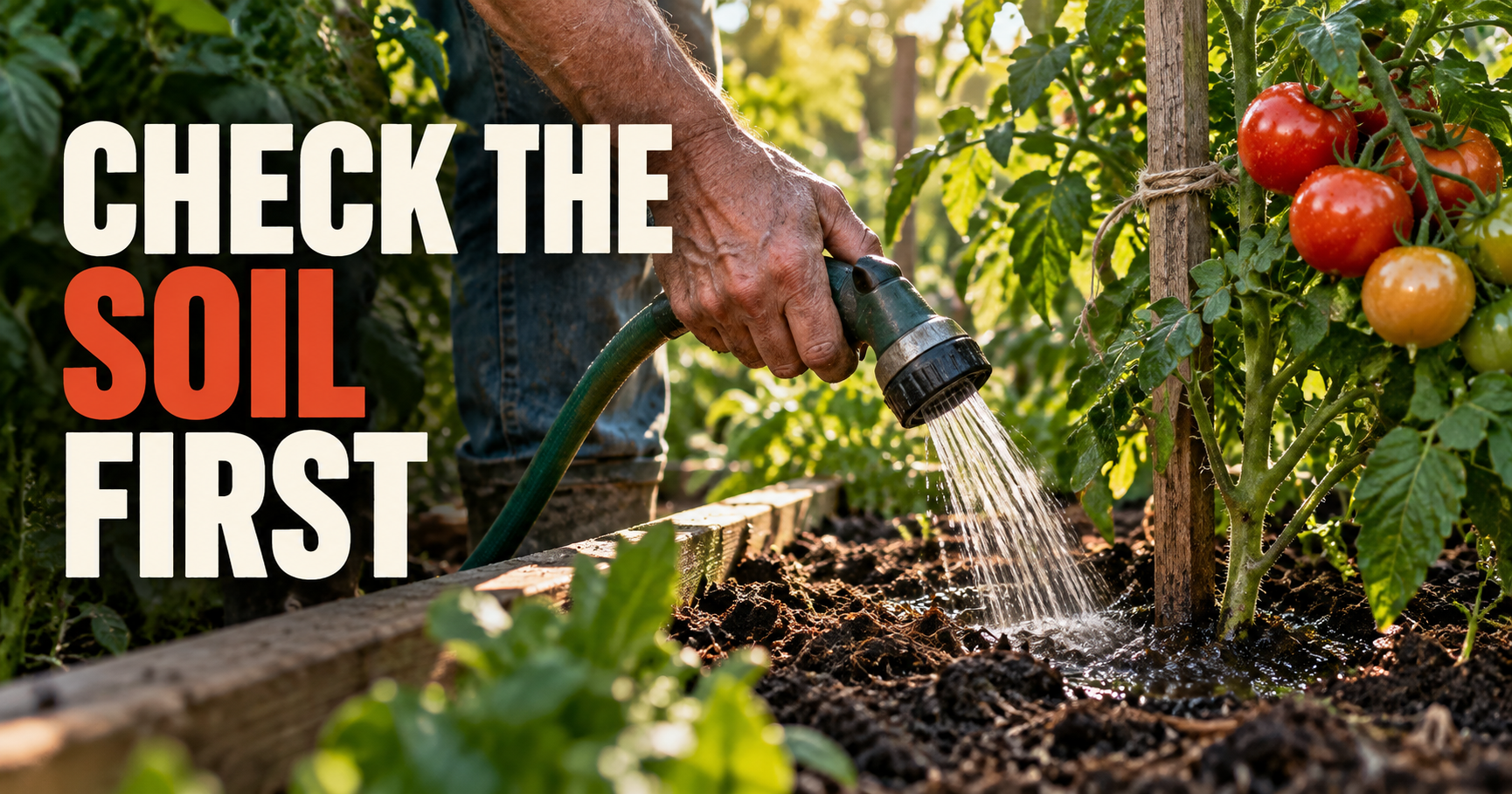
My simple guide to watering tomato plants provides a broader explanation of how soil, containers and temperature change watering frequency.
Underwatering Tomato Seedlings
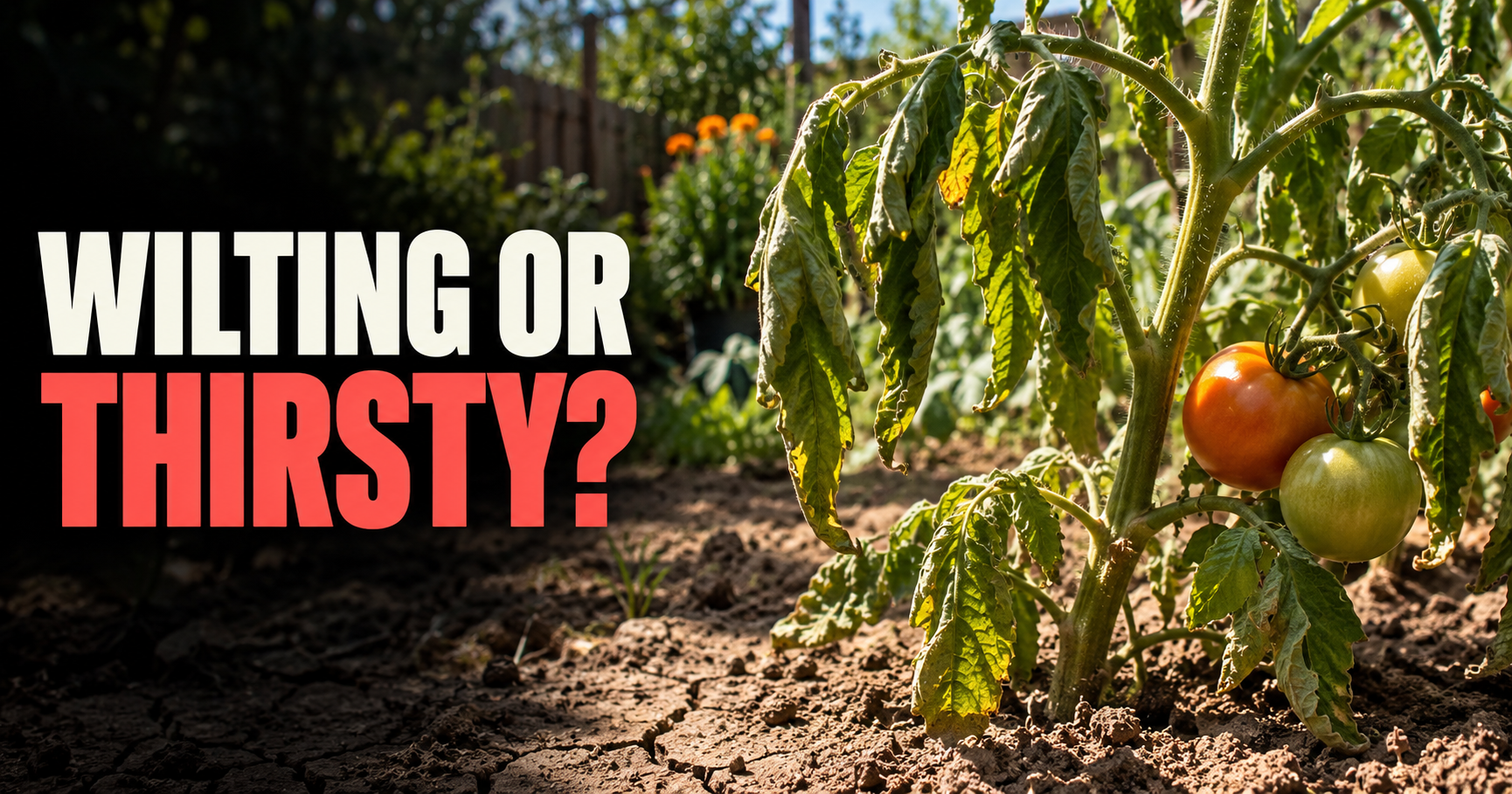
Tomato seedlings can also die when their growing mix dries completely.
Tiny cells and peat pellets lose moisture quickly beneath warm lights or near moving air. A seedling may wilt within hours when its roots have access to very little growing mix.
Underwatered seedlings often have limp leaves and dry, lightweight soil. The mix may pull away from the sides of the container.
I water slowly and allow the mix to absorb moisture. If it has become extremely dry, water may initially run around the outside instead of soaking into the center.
A wilted seedling can recover after watering if its roots and stem remain alive. Leaves that have become completely brown and crispy will not turn green again.
The Seedlings Are Too Hot
Excessive heat can make tomato seedlings wilt even when the soil contains moisture.
Grow lights, heat mats, furnace vents and sunny windows can create a warmer growing area than expected. A covered seed tray can become especially hot once sunlight reaches it.
I use bottom heat to encourage germination, but I usually remove the tray from the heat mat after most seedlings emerge. Continuing to heat the roots can dry small cells quickly and encourage weak growth.
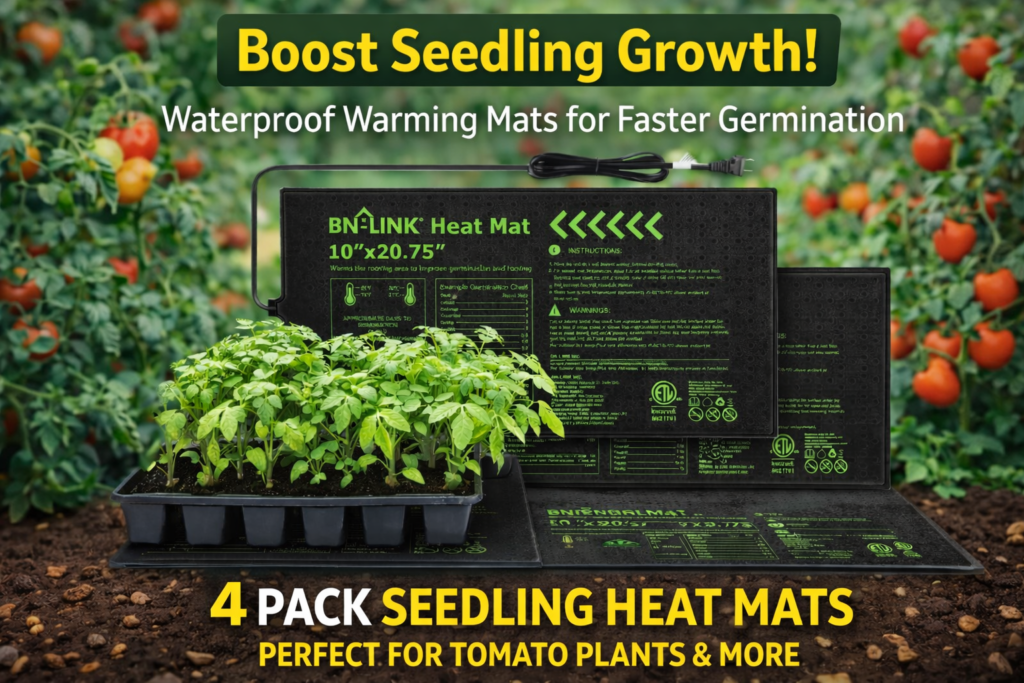
My seedling heat mat guide explains when I use additional warmth and when I discontinue it.
I also remove humidity covers after germination. Young seedlings need airflow, and a closed cover can trap excessive heat and moisture.
The Light Is Too Weak
Weak light may not kill a tomato seedling immediately, but it produces thin stems that are easier to damage.
A seedling that stretches toward a window may eventually bend, become tangled with neighboring plants or collapse under the weight of its leaves.
Improving the light can save a stretched plant if its stem is still healthy. Repotting it deeper can also provide support once it has developed true leaves.
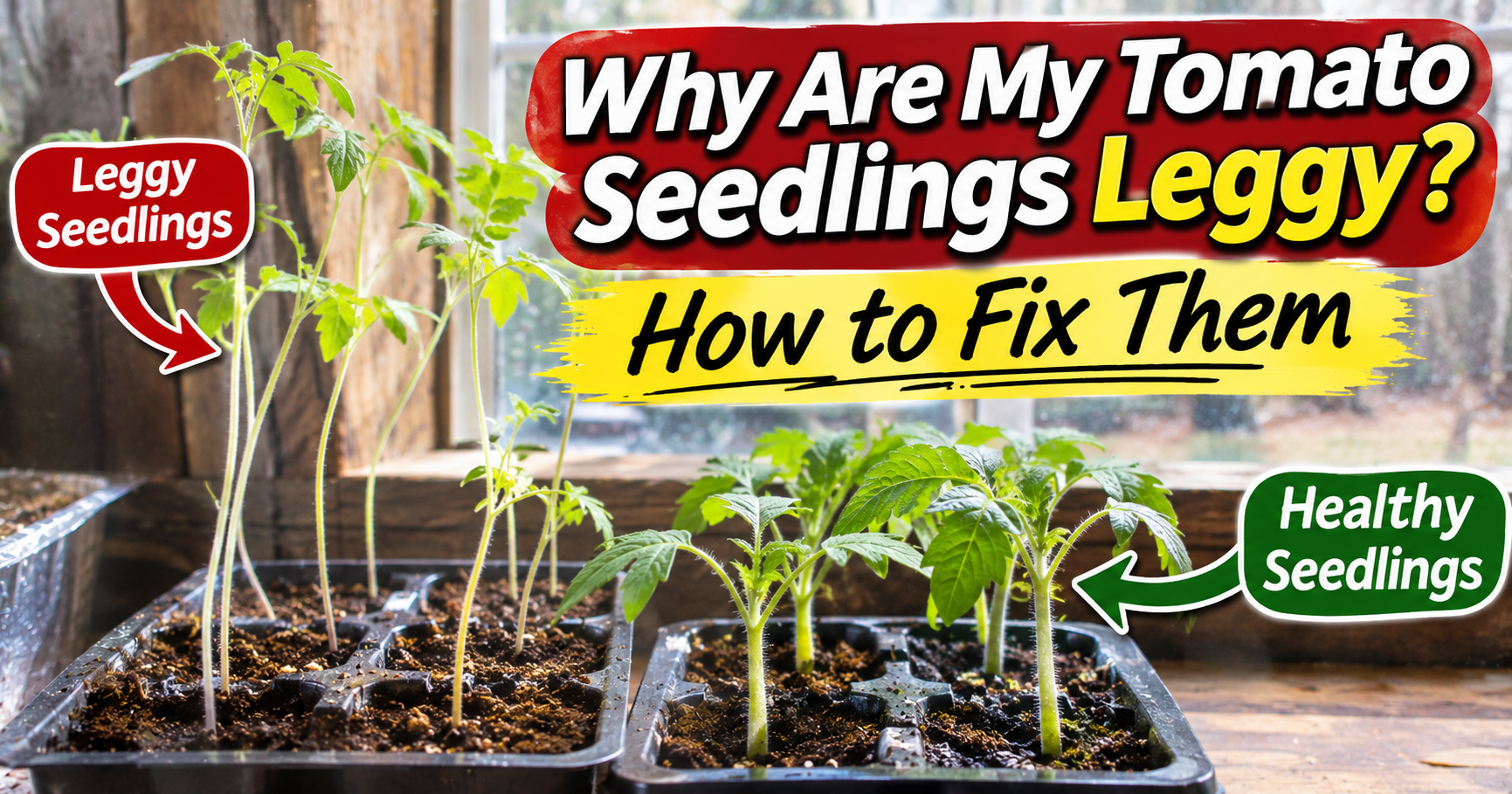
My guide to fixing leggy tomato seedlings covers the lighting, repotting and airflow changes I use for tall, thin plants.
The Light Is Too Strong or Too Close
More light is not always better.
A powerful grow light positioned too close can bleach the leaves or create dry brown patches. Excessive heat from the fixture can also make the seedlings wilt.
Light damage usually affects the upper leaves that receive the greatest exposure. The growing mix may still contain moisture, while the leaves look pale, scorched or curled.
I follow the light manufacturer’s recommended hanging distance and adjust it as the seedlings grow. I also provide a regular period of darkness rather than leaving the lights on continuously.
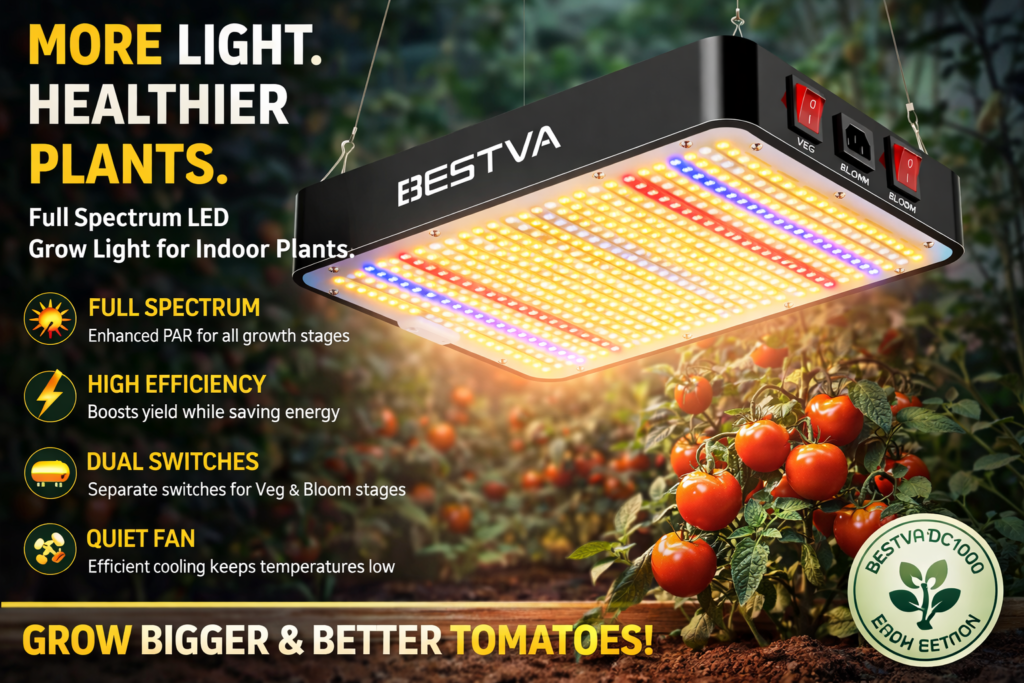
My indoor tomato grow-light setup shows how I provide consistent overhead light without depending entirely on a window.
Sunburn After Moving Seedlings Outside
Indoor-grown leaves are not prepared for several hours of direct outdoor sunlight.
A seedling placed in full sun without hardening off may develop pale, white or papery patches. The damage can appear within a day.
Sunburned leaves do not return to normal. However, the seedling may recover if its stem and growing point remain healthy.
I begin hardening off in a protected, shaded location. I gradually increase the plant’s exposure to sunlight and outdoor air over several days.
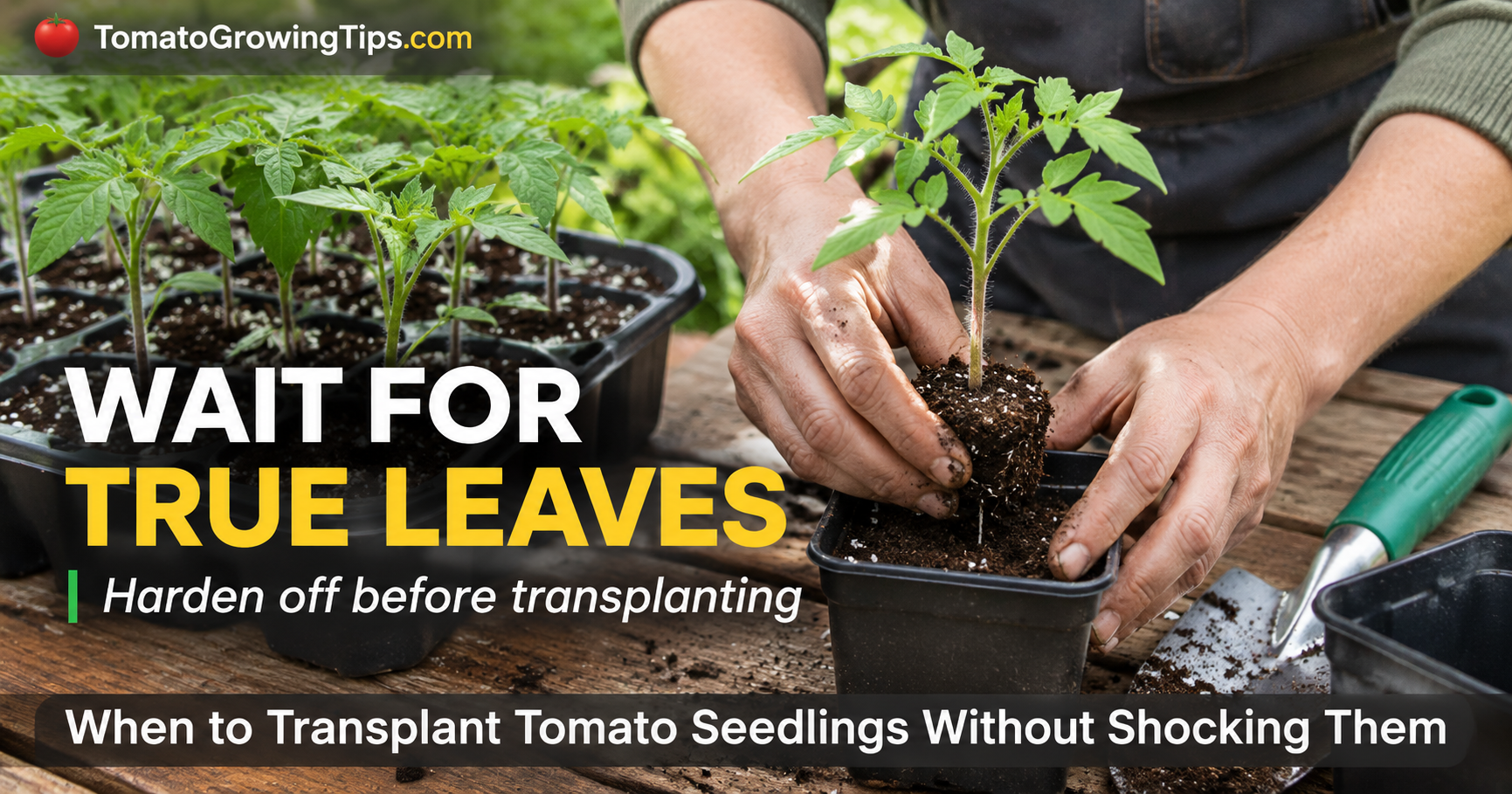
The tomato seedling transplant process I follow explains how I prepare young plants for that transition.
Transplant Shock
A tomato seedling may droop after being moved into a new container or planted outside.
Roots can be damaged during the move, especially when the growing mix falls apart or the seedling is pulled by its stem. The plant may need time to restore its normal water uptake.
Mild transplant shock usually causes temporary drooping. The stem remains firm, and the plant begins recovering within a few days.
I keep the soil evenly moist during recovery, but I do not flood it. I also protect a newly transplanted seedling from harsh midday sun and strong wind.
If the plant continues declining, I check for broken roots, a damaged stem, cold soil or growing mix that remains saturated.
Before moving another plant, I review my checklist for transplanting tomato seedlings so I can reduce the stress rather than treating it afterward.
Fertilizer Burn
Young tomato roots are sensitive to excessive fertilizer.
A seedling affected by fertilizer burn may develop brown leaf tips, curled leaves, stopped growth or sudden wilting. A white crust may appear on the surface of the growing mix or around the container.
This often happens when full-strength fertilizer is applied to a very small plant or when fertilizer is added to a mix that already contains nutrients.
I do not fertilize newly emerged seedlings just because they look small. Small size is normal during early development.
When fertilizer burn is possible, I stop fertilizing. If the container drains freely, I may flush the growing mix with clean water and allow the excess to drain completely.
Cold Temperatures
Tomatoes are warm-season plants, and young seedlings do not handle cold conditions well.
A cold windowsill, unheated porch or early outdoor move can cause drooping, discolored leaves and stopped growth. Chilly, wet soil is particularly stressful because the roots remain inactive while the mix stays saturated.
I keep indoor seedlings away from cold glass at night. Before planting outside, I check both the forecast and soil conditions.
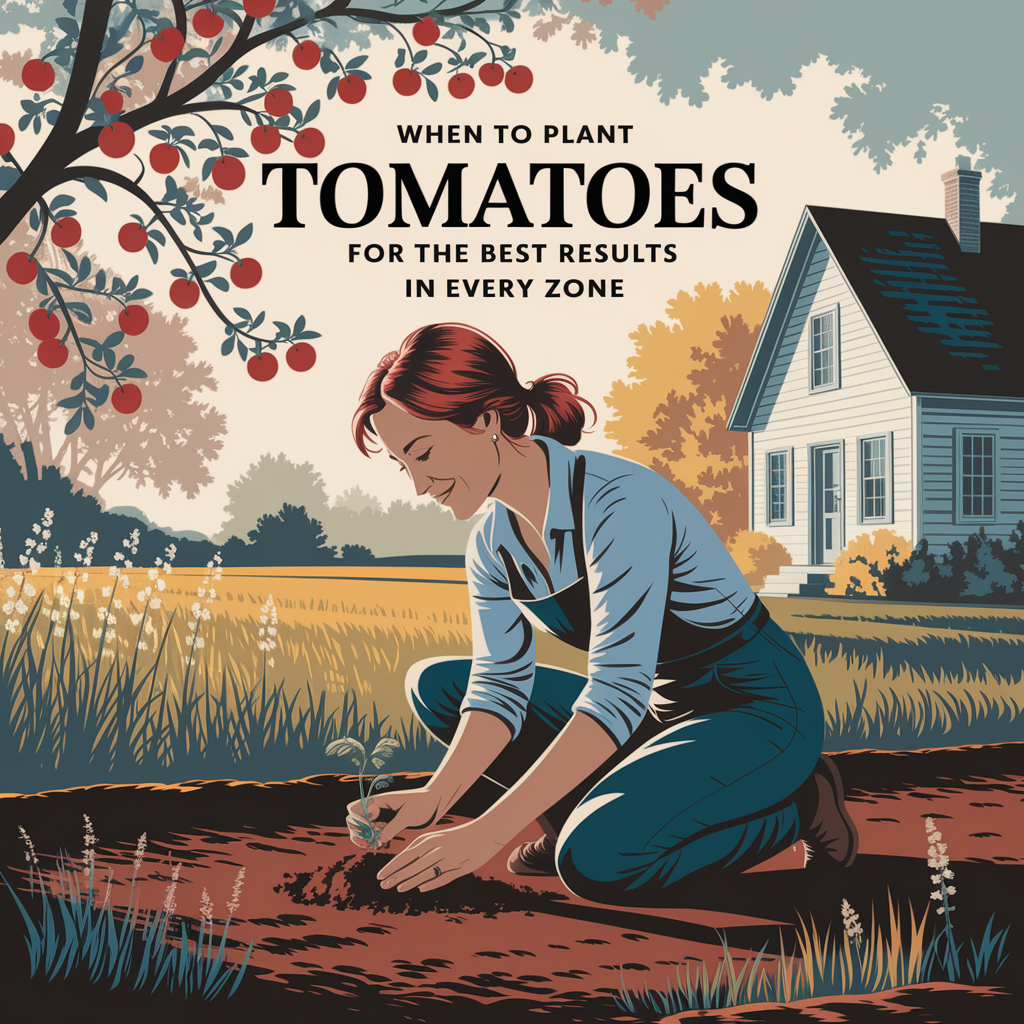
My tomato planting guide for every growing zone helps estimate the seasonal window, but I still use current local conditions before planting.
Crowded Roots and Small Containers
Seedlings eventually outgrow small cells.
A root-bound tomato may wilt quickly because its container holds very little water. Roots may circle the bottom, fill the drainage holes or hold the growing mix in a tight mass.
I move the seedling into a slightly larger container before it becomes severely root-bound. The new pot should provide additional space without surrounding the plant with an excessive amount of wet mix.
A tall or stretched seedling can often be positioned deeper during this move. The leggy-seedling rescue steps I useexplain how I bury part of the bare stem while keeping the leaves above the soil.
Are the First Leaves Supposed to Die?
The first two leaves on a tomato seedling are called cotyledons or seed leaves.
They often look smoother and simpler than the true leaves that develop later. These seed leaves may eventually turn yellow and fall off as the plant grows.
The loss of old cotyledons does not necessarily mean the seedling is dying. I become more concerned when the true leaves are also declining, the stem is damaged or the entire plant has stopped growing.
If the upper growth remains green and healthy, the plant may simply be outgrowing its original seed leaves.
How I Try to Save a Dying Tomato Seedling
The correct response depends on the cause.
I do not add water automatically. I first check the soil and lower stem.
If the mix is dry and the stem remains healthy, I water slowly. If the mix is saturated, I allow it to drain and improve airflow.
I move seedlings away from excessive heat, correct the grow-light distance and separate crowded plants. If the problem began after an outdoor move, I return the seedling to a protected area and continue hardening it off gradually.
I remove seedlings with collapsed or rotting stems. Keeping a severely affected plant beside healthy seedlings creates an unnecessary risk.
How I Prevent More Seedlings From Dying
I start with clean containers and a fresh seed-starting mix. Garden soil is usually too heavy for tiny indoor cells and may introduce unwanted organisms.
Every container needs drainage. I keep the mix moist during germination, then become more careful about excess water after the seedlings emerge.
I also provide overhead light, gentle airflow and enough room between plants. Heat mats and humidity covers are removed when they are no longer needed.
Most importantly, I inspect the seedlings every day. A small watering, lighting or temperature problem is easier to correct before the stem and roots are badly damaged.
Why are my tomato seedlings falling over and dying?
Check the stem where it enters the soil. A dark, thin or pinched stem strongly suggests damping off. A healthy but unusually long stem may indicate weak light instead.
Can a dying tomato seedling recover?
A wilted seedling may recover when the cause is dry soil, temporary heat or mild transplant shock. A seedling with a rotted or collapsed lower stem usually will not recover.
Why are my tomato seedlings dying after sprouting?
Newly sprouted seedlings may decline from damping off, saturated growing mix, excessive heat or insufficient light. Remove the humidity cover after germination and make sure the containers drain properly.
Why are my tomato seedlings dying after transplanting?
Root damage, sunburn, cold soil, strong wind and excessive watering can all cause problems after transplanting. Mild drooping may improve, but continued decline requires checking the roots, stem and soil.
Should I remove a seedling with damping off?
Yes. I remove the collapsed seedling and some surrounding growing mix. I also improve airflow and reduce excessive moisture around the remaining plants.
Why are only the bottom leaves dying?
If only the two original seed leaves are yellowing, the plant may be developing normally. If the true leaves are also dying, check watering, nutrients, temperature and root health.
Can too much grow light kill tomato seedlings?
Excessive light intensity and heat can bleach or damage young leaves. Follow the fixture’s recommended distance and provide a regular dark period.
Should I fertilize a dying tomato seedling?
Not until the cause is identified. Fertilizer will not correct damping off, overwatering, weak light or damaged roots. It may make the problem worse if the seedling already has fertilizer burn.
Written by Mason Hale, a home gardener who starts tomatoes indoors and shares practical solutions for raising healthier plants through Tomato Growing Tips.