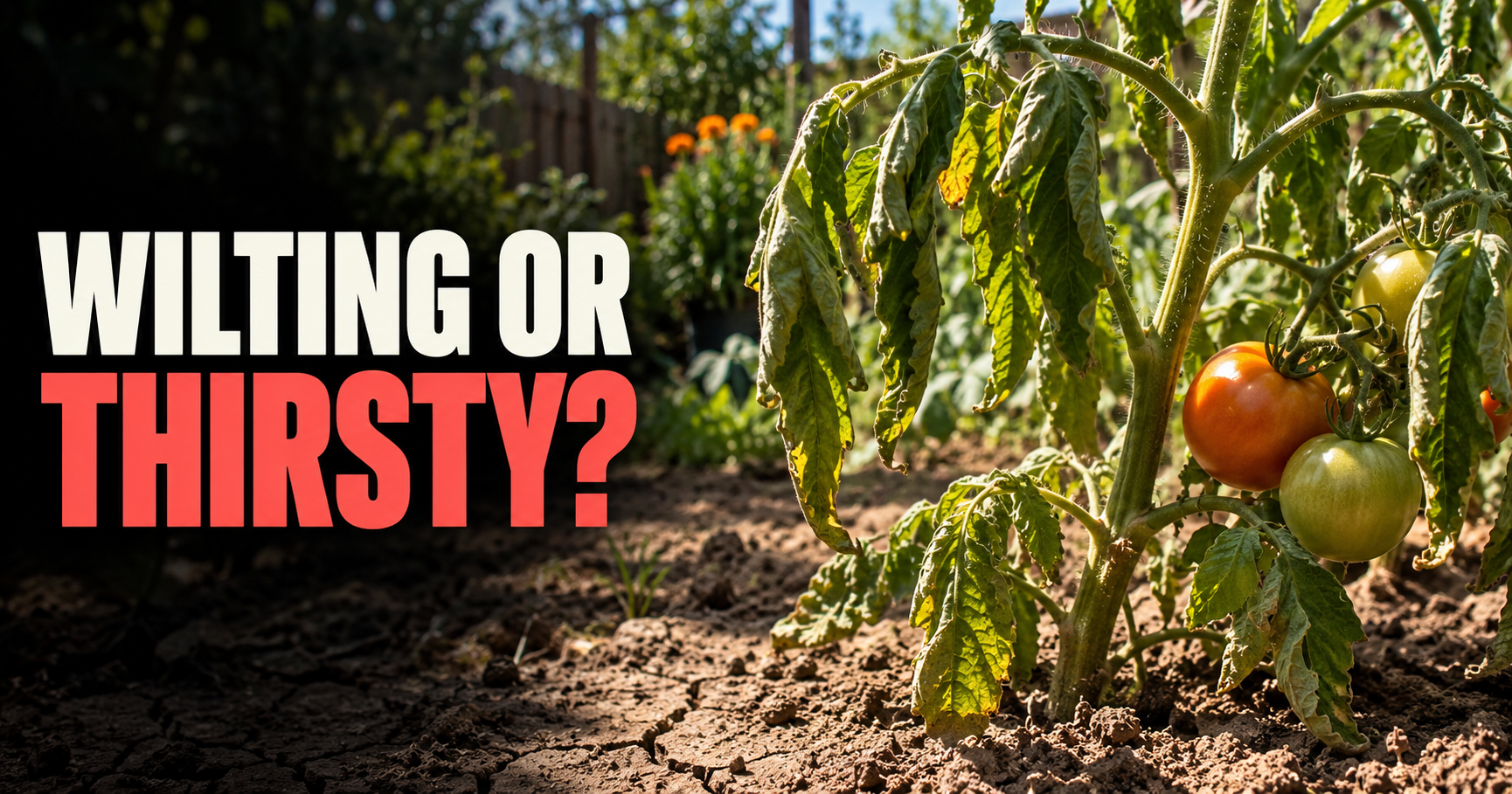
An underwatered tomato plant usually has limp, drooping leaves, dry soil and thin stems that have lost their normal firmness. The entire plant may look tired, especially during the hottest part of the day.
However, drooping leaves do not automatically mean a tomato needs water. A broader look at elderberry wilting causes shows why checking the whole plant and soil matters before watering.
Overwatering, heat stress, root damage and several tomato diseases can produce similar symptoms. Before I water a wilted tomato, I check the soil below the surface and look at when the wilting occurs. Leaf color can also point to a different problem, so compare these symptoms with tomato leaves turning white before deciding how to treat the plant.
A dry plant that perks up after a thorough watering was probably thirsty. A tomato that continues wilting while its soil is wet has a different problem.
The Most Common Signs of an Underwatered Tomato Plant
Underwatering usually produces several symptoms at the same time. One curled or yellow leaf is not enough for me to blame dry soil.
The strongest signs include:
- Limp leaves hanging downward
- Dry soil two or three inches below the surface
- Wilt that continues after the afternoon heat passes
- Thin or soft new growth
- Curling leaf edges
- Dry, crispy lower leaves
- Blossoms dropping before producing fruit
- Small or slow-growing tomatoes
- Potting mix pulling away from a container
- A lightweight container that normally feels much heavier
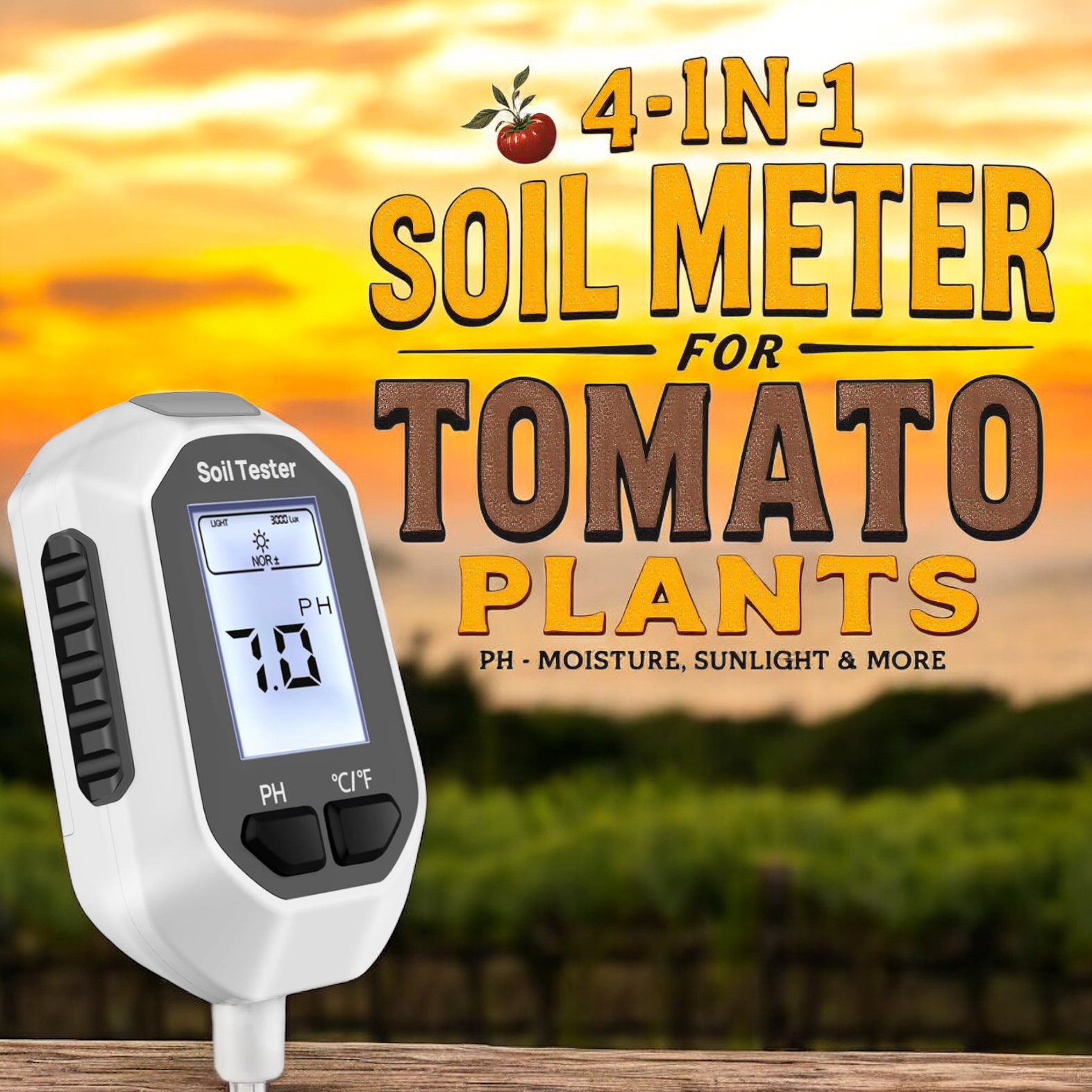
The condition of the soil is the most useful clue. If the root zone is still moist, adding water may make the situation worse. A 4-in-1 soil meter can provide another way to check moisture when the soil surface is misleading.


What Underwatered Tomato Leaves Look Like
Leaves are normally the first part of a tomato plant to show obvious water stress.
Healthy tomato leaves feel reasonably firm and hold their position. When the plant cannot replace the water escaping through its leaves, they begin losing that firmness.
The Leaves Hang Down
An underwatered tomato often looks as if someone unplugged it. Leaves that normally spread outward begin hanging toward the ground.
The leaf stems may droop along with the individual leaflets. When water loss becomes severe, entire branches can appear limp.
This is different from a single damaged branch. Underwatering commonly affects much of the plant at once, although the most exposed areas may wilt first.
The Leaves Feel Thin and Soft
Dry tomato leaves can feel thinner and less substantial than healthy foliage.
They may fold easily when handled because the plant cells no longer contain enough water to remain firm. I handle stressed leaves gently because they can be easier to damage.
Leaf Edges May Curl Inward
Tomato leaves sometimes curl or cup to reduce the surface area exposed to sun and moving air.
Curling alone does not confirm underwatering. Heat, heavy pruning, herbicide injury, disease and normal physiological leaf roll can also curl tomato leaves.
Dry soil combined with limp foliage and continued wilting makes a lack of water more likely.
Older Leaves May Become Crispy
When drought continues, the lowest or most exposed leaves may develop dry brown edges. Eventually, entire leaves can turn crisp and die.
Once leaf tissue becomes brown and brittle, watering will not turn it green again. I judge recovery by the condition of the stems and the appearance of new growth.
What an Underwatered Tomato Stem Looks Like
Mildly underwatered tomatoes may still have firm main stems. The leaves and smaller branches usually lose firmness first.
As the condition becomes more severe, growing tips and young stems may bend or hang downward. The softest new growth can look especially weak.
A severely dry seedling may collapse near the soil line. However, collapse at the soil line can also indicate damping off or physical stem damage.
I inspect the stem closely before assuming water is the only problem. A dark, pinched or rotting area near the soil is not a normal sign of simple underwatering.
What the Soil Looks and Feels Like
The soil provides better evidence than the appearance of the leaves.
The Surface Looks Pale and Dusty
Dry garden soil often becomes lighter in color. Fine soil may appear dusty, crusted or cracked.
The surface alone cannot confirm the problem. Sunshine and wind can dry the top layer while moisture remains around the deeper roots.
The Soil Is Dry Several Inches Down
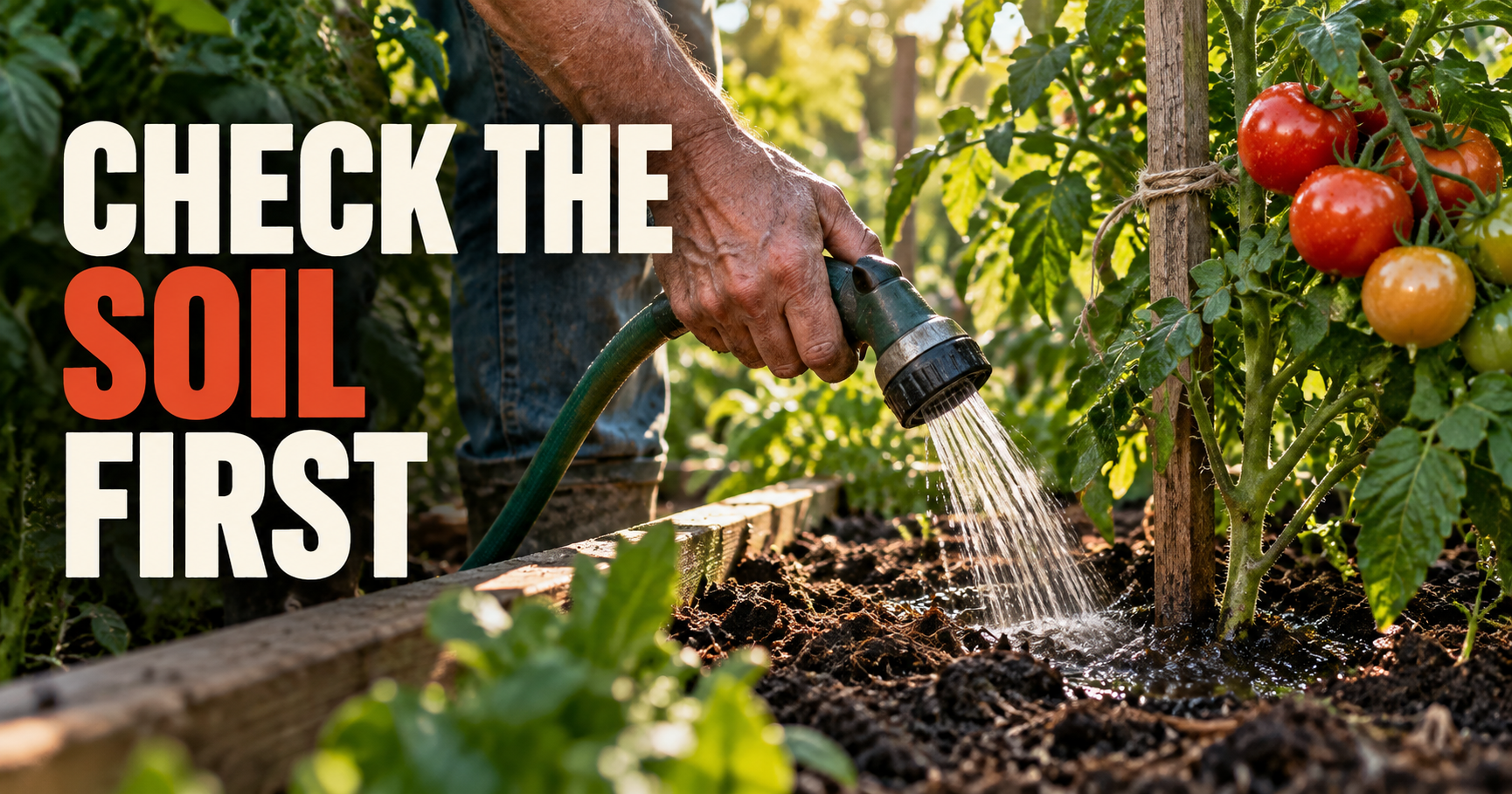
I push a finger two or three inches into the soil several inches away from the stem.
If it feels dry at that depth, the tomato probably needs water. If it feels cool and moist, I wait and investigate other causes of wilting.
My complete guide to how often tomato plants should be watered explains why I rely on soil conditions instead of following the same schedule all summer.
Container Soil May Pull Away From the Pot
Severely dry potting mix can shrink and leave a visible gap around the inside edge of the container.
When this happens, water may run down that gap and pour through the drainage holes without soaking the root ball. The gardener sees water coming from the bottom and assumes the entire pot is wet.
I apply water slowly in several passes so the mix has time to absorb it.
The Container Feels Unusually Light
A dry container can weigh dramatically less than a properly watered one.
Lifting the same pot regularly helps me recognize this difference. With large containers, I carefully tilt one side rather than trying to lift the whole thing.
Normal Afternoon Wilt or Real Underwatering?
A tomato plant can droop during a hot afternoon even when its roots have access to moisture.
The leaves may lose water faster than the roots can temporarily replace it. This is especially common during intense sun, hot wind and temperatures above 90°F.
A heat-stressed tomato often begins recovering during the evening as temperatures fall.
An underwatered plant is more likely to remain wilted after sunset or still look limp early the next morning.
Before adding water, I check:
- Whether the soil is dry below the surface
- Whether the plant recovered in the evening
- Whether other tomatoes in the same bed are wilting
- Whether the plant recently received a deep watering
- Whether the wilting affects the entire plant or only one branch
If the soil remains moist and the plant recovers every evening, I do not automatically increase watering.
Underwatered Versus Overwatered Tomato Plants
Both conditions can cause wilting, curling and yellow leaves. This is why appearance alone can lead gardeners in the wrong direction.
An underwatered tomato generally has dry soil and may recover relatively quickly after receiving water.
An overwatered tomato has soil that stays wet. Its leaves may droop because waterlogged or damaged roots cannot supply the top of the plant properly.
The comparison becomes easier when I look at the whole pattern.
Underwatered Tomato
The soil feels dry below the surface. The container may feel light. Leaves are limp, and the plant often improves after slow, thorough watering.
Overwatered Tomato
The soil remains wet or smells sour. Lower leaves may yellow. Roots may become brown or soft, and adding more water does not restore the plant.
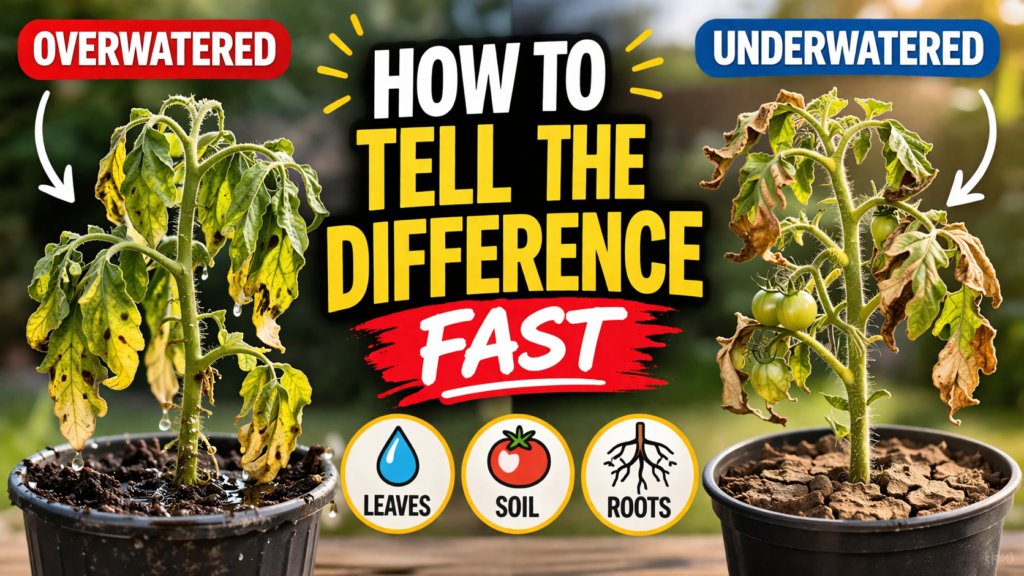
My overwatered versus underwatered tomato guide provides a closer side-by-side diagnosis when the symptoms are confusing.
How Long Can Tomato Plants Go Without Water?
There is no single safe number of days.
A mature tomato growing in deep, mulched garden soil may tolerate several days without irrigation. A large tomato growing in a container may wilt within one hot afternoon.
The amount of time depends on:
- Temperature
- Wind
- Humidity
- Plant size
- Fruit load
- Soil type
- Container size
- Root depth
- Mulch
- Recent rainfall
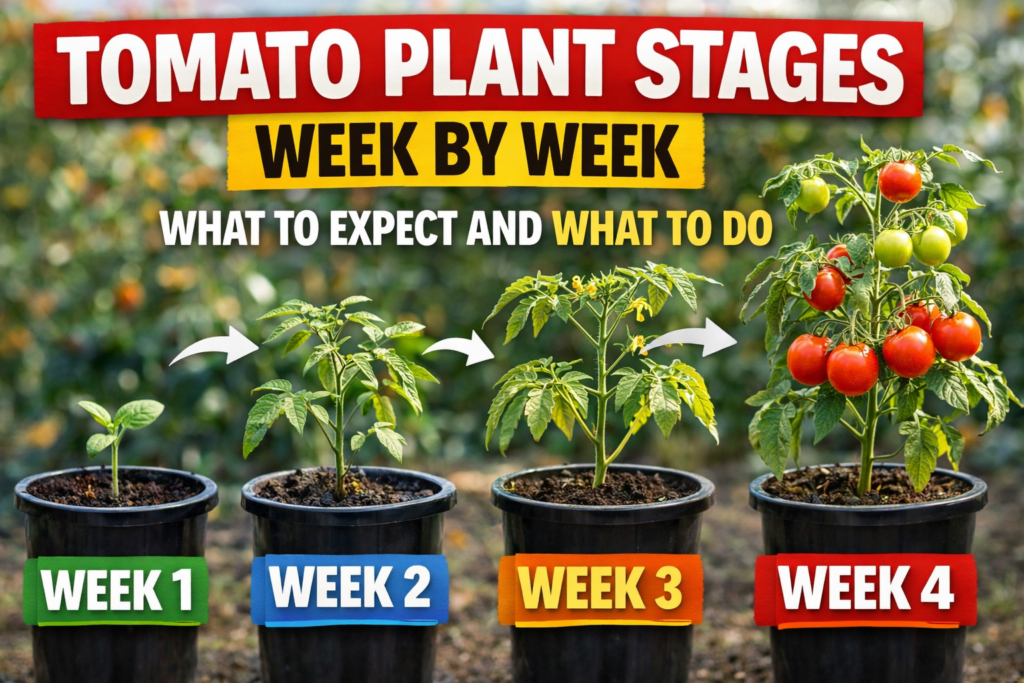
New transplants dry out faster because their roots have not spread into the surrounding soil. Seedlings growing in small cells can become dangerously dry within hours under strong sun. The tomato transplant stages timeline helps gardeners anticipate how watering needs change as roots expand and plants move outdoors.
I never assume a plant is safe simply because it was watered yesterday.
What Happens When Tomatoes Stay Dry Too Long?
A short dry spell may cause temporary wilting. Repeated or severe drought can affect the entire plant.
Growth Slows
Plants need water to move nutrients and support new tissue. A chronically thirsty tomato may remain smaller than neighboring plants.
Blossoms Drop
Severe water stress can cause flowers to dry up and fall before fruit develops.
The plant prioritizes survival over reproduction when conditions become difficult.
Tomatoes Stay Small
Fruit may stop expanding normally when the roots cannot supply enough moisture.
The plant may still produce ripe tomatoes, but they can be smaller and fewer than expected.
Leaves Die
Lower and exposed leaves may develop brown edges before drying completely.
Heavy leaf loss exposes fruit to direct sunlight and increases the risk of sunscald.
Blossom End Rot Can Develop
Inconsistent moisture can interfere with calcium movement into developing fruit. This can produce dark, leathery damage on the blossom end.
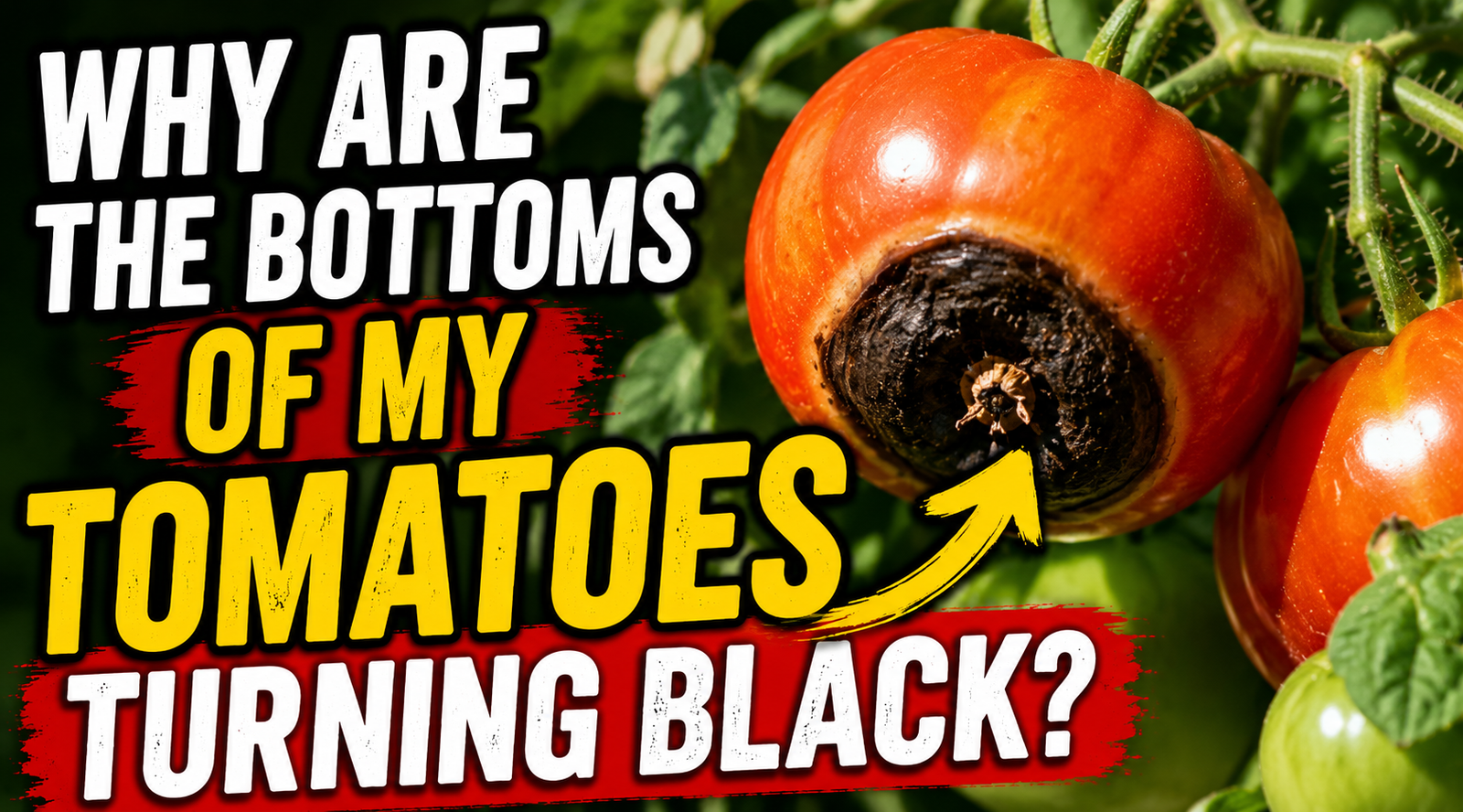
If that symptom appears, my guide to why tomato bottoms turn black explains why watering consistency often matters more than adding another calcium product.
Tomatoes May Crack After Watering
Fruit can split when a dry plant suddenly absorbs a large amount of water. The inside expands faster than the skin can stretch.
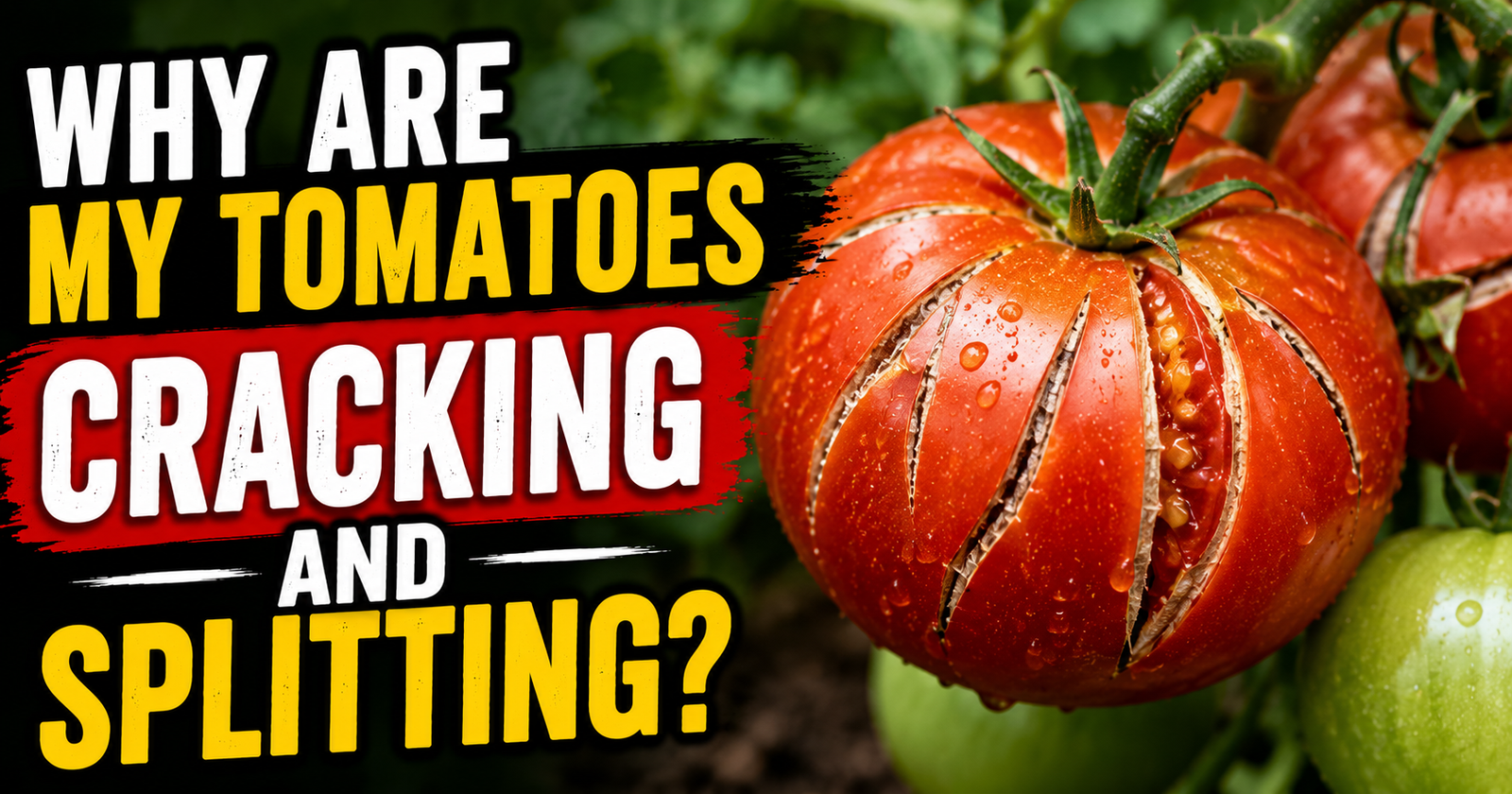
My article on tomatoes cracking after changing moisture levels covers the different crack patterns and which tomatoes can still be used.
The Plant Becomes More Vulnerable
A severely stressed tomato is less able to maintain healthy growth and recover from pest or disease damage.
Dry conditions do not directly cause every tomato disease, but a weakened plant has fewer resources available for recovery.
How to Confirm That a Tomato Is Underwatered
I use several checks before making the diagnosis.
Check Two or Three Inches Below the Surface
This is my first step. I avoid testing directly against the stem because that spot may not represent the entire root zone.
Check More Than One Location
Water does not always spread evenly. One side of the plant may be moist while another remains dry.
This is especially likely when the soil is compacted, a drip emitter is clogged or water is running downhill.
Look at the Time of Day
Wilting only during the hottest afternoon hours may be temporary heat stress.
Wilting that remains through the evening is more likely to indicate a real moisture shortage or a root problem.
Check the Container’s Weight
A lightweight pot combined with dry mix is strong evidence that the plant needs water.
Look for Drainage Problems
If the soil feels wet, I do not diagnose underwatering simply because the leaves are hanging.
Examine the Stem
I check for animal damage, cracks, dark lesions or a pinched base that could interrupt water movement.
Compare Nearby Plants
If every tomato in the bed is drooping after several dry days, watering is a likely cause.
If only one plant wilts while the others remain healthy, I look more carefully for root damage, stem injury or disease.
How I Water an Underwatered Tomato Plant
I water slowly and thoroughly around the root zone.
I do not blast the soil with high pressure. Fast water can run away from dry ground, uncover roots and splash soil onto the foliage.
For a Mildly Dry Garden Tomato
I apply water slowly around the base and across the wider root area. I give it time to soak several inches into the soil.
For Extremely Dry Ground
I water in stages.
I apply a moderate amount, wait for it to soak in and return with more. This works better than flooding hard soil and watching most of the water run away.
For a Dry Container Tomato
I water slowly across the potting mix rather than pouring everything into one spot.
If water immediately escapes through a gap around the pot, I pause and repeat the process until the mix begins absorbing moisture.
For a Severely Wilted Plant
I provide shade from intense afternoon sun if practical, especially for a small container or new transplant.
I do not fertilize it immediately. Dry roots can be sensitive, and fertilizer does not correct dehydration.

How Quickly Should the Plant Recover?
A mildly underwatered tomato may begin lifting its leaves within a few hours after receiving water.
Recovery can take longer when the plant became severely dry or the roots were damaged. I may not see the plant’s full response until the following morning.
I become concerned when:
- The soil is now evenly moist but the plant remains wilted the next morning.
- Only one side or branch remains limp.
- The stem has a dark, damaged or constricted area.
- Leaves continue yellowing rapidly.
- The plant wilts again while the soil is still moist.
- The roots smell rotten or appear brown and soft.
- The plant has additional symptoms such as leaf spots, stem streaks or one-sided yellowing.
These signs suggest that dryness may not be the only problem.
Should I Remove Damaged Leaves?
I do not immediately remove every wilted leaf.
Leaves that are limp but still green may recover after the roots receive water. Removing them too soon reduces the plant’s ability to make energy.
I wait until the plant has rehydrated before judging the damage.
Leaves that are completely brown, brittle and dead will not recover. I can remove those with clean pruning shears, but I avoid heavy pruning while the plant is stressed.
If the plant lost a large amount of foliage, I also watch exposed tomatoes for sunscald.
Should I Fertilize an Underwatered Tomato?
Not right away.
Fertilizer can increase stress when the soil is extremely dry or roots have been damaged. Concentrated salts around dry roots may make water uptake even more difficult. Once the soil moisture problem is corrected, balancing fertilizer nutrients for tomatoes can help you avoid adding further stress to damaged roots.
I restore even soil moisture first and allow the plant to recover.
Once it produces healthy new growth, I return to its normal feeding schedule. I do not use extra fertilizer to force a quick recovery.
Can an Underwatered Tomato Plant Be Saved?
Many underwatered tomato plants can recover, especially when the stems remain green and flexible.
A plant is more likely to survive when:
- The main stem is still alive.
- The soil has not remained dry for an extended period.
- Most of the roots are healthy.
- Some leaves remain green.
- The plant begins responding after watering.
A tomato may survive even after losing several leaves. However, severe drought during flowering or fruit development can permanently reduce that season’s production.
I judge recovery by new growth, not by expecting every damaged leaf to become perfect again.
When Wilting Is Probably Not From Underwatering
Dry-looking leaves can distract from other serious problems.
The Soil Is Already Wet
This points toward overwatering, poor drainage or damaged roots.
If wet soil accompanies yellowing and persistent drooping, my article on recognizing an overwatered tomato plant is the better place to begin.
Only One Side Is Wilting
One-sided wilting can indicate a vascular disease, damaged stem or injured roots.
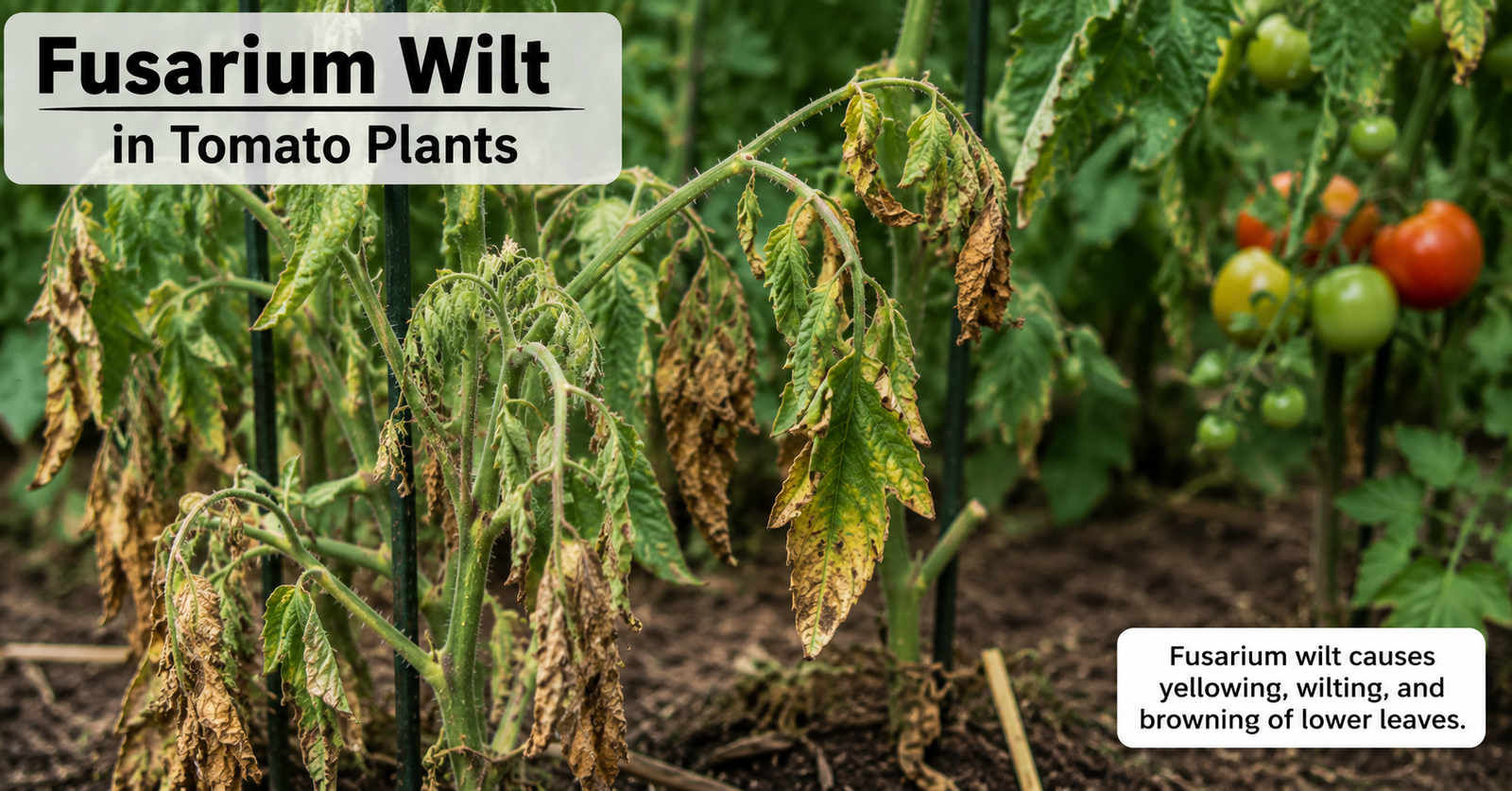
Fusarium wilt can begin with yellowing and wilting on one side of a leaf or plant. It will not be corrected by watering.
The Plant Wilts With Leaf Spots
Spots, lesions, mold or rapid yellowing suggest a disease may be involved.
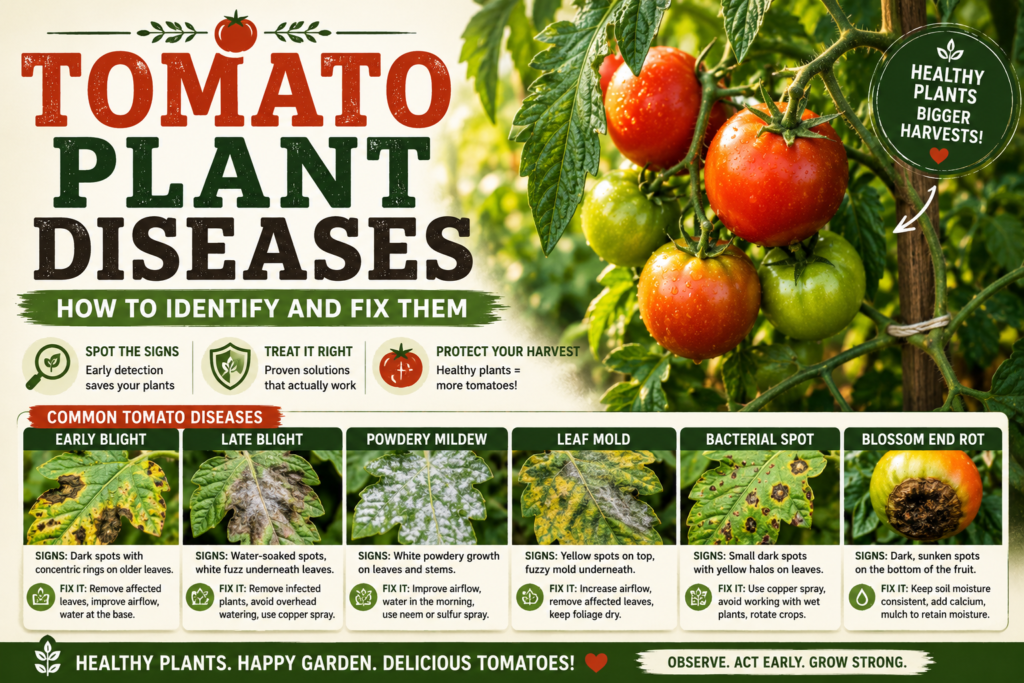
My tomato disease identification guide helps separate common infections from simple watering stress.
The Stem Is Damaged
Rodents, cutworms, string, wind or garden equipment can injure the stem and interrupt water movement.
The Roots Were Recently Disturbed
Transplanting, cultivating, digging animals and root-feeding pests can reduce the plant’s ability to absorb water.
The Plant Was Exposed to Herbicide
Herbicide damage may twist new growth and curl leaves even when moisture is adequate.
The Afternoon Is Extremely Hot
Temporary midday wilt can occur even in moist soil. I wait for temperatures to fall and check whether the plant recovers.
Preventing Tomato Plants From Drying Out Again
Recovery is only half the job. I also correct whatever allowed the root zone to become too dry.
Water Deeply Instead of Lightly
Deep watering encourages roots to grow farther into the soil, where moisture changes more slowly.
Check the Soil Regularly
During ordinary weather, I check every couple of days. During extreme heat, I inspect tomatoes daily.
Checking does not mean every plant receives water. It means I catch dry soil before severe wilting begins.
Add Mulch
Two or three inches of clean straw, shredded leaves or another suitable organic mulch reduces evaporation.
I leave a small open space around the stem instead of piling wet material against it.
Use a Larger Container
Small pots dry very quickly and provide little room for error.
A larger container holds more potting mix and gives the roots access to a steadier moisture supply.
Improve the Potting Mix
Old, compacted or poor-quality potting mix may absorb and distribute water unevenly.
Container tomatoes need a mix that holds usable moisture while allowing excess water to drain.
Check Drip Emitters
A clogged or displaced emitter can leave one plant dry while the rest of the row receives water.
I inspect the soil rather than assuming every emitter is working.
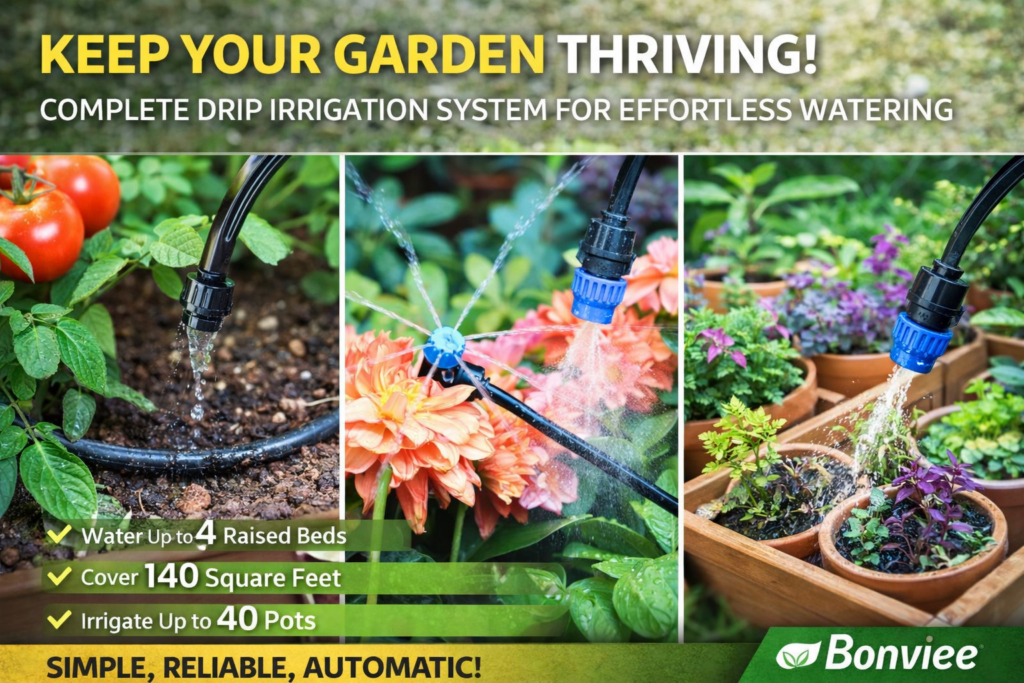
A properly adjusted drip-watering setup for tomato plants can make moisture more consistent, but it still needs occasional checking.
Block Excessive Wind
Constant wind increases moisture loss through the leaves and soil.
A reasonable windbreak can help, provided it does not block the sunlight and airflow tomatoes need.
Remove Weeds
Weeds compete with tomatoes for available soil moisture. Keeping the root area reasonably clear gives the tomato better access to water.
Common Underwatering Mistakes
Watering Because the Leaves Drooped Once
A single hot-afternoon wilt does not prove the soil is dry.
Checking Only the Surface
The top inch may be dry while deeper soil remains moist.
Pouring Water Into One Small Spot
Mature roots extend well beyond the stem. I wet a broader root-zone area.
Flooding Bone-Dry Soil
Extremely dry soil may shed water. Slow, repeated applications soak in more effectively.
Adding Fertilizer to Make the Plant Recover Faster
Fertilizer cannot replace missing water and may stress dry roots.
Removing Every Wilted Leaf
Green leaves may recover. I wait until the plant rehydrates before pruning.
Assuming Water Draining From a Pot Means It Is Wet
Water may travel through cracks around a dry root ball without soaking the center.
Waiting Until the Plant Collapses
Repeated severe wilting can reduce growth, fruit set and tomato quality.
My Quick Underwatered Tomato Check
When a tomato looks thirsty, I run through these questions.
Is the Soil Dry Below the Surface?
If the soil is dry two or three inches down, the plant probably needs water.
Does the Pot Feel Light?
A very light container is another strong sign of dry potting mix.
Did the Plant Recover Overnight?
If it did, the earlier drooping may have been temporary heat wilt.
Is the Entire Plant Wilted?
Whole-plant wilting fits general water stress better than a single damaged branch.
Is the Soil Pulling Away From the Container?
This indicates that the root ball may have become severely dry.
Are the Leaves Still Green and Flexible?
Green foliage has a better chance of recovering than brittle brown leaves.
Did Water Run Straight Through the Pot?
The potting mix may need several slow applications before it absorbs moisture properly.
Is the Soil Already Wet?
If it is, I stop. Underwatering is probably not the primary problem.
Will an underwatered tomato plant turn yellow?
It can. Prolonged drought may cause older leaves to yellow and die, but yellow leaves also occur with overwatering, nutrient problems and disease.
Should I water a wilted tomato immediately?
Check the soil first. If it is dry several inches below the surface, water the plant slowly and thoroughly. If it is already wet, investigate another cause.
Can a tomato plant recover after severe wilting?
It may recover if its main stem and roots remain alive. Some leaves may be permanently damaged, and fruit production may be reduced.
How long does it take an underwatered tomato to perk up?
A mildly dry plant may begin recovering within a few hours. A severely stressed plant may need until the following morning.
Why is my tomato still wilted after watering?
The roots may be damaged, the soil may not have absorbed water evenly or the plant may have a disease. Persistent wilting in moist soil is not typical simple underwatering.
Can underwatering cause tomato leaves to curl?
Yes. Leaves may curl or cup during water and heat stress, but curling alone does not confirm that a plant is dry.
Can underwatering cause blossom end rot?
Inconsistent moisture can interfere with calcium movement into developing fruit and contribute to blossom end rot.
Do underwatered tomato leaves become crispy?
They can when drought becomes severe. Completely brown, brittle tissue will not become green again.
Can I overwater a tomato while trying to save it?
Yes. Once the root zone is evenly moist, adding more water will not speed recovery and could reduce oxygen around the roots.
Should I move a wilted potted tomato into shade?
Temporary afternoon shade can reduce stress while a severely dry container plant rehydrates. Return it to appropriate sunlight after it stabilizes.
An underwatered tomato usually gives me three useful clues: limp foliage, genuinely dry soil and noticeable improvement after a thorough watering. I use all three rather than diagnosing the problem from drooping leaves alone.
Written by Wesley Grant, a longtime home gardener who shares practical ways to recognize plant problems, improve growing conditions and harvest better tomatoes through Tomato Growing Tips.