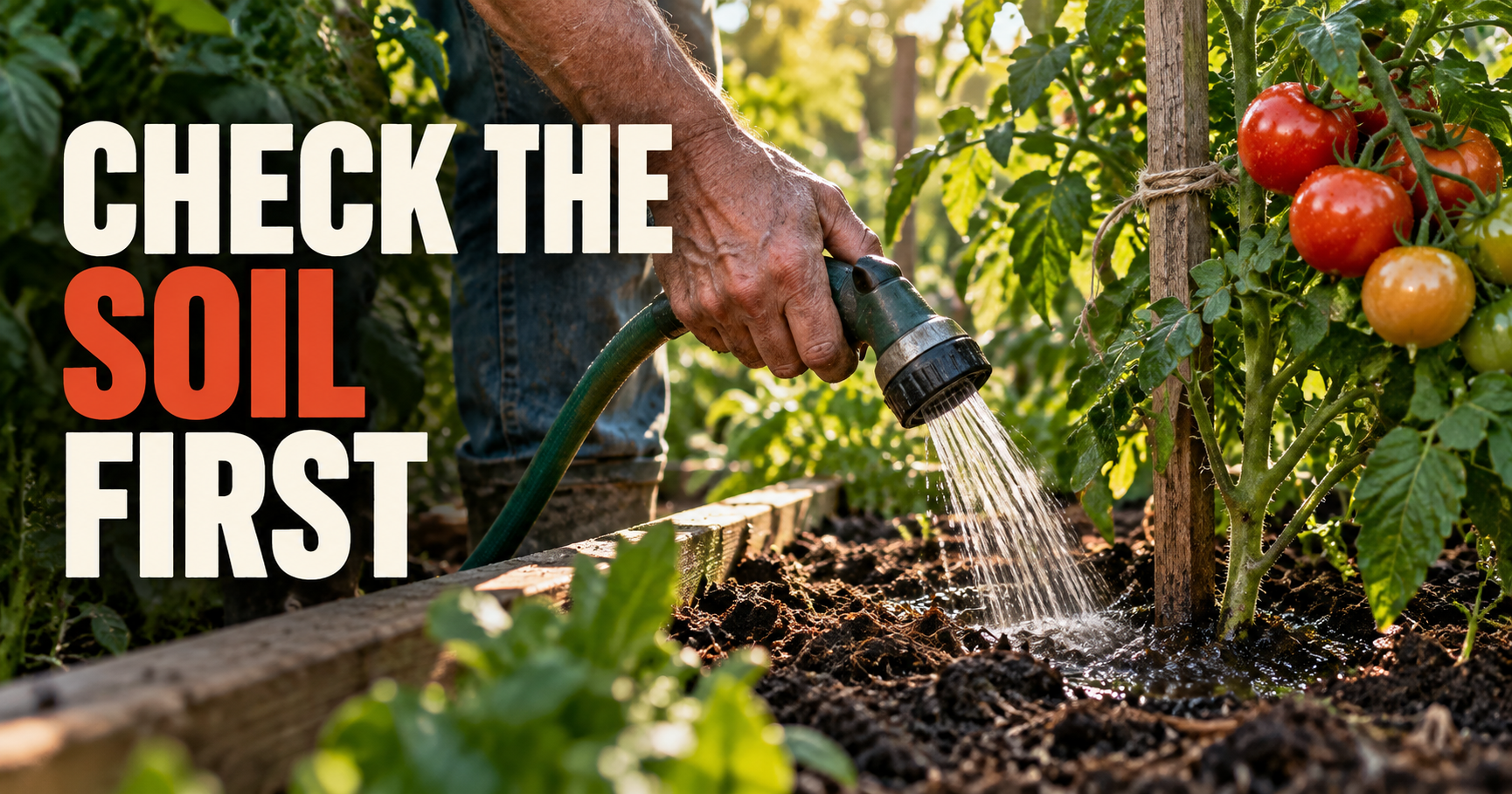
Most tomato plants need deep watering about two or three times per week, but that is only a starting point. Tomatoes growing in containers may need water every day during hot weather, while established plants growing in heavy soil may go several days without another drink. Because container tomatoes dry out faster, choosing the best containers for tomatoes can make their watering needs easier to manage.
I have learned not to water tomatoes according to a rigid calendar. I check the soil, recent rainfall, temperature and condition of the plant before deciding whether it needs more water.
The goal is not to keep tomato soil constantly wet. The goal is to keep the root zone reasonably and consistently moist without leaving it soggy. If leaves are already losing their color, white leaves on tomato plants can help you check whether excess moisture is part of the problem.
That difference matters. Inconsistent watering can contribute to cracked tomatoes, blossom end rot, reduced fruit production and wilting. Too much water can deprive roots of oxygen and encourage disease. The visible fruit symptoms are compared in this guide to strange-looking tomato problems, including cracking and blossom end rot.
The Quick Answer
For established tomato plants growing in the ground, I normally begin with deep watering two or three times per week.
I water more frequently when:
- Temperatures remain above 90°F.
- The plants are growing in containers.
- The soil is sandy and drains quickly.
- The plants are large and carrying a heavy fruit load.
- Wind is pulling moisture from the soil.
- The garden has received little or no rain.
I water less frequently when:
- The soil is heavy or clay-based.
- Mulch is holding moisture around the roots.
- Temperatures are mild.
- The plants are young and still relatively small.
- The garden recently received a soaking rain.
- The soil remains moist a few inches below the surface.
Instead of asking whether it is a watering day, I ask whether the tomato’s root zone is beginning to dry.

How I Know When a Tomato Plant Needs Water
I push a finger two or three inches into the soil several inches away from the stem.
If the soil at that depth feels slightly moist, I usually wait. If it feels dry and loose, the plant probably needs water.
The surface can be misleading. A garden bed may look dusty and dry on top while still holding plenty of moisture around the deeper roots.
This is one reason daily light watering causes trouble. The surface dries quickly, so it looks as if the plant needs more. Meanwhile, the deeper soil may already be wet.
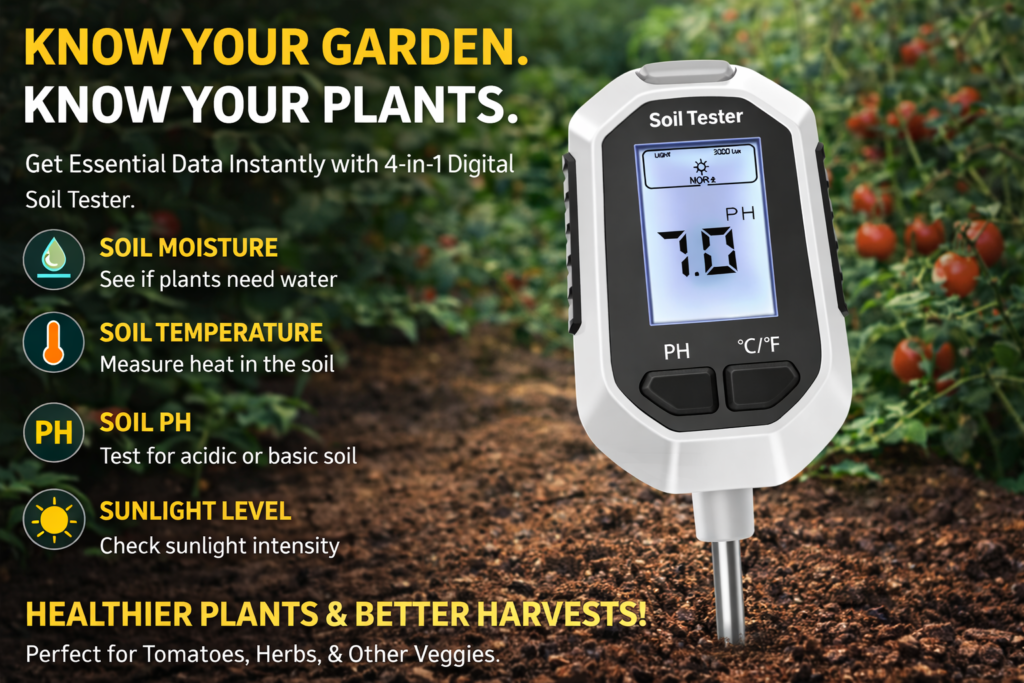
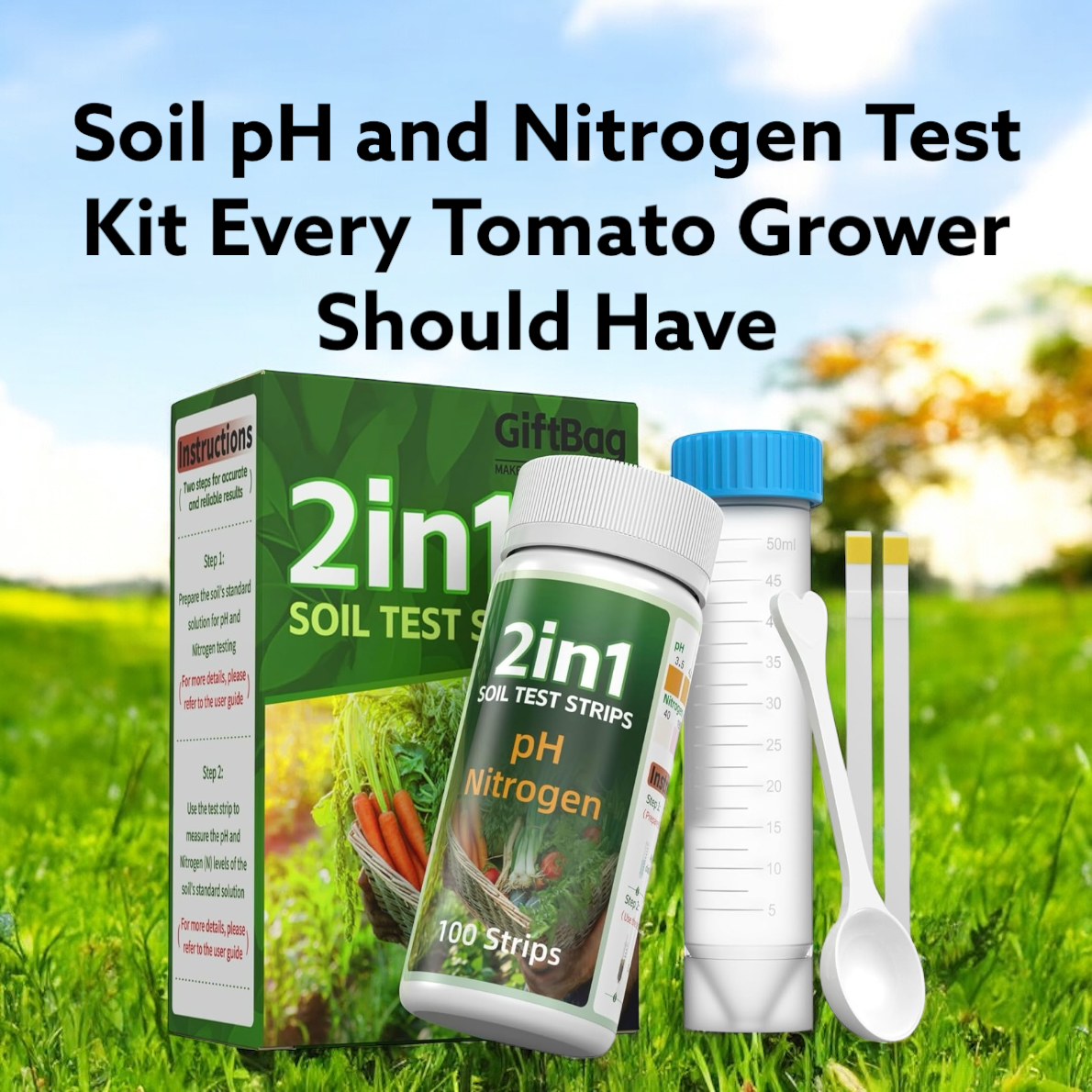
If I want another way to check, I use a moisture probe in several spots around the root zone. My experience with a soil meter that checks tomato moisture and pH explains how it can help, although I still confirm questionable readings by feeling the soil.
How Much Water Do Tomato Plants Need Per Week?
The familiar starting recommendation is approximately one to two inches of water per week, including rainfall.
That does not mean every garden should receive the same exact amount. An inch of water behaves very differently in loose sandy soil than it does in heavy clay.
Plant size matters too. A newly transplanted tomato with a small root system uses less water than a six-foot indeterminate plant covered in blossoms and fruit.
Weather can change the requirement dramatically. A plant may need considerably more water during a hot, windy week than during a stretch of cloudy 75-degree days.
I treat one to two inches as a baseline, not an automatic prescription. The condition of the soil tells me whether the amount is working.
Why I Prefer Deep Watering
Deep watering encourages tomato roots to grow farther into the soil. A larger root system gives the plant access to a more stable supply of moisture and nutrients.
A light sprinkle may wet only the top inch of soil. That moisture can evaporate before the deeper roots receive much benefit.
When I water, I apply it slowly enough to soak into the root zone instead of running across the surface. Then I wait until the upper few inches begin drying before watering again.
This wet-to-slightly-dry cycle is different from allowing the entire root ball to become bone dry. Tomatoes benefit from consistency, but their roots also need oxygen.

Why Daily Light Watering Can Backfire
Watering every day is not automatically harmful. Container tomatoes and plants growing during extreme heat may genuinely need it.
The problem is frequent shallow watering.
Giving a small splash every morning may train roots to remain near the surface, where the soil dries faster. It can also make the gardener think the plant has been watered properly when most of the root zone is still dry.
Frequent watering becomes especially dangerous in heavy soil. The surface may appear dry while water continues collecting below.
I would rather water thoroughly when the plant needs it than provide a token amount simply because watering has become part of my morning routine.
How Often to Water Newly Planted Tomatoes
New tomato transplants need closer attention than established plants.
Their root systems are still small and cannot reach moisture stored deeper or farther from the stem. I water thoroughly immediately after transplanting so the soil settles around the roots.
For the next week, I inspect the soil daily. That does not necessarily mean I water every day.
If the weather is cool and the soil remains moist, I wait. If it is hot, sunny or windy, a new transplant may need water daily while it becomes established.
After I see healthy new growth, I gradually begin watering less often and more deeply. This encourages the roots to expand into the surrounding soil.

How Often to Water Established Tomato Plants
An established in-ground tomato often does well with deep watering every two to four days during ordinary summer weather.
That range changes with the garden.
A mulched tomato growing in moisture-holding soil may go longer. A large plant in a raised bed filled with fast-draining mix may need water sooner.
I do not let a predetermined schedule override what I find in the soil. If the root zone remains moist on the third day, adding more water will not improve the plant.
How Often to Water Tomatoes in Raised Beds
Raised beds often drain and warm faster than ground-level garden soil.
During mild weather, I may water established raised-bed tomatoes two or three times per week. During a hot, dry stretch, I may need to check them every day.
The depth and construction of the bed make a difference. A deep bed that contacts the native soil can hold more usable moisture than a shallow elevated planter.
The soil mixture matters just as much. A mix containing compost and other moisture-holding material behaves differently from one that contains a large amount of coarse, fast-draining material. For container growing, well-draining tomato soil can help match the soil to the plant’s moisture needs.
I check more than one area of the bed. Soil near the edge can dry considerably faster than soil near the center.
How Often to Water Tomato Plants in Pots
Potted tomatoes generally need water more frequently than tomatoes growing in the ground.
A large tomato in a properly sized container may need water every day during hot summer weather. In extreme heat, a relatively small container can dry so quickly that it requires inspection twice a day. Choosing a properly sized container can make that summer watering routine more manageable.
That does not mean every potted tomato should automatically receive water every morning.
I push a finger into the potting mix or lift a smaller container to judge its weight. If the mix remains moist below the surface, I wait and check again later.
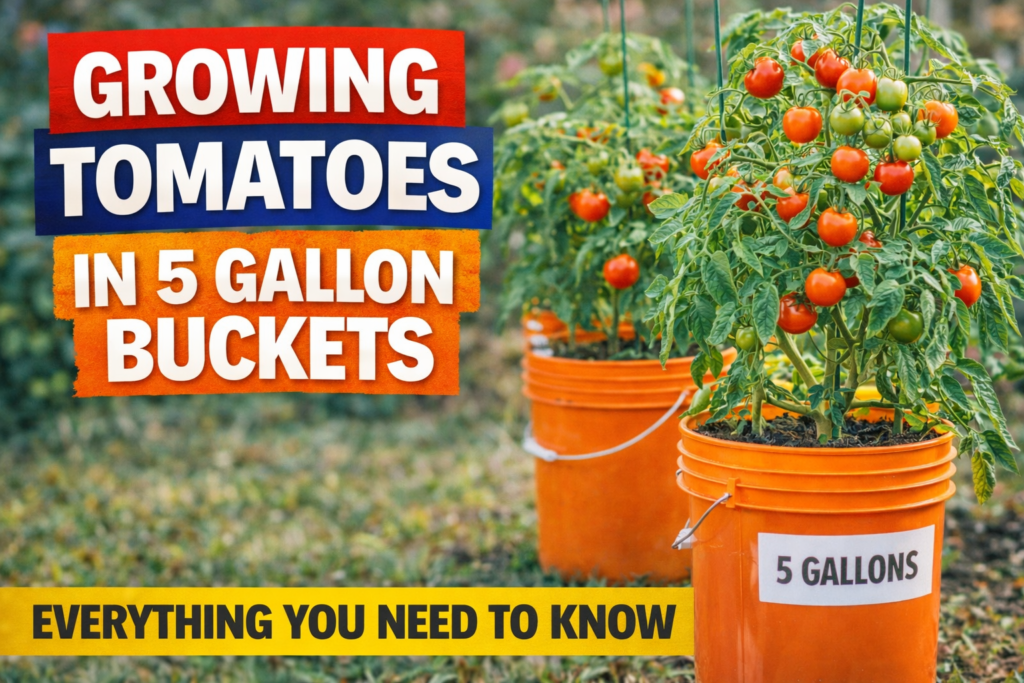
Container size makes an enormous difference. A tomato growing in an undersized pot may swing from soaked to severely dry within one day. My guide to growing tomatoes successfully in 5-gallon buckets explains why one plant per bucket is generally the practical limit.
Drainage holes are essential. Without a place for extra water to escape, even a careful watering schedule can leave tomato roots sitting in saturated soil.
What Time of Day Should I Water Tomatoes?
Morning is usually the easiest and safest time to water tomato plants.
Morning watering replaces moisture before afternoon heat arrives. It also gives water splashed onto the foliage time to dry.
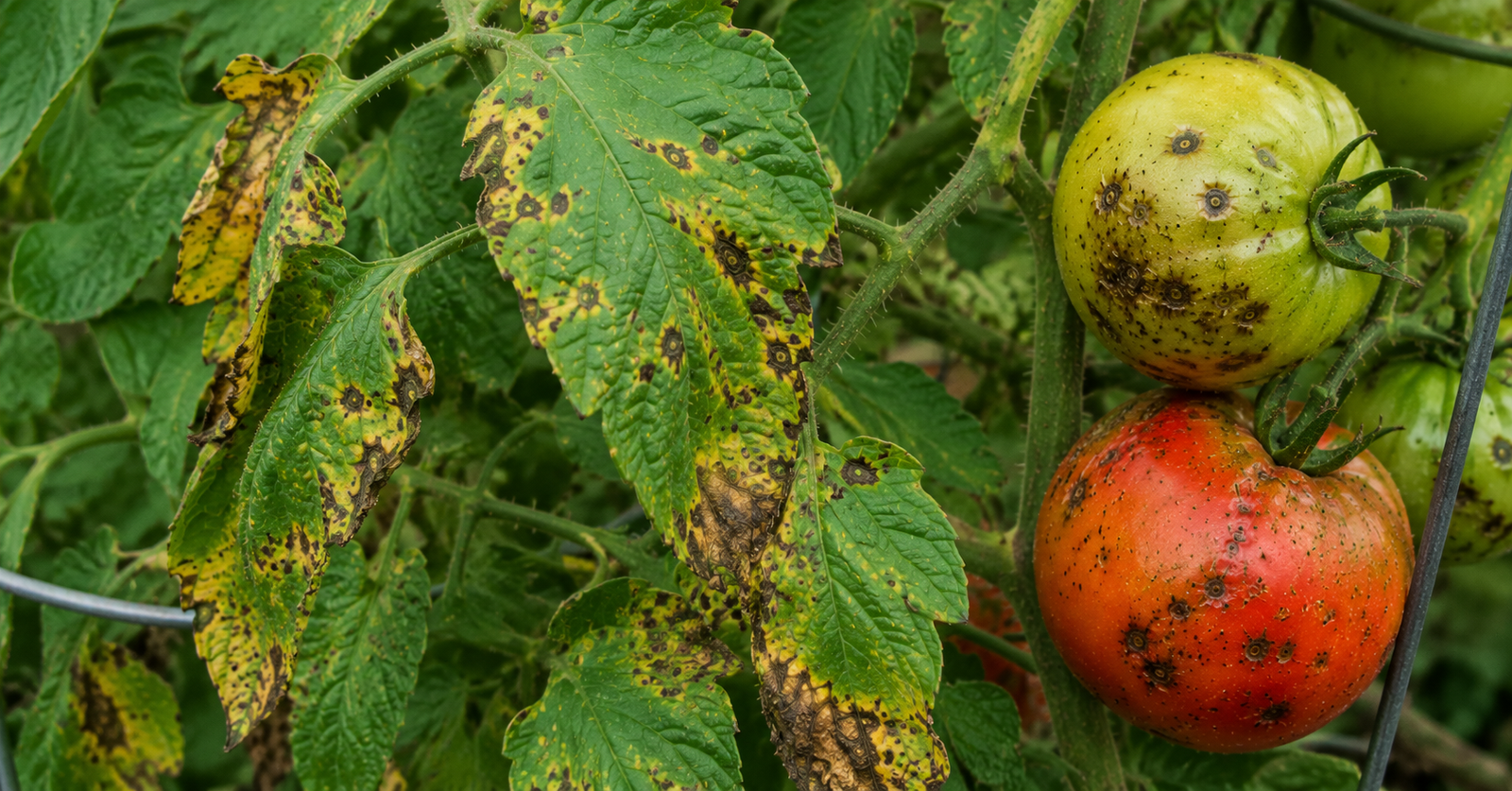
I water the soil around the base rather than spraying the entire plant. Keeping the leaves dry reduces the amount of time they remain in conditions favorable to fungal and bacterial diseases.
If a tomato is severely dry during the afternoon, I do not make it wait until morning. A thirsty plant needs water when it needs water.
Evening watering is acceptable when I apply water directly to the soil. I try to avoid soaking the foliage shortly before a cool night.
Should I Water Tomatoes Every Day in Hot Weather?
Not necessarily.
Heat increases water use, but soil type, mulch, plant size and root depth still matter. An established tomato in deep, mulched soil may not need daily watering even when afternoons are hot.
I check the soil each morning during a heat wave. If the root zone is drying, I water deeply. If it remains moist, I leave it alone.
Containers are the main exception. A large tomato growing in a pot can use an impressive amount of water on a hot, windy day.
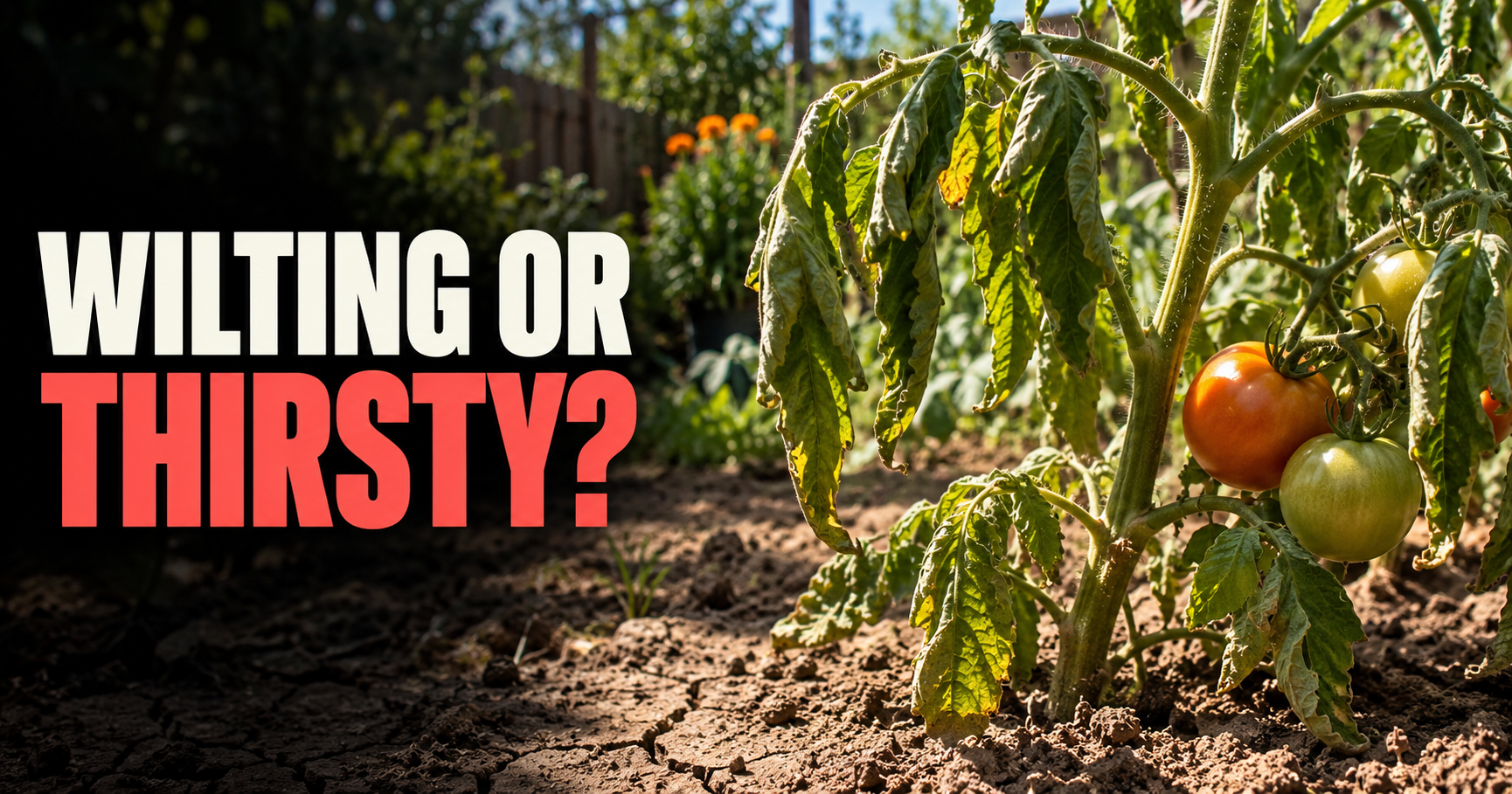
I also remember that temporary afternoon wilting does not always mean the soil is dry. Tomato leaves may droop during intense heat because they are losing moisture faster than the roots can temporarily replace it.
If the plant recovers as temperatures cool and the soil remains moist, pouring on more water can create a second problem.
Should I Water a Wilted Tomato Immediately?
I check the soil before reaching for the hose.
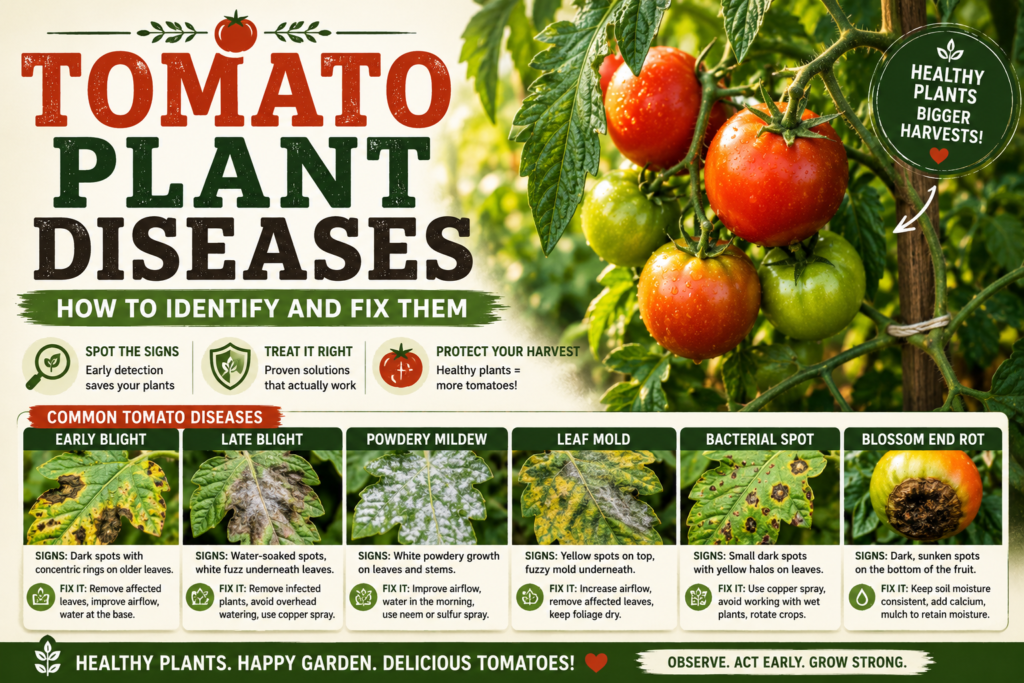
A wilted tomato may be suffering from dry soil, but wilting can also result from excessive moisture, root injury, transplant shock, heat or disease.
If the soil is dry several inches down, I water the root zone slowly and thoroughly.
If the soil is already wet, I do not add more. The plant may be wilting because waterlogged roots cannot function correctly.
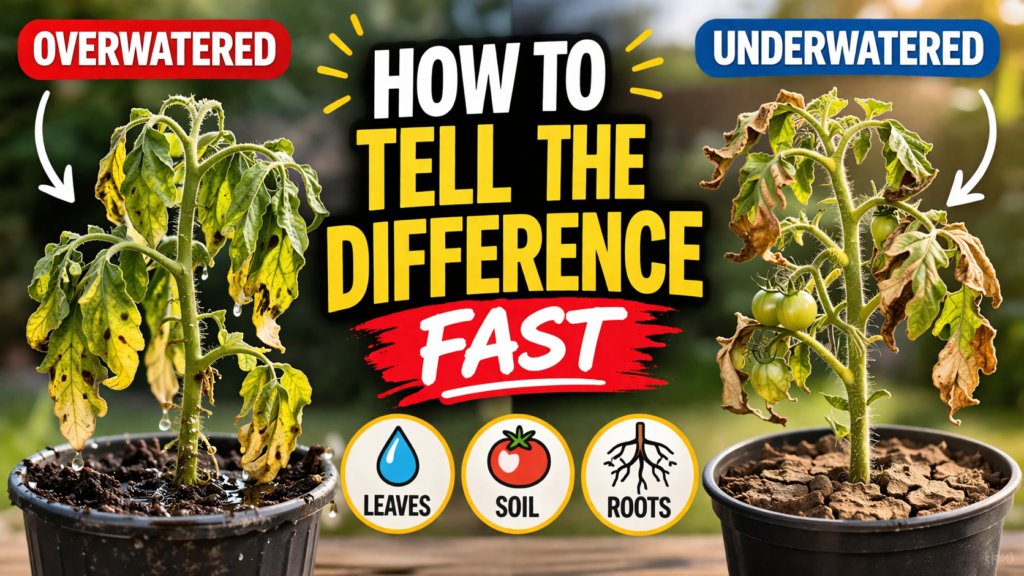
My overwatered versus underwatered tomato comparison helps separate these two problems before a well-meaning watering makes matters worse.
A plant that wilts every day despite consistently moist soil deserves a closer inspection. I look for stem damage, root problems, disease symptoms and evidence of animals disturbing the root zone.
Signs a Tomato Plant Needs More Water
A dry tomato plant may show several symptoms together.
Dry Soil Below the Surface
This is the most useful sign. I check below the dusty top layer and feel the soil around the active root zone.
Limp Leaves
Leaves may hang downward and feel thin or soft. The youngest growth may lose its usual firmness.
Wilt That Continues Into the Evening
Ordinary heat wilt should improve when temperatures cool. A plant that remains limp into the evening is more concerning.
Dry Container Mix Pulling From the Sides
Severely dry potting mix can shrink away from the container wall. Water may then run down the gap and escape without wetting the center of the root ball.
Lightweight Containers
A dry pot feels noticeably lighter than one containing moist mix. After lifting the same container several times, the difference becomes easy to recognize.
Slowed Growth and Small Fruit
Chronic water stress can limit new growth and fruit development even when the plant never collapses completely.
Signs I May Be Watering Too Often
Overwatering is not defined only by the amount poured onto the garden. It means the soil remains saturated long enough to limit the oxygen available to the roots.
Soil That Never Begins to Dry
If the root zone remains wet day after day, I stop adding water and investigate drainage.
Yellowing Lower Leaves
Lower leaves can yellow for many reasons, but persistent wet soil makes excessive moisture a strong possibility.
Soft or Darkened Roots
Healthy tomato roots are generally pale and firm. Roots suffering in waterlogged conditions may become brown, soft or unhealthy-smelling.
Edema or Blistered Leaves
When roots absorb water faster than leaves can release it, small bumps or corky patches may form on foliage.
Fungus Gnats Around Containers
Fungus gnats thrive in consistently damp organic material. They do not prove a tomato is overwatered, but they are a reason to inspect the potting mix.
Wilting in Wet Soil
This is one of the most confusing signs. Damaged roots may be unable to supply the top of the plant even though the soil contains plenty of water.
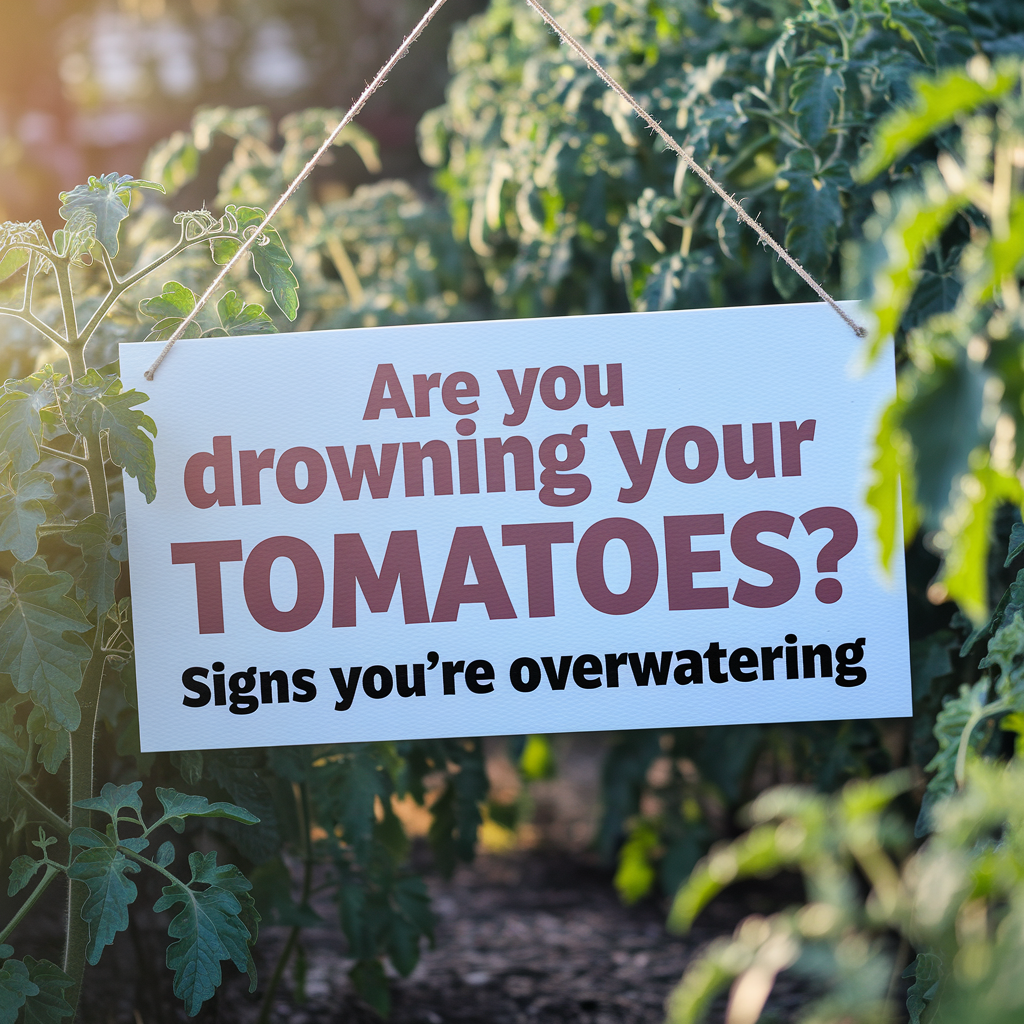
If these signs sound familiar, my guide to the symptoms of overwatered tomato plants explains how I reduce watering without letting an already stressed plant dry out too abruptly.
How Soil Type Changes Watering Frequency
The type of soil beneath a tomato plant controls how quickly water drains and how much remains available.
Sandy Soil
Sandy soil drains quickly and holds relatively little water. Tomatoes growing in it often need smaller intervals between deep waterings.
Adding finished compost can improve its ability to retain moisture, but I avoid turning the planting hole into a radically different pocket that holds water unlike the surrounding ground.
Loamy Soil
Loam usually provides the most forgiving balance between drainage and moisture retention.
Even good loam still needs inspection. A week of rain can saturate it, while hot wind can dry it faster than expected.
Clay Soil
Clay holds water longer and drains slowly. I water it less frequently but apply water slowly enough to avoid runoff.
I am especially cautious about following a daily watering schedule in clay. The surface can crust and look dry while the deeper soil remains saturated.
Potting Mix
Container mix is designed to drain better than garden soil, but ingredients vary. Peat-based mixtures may resist absorbing water once they become severely dry.
When a dry pot immediately drains water through the bottom, I apply water slowly in several passes. This gives the mix time to absorb it instead of letting everything escape along the container wall.
How Mulch Changes the Schedule
A layer of mulch slows evaporation and helps keep soil moisture more consistent.
I generally apply two or three inches of clean straw, shredded leaves or another suitable organic mulch. I leave a small gap around the stem rather than piling wet material directly against it.
Mulch may allow me to water less frequently, but I continue checking the soil beneath it. The surface of the mulch tells me very little about the moisture around the roots.
Mulch is particularly useful during Missouri summers, when a few hot and windy days can pull a surprising amount of moisture from bare soil.
Rainfall Does Not Always Replace Watering
A brief shower can darken the soil without delivering meaningful water to tomato roots.
I check beneath the surface after rain instead of assuming the garden received enough. Dense foliage may also divert part of a light rain away from the base of a large plant.
A slow, soaking rain can replace one or more scheduled waterings. After a heavy storm, I may not water again for several days.
A simple rain gauge helps me understand what actually fell. Weather reports for the nearest town do not always match what reached my garden.
The Best Way to Water Tomato Plants
I direct water at the soil around the plant rather than aiming it against the stem.
The active root system extends outward, especially as the tomato matures. Watering a slightly wider area encourages those roots to spread.
I apply water slowly so it has time to soak down. If water begins running across the surface, I pause and allow it to absorb before continuing.
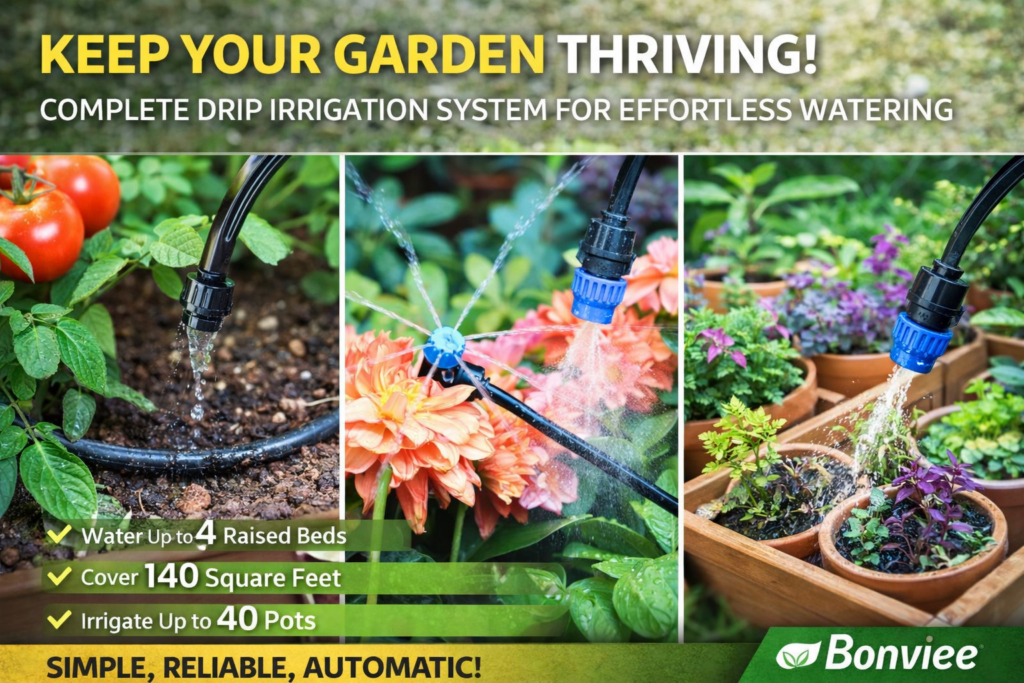
Drip lines and soaker hoses make this easier because they deliver water gradually. My look at a drip irrigation system for keeping tomatoes evenly watered shows why it can be useful when hand-watering a larger garden becomes difficult.
I occasionally inspect the soil after watering to see how deeply the moisture traveled. A damp surface with dry soil underneath means I need to water more slowly or for a longer period.
Watering Tomatoes With a Hose
A hose works perfectly well when I use it carefully.
I keep the pressure low and place the water near the soil. High pressure can wash soil away from roots, splash disease organisms onto the leaves and create channels that carry water away from the plant.
I count watering time only as a rough guide. Hose flow varies considerably, so watering each plant for the same number of seconds does not guarantee that every root zone received the same amount.
The real test is how deeply the water penetrated.
How Consistent Watering Prevents Tomato Problems
Tomatoes respond poorly to dramatic swings between very dry and very wet soil.
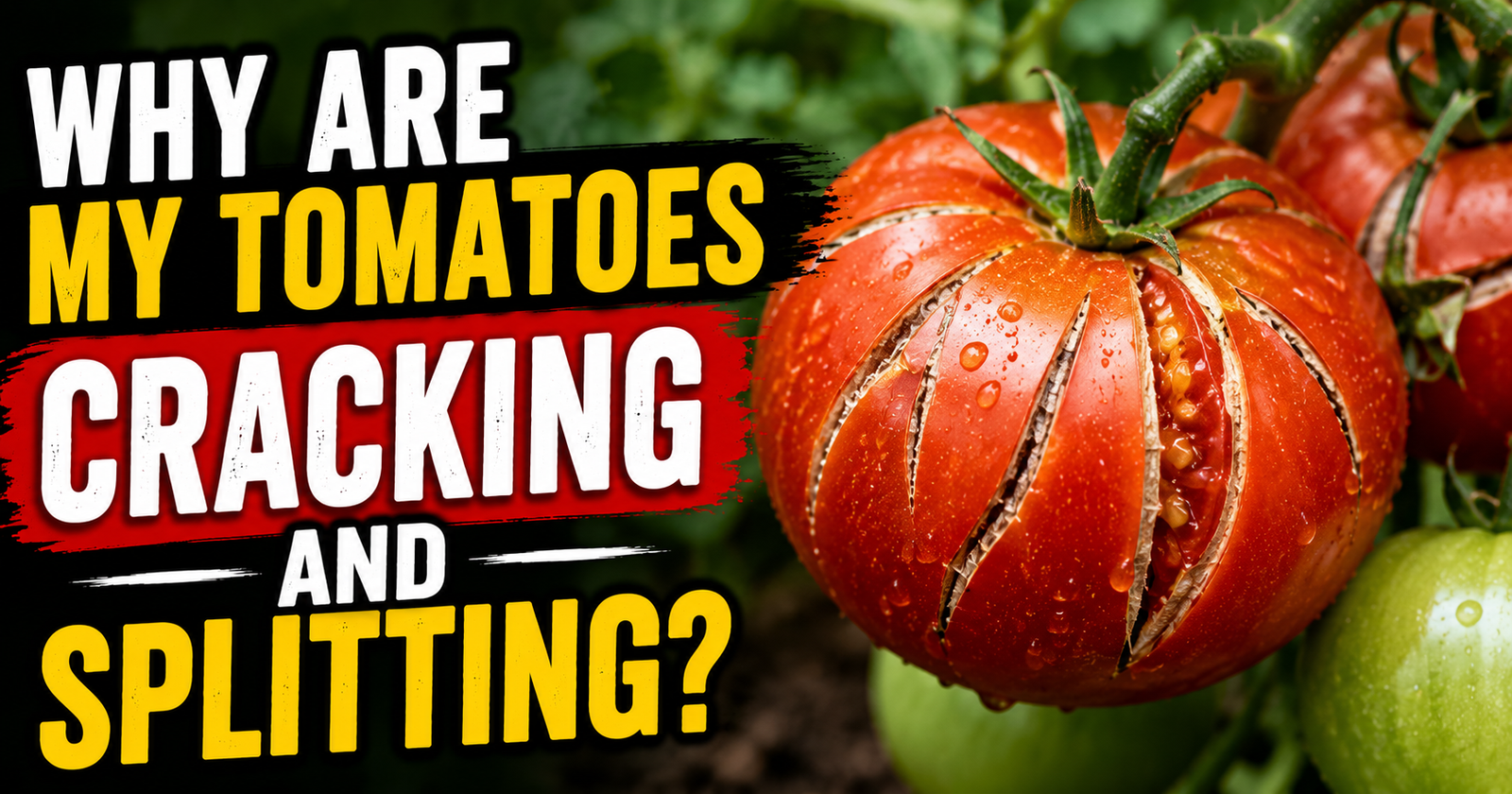
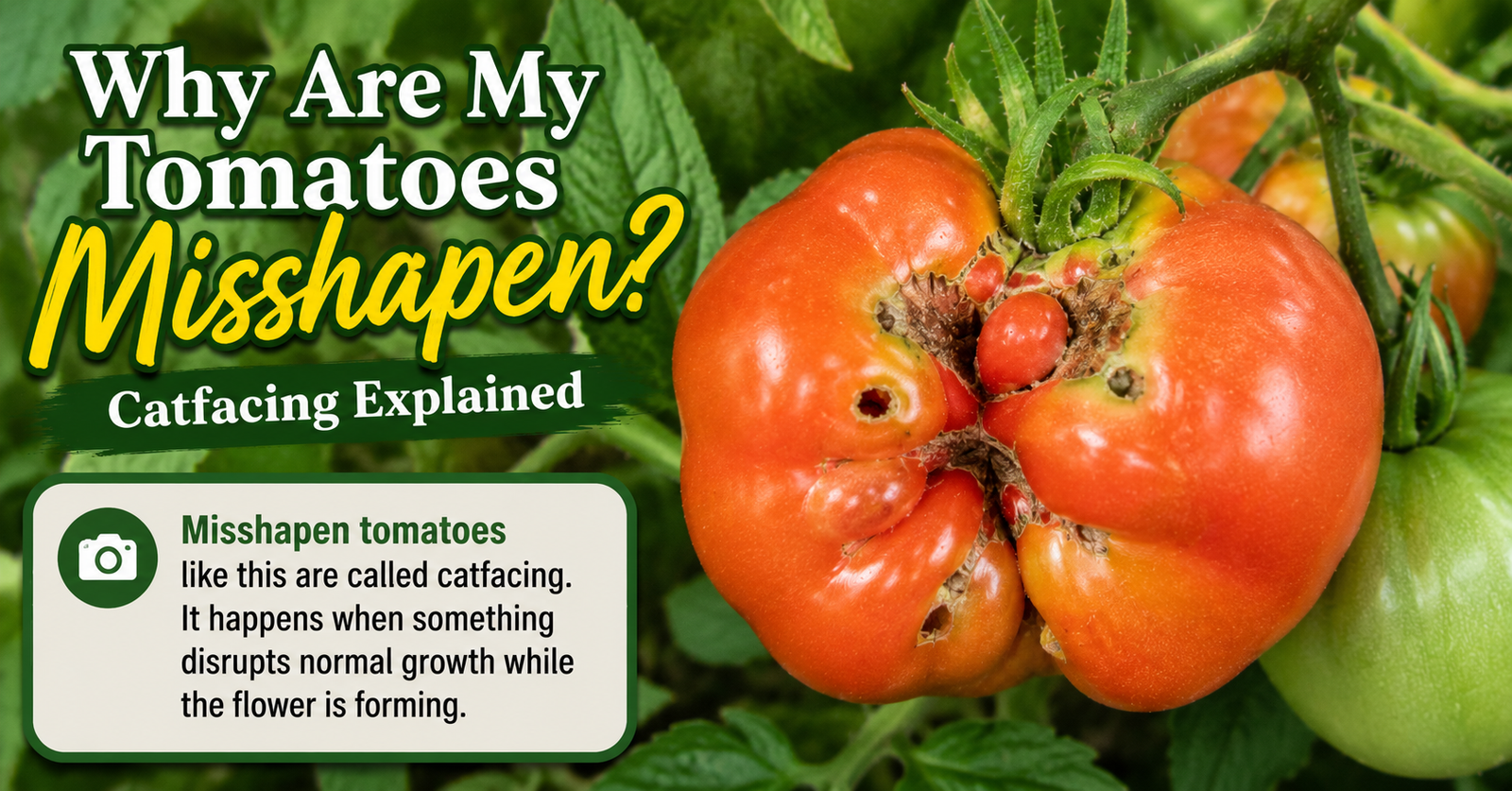
When a dry plant suddenly absorbs a large amount of water, rapidly expanding fruit may split. My guide to why tomatoes crack and split after moisture changes explains why consistent soil moisture is one of the best preventive steps.
Uneven moisture can also interfere with calcium movement through the plant. This can contribute to blossom end rot even when the soil contains calcium.
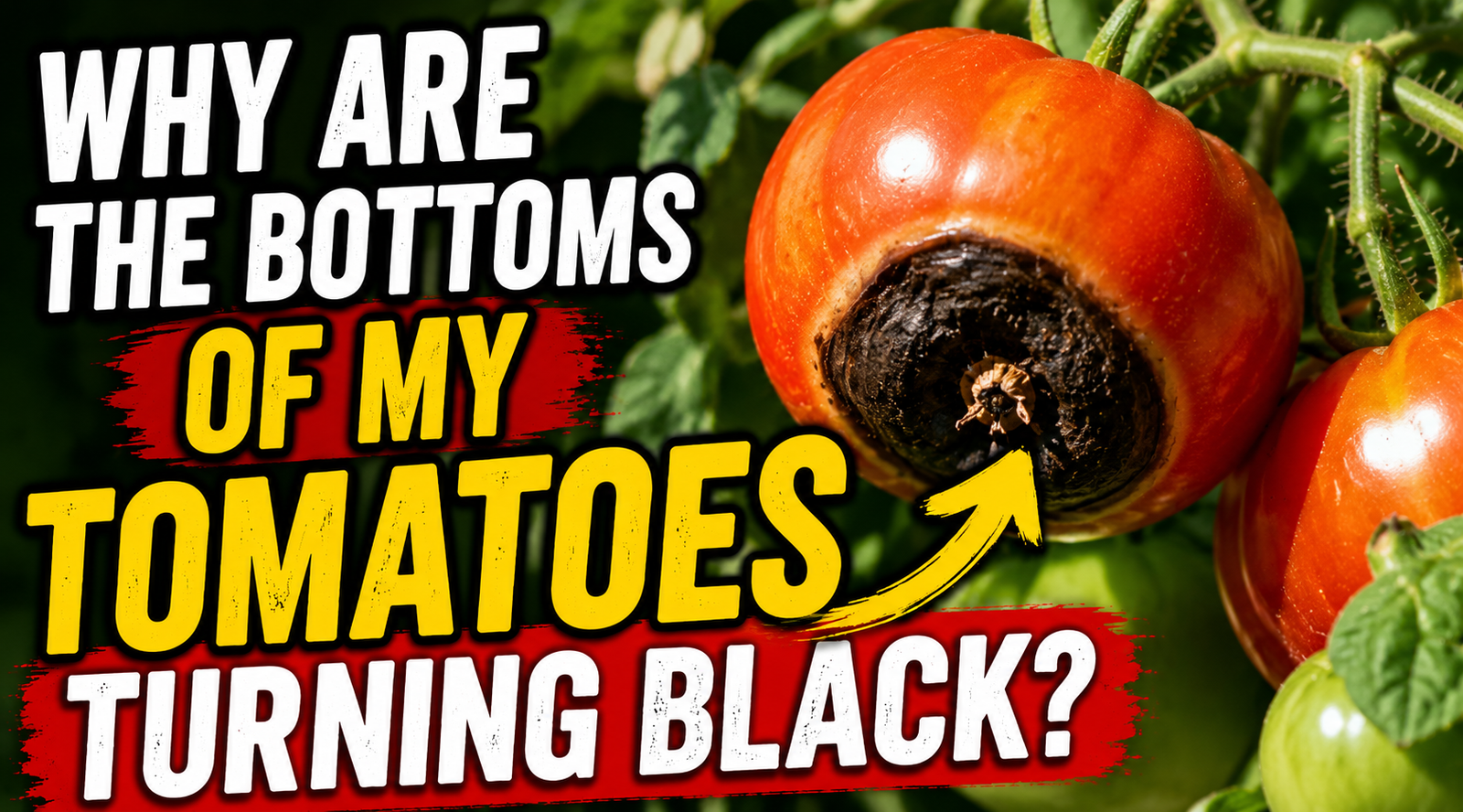
If the bottoms of young tomatoes become dark, leathery or sunken, my blossom end rot guide for black tomato bottomscovers why dumping more calcium onto the soil is not always the answer.
Consistent does not mean constantly soaked. It means avoiding severe drying followed by flooding.
Watering During Flowering and Fruit Production
A tomato plant’s demand for water increases as it becomes larger and begins producing fruit.
During flowering, severe water stress may contribute to dropped blossoms and reduced fruit set. During fruit development, inconsistent moisture can contribute to cracking and quality problems.
I become more attentive during these stages, but I still check the soil before watering. Fruit production does not protect roots from waterlogging.
Large indeterminate plants may use considerably more water than compact determinate or dwarf varieties. I treat each planting area according to the plants growing there rather than expecting every tomato to follow the same schedule.
Should I Reduce Water Before Harvesting?
I do not deliberately allow plants to become severely dry just to improve flavor.
Reducing excessive irrigation near ripening may prevent watery growth in some situations, but sudden drought stress can cause wilting, blossom end rot and other problems.
My goal remains steady moisture. If the soil is still moist, I do not water simply because fruit is ripening. If it is genuinely dry, I water.
A heavy watering after prolonged dryness can split tomatoes that are close to ripe, so preventing the dry period is safer than trying to correct it all at once.
What to Do When the Soil Has Become Extremely Dry
I restore moisture gradually.
Hard, dry ground may repel water or allow it to run into cracks. I apply a slow amount, wait for it to soak in and then water again.
Severely dry potting mix can be even more difficult. I water the container slowly in several rounds until the entire root ball begins absorbing moisture.
I do not flood a wilted plant with fertilizer. Dry or damaged roots are more vulnerable to fertilizer burn, and nutrients do not replace water.
Once the plant recovers, I adjust the watering routine so the root zone does not reach the same extreme again.
What to Do When the Soil Is Too Wet
I stop watering and allow the soil to drain.
For a container tomato, I make sure the drainage holes are open and the pot is not sitting in a saucer full of water.
For an in-ground plant, I check whether water from a downspout, roof, slope or irrigation line is collecting around it.
I do not dig aggressively through the roots in an attempt to dry the soil. Damaging water-stressed roots can make recovery harder.
If heavy soil repeatedly stays saturated, the lasting fix may require redirecting water, improving the bed or planting tomatoes in a better-drained location next season.
Common Tomato-Watering Mistakes
Following a Schedule Without Checking the Soil
Two or three weekly waterings may work during one part of the season and fail during another. The soil must have the last word.
Watering Only Near the Stem
Established roots spread outward. Wetting a wider root-zone area supports a larger and more resilient root system.
Giving a Tiny Amount Every Day
Shallow watering encourages shallow roots and may leave most of the root zone dry.
Treating Every Wilted Leaf as Thirst
Heat, root damage, disease and excessive water can all cause wilting. I always inspect the soil first.
Assuming Rainfall Was Enough
A short shower may wet only the surface. I check the depth before skipping the next watering.
Spraying the Leaves Every Evening
Repeatedly wet foliage can encourage disease, especially when leaves remain damp overnight.
Letting Containers Sit in Water
Drainage holes do little good when the bottom of the pot remains submerged in a full saucer.
Waiting for Severe Wilt
Repeated drought stress can reduce growth and fruit quality. I try to water based on soil moisture before the entire plant collapses.
My Simple Watering Routine
I keep tomato watering straightforward.
Check the Weather
I look at recent rainfall, expected temperatures and wind.
Feel the Soil
I check two or three inches below the surface, not only the dusty top layer.
Look at the Whole Plant
I notice leaf firmness, new growth, fruit load and whether the plant recovered from afternoon wilt.
Water Slowly
If the soil is dry, I soak the root zone rather than giving the plant a quick splash.
Check the Depth
Occasionally, I inspect below the surface after watering to confirm that moisture reached the deeper roots.
Adjust as the Plant Grows
A newly transplanted tomato, a mature plant and a tomato loaded with fruit will not use the same amount of water.
Use Mulch
Mulch reduces rapid moisture changes and gives me more room for error during hot weather.
How Often Should You Check Tomato Plants?
I check my tomato plants daily during hot summer weather, but checking does not mean watering.
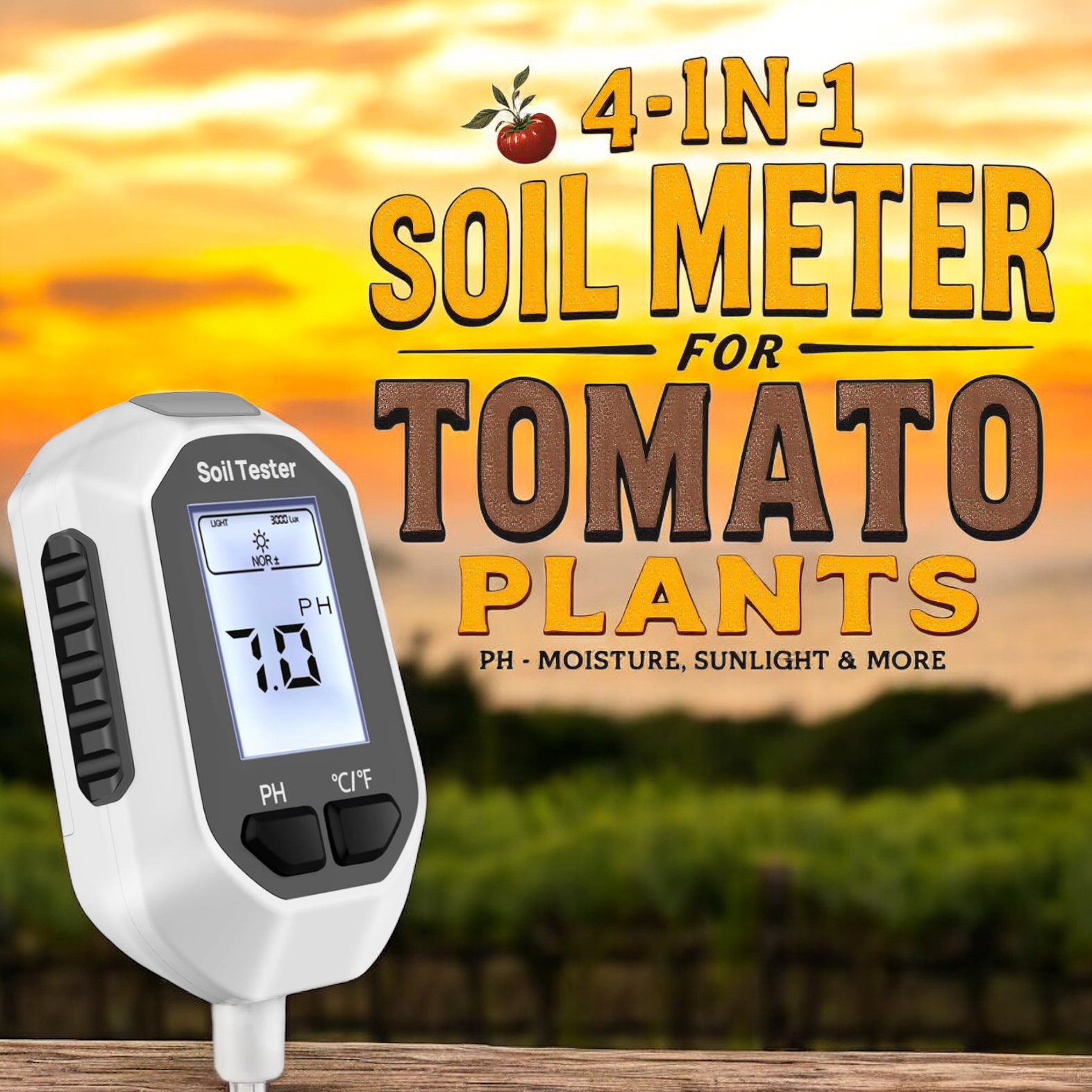
A quick soil check catches drying containers, blocked drip emitters, storm damage and developing plant problems before they become severe. A soil moisture meter for tomatoes can supplement that hands-on check when container moisture is difficult to judge.
During cool or rainy weather, the check may take only a few seconds. If the soil remains moist and the plant looks healthy, I leave it alone.
That restraint is part of good watering. Sometimes the best thing I can do for a tomato plant is put the hose down.
Should tomato plants be watered every day?
In-ground tomatoes usually do not need water every day under ordinary conditions. Potted tomatoes, new transplants and plants facing extreme heat may need daily watering. Check the soil before deciding.
Is it better to water tomatoes in the morning or evening?
Morning is usually best because the plant receives moisture before afternoon heat and any wet foliage has time to dry. Evening watering can still work when water is applied directly to the soil.
How deep should water reach around tomato plants?
I want moisture to reach several inches into the soil and eventually wet much of the established root zone. A quick surface sprinkle is usually not enough.
Can tomato plants recover after being underwatered?
A tomato can often recover from a short dry period when it is watered thoroughly. Repeated or severe drought can permanently reduce growth, blossoms and fruit quality.
Can tomatoes recover from overwatering?
They may recover if the roots have not suffered serious rot or disease. Stop unnecessary watering, improve drainage and allow the upper soil to begin drying.
Why does water run straight through my tomato pot?
The potting mix may have become so dry that it shrank away from the container. Apply water slowly in several rounds so the mix can absorb it.
Do large tomato plants need more water?
Usually, yes. Large plants have more leaves releasing moisture and may carry many developing tomatoes. Weather, soil and root space still determine how frequently they need water.
Do cherry tomatoes need less water?
Not necessarily. Fruit size alone does not determine water use. A large indeterminate cherry tomato plant may use more water than a compact slicing-tomato plant.
Does mulch mean I can stop checking the soil?
No. Mulch slows evaporation but can also hide very wet or very dry soil. Check underneath it before watering.
How can I tell if I watered deeply enough?
Inspect the soil several inches below the surface after watering. If only the top layer is damp, apply water more slowly or for longer.
Should I water tomatoes after a light rain?
Check the soil. A brief shower may not penetrate deeply enough to replace a regular watering.
How often should tomato seedlings be watered?
Seedlings in small cells need frequent checks because their limited soil volume dries quickly. Keep the mix evenly moist but not saturated, and make sure the containers drain.
The best watering schedule is the one that responds to the soil rather than the calendar. For most established garden tomatoes, deep watering two or three times per week is a reasonable place to begin. I then adjust for rain, heat, soil, mulch, plant size and whether the tomatoes are growing in the ground or in containers. These adjustments are also covered in practical tomato growing tips, alongside other practical ways to grow healthier tomatoes.
Written by Wesley Grant, a longtime home gardener who shares practical ways to grow stronger plants, recognize problems early and harvest better tomatoes through Tomato Growing Tips.