Tomatoes grown at home rarely look as polished and uniform as the fruit displayed in a grocery store. One may have a long corky line down its side, another may be covered in tiny golden marks, and a third may look like its skin was stitched together.
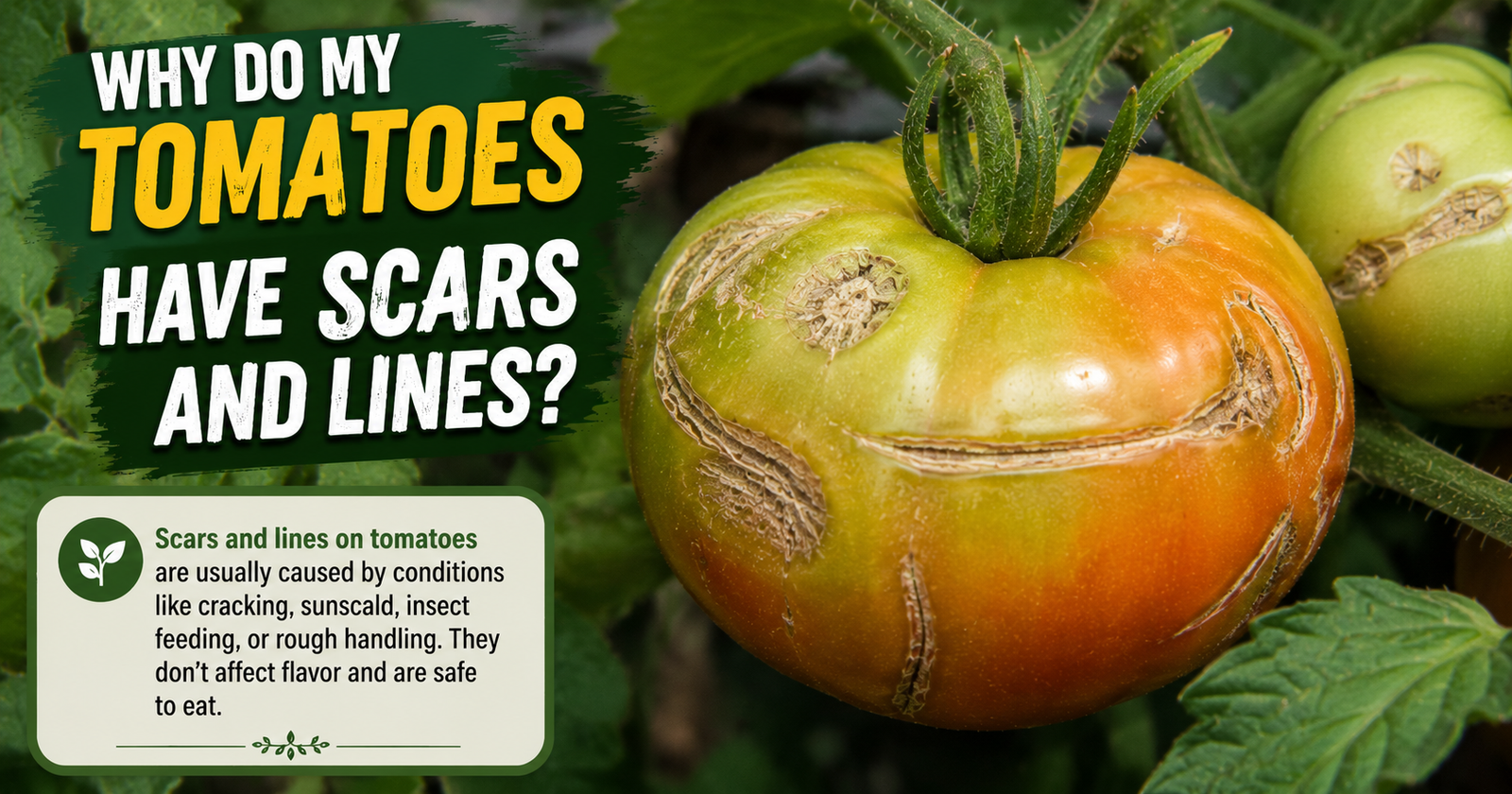
These scars on tomatoes often look more alarming than they really are. Many develop because flower parts stuck to the young fruit, the skin stretched during rapid growth, or a tiny injury healed while the tomato was still forming.
The most common harmless line is called zippering. It can look like a vertical zipper running down the tomato, complete with tiny marks crossing the main scar.
Other lines may be healed cracks, weather-related checking, corking, catfacing, insect feeding scars, or physical injuries. The appearance and location of the mark can usually tell you whether the tomato is simply ugly or actively damaged. Stink bug feeding can leave pale spots, dimples, and scarred patches, as shown in stink bug feeding damage.
Why Do My Tomatoes Have Scars and Lines?
Tomatoes develop scars and lines when their skin is affected during flower development or later fruit growth. Zippering, rapid growth, moisture changes, weather, rubbing, insect feeding, and blossom abnormalities are common causes.
A dry, closed scar is usually cosmetic. It does not mean the tomato is diseased, and it often does not affect the flesh beneath it.
The most common types include:
- Zipper-like lines running down the side
- Fine golden or brown surface cracks
- Corky rings around the stem
- Healed vertical growth cracks
- Wide scars near the blossom end
- Tiny puncture scars left by insects
- Rough patches caused by rubbing
- Small circular scars caused by weather damage
The important distinction is whether the mark is closed and dry or fresh, open, wet, soft, and decaying.
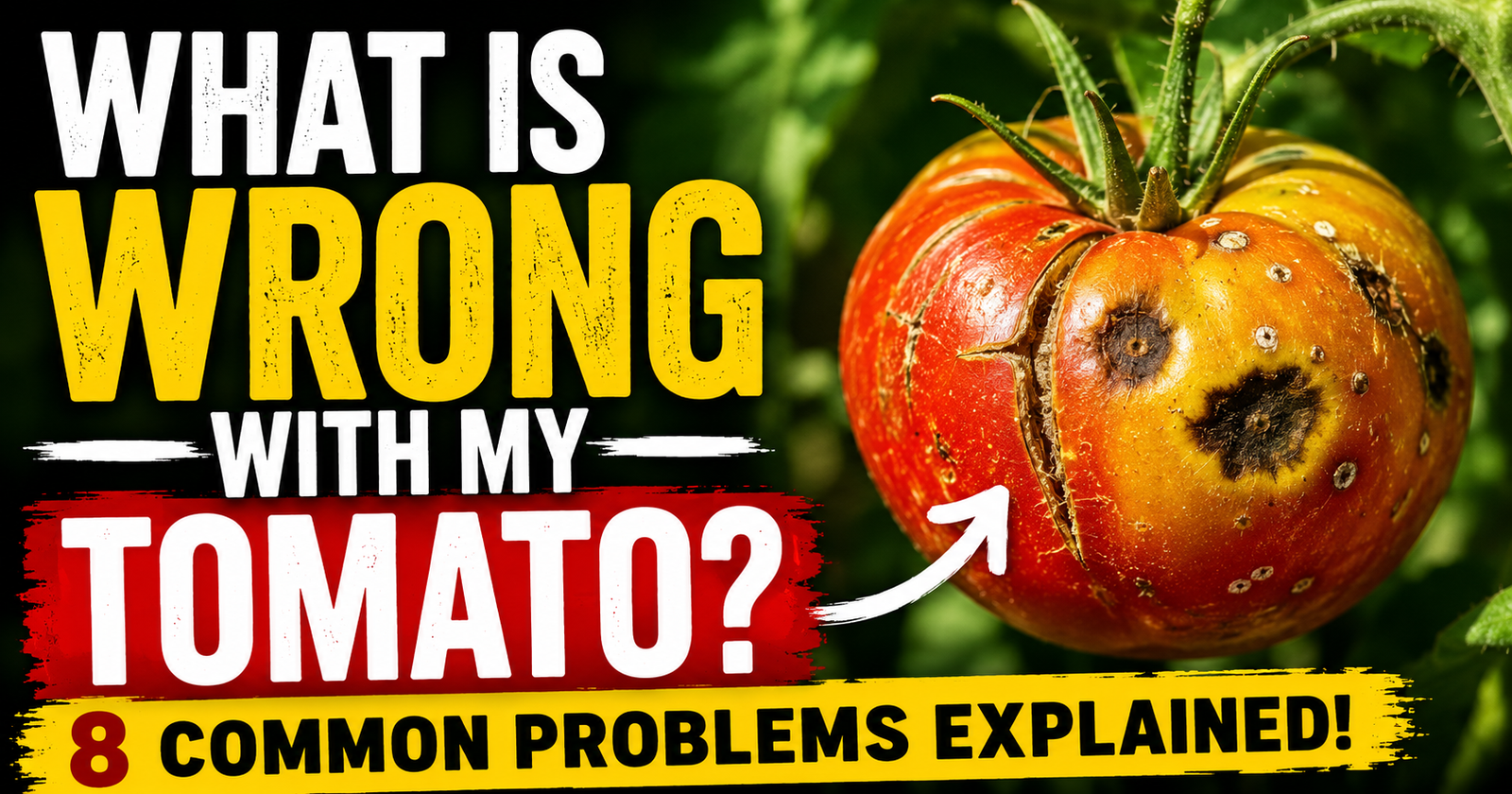
If the tomato has several symptoms and does not match one simple scar, use my guide to identifying common tomato fruit problems before deciding what caused it.
What Is Tomato Zippering?
Zippering is a thin scar that usually runs from the stem toward the blossom end of a tomato.
The main line may have small cross marks, making it look like the teeth of a zipper. Some scars are straight, while others curve around the fruit.
A small hole or indentation occasionally appears beside the line. In most cases, however, the skin remains closed and the damage is only cosmetic.
Zippering begins when part of the tomato flower, usually an anther, sticks to the surface of the newly forming fruit. As the tomato grows, the attached flower part leaves a scar behind.
The mark grows longer with the fruit, which is why a tiny flower-stage attachment can create a line running across much of a mature tomato.

What Does Zippering Look Like on Tomatoes?
Tomato zippering commonly has these features:
- One thin line running lengthwise
- Small cross marks along the main line
- Dry and corky scar tissue
- No missing section of flesh
- Normal color and texture around the mark
- A line beginning close to the stem
- A small hole beside the scar in some cases
- Otherwise normal fruit development
The scar may be pale tan, golden, brown, gray, or greenish depending on the tomato’s color and maturity.
Zippering is easiest to recognize when the line is narrow and the little cross marks are visible. A wide irregular scar near the bottom is more likely related to catfacing.
What Causes Tomato Zippering?
Zippering begins while the flower and young fruit are still connected.
A tomato flower contains pollen-producing structures called anthers. These structures normally fall away after pollination and fruit set.
Sometimes an anther remains stuck to the surface of the developing tomato. The fruit expands around it, leaving a long scar.
Cool weather during flowering may make zippering more likely. Variety genetics also play a role, which explains why one tomato variety may show several zipper scars while a nearby variety remains smooth.
No spray or fertilizer can remove a zipper scar after it forms. The injury is already sealed into the growing skin.

Is Tomato Zippering a Disease?
No. Zippering is a developmental disorder, not a contagious disease.
It does not spread from one tomato to another, and it does not require fungicide.
Several tomatoes may develop zippering at the same time because their flowers experienced the same cool weather or because the variety is naturally prone to it.
The plant can remain completely healthy and productive.
Can You Eat Tomatoes With Zippering?
Yes. A tomato with a dry, closed zipper scar is usually safe to eat when the rest of the fruit is firm and fresh.
I wash it carefully and inspect the entire line. I may trim away the scar if it feels tough, although this is often unnecessary.
If the zippering includes a deep open hole, I examine the tomato more cautiously. An opening can collect water, soil, insects, and microorganisms.
I discard the fruit if the area is moldy, soft, leaking, foul-smelling, or actively decaying.

What Is Corking on Tomatoes?
Corking refers to dry, rough scar tissue that develops on the tomato skin.
It can appear as a line, ring, patch, or network of small marks. The texture may resemble cork, healed skin, or a stretch mark.
Corking often forms after a minor injury heals. The injury may come from rapid growth, rubbing, weather, insects, or flower parts touching the fruit.
The corky tissue protects the area after the original damage closes. It may not look attractive, but a dry healed scar is much less concerning than a fresh opening.
Fine Golden Lines on Tomato Skin
Some tomatoes develop a network of fine golden, tan, or brown lines across their skin.
Gardeners may describe these marks as stretch marks, crazing, checking, russeting, or cuticle cracking. The exact terminology varies depending on the pattern and cause.
These tiny cracks affect the tomato’s outer surface rather than splitting deeply into the flesh.
Rapid fruit expansion, humidity changes, rain, temperature fluctuations, and variety genetics can contribute. Large tomatoes may show more of these fine lines because their skin must stretch over a greater area.
When the marks remain shallow, dry, and closed, they are usually cosmetic.

Are Tomato Stretch Marks Normal?
Fine stretch marks are common on homegrown tomatoes, especially large heirloom and beefsteak varieties.
They frequently appear around the shoulders, which are the upper portions close to the stem. This area expands significantly as the tomato grows.
A tomato may also develop stretch marks after a period of rapid growth. Abundant water and favorable temperatures can cause the fruit to enlarge quickly.
These marks do not mean the plant is failing. In many cases, they simply show that the tomato grew faster than its outer skin could remain perfectly smooth.
Stretch Marks Versus Deep Cracks
Stretch marks remain shallow and closed. Deep cracks break through the skin and may expose the flesh.
A shallow corky line does not usually leak or attract insects. A fresh split may release juice and begin deteriorating quickly.
Deep cracks often form after dry soil is followed by heavy rain or irrigation. The inside of the tomato expands faster than the skin can stretch.
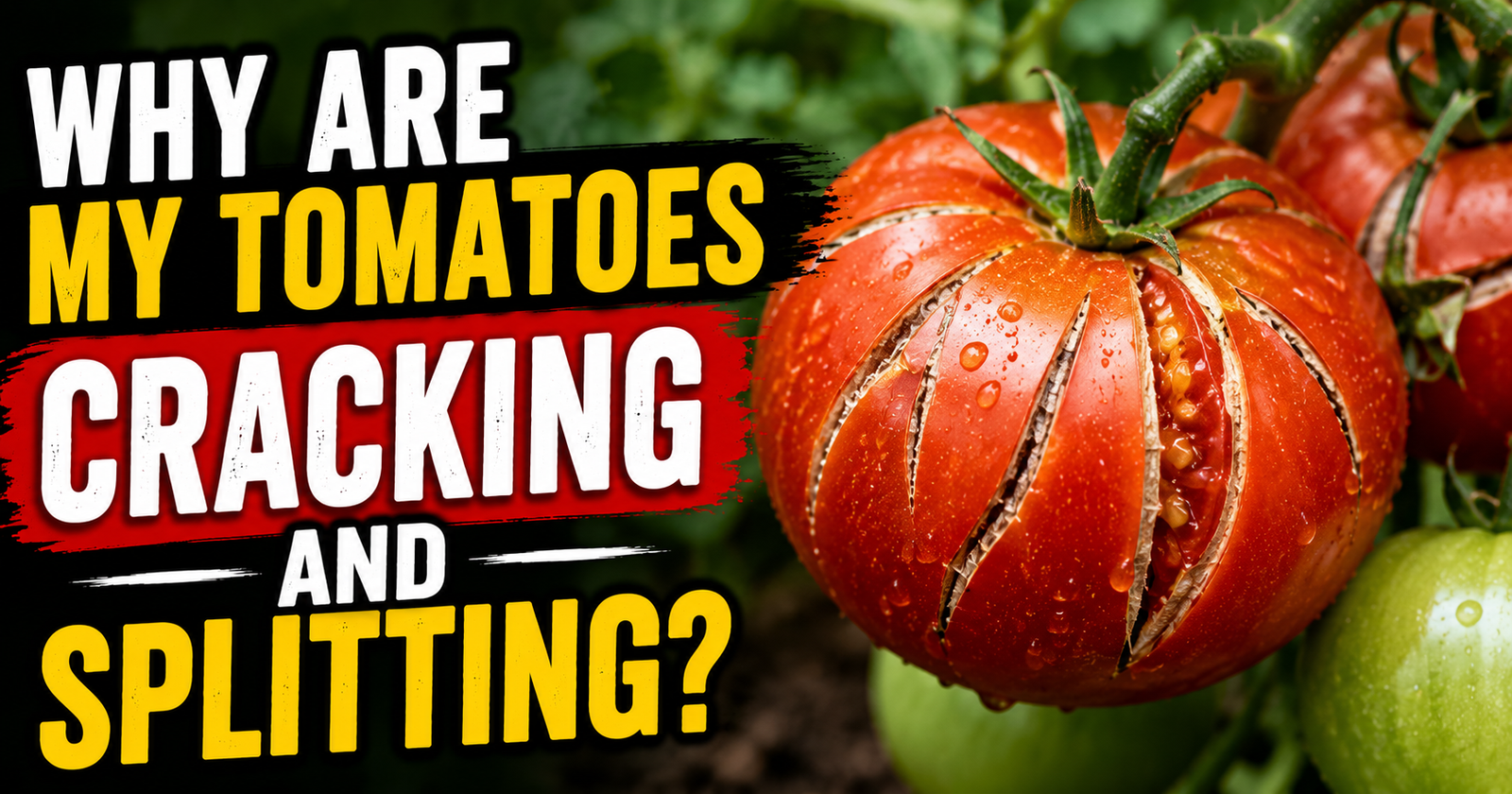
If the line is fresh, wet, or visibly open, use the guide explaining why tomatoes crack and split rather than assuming it is a harmless scar.
What Are Concentric Scars Around the Stem?
Circular marks around the tomato stem may be shallow concentric cracks that healed.
They form rings across the shoulders of the fruit. Some remain narrow and corky, while others become deep enough to collect water and debris.
Moisture fluctuations are a major trigger. Heat and direct sunlight on the shoulders may also reduce skin flexibility.
An old concentric crack may look like a scar because the tomato produced dry corky tissue along the break.
I inspect between the rings carefully. Deep crevices can hide mold, tiny insects, and early decay even when the surrounding fruit appears normal.
Why Tomatoes Have a Long Seam Down the Side
A seam running down a tomato may be zippering, a healed radial crack, or a natural feature of a heavily lobed variety.
Zippering is usually narrow and may have tiny cross marks.
A healed radial crack is often wider and more irregular. It may begin close to the stem and follow a line where the skin previously split.
Some paste tomatoes and large heirlooms have natural seams between lobes. These are part of the fruit’s shape rather than damaged tissue.
I look closely at texture. A normal seam has ordinary skin, while zippering and healed cracks contain rough or corky tissue.
Scars Near the Bottom of a Tomato
Scars near the blossom end commonly develop from catfacing, flower attachment, or the tomato’s natural blossom scar.
Every tomato has a small blossom scar where the flower was attached. On smooth fruit, it may look like a tiny dot.
Large-fruited tomatoes often have wider blossom scars. When the flower was fused or irregular, the scar may become broad, folded, or deeply indented.
Severe catfacing creates more than one simple scar. The tomato may have several lobes, puckered folds, cavities, and a distorted bottom.
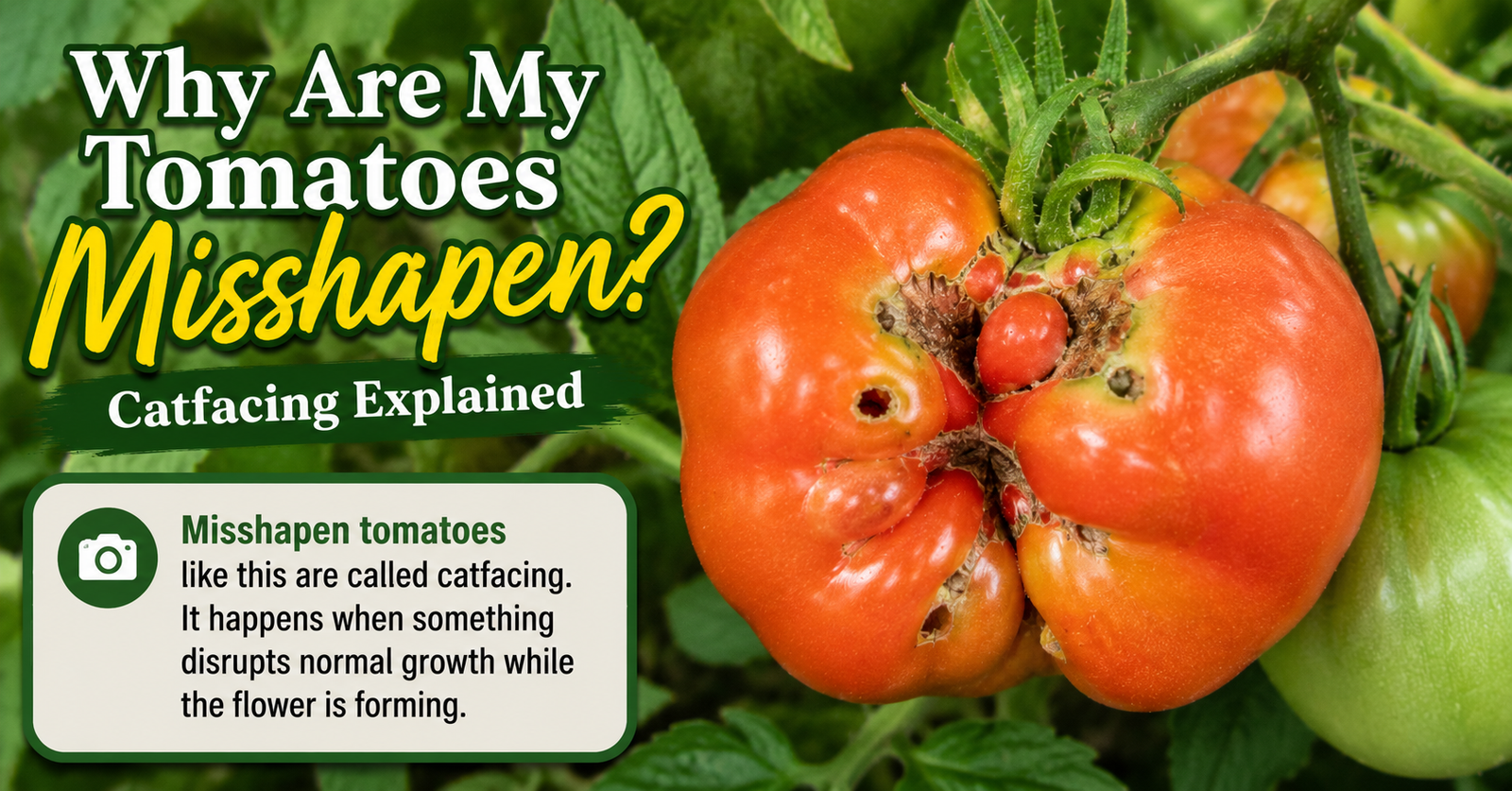
If the bottom looks folded or stitched together, read why tomatoes become misshapen from catfacing for the full explanation.
What Is a Normal Tomato Blossom Scar?
The blossom scar forms at the bottom of the tomato where the flower detached.
A small, dry spot is normal. Its size and shape vary among tomato varieties.
Some varieties have a tiny smooth dot. Others naturally produce a larger rough circle or irregular corky patch.
The scar is not blossom end rot unless the surrounding tissue begins turning tan, brown, black, sunken, or leathery.
A normal blossom scar remains dry and does not continue spreading across the fruit.
Blossom Scar Versus Blossom End Rot
Blossom end rot creates dead tissue rather than a simple growth scar.
It often begins as a tan or water-soaked spot and gradually becomes brown, black, sunken, and leathery.
A normal scar remains small and dry. It does not expand rapidly or cause the flesh around it to collapse.
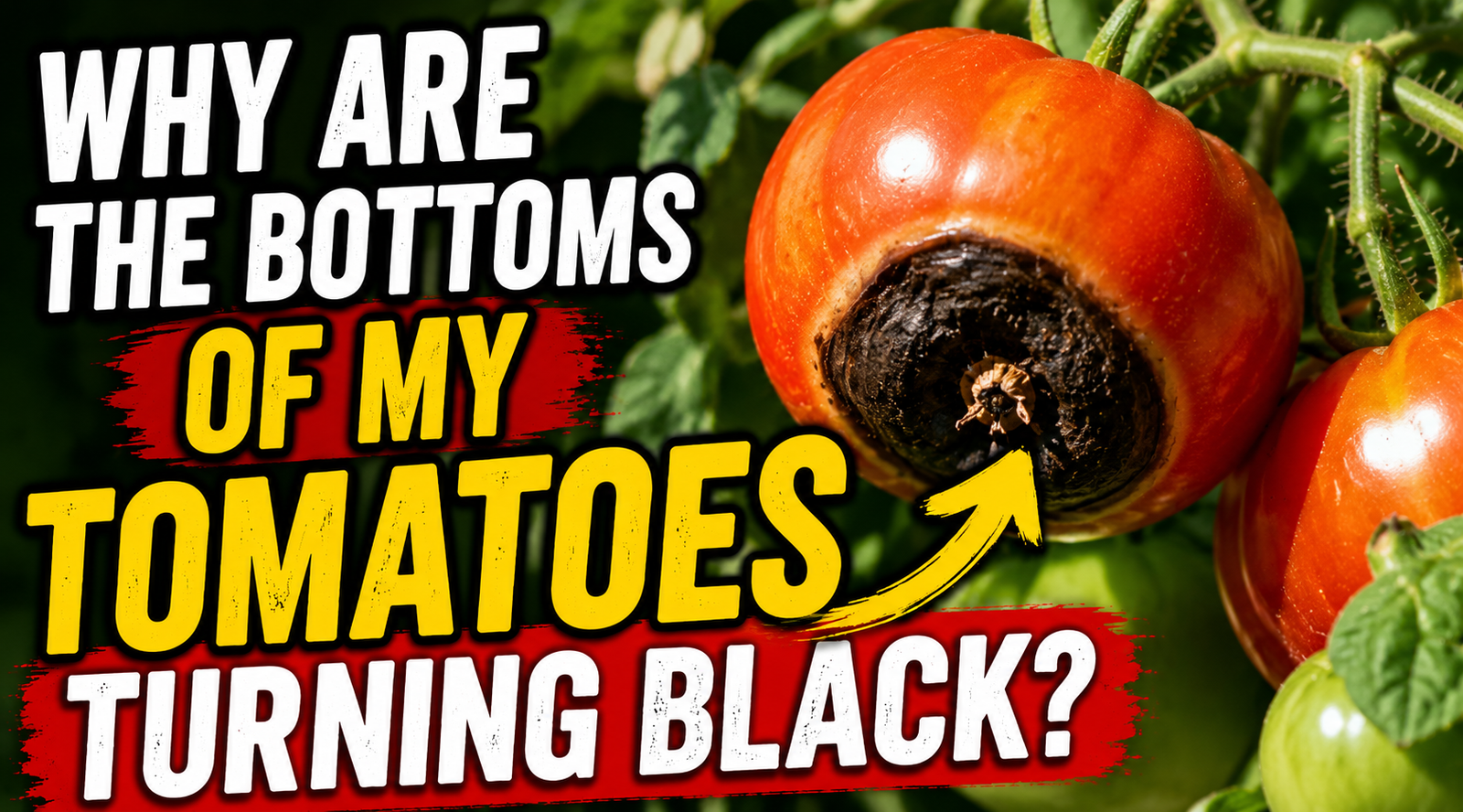
If the bottom of the tomato is darkening rather than simply showing a rough mark, the guide explaining why tomato bottoms turn black covers calcium movement, root stress, watering, and prevention.
Scars Caused by Catfacing
Catfacing starts while the tomato flower is developing. Cool weather, large fused blossoms, variety genetics, and other stresses can cause the fruit to grow irregularly.
The resulting scars are usually wide and concentrated around the blossom end.
A catfaced tomato may look like several tomatoes fused into one. Deep folds can run between individual lobes.
The scars themselves are commonly dry and corky, but severe folds may remain open. Open cavities are more vulnerable to insects and decay.
A mild catface can be trimmed and eaten. Severely distorted fruit may contain too many questionable crevices to be worth saving.
Scars Caused by Insects
Piercing and chewing insects can leave scars on developing tomatoes.
Stink bugs and leaf-footed bugs puncture the skin with their mouthparts. A feeding site may heal into a tiny dot, shallow depression, or pale scar.
The tissue beneath the spot may become hard, white, or corky. Several punctures can leave a cloudy patch.
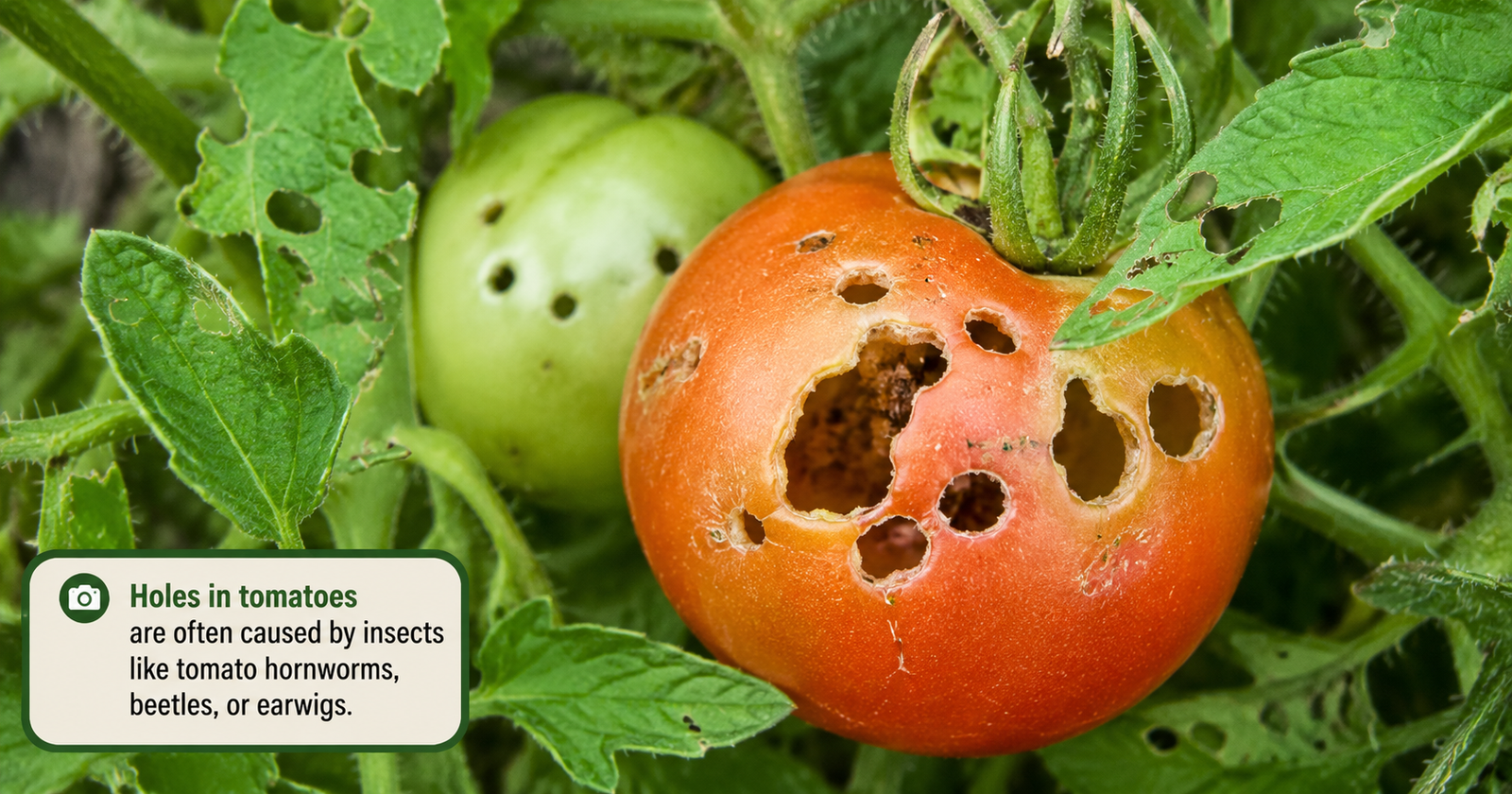
Tomato fruitworms and hornworms remove tissue rather than making simple pinpricks. Their damage is more likely to remain open or develop into a larger rough cavity.
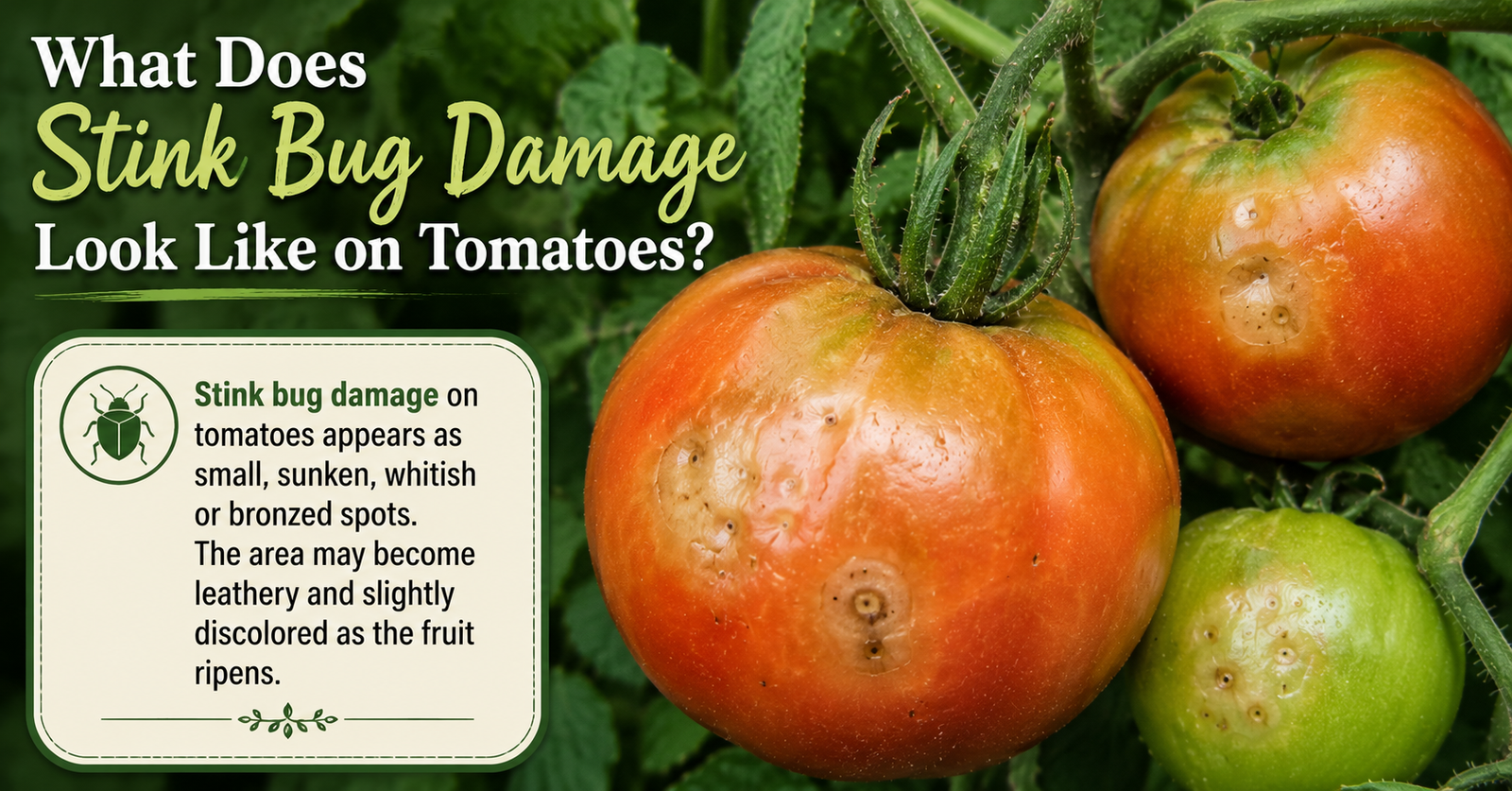
When scars are surrounded by cloudy spots or firm white flesh, compare them with stink bug damage on tomatoes.
Scars Caused by Thrips
Thrips are extremely small insects that can feed on tomato flowers and young fruit.
Their feeding may leave superficial scarring, streaks, or corky patches as the tomato grows. Damage that began when the fruit was tiny becomes larger and more noticeable by harvest.
Thrips can also transmit certain tomato viruses. Scarring alone does not prove that a virus is present, but distorted leaves, ringspots, bronzing, and plant decline deserve closer attention.
Because thrips are so small, a magnifying glass can help identify them inside flowers or on tender growth.
Scars Caused by Hornworms
Hornworms usually leave obvious chewed areas rather than fine scars.
A small bite on a young green tomato may heal as the fruit continues growing. The result can be a rough patch or shallow cavity.
Fresh hornworm feeding is easier to identify because nearby leaves are often missing. Large dark droppings may collect beneath the caterpillar.
If fruit scars appear alongside stripped stems, inspect the plant carefully and use my method for getting rid of tomato hornworms.
Physical Rubbing Can Scar Tomatoes
Tomatoes can rub against cages, stakes, ties, branches, and neighboring fruit.
Wind moves the plant repeatedly, allowing a hard or rough surface to scrape the young tomato. The injury may heal into a dry line or corky patch.
I look at what touches the scar. If a cage wire or branch rests directly against the same area, rubbing is a strong possibility.

Loose plant ties can also slide across developing fruit. I position ties around stems rather than fruit clusters and leave enough room for growth. For supporting stems while keeping ties away from developing fruit, reusable garden twist ties may be a useful option.
Wind Damage on Tomato Fruit
Strong wind can swing tomatoes against their supports, other branches, or the ground.
The skin of a young green tomato may be scraped without splitting deeply. As it grows, the injured area stretches into a larger scar.
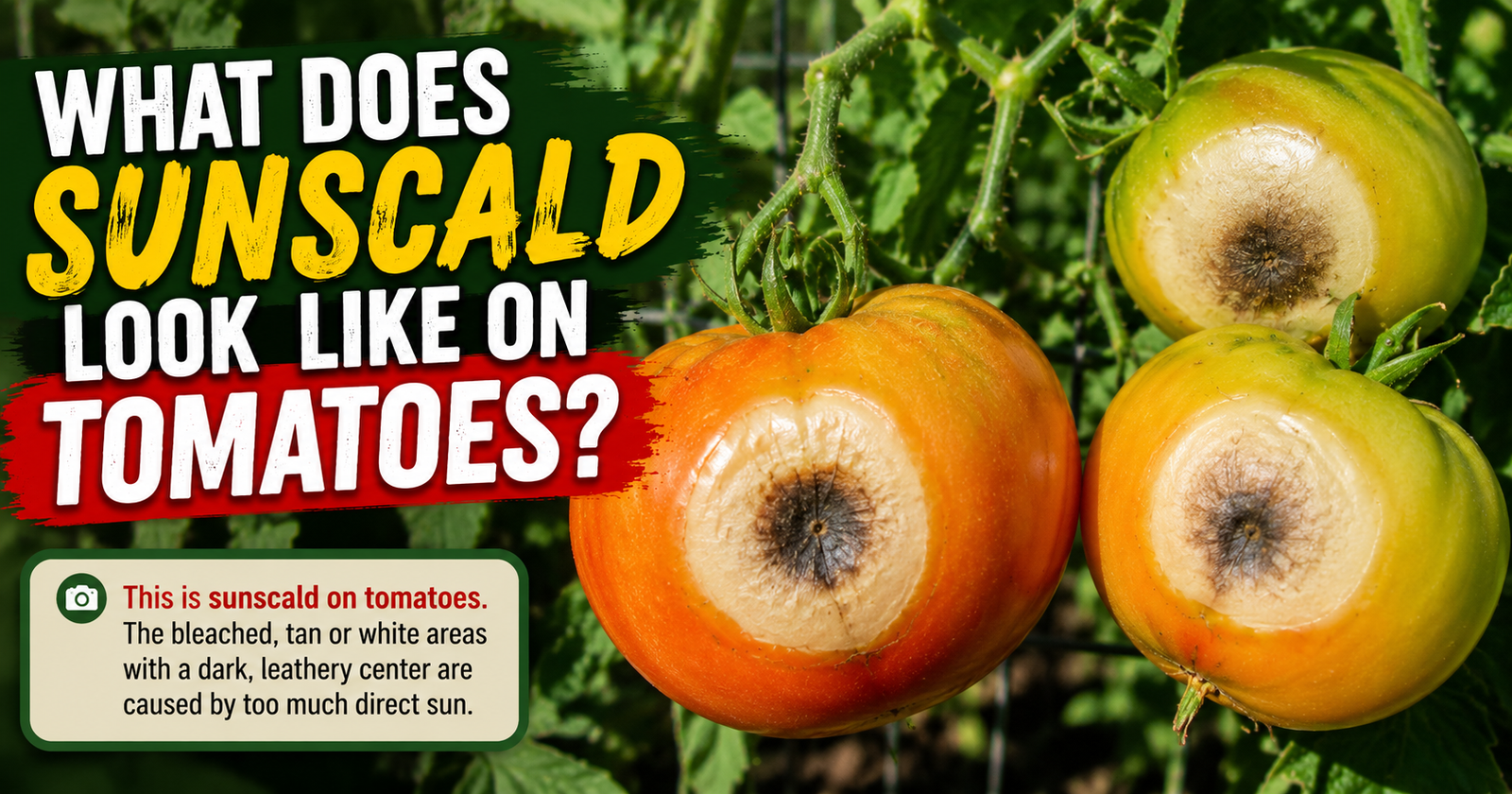
Wind can also break branches and expose tomatoes to direct sunlight. A scarred fruit may develop sunscald at the same time. For help separating the healed scar from newer injury, compare it with sunscald damage on exposed fruit.
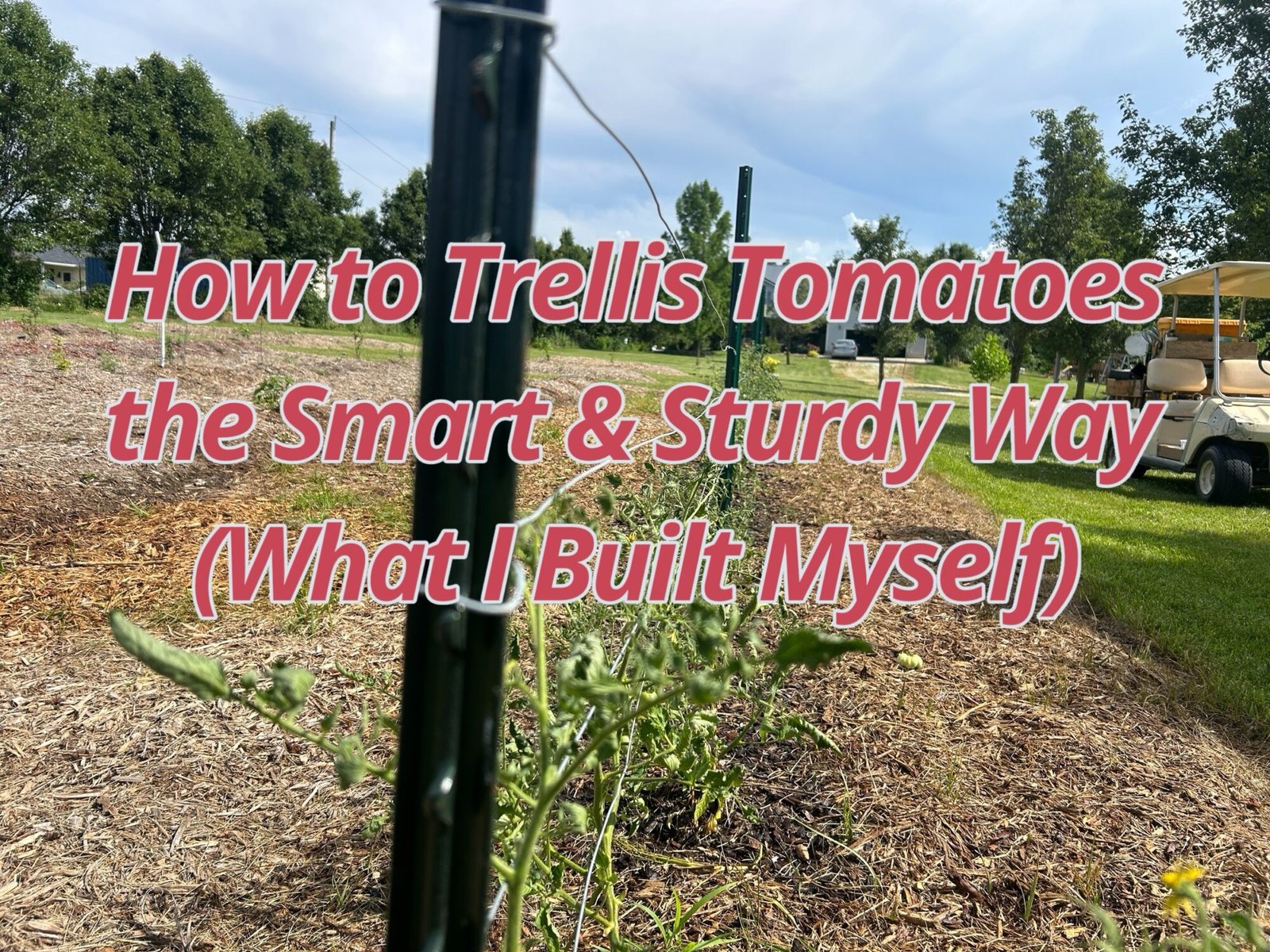
Good support limits excessive movement. My approach to building a sturdy tomato trellis keeps heavy vines from collapsing as the fruit gains weight.
Hail Can Leave Tomato Scars
Hailstones can strike tomatoes and leave small dents, circular marks, cracks, or corky scars.
Fresh hail damage may look pale, bruised, or water-soaked. If the injury remains shallow, the tomato can heal around it.
Deep hail wounds may allow disease and rot to enter. The fruit should be monitored closely after a storm.
Hail also tears foliage, increasing the risk of sunscald on exposed tomatoes.
When several fruit and leaves develop damage immediately after a storm, weather is a more likely explanation than insects.
Can Heavy Rain Cause Tomato Scars?
Heavy rain contributes indirectly by causing fruit to expand rapidly.
Small surface cracks may form and heal into corky lines. Larger cracks can remain open and develop secondary decay.
Rain also causes branches to sag, bringing tomatoes into contact with cages, soil, or neighboring fruit.
A tomato scar found after a storm may have started as a minor crack or rubbing injury.
Consistent watering before rain cannot stop the weather, but it reduces the severe dry-to-wet change that causes many splits.
Can Overwatering Cause Scars on Tomatoes?

Overwatering alone does not create every scar, but changing soil moisture can make the fruit expand faster than its skin can stretch. Monitoring soil conditions with a soil moisture meter for tomatoes can help identify sharp moisture swings that contribute to cracking.
The greatest risk occurs when dry soil is suddenly saturated.
Repeated moisture swings may produce fine surface checking, concentric cracks, radial splits, and healed corky tissue.
Keeping the root zone evenly moist is more helpful than alternating between drought and excessive irrigation.
My guide to the signs of overwatering tomato plants can help determine whether the roots are staying wet for too long.
Why Heirloom Tomatoes Have More Scars
Many heirloom tomatoes are large, thin-skinned, ribbed, or deeply lobed.
Their tender skin and rapid fruit expansion can make surface marks more noticeable. Large blossoms also increase the chance of catfacing and wide blossom scars.
Heirloom varieties were not always selected for the smooth appearance and shipping durability expected from commercial tomatoes.
That does not make them lower quality. Some of the best-tasting tomatoes I grow are also the least attractive.
I judge an heirloom by its expected variety characteristics, freshness, and internal condition rather than by whether its skin is perfectly smooth.
Are Scarred Tomatoes Safe to Eat?
A tomato with a dry, closed surface scar is generally safe to eat when the fruit is otherwise firm, fresh, and normally colored.
I wash it thoroughly and inspect the scar. If the tissue is tough, I trim it away before slicing or cooking.
The scar should not be soft, wet, moldy, leaking, or foul-smelling.
I pay extra attention to deep creases because they can trap soil and moisture. A shallow zipper scar is easier to clean than a deep catfaced cavity.
When I Throw Away a Scarred Tomato
I discard a tomato when the apparent scar contains active decay or an unknown open wound.
Warning signs include:
- Fuzzy mold
- Slimy or wet tissue
- A sour or fermented smell
- Soft flesh surrounding the mark
- Dark decay extending inside
- Insects living within the opening
- Evidence of bird or rodent feeding
- A deep dirty crack that has remained open outdoors
- Leaking juice or cloudy liquid
- Damage covering most of the tomato
A healed scar is one thing. An open injury exposed to animals, soil, rain, and insects requires far more caution.
Can Scarred Tomatoes Be Used for Canning?
A harmless surface scar does not automatically prevent a tomato from being canned.
I begin with sound, disease-free fruit. I wash it, remove the scar and any questionable tissue, and inspect the inside.
Moldy, rotten, animal-damaged, or fermented tomatoes should not be used.
I also follow a current tested canning recipe without changing the required acid, processing time, or ingredient proportions.
Can Scarred Tomatoes Be Frozen?
Yes. Freezing is a practical use for tomatoes with dry cosmetic scars.
I wash the fruit, cut away the tough scar, and freeze only clean, healthy flesh.
Freezing does not make spoiled produce safe. Soft, moldy, foul-smelling, or extensively damaged tomatoes still need to be discarded.
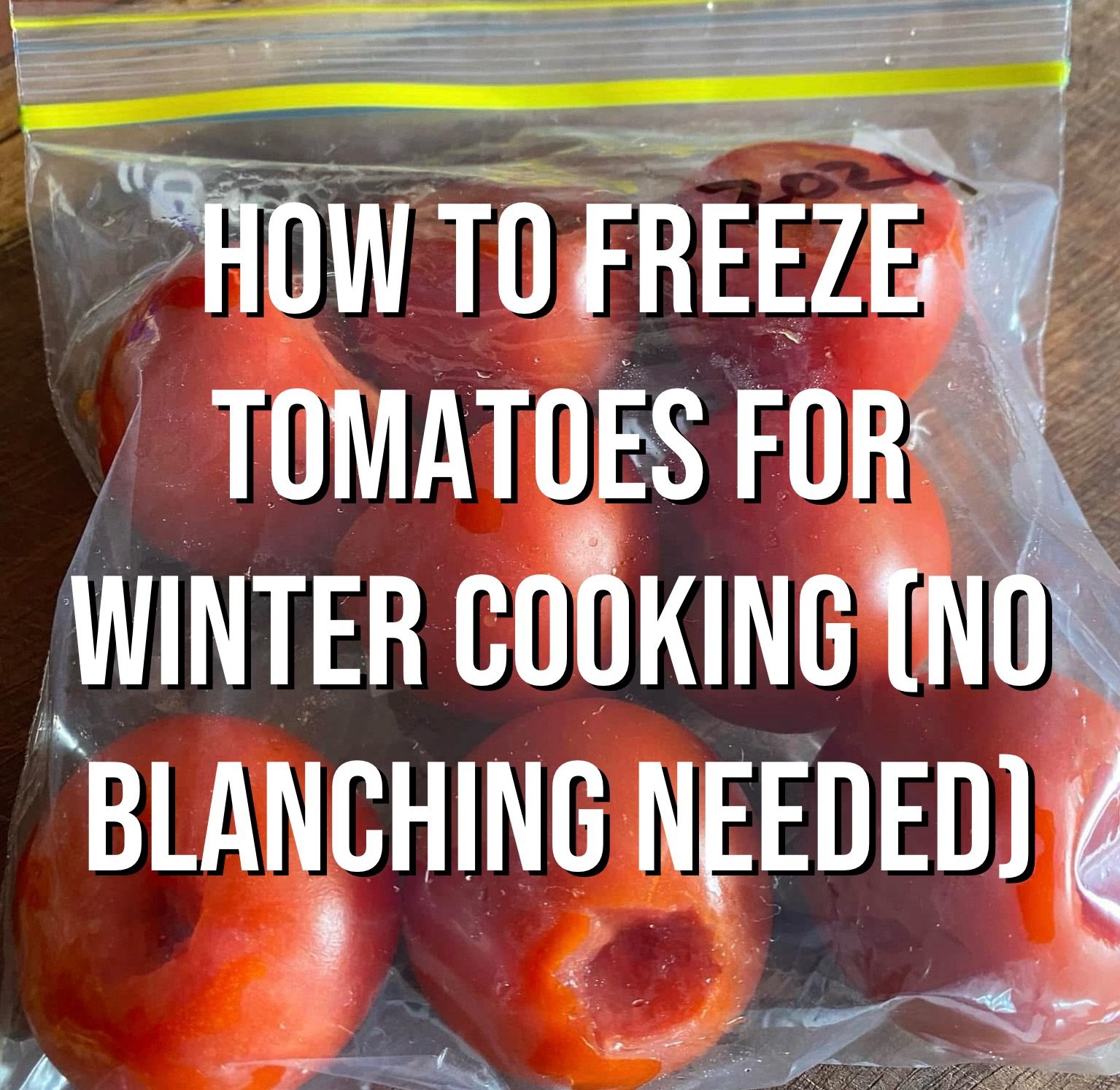
The guide showing how to freeze tomatoes without blanching is useful when several scarred but sound tomatoes ripen at the same time.
Will Tomato Scars Disappear as the Fruit Ripens?
No. A scar may stretch, darken, lighten, or become less noticeable as the tomato grows, but it will not turn back into normal skin.
A zipper line remains visible at harvest. A healed crack may widen as the tomato expands.
The goal is to protect new fruit rather than trying to remove an existing scar.
If the mark remains dry and closed, continued growth is not automatically a problem.
Should I Remove Scarred Tomatoes From the Plant?
I leave mildly scarred tomatoes on the plant when the skin is closed and the fruit is healthy.
I remove fruit with deep open cracks, active rot, severe insect damage, or cavities that collect water.
A tomato that has begun changing color can often be harvested and allowed to finish indoors. This prevents additional cracking, insect feeding, and weather damage.
There is no reason to remove an entire plant because one fruit has zippering or a growth scar.
Can Fertilizer Fix Tomato Scars?
No fertilizer can repair a scar that already formed.
Excessive nitrogen may push plants into rapid growth, potentially making certain cracking and developmental problems worse. A soil pH and nitrogen test kit can help gardeners check soil conditions before adding more nitrogen.
I fertilize based on soil conditions and plant needs rather than reacting to one unusual tomato.

Using tomato fertilizer at the proper stage supports balanced growth without encouraging unnecessary stress.
Does Calcium Prevent Tomato Scars?
Calcium is important for plant cell walls, but most zippering, corking, rubbing scars, and weather injuries are not caused by a simple calcium shortage.
Adding calcium without testing will not stop flower parts from sticking to fruit or prevent hail from damaging tomatoes.
Calcium-delivery problems are more directly connected with blossom end rot.
I avoid adding lime or calcium products unless soil conditions show they are appropriate.
How I Reduce Scars on Future Tomatoes
Not every scar can be prevented. Variety genetics and weather remain outside my control.
I still use several habits that reduce avoidable damage.
I Keep Soil Moisture Consistent
Steady moisture reduces rapid fruit expansion and deep cracking.
I Mulch the Root Zone
Mulch slows evaporation and helps prevent abrupt changes between dry and wet soil.
I Support Vines Early
Cages and trellises keep fruit from rubbing against the ground or swinging excessively in wind.
I Position Plant Ties Carefully
Ties should support stems without resting against developing tomatoes.
I Inspect for Insects
Early removal of stink bugs, hornworms, fruitworms, and other pests prevents minor feeding from becoming extensive damage.
I Avoid Excess Nitrogen
Balanced growth is less likely to produce extreme moisture and nutrient demands.
I Protect Plants From Severe Weather
When possible, I support branches before storms and use appropriate temporary protection against hail.
I Choose Smoother Varieties
When appearance matters, I choose tomatoes described as uniform, crack-resistant, and less prone to catfacing.
My Quick Tomato Scar Identification Check
When I find a line or rough mark, I work through these questions:
- Is the skin closed or open?
- Is the mark dry, wet, soft, or moldy?
- Does it resemble a narrow zipper?
- Does it circle the stem?
- Does it run vertically from the stem?
- Is the blossom end deeply folded?
- Are there tiny cloudy punctures nearby?
- Is something rubbing against the fruit?
- Did the garden recently experience hail or strong wind?
- Are nearby leaves stripped or chewed?
- Does the variety naturally produce ribbed fruit?
- Is the flesh beneath the scar normal?
A closed dry mark on firm fruit is usually cosmetic. A fresh opening, spreading softness, mold, or animal damage deserves a more cautious response.
Frequently Asked Questions
What is the zipper-like line on my tomato?
It is probably zippering, a harmless developmental scar caused when part of the flower remains attached to the young fruit as it grows.
Is tomato zippering safe to eat?
Yes, when the scar is closed and dry and the rest of the tomato is firm and fresh. Trim away tough tissue if desired.
Why do tomatoes have stretch marks?
Rapid growth, moisture changes, weather, and variety genetics can cause fine surface cracks that heal into golden or corky lines.
Are golden lines on tomatoes a disease?
Fine golden surface lines are commonly harmless cuticle cracking or corking. Active disease is more likely to cause spreading lesions, softness, mold, or rot.
Why is there a scar around the top of my tomato?
It may be a shallow concentric crack that healed. Moisture fluctuations, heat, and variety susceptibility can contribute.
What causes a long scar down a tomato?
Zippering and healed radial cracks are common causes. Zippering is usually narrow and may have small cross marks.
Why is the bottom of my tomato scarred?
A small blossom scar is normal. A wide folded scar may be catfacing, while a spreading black patch is more likely blossom end rot.
Can insect bites heal into tomato scars?
Yes. Minor feeding on young fruit may heal into corky dots or patches as the tomato grows.
Should I remove a tomato with a scar?
Not when the scar is dry and closed. Remove fruit with open wounds, mold, softness, animal damage, or active decay.
Can scarred tomatoes ripen normally?
Yes. Cosmetic scars usually do not prevent the healthy portion of the tomato from ripening.
Why do heirloom tomatoes have so many scars?
Many heirlooms have thin skin, large fruit, deep ribs, and complex blossoms. Those traits make scars and irregular shapes more common.
Will tomato scars spread to other fruit?
No. Developmental and physical scars are not contagious. Several tomatoes may show them because they experienced the same weather or share the same genetics.
Written by Daniel Harper, an experienced home gardener who shares straightforward advice for growing healthier plants and making sense of unusual fruit through Tomato Growing Tips.