
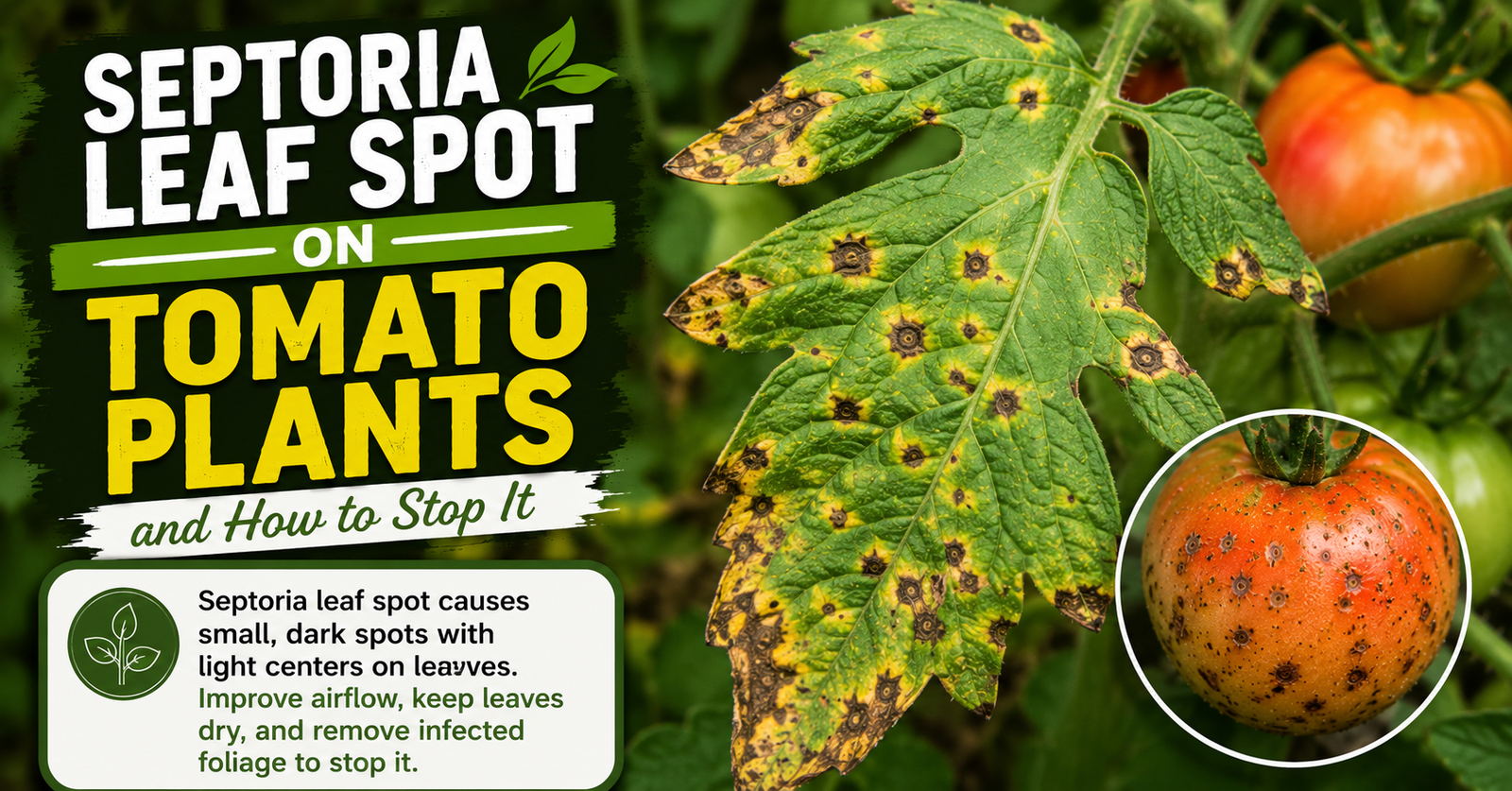
Septoria Leaf Spot on Tomato Plants and How to Stop It
Tiny spotted leaves can spread fast. Here is how I identify Septoria leaf spot and protect my tomato plants before they weaken.
Tiny spotted leaves can spread fast. Here is how I identify Septoria leaf spot and protect my tomato plants before they weaken.
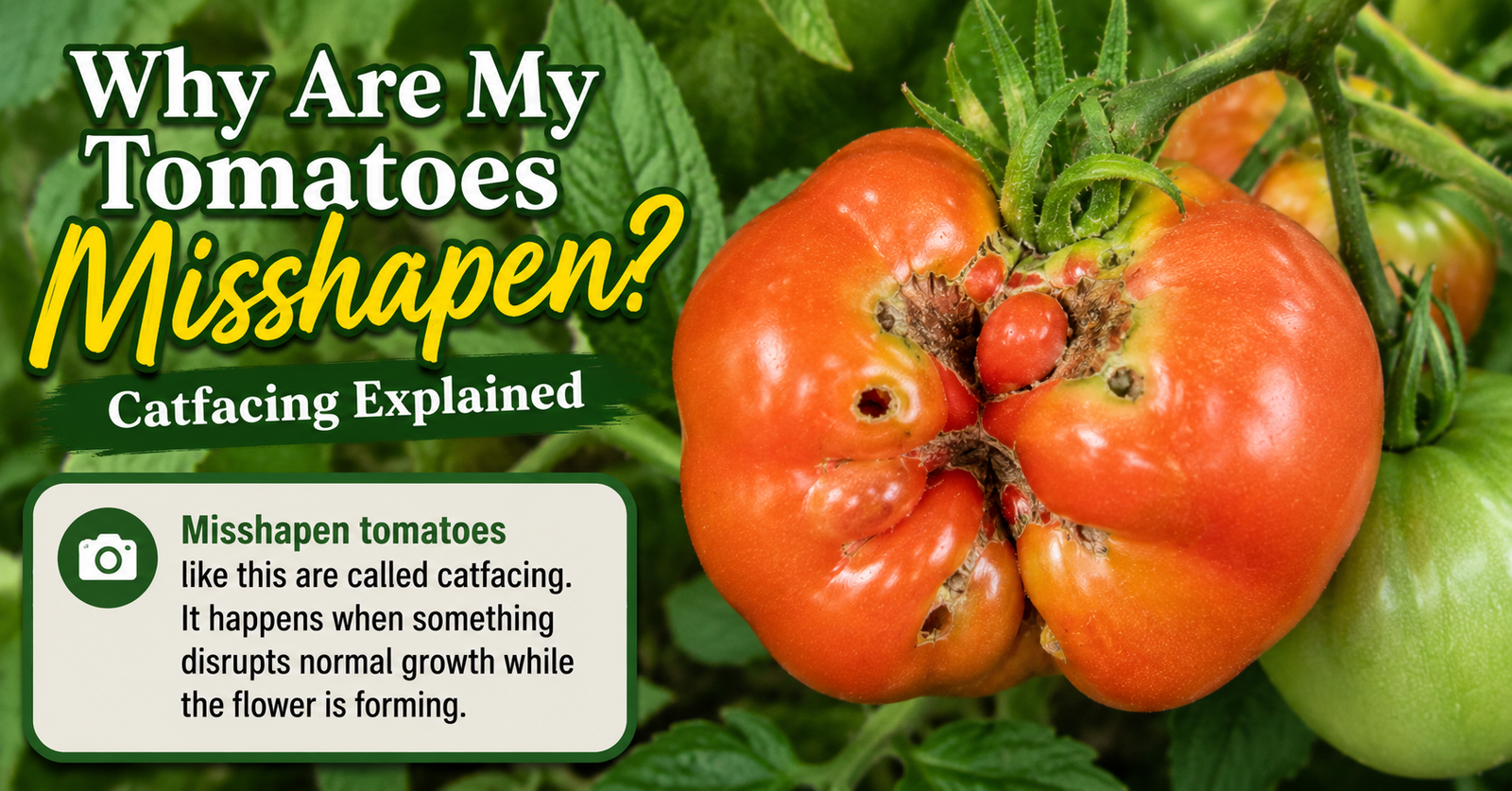
That wildly twisted tomato is telling a story. See what causes catfacing, whether it is safe to eat and how to prevent more.
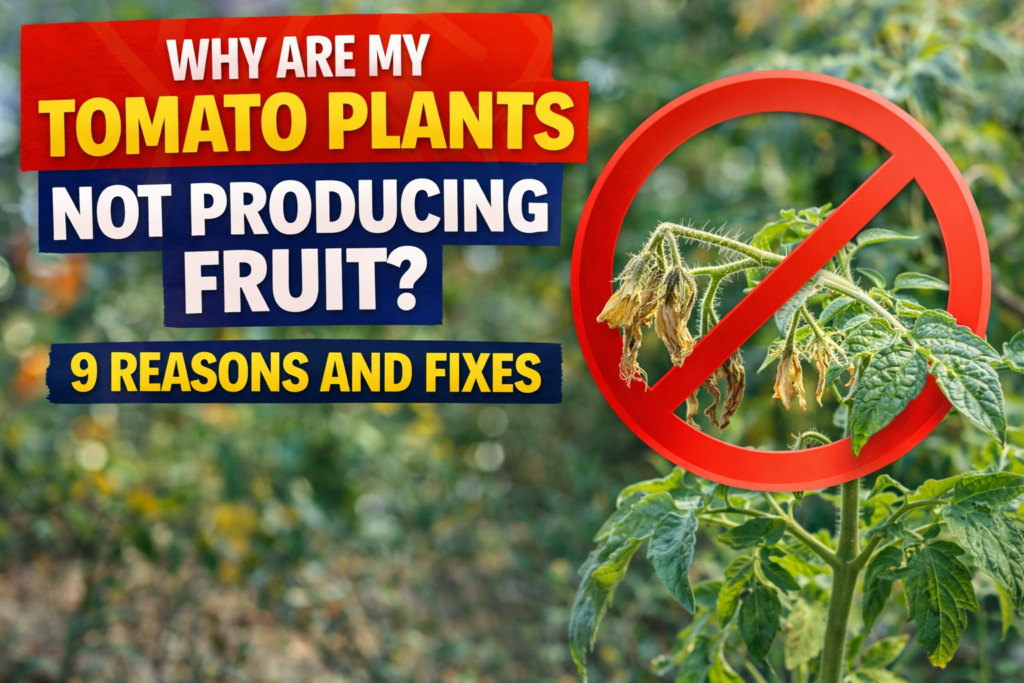
Tomato plants flowering but no fruit? Here are the 9 most common reasons tomato plants stop producing — and exactly what to do about each one.
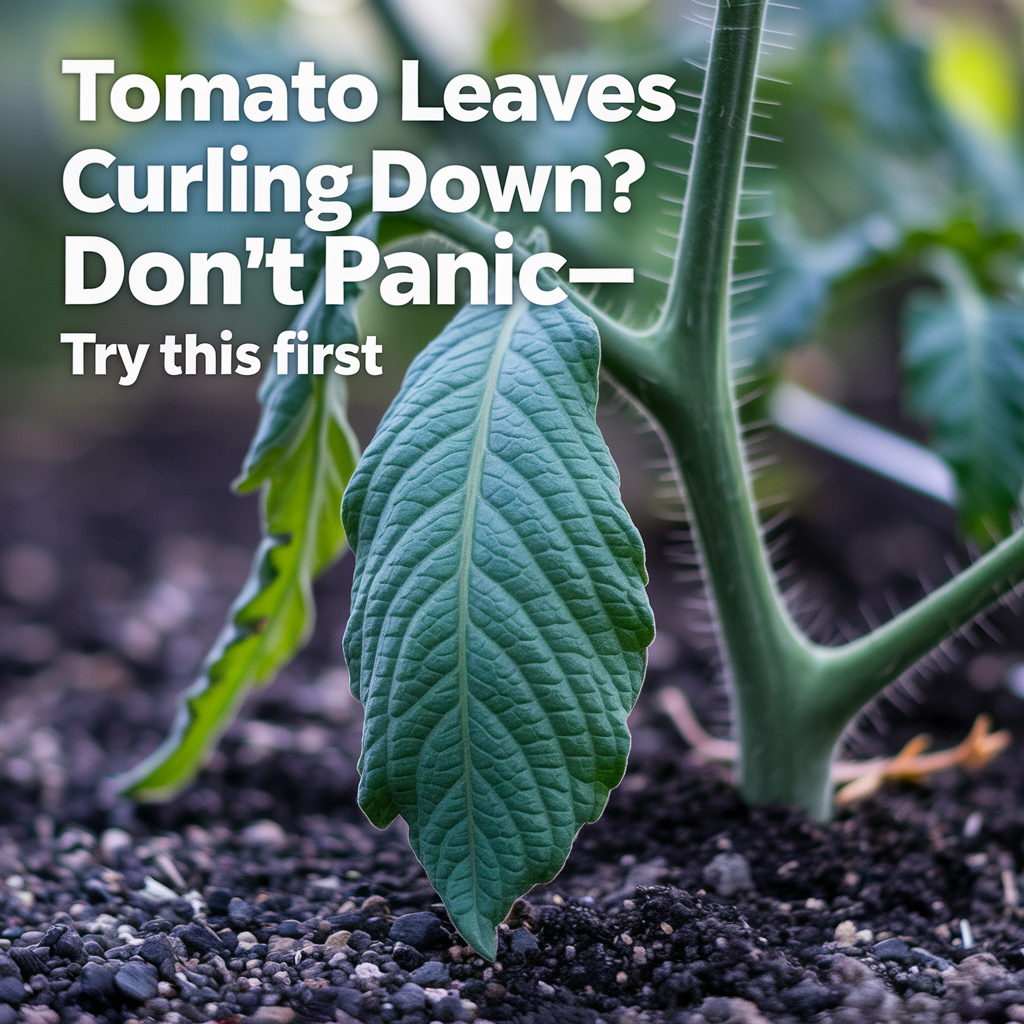
A little downward curl on a hot afternoon is usually a tomato protecting itself, not a crisis. Check the soil before reaching for the hose, then look for pests, excess nitrogen, twisted new growth, or leaves that stay curled after sunset.
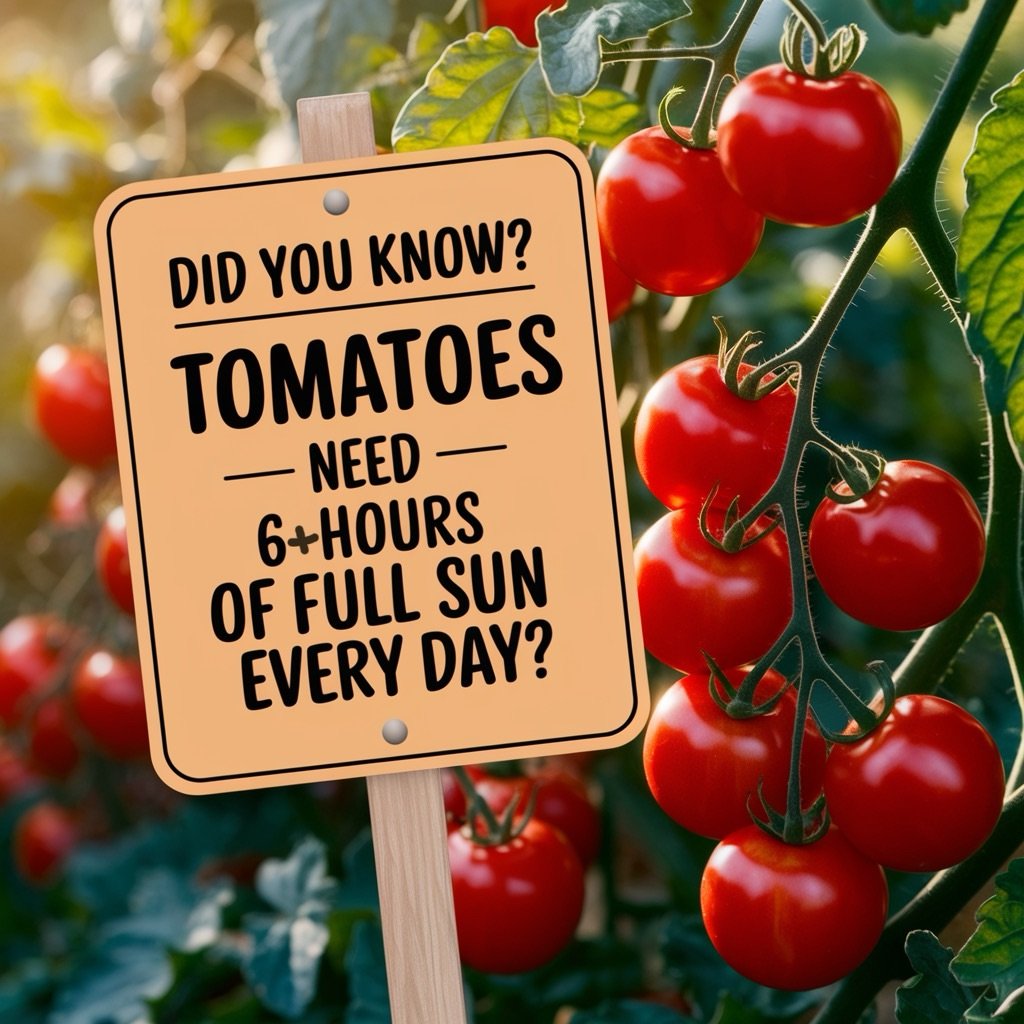
Six hours of daily sun is the minimum for tomatoes to build healthy, thick stems and produce plenty of good fruit. That makes the planting spot a crop decision, not a minor detail.
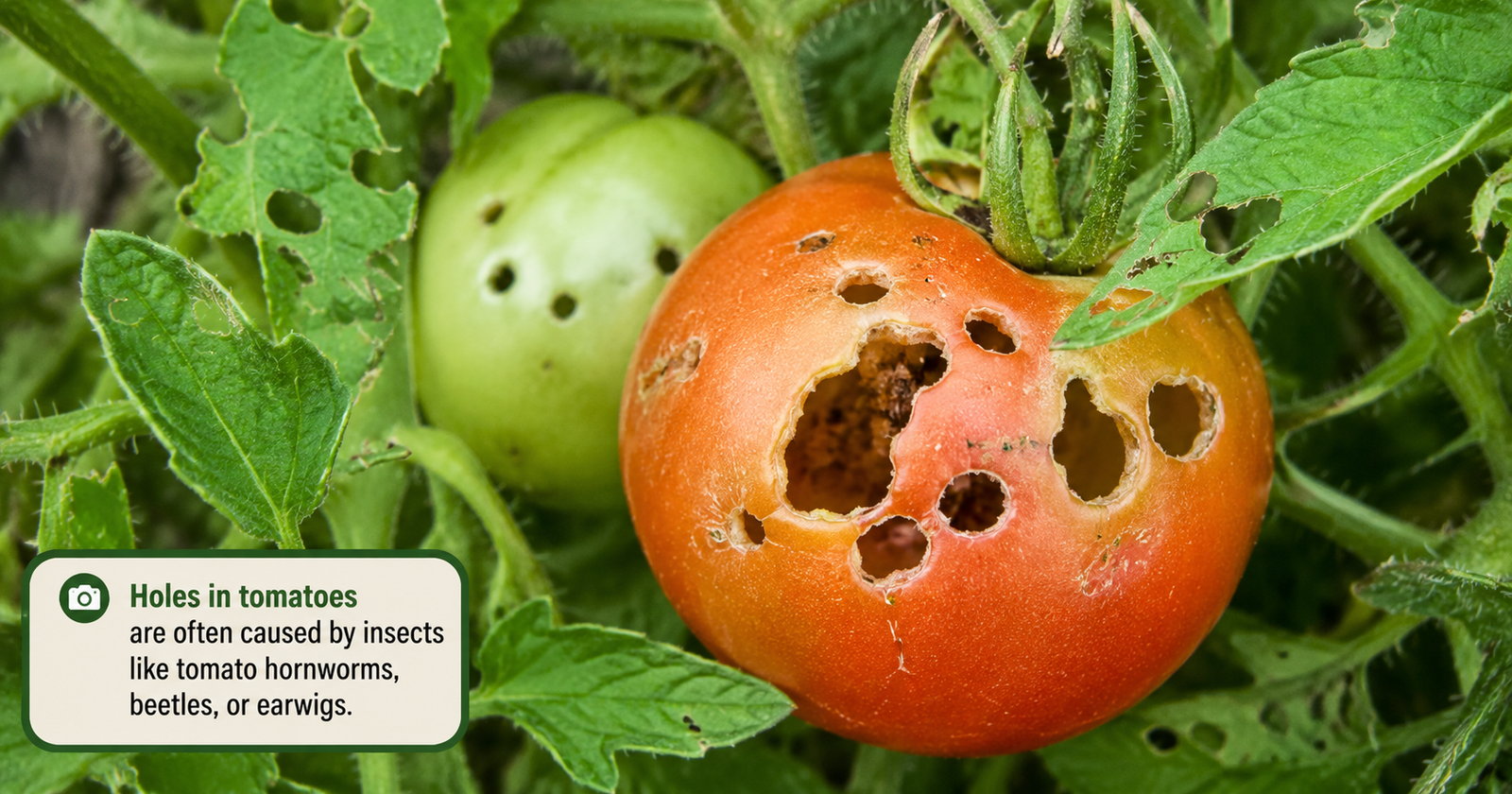
Something is biting your tomatoes while you sleep. Match the holes, tracks and clues to the culprit before it ruins another one.

A small pot can leave a full-size tomato plant sulking, drying out and producing only a few sad fruits. Match the container to the variety, with at least 5 gallons for bush types and 10 gallons or more for vining tomatoes.

Picking tomatoes whenever you happen to be in the garden may be costing you flavor. The time of day you harvest can make a noticeable difference to how good they taste.

One bite of tomato leaf probably won’t hurt a goat, but half a plant, green fruit, or even wilted vines can mean trouble. Learn which parts contain more tomatine, which symptoms demand a vet call, and how to keep determined goats out of the garden.
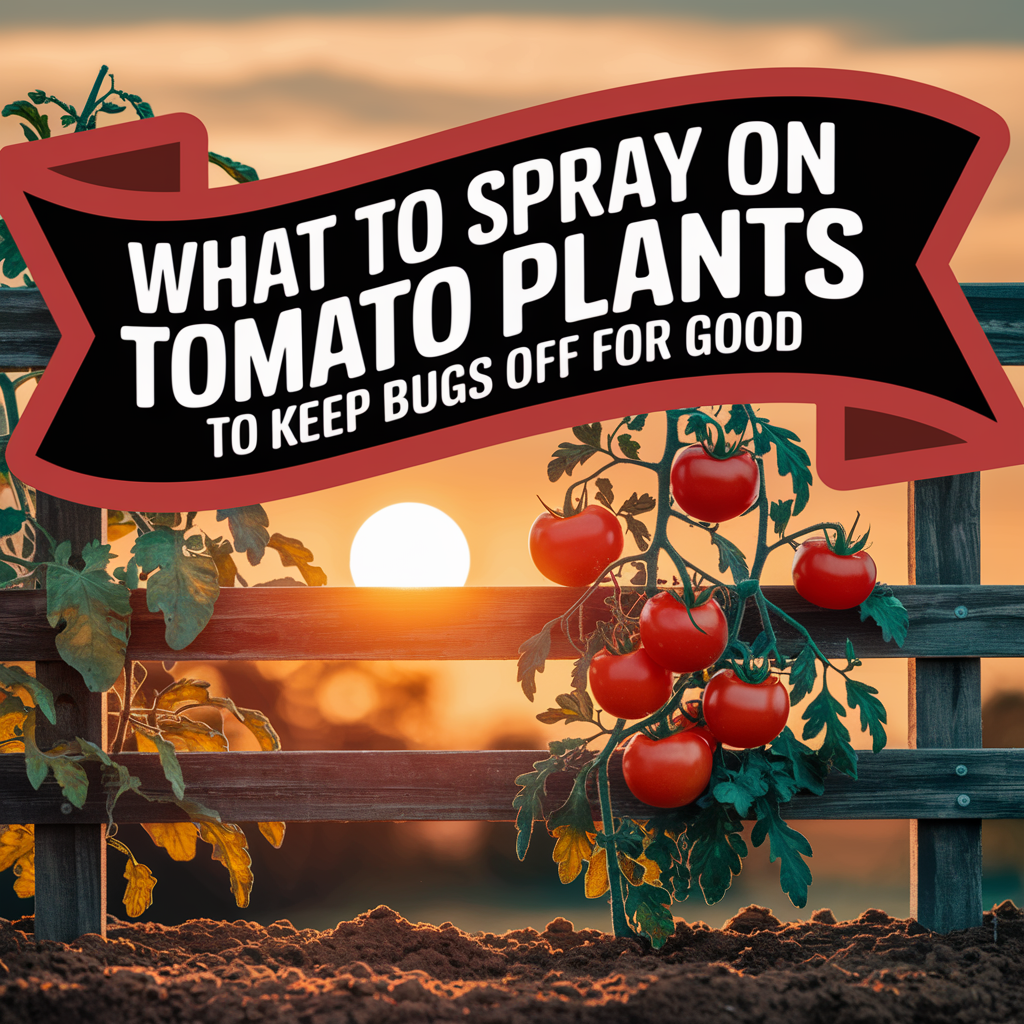
Hornworms can strip a tomato plant overnight, while aphids, whiteflies, and spider mites quietly weaken it. Learn when to spray, why morning is safer than midday, and how to choose an insect control product made for edible gardens.

A whole tomato can produce a new plant, but simply burying the fruit is not the only approach. This step-by-step guide compares the workable methods so you can choose the easiest route for your garden.
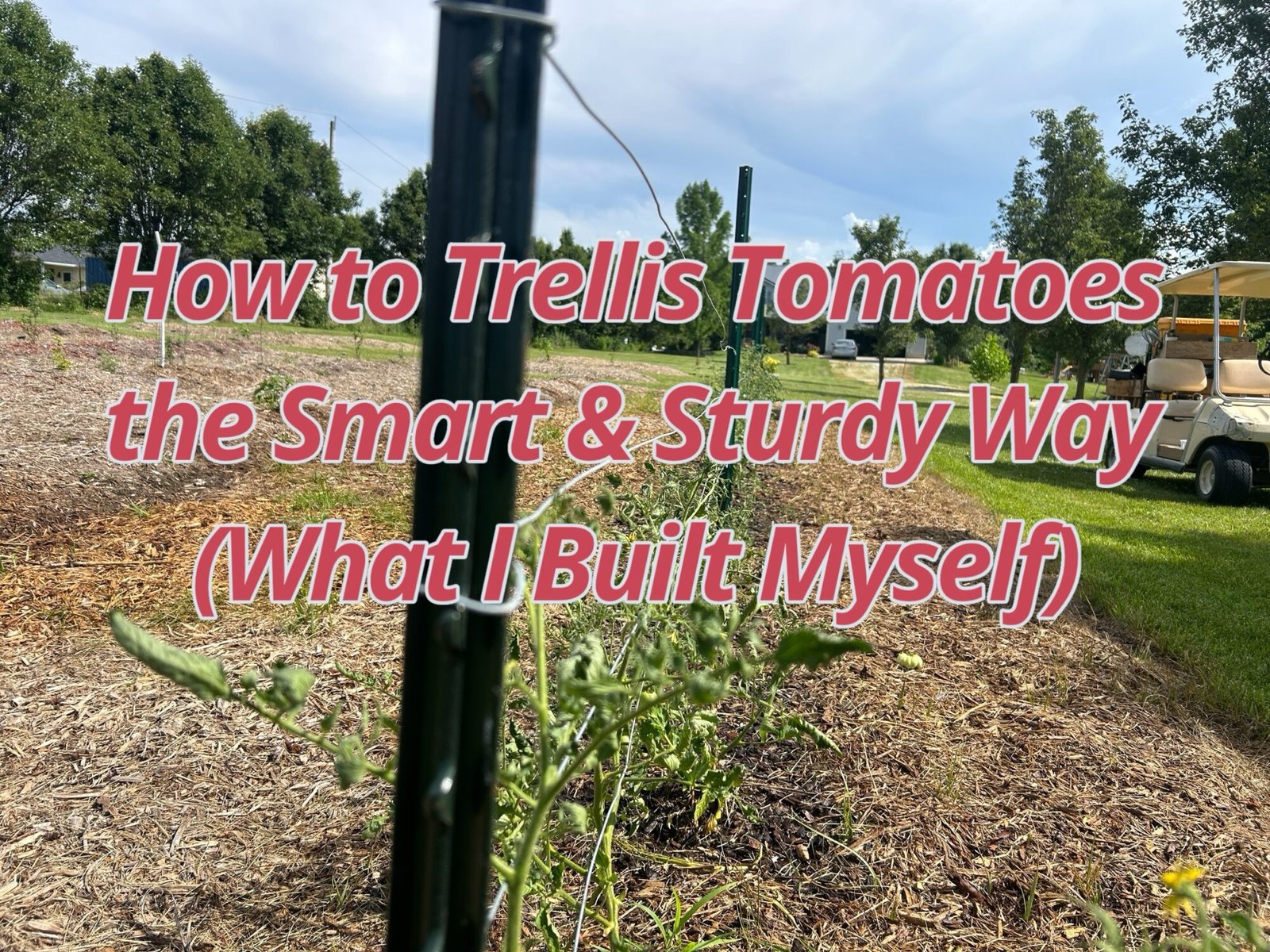
A wire trellis can support more than 20 tomato plants without the bending, constant tying, or midseason sagging that comes with cages and string. Use 6.5-foot T-posts, U-posts, and wire spaced 12, 18 inches apart, then weave the vines through as they grow.