A tomato can look completely normal one day and develop a strange white, yellow, or tan patch soon afterward. The damaged area usually appears on the side facing the strongest sunlight, especially when fruit suddenly loses the protection of healthy leaves. Punctures or pale cloudy tissue beneath the skin point toward stink bug feeding signs instead.
This problem is called sunscald. It develops when intense sunlight and heat damage the tomato’s skin and the tissue immediately underneath it.
Sunscald is not contagious, and a small dry patch does not automatically ruin the entire tomato. However, damaged tissue can eventually crack, soften, grow mold, and begin rotting. Recognizing the early signs gives you a chance to harvest affected fruit and protect the tomatoes that are still healthy.
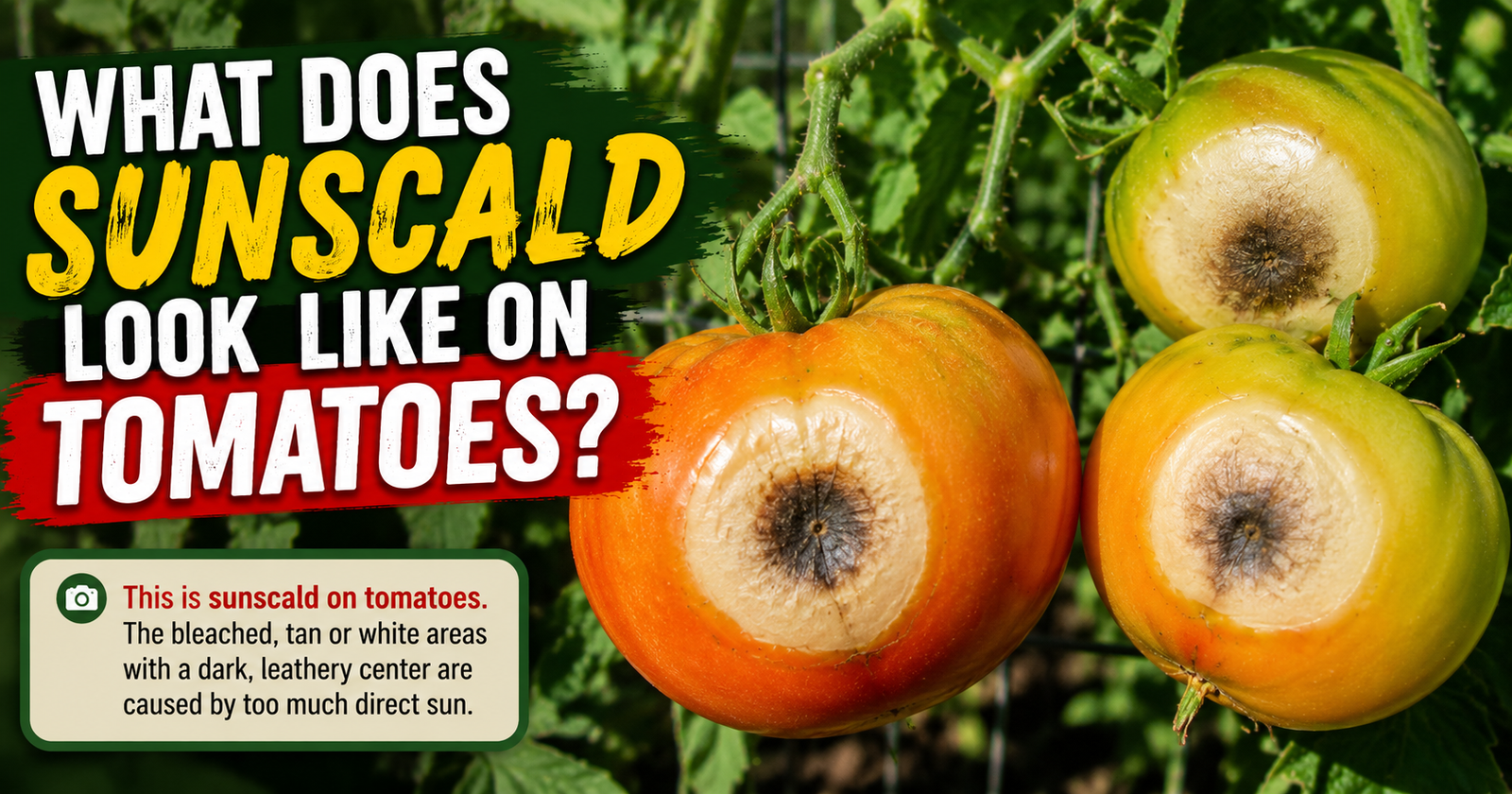
What Does Sunscald Look Like on Tomatoes?
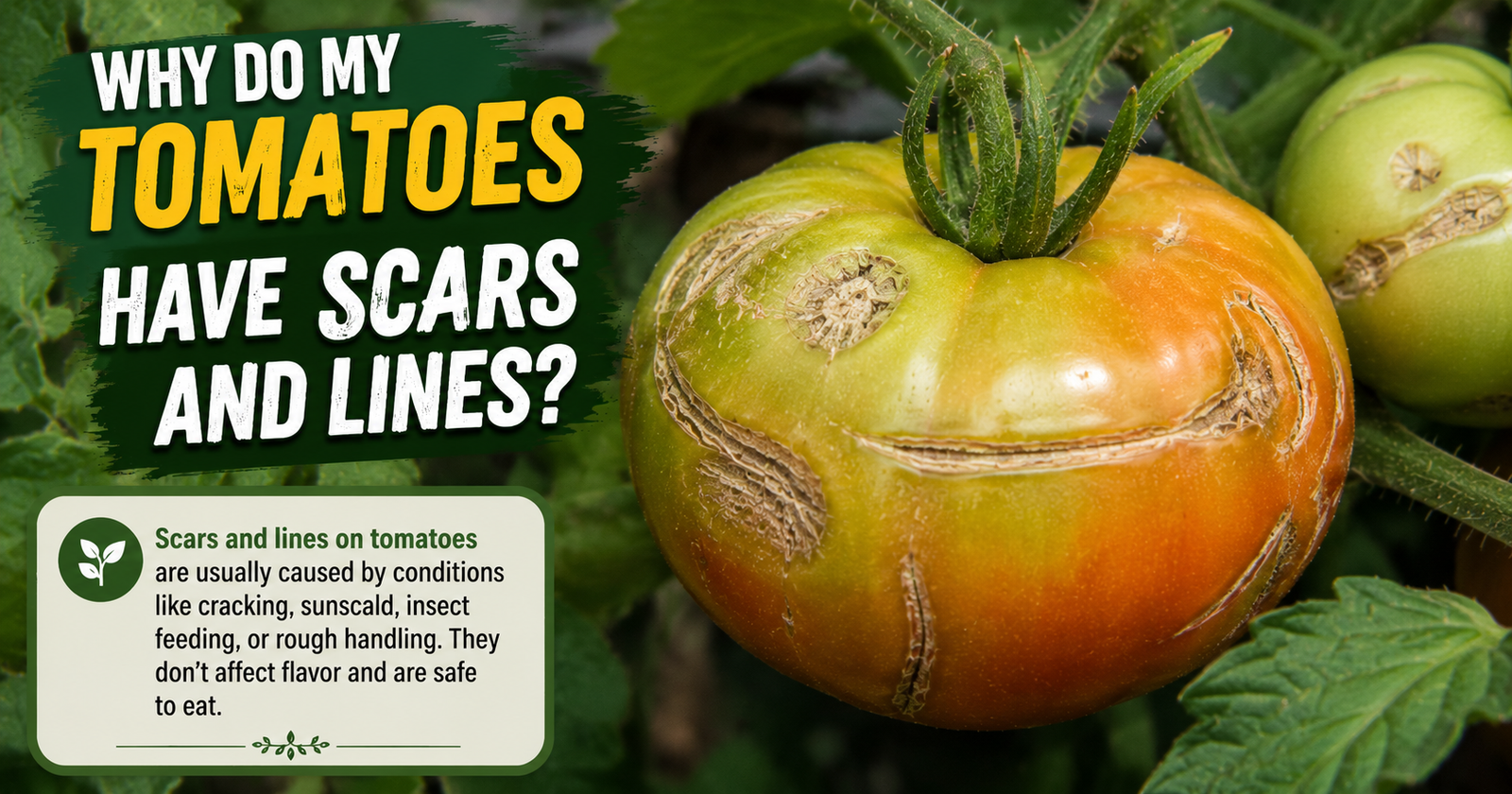
Sunscald usually looks like a pale white, cream, yellow, or tan patch on the side of a tomato exposed to direct sunlight. The damaged area may appear bleached, shiny, papery, blistered, sunken, or leathery.
Early sunscald commonly begins as a faded patch that looks noticeably lighter than the surrounding skin. As the injury becomes more severe, the tissue may turn tan, gray, brown, or almost white.
Advanced sunscald can develop cracks and dark secondary rot. Black mold may grow after the damaged skin loses its ability to protect the tomato.
The location is an important clue. Sunscald usually appears on the upper or exposed side of the fruit rather than directly on the bottom.
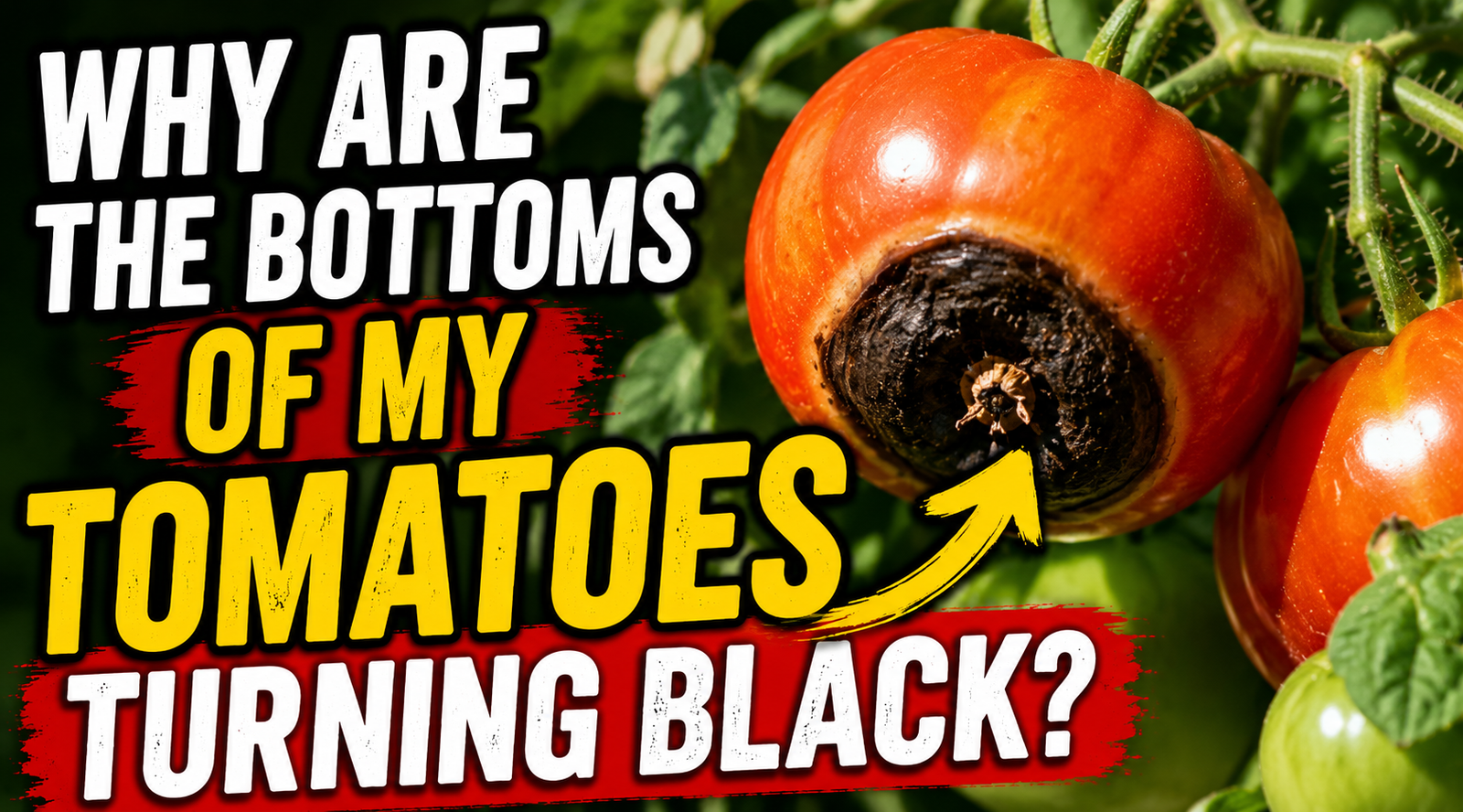
If the damage appears on the blossom end opposite the stem, it may be blossom end rot causing the black tomato bottomrather than sunscald.
Early Signs of Sunscald on Tomatoes
Early sunscald can be easy to miss. The tomato may show a small faded patch without any cracking or softness.
On green tomatoes, the spot often appears white, pale yellow, or yellowish green. It may look as if the normal green color has been bleached away.
On ripening tomatoes, the damaged area may remain yellow or cream while the surrounding skin turns red, orange, pink, purple, or another mature color.
The surface initially feels smooth and firm. It may be slightly shiny or unusually flat compared with the rest of the tomato.
At this stage, the damage is often limited. The tomato may continue ripening, but the affected tissue will not regain its normal color or texture.
What Advanced Tomato Sunscald Looks Like
Severe sunscald looks more dramatic. The pale patch becomes dry, thin, papery, wrinkled, or sunken.
The tomato skin may crack over the damaged tissue. Once the protective surface opens, moisture and microorganisms can enter.
The affected area may eventually turn brown or black. Mold can develop, especially during warm, humid weather.
At that point, it can be difficult to tell where the original sunscald ends and secondary decay begins. A tomato with soft, wet, moldy, or foul-smelling tissue should be discarded.
What Causes Sunscald on Tomatoes?
Sunscald develops when fruit receives more direct sunlight and heat than its tissue can tolerate.
Tomato leaves normally form a protective canopy over the fruit. The plant still receives the sunlight it needs, but the leaves reduce the amount of intense radiation striking individual tomatoes.
Problems begin when fruit that developed in shade suddenly becomes exposed. The tomato has not adapted to that abrupt increase in light and temperature. A comparable example of this exposure-related damage appears in how fruit sunscald develops.
Common triggers include:
- Removing too many healthy leaves
- Leaf loss caused by fungal or bacterial disease
- Hornworms or other insects stripping foliage
- Branches breaking during storms
- Vines sliding off a cage or trellis
- Plants wilting and leaves curling away from fruit
- Tomatoes growing outside the leaf canopy
- Extreme heat combined with strong afternoon sunlight
Sunscald can happen on perfectly healthy plants, but sudden foliage loss greatly increases the risk.

Is Sunscald the Same as a Tomato Getting Too Much Sun?
Sunscald is direct tissue injury caused by intense light and heat, but that does not mean the entire plant should be moved into deep shade.
Tomato plants need substantial sunlight to grow, flower, and produce flavorful fruit. The leaves use that light to create the energy that supports the crop.
The important difference is between sunlight reaching the plant and intense sunlight striking exposed fruit.

A healthy canopy allows the plant to receive strong light while providing partial shade to the tomatoes underneath. My guide explaining how much sun tomato plants need covers why the best location provides abundant light without unnecessary stress.
Why Green Tomatoes Get Sunscald
Green tomatoes are particularly vulnerable because they may remain on the plant for weeks while receiving intense summer sunlight.
A tomato that was previously shaded can develop a pale patch quickly after leaves are removed or a branch shifts position.
Green fruit also absorbs heat. On a hot sunny day, the surface temperature of an exposed tomato can become considerably warmer than the surrounding air.
The damaged portion may never ripen normally. The rest of the tomato can turn red while the sunscalded patch remains pale, tough, or yellow.
Can Ripe Tomatoes Get Sunscald?
Yes. Ripening and fully ripe tomatoes can develop sunscald, particularly when they are left exposed during extreme heat.
Ripe fruit is already softening, which makes damaged tissue more likely to break down quickly. A pale patch may become wrinkled, cracked, or moldy before the rest of the tomato is harvested.
This is one reason I check plants frequently once fruit begins changing color. A mature tomato often gains little by remaining outside through several more days of intense heat.

Knowing the best time to pick tomatoes helps protect fruit from sun, pests, cracking, and sudden weather changes.
Why Pruning Can Cause Sunscald
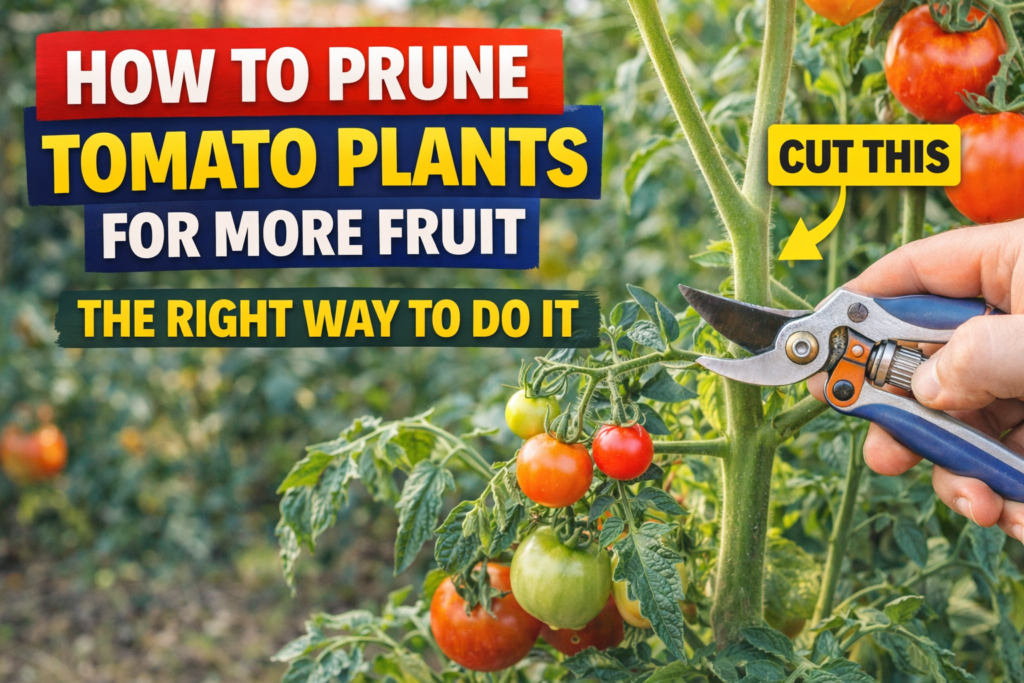
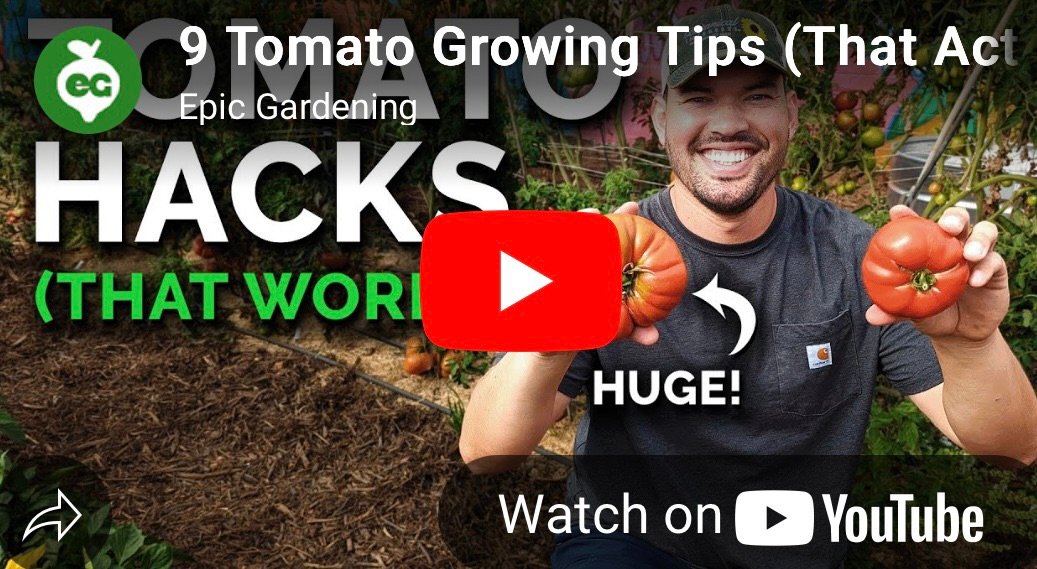
Pruning is not automatically harmful. Removing damaged leaves, suckers in selected situations, or overly crowded growth can improve airflow and make plants easier to manage.
The problem is aggressive pruning that exposes tomatoes all at once.
Leaves that appear unnecessary may be providing valuable shade. Once removed, fruit that developed under that canopy can receive hours of direct afternoon sunlight.
I avoid stripping away large amounts of healthy foliage during hot weather. If pruning is necessary, I make gradual changes and preserve leaves directly above clusters of fruit whenever possible.
Tomatoes do not need to be completely visible from every side to ripen. Fruit ripening is driven by maturity, temperature, and natural plant processes, not simply by sunlight striking the skin.
Can Tomato Leaves Block Too Much Sun?
A very dense plant can create airflow and disease problems, but shading individual tomatoes is generally beneficial.
Fruit does not need direct sunlight to turn red. A tomato can ripen beneath foliage or after being harvested at the proper mature stage.
Leaves are the plant’s energy-producing surface. Removing too many can reduce photosynthesis, expose fruit, and stress the plant.
I focus on balanced pruning. I remove foliage that is diseased, touching wet soil, badly damaged, or creating serious crowding. I do not remove healthy leaves simply because they cover a tomato.
Leaf Diseases Can Lead to Sunscald
Tomato plants may lose their protective canopy because of early blight, Septoria leaf spot, bacterial diseases, or other foliage problems.
Damage often begins on lower leaves and moves upward. As leaves yellow, develop spots, and fall, clusters that were once shaded become exposed.
The sunscald may be the most visible fruit symptom, but the underlying issue is the loss of foliage.
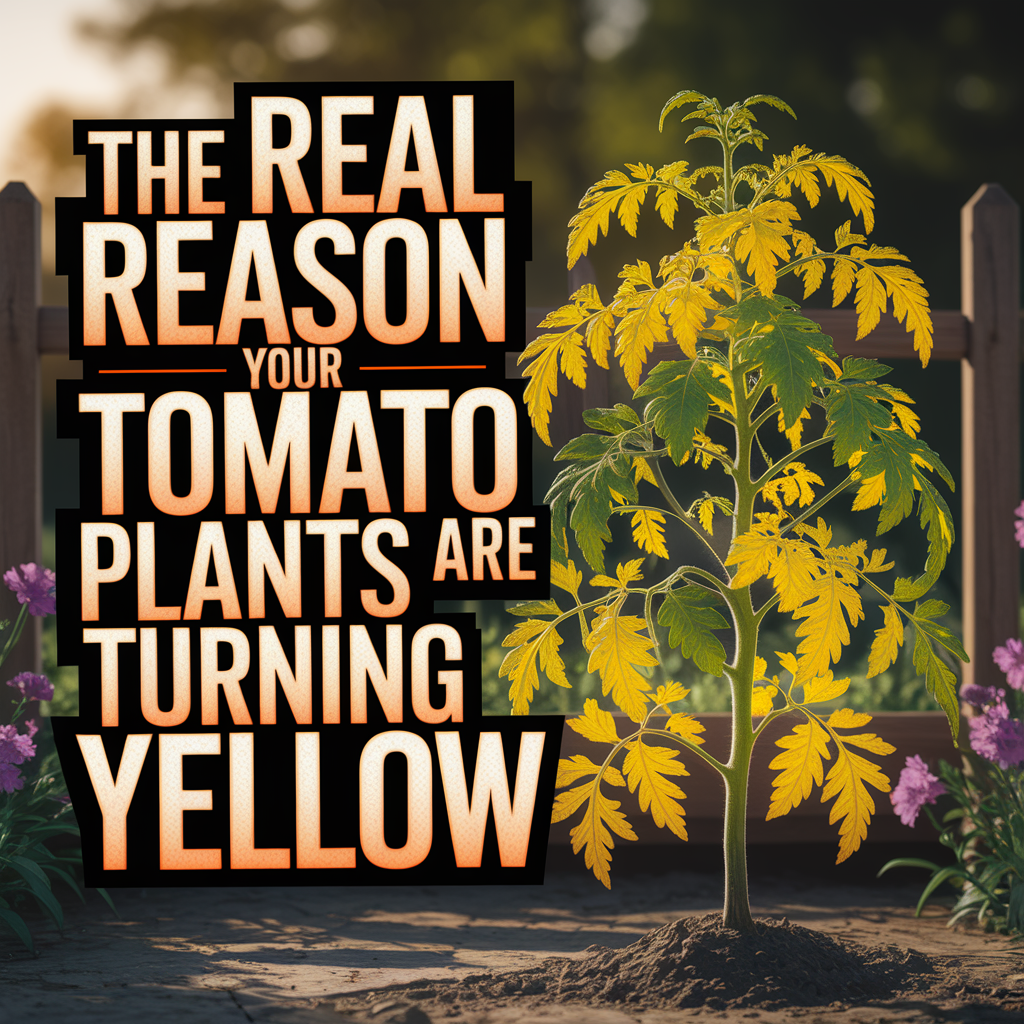
If leaves are changing color throughout the plant, my guide to why tomato leaves turn yellow can help identify watering, nutrition, disease, and root-related causes.
Protecting healthy foliage is one of the best ways to protect fruit from sun injury.
Hornworms Can Expose Tomatoes to Sun
A large tomato hornworm can remove an astonishing amount of foliage in a short time.
The damage may begin near the top of the plant, where tender leaves and fruit receive intense sunlight. By the time the caterpillar is found, entire stems can be bare.
The fruit left behind suddenly has no shade. Even if the hornworm never bites a tomato, its leaf feeding can indirectly cause sunscald.
I inspect plants for missing leaves, dark droppings, and bare stems. The guide showing how I get rid of tomato hornworms explains how to locate these well-camouflaged pests before they strip the plant.
Can Leaf Curl Expose Tomatoes to Sun?
Leaves that curl upward or inward may provide less shade than normal. Severe curling can expose fruit that was previously protected.
Leaf curl can result from heat, wind, inconsistent moisture, root stress, herbicide injury, disease, or the plant’s natural response to difficult conditions.
Mild physiological leaf curl does not always mean the plant is dying, but it can change how sunlight reaches the fruit.
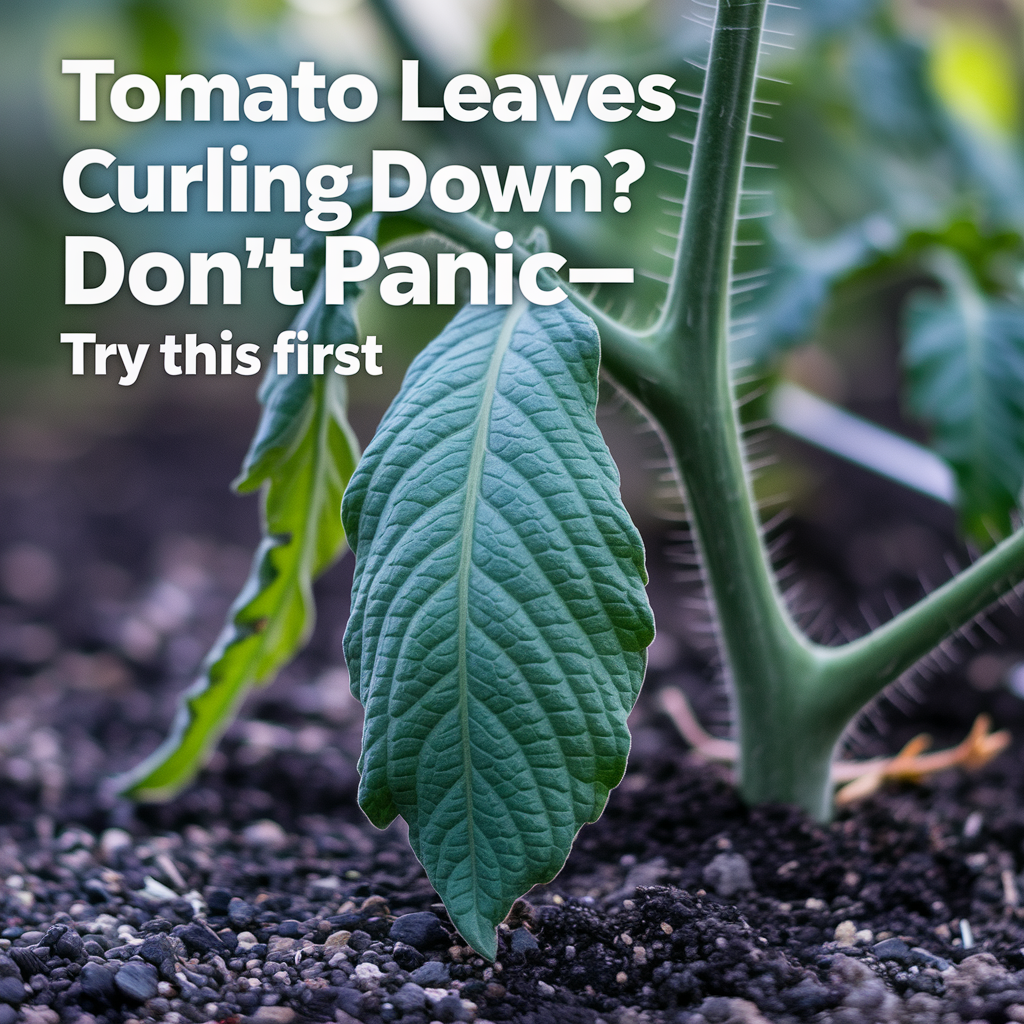
When leaves are curling, I look at the entire plant and its recent growing conditions. My guide to tomato leaves curling downward explains how water, roots, and stress can affect leaf position.
Can a Broken Tomato Branch Cause Sunscald?
Yes. A branch that bends, breaks, or falls from its support can suddenly rotate fruit into direct sunlight.
This often happens after strong wind, heavy rain, or when clusters become too heavy for unsupported vines.
A tomato may have spent most of its development facing inward beneath foliage. Once the branch shifts, the unprotected side can receive the strongest afternoon sun.
I support plants before they become heavy. A sturdy cage or trellis prevents branches from collapsing and keeps the leaf canopy positioned around developing fruit. For plants that need structured support, adjustable cages for tomato plants may help keep branches and protective foliage in position.
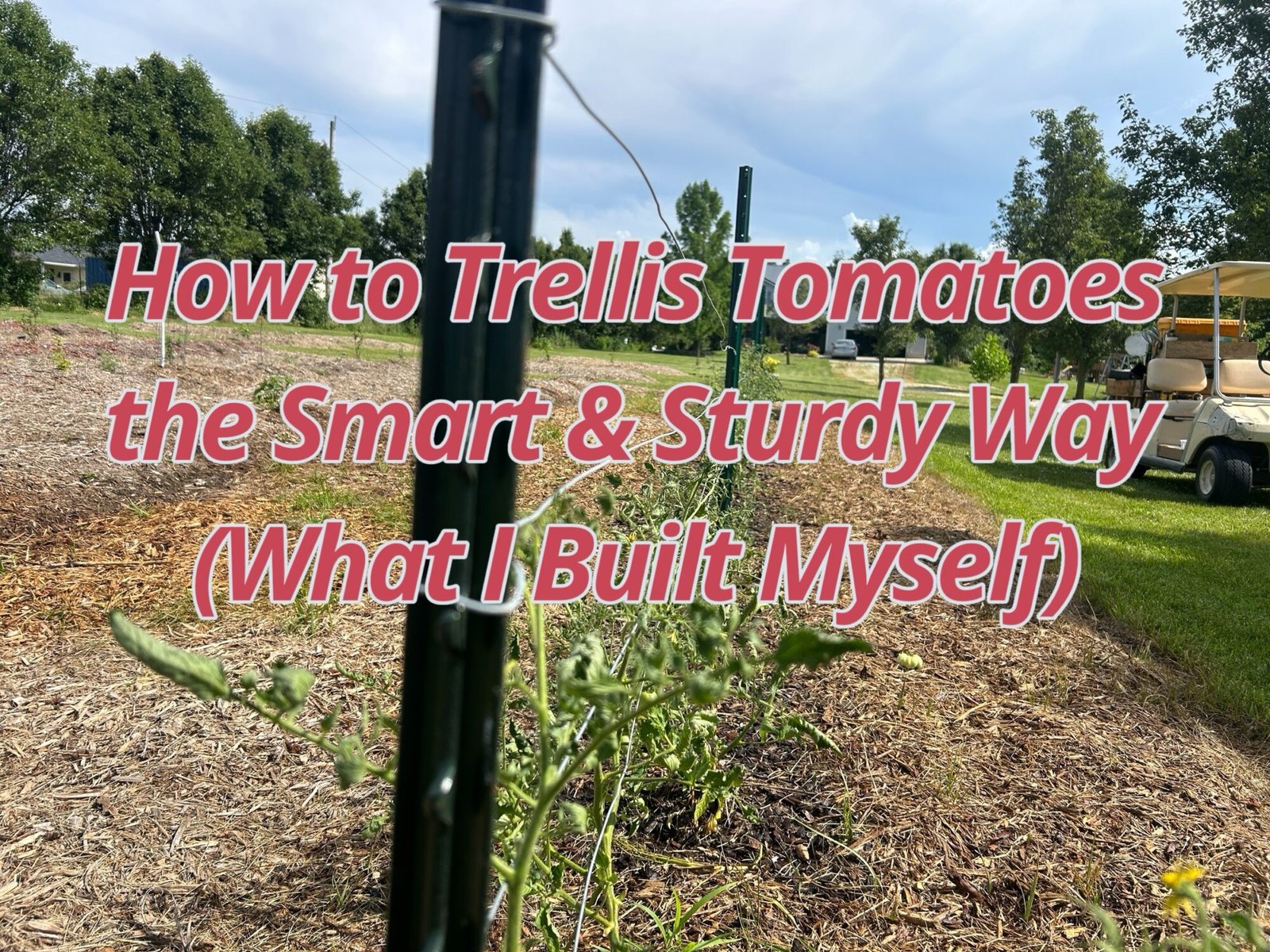
My homemade approach to building a sturdy tomato trellis is designed to support vines without leaving heavy fruit clusters on the ground.
Can Heat Alone Cause Sunscald?
Heat and sunlight usually work together.
A tomato shaded by healthy leaves can tolerate high air temperatures better than fruit sitting directly in the sun. Direct radiation heats the fruit surface beyond the surrounding air temperature.
Heat also causes the plant to lose water faster. If the roots cannot keep up, leaves may wilt or curl, exposing tomatoes even further.
Extremely hot weather can slow ripening as well. Tomatoes may remain on the plant longer while their exposed surfaces continue receiving intense sunlight.
What Is the Difference Between Sunscald and Blossom End Rot?
Sunscald and blossom end rot differ in both location and appearance.
Sunscald generally appears on the upper or exposed side of the fruit. It begins as a pale, bleached, yellow, or white patch.
Blossom end rot develops at the bottom opposite the stem. It commonly becomes brown, black, sunken, and leathery.
Sunscald is caused by excessive direct light and heat. Blossom end rot develops when calcium does not reach the growing fruit consistently, often because of uneven moisture or root stress.
Both conditions can later develop secondary decay, making advanced damage harder to identify.
Sunscald Versus Stink Bug Damage
Stink bug feeding can create cloudy yellow or white spots that resemble early sunscald.
Sunscald usually forms one larger patch on the exposed side of the tomato. The surface may look bleached and eventually become papery.
Stink bug injury often appears as several smaller cloudy spots. A tiny puncture may be visible in the center, and the tissue beneath the skin may feel firm or appear white when the tomato is cut.
The location can help, but it is not always decisive. Stink bugs can feed anywhere they can reach, while sunscald corresponds more closely with direct sun exposure.
Sunscald Versus Uneven Ripening
Uneven ripening can leave green, yellow, orange, or pale areas on an otherwise ripe tomato.
These color differences are not always caused by direct sun injury. Heat, nutrition, pests, variety, and internal ripening disorders may produce blotchy color without creating dead tissue.
Sunscald is more likely to have a distinct bleached patch that eventually becomes dry, thin, papery, or sunken.
An unevenly ripened area may remain firm and normally textured even though its color differs from the rest of the fruit.
Sunscald Versus a Fungal Spot
Fungal fruit spots are often circular, sunken, dark, or marked by concentric rings. Some begin as small water-soaked areas and grow during wet weather.
Sunscald normally begins as one pale patch on the sun-facing side. It is connected to light exposure rather than rain splash or infection.
Secondary fungi can colonize sunscalded tissue, however. Once a damaged pale patch becomes moldy or black, identifying the original cause can be difficult.
That is why I inspect pale areas early instead of waiting for the tomato to rot.
Can You Eat a Tomato With Sunscald?
A tomato with a small, dry sunscald patch may be usable if the rest of the fruit is firm, fresh, and free from decay.
I wash the tomato, cut generously around the damaged tissue, and inspect the flesh underneath. The portion I keep must look and smell normal.
The pale area can have an unpleasant texture or flavor even before it begins rotting. Removing it usually produces a better result.
I use a sunscalded tomato promptly rather than storing it. Damaged skin provides less protection and may deteriorate faster than healthy fruit.
When I Throw a Sunscalded Tomato Away
I discard the tomato if the damaged area has developed active decay.
Warning signs include:
- Fuzzy mold
- Soft or collapsing tissue
- A wet or slimy surface
- Deep cracks through the damaged patch
- Black decay extending inside the tomato
- A sour or fermented smell
- Insects living in the damaged area
- Discoloration spreading far beyond the original patch
Sunscald itself is a physical injury, but mold and bacteria can take advantage of it. Cutting away a small dry patch is very different from trying to save fruit that has started decomposing.
Will a Sunscalded Tomato Continue Ripening?
The undamaged portion may continue changing color, but the injured tissue will not become normal again.
A pale patch may remain yellow, white, or tan while the rest of the tomato ripens. The affected area can also become tougher or more sunken over time.
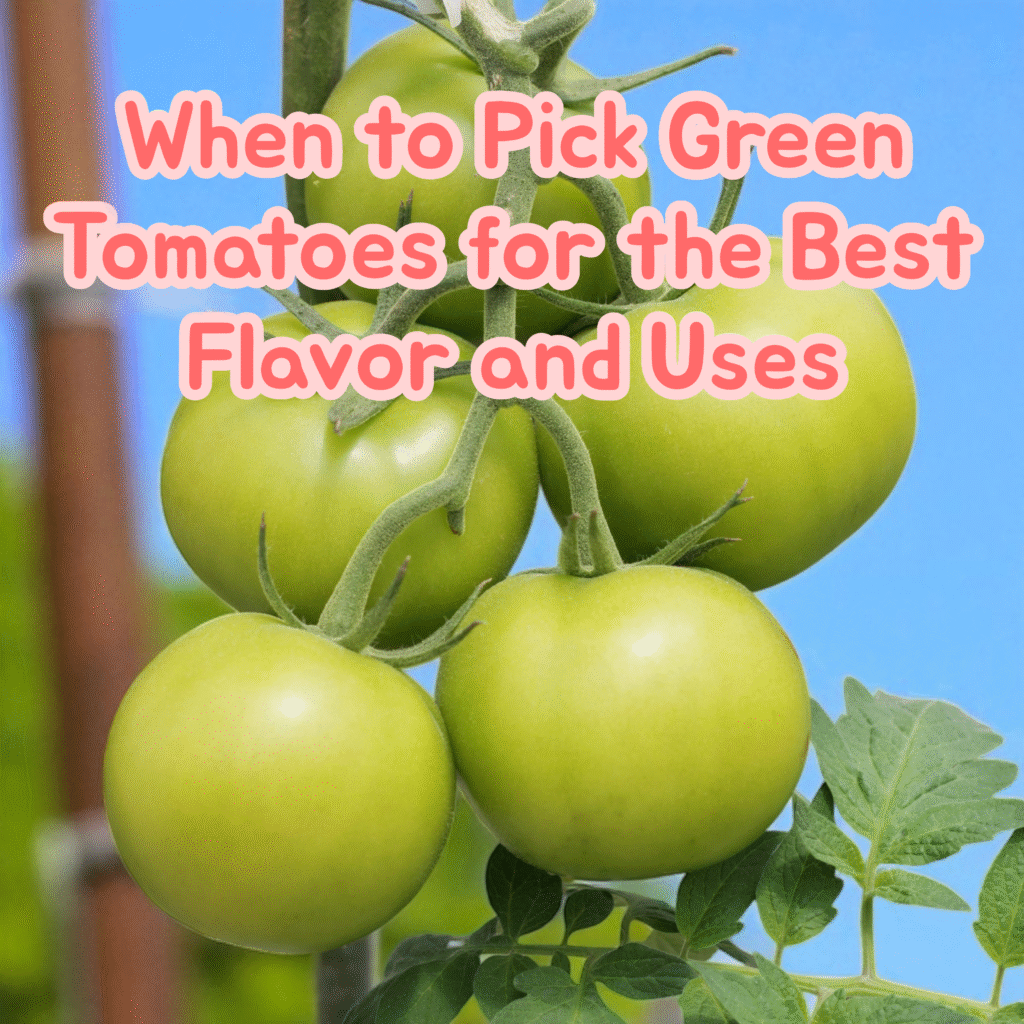
If the tomato has reached a mature stage, I usually harvest it and allow it to finish indoors. That prevents additional sun exposure and gives me a chance to watch for decay. The focus article compares practical ways to ripen green tomatoes after finish indoors.
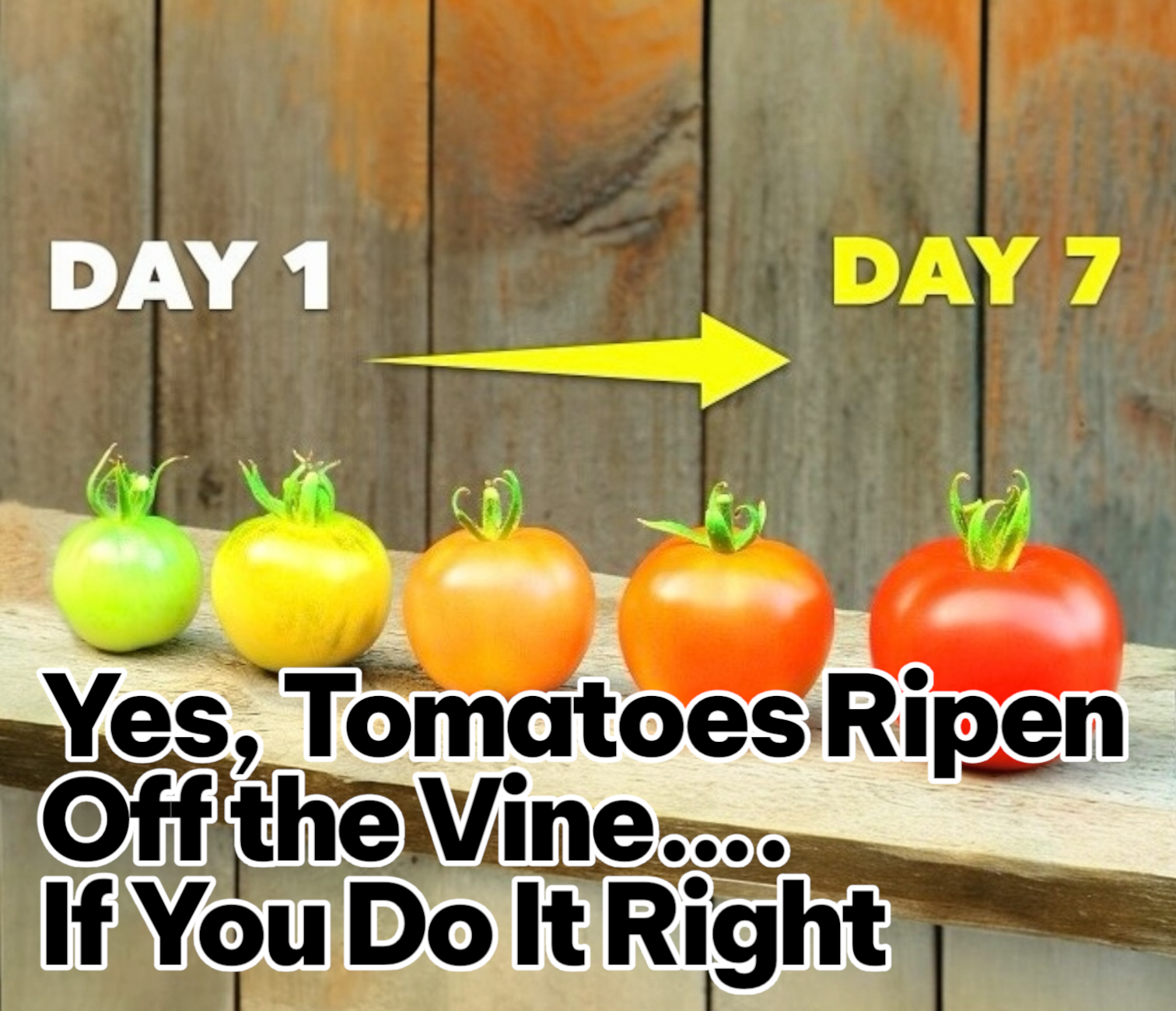
Mature tomatoes can ripen successfully off the vine without sitting in direct sunlight.
Should I Remove Sunscalded Tomatoes?
I remove fruit with severe damage, especially when the affected area is cracking, softening, or growing mold.
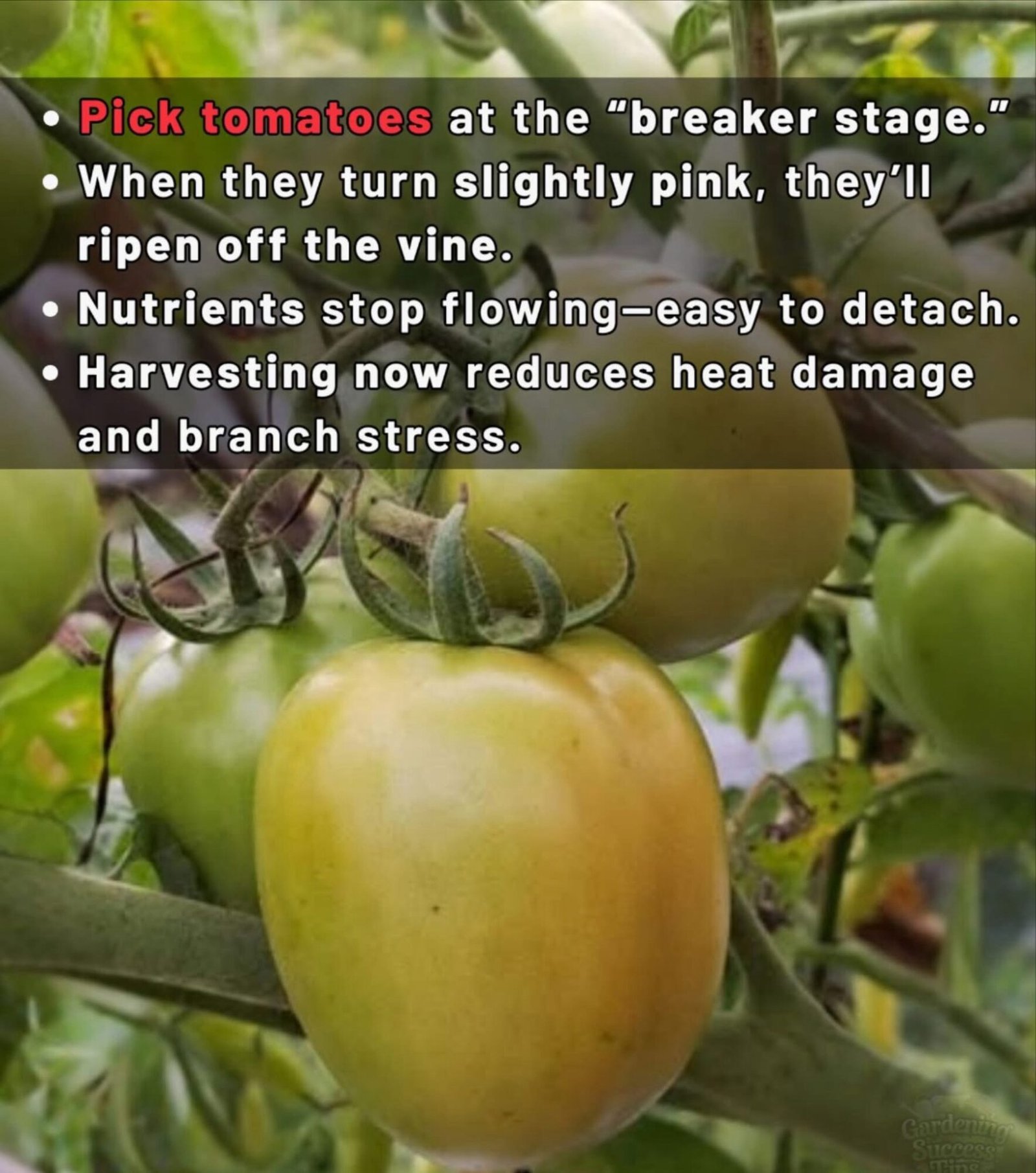
A tomato with a small dry patch can remain temporarily if it is still immature, but I check it often. If it has begun changing color, harvesting is usually the better choice. For a practical way to judge that color change, use this breaker stage tomato guide.
Removing badly damaged fruit also makes it easier to monitor the healthy crop and reduces decaying material around the plant.
Can Sunscald Spread to Other Tomatoes?
No. Sunscald is not contagious.
Several tomatoes may develop it at the same time because they share the same exposure. If a branch breaks or leaves are removed, an entire cluster can suddenly receive intense sunlight.
The damage may appear to spread through the plant, but each fruit is being injured independently by the same conditions.
How I Prevent Sunscald on Tomatoes
Preventing sunscald is mainly about protecting the leaf canopy and avoiding sudden exposure.
I Keep Enough Healthy Foliage
I remove diseased or badly damaged leaves, but I preserve healthy foliage around fruit clusters.
I Prune Gradually
If a plant needs thinning, I avoid removing a large amount during hot, sunny weather. Gradual pruning gives fruit more time to adjust.
I Control Leaf-Eating Pests
I inspect plants for hornworms and other insects before they strip entire branches.
I Support Heavy Vines
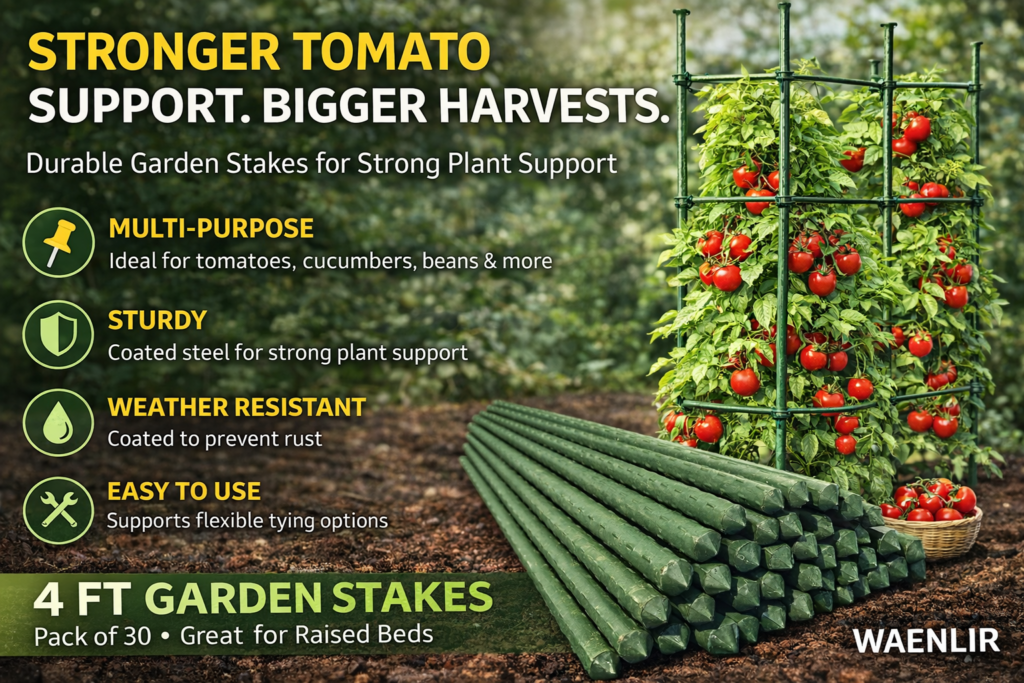
Strong cages, stakes, or trellises keep branches upright and prevent tomatoes from rotating into full sun. Where a stake is the better fit, sturdy tomato support stakes can provide another way to keep fruit-bearing branches upright.
I Water Consistently
Well-hydrated plants are better able to maintain their leaf canopy. Severe wilting can pull leaves away from the fruit.
I Manage Leaf Diseases Early
I remove affected lower leaves when appropriate, improve airflow, water near the soil, and use treatments labeled for the diagnosed problem.
I Harvest Mature Fruit
Once tomatoes begin changing color, I do not leave them exposed through unnecessary days of extreme heat.
Should I Use Shade Cloth for Tomatoes?
Shade cloth can help during extreme heat or after sudden foliage loss.
I do not wrap the fruit or block all sunlight from the plant. Instead, I position shade cloth above or on the intense afternoon-sun side while maintaining airflow.
A moderate level of shade is usually enough to reduce surface temperature. Very dense material can reduce the light the plant needs and trap heat if installed poorly.
Temporary shade is especially useful when a storm breaks branches, disease removes foliage, or recently pruned plants face an intense heat wave.
Can I Cover Individual Tomatoes?
Individual fruit can be protected temporarily with breathable material, but anything touching the tomato must allow air movement.
Plastic bags are a poor choice because they trap heat and moisture. That can make the fruit hotter and encourage decay.
Paper or specialized fruit-protection bags may provide shade, but they must be secured loosely and checked regularly for moisture and insects.
In most cases, protecting the whole exposed side of the plant with properly positioned shade cloth is more practical than wrapping every tomato.
Should I Move Container Tomatoes Into Shade?
Container plants can be moved when they are small enough to handle safely.
I prefer a location that still receives strong morning light but offers some relief from the most intense late-afternoon sun during extreme heat.
I do not move a tomato from full sun into deep shade for the remainder of the season. A sudden major change can reduce growth and flowering.
Moving a container slightly or providing temporary afternoon protection is usually enough.
Does Watering Tomato Fruit Prevent Sunscald?
Spraying water directly on hot fruit is not a dependable sunscald treatment.
Water droplets do not provide lasting shade, and wetting foliage regularly can create conditions favorable to certain plant diseases.
I water the soil near the base so the roots can supply the plant. If fruit needs protection, I preserve foliage or use shade cloth rather than repeatedly spraying the tomatoes.
Can Sunscreen Be Used on Tomatoes?
Household sunscreen should not be applied to edible garden produce unless a product is specifically labeled for that agricultural use.
Some commercial crop protectants use materials such as kaolin clay to reduce sun and heat stress. These products must be labeled for the crop and applied according to their instructions.
For a home garden, maintaining foliage, supporting branches, harvesting mature fruit, and using temporary shade are usually simpler solutions.
Why Tomatoes Need Sun but Also Need Shade
This apparent contradiction confuses many gardeners.
The tomato plant needs sunlight. Its leaves capture that light and use it to produce energy.
The fruit does not need to bake in direct sun to ripen. It benefits from the filtered shade created by the plant’s leaves.
A healthy tomato canopy offers both. The upper leaves receive strong light while lower leaves and fruit remain partly protected.
More sun can support strong production when the plant has adequate water and healthy foliage, but the idea that more sunlight always means more tomatoes needs to be balanced against heat stress and exposed-fruit damage.
My Quick Sunscald Rescue Plan
When I find a pale tomato patch, I work through these steps:
- Confirm that the patch is on the sun-exposed side.
- Check whether leaves were recently pruned, broken, eaten, or lost to disease.
- Harvest fruit that has begun ripening.
- Remove tomatoes with soft, moldy, or extensive decay.
- Preserve the healthy foliage that remains.
- Support fallen or leaning branches.
- Provide temporary afternoon shade if several tomatoes are exposed.
- Inspect the plant for hornworms and leaf disease.
- Maintain consistent soil moisture.
- Watch healthy tomatoes for new pale patches.
The existing injury will not heal, but these changes can protect the rest of the crop.
Frequently Asked Questions
What color is tomato sunscald?
It commonly begins as a pale white, cream, yellow, or bleached-looking patch. Advanced damage may become tan, gray, brown, or black after the tissue dries or begins rotting.
Where does sunscald appear on a tomato?
It usually appears on the upper or side surface receiving the strongest direct sunlight. Damage on the bottom opposite the stem is more likely to be blossom end rot.
Can sunscald happen in one day?
A tomato can develop heat and light injury quickly after sudden exposure, especially during extreme summer weather. Visible symptoms may become more obvious over the following days.
Does sunscald mean my tomato plant gets too much sun?
It means the fruit received excessive direct exposure. The entire plant may still be growing in an appropriate sunny location, particularly if missing leaves caused the fruit to lose its natural shade.
Should I remove leaves so tomatoes can ripen?
No. Tomatoes do not need direct sunlight on their skin to ripen. Removing too many leaves increases the risk of sunscald and plant stress.
Can I eat tomatoes with white sunscald spots?
A small dry patch can usually be removed if the remainder is firm and fresh. Discard fruit with mold, softness, leaking tissue, an unpleasant smell, or deep decay.
Will sunscalded tomatoes turn red?
The healthy portion may ripen normally, but badly damaged tissue often remains pale, yellow, tan, or leathery.
Is tomato sunscald a disease?
No. It is a physical injury caused by intense sunlight and heat. Secondary fungi or bacteria may later invade the damaged area.
Does watering prevent sunscald?
Consistent watering helps the plant maintain healthy foliage, but water alone does not shade exposed fruit. Preserving leaves and providing temporary protection are more direct solutions.
Are green tomatoes more vulnerable to sunscald?
Green fruit is often exposed for a longer period and can develop noticeable bleached patches. Ripening tomatoes are also vulnerable, particularly when intense heat follows sudden foliage loss.
Can sunscalded tomatoes be composted?
Fruit affected only by sunscald can generally be composted. I avoid composting fruit with serious pest infestations or signs of a disease that may survive in a cool home compost pile.
How do I stop sunscald after pruning?
Preserve the remaining leaves, support branches, harvest mature fruit, and provide temporary afternoon shade. Existing damaged tissue will not recover, but healthy tomatoes can still be protected.
Written by Caleb Warren, a lifelong gardener who shares practical growing advice, honest troubleshooting, and lessons learned from real plants through Tomato Growing Tips.