Tomato plants can look remarkably healthy right before they start telling you that something has gone wrong. The leaves are dark green, the stems are pushing upward, and you feel pretty good about your gardening skills. Then the leaf edges turn brown, the foliage curls, and the flowers seem to disappear without leaving any tomatoes behind.
That combination often points to a feeding problem, particularly when it shows up soon after fertilizing. The tricky part is that nitrogen is not the villain. Tomato plants need it. The trouble begins when they receive more than the roots can handle, especially in dry soil, hot weather, or a container with nowhere for excess nutrients to move.
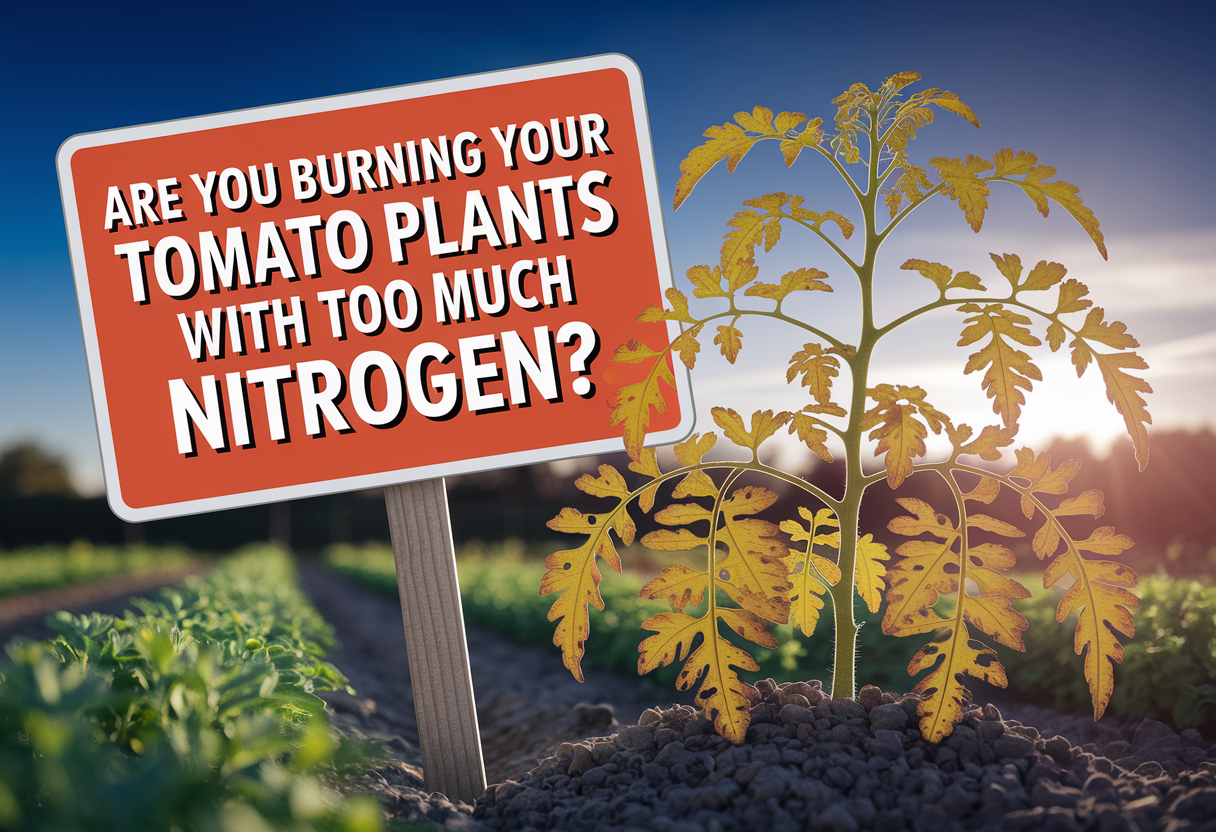
Nitrogen Burn In Tomato Plants What It Looks Like and How to Fix It
If your tomato plants are looking worse after fertilizing, you might be dealing with nitrogen burn. I’ve had this happen to me, and it’s frustrating—especially when you think you’re doing everything right. But the good news? Once you spot it, you can stop it in its tracks and even reverse the damage.
The first thing I would do is connect the timing with the symptoms. A plant that looked fine yesterday and develops scorched leaf tips shortly after a heavy feeding deserves a closer look at the fertilizer before you assume it has a disease. That does not prove nitrogen is the cause, but it makes overfeeding a sensible place to begin.
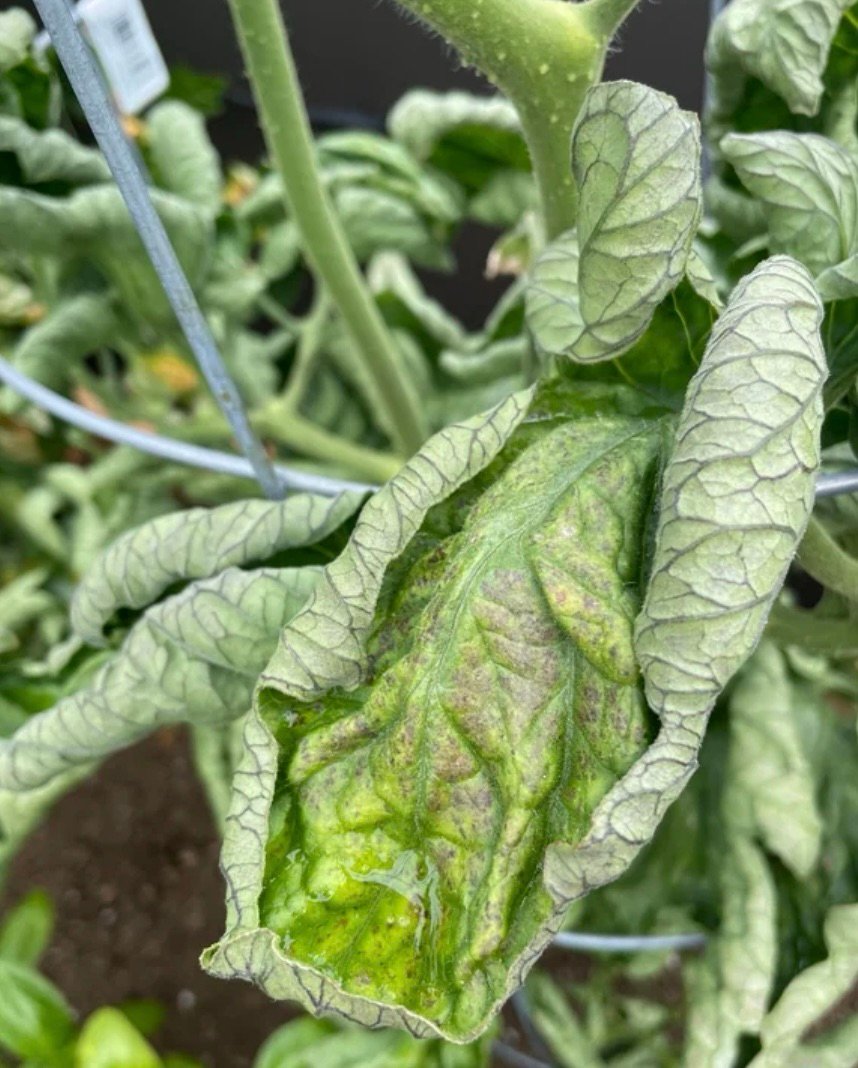
What Is Nitrogen Burn in Tomato Plants
Nitrogen burn happens when your plants get hit with too much nitrogen all at once. While nitrogen is great for leafy growth, too much of it can damage the roots and leaves. It’s like feeding your plant a double cheeseburger when it only needed a light salad. The result? Damage that looks worse over time if you don’t intervene.
This often happens when folks overdo it with fertilizer—especially ones high in nitrogen like 30-10-10 mixes. It can also happen if you fertilize too often or don’t water properly after applying. A “strong” fertilizer is not automatically bad, but it leaves less room for measuring mistakes.
What gardeners call burn is usually a concentration problem around the roots. Excess soluble fertilizer can pull water away from root tissues, while the salts left in the growing medium can make it harder for the plant to take up water normally. The visible damage may appear on the leaves even though the mistake began below the soil line.
That is why adding another product to correct the first product can make matters worse. When a plant is already stressed by excess nutrients, the safest first response is usually to stop adding things and inspect what is happening.
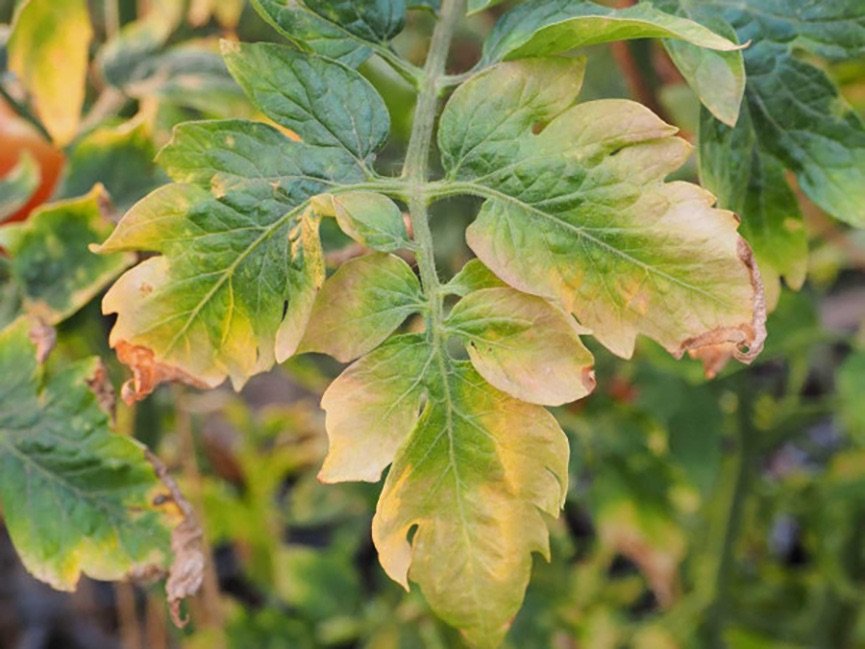
Signs of Nitrogen Burn on Tomato Plants
I’ve seen these signs firsthand, and they’re not pretty:
- Leaf tips turning yellow, brown, or crispy
- Leaves curling downward like claws
- Extremely lush, dark green leaves with almost zero fruit
- Stunted or shallow root growth
- A salty or chemical smell near the base of the plant
These signs can easily be confused with disease or heat stress, but when you’ve recently added fertilizer—especially in large amounts—nitrogen burn should be high on your suspect list.
Look at the whole plant rather than one damaged leaf. Fertilizer injury often begins at the tips or margins, where the tissue becomes yellow, brown, and crisp. A plant receiving too much nitrogen may also produce an impressive amount of foliage while setting few fruits. That lush appearance can fool you into thinking the plant is thriving.
Leaf damage alone is not a diagnosis. Heat, drought, root damage, excessive salts from other fertilizers, and several plant problems can create similar edges. The fertilizer history matters. Ask yourself what was applied, how much was used, whether the soil was dry, and whether the plant is growing in a pot or in the ground. If fertilizer timing does not explain the symptoms, compare them with identifying stink bug damage before deciding on a treatment.
You’ll notice this same advice echoed in my post on 9 Surprising Tomato Growing Tips That Actually Workwhere I explain how using less nitrogen is usually better.
What Causes Nitrogen Burn in Tomato Plants
Nitrogen burn is most often caused by:
- Using fertilizers with too high a nitrogen percentage like 20-0-0 or 30-10-10
- Applying fertilizer directly to dry soil
- Skipping the water step after applying fertilizer
- Using synthetic, fast-release fertilizers without knowing your soil’s needs
- Fertilizing during extremely hot or dry weather
In containers, this can be even worse since the confined space intensifies the impact. If your potting mix holds on to too much nitrogen, your tomatoes don’t stand a chance. A pot also depends on drainage. If water cannot move through the mix, excess fertilizer remains around the roots instead of leaving with the drainage water.
Pre-fertilized potting mix is another easy detail to overlook. If the bag already contains nutrients and you add compost, manure, fish emulsion, and a granular feed on top of that, each individual choice may seem reasonable. Together, they may be far more than the plant needs.
Fresh or heavily applied manure deserves caution as well. Natural does not mean weak. The same goes for lawn fertilizer. Lawn products are made for grass and may contain much more nitrogen than a fruiting tomato needs. Please don’t use them on your vegetable garden just because the bag is already sitting in the shed.
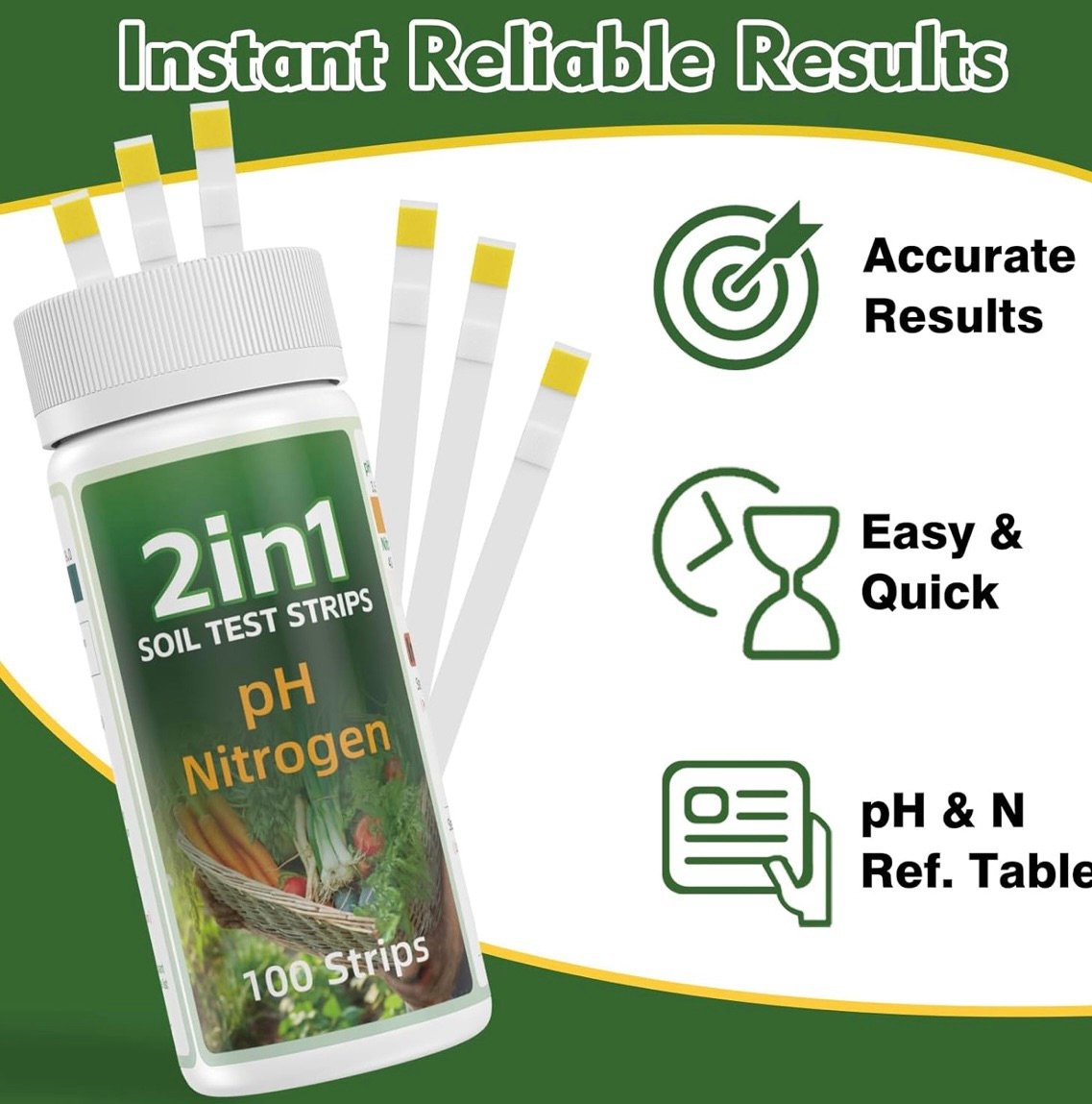
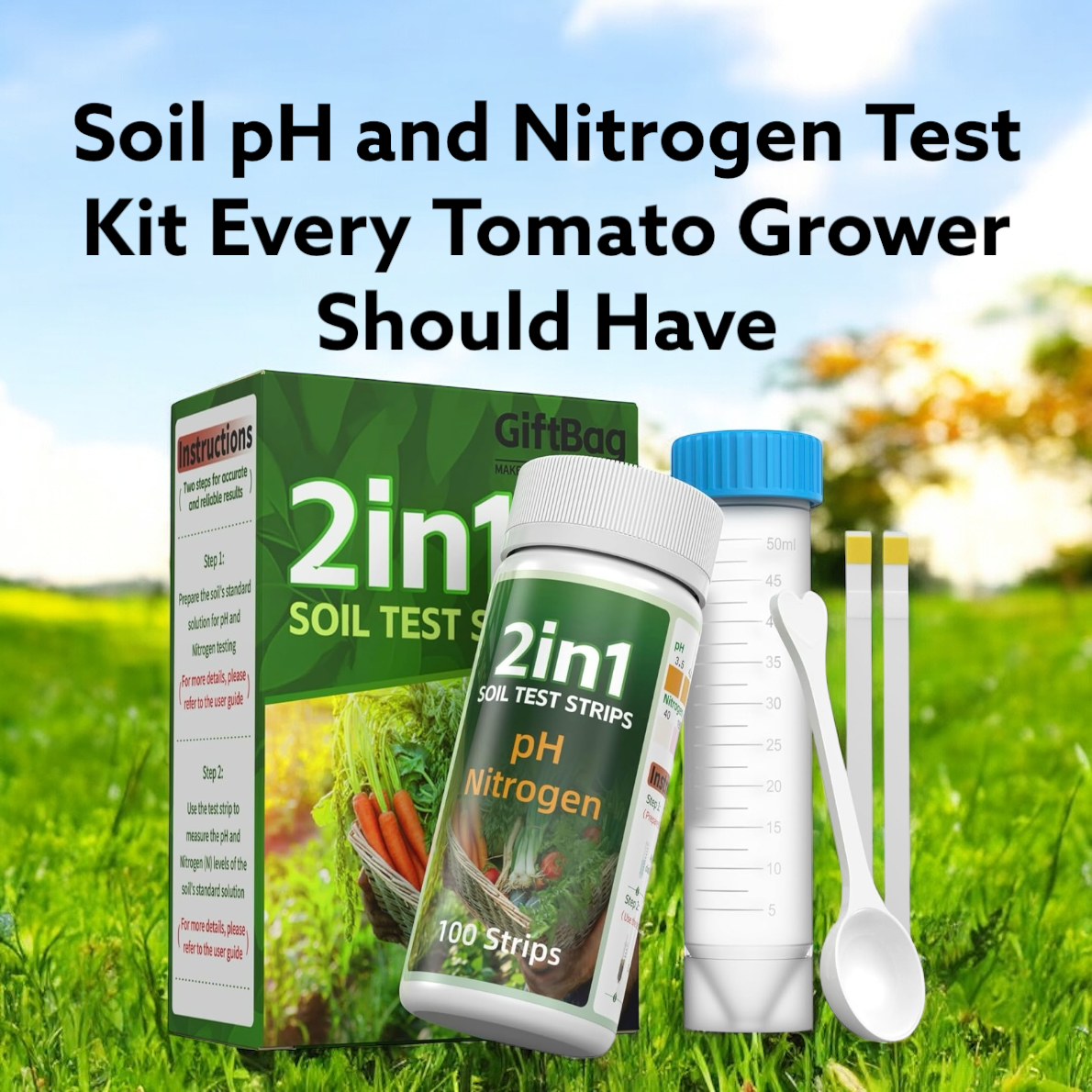
That’s why I always test my soil first using this pH & Nitrogen Test Kit before I feed my plants anything.

How to Fix Nitrogen Burn in Tomato Plants Step by Step
When I first realized my tomato plants had nitrogen burn, I panicked. The leaves were curling and browning at the edges, and I thought I was about to lose the whole crop. But once I followed these steps, I saved most of the plants and learned a lesson I’ll never forget.
Stop fertilizing immediately
This sounds obvious, but it’s worth repeating. Pause all fertilizing—especially anything high in nitrogen. Even organic fertilizers can continue to release nitrogen into the soil, so don’t assume they’re safe simply because the label says organic.
Put aside liquid feeds, granular fertilizer, manure, compost additions, and homemade mixtures while you work out what is happening. The plant does not need a rescue cocktail. It needs a chance to use up or lose the excess already present.
Flush the root zone carefully
Give your plants a long, deep watering to dilute excess nitrogen and help wash it out of the root zone. For container plants, let water drain freely out of the bottom. Check that the drainage holes are open, and do not leave the pot sitting in a saucer full of runoff.
For in-ground tomatoes, water slowly so it soaks in without washing away your topsoil. Do not turn this into constant saturation. The goal is to move soluble fertilizer beyond the most concentrated part of the root zone, not to replace one stress with waterlogged soil.
If the soil is extremely dry, a gentle initial watering can help it accept moisture instead of sending water around a hard, dry pocket. Then water more thoroughly. Container size, drainage, weather, and soil type all affect how much water is appropriate, so avoid treating one fixed volume as a universal cure.
Remove only tissue that is beyond repair
Snip off leaves that are crisped, brown, or curling beyond repair. This improves the appearance and can improve airflow, but do not strip every leaf from the plant. Green leaves are still working for the tomato, even if a few older leaves look rough.
Use clean, sharp scissors and remove the worst leaves first. If a leaf is partly damaged but still has plenty of healthy green tissue, it can usually remain while you watch the new growth.
Pause and monitor
For the next 5–7 days, keep watering regularly but hold off on any kind of feeding. If new growth starts to look normal, you’re in recovery mode. Old damaged leaves will not become perfect again. New leaves are the useful evidence.
Write down what you applied and when. That small record can prevent a repeat, especially if several products were used during the same week. Recovery is easier to judge when you know whether the plant is producing healthier growth rather than merely looking at the old leaves.
How Much Nitrogen Do Tomato Plants Actually Need
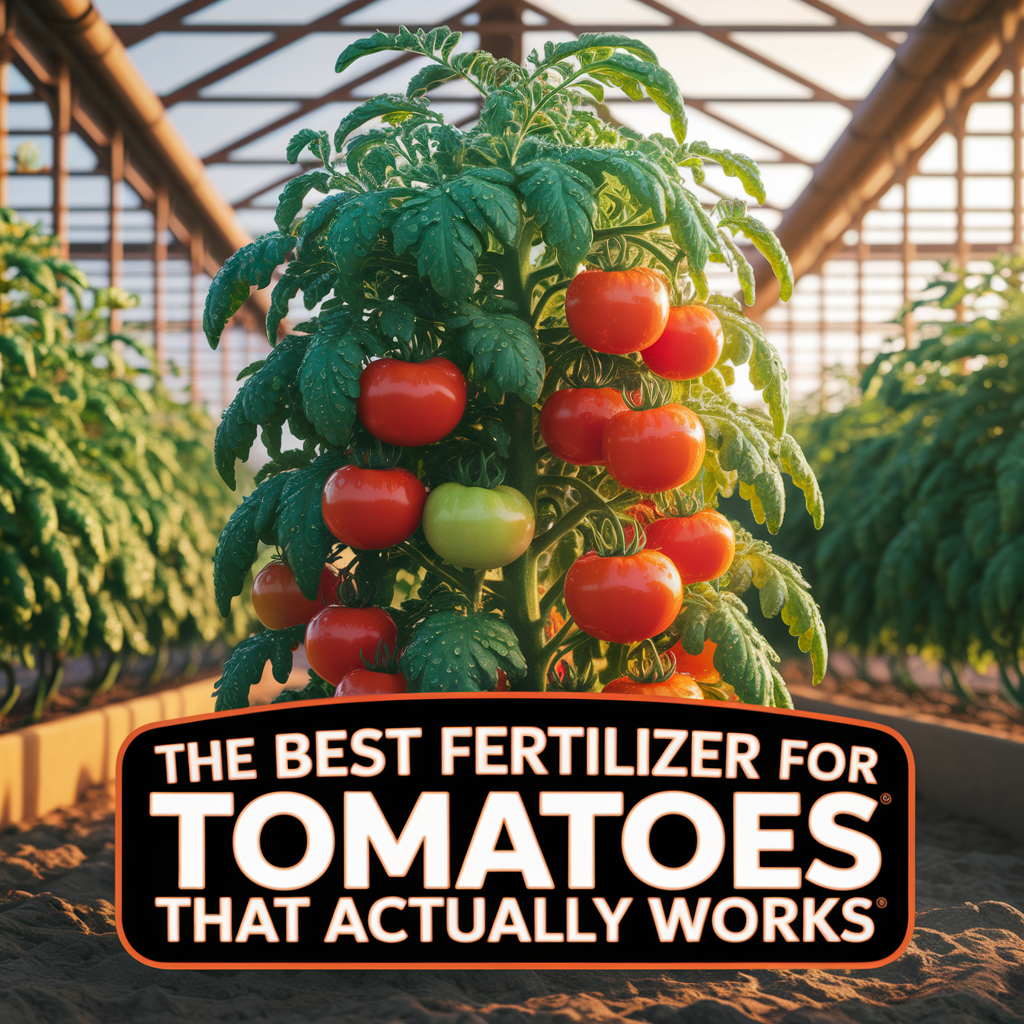
This was a big realization for me: tomatoes don’t need that much nitrogen—especially after the early growth stage.
During the seedling and early transplant phase, some nitrogen is good. It encourages leafy, strong growth. But once flowers appear, tomatoes shift gears. They want phosphorus for fruiting and potassium for overall health—not a nitrogen overload.
That does not mean a flowering tomato should receive no nitrogen at all. Nitrogen remains part of normal plant growth. The practical point is to avoid chasing darker leaves or faster foliage with repeated high-nitrogen applications when the plant is already large and leafy.

Here’s the general rule I now follow:
- Early growth before flowering: Balanced fertilizer like 10-10-10
- After flowering begins: Lower nitrogen mix like 5-10-10 or 4-6-8
- If using organic compost: Go easy—compost already contains a slow-release mix of nutrients
Those ratios are useful examples, not a reason to fertilize on a calendar without checking the label and the soil. A fertilizer’s numbers describe the nutrient proportions, while the application rate determines how much actually reaches the root zone.
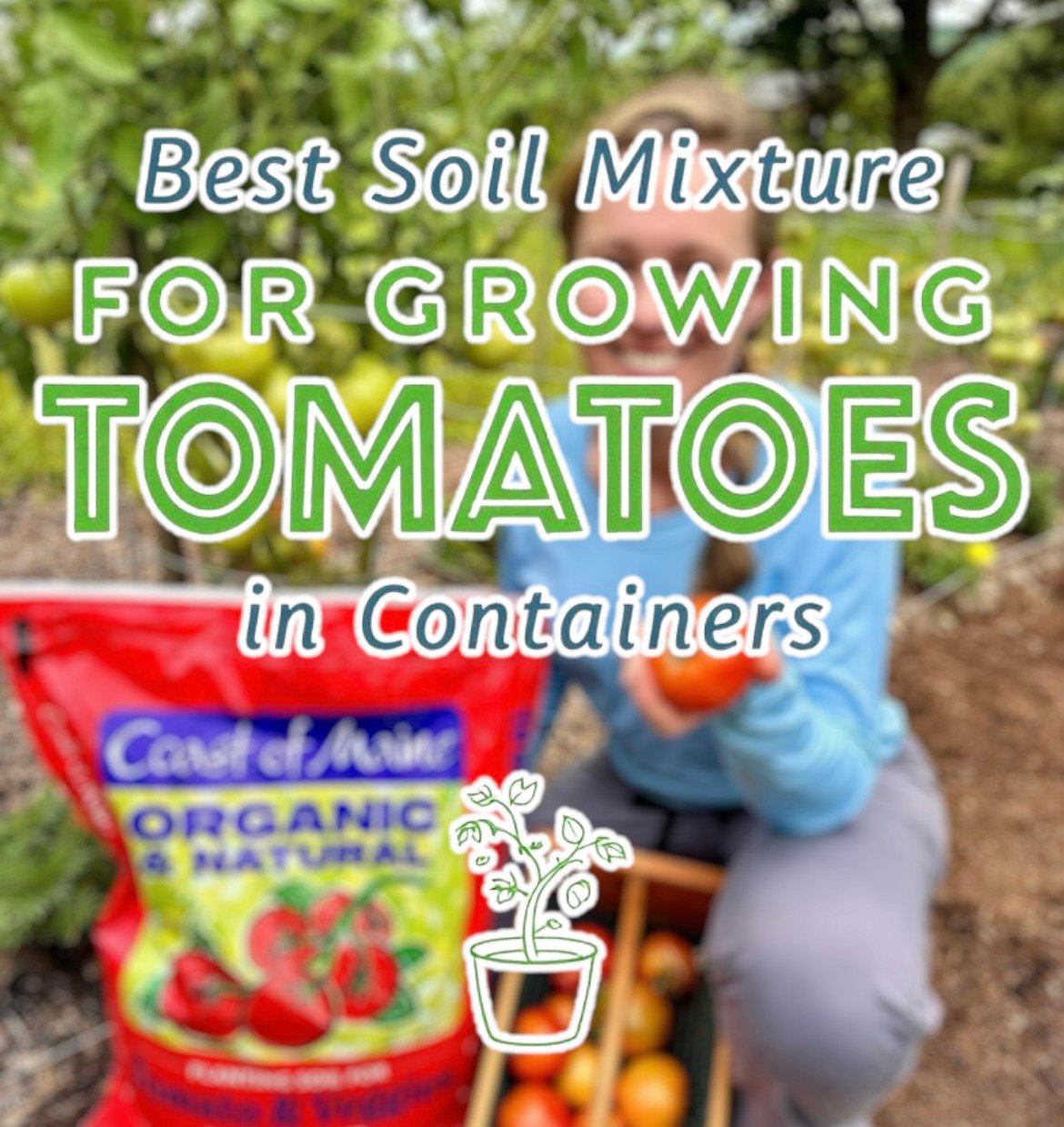
You can read more about how soil plays a major role in all of this in my article on the best soil mixture for tomatoes in containers — especially helpful if you’re growing in pots.
How to Tell Nitrogen Burn from Other Tomato Problems
If you’ve never seen nitrogen burn before, it can sneak up on you. I used to confuse it with sunscald or even pest damage, but once you know what to look for, it’s easier to spot early.
Start with the recent-care checklist. Fertilizer injury becomes more likely when symptoms followed feeding, several products were combined, fertilizer was applied to dry soil, or the plant is in a small container. Heat stress is more closely tied to hot conditions and rapid moisture loss. Pest damage often leaves holes, scraped areas, or visible insects. Disease may spread in patterns that do not match the timing of a fertilizer application.
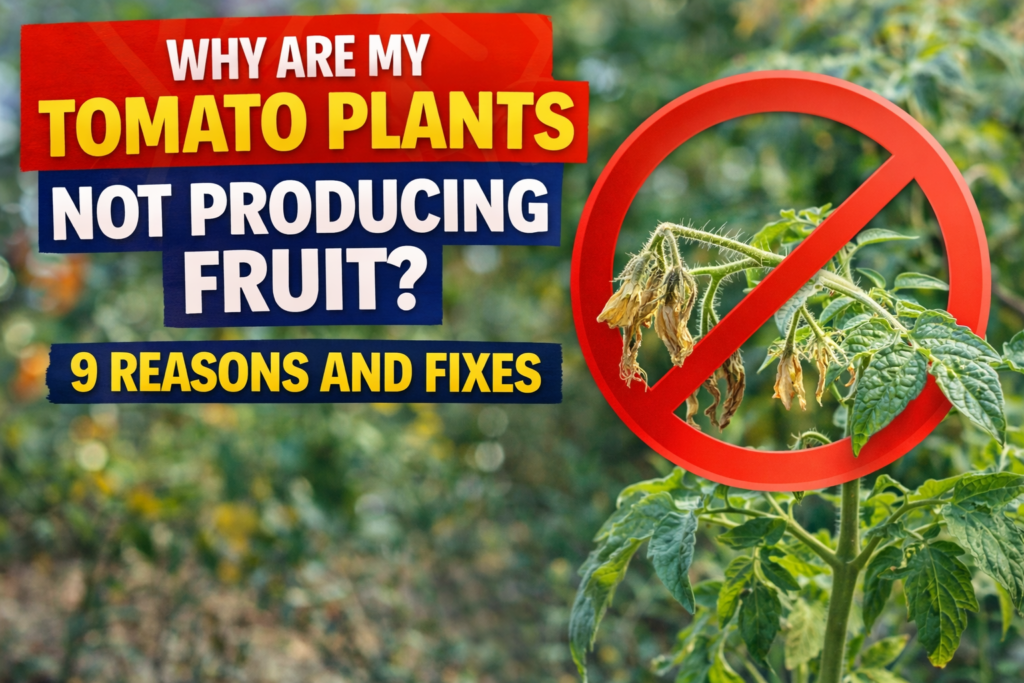
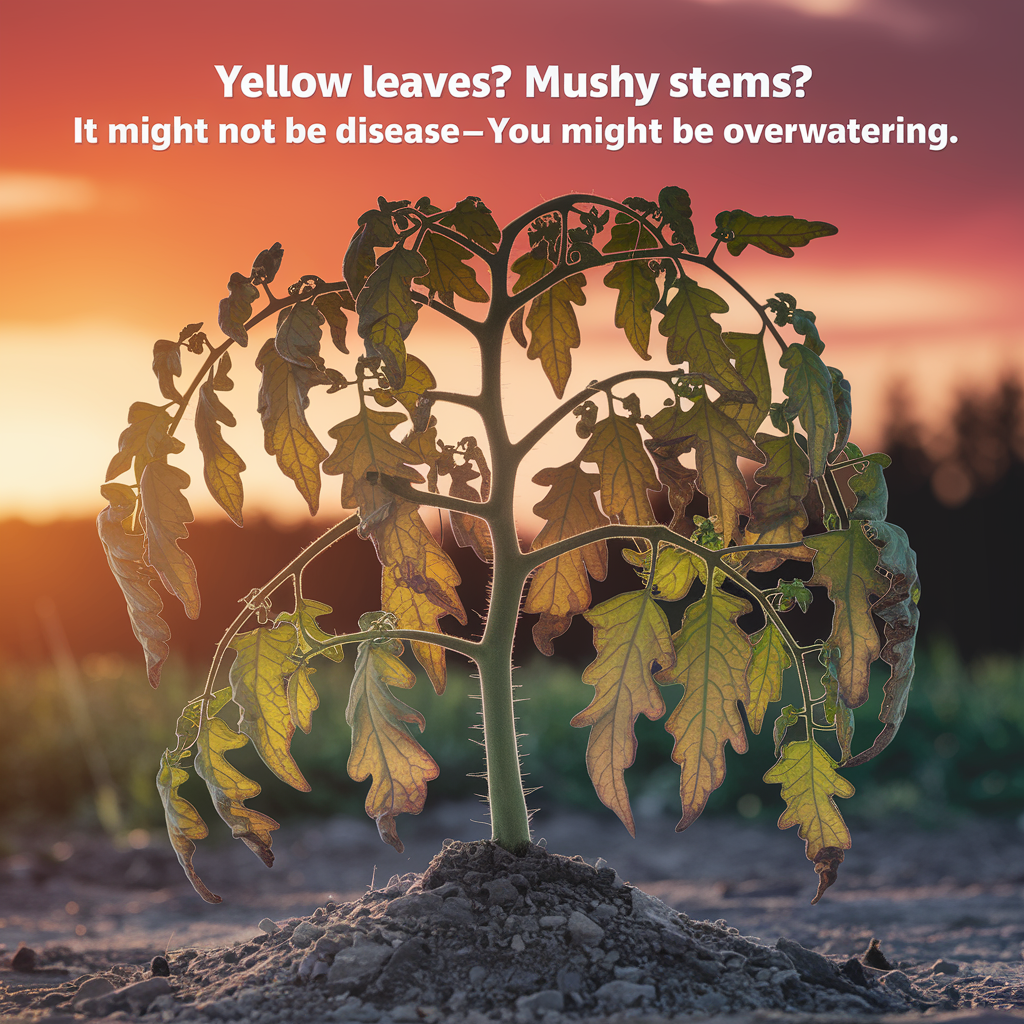

Here’s what nitrogen burn typically looks like:
1. Yellowing or browning edges on leaves – Especially lower leaves, which take the brunt of excess nutrients.
2. Curled or distorted leaf shape – The leaves may fold upward or get a tight, scrunched look.
3. Weak stems despite lush green leaves – You’ll sometimes see too much top growth and not enough strength below.
4. Delayed fruiting – The plant keeps pumping out foliage instead of setting fruit, and flowers may even drop early.
I go into more detail on this in my article on signs of overwatering tomato plants, which sometimes shows similar symptoms—worth checking out to compare.
Why Even Safe Fertilizers Can Cause Trouble
You might be thinking: “But I’m using organic fertilizer or compost—how could I overdo it?” I had the same thought. The truth is, even natural soil amendments like manure or fish emulsion can create nitrogen overload if used too often or too heavily.
Some things that can sneakily lead to nitrogen burn:
1. Overapplying composted manure
Just because it’s “natural” doesn’t mean it’s weak. Rich compost can pack a nitrogen punch.
2. Not checking your soil mix before planting
I learned this the hard way—mixing in fresh potting soil that was already pre-loaded with nutrients plus adding fertilizer made it way too “hot.”
3. Using high-nitrogen lawn fertilizer on the garden
Please don’t do this! It’s meant for grass, not tomatoes, and it can torch your plants.
Another common mistake is treating every yellow leaf as a request for more fertilizer. Yellowing can have several causes, and adding nitrogen without knowing the cause may pile a second problem onto the first. Check the plant, the roots, the soil moisture, and your recent feeding history before reaching for a bottle.
If you’re not sure what’s in your soil, I highly recommend grabbing one of the soil pH and nitrogen test kits. It saved me a lot of guessing and future damage.

How to Prevent Nitrogen Burn Before It Starts
One of the best lessons I’ve learned growing tomatoes is that less is often more—especially when it comes to nitrogen. Over the years, I’ve developed a few habits that help me avoid nitrogen overload without sacrificing growth:
1. Use a balanced fertilizer rather than a nitrogen-heavy blend
Look for a fertilizer with an even NPK ratio like 10-10-10 or one that is lower in nitrogen. I often go lighter early on and save the heavier feeding for when the plants are flowering.
2. Read the label and measure properly
Eyeballing it with fertilizer is a risky game. Whether it’s organic or synthetic, I stick to the directions—and sometimes go slightly under the recommended dose. A measuring spoon or small scoop is a lot cheaper than replacing a damaged plant.
3. Count nutrients already in the soil
Before planting, note whether the potting mix is enriched and how much compost or manure has been added. You do not need to layer every available amendment into the same container. Start with a reasonable mix, then respond to what the plants and soil actually show you.
4. Water according to conditions
Fertilizer should not be applied to bone-dry soil. Watering beforehand can reduce the chance of a concentrated pocket touching the roots. After feeding, follow the product directions and make sure the root zone has appropriate moisture and drainage.
5. Test instead of guessing
Using a soil test a few times during the season can prevent unnecessary feeding. Test when the plants look unusual or before adding a major amendment, rather than assuming a weak-looking plant automatically needs nitrogen.
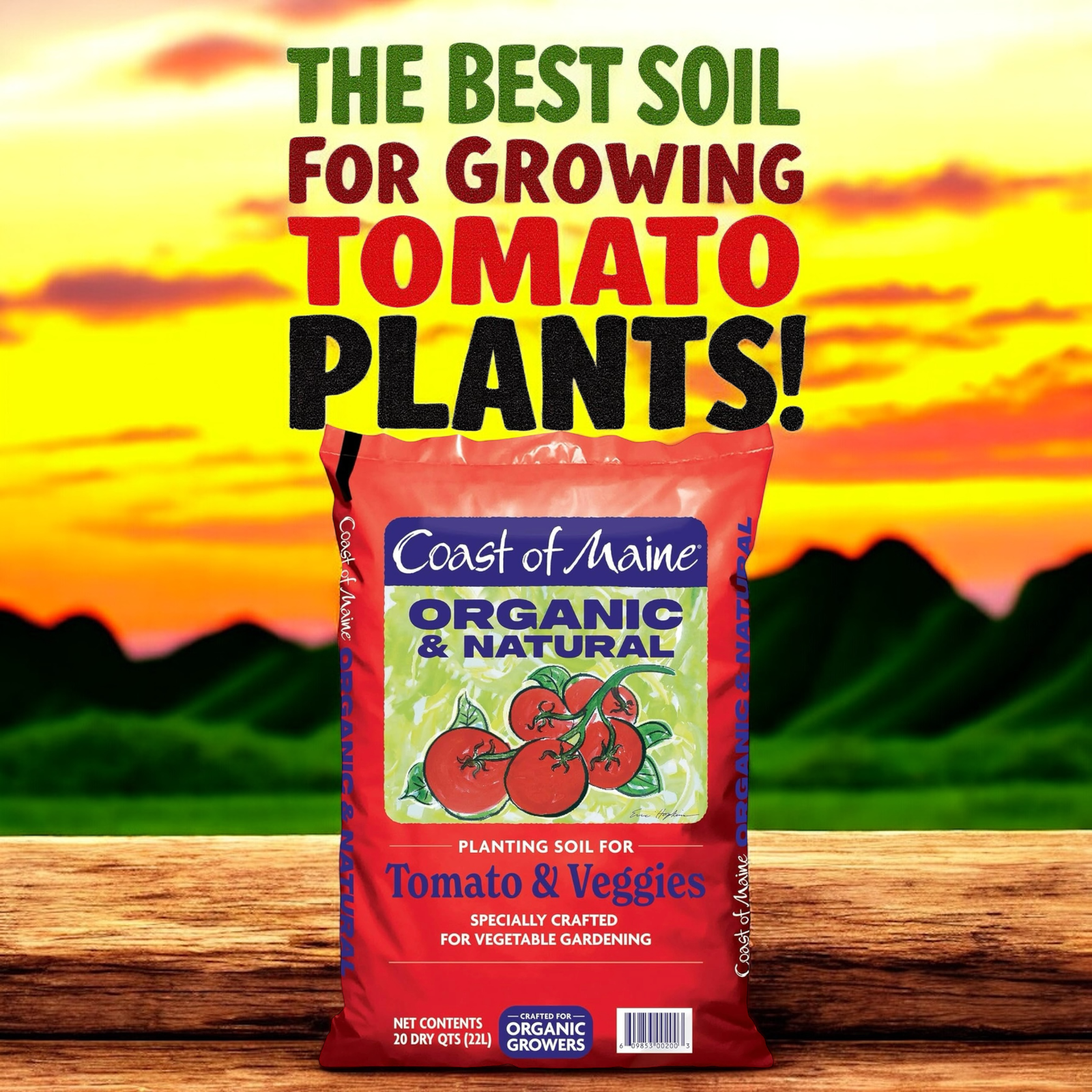
When planting in containers, I rely on Coast of Maine Tomato Soil because it’s naturally rich but not overly strong. It balances moisture and nutrients without burning roots.
Using a 2-in-1 nitrogen and pH test kit has saved me from overfeeding more times than I can count. It’s simple and gives peace of mind.
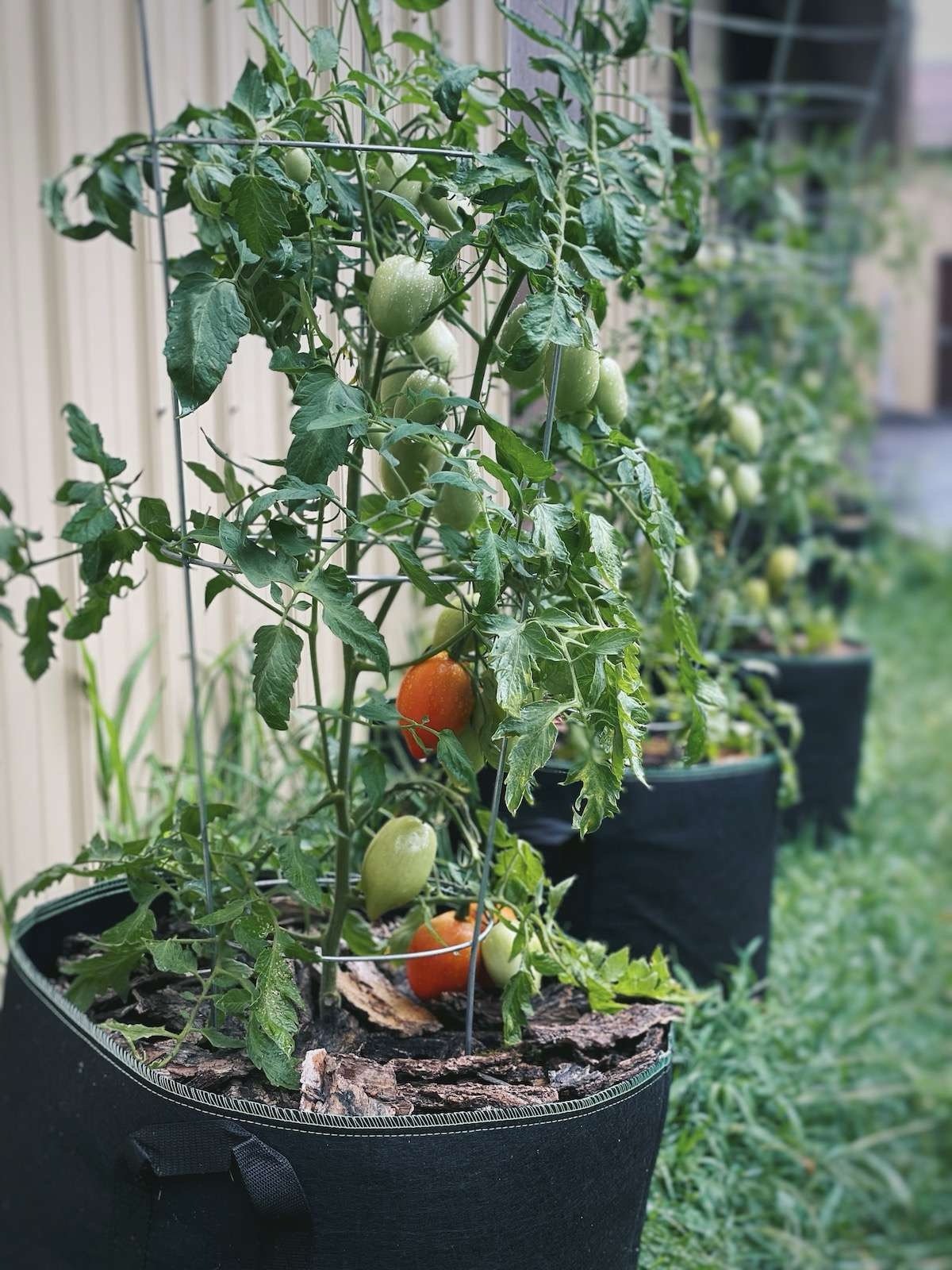
Can Tomato Plants Recover from Nitrogen Burn
Yes, they can—and I’ve had a few bounce back surprisingly well, but it takes quick action and some patience.
1. Stop all fertilizing immediately
Don’t add anything else to the soil until your plant stabilizes. Let the roots rest.
2. Flush the soil if possible
If you’re growing in containers, run clean water through the pot until it drains freely to help leach out excess nitrogen. For in-ground plants, water deeply a few times in a row.
3. Remove the worst damaged leaves
Don’t rip the whole plant apart, but trim the worst yellowed or crispy leaves. This encourages the plant to send energy to new healthy growth.
4. Monitor new leaves
The new growth is your best indicator. If the new leaves come in looking normal and green, you’re on the path to recovery.
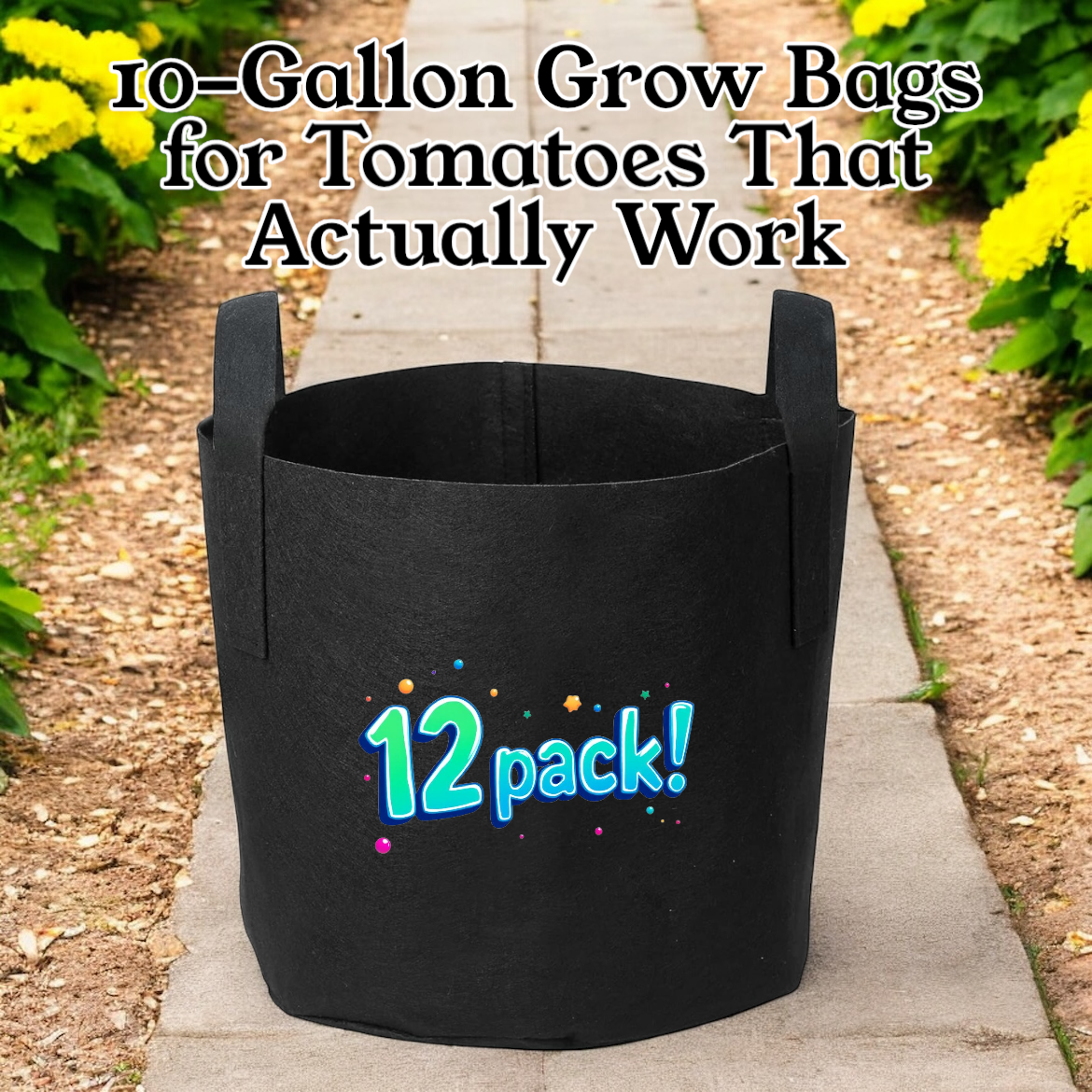
One time I caught it just in time and used grow bags like these to transplant a container plant with fried roots. It gave it a fresh start in gentler soil—and it actually fruited later in the season!
Do not expect damaged leaves to repair themselves. Recovery means the plant stops declining and begins producing healthier growth. A severely injured plant may still need time to rebuild roots before it returns to flowering. If the roots are badly damaged or the growing medium stays saturated, recovery becomes less likely.
Better Alternatives to High Nitrogen Fertilizers
If you’re like me and want strong, healthy tomatoes without the risk of frying them with too much nitrogen, here are a few options I’ve switched to:
1. Compost and worm castings
These are slow-release and don’t overload your plants. I mix them into my soil before planting and again mid-season. They feed the soil and keep everything balanced. Even so, “slow-release” does not mean unlimited. Use modest amounts, especially in containers that already contain nutrients.
2. Tomato-specific fertilizers
There are blends made just for tomatoes with lower nitrogen and higher phosphorus and potassium for blooms and fruit. I’ve had better results using these than all-purpose lawn fertilizers. Read the label and apply the stated amount rather than assuming a tomato label means the product cannot be overused.
3. Organic mulching
Using mulch in containers or garden beds helps keep the soil cool and full of life, so your tomato roots aren’t shocked by hot or “hot” fertilizer!
Mulch is not a substitute for a soil test or sensible feeding, but it can help the root zone stay more stable. Keep it from pressing directly against the stem, and remember that any organic material added over time contributes to the overall soil picture.
Why Balanced Nutrition Wins
The key to avoiding problems like nitrogen burn—and growing beautiful tomatoes—is balance. Tomatoes are heavy feeders, but they’re picky. Too much of one thing throws everything off.
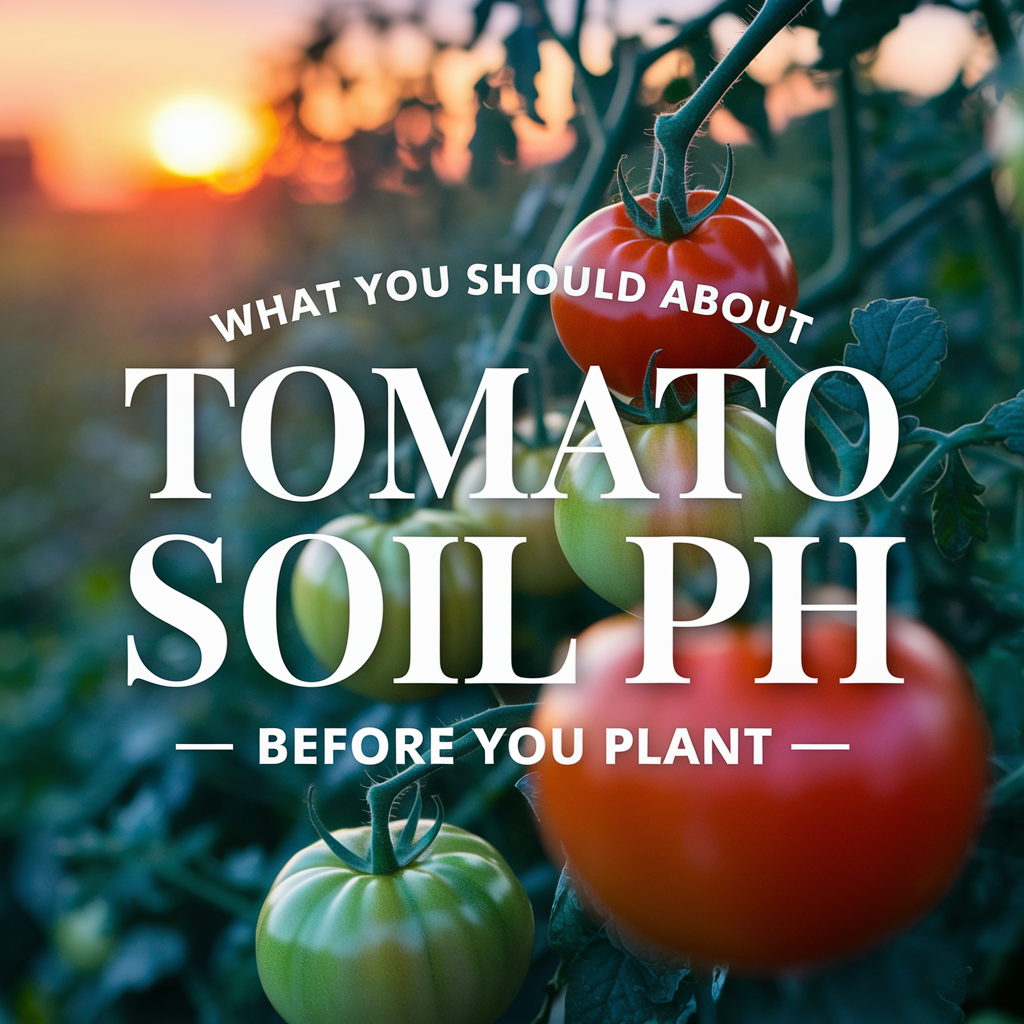
Balanced soil with the right pH for tomatoes makes a massive difference. I didn’t used to test for pH, but after using this 4-in-1 soil meter, my harvests got way better. Nutrients actually became available to the plants.
That is the part that is easy to miss. Feeding more cannot solve every nutrient problem. If the soil conditions make nutrients difficult for roots to take up, adding more fertilizer may increase the concentration without fixing availability. A basic soil check gives you a better starting point than guessing from leaf color alone.
My own rule is simple: test when possible, read the product label, use less rather than more when uncertain, and watch new growth after making a change. Tomatoes reward consistency much more than frantic intervention.
FAQ About Nitrogen Burn in Tomato Plants
What does nitrogen burn look like on tomato leaves
You’ll see yellowing edges, browning tips, and sometimes entire leaves curling or dying. It usually starts on the lower leaves first. The strongest clue is often the combination of these symptoms with recent heavy feeding or fertilizer applied to dry soil.
How long does it take tomato plants to recover
If caught early and treated right, you can see improvement in new growth within 1–2 weeks. The old damaged leaves will not return to normal, so judge recovery by the condition of new leaves and whether the decline has stopped.
Can I use lawn fertilizer on tomatoes
It’s risky. Most lawn fertilizers are too high in nitrogen and can easily cause burn. Stick to tomato-specific blends or compost. A product designed for grass is not a sensible shortcut for a fruiting vegetable.
Should I cut off damaged leaves
Yes, but only the worst ones. Leave as many healthy leaves as possible so the plant can continue photosynthesis. Remove crisp or badly distorted leaves with clean scissors, and avoid stripping the plant simply because it no longer looks perfect.
What is the best fertilizer ratio for tomatoes
Something like 5-10-10 or 10-10-10 works great. Lower nitrogen, higher phosphorus and potassium supports flowering and fruit. The ratio is only part of the decision, though. The application rate, soil fertility, plant stage, and growing conditions matter just as much.
Can organic fertilizer cause nitrogen burn
Yes. Compost, manure, fish emulsion, and other organic products still supply nutrients. Applying too much or using several rich amendments together can overload the root zone. Natural is not the same as impossible to overuse.
Should I fertilize again when the plant looks pale after a burn
Not immediately. First stop feeding, check the soil and roots, and watch new growth. A pale plant may be dealing with damaged roots or another problem, and adding fertilizer before the original issue is understood can cause more stress.
Tomato plants can recover from a feeding mistake, but they rarely benefit from being pushed harder. Stop the source, move excess nutrients out when appropriate, protect the roots from further stress, and give the plant time to show you what it can do.