I used to think pruning tomato plants meant you were hurting them. Why would you cut off perfectly healthy growth? Then one summer I actually tried it — and I went from a scraggly jungle of leaves to the most productive tomato season I’d ever had.
If your tomato plants are big and bushy but light on fruit, pruning might be exactly what they need. Here’s everything I’ve learned about how to do it right.
Why Pruning Tomato Plants Actually Works
Tomato plants are ambitious. Left alone, they’ll keep sending out new shoots in every direction, putting energy into leaves and stems instead of fruit. Pruning redirects that energy exactly where you want it — into growing bigger, juicier tomatoes.
It also improves airflow around the plant, which reduces the chance of fungal disease and helps your tomatoes ripen more evenly. If you’ve ever dealt with yellowing leaves or slow-ripening fruit, poor airflow is often a big part of the problem. I cover some of those signs in my post on the real reason your tomato plants are turning yellow.

Determinate vs. Indeterminate — This Matters Before You Cut Anything
Before you grab your scissors, you need to know what type of tomato you’re growing.
Determinate tomatoes (also called bush tomatoes) are bred to grow to a set size, flower all at once, and stop. You don’t want to prune these heavily — you’ll remove fruit you were counting on. Light cleanup is fine, but leave the main structure alone.
Indeterminate tomatoes are the heavy pruners’ best friend. These keep growing and producing all season long. Varieties like Beefsteak, Cherokee Purple, and most cherry tomatoes fall into this category. These are the ones that benefit most from regular pruning.
Not sure which you have? Check the seed packet or tag. If it says “vine” or doesn’t mention a mature height, it’s probably indeterminate. You can also check out my guide on the best tomatoes to grow for every garden for variety-specific details.
What Are Suckers — and Should You Remove Them?
The single most important pruning move you’ll make on an indeterminate tomato is removing suckers.
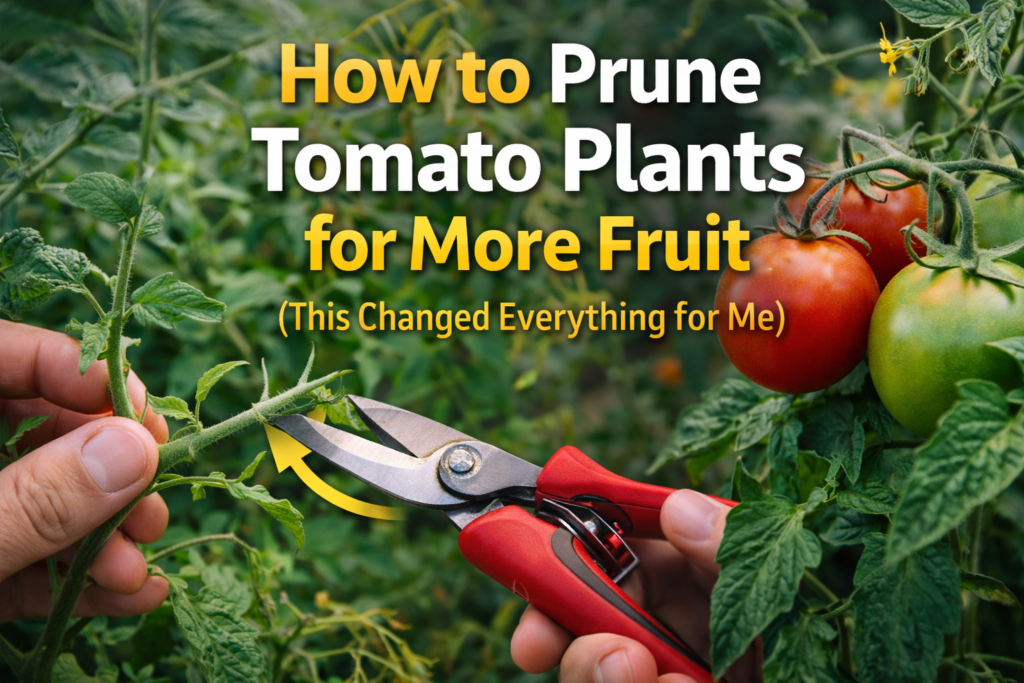
A sucker is the little shoot that grows in the “V” between the main stem and a side branch. It starts small and harmless-looking, but if you let it go, it becomes a full stem — competing with the rest of the plant for water, nutrients, and sunlight.
How to spot them: Look in the crotch between the main stem and any branch. That little shoot poking out? That’s a sucker.
How to remove them: Pinch them off with your fingers when they’re small (under an inch). For bigger ones, use clean pruning snips. I like to sterilize my tools between plants so I’m not spreading any disease from one to the next.
The debate you’ll hear in gardening circles is whether to remove ALL suckers or just some. Here’s my take:
- If you want 1–2 strong main stems and the biggest possible fruit → remove all suckers
- If you want more fruit overall and don’t mind slightly smaller tomatoes → leave 1–2 suckers to become secondary stems
I usually go with a 2-stem system. It’s a good balance between yield and plant health.
How to Prune Tomato Plants Step by Step
What you’ll need:
- Clean pruning snips or scissors
- Gloves (tomato plants stain your hands something fierce)
- Twist ties or garden clips for training stems — I use these reusable twist ties and they hold up great all season
Step 1: Wait until your plant is 12–18 inches tall.
Pruning too early can stress a young plant. Give it time to establish roots and a few sets of leaves first.
Step 2: Identify your main stem.
This is the thickest, central stalk. Everything else grows off of this.
Step 3: Remove suckers below the first flower cluster.
Any sucker that appears below where your first flowers form should be removed completely. This keeps the lower part of the plant clean and improves airflow at the base.
Step 4: Decide how many stems you want to keep.
For most home gardeners, 1–2 main stems is ideal. If a sucker has already gotten big and you want a second stem, let that one grow and pinch out the rest.
Step 5: Remove damaged, yellow, or diseased leaves.
Anytime you see leaves that are yellowing, spotted, or clearly unhealthy, take them off. They’re draining resources and can spread problems. I go deeper on leaf issues in my post about tomato leaves curling down — don’t panic, try this first.
Step 6: “Top” the plant late in the season.
About 4 weeks before your first expected frost, pinch off the growing tip at the very top of the plant. This stops the plant from putting energy into new growth and pushes everything into ripening the tomatoes already on the vine. This is one of the tips I mention in how to grow tomatoes faster.
How Often Should You Prune?
I check my plants every 1–2 weeks during the growing season. Suckers grow fast, and small ones are much easier to remove than big ones. Make it part of your regular garden walk — grab a sucker here, snap off a yellow leaf there. It takes 5 minutes once you get the hang of it.
Common Pruning Mistakes to Avoid
Pruning in the middle of a hot day. Do it in the morning or evening. Open wounds on plants are vulnerable to stress in peak heat. This is the same reason I always harvest tomatoes in the morning — the plant handles it better.
Using dirty tools. If your previous plant had any disease, your snips can carry it to the next one. Wipe the blades with rubbing alcohol between plants.
Removing too much at once. If your plant is already stressed from heat, drought, or pests, don’t go on a major pruning spree. Ease into it.
Pruning determinate tomatoes like they’re indeterminate. You’ll cut off your harvest. Know your variety before you start.

Does Pruning Affect How You Need to Support Your Plants?
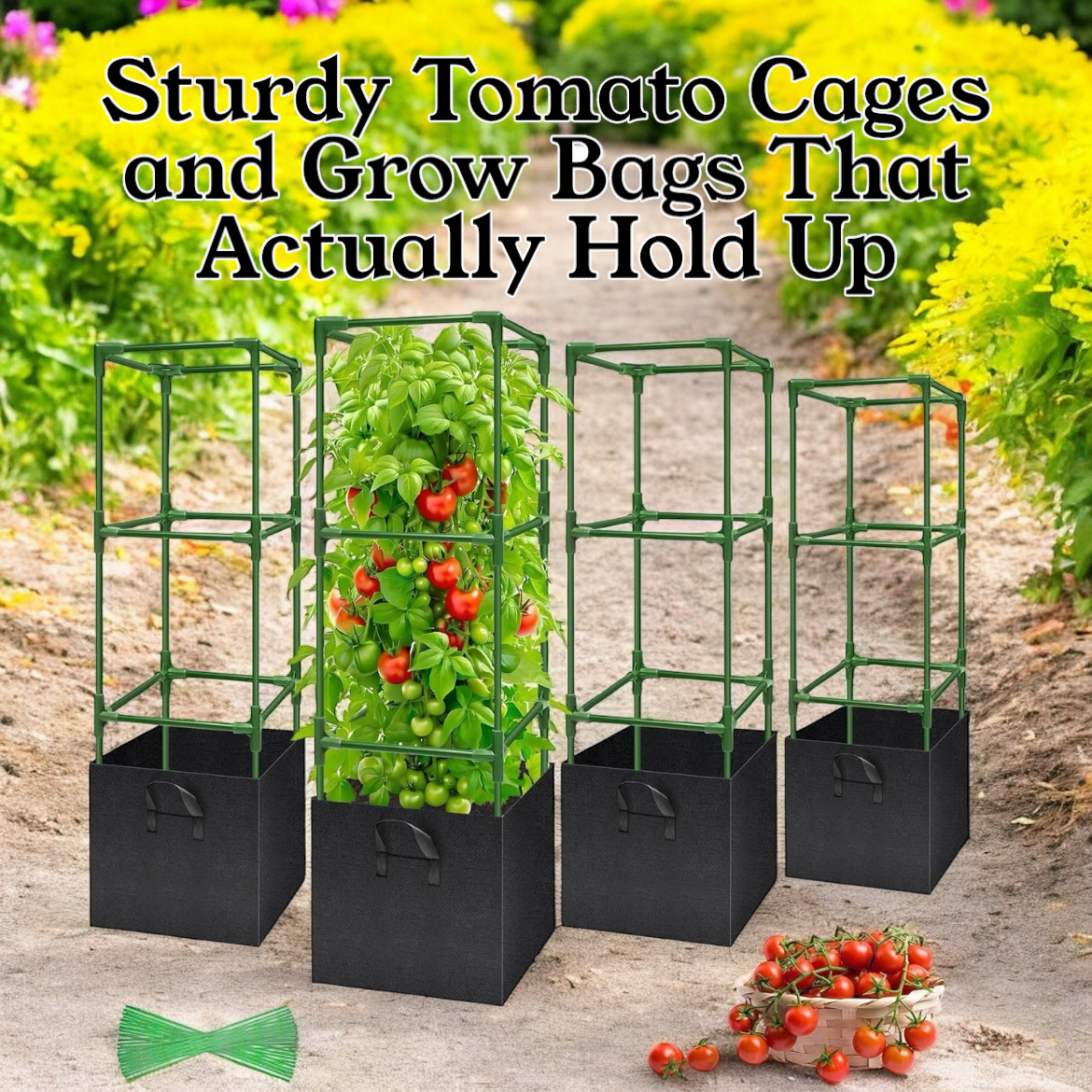
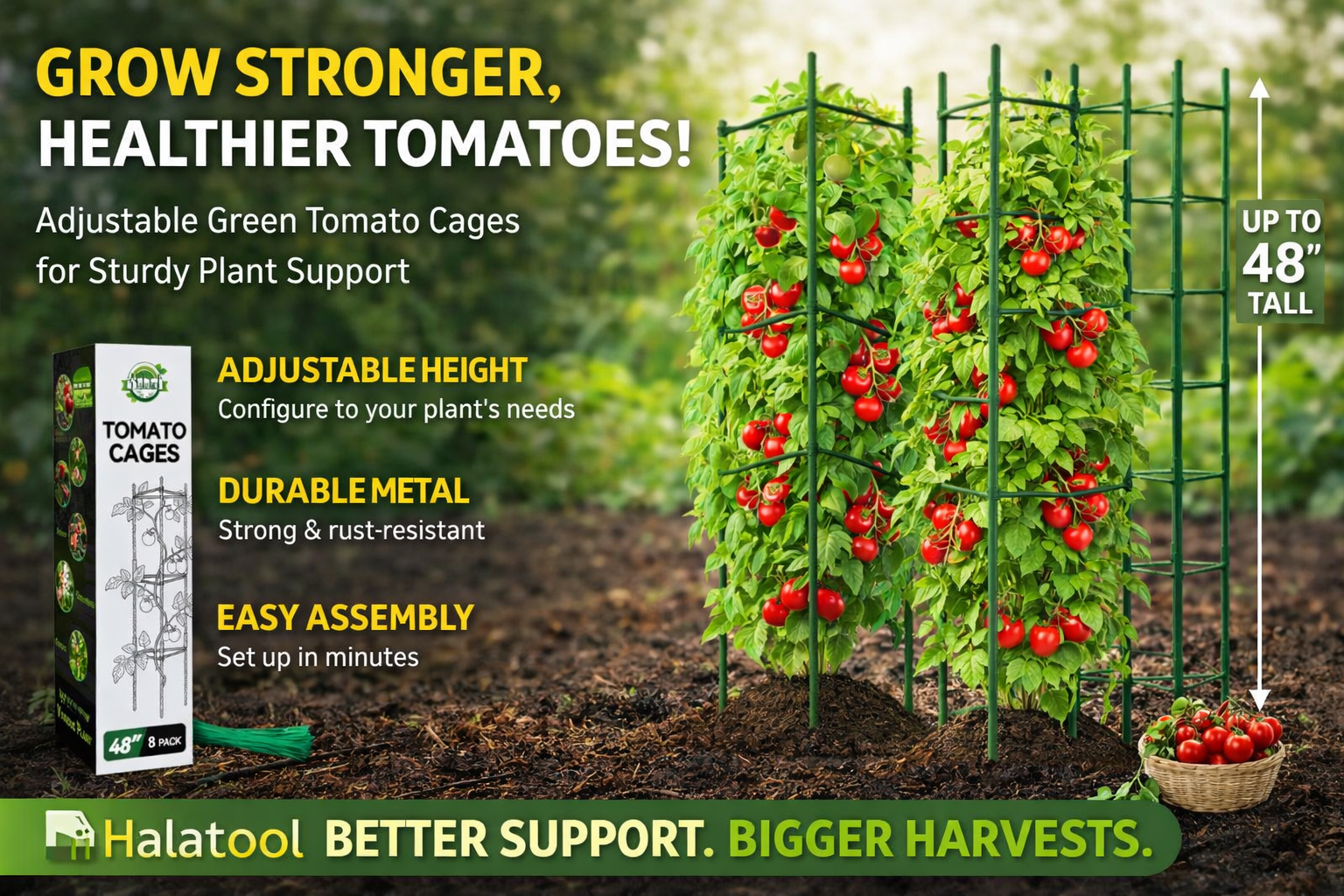
Yes — and this is important. When you’re training a tomato plant to 1–2 stems, it grows taller and needs solid support. A flimsy cage won’t cut it.
I’ve had great results with adjustable tomato cages like these Halatool tomato cages that go up to 48 inches. For taller indeterminate varieties, I actually built my own trellis system — I walked through the whole thing in my post how to trellis tomatoes the smart, sturdy way.
If you’re growing in containers, make sure your pot is big enough to support a plant that’s going to get tall. I use 10-gallon grow bags and they’ve never let me down.



One More Thing — Feed Your Plants After Pruning
After you do a big pruning session, your plant is going to put a burst of energy into the remaining stems and fruit. This is a great time to give it a little boost. I use Espoma Organic Tomato-Tone because it’s balanced perfectly for tomatoes — not too heavy on nitrogen, which is the #1 fertilizer mistake I see. (I wrote a whole post about burning tomato plants with too much nitrogen if you want to go deeper on that.)
The Bottom Line
Pruning tomato plants sounds scary until you do it once. After that first season where you actually try it, you’ll wonder how you ever grew tomatoes without it. Start with removing suckers below the first flower cluster, check your plants every couple of weeks, and top them at the end of the season.
Your tomato plants will reward you with better fruit, better airflow, and a whole lot less chaos in the garden.
Want more tips like this? Check out my 9 tomato growing tips that actually work — it’s one of the most practical posts on this whole site.
As an Amazon Associate we earn from qualifying purchases through some links in our articles.