Learn to identify the most common tomato plant diseases — early blight, late blight, fusarium wilt, bacterial spot and more — with exact fixes for each one.
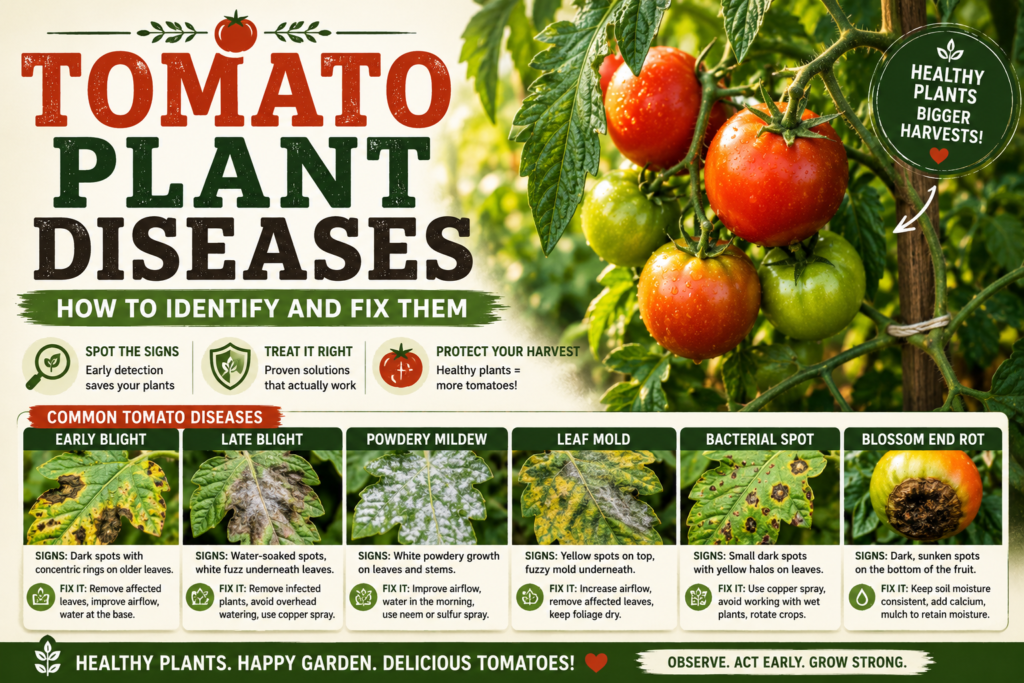
Tomato plants get sick. It happens in every garden, every season, to gardeners of every experience level. The difference between losing a plant and saving it almost always comes down to one thing — how fast you identify what you are actually dealing with.
Most tomato diseases look similar in their early stages. Spots on leaves, yellowing, wilting, dark patches on stems. The temptation is to treat all of it the same way. That is a mistake. Early blight and late blight need different responses. Fusarium wilt cannot be treated at all — but can be prevented. Bacterial speck looks like fungal disease but does not respond to fungicides.
This guide covers the most common tomato diseases — what they look like, how to tell them apart, what causes them, and exactly what to do when you find them in your garden.
Why Tomato Disease Identification Matters
Treating the wrong disease wastes time and money and often makes conditions worse. Applying a fungicide to a bacterial infection does nothing. Removing what appears to be diseased foliage when the real problem is a soil-borne wilt disease only delays the inevitable without addressing the cause.
Correct identification leads to the right response — whether that is a specific treatment, a cultural change, or the difficult decision to remove a plant before it infects the rest of the garden.
It also informs next season. Knowing which disease hit your garden tells you whether to rotate crops, choose resistant varieties, amend your soil, or adjust your watering approach before the problem repeats.
Early Blight — The Most Common Tomato Disease
Early blight (Alternaria solani) is the disease most tomato gardeners will encounter at some point. It is a fungal disease that is present in most garden soils and becomes active when warm, wet conditions provide the right environment for spore germination.
What it looks like:
Small, dark brown spots appear on lower leaves first — usually 1/4 to 1/2 inch in diameter. The spots have a distinctive target-board pattern — concentric rings of dark brown alternating with lighter brown, often surrounded by a yellow halo. As the disease progresses, the spots enlarge, leaves turn yellow around the affected areas, and lower leaves die and drop off. The disease moves upward through the plant over time.
Dark, sunken lesions may also appear on stems and fruit — particularly at the stem end of developing tomatoes.
What causes it:
The Alternaria fungus overwinters in infected plant debris and soil. Spores splash upward from the soil onto lower leaves during rain or overhead irrigation. Warm temperatures (75–85°F) and high humidity or leaf wetness accelerate spread dramatically.
How to tell it apart:
The target-ring pattern inside spots is the key distinguishing feature of early blight. Late blight spots are larger, irregular, and often have a water-soaked appearance. Septoria leaf spot produces tiny spots with light centers and dark borders — much smaller than early blight spots.
What to do:
- Remove affected lower leaves immediately when spots first appear — do not compost them, bag and dispose of them
- Apply copper fungicide at first sign of disease and repeat every 7–10 days, especially after rain. Copper is effective against early blight and approved for organic use
- Water at the base of plants only — overhead watering splashes spores from soil to leaves and from leaf to leaf
- Mulch heavily around plant bases to prevent soil splash — this alone significantly reduces early blight pressure
- Prune lower leaves to keep foliage off the ground and improve airflow through the plant. The guide on how to prune tomato plants for more fruit covers the pruning approach that also reduces disease pressure
- In future seasons, choose varieties with early blight resistance — labeled “A” in resistance codes on seed packets
Late Blight — The Serious One
Late blight (Phytophthora infestans) is the disease that caused the Irish Potato Famine and it remains one of the most destructive plant diseases in existence. Unlike early blight, which is manageable, late blight can kill a tomato plant in a matter of days under favorable conditions and spreads rapidly to neighboring plants.
What it looks like:
Large, irregular, water-soaked or greasy-looking patches appear on leaves — often at leaf edges first. The spots are brown to dark brown and may have a pale green or yellow border. In humid conditions, a white fuzzy growth appears on the underside of affected leaves — this is the fungal sporulation and is the clearest identifier of late blight.
Stems develop dark brown to black lesions that can girdle and kill the stem above the infection point. Fruit develops large, firm, brown, greasy-looking lesions that quickly rot.
What causes it:
Phytophthora infestans spreads through airborne spores that travel long distances. It requires cool, wet weather — temperatures between 60–70°F with extended periods of leaf wetness. Late blight is most common in cool, rainy seasons and in coastal or northern climates with cool summers. Unlike early blight, it does not primarily come from soil — it arrives on the wind or on infected transplants.
How to tell it apart:
The white fuzzy sporulation on leaf undersides in humid conditions is the definitive identifier for late blight. Early blight spots are smaller, have the target-ring pattern, and do not show white fuzz. The rapid progression of late blight — from first spots to severe plant damage in 3–5 days — is another distinguishing characteristic.
What to do:
- Act immediately. Late blight does not wait.
- Remove and bag all infected plant material — do not compost. If infection is severe, remove the entire plant.
- Apply copper fungicide immediately to all remaining plants in the garden — both affected and unaffected. Copper provides a protective barrier that prevents spore germination on treated surfaces
- In severe outbreaks, conventional fungicides containing chlorothalonil provide stronger protection than copper alone
- Do not water overhead. Keep foliage as dry as possible.
- Improve airflow by pruning dense foliage
- In future seasons, choose late blight resistant varieties — labeled “Ph” in resistance codes. Several modern hybrids have strong late blight resistance that dramatically reduces risk in susceptible climates
Septoria Leaf Spot — The Slow Defoliator
Septoria leaf spot (Septoria lycopersici) is a fungal disease that rarely kills tomato plants outright but can progressively strip them of foliage through the season, weakening them and reducing yields significantly.
What it looks like:
Tiny spots — 1/8 to 1/4 inch — with dark brown borders and lighter tan or white centers appear on lower leaves first. Each spot may have a small dark dot in the center — these are the fruiting bodies of the fungus. Affected leaves yellow and drop as spots multiply. Like early blight, it progresses upward through the plant over time.
What causes it:
The Septoria fungus overwinters in infected plant debris. Spores splash from soil and debris onto lower leaves during rain and irrigation. Warm, wet conditions (60–80°F with high humidity) favor rapid spread.
How to tell it apart:
Septoria spots are significantly smaller than early blight spots and have the distinctive light-colored center with dark border. They lack the target-ring pattern of early blight. The spots are more numerous and more uniformly distributed across affected leaves than early blight.
What to do:
- Remove affected lower leaves immediately and dispose of them — do not compost
- Apply copper fungicide on a regular schedule — every 7–10 days during wet weather
- Keep foliage dry by watering at the base only
- Mulch around plant bases to prevent soil splash
- Rotate tomatoes to different garden beds each year — Septoria spores persist in soil and debris
Fusarium Wilt — The Soil Disease
Fusarium wilt (Fusarium oxysporum f. sp. lycopersici) is a soil-borne fungal disease that infects tomatoes through their roots and blocks the plant’s water-conducting vessels from the inside. There is no effective treatment once a plant is infected.
What it looks like:
Yellowing begins on one side of the plant or on individual branches — this asymmetrical pattern is one of the most distinctive features of fusarium wilt. Affected leaves curl upward and wilt, starting with lower leaves and progressing upward. The plant may appear to recover overnight and wilt again during the heat of the day.
The definitive test: cut through the main stem near the soil line and look at the cross-section. Fusarium wilt produces a brown to reddish-brown discoloration in the vascular tissue — the ring of conducting vessels just inside the outer stem tissue. This internal browning distinguishes fusarium wilt from other wilt diseases.
What causes it:
Fusarium oxysporum lives in soil and can persist for years — some sources report over 30 years — without a host plant. It enters through roots, especially through wounds, and colonizes the vascular system. The fungus thrives in warm soil (75–85°F) and is more severe in acidic soils.
How to tell it apart:
The asymmetrical wilting pattern — one side of the plant affected while the other looks normal — is the key distinguisher from other wilt diseases. Verticillium wilt produces similar symptoms but typically in cooler conditions. The internal vascular discoloration confirmed by stem cross-section is the definitive test for both.
What to do:
- There is no treatment. Remove infected plants completely, including as much root material as possible. Bag and dispose of them — do not compost.
- Do not plant tomatoes or other solanaceous crops in the same soil for at least 4 years
- Soil solarization — covering moist soil with clear plastic for 4–6 weeks during the hottest part of summer — can reduce fusarium populations in the top few inches of soil
- In future seasons, grow fusarium-resistant varieties — labeled “F” or “FF” in resistance codes. Most modern hybrid varieties carry fusarium resistance
- Maintain soil pH between 6.5 and 7.0 — slightly higher than the tomato optimum — as fusarium is more severe in acidic soils. The guide on how to change soil pH for tomato plants the right way covers pH adjustment in detail
Verticillium Wilt — Fusarium’s Cool-Weather Cousin
Verticillium wilt (Verticillium dahliae) produces symptoms almost identical to fusarium wilt but tends to occur in cooler conditions and is caused by a different pathogen.
What it looks like:
Yellowing and wilting on older lower leaves, often with a V-shaped yellow lesion at the leaf tip. Symptoms are typically more pronounced during the heat of the day and less visible in the morning. Stem cross-section shows brown vascular discoloration similar to fusarium but usually less extensive and often more yellow-brown than reddish-brown.
What causes it:
Verticillium dahliae is a soil-borne fungus that also persists for years in soil. It is most active in cooler soil temperatures (65–75°F) which is why it tends to be more of a problem in early season or in cool climates.
What to do:
The management approach is identical to fusarium wilt — remove infected plants, rotate crops, choose resistant varieties (labeled “V” in resistance codes), and do not plant solanaceous crops in affected soil for several years.


Bacterial Speck and Bacterial Spot — The Look-Alikes
Bacterial diseases are frequently misidentified as fungal diseases and treated with fungicides that have no effect on bacteria. Getting this identification right saves significant frustration.
Bacterial Speck (Pseudomonas syringae):
Small, dark brown to black spots surrounded by yellow halos appear on leaves, stems, and fruit. Spots are very small — typically under 1/8 inch. On fruit, spots are slightly raised with a dark center. Bacterial speck is most active in cool, wet weather (65–75°F).
Bacterial Spot (Xanthomonas vesicatoria):
Similar small spots but slightly larger and more irregular. On fruit, spots begin as small water-soaked lesions that become raised, then develop a rough, scabby texture. Bacterial spot is more active in warm, wet conditions (75–85°F).
How to tell them from fungal diseases:
Bacterial lesions tend to look more water-soaked initially and do not show the ring patterns of early blight or the light centers of Septoria. They also typically appear across the whole plant rather than progressing systematically from bottom to top. When you hold an infected leaf up to light, bacterial lesions often appear translucent or greasy rather than opaque.
What to do:
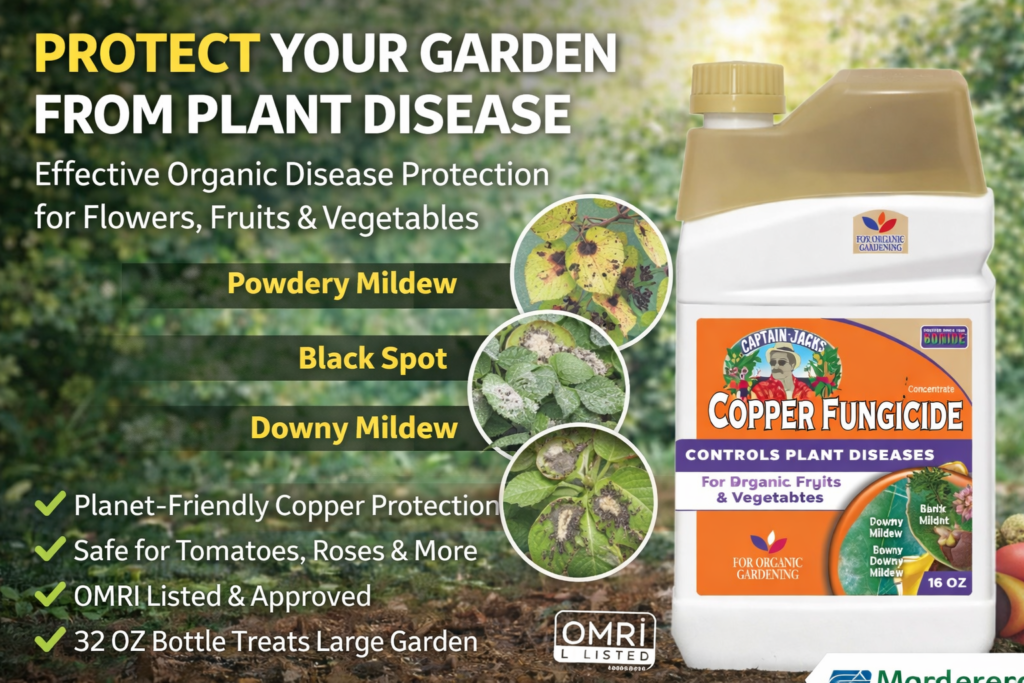
- Copper-based products have antibacterial activity and are the most effective organic option for bacterial diseases — apply copper fungicide at first sign and repeat on a 7-day schedule during wet weather
- Remove heavily infected leaves and dispose of them
- Avoid overhead watering — bacteria spread rapidly through water splash
- Do not work in the garden when plants are wet — bacteria transfer easily on hands and tools
- In future seasons, choose varieties with bacterial disease resistance where available
- Use certified disease-free seed — bacterial diseases can be seed-borne
Tobacco Mosaic Virus — The Incurable Spreader
Tobacco Mosaic Virus (TMV) and the related Tomato Mosaic Virus are among the most persistent plant viruses in existence. The virus can remain viable on contaminated surfaces — tools, hands, clothing — for decades.
What it looks like:
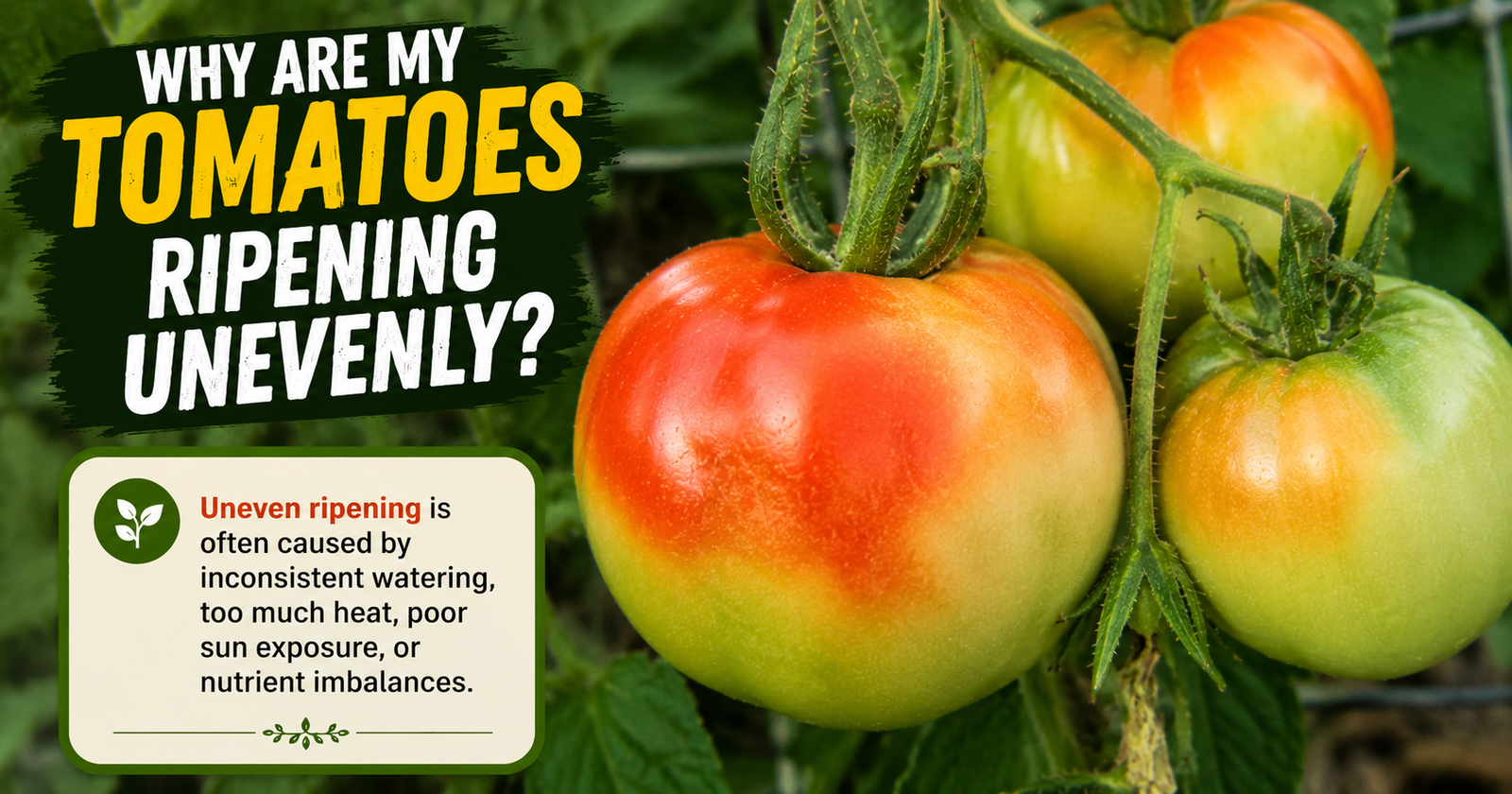
A distinctive mosaic or mottled pattern of light and dark green — sometimes with yellow — on leaves. Affected leaves may be distorted, narrow, or fern-like. Fruit may show uneven ripening or yellow blotches. Overall plant growth is stunted.
What causes it:
TMV spreads through mechanical contact — infected plant sap transferred on hands, tools, or by insects. Tobacco products are a significant source — smokers who handle tomato plants without washing hands first are a documented transmission route.
What to do:
- Remove infected plants immediately to prevent spread
- Wash hands thoroughly with soap before handling plants, especially after handling tobacco products
- Disinfect tools between plants during pruning — a 10% bleach solution or rubbing alcohol is effective
- There is no treatment. Choose TMV-resistant varieties for future seasons — labeled “TMV” or “ToMV” in resistance codes
Blossom End Rot — Not Actually a Disease
Blossom end rot is frequently listed alongside tomato diseases, but it is not caused by a pathogen. It is a physiological disorder caused by calcium deficiency in developing fruit — specifically, insufficient calcium reaching the cells at the blossom end of the tomato.
What it looks like:
A flat, dark brown to black, leathery patch on the bottom (blossom end) of developing tomatoes. It typically appears on the first fruits of the season and may affect multiple fruit simultaneously.
What causes it:
Calcium deficiency is almost always caused by inconsistent watering rather than inadequate soil calcium. When soil moisture fluctuates dramatically — very dry, then soaked — calcium uptake by roots is interrupted even when calcium is present in the soil. Container tomatoes are especially prone to blossom end rot because containers dry out faster and are more subject to moisture fluctuation.
What to do:
- Water consistently and deeply — this is the primary fix for most cases of blossom end rot
- Mulch around plants to stabilize soil moisture
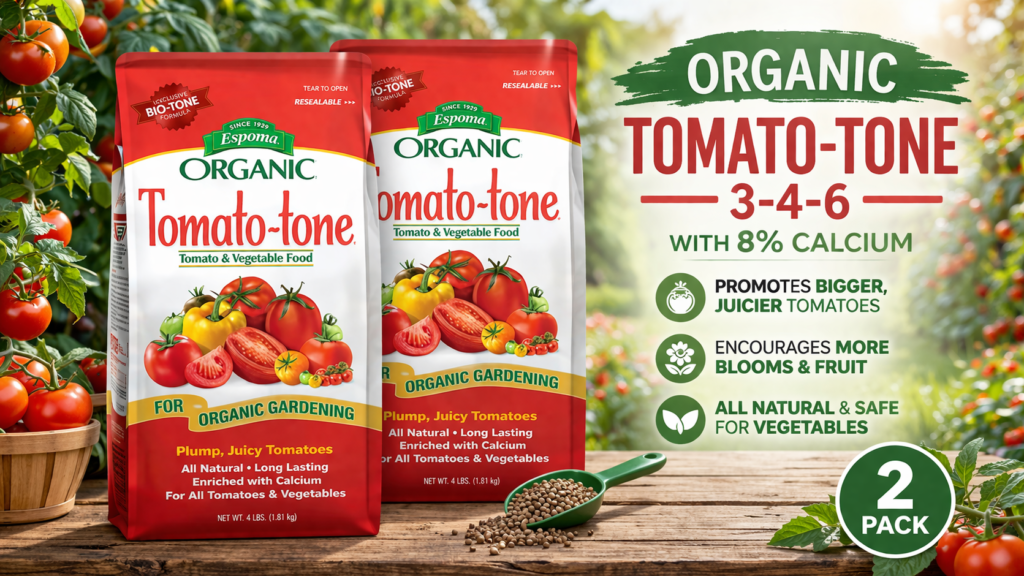
- Use a fertilizer that contains calcium — Espoma Tomato-Tone includes 8% calcium specifically to address this issue
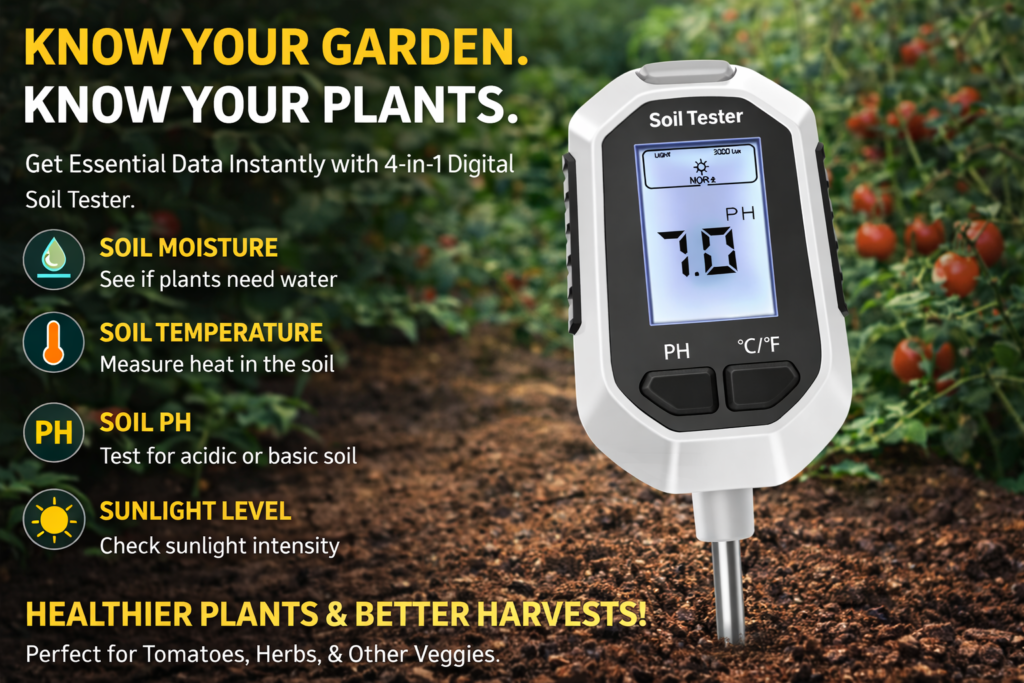
- Check soil pH — calcium uptake is reduced in acidic soil below 6.2. A soil meter gives you an instant pH reading
- Affected fruit will not recover — remove them so the plant directs energy to healthy developing fruit
Understanding Resistance Codes on Seed Packets
Most tomato seed packets and plant tags include a string of letters after the variety name — something like “VFFNT” or “VFFA.” These are resistance codes and they tell you which diseases the variety has been bred to resist.
Common resistance codes:
- V — Verticillium wilt
- F — Fusarium wilt race 1
- FF — Fusarium wilt races 1 and 2
- N — Root-knot nematodes
- T or TMV — Tobacco mosaic virus
- A — Alternaria (early blight)
- St — Stemphylium (gray leaf spot)
- TYLCV or TY — Tomato yellow leaf curl virus
- Ph — Late blight
A variety labeled “VFFNTA” has resistance to verticillium, fusarium races 1 and 2, nematodes, tobacco mosaic virus, and alternaria — a very broad disease package. For gardeners who have had persistent disease problems, choosing varieties with appropriate resistance codes is the highest-leverage prevention strategy available.

Prevention: The Most Effective Disease Strategy
Treating tomato diseases is always harder than preventing them. The practices that reduce disease pressure most effectively are also the fundamentals of good tomato growing.
Crop rotation — Do not plant tomatoes or other solanaceous crops (peppers, eggplant, potatoes) in the same soil for 3–4 years. This interrupts the disease cycle for soil-borne pathogens.
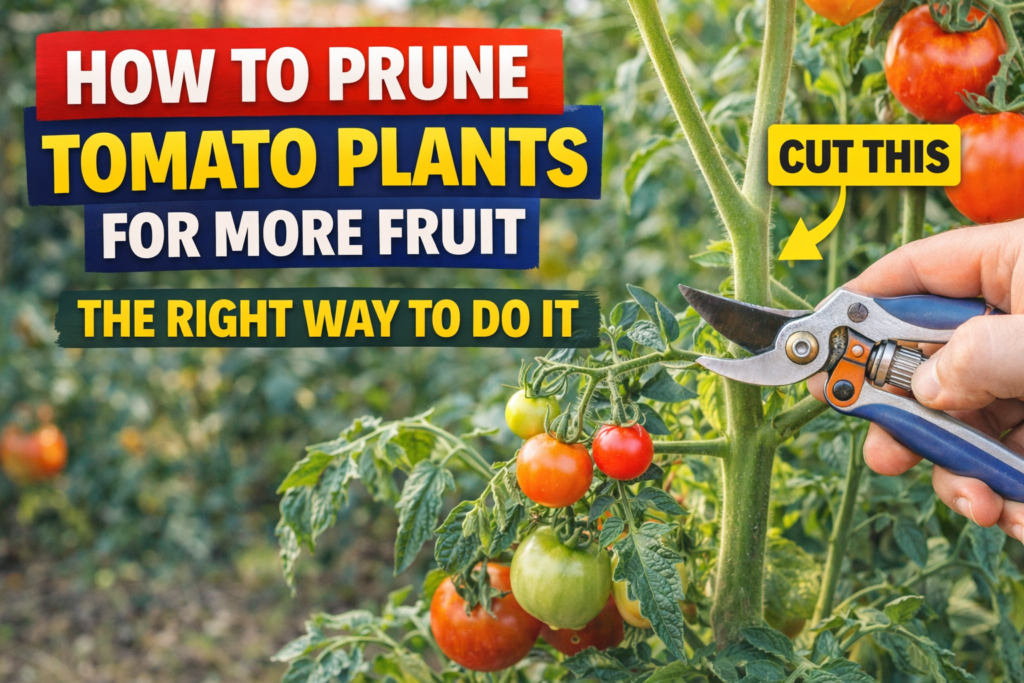
Good airflow — Dense, unpruned plants trap humidity and create the conditions fungal diseases need. Regular pruning keeps air moving through the plant and foliage drying faster after rain. Full pruning guidance is in how to prune tomato plants for more fruit.
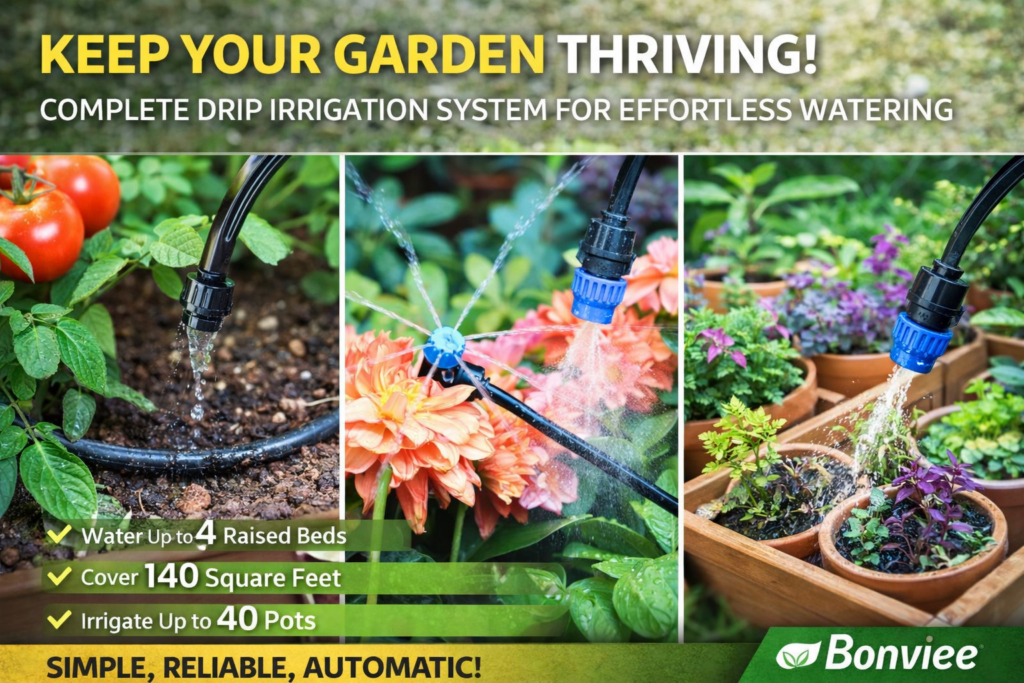
Base watering only — Overhead watering splashes soil-borne spores onto lower leaves and spreads disease from leaf to leaf. A drip irrigation system eliminates overhead watering entirely and is one of the most effective disease-reduction investments available.
Mulching — A 2–3 inch layer of mulch around plant bases prevents soil splash — the primary mechanism by which early blight, Septoria, and bacterial diseases move from soil to plant.
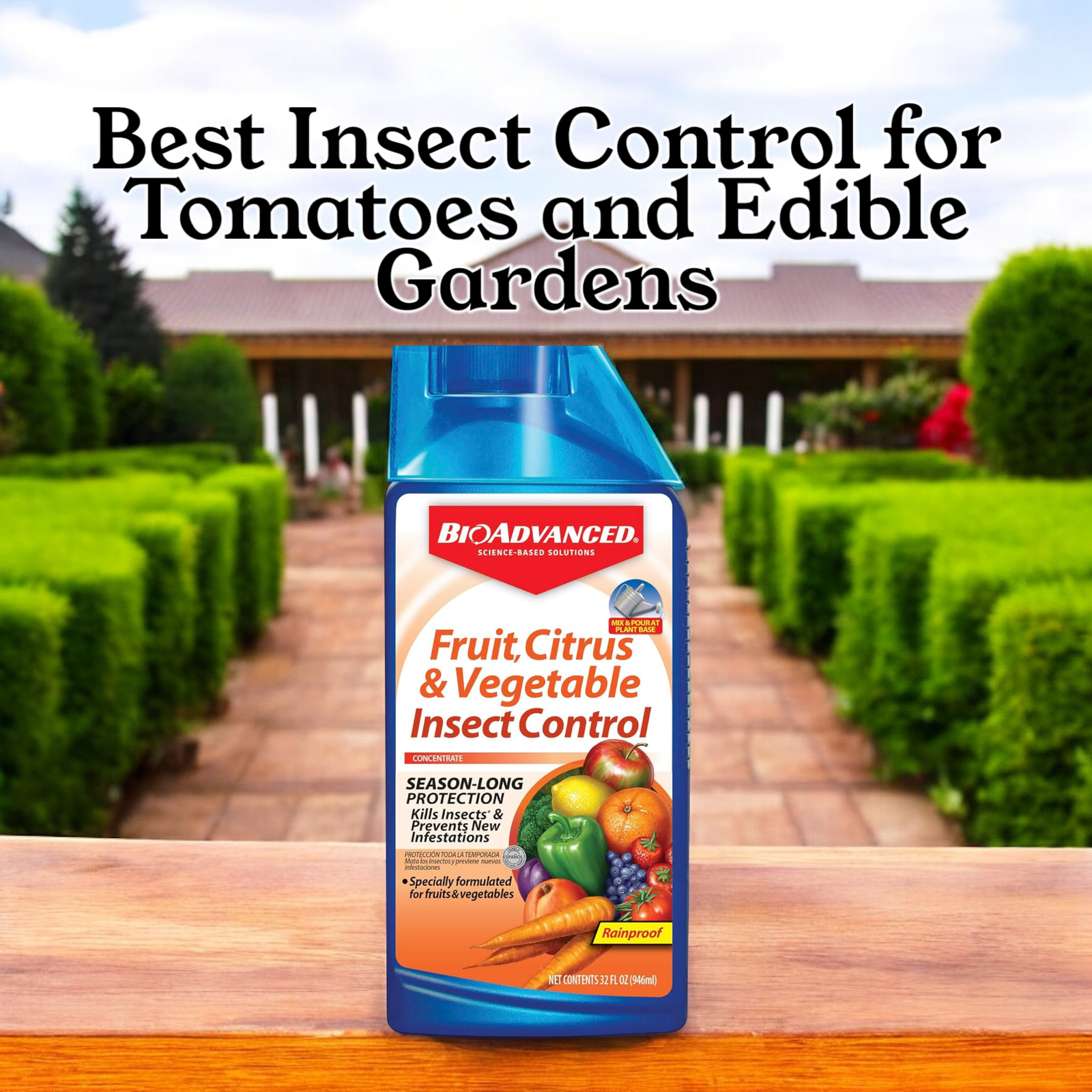
Preventive copper applications — Copper fungicide applied before disease appears — at transplanting and every 2 weeks through the season — provides a protective surface barrier that significantly reduces infection rates for both fungal and bacterial diseases.
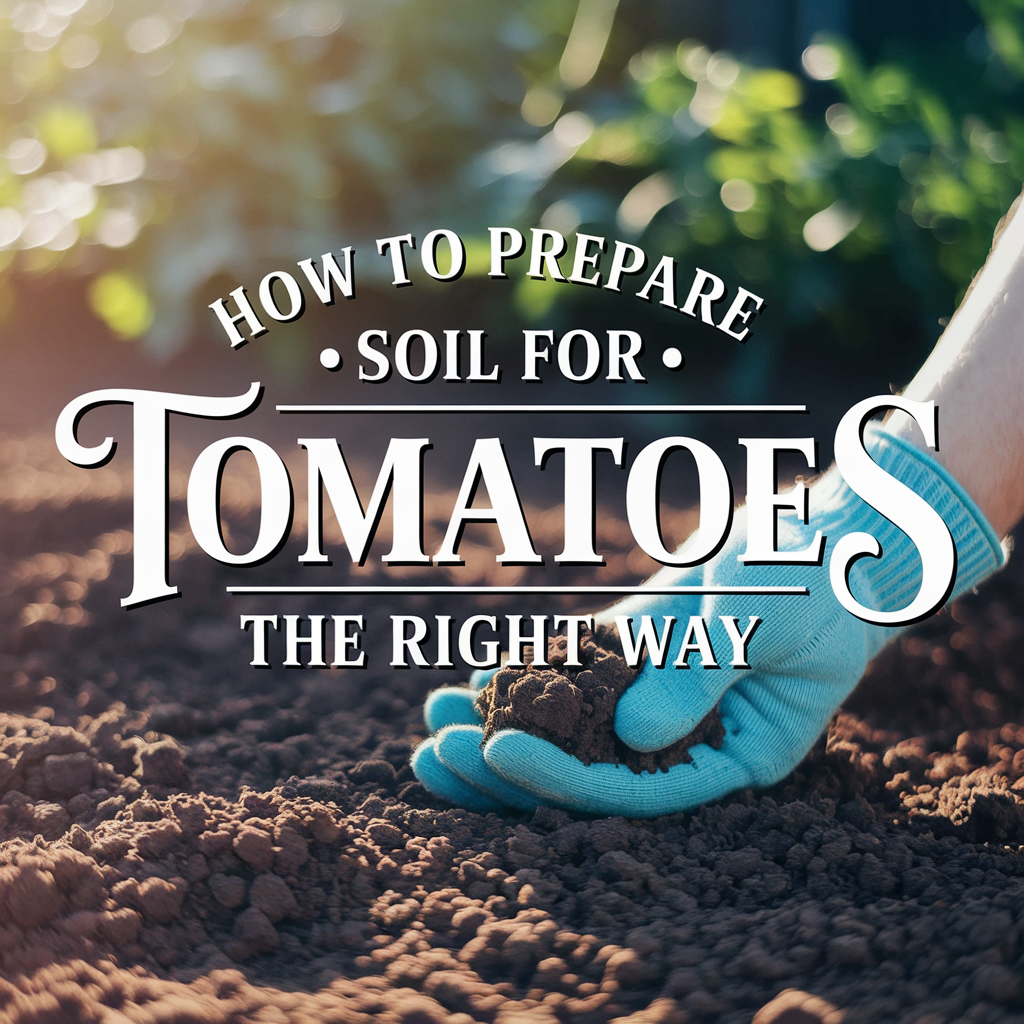
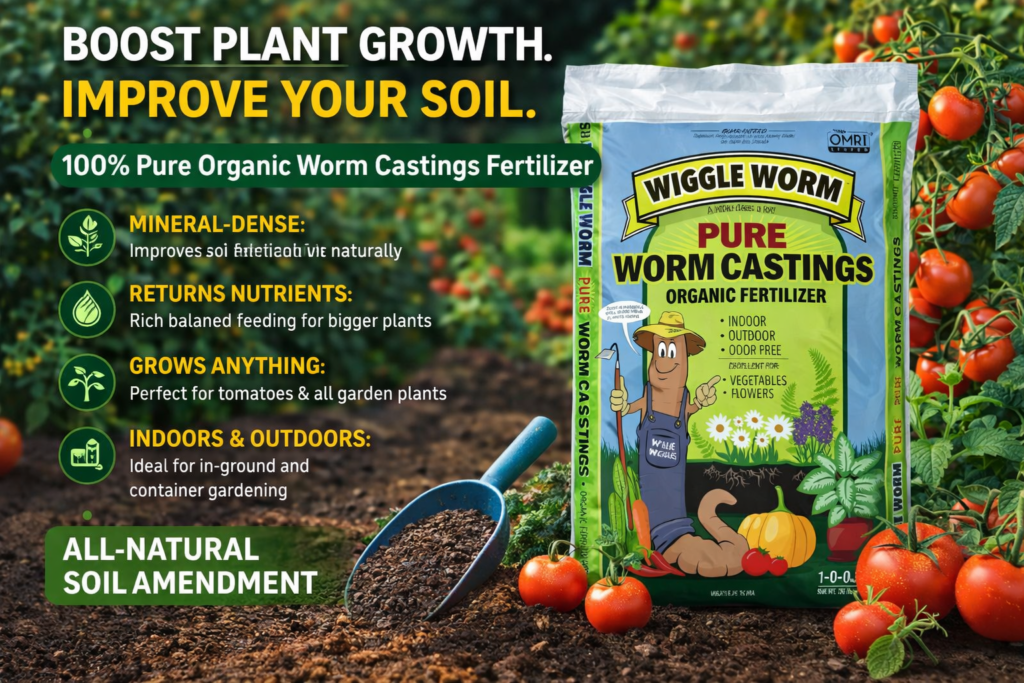
Healthy soil — Plants growing in well-prepared, correctly pH-balanced soil with adequate nutrition resist disease pressure better than stressed plants. Worm castings improve soil biology in ways that support natural disease suppression. The complete soil preparation approach is in how to prepare soil for tomatoes the right way.
Clean tools — Wipe pruner blades with rubbing alcohol between plants. This takes 10 seconds and prevents spreading disease from one plant to another during pruning — a surprisingly common transmission route for mosaic viruses and bacterial diseases.
Quick Disease ID Reference
Spots with target rings, lower leaves first, progresses upward: Early blight
Large water-soaked patches, white fuzz on leaf undersides, rapid spread: Late blight
Tiny spots with light centers and dark borders, lower leaves first: Septoria leaf spot
Asymmetrical wilting, brown vascular ring in stem cross-section, warm soil: Fusarium wilt
Similar to fusarium but cooler conditions, V-shaped yellow lesions: Verticillium wilt
Tiny dark spots with yellow halos across whole plant, wet weather: Bacterial speck or spot
Mosaic mottling, distorted leaves, stunted growth: Tobacco mosaic virus
Black leathery patch on fruit bottom, not spreading to other plants: Blossom end rot (not a disease)
Related Articles
- Try copper fungicide to help stop tomato diseases before they spread
- How to prune tomato plants for more fruit — the right way
- The real reason your tomato plants are turning yellow
- Signs of overwatering tomato plants and what to do next
- How to prepare soil for tomatoes the right way
- Tomato plant stages week by week
- Why are my tomato plants not producing fruit
- Healthy soil happy tomatoes
- Drip irrigation keeps tomatoes watered without the hassle
About the Author
Dave Pritchard has battled early blight, late blight, fusarium wilt, and just about every other tomato disease across twelve years of growing in two different climate zones. He writes practical diagnosis-first guides so home gardeners can identify problems correctly and respond before a manageable issue becomes a lost season.