Determinate vs indeterminate tomatoes explained — what each type means, how they grow differently, which varieties are which, and how to choose the right one for your garden.
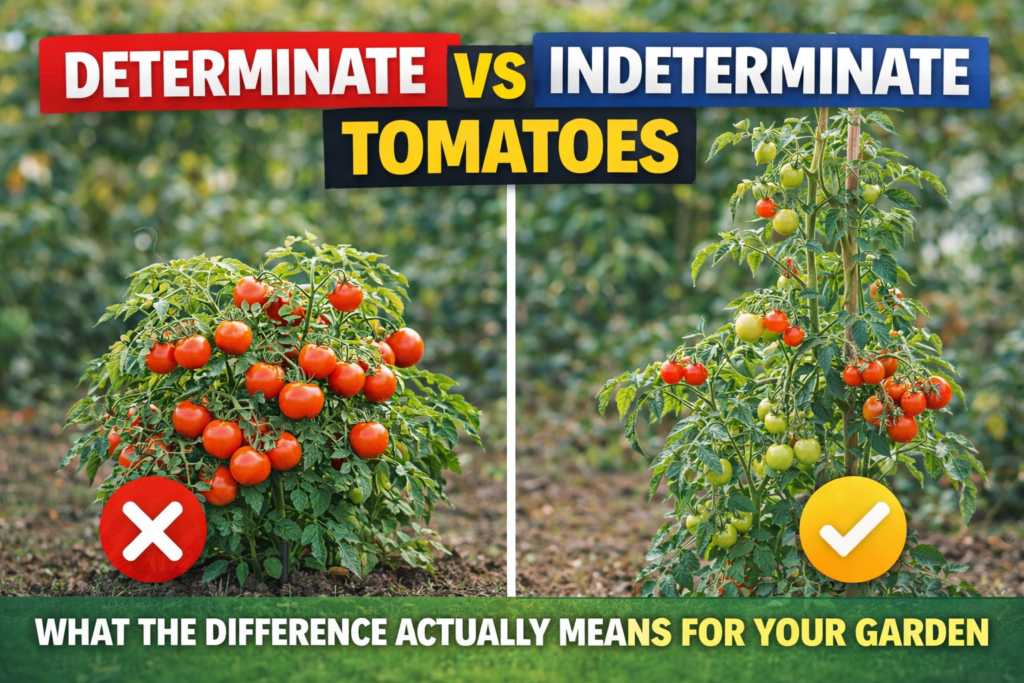
Walk into any garden center in spring and you will find dozens of tomato varieties — cherry, beefsteak, roma, heirloom, hybrid — but almost none of them have a label that clearly explains the one thing that matters most for planning your garden: whether the plant will keep growing all season or stop at a predictable size.
That distinction is the difference between determinate and indeterminate tomatoes. It affects how tall your plants get, how long they produce, when you harvest, whether you prune, what kind of support you need, and how you plan your season. Understanding it before you buy plants or seeds saves you from a long list of frustrating surprises.
This guide covers everything you need to know about both types — what they are, how they grow, which varieties fall into each category, and how to choose the right one for your garden and goals.
What Does Determinate Mean?
Determinate tomatoes grow to a genetically programmed height — usually between 2 and 4 feet — and then stop. Once the plant reaches its full size, it sets all of its flowers within a concentrated window of a few weeks, the fruit ripens, and then the plant naturally declines.
The word determinate literally refers to this fixed, predetermined growth pattern. The plant has a finish line built into its DNA.
Key characteristics of determinate tomatoes:
- Compact, bushy growth habit
- Reach full size and stop growing on their own
- Flower and fruit in a concentrated 4–6 week window
- All fruit ripens around the same time
- Require minimal pruning — removing suckers removes fruit-producing nodes
- Lighter support requirements than indeterminate types
- Predictable, manageable plants well suited to smaller spaces and containers
Best for: Gardeners who want a big harvest at once for canning, sauce-making, or preserving. Gardeners with limited space. Gardeners who want low-maintenance plants that do not need constant attention.


What Does Indeterminate Mean?
Indeterminate tomatoes have no programmed stopping point. They keep growing, flowering, and producing fruit from transplanting until the first frost kills them. Given enough time and warmth, some indeterminate varieties will grow 8, 10, or even 12 feet tall in a single season.
The word indeterminate refers to the open-ended, continuous nature of the growth. There is no finish line — the plant keeps going as long as conditions allow.
Key characteristics of indeterminate tomatoes:
- Tall, vining growth habit that continues all season
- Produce flowers and fruit continuously rather than all at once
- Require strong support — heavy caging, staking, or trellising
- Benefit significantly from regular pruning throughout the season
- Harvest window extends over months rather than weeks
- Generally considered to produce superior flavor, especially heirloom varieties
- Require more space, more attention, and more support infrastructure
Best for: Gardeners who want a steady supply of fresh tomatoes throughout the season. Gardeners who prioritize flavor over convenience. Gardeners with space and willingness to manage larger plants.
The Key Differences Side by Side
Plant size
Determinate: 2–4 feet tall, compact and bushy
Indeterminate: 5–12+ feet, tall and vining
Growth pattern
Determinate: Grows to fixed height and stops
Indeterminate: Keeps growing until frost
Fruit production
Determinate: All at once over 4–6 weeks
Indeterminate: Continuously throughout the season
Harvest window
Determinate: Short and concentrated
Indeterminate: Long — months of fresh tomatoes
Pruning
Determinate: Minimal — avoid removing suckers
Indeterminate: Regular pruning improves yield significantly
Support needed
Determinate: Standard cage or light stake usually sufficient
Indeterminate: Heavy cage, strong stake, or trellis required
Best use
Determinate: Canning, preserving, large batch cooking
Indeterminate: Fresh eating, steady supply, flavor-first growing
Space requirement
Determinate: Smaller — good for containers and tight spaces
Indeterminate: Larger — needs room to grow tall and wide

Common Determinate Varieties
Roma — The classic paste tomato. Meaty, low moisture, perfect for sauce and canning. One of the most widely grown determinate varieties in home gardens. Produces heavily over a few concentrated weeks.
Celebrity — A reliable all-purpose slicing tomato with excellent disease resistance. One of the most popular determinate varieties for home gardeners because it is consistent, manageable, and productive.
Rutgers — An old-school variety with excellent flavor for a determinate type. A garden staple for generations of East Coast gardeners.
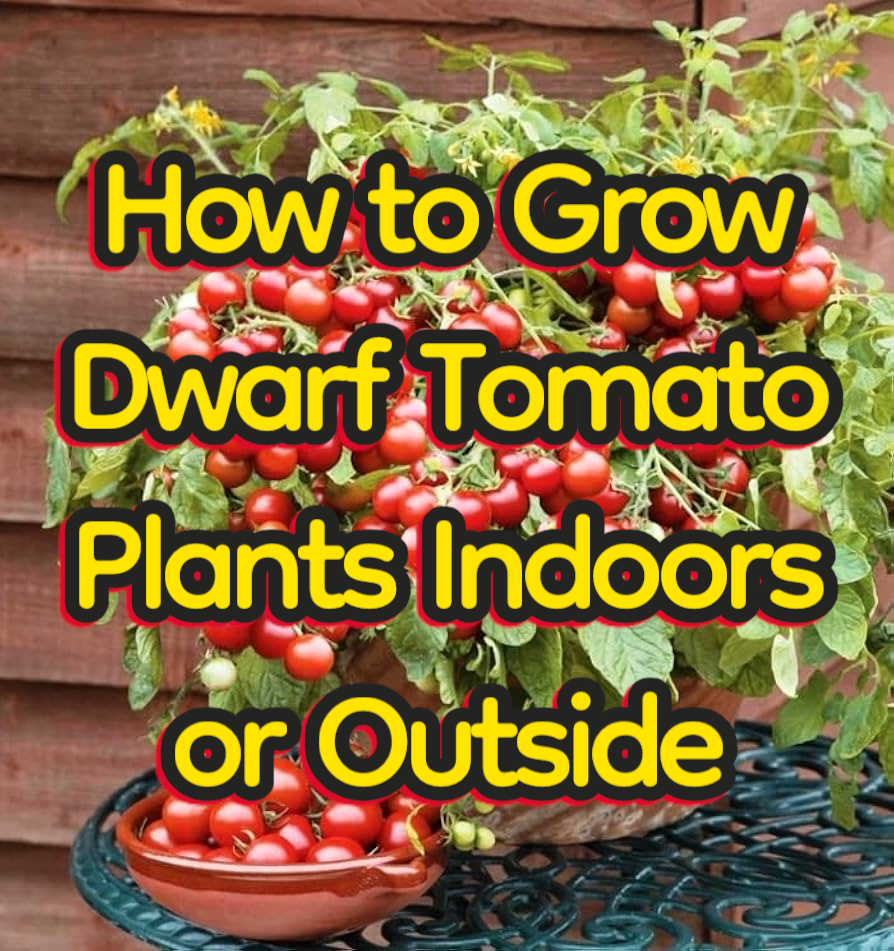
Patio — Bred specifically for container growing. Compact, productive, and well suited to small spaces, balconies, and patio gardens.
Marglobe — An older heirloom-style determinate with good disease resistance. Produces medium-sized red slicing tomatoes with classic flavor.
Bush Early Girl — A determinate version of the famous Early Girl. Compact plant, early producer, good flavor.
Heinz 1350 — Bred for commercial processing but performs well in home gardens. Classic paste-type fruit perfect for sauce.
Common Indeterminate Varieties
Beefsteak — The iconic large slicing tomato. Can reach a pound or more per fruit. Indeterminate, needs strong support, and rewards you with extraordinary flavor when grown well.
Cherokee Purple — One of the most beloved heirloom varieties. Deep purple-red flesh, rich and complex flavor. Indeterminate and vigorous.
Black Krim — A Russian heirloom with dark, smoky fruit and outstanding flavor. Indeterminate, productive in hot climates.
Sweet 100 — A cherry tomato that produces enormous clusters of intensely sweet fruit all season. One of the most productive indeterminate varieties you can grow.
Sun Gold — Consistently rated among the best-tasting tomatoes available. Orange cherry tomatoes with tropical sweetness. Indeterminate and extremely vigorous.
Early Girl — An indeterminate variety that produces earlier than most. A good choice for shorter-season gardens that still want continuous harvest.
Brandywine — Perhaps the most famous heirloom tomato. Large, pink-red fruit with extraordinary flavor. Indeterminate, slow to mature, but deeply rewarding.
Mortgage Lifter — A large, meaty heirloom developed by a home gardener. Pink fruit, low acidity, excellent flavor. Indeterminate and reliable.
Sungella — A yellow cherry tomato with exceptional sweetness and low acidity. Indeterminate and highly productive.
Semi-Determinate: The Middle Ground
There is a third category that seed catalogs and garden centers rarely explain clearly — semi-determinate.
Semi-determinate varieties grow larger than standard determinate types but stop growing before reaching the full height of indeterminate varieties. They produce a main flush of fruit like determinate plants but often continue producing at a reduced rate afterward.
Examples: Juliet (a popular roma-cherry hybrid), Mountain Merit, Celebrity in some classifications.
Semi-determinate plants generally benefit from moderate pruning and medium-duty support. They are a reasonable middle ground for gardeners who want more production than compact determinates provide but less management than full-sized indeterminate plants demand.
Which Type Is Right for Your Garden?
The honest answer is that most serious tomato gardeners grow both. But if you are narrowing down your choices, here are the questions to ask.
Do you want tomatoes for canning and preserving?
Determinate. Having a large number of tomatoes ripen at the same time is exactly what you need for batch processing. Roma types are specifically bred for sauce and paste — low moisture, meaty flesh, and concentrated flavor that cooks down beautifully. The guide on what are the best tomatoes for freezing covers the top varieties for preserving in detail.
Do you want fresh tomatoes on your table all summer?
Indeterminate. A single well-pruned indeterminate plant will produce fresh tomatoes for 3–4 months. Two or three plants of different varieties gives you a continuous harvest from early summer through first frost.
Do you have limited space or grow in containers?
Determinate, or compact indeterminate cherry varieties. Standard indeterminate varieties in containers are possible but require large pots and diligent management. For container-specific guidance, the article on best containers for tomatoes that actually help them thrive covers everything you need to set up a successful container tomato garden.
Do you have a short growing season?
Determinate or early-maturing indeterminate. Short-season Zone 3 and 4 gardeners often do better with determinate varieties because the concentrated harvest window fits within their available growing days. Check the zone-by-zone planting guide to understand your season length and choose varieties accordingly.
Do you prioritize flavor above everything else?
Indeterminate heirlooms. The flavor difference between a Cherokee Purple or Brandywine grown in your garden and anything from a grocery store is genuinely remarkable. Indeterminate heirlooms take more work, but the eating experience is in a completely different category.
Are you a first-time tomato grower?
Start with a mix. One determinate variety like Celebrity or Roma gives you an easy, manageable plant that teaches you the basics. One indeterminate cherry tomato like Sweet 100 or Sun Gold gives you continuous production and near-instant gratification — cherry tomatoes are far more forgiving than large-fruited varieties and produce abundantly even when conditions are not perfect.
How Growing Approach Changes Between the Two Types
Pruning
With indeterminate varieties, pruning is one of the highest-return activities in your garden. Removing suckers weekly redirects energy into fruit, improves airflow, and keeps the plant manageable. The complete guide on how to prune tomato plants for more fruit walks through exactly how to do it.
With determinate varieties, limit pruning to removing dead or diseased material. The suckers on a determinate plant often carry the flower clusters for the main harvest — removing them reduces your yield.
Support
Determinate varieties do fine with a standard tomato cage or a single stake. They stay compact and the weight of fruit is manageable.
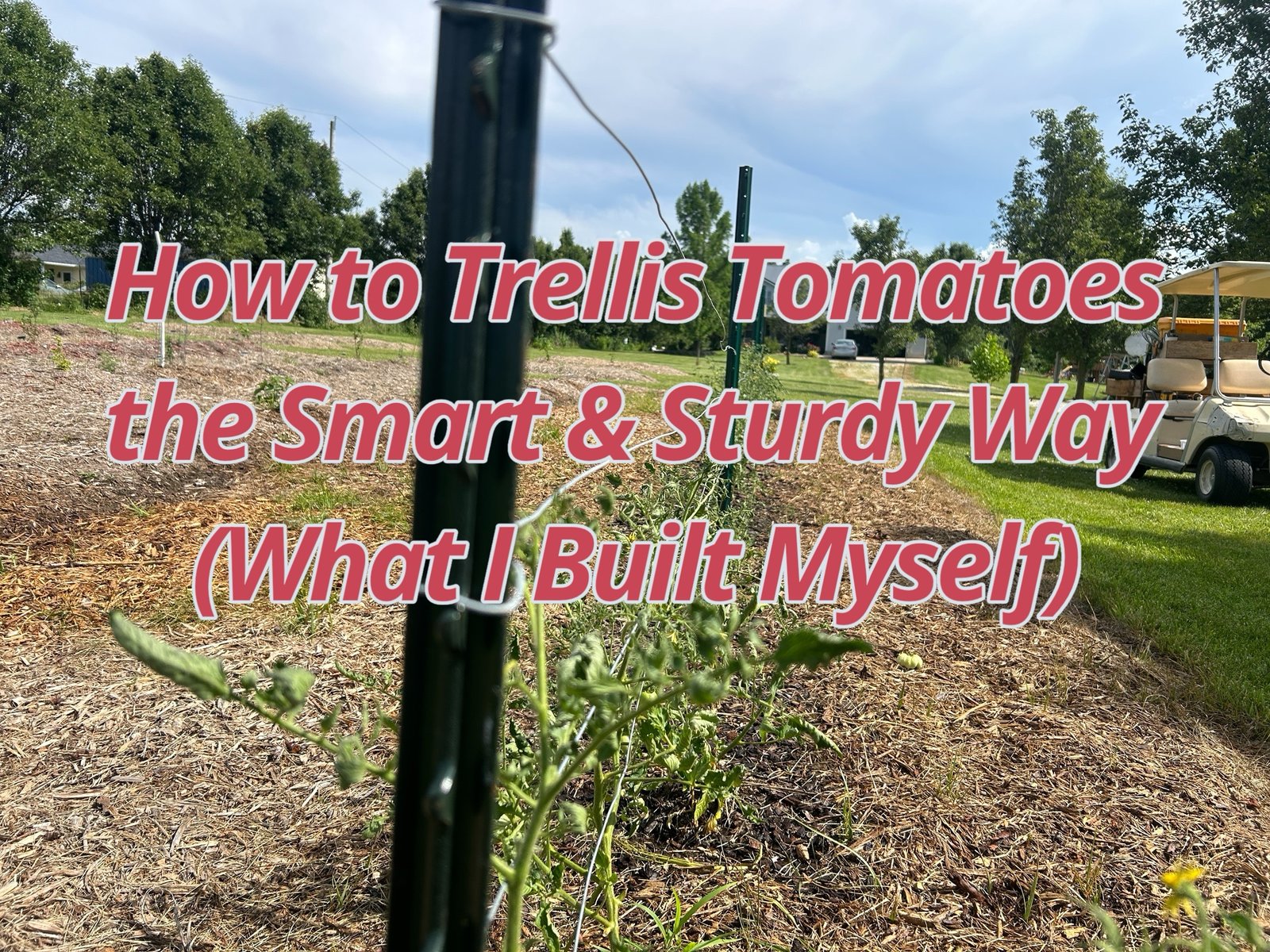
Indeterminate varieties need serious support — a heavy duty garden stake at minimum, ideally a trellis or a large reinforced cage. A full-grown indeterminate beefsteak loaded with fruit can weigh 30 pounds or more. Flimsy cages collapse under this weight, and a fallen indeterminate plant is a significant setback. If you are growing multiple indeterminate plants in a row, a dedicated trellis system is the most efficient support solution.
Fertilizing
Both types need consistent feeding, but the timing emphasis differs slightly. Determinate types benefit from a front-loaded approach — good soil preparation and early season feeding sets them up for their concentrated production window. Indeterminate types need consistent feeding all season because they are continuously setting new fruit. The full fertilizing schedule is covered in when to fertilize tomato plants for juicy big results.
Watering
Both types need consistent, even moisture — but indeterminate plants drink significantly more due to their larger size and longer production period. Inconsistent watering during fruit development causes cracking and blossom end rot in both types. If you grow multiple large indeterminate plants, drip irrigation takes the daily watering decision off your plate and delivers consistent moisture directly to the root zone.
Reading Seed Packets and Plant Tags
Most seed packets and plant tags will list the growth type somewhere, though the language varies.
Look for:
- “Indeterminate” or “Ind.” — vining, continuous producer, needs heavy support
- “Determinate” or “Det.” — compact, concentrated harvest, less pruning
- “Semi-determinate” or “Semi-det.” — middle ground, moderate support needed
- “Vining” — almost always means indeterminate
- “Compact” or “Bush” — almost always means determinate
Also look at days to maturity — listed as a number like “75 days.” This counts from transplanting, not from seed starting. A 75-day variety transplanted on May 15 should begin producing ripe fruit around late July under good conditions. Short-season gardeners should prioritize varieties under 70 days.


Growing Both Types Together
Many experienced gardeners grow both types intentionally to cover different needs from the same garden.
A common approach is to plant one or two determinate varieties for sauce and canning — Roma is the classic choice — alongside two or three indeterminate varieties for fresh eating throughout the season. The determinate plants produce their harvest in a concentrated window in mid to late summer, giving you a processing batch. The indeterminate plants start producing earlier and keep going until frost.
This combination also staggers workload and harvest time in a manageable way. You are not overwhelmed with 50 pounds of tomatoes all at once, and you always have something fresh to pick.
Frequently Asked Questions
Can I grow determinate tomatoes in containers?
Yes — determinate varieties are well suited to containers because of their compact size. Use at least a 5-gallon pot, preferably larger, with good drainage and a quality potting mix. The best soil mixture for growing tomatoes in containers covers exactly what to use.
Do indeterminate tomatoes produce more fruit overall?
Over a full season, yes — indeterminate varieties typically produce more total fruit because they keep flowering and setting fruit for months. Determinate varieties produce more fruit in a short concentrated window, which can actually mean a larger single-day harvest even if total season yield is lower.
Can I top an indeterminate tomato to control its height?
Yes. Removing the growing tip — called topping — stops upward growth and redirects energy into ripening existing fruit. It is especially useful done 4–6 weeks before first frost to ensure late-season fruit ripens in time. It does not turn an indeterminate plant into a determinate one.
Why do my indeterminate tomatoes never seem to stop growing?
Because they are not supposed to. That is the nature of indeterminate growth. Regular pruning keeps them manageable — without it, they will fill every available space. This is not a problem, it is just the plant doing what it is designed to do.
Are heirloom tomatoes always indeterminate?
Most are, but not all. The majority of heirloom varieties are indeterminate — this is one reason they are prized for flavor, as the continuous growth cycle allows for more complex fruit development. There are some determinate heirlooms, but they are less common.

Related Articles
- How to prune tomato plants for more fruit — the right way to do it
- Best tomatoes to grow for every garden
- Tomato plant stages week by week — what to expect and what to do
- How to trellis tomatoes the smart sturdy way
- Best containers for tomatoes that actually help them thrive
- When to plant tomatoes for the best results in every zone
- Why are my tomato plants not producing fruit — 9 reasons and fixes
About the Author
Dave Pritchard has grown both determinate and indeterminate tomatoes across two climate zones for over twelve years. He grows Roma and Celebrity for sauce every season alongside a rotating lineup of indeterminate heirlooms for fresh eating — and writes practical guides for home gardeners who want to understand their plants before they plant them.
As an Amazon Associate we earn from qualifying purchases through some links in our articles.