Tomato flowers falling off before setting fruit? Here are all 7 causes of tomato blossom drop — temperature, watering, nitrogen, pollination and more — with exact fixes for each.
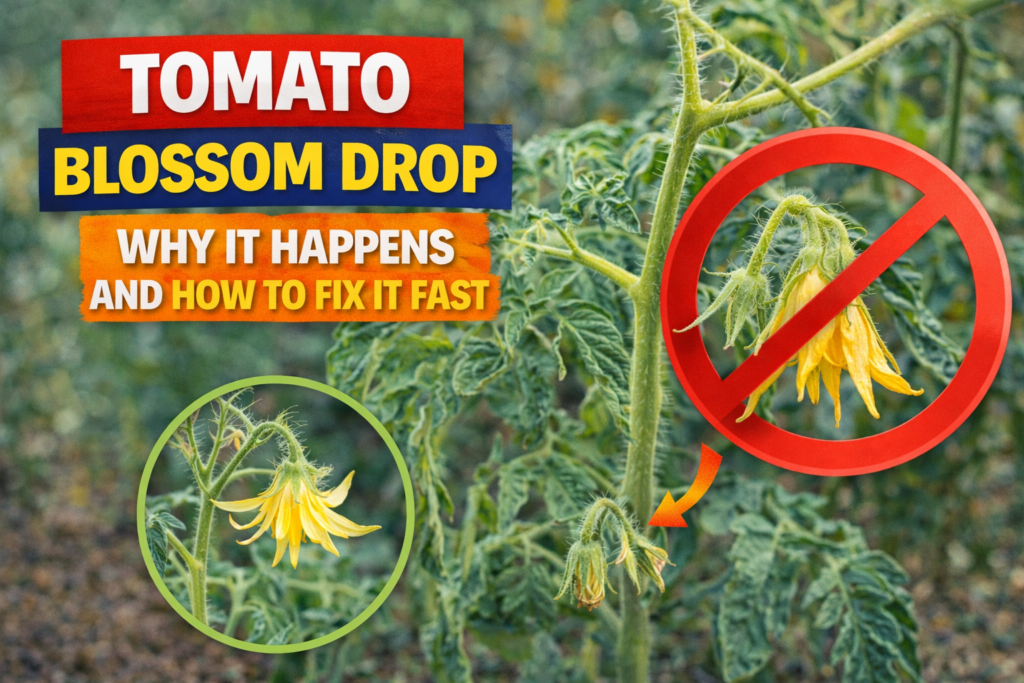
You check your tomato plants one morning and the flowers are everywhere — small yellow blooms covering the plant exactly like they should be. A few days later you check again and the flowers are gone. Not turned into tomatoes. Just gone. The plant looks healthy but there is no fruit forming where those flowers were.
This is tomato blossom drop, and it is one of the most frustrating things that happens in a tomato garden because it looks like everything is working right until suddenly it is not.
The good news is that blossom drop almost always has a specific, identifiable cause. Find the cause, fix the condition, and the plant resumes setting fruit — often within a week or two. This guide walks through every cause of tomato blossom drop, how to identify which one you are dealing with, and exactly what to do about it.
What Is Tomato Blossom Drop?
Blossom drop is when tomato flowers fall off the plant before they can be pollinated and develop into fruit. The flower opens, sits on the plant for a day or two, and then drops — stem and all — without leaving behind the small green swelling that signals a tomato is forming.
It is worth understanding the difference between normal flower progression and blossom drop.
When pollination succeeds, the yellow petals fall off but the base of the flower — the swollen green ovary — remains attached to the stem and begins growing into a tomato. You will see a tiny green bump where the flower was.
When blossom drop occurs, the entire flower including its stem detaches and falls. Nothing remains. If you are seeing flowers fall off completely with no green bump left behind, that is blossom drop.

Cause 1: Temperature Extremes
Temperature is the most common cause of blossom drop in tomatoes by a wide margin, and it affects the plant at both ends of the thermometer.
Tomato pollen becomes non-viable outside a specific temperature range. When daytime temperatures exceed 85–90°F or nighttime temperatures drop below 55°F or climb above 75°F, pollen either fails to release properly or loses its ability to fertilize the ovule. The flower opens, waits for pollination that cannot happen, and drops.
High temperature blossom drop is most common in midsummer heat waves and in southern climates where sustained temperatures above 90°F are normal. The plant may be loaded with flowers that drop consistently for weeks until temperatures moderate.
Low temperature blossom drop is most common in early spring when gardeners transplant a little too early and nighttime temperatures are still dipping into the 40s and low 50s. The plant flowers because daytime temperatures are warm enough, but cold nights prevent pollen viability.
How to identify temperature as the cause:
- Blossom drop corresponds with a heat wave or a period of cold nights
- Drop affects the whole plant simultaneously rather than isolated areas
- Plant otherwise looks healthy with no other symptoms
- Problem resolves or improves when temperatures return to the normal range
What to do:
- For heat: Provide afternoon shade with shade cloth rated 30–40%. Keep soil moisture consistent — heat and drought stress together cause more severe drop than either alone. Choose heat-tolerant varieties like Heatmaster or Solar Fire for consistently hot climates
- For cold: Row covers raised above the plant on hoops retain several degrees of warmth overnight and can make the difference between usable nighttime temperatures and not. Do not lay covers directly on plants — air space is what creates the warming effect
- Be patient — temperature-related blossom drop is temporary. Once conditions return to the 65–80°F range, fruit set typically resumes without any further intervention
Cause 2: Inconsistent Watering
Water stress during the flowering stage is a rapid trigger for blossom drop. The tomato plant treats reproduction as a conditional activity — it will set fruit when conditions are stable and abort the attempt when survival is threatened.
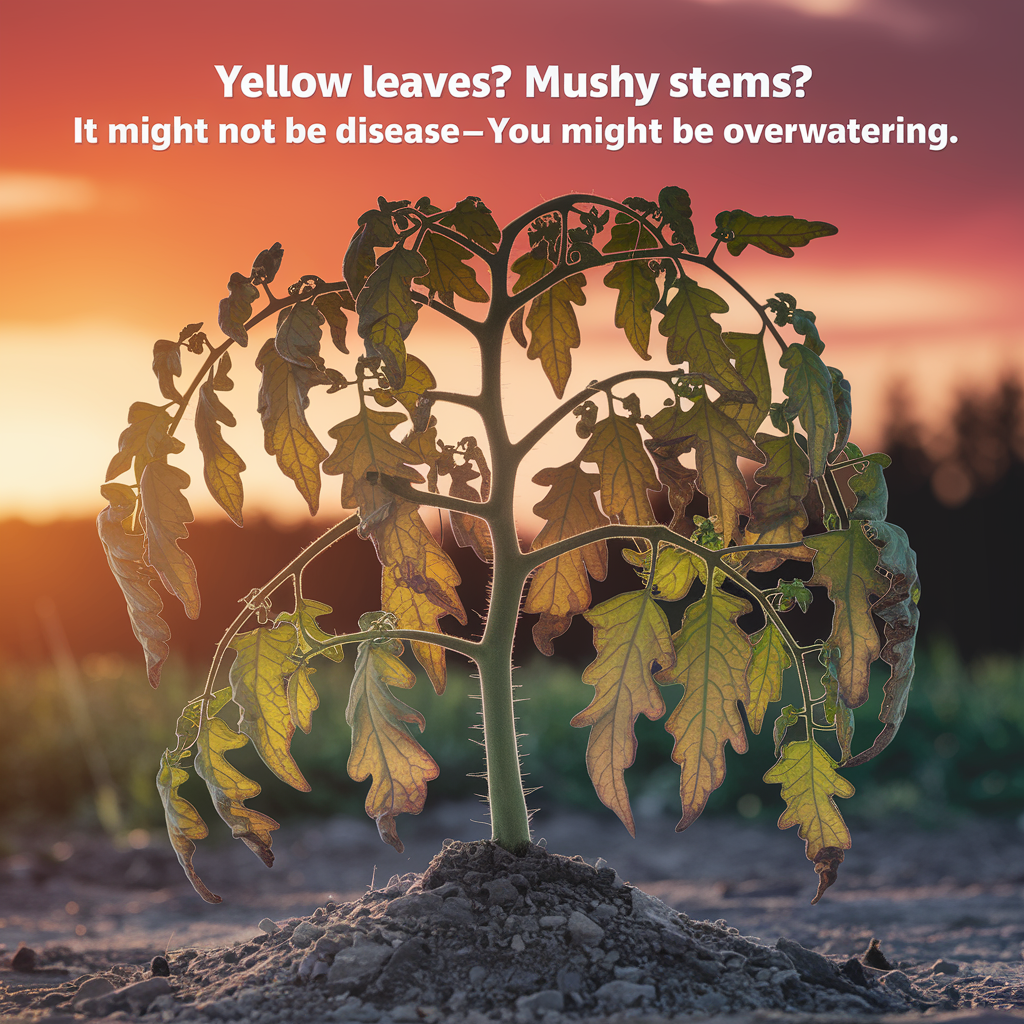
Both drought stress and waterlogged soil cause blossom drop. Drought stress signals resource scarcity. Waterlogged soil damages roots, which then fail to deliver water and nutrients to the rest of the plant even when water is abundantly present.
The pattern that causes the most damage is not sustained drought or sustained overwatering — it is the cycle of swinging between the two. Letting the soil get very dry and then soaking it heavily, repeatedly, stresses the plant continuously and causes ongoing blossom drop throughout the flowering period.
How to identify watering as the cause:
- Blossom drop follows periods of dry soil or heavy watering after dry periods
- Plant may show wilting or leaf curl alongside the flower drop
- Soil check reveals either very dry or very wet conditions
What to do:
- Establish a consistent watering rhythm. Water deeply and less frequently rather than shallowly and often. Deep watering encourages roots to grow down where moisture is more stable and less subject to surface fluctuations
- Mulch heavily around the base of the plant — 2–3 inches of straw or wood chip mulch dramatically reduces moisture loss from the soil surface and buffers the plant against fluctuations
- Check soil moisture before watering rather than watering on a fixed schedule. A soil moisture meter takes the guesswork out entirely
- For gardens where consistent watering is difficult, a drip irrigation system set on a timer delivers consistent moisture to the root zone automatically and effectively eliminates watering inconsistency as a variable

Cause 3: Too Much Nitrogen
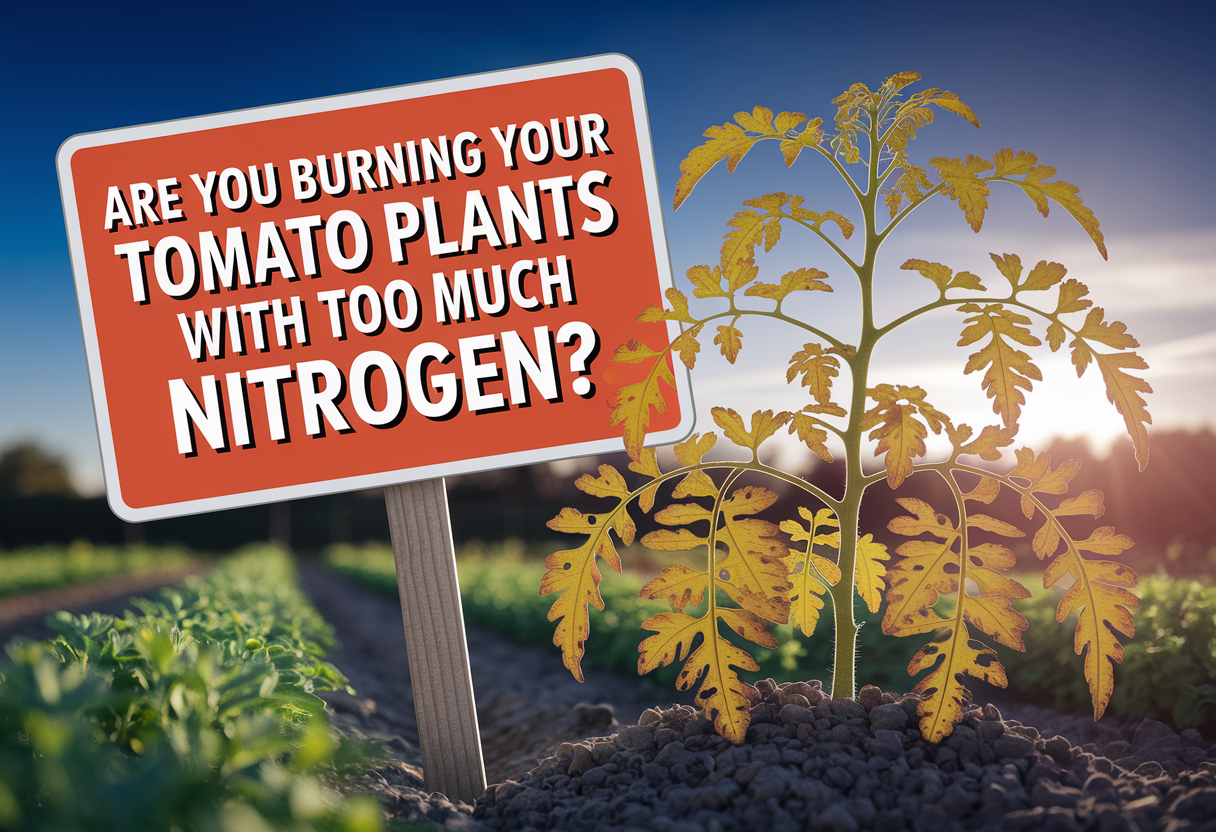
A tomato plant receiving excess nitrogen is in perpetual growth mode. Nitrogen drives vegetative development — stems, leaves, and overall plant size. When it is too high during the flowering stage, the plant prioritizes growing over reproducing, and flowers drop because the plant is not ready to switch into fruit production mode.
This is a common problem for gardeners who use high-nitrogen fertilizers throughout the season without adjusting as the plant matures, or who apply lawn fertilizer to the vegetable garden.
The visual tell is distinctive: a plant with excess nitrogen looks extraordinarily healthy. Deep, almost bluish-green leaves. Vigorous, rapid growth. And frustratingly few flowers — or flowers that open and drop quickly.
How to identify excess nitrogen:
- Plants are very dark green and growing vigorously
- Flowering is sparse relative to plant size
- Flowers drop quickly after opening
- You have been using a high-nitrogen fertilizer or a balanced fertilizer at high rates
What to do:
- Stop nitrogen-heavy feeding immediately
- Switch to a fertilizer with a higher phosphorus and potassium ratio relative to nitrogen — something like 5-10-10 or 3-8-7. Phosphorus supports flowering and fruit development. Potassium supports overall plant function and fruit quality
- Hold off on all fertilizing for 2 weeks to allow nitrogen levels to normalize before resuming with the adjusted formula
- In future seasons, reduce or eliminate nitrogen feeding once the plant begins flowering. The full season fertilizing approach is covered in when to fertilize tomato plants for juicy big results
Cause 4: Poor Pollination
Tomato flowers are self-fertile but they still need physical agitation to release pollen and complete pollination. In the open garden, wind and bumblebees provide this agitation naturally. In sheltered locations, enclosed spaces, or areas with low bee activity, flowers open and drop without being pollinated simply because nothing triggered pollen release.
This cause is increasingly common as home gardens move to covered patios, enclosed courtyards, and urban rooftops where bee activity is limited and wind is blocked.
How to identify poor pollination:
- Blossom drop occurs throughout the season regardless of temperature and watering conditions
- Growing in an enclosed or sheltered location
- Low bee or pollinator activity visible in the garden
- Problem is worse during still, calm weather and improves on windy days
What to do:
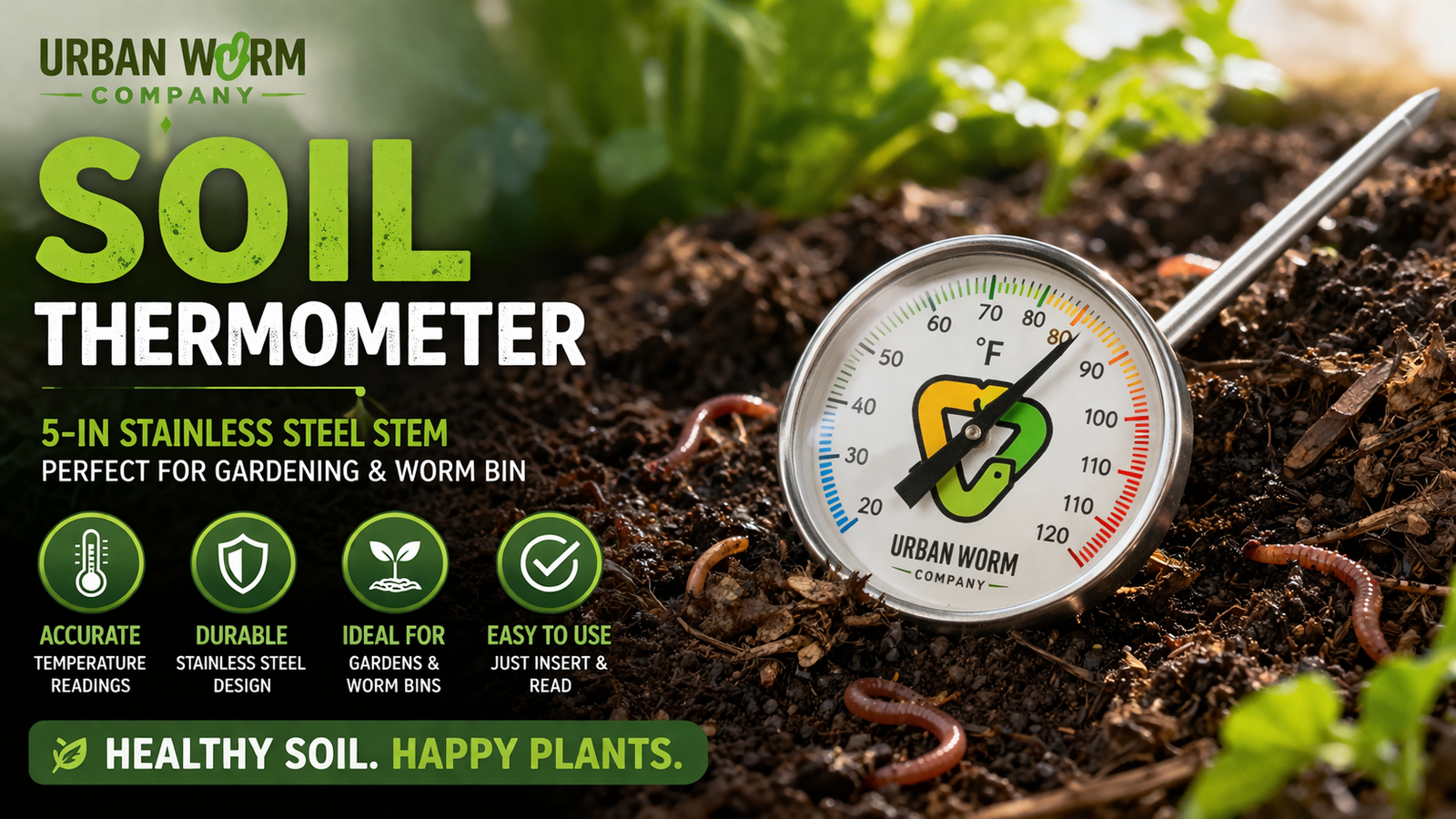
- Gently shake flowering stems every morning when flowers are open. A light tap on the main stem creates enough vibration to release pollen. This takes 30 seconds per plant and is highly effective
- An electric toothbrush held briefly against the flowering stem mimics the buzz frequency of a bumblebee and is one of the most effective hand-pollination tools available
- Plant pollinator-attracting companion plants nearby — borage, marigolds, and basil all attract bees and beneficial insects reliably
- Run a small oscillating fan in enclosed growing spaces to create air movement that substitutes for wind
- Avoid applying pesticides during the flowering period — broad-spectrum products kill pollinators along with pests and compound the problem significantly
Cause 5: Low Humidity or Excessively High Humidity
Humidity affects how well tomato pollen functions, and both extremes cause problems.
Low humidity (below 40%) causes pollen to dry out and lose viability before it can reach the stigma. This is most common in arid climates and during hot, dry, windy weather.
Very high humidity (above 70%) causes pollen to clump and stick, preventing it from releasing and dispersing normally. This is most common in humid southern climates during wet summers.
How to identify humidity as the cause:
- Blossom drop is most severe during very dry and windy conditions or during very humid, wet periods
- Temperature is within the normal range so temperature is not the primary explanation
- Other plants in the garden are showing stress from dry or wet conditions
What to do:
- For low humidity: Mist plants lightly in the morning during very dry periods. Mulching and consistent watering raises the local humidity around plant foliage slightly. Choosing drought-adapted varieties helps
- For high humidity: Improve airflow around plants through pruning — an open, well-pruned plant dries faster after rain or dew than a dense, unpruned one. Morning watering rather than evening allows foliage to dry during the day. The full guide on how to prune tomato plants for more fruit covers the pruning approach that maximizes airflow

Cause 6: Pest or Disease Pressure
A tomato plant fighting a significant pest infestation or disease outbreak redirects energy toward survival and away from reproduction. Severe infestations or widespread disease can cause blossom drop as a secondary effect even when the primary symptoms look like something else entirely.
The pests most likely to cause blossom drop indirectly are those that cause widespread damage quickly — tomato hornworms, which can defoliate a plant in days, and heavy aphid infestations that stress the plant systemically through feeding and the viruses they carry.
How to identify pest or disease as the cause:
- Blossom drop is accompanied by visible damage, spots, wilting, or distortion on leaves and stems
- The plant looks stressed beyond just the flower drop
- Infestation or disease is visible on inspection
What to do:
- Address the pest or disease problem first — treating blossom drop without addressing the underlying stress does nothing
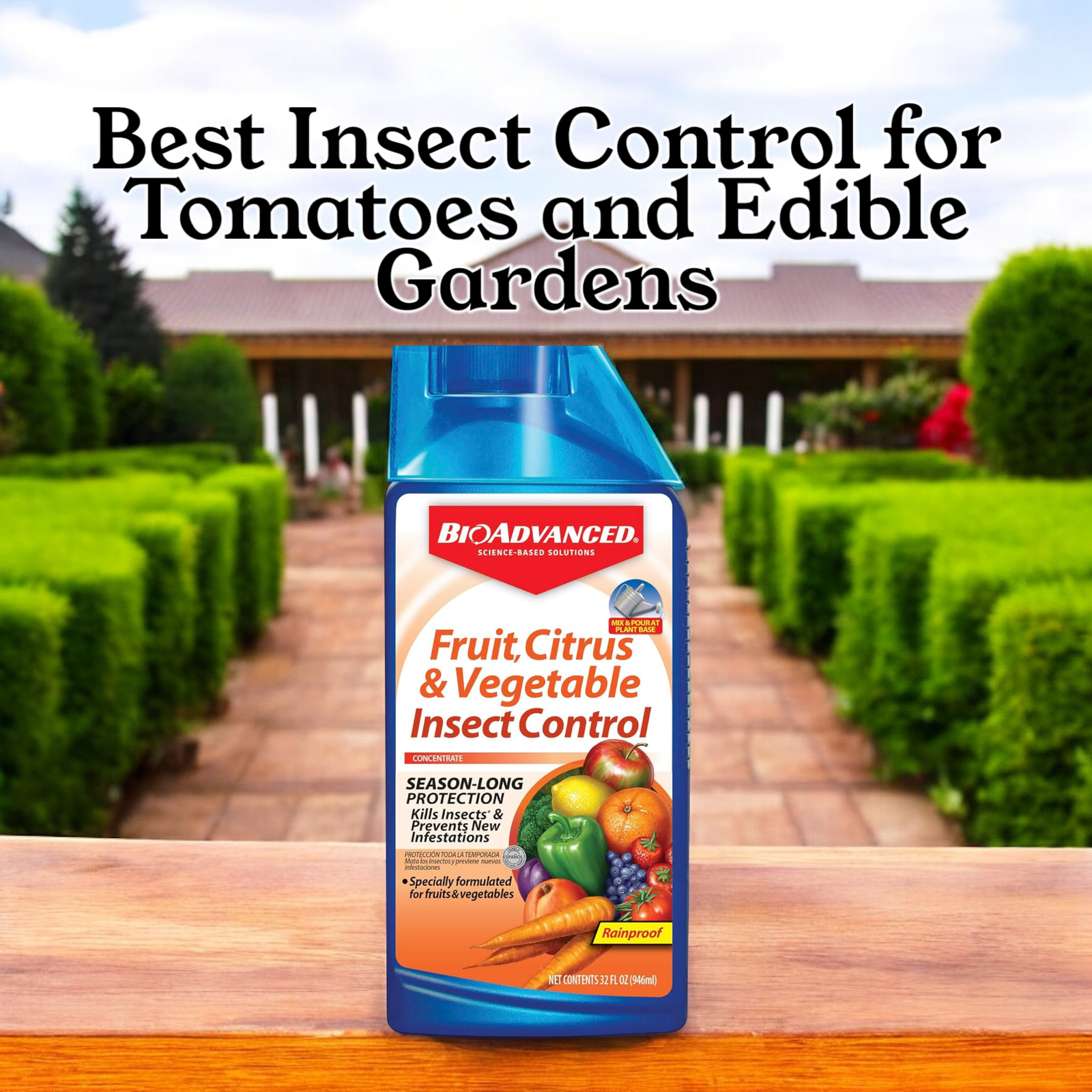
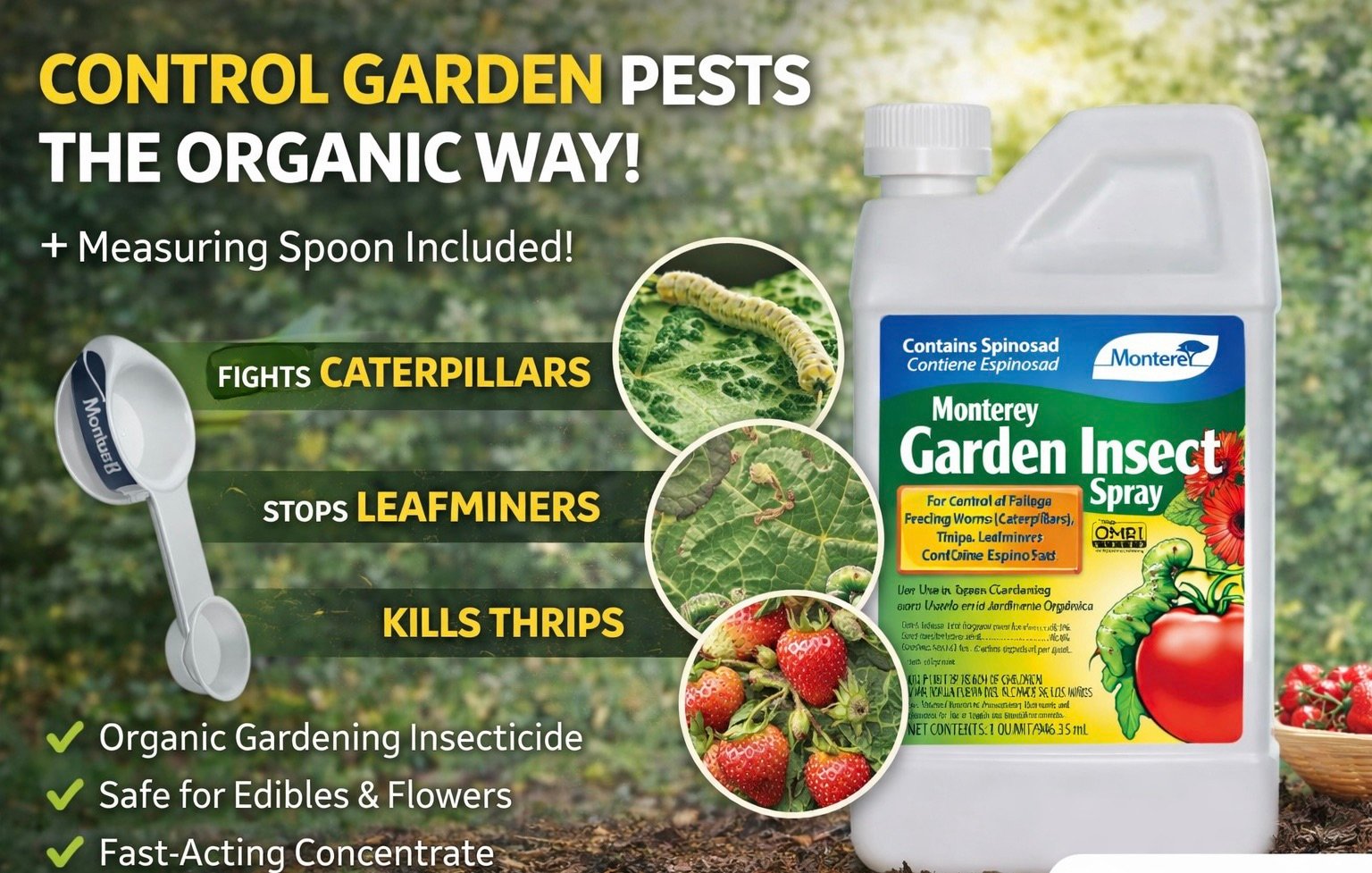
- For hornworms, inspect plants carefully and remove by hand or treat with spinosad insecticide
- For aphids and soft-bodied insects, insecticidal soap applied to the undersides of leaves is effective and safe during flowering
- For fungal diseases, copper fungicide applied at first signs prevents spread more effectively than treating established infections
Cause 7: Root Bound Container Plants
Container-grown tomatoes that have outgrown their pots experience a specific type of stress that frequently manifests as blossom drop. A root-bound plant cannot take up water and nutrients efficiently — the densely packed root ball limits both absorption and the plant’s ability to respond to changing conditions.
The stress of being root-bound signals resource scarcity to the plant, and fruit set — an energy-intensive process — gets deprioritized.
How to identify root-bound stress:
- Growing in containers, especially smaller pots
- Roots are visible emerging from drainage holes
- Plant dries out much faster than it used to between waterings
- Growth has slowed despite adequate feeding and watering
What to do:
- Transplant into a larger container immediately if possible — a pot that is 2–4 inches larger in diameter gives roots room to expand and usually resolves the problem within 2 weeks
- If transplanting is not practical, increase watering and feeding frequency to compensate for the reduced root function
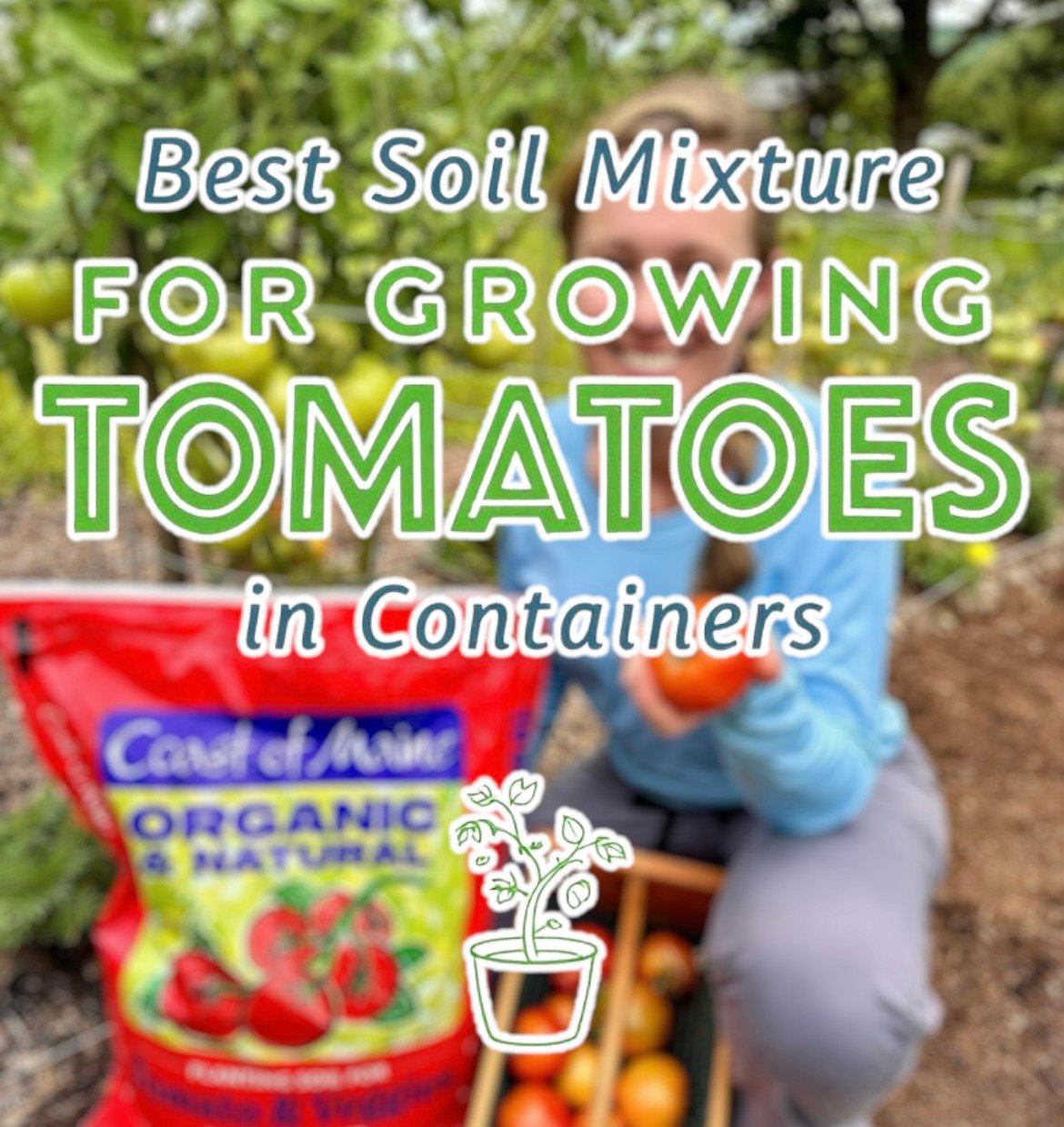
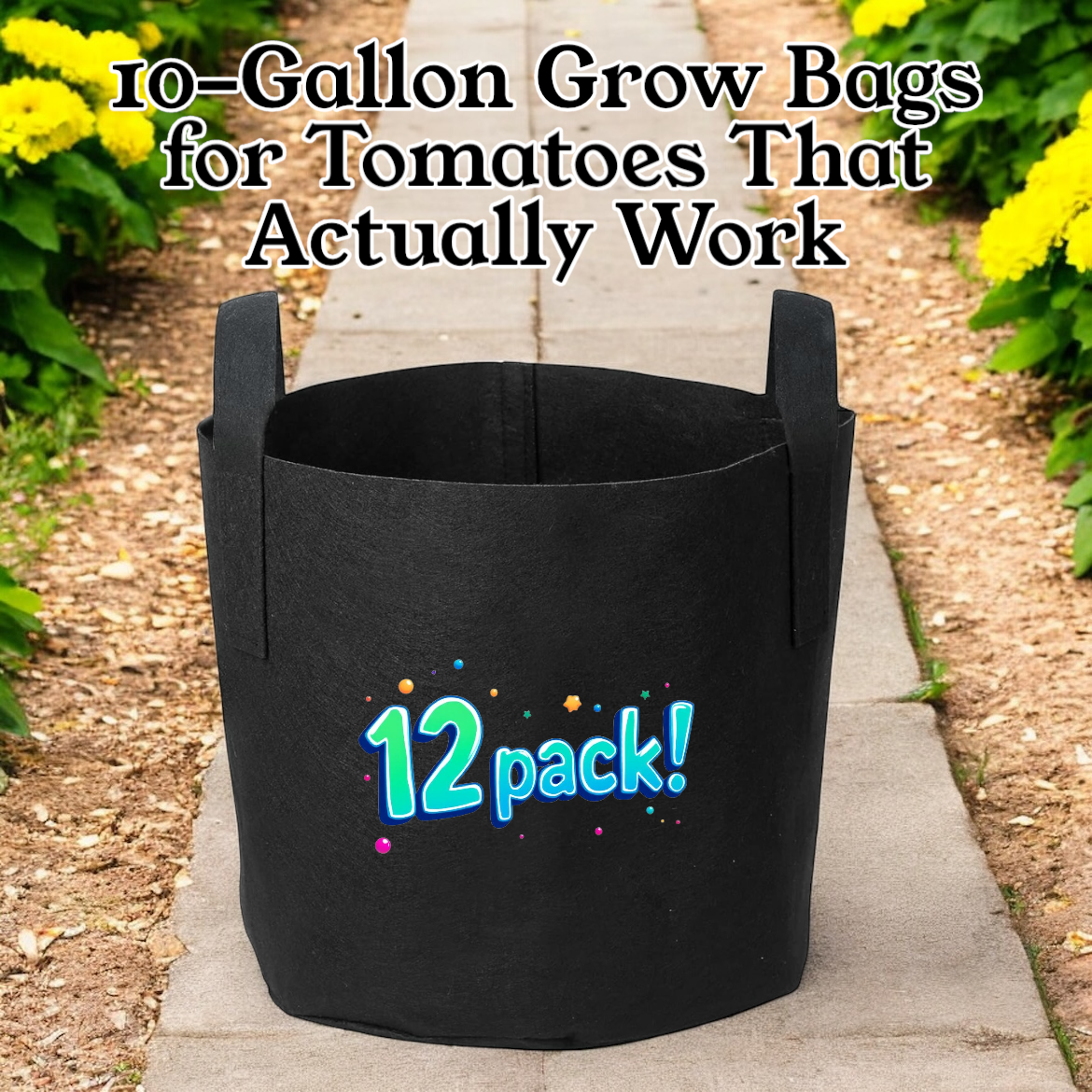
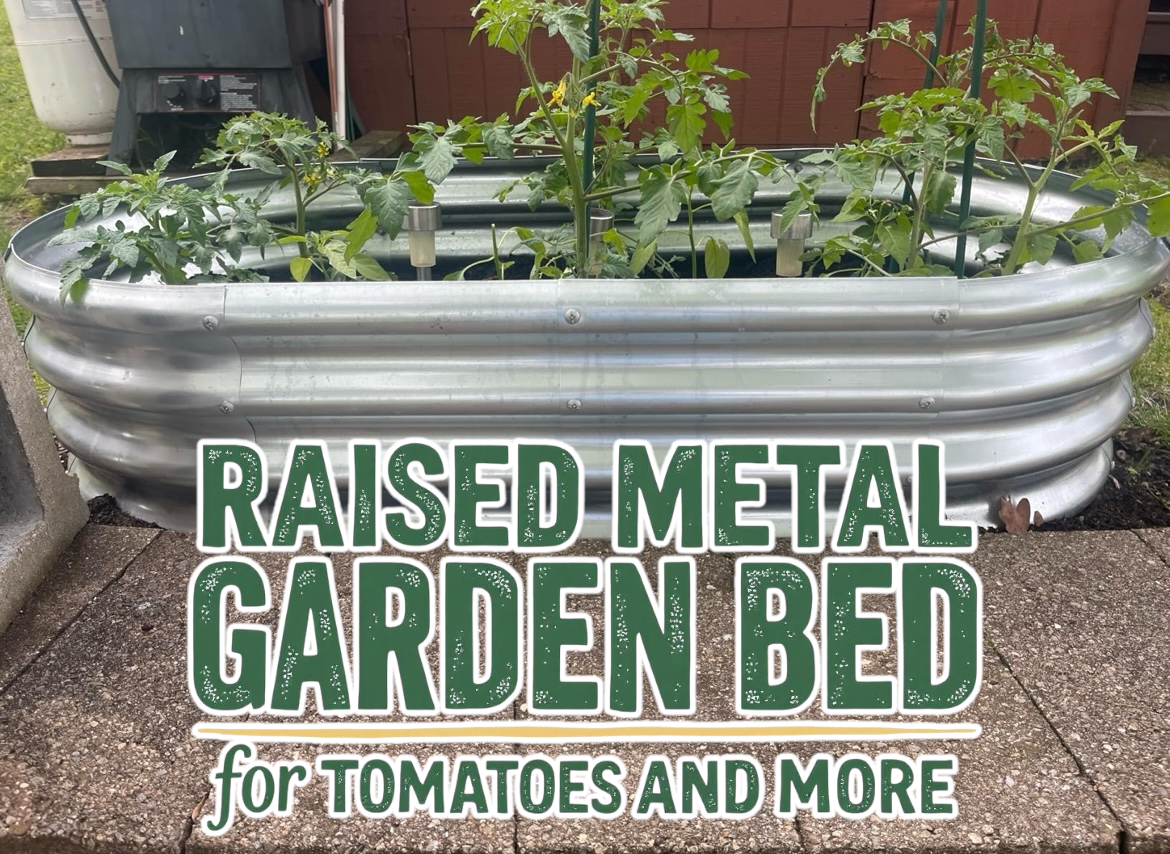
- For future seasons, start with containers that are large enough for the variety — at least 5 gallons for compact determinate types, 10 gallons or more for vigorous indeterminate varieties. The full guide on growing tomatoes in 5 gallon buckets covers container sizing in detail, and best containers for tomatoes that actually help them thrive covers the full range of container options
How to Diagnose Which Cause You Have
Work through this checklist when blossom drop appears:
Step 1: Check recent temperatures. Were nights below 55°F or days above 90°F in the past week? If yes, temperature is likely the primary cause.
Step 2: Check soil moisture. Is it very dry or waterlogged? Correct the moisture issue before doing anything else.
Step 3: Review your fertilizer. Have you been using a high-nitrogen product? Switch to a phosphorus-forward formula.
Step 4: Assess your location. Is the garden sheltered, enclosed, or low in bee activity? If yes, hand-pollinate daily.
Step 5: Inspect for pests and disease. Look under leaves, check stems, look at new growth. Treat any active infestations before addressing the blossom drop.
Step 6: Check container size. If growing in pots, are roots coming out the bottom? Transplant up.
Most cases of blossom drop resolve at step 1 or step 2.
What to Do When Blossom Drop Happens Despite Doing Everything Right
Sometimes blossom drop occurs during a heat wave or a stretch of unusually cold nights and there is genuinely nothing to do except wait. The plant is not damaged. The season is not lost. Once conditions return to the appropriate range, fruit set resumes — often with a flush of new flowers that sets heavily to compensate.
The mistake gardeners make in this situation is intervention. Adding fertilizer, changing watering, applying sprays — none of these address a temperature problem and some actively make it worse. The right response to weather-related blossom drop is to keep doing the basics well — consistent watering, appropriate feeding, pest monitoring — and let the plant respond when conditions allow.
In climates where summer temperatures regularly cause drop for extended periods, variety selection is the most effective long-term solution. Heat-tolerant varieties are specifically bred to set fruit at temperatures that cause standard varieties to drop flowers completely. If you lose significant portions of your season to heat-related drop every year, switching varieties is a higher-return move than any management change.
Preventing Blossom Drop Before It Starts
The most effective approach to blossom drop is creating the conditions where it is unlikely to occur rather than reacting after it has started.
Plant at the right time. Transplanting when soil and air temperatures are in the ideal range eliminates cold-related drop from the start. The zone-by-zone timing guide in when to plant tomatoes for the best results in every zone gives you the specific windows for your location.
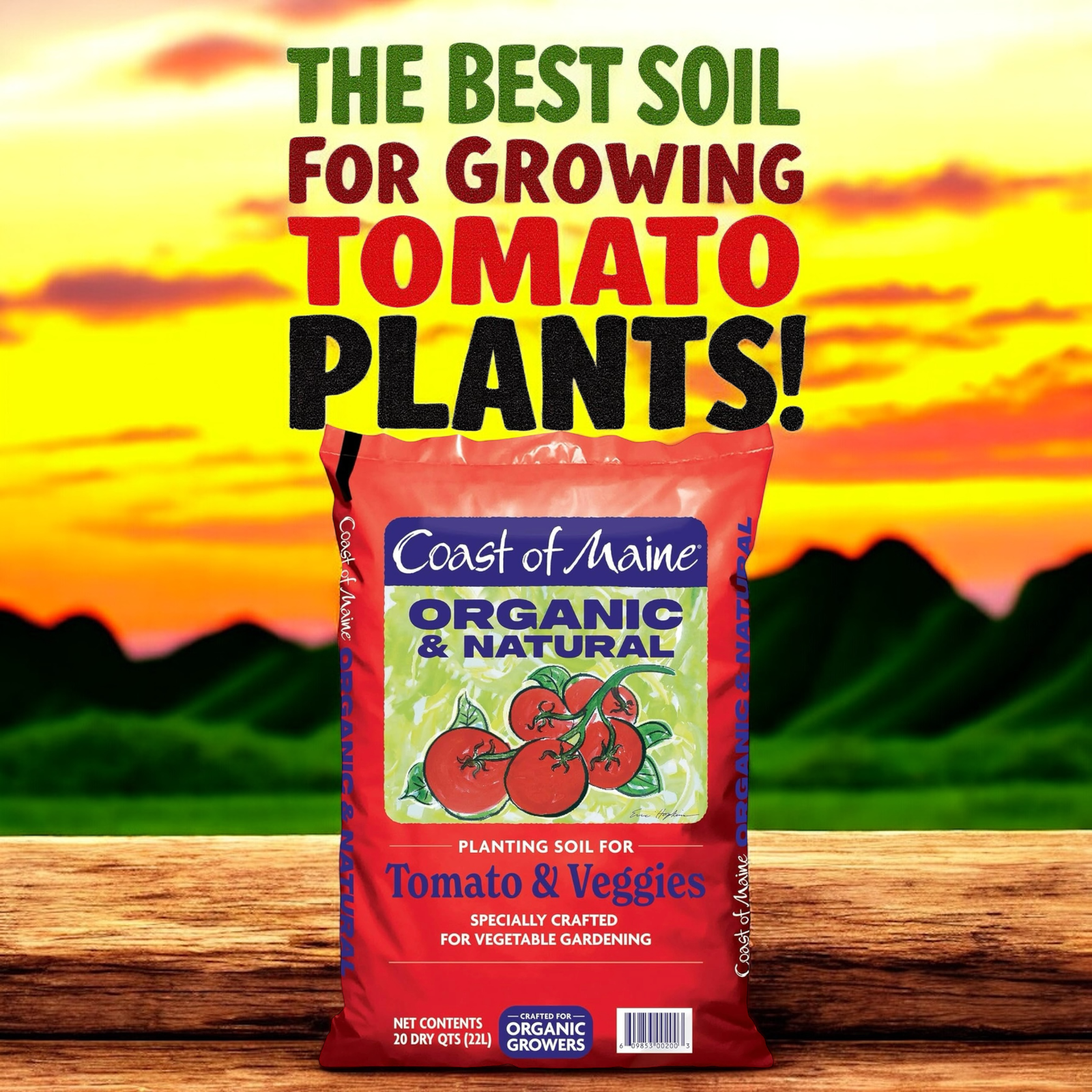
Build healthy soil. A plant growing in well-prepared, correctly pH-balanced soil with good drainage and adequate nutrition is dramatically more resilient to environmental stress than one in poor soil. How to prepare soil for tomatoes the right way covers the prep that makes everything downstream easier.
Water consistently. Mulching, deep watering, and where possible automated irrigation remove the most common non-temperature cause of blossom drop.
Adjust fertilizer at flowering. Shift from nitrogen-forward to phosphorus and potassium-forward feeding as soon as the first flowers appear. This is one of the highest-leverage timing adjustments in tomato growing.
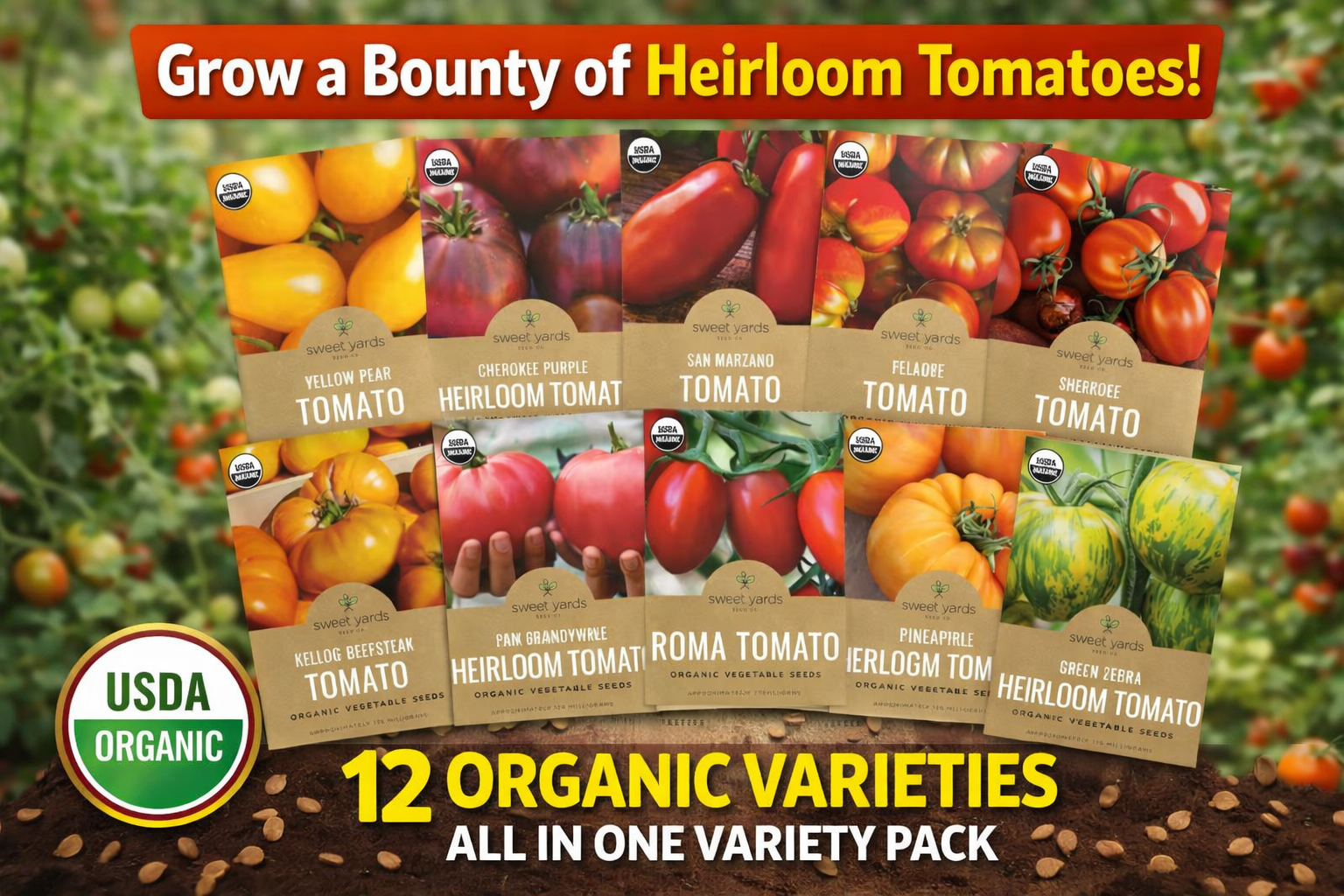
Choose appropriate varieties. Matching variety to climate is not just about season length — it is about choosing plants that can set fruit under your specific temperature conditions.

Related Articles
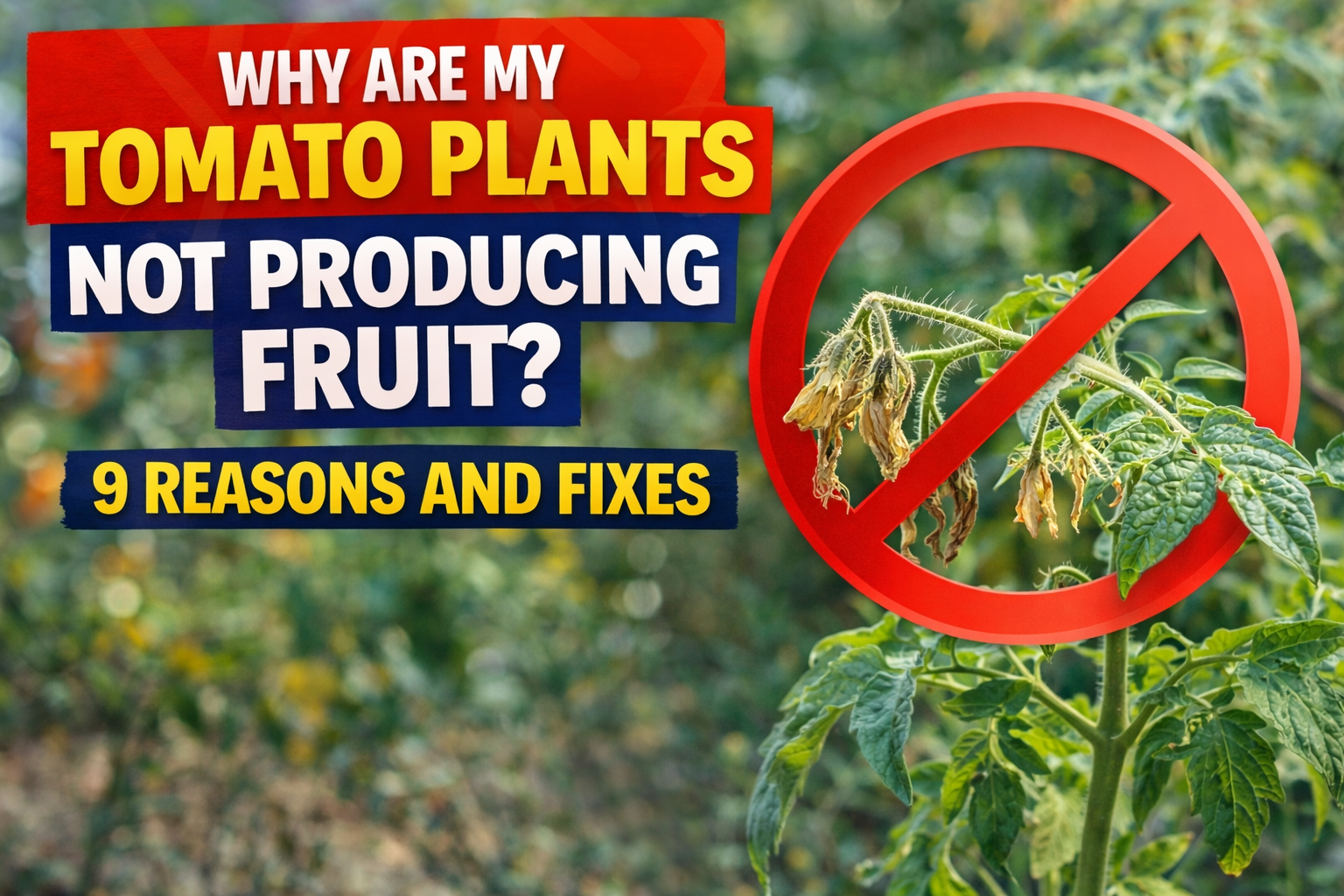
- Why are my tomato plants not producing fruit — 9 reasons and fixes
- When to fertilize tomato plants for juicy big results
- The best fertilizer for tomatoes that actually works
- Signs of overwatering tomato plants and what to do next
- Overwatered vs underwatered tomato plants
- Tomato plant stages week by week — what to expect and what to do
- How to prune tomato plants for more fruit — the right way to do it
- When to plant tomatoes for the best results in every zone
About the Author
Dave Pritchard has grown tomatoes across two climate zones for over twelve years and has dealt with blossom drop from heat waves, cold snaps, nitrogen overload, and everything in between. He writes practical problem-solving guides for home gardeners who want answers they can actually use.
As an Amazon Associate we earn from qualifying purchases through some links in our articles.