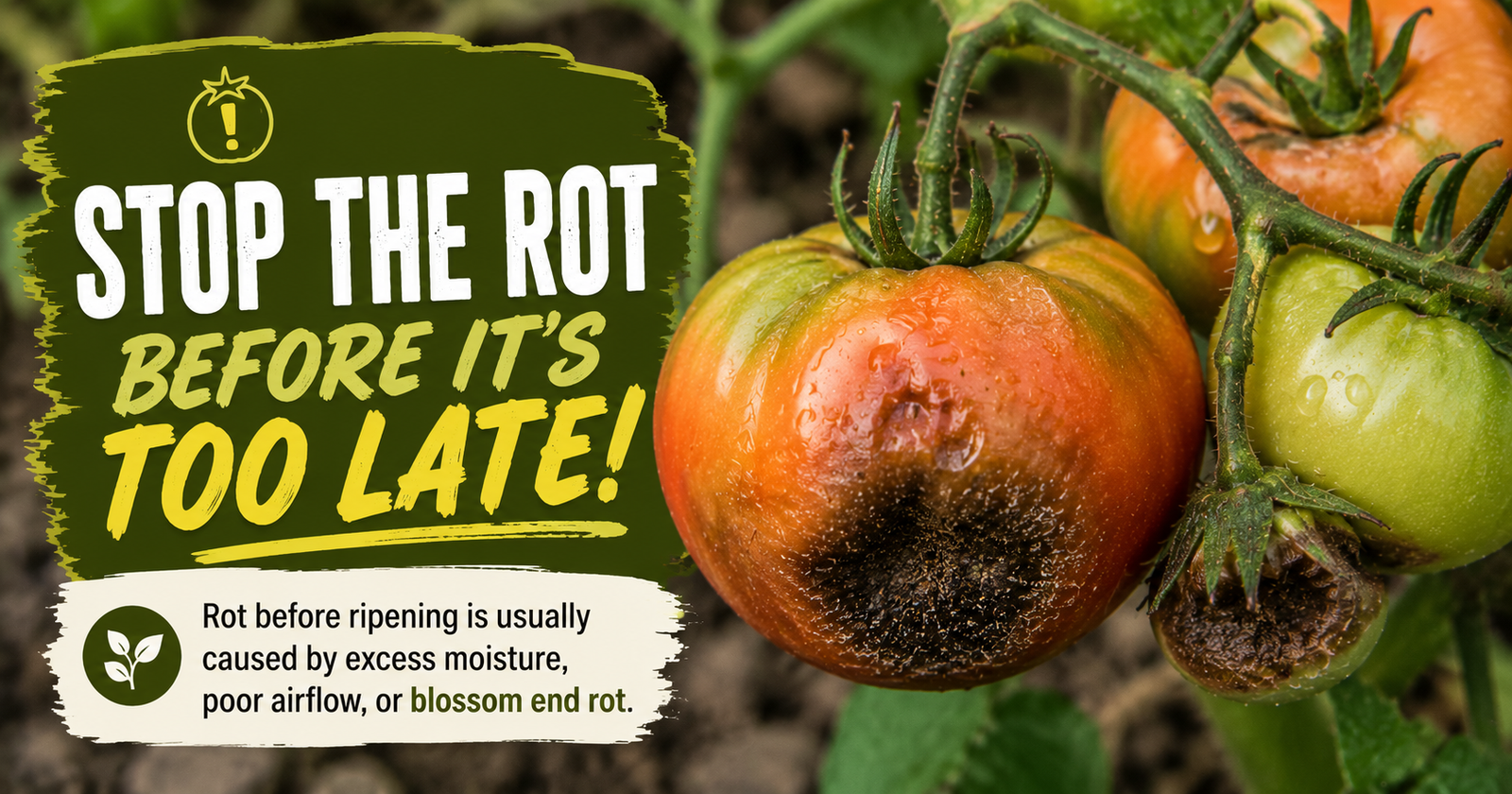
Why Are My Tomatoes Rotting Before They Ripen?
Green tomatoes turning soft, spotted or rotten on the vine? Match the damage to the cause before it spreads through your crop.
Straightforward tomato growing guides covering everything from planting and sunlight to pruning, support, pollination and getting more fruit from every plant.
Green tomatoes turning soft, spotted or rotten on the vine? Match the damage to the cause before it spreads through your crop.
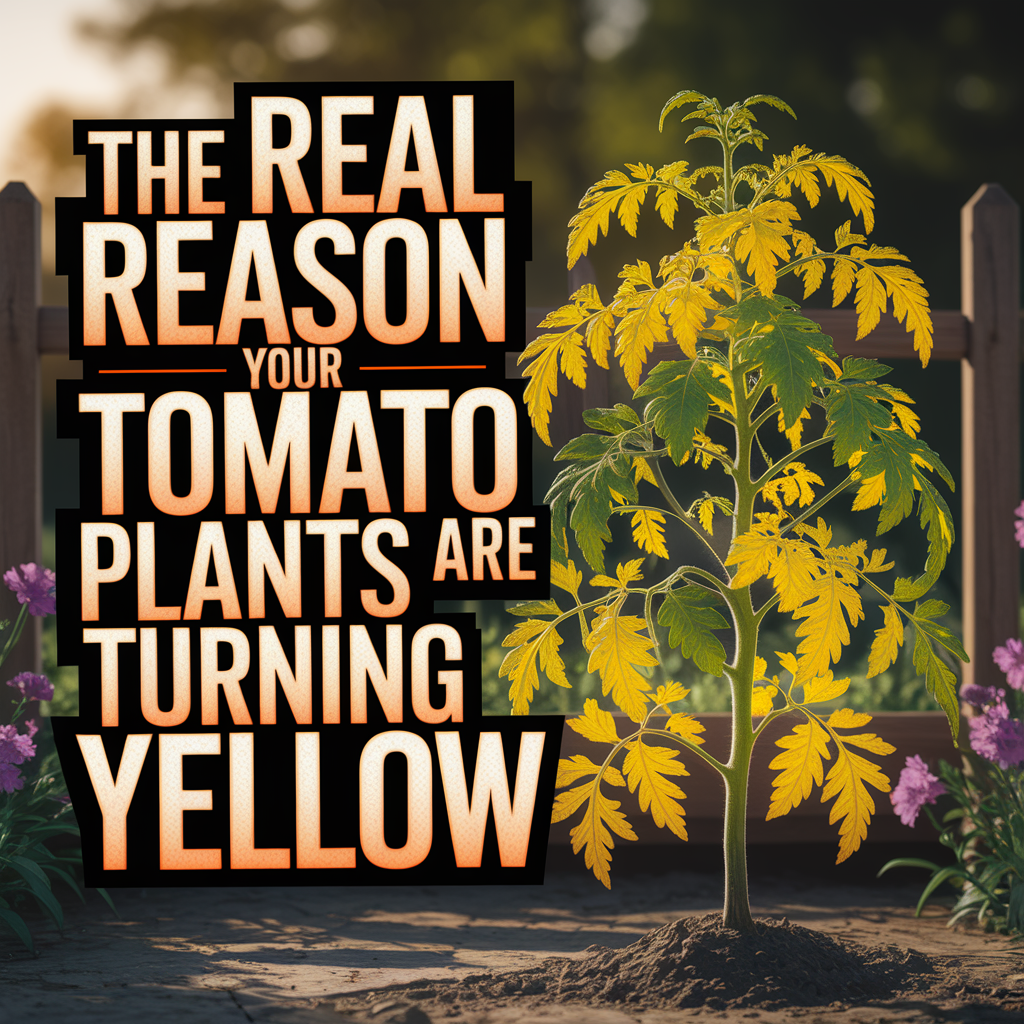
Yellow tomato leaves do not automatically mean your plant is dying. Check the soil before adding water or fertilizer, then look for clues such as bottom-up yellowing, weak sunlight, spots, curled leaves, holes, or sticky residue to identify the real problem.

Picking tomatoes whenever you happen to be in the garden may be costing you flavor. The time of day you harvest can make a noticeable difference to how good they taste.
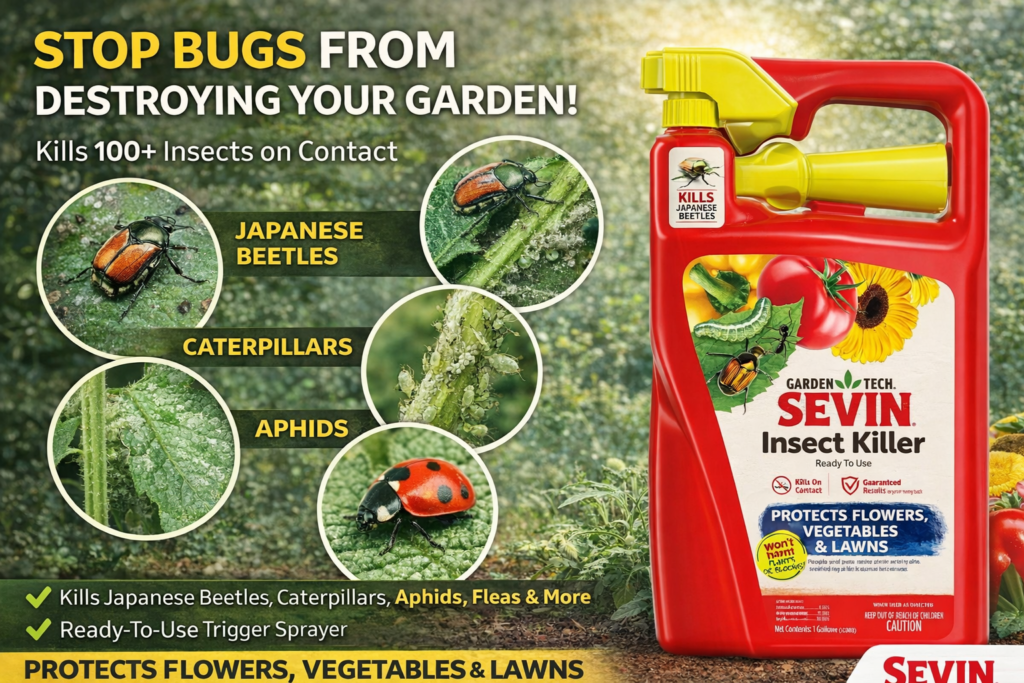
When insect damage is already spreading through your tomato plants, Sevin is the quick-response option. It targets a wide range of pests, limits further damage, and gives plants and developing fruit a chance to recover.
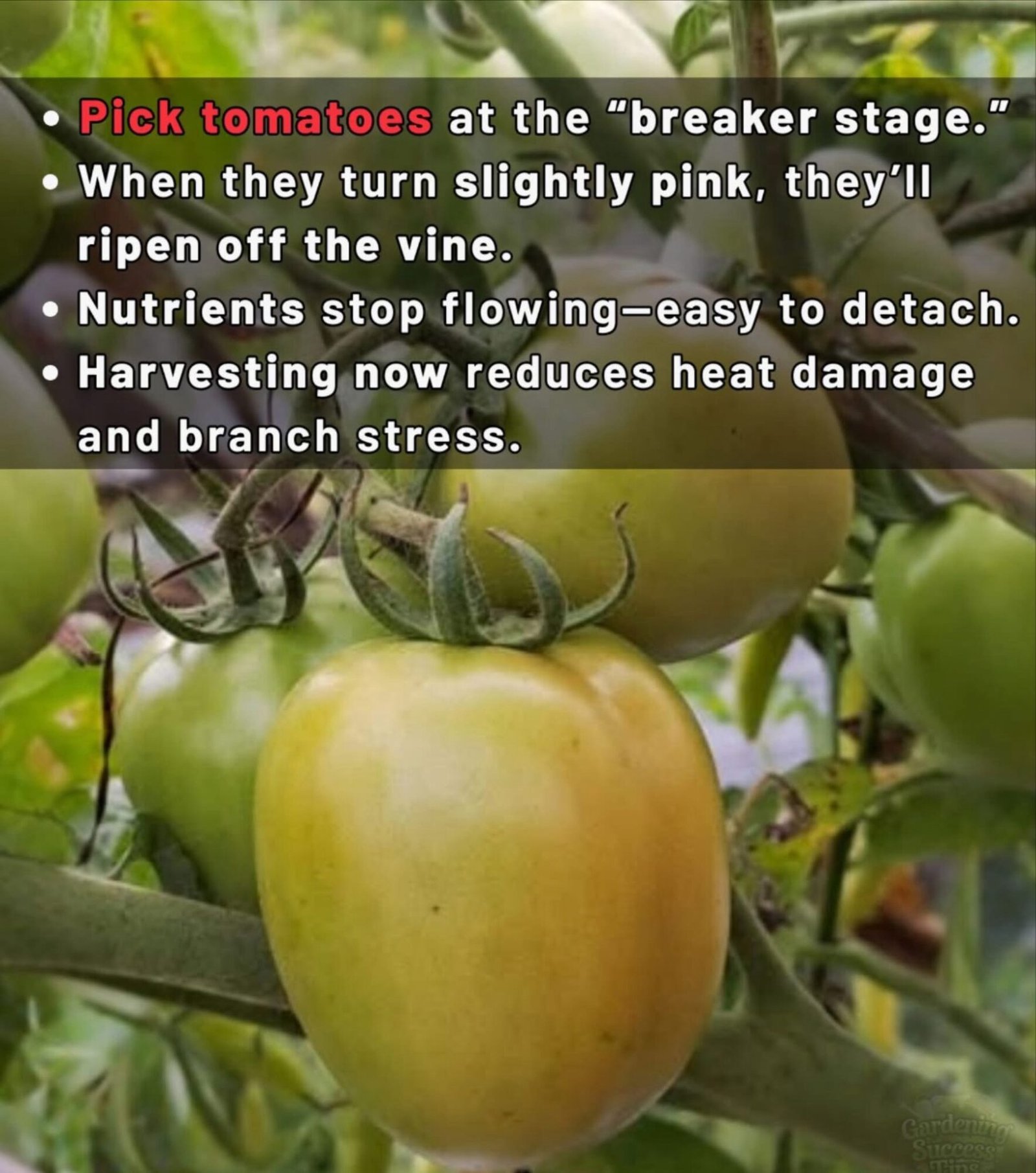
A tomato showing its first blush can finish ripening indoors, while staying on the vine exposes it to splitting, sunscald, bugs, and rot. Pick at the breaker stage, keep the fruit firm and unstacked, and you may protect more tomatoes while encouraging new growth.
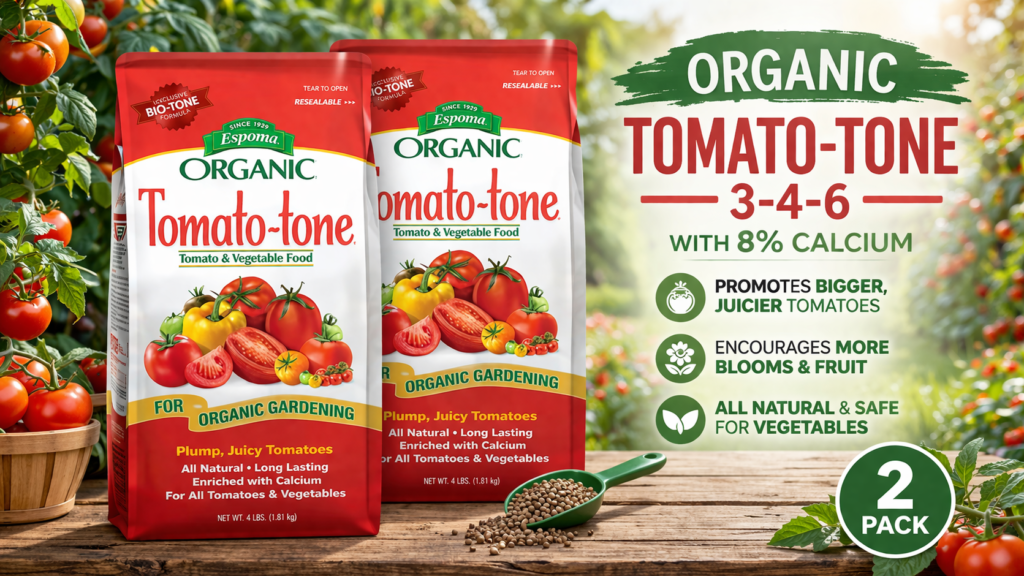
Tomato plants can look perfectly decent and still underproduce when feeding is inconsistent. This fertilizer is formulated for tomatoes, with balanced nutrients and added calcium, and the article explains how to use it in beds or containers all season.
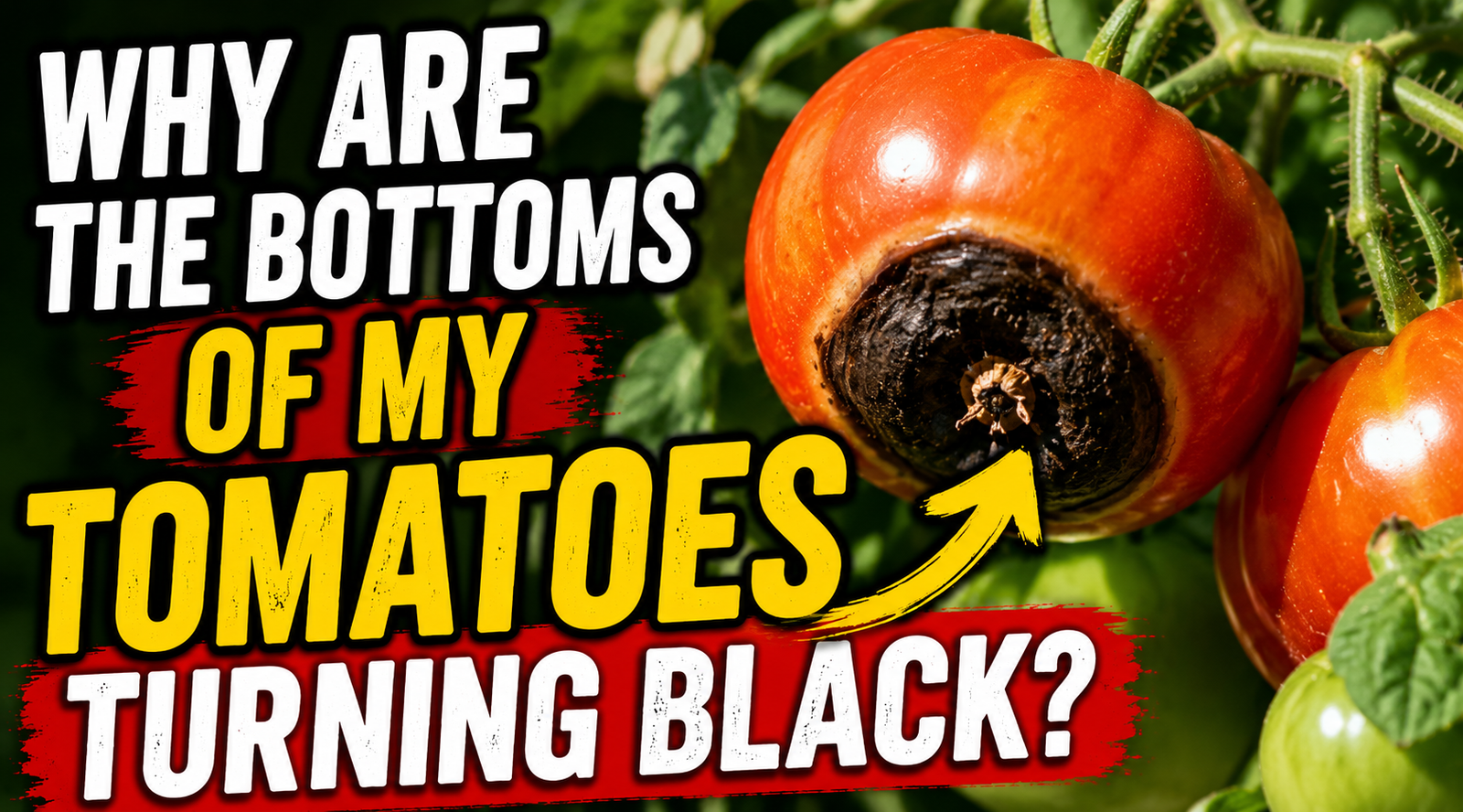
Black spots ruining your tomatoes? Find out what causes blossom end rot, what actually fixes it and whether the fruit is safe to eat.
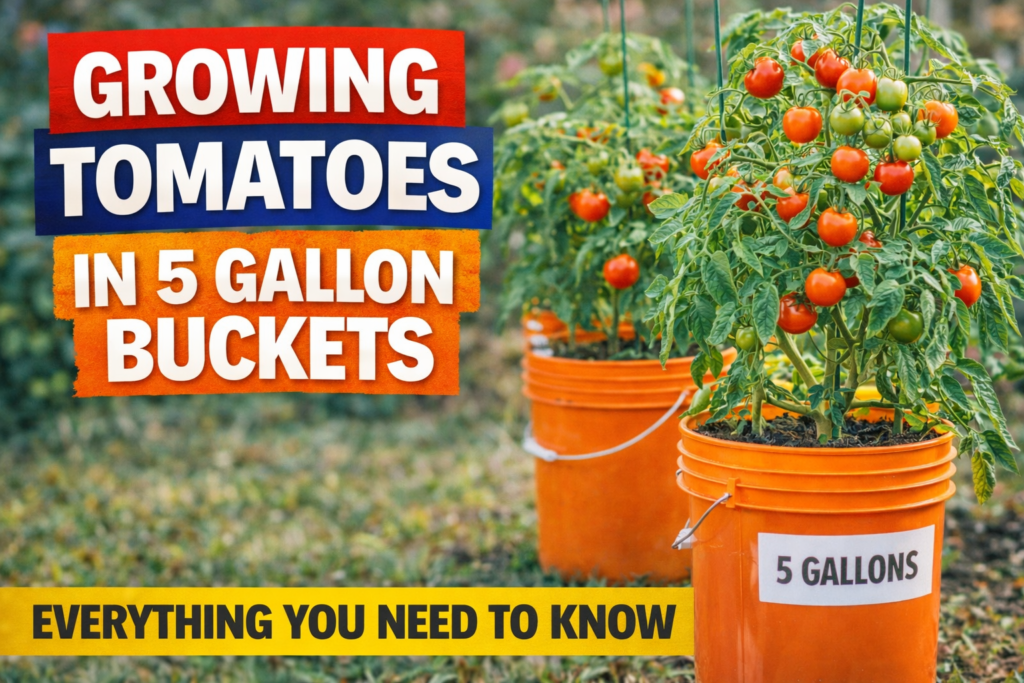
A 5 gallon bucket is one of the most underrated tomato containers available. Here is the complete setup guide — varieties, soil, watering, feeding, and the mistakes that kill bucket tomatoes fast.
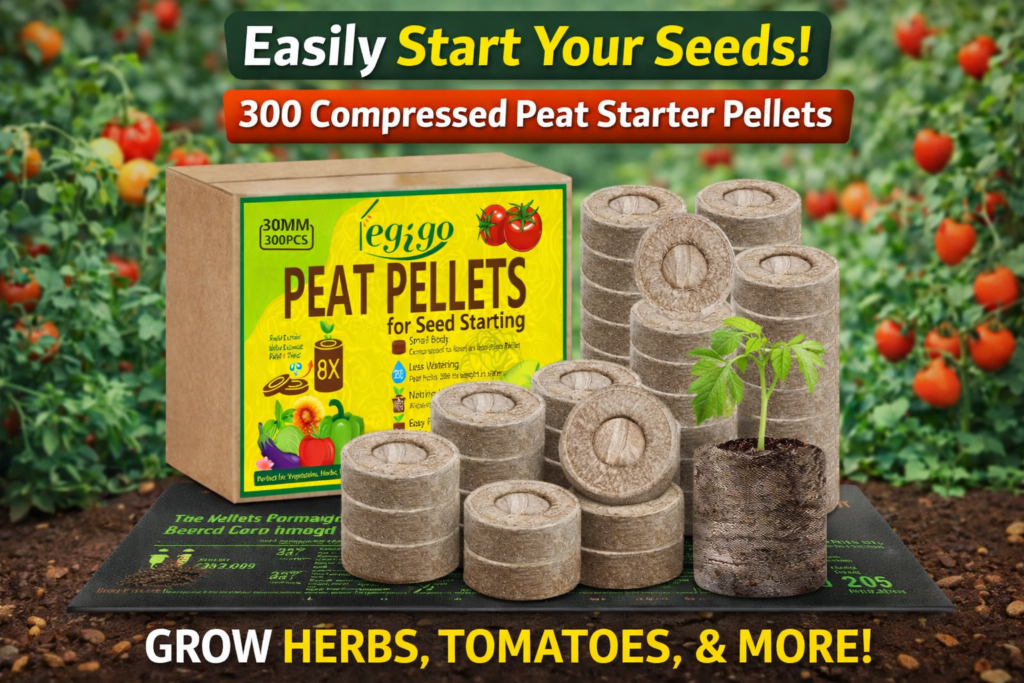
Loose soil, uneven watering and damaged roots can make tomato seedlings struggle before they ever reach the garden. These peat pellets expand with water, hold moisture evenly and let you transplant the whole root-filled pellet without disturbing fragile growth.
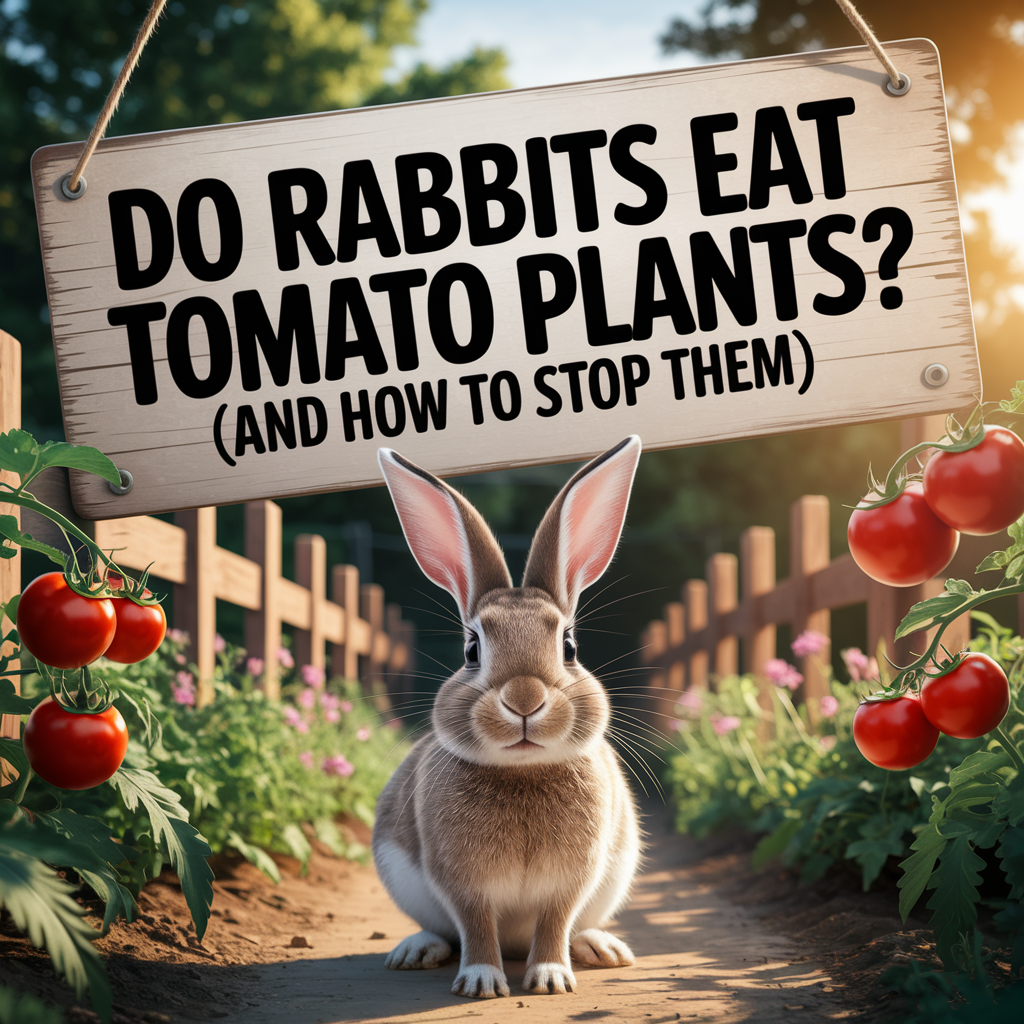
Rabbits can remove the top six inches of a healthy tomato plant overnight, then return by the same route. Learn to spot clean bite marks and droppings, and stop them with buried fencing, raised beds, sprinklers, and perimeter repellents.
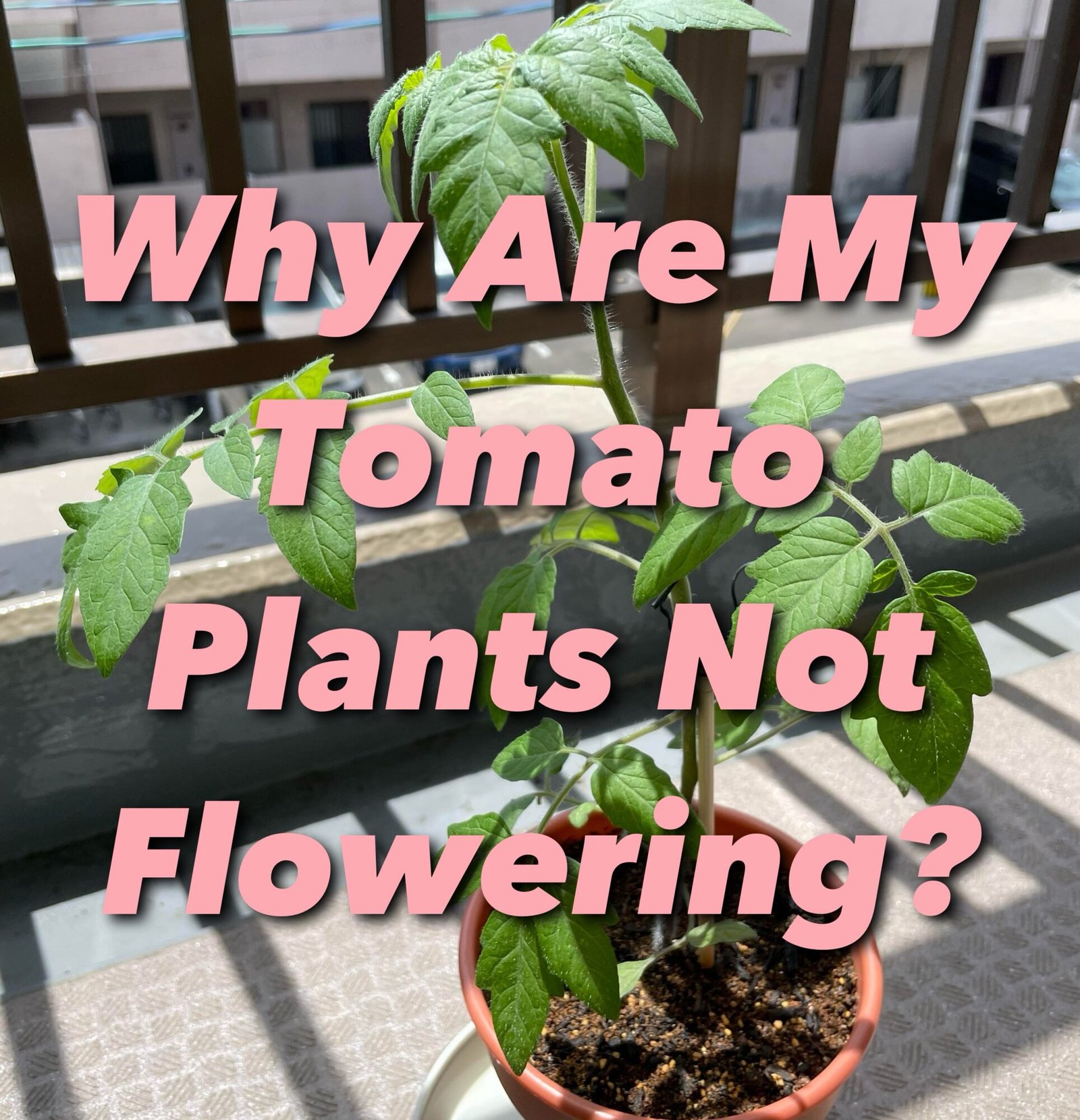
A tomato plant can look like a seed-packet superstar and still produce nothing but expensive decorations. Check nitrogen, sunlight, watering, phosphorus, pruning, timing, temperature, and container stress to find what is keeping yours from flowering.
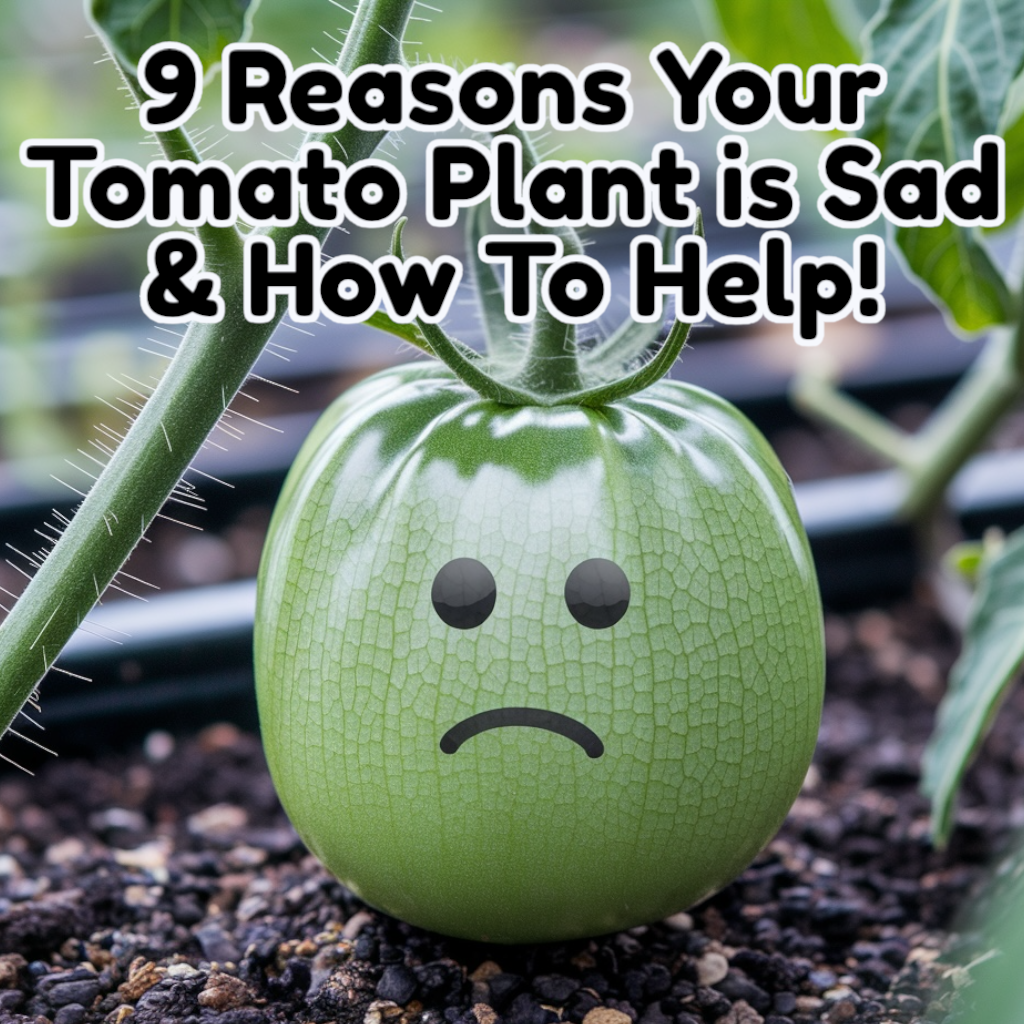
Yellow leaves do not always mean your tomato needs food. Soggy soil, too much nitrogen, thirsty roots, pests, and too little sun can look surprisingly similar. Use the leaf and soil clues here to identify the problem before reaching for fertilizer.