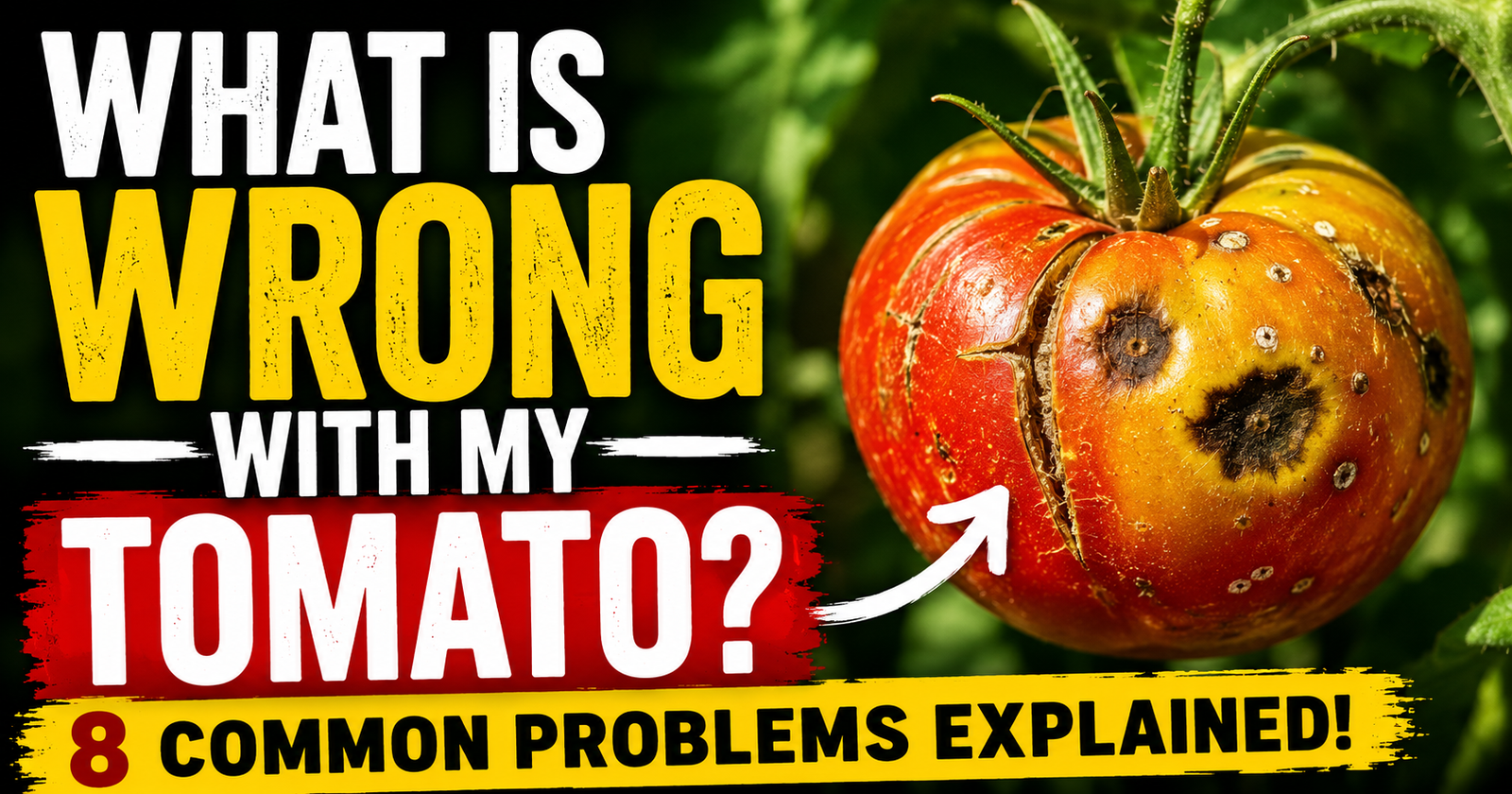
Have you ever picked a tomato that looked so strange you were not sure whether to eat it, toss it, or take a picture of it? I certainly have. Tomatoes can crack, split, scar, pucker, bleach in the sun, develop black bottoms, and show mysterious cloudy spots even when the plant itself appears healthy.
The appearance of the fruit often tells me what happened while it was developing. Sudden rain may leave deep cracks. Intense sunlight can bleach an exposed side. Cool weather during flowering may produce a tomato with folds and bulges that barely looks like a tomato at all.
If you are wondering what is wrong with your tomato, start by looking closely at the location, color, texture, and depth of the damage. Most strange-looking tomatoes are affected by growing conditions rather than a contagious disease. Many are still perfectly usable once the damaged portion is removed, but there are important exceptions.
What Is Wrong With My Tomato?
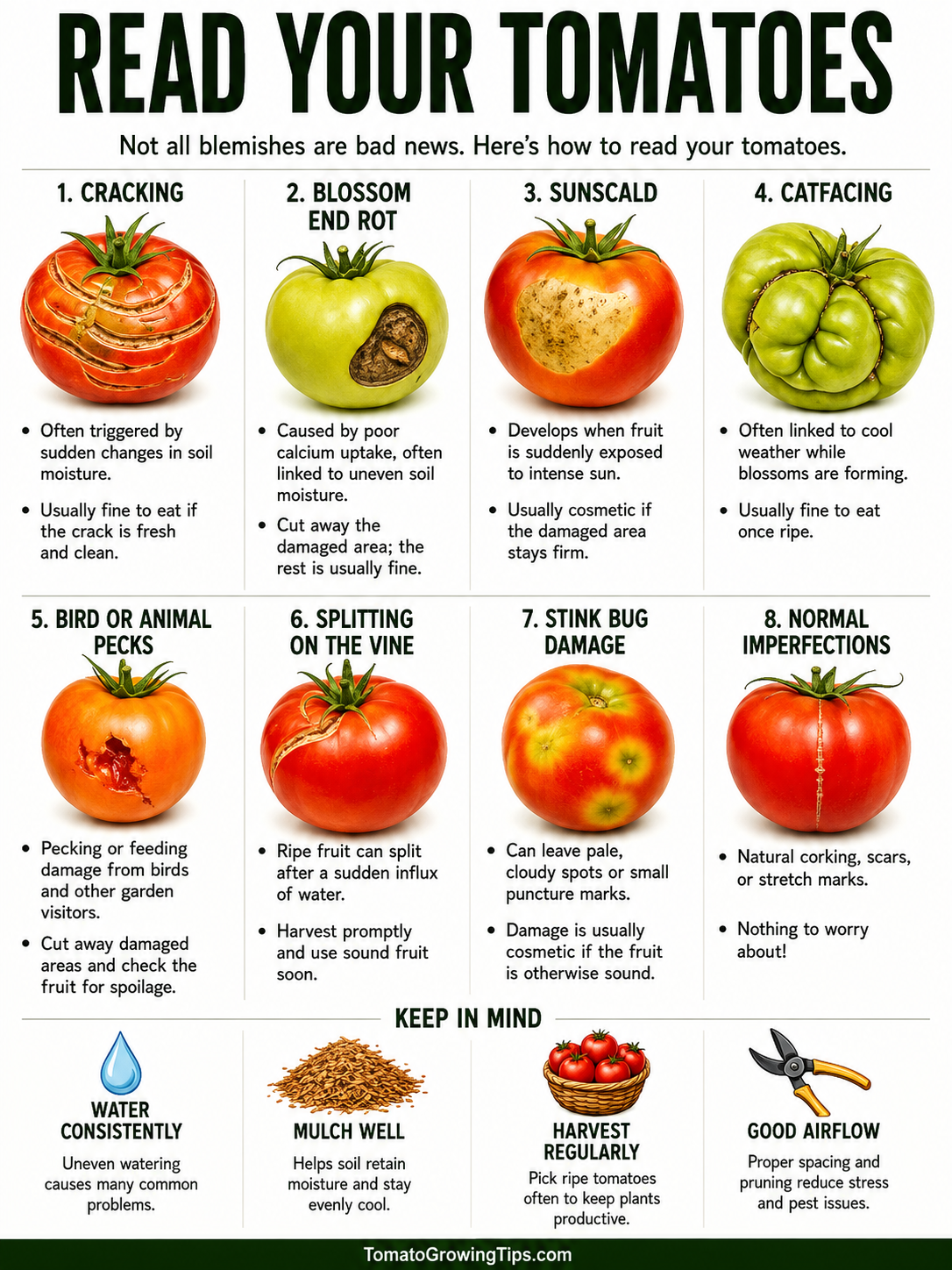
Cracking, blossom end rot, sunscald, catfacing, animal feeding, splitting, stink bug damage, and natural growth scars are some of the most common reasons tomatoes look damaged or deformed.
The location of the damage provides the best first clue. A black sunken patch on the bottom points toward blossom end rot. A pale leathery area on the sun-facing side suggests sunscald. Deep folds near the blossom end are commonly caused by catfacing. Small cloudy spots may be left behind by stink bugs or other piercing insects. Pale cloudy spots and corky tissue are characteristic signs described in what stink bug damage looks like.
Here is the quick answer I use when inspecting a damaged tomato:
- Dry scars and shallow cracks are often cosmetic.
- A black, leathery bottom is usually blossom end rot.
- A white or tan exposed side is commonly sunscald.
- Deep folds and unusual lobes point toward catfacing.
- Open holes may be caused by birds, rodents, insects, or slugs.
- Fresh splits frequently appear after rain or heavy watering.
- Pale, cloudy spots can indicate stink bug feeding.
- Thin corky lines are often harmless growth scars or zippering.
What matters most is whether the affected area is dry and firm or wet, soft, moldy, leaking, or foul-smelling. Dry cosmetic damage is often manageable. Active decay is a reason to discard the tomato.

Cracking Around the Top of a Tomato
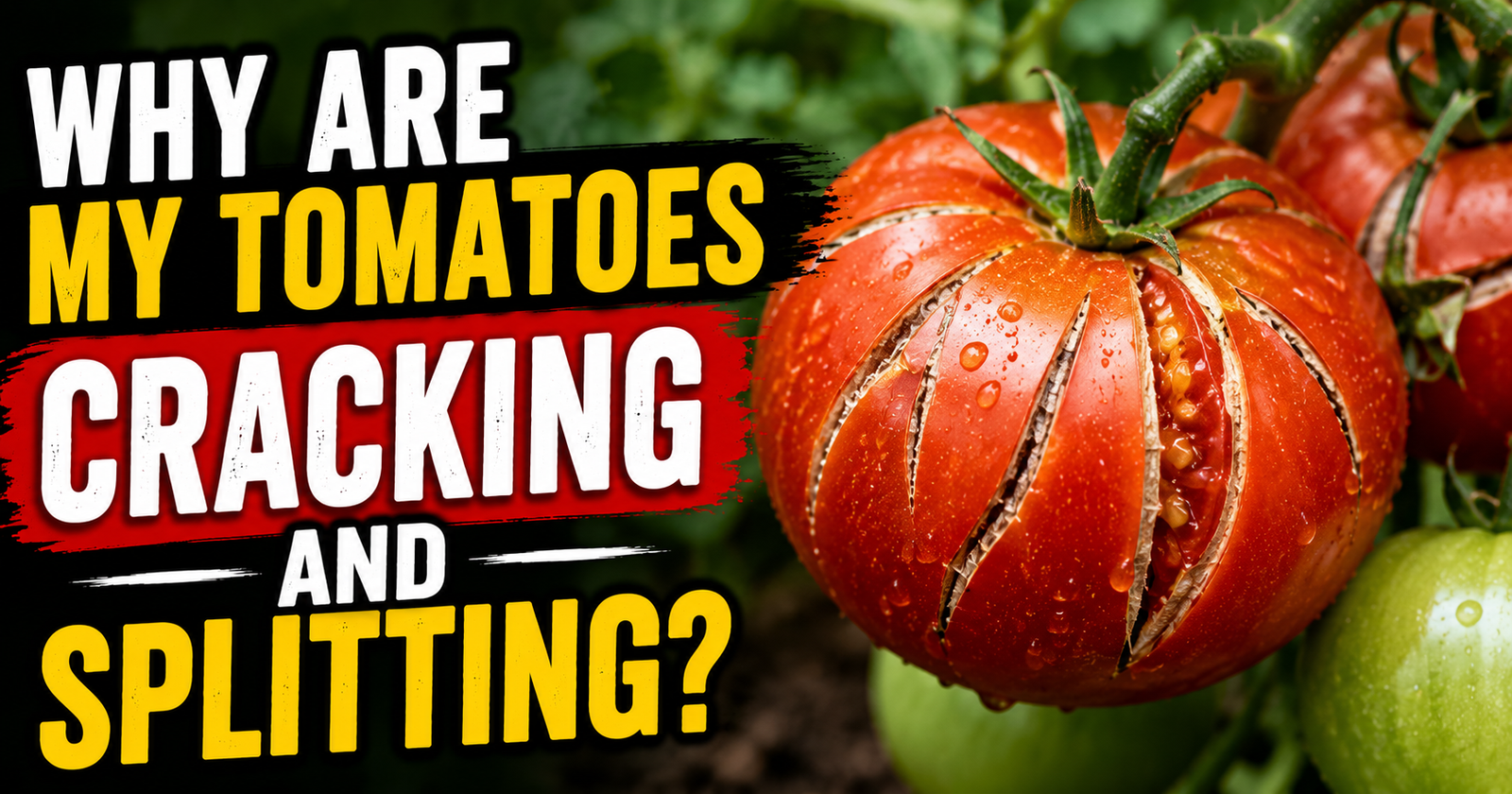
Cracking is one of the most common tomato problems I see, especially once fruit begins ripening. The cracks may form in circles around the stem or travel vertically down the sides.
Circular cracks around the stem are called concentric cracks. Cracks that run down the side are known as radial cracks. A tomato can develop either type or a combination of both.
What Causes Tomatoes to Crack?
Cracking usually happens when the inside of a tomato expands faster than its skin can stretch. A dry period followed by heavy rain is a classic setup. The roots suddenly absorb a large amount of water, the fruit swells, and the skin breaks under the pressure.
This is one reason I pay close attention to the signs of overwatering tomato plants, especially after the soil has been allowed to become unusually dry. It is not always the total amount of water that causes trouble. The sudden change from dry soil to saturated soil can be the bigger problem.
Some tomato varieties naturally crack more easily than others. Large beefsteak tomatoes and many heirloom varieties tend to have thinner or less flexible skin. Fruit that remains on the plant after it is fully ripe is also more likely to crack.
Can I Eat a Cracked Tomato?
I normally use a cracked tomato if the split is fresh, shallow, clean, and free from insects or mold. I wash it thoroughly, cut generously around the damaged area, and use the remaining sound fruit promptly.
I do not store a cracked tomato for long. Once the skin opens, bacteria, mold, fruit flies, and other contaminants have an easy path into the fruit.
A tomato should be discarded if the crack smells sour, contains mold, has insects inside it, leaks cloudy liquid, or extends into soft and discolored flesh. When I cannot tell how long a deep crack has been open, I would rather lose one tomato than take an unnecessary chance.
How I Prevent Tomato Cracking
Consistent soil moisture is the best defense. I water deeply enough to reach the root zone and try not to let the soil swing repeatedly between extremely dry and soaking wet.
Mulch makes that much easier. A layer of clean straw, shredded leaves, or another suitable garden mulch slows moisture loss and helps protect the roots from extreme soil-temperature changes.
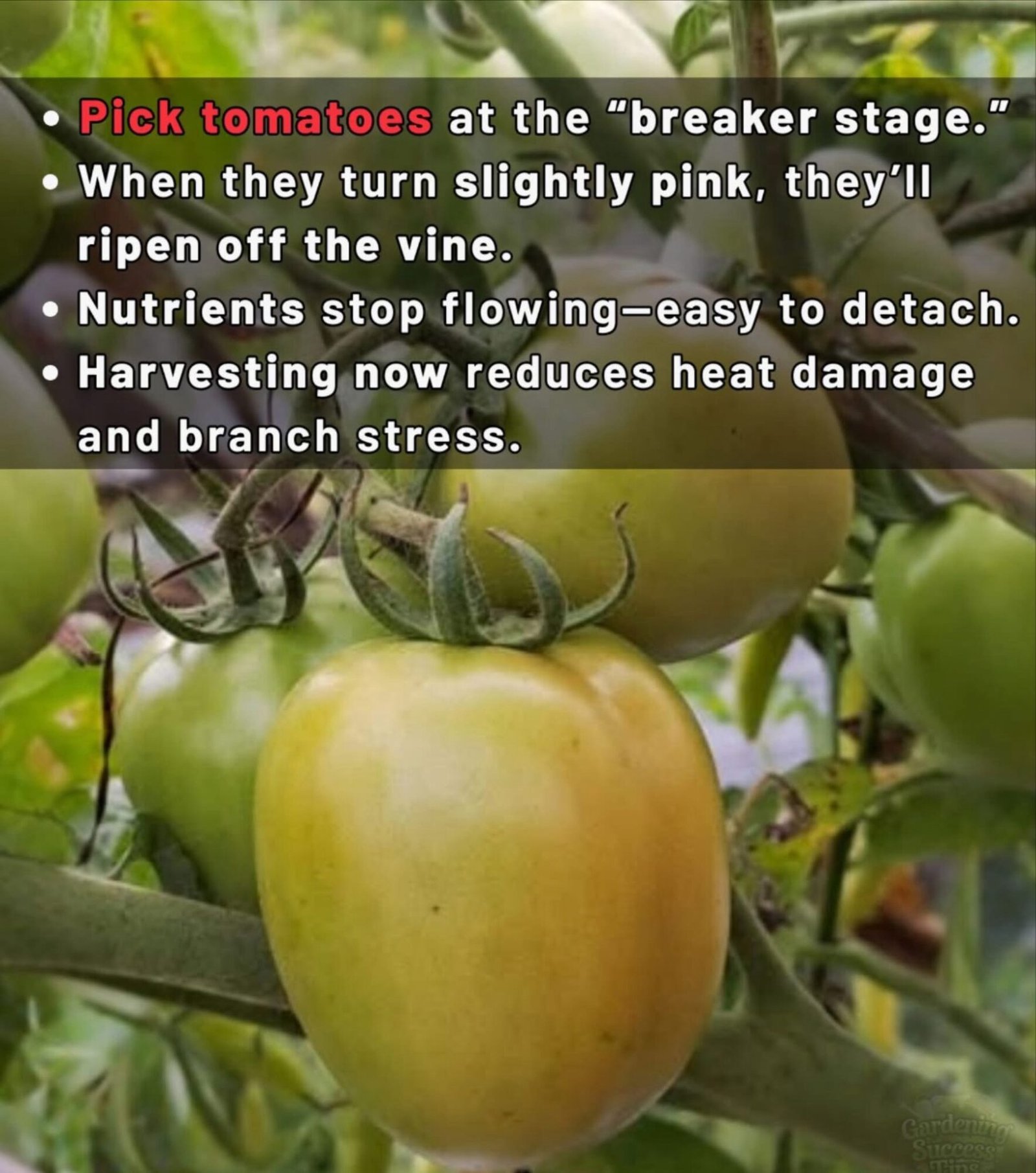
If several days of heavy rain are coming and my tomatoes are already close to ripe, I often harvest them early. My guide explaining why I pick tomatoes at the breaker stage shows why a tomato does not have to remain on the vine until it becomes completely red.
Black or Brown Spots on the Bottom of Tomatoes
A dark, sunken area on the blossom end of a tomato is usually blossom end rot. The blossom end is the bottom of the fruit, opposite the stem.
The problem may begin as a small tan or water-soaked spot. It gradually becomes larger, darker, flatter, or leathery. In severe cases, the damaged patch can cover much of the bottom half of the tomato.
What Causes Blossom End Rot?
Blossom end rot develops when growing fruit does not receive enough calcium at the right time. That does not automatically mean the garden soil contains no calcium.
Tomato plants move calcium through water. When soil moisture fluctuates, roots are damaged, fertilizer is overapplied, or the plant grows unusually fast, calcium may not reach the developing fruit consistently.
That is why adding calcium blindly does not always fix blossom end rot. If the soil already contains adequate calcium, adding eggshells, lime, or another calcium source may do little to correct the real issue.

Soil pH also influences nutrient availability. Before adding lime or sulfur, I would rather test the soil pH and nutrient levels than make a major amendment based on a guess.
Root injury can contribute to the problem as well. Deep cultivation close to the plant, transplant stress, compacted soil, and root diseases can all interfere with water and nutrient movement.
Does Too Much Nitrogen Cause Blossom End Rot?
Too much nitrogen can make blossom end rot more likely by pushing the plant into fast leafy growth. The expanding leaves and stems compete with developing fruit for water and nutrients.
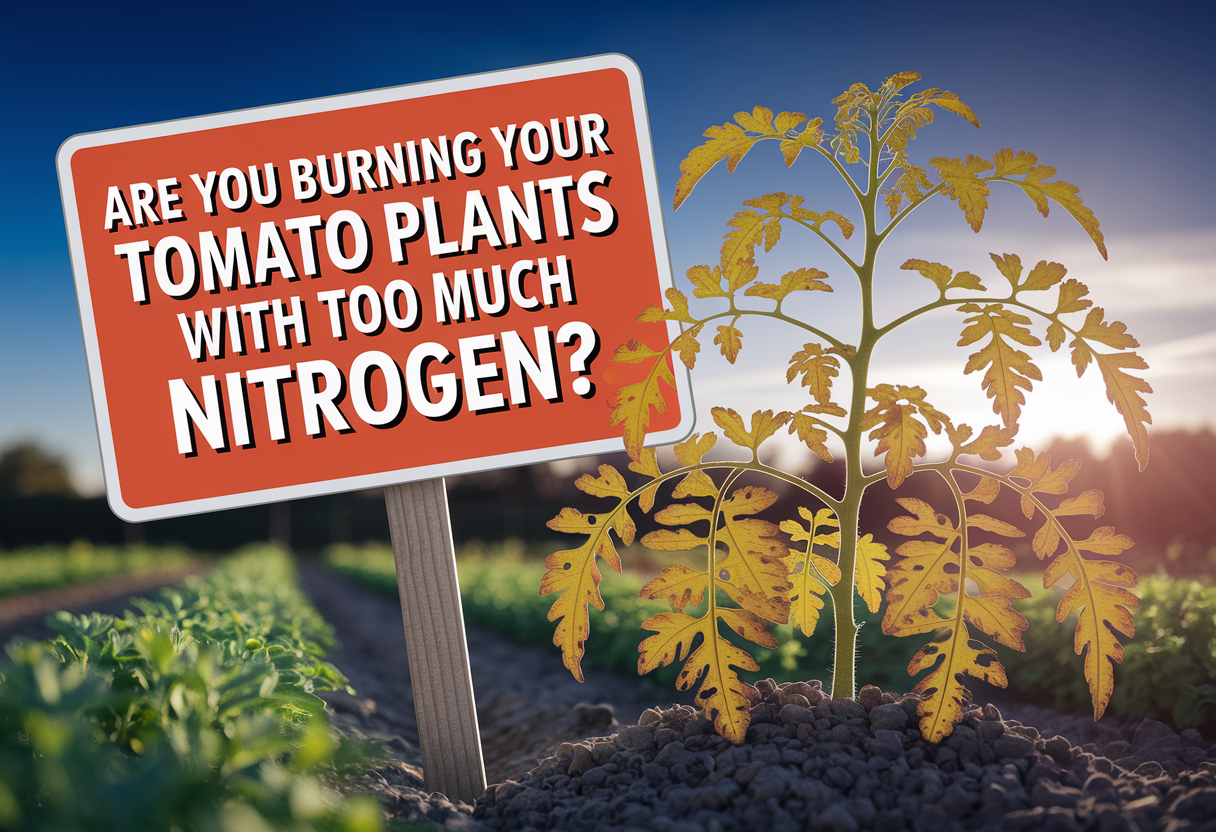
A heavily fertilized tomato plant may look enormous and dark green while producing disappointing fruit. If that sounds familiar, it is worth checking whether too much nitrogen is affecting your tomato plants before applying another round of fertilizer.
Can I Eat a Tomato With Blossom End Rot?
Blossom end rot itself does not spread from tomato to tomato, and the undamaged portion may still be usable. I cut well above the blackened area and inspect the inside carefully.
If the remaining flesh is firm, normally colored, and smells fresh, it may be used right away. However, blossom end rot sometimes opens the door to secondary mold and bacteria. I discard the fruit if decay extends inside, the tissue is watery, or there is an unpleasant odor.
How I Stop Blossom End Rot
I concentrate on the growing conditions instead of trying to repair fruit that is already damaged. Existing black tissue will not turn healthy again, but new tomatoes can develop normally once the underlying stress is corrected.
I keep the root zone evenly moist, add mulch, avoid unnecessary root disturbance, and use fertilizer at the recommended rate. Proper soil preparation before planting can prevent several of these issues. My approach to preparing soil for tomato plants focuses on drainage, organic matter, and steady root growth rather than quick fixes.
White or Tan Patches on Tomatoes
A pale white, yellow, or tan patch on the side of a tomato is often sunscald. It usually develops on the portion of the fruit receiving the strongest direct sunlight.
The spot may initially look faded or bleached. As the injury progresses, the skin can become thin, papery, sunken, or leathery. Black mold may eventually grow on the weakened tissue.
What Causes Tomato Sunscald?
Sunscald occurs when a tomato is suddenly exposed to intense sunlight and heat. The fruit does not have the same protection from direct sun that a leaf has.
Healthy foliage normally acts as a natural umbrella. If leaves are removed through aggressive pruning, broken by wind, eaten by pests, or lost to disease, previously shaded tomatoes may be exposed within a matter of hours.

This can seem confusing because tomato plants require plenty of sunlight. The plant needs sun to grow and produce energy, but the developing fruit benefits from some protection beneath the leaves. My explanation of how much sun tomato plants need covers this balance in more detail.
Can I Eat a Sunscalded Tomato?
A small sunscald patch may be cut away if the rest of the tomato is firm and completely sound. I use the tomato promptly because the damaged skin is less able to protect the flesh.
I discard sunscalded fruit if the pale area has become soft, black, moldy, cracked, or wet. At that point, secondary decay has likely become a bigger problem than the original sun injury.
How I Protect Tomatoes From Sunscald
I avoid stripping away large amounts of healthy foliage, particularly during the hottest part of summer. Pruning can improve airflow and make plants easier to manage, but removing too many leaves exposes fruit and reduces the plant’s ability to shade itself.
When a plant suddenly loses foliage to disease or storm damage, temporary shade cloth may help protect exposed fruit. I also keep plants properly supported so branches do not collapse and leave tomatoes sitting in full afternoon sun.
Why My Tomato Is Wrinkled or Misshapen
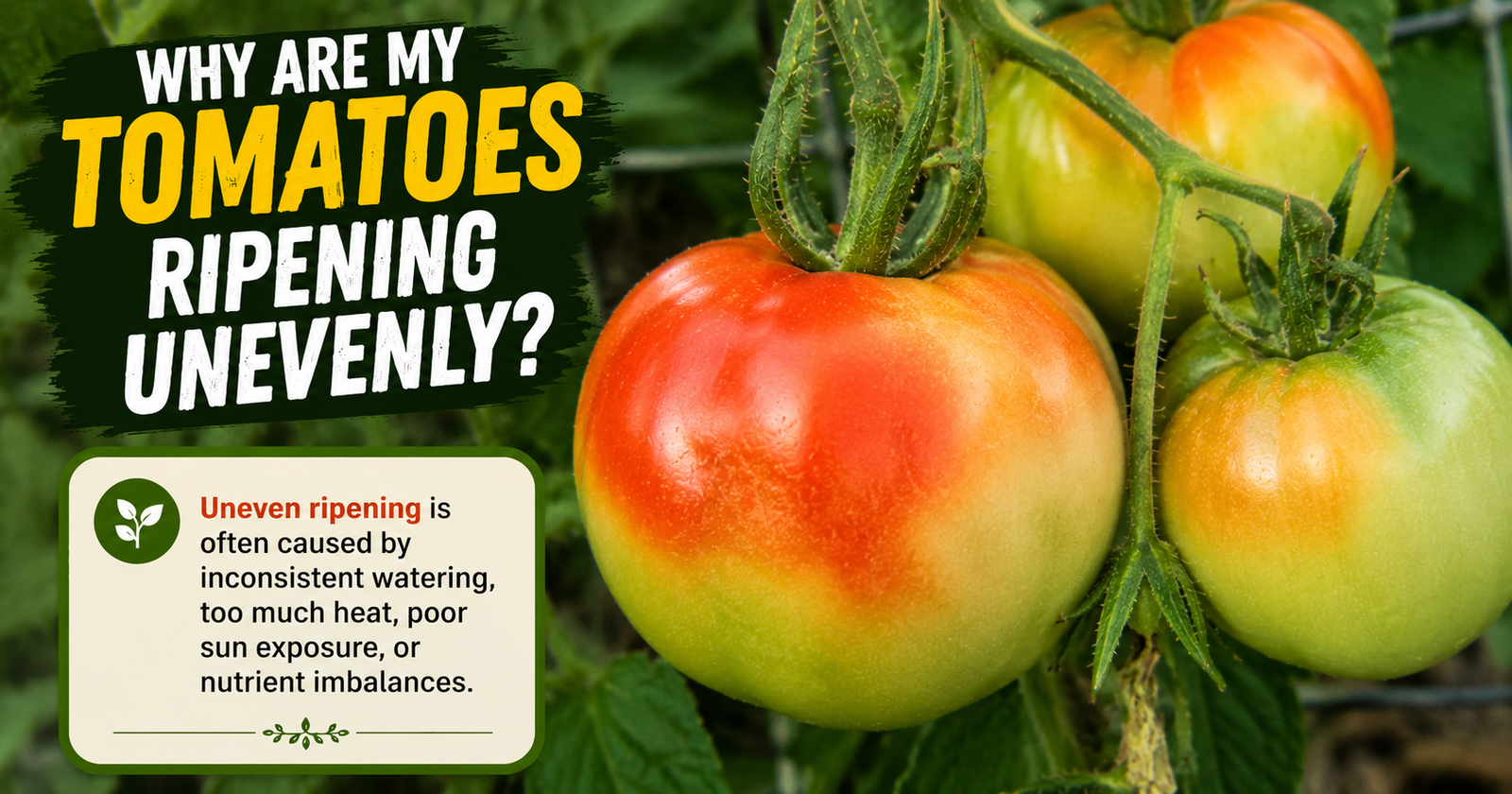
A tomato with deep folds, bulges, scars, cavities, or several fused-looking sections may be affected by catfacing. The unusual shape is most noticeable near the blossom end.
Catfaced tomatoes can look dramatically different from normal fruit. Some have only a shallow scar, while others develop deep channels that trap water and debris.
What Causes Catfacing on Tomatoes?
Catfacing begins while the flower is forming, often before the tomato itself is visible. Cool temperatures during flower development are a common trigger.
Flowers exposed to chilly nights may not develop normally. Once pollination occurs, the resulting fruit grows around those irregular flower structures and becomes folded or distorted.
Some large-fruited and heirloom tomatoes are especially prone to catfacing. Excessive nitrogen, unusual temperature changes, physical damage to flowers, and certain herbicide exposures may also contribute.
Can I Eat a Catfaced Tomato?
A catfaced tomato is usually safe to eat once it ripens, provided it remains firm and free from decay. I wash it carefully and cut around the scarred or folded areas.
Deep creases can hold moisture, soil, insects, and mold, so they deserve close inspection. The shape itself is not dangerous, but contamination or decay hiding inside a fold can make part or all of the fruit unusable.
Can Catfacing Be Prevented?
Weather-related catfacing cannot always be prevented. Waiting until the soil and nighttime temperatures are suitable before transplanting can reduce early-season stress, but late cold snaps are outside a gardener’s control.
I also avoid overfertilizing young plants. Using tomato fertilizer at the proper time supports steady growth without pushing plants too hard during flower formation.
Holes and Bites in Tomatoes
An open hole in a tomato is different from a closed scar. Birds, squirrels, mice, rats, raccoons, deer, insects, slugs, and other garden visitors may all feed on ripe fruit.
The shape and location of the damage provide clues, but they do not always identify the culprit with certainty.
Birds commonly leave narrow pecks or wedge-shaped holes. Rodents may leave larger rough-edged bites. Slugs tend to create irregular cavities close to the ground, often with dried slime nearby. Hornworms can chew the fruit as well as the leaves, although their damage may be less obvious than the stripped foliage they leave behind.
Can I Eat a Tomato That an Animal Bit?
I do not recommend eating a tomato with obvious rodent or wild-animal feeding damage. The animal may contaminate the fruit through its mouth, feet, droppings, or contact with the open flesh.
Cutting around the hole does not guarantee that contamination is limited to the visible bite. If I know a bird, mouse, squirrel, raccoon, or another animal opened the tomato, I discard it.
This is more cautious than my approach to a clean growth crack because animal feeding introduces an additional contamination source.
How I Keep Animals From Eating Tomatoes
The best solution depends on the animal. Bird netting can protect ripening fruit, but it must be installed tightly and checked regularly so birds and other wildlife do not become trapped.

Physical fencing is more dependable for larger animals. If deer are reaching the garden, my experience with the best deer repellent for vulnerable plants explains where repellents help and where a physical barrier may still be necessary.
Harvesting promptly also makes a noticeable difference. A soft, fully red tomato left on the vine is more attractive and easier for animals to find than fruit harvested when it first develops mature color.
Why Tomatoes Split Open on the Vine
Splitting is closely related to cracking, but gardeners often use the word splitting to describe a larger break that opens a ripe tomato.
A tomato may look fine one day and split after a heavy thunderstorm overnight. This happens because the roots take up water faster than the skin can accommodate the expanding fruit.
Why Ripe Tomatoes Split So Easily
As a tomato ripens, its skin becomes less able to stretch. That makes nearly ripe and fully ripe fruit especially vulnerable to a sudden influx of water.
Overhead rain cannot be controlled, but irrigation habits can. I try to maintain fairly even soil moisture rather than waiting for visible wilting and then flooding the root zone.

Splitting is one reason knowing the best time to pick tomatoes is so useful. Harvesting fruit at the right stage protects it from rain damage without sacrificing good flavor.
What Should I Do With a Split Tomato?
I harvest it immediately. If the split is extremely fresh and the inside is clean, firm, and free from insects, I may cut away the opening and use the remainder that day.
I discard it if the split is deep, dirty, moldy, sour-smelling, or filled with insects. Split tomatoes deteriorate quickly, especially in hot and humid weather.
Cloudy Spots Caused by Stink Bugs
Stink bug feeding does not always leave an obvious hole. Instead, affected tomatoes may develop pale yellow, white, or cloudy spots beneath the skin.
Some spots have a tiny dark puncture in the center. When the tomato is sliced, the flesh beneath the spot may appear white, spongy, or firm.
How Stink Bugs Damage Tomatoes
Stink bugs have piercing and sucking mouthparts. They puncture the tomato skin and feed on the tissue underneath.
The puncture can be so small that it is difficult to see. The discolored tissue that develops afterward is often much more noticeable than the original feeding site.
Stink bug damage is sometimes mistaken for a fungal disease, uneven ripening, sunscald, or a nutrient deficiency. One helpful distinction is that stink bug injury frequently appears as several separate cloudy spots rather than one large bleached patch.
Can I Eat a Tomato Damaged by Stink Bugs?
Minor stink bug damage is usually cosmetic if the tomato is otherwise firm, fresh, and free from decay. The damaged tissue may be tough or unpleasant, so I cut it away.
I do not use fruit that has become soft, moldy, leaking, or rotten around the feeding sites. Any puncture can create an entry point for organisms that cause decay.
How I Reduce Stink Bug Damage
I keep weeds and heavy debris under control around the garden because these can provide shelter for pests. I also inspect tomatoes and nearby foliage regularly instead of waiting until the damage becomes widespread.
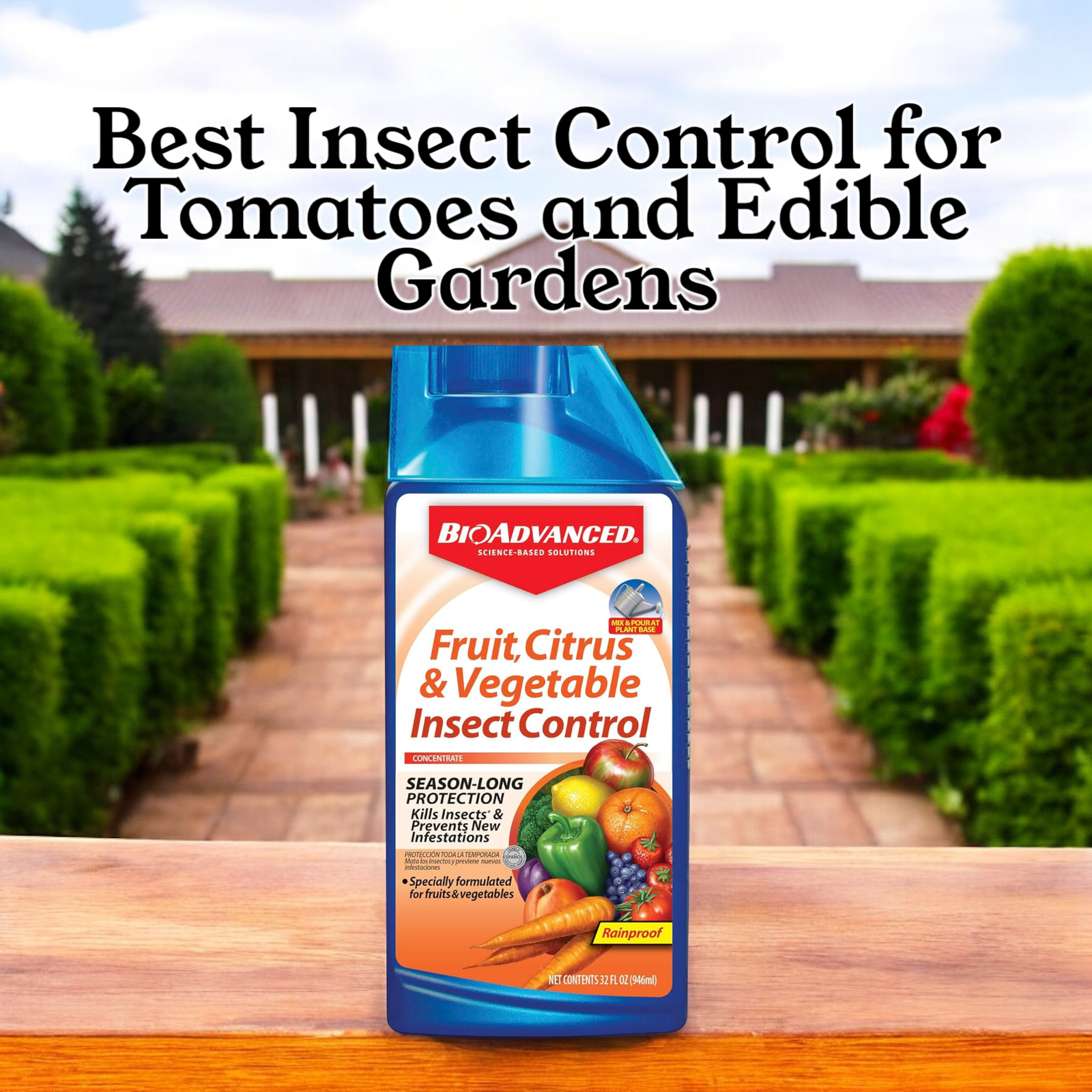
When insect pressure becomes serious, I choose a treatment labeled for tomatoes and follow the harvest interval and every other label direction exactly. My guide to the best insect control for tomatoes and edible gardens explains how I approach pest treatment without spraying blindly.
Lines, Scars and Zippers on Tomato Skin
Not every line on a tomato is a crack. Some tomatoes develop thin, dry, corky scars that run down the fruit without opening the skin.
One recognizable type is called zippering. It may look like a thin vertical seam with small cross marks, resembling a zipper.
What Causes Tomato Zippering?
Zippering begins at the flower stage. Part of the flower can stick to the developing fruit. As the tomato grows, that attached flower structure leaves a narrow scar behind.
The scar may run from the stem toward the blossom end. Sometimes a small hole or indentation forms beside it.
Zippering is generally cosmetic. It does not spread between plants and does not mean the tomato has a dangerous disease.
Are Scarred Tomatoes Safe to Eat?
A dry, healed surface scar is usually harmless. I wash the tomato, inspect it, and cut away any tough scar tissue if needed.
The important difference is whether the line is closed and dry or actively split open. A fresh opening deserves more caution because microbes and insects may enter through it.
Other Normal Tomato Imperfections
Tomatoes do not have to look like grocery-store fruit to be good. Homegrown tomatoes often develop uneven shoulders, minor color differences, shallow scars, stretch marks, and unusual shapes.
Weather, variety, pollination, water availability, and the structure of the original flower all influence the final appearance. Large heirloom varieties are especially well known for producing fruit with personality.
These imperfections do not automatically indicate that I made a gardening mistake. Sometimes a strange tomato is simply the result of genetics and the growing season it experienced.
How to Tell Cosmetic Damage From Tomato Rot
When I am deciding whether a tomato is usable, I inspect more than its color. Texture, smell, moisture, and the depth of the damage are much better indicators.
Cosmetic damage is generally dry, firm, and limited to the surface. Rot tends to become soft, wet, sunken, moldy, slimy, or foul-smelling.
I discard a tomato when I find any of these warning signs:
- Fuzzy mold on or inside the fruit
- A sour, fermented, or rotten odor
- Slimy or leaking flesh
- Deep decay extending beyond the visible blemish
- Maggots or other insects living inside the tomato
- Animal bites or evidence of rodent feeding
- Extensive black or brown tissue inside the fruit
- Damage that cannot be removed without leaving questionable flesh
When in doubt, I throw it away. A single tomato is not worth the risk of eating spoiled or contaminated produce.
Why Uneven Watering Causes So Many Tomato Problems
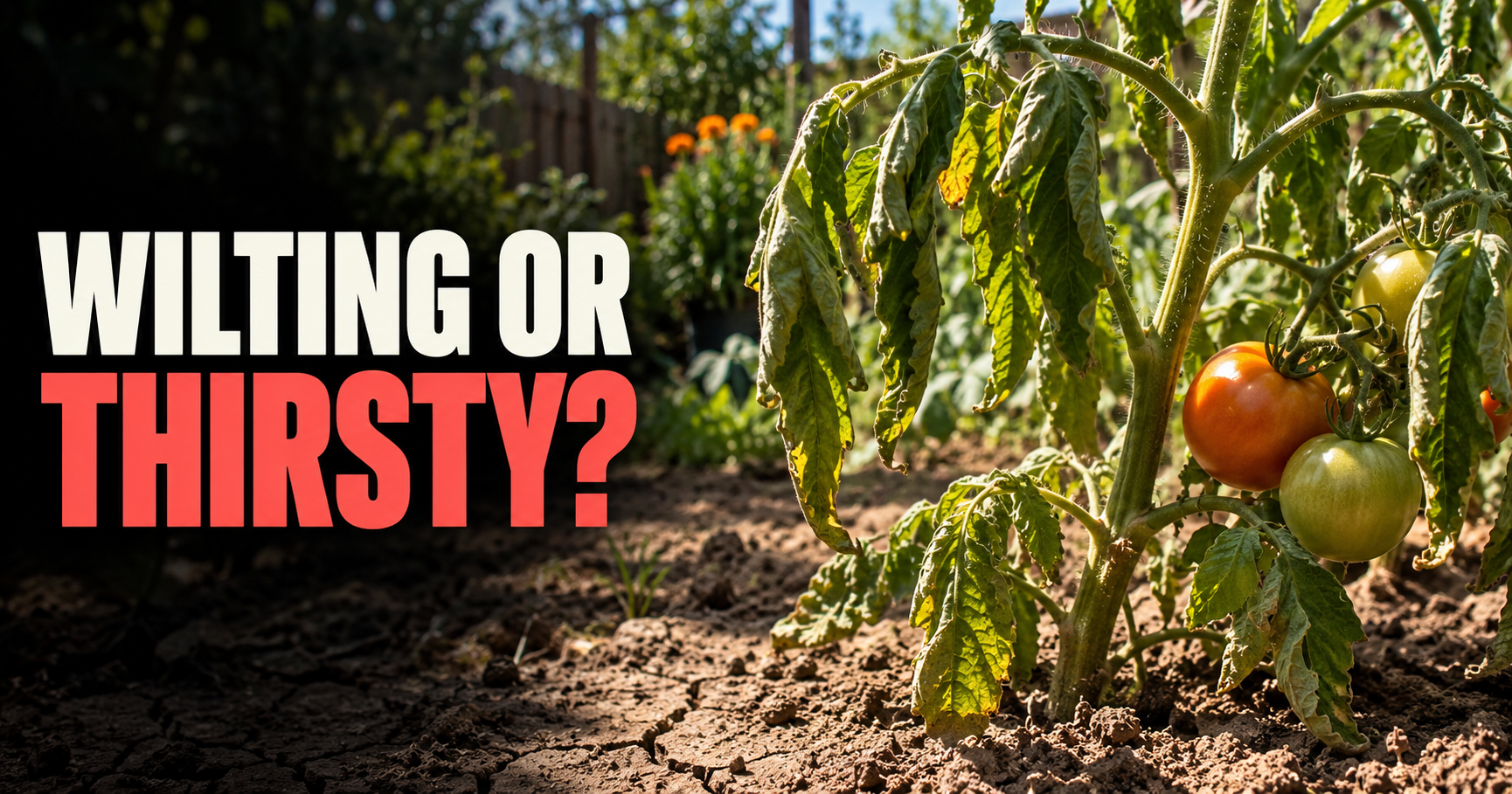
Water connects several of the problems in this guide. It influences cracking, splitting, calcium movement, blossom end rot, fruit size, and the plant’s ability to handle heat.
Tomatoes are mostly water, but that does not mean constantly saturated soil is healthy. Roots also need oxygen. Waterlogged soil can damage roots and make nutrient problems worse.
The goal is not to keep the ground soaked. I aim for reasonably consistent moisture throughout the active root zone.
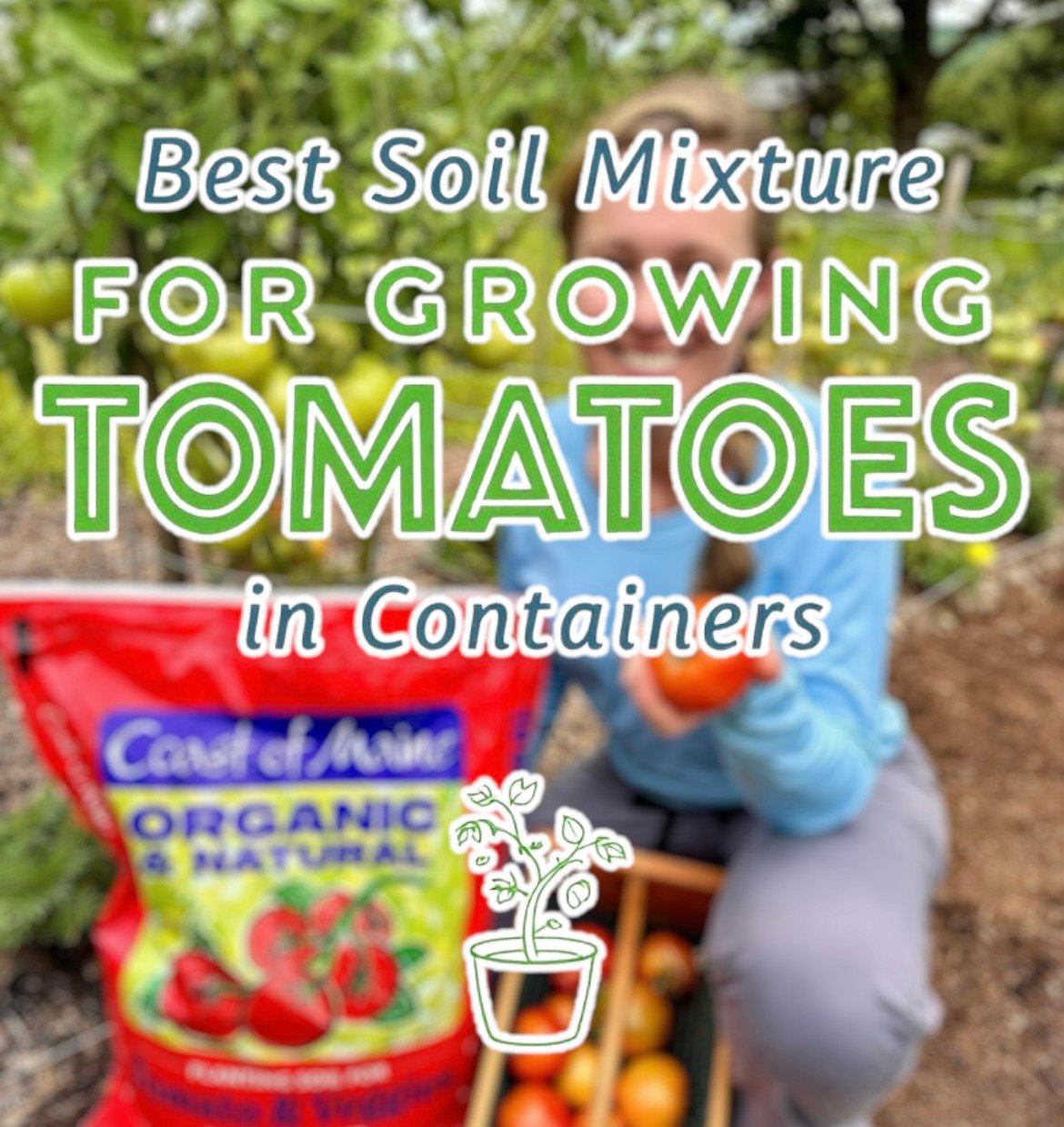
Container plants require especially close attention because pots dry much faster than garden beds. The best soil mixture for container tomatoes should hold useful moisture while still draining well enough to protect the roots.
A Simple Watering Routine That Helps
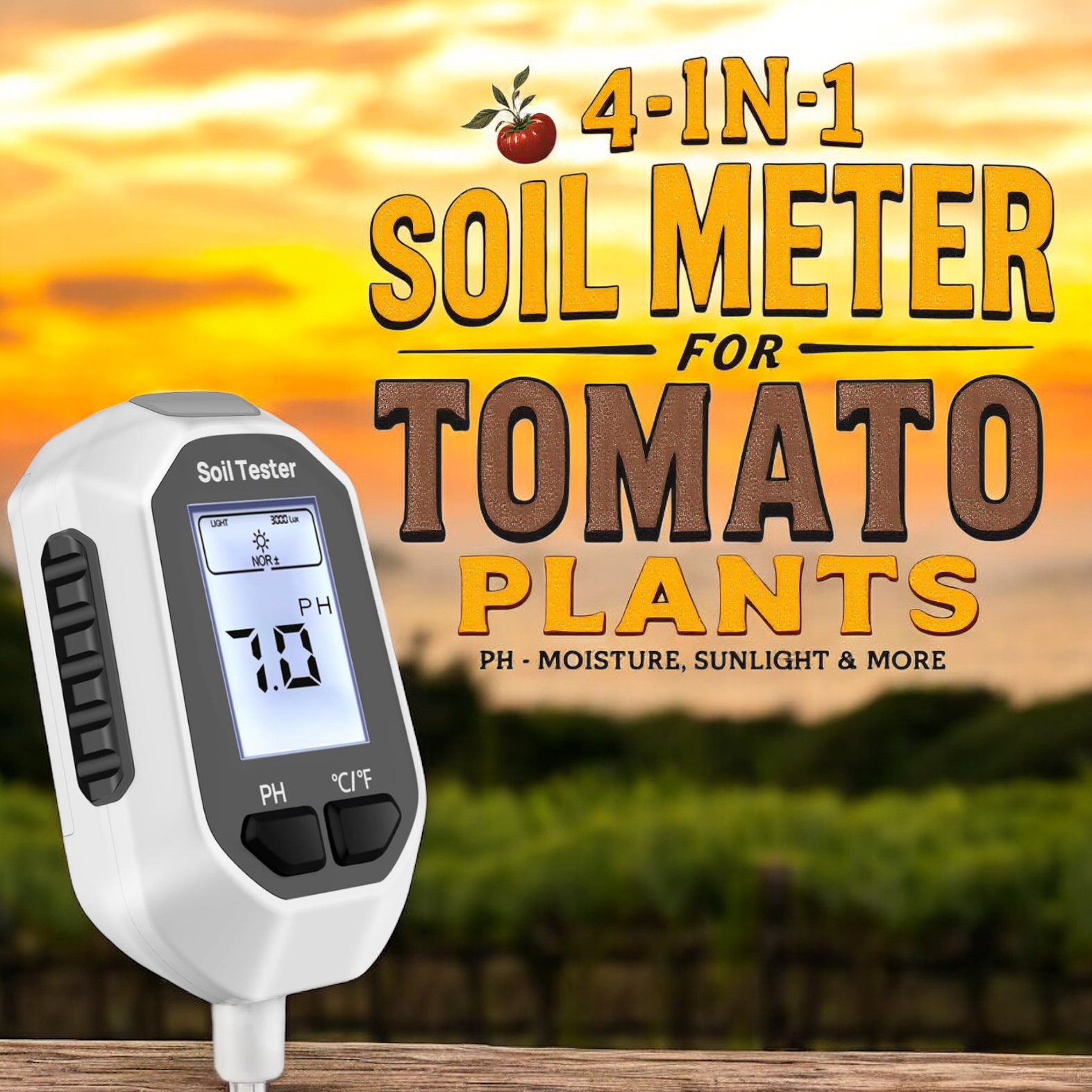
I check the soil below the surface instead of judging it by appearance alone. The top can look dry while the root zone still contains moisture. A soil monitoring meter can help you check moisture conditions below the surface instead of relying only on how the soil looks.
When watering is needed, I apply it deeply around the base of the plant. Frequent shallow watering encourages roots to remain near the surface, where they are more vulnerable to heat and drying.
Mulch helps smooth out the cycle between watering and drying. It also reduces soil splashing onto lower leaves and fruit.
A drip hose or irrigation line can make consistent watering easier, especially when the garden contains several plants. It still needs to be monitored because weather, soil type, plant size, and temperature affect how frequently water is required.
Harvesting Tomatoes Before Damage Gets Worse
Once a tomato begins changing from mature green to its final color, it does not always need to remain on the plant. Harvesting at the breaker stage can protect fruit from cracking, pests, sunscald, and severe weather.
A breaker-stage tomato has started showing a noticeable blush of pink, red, orange, or its expected ripe color. If it is mature, it can continue ripening indoors.
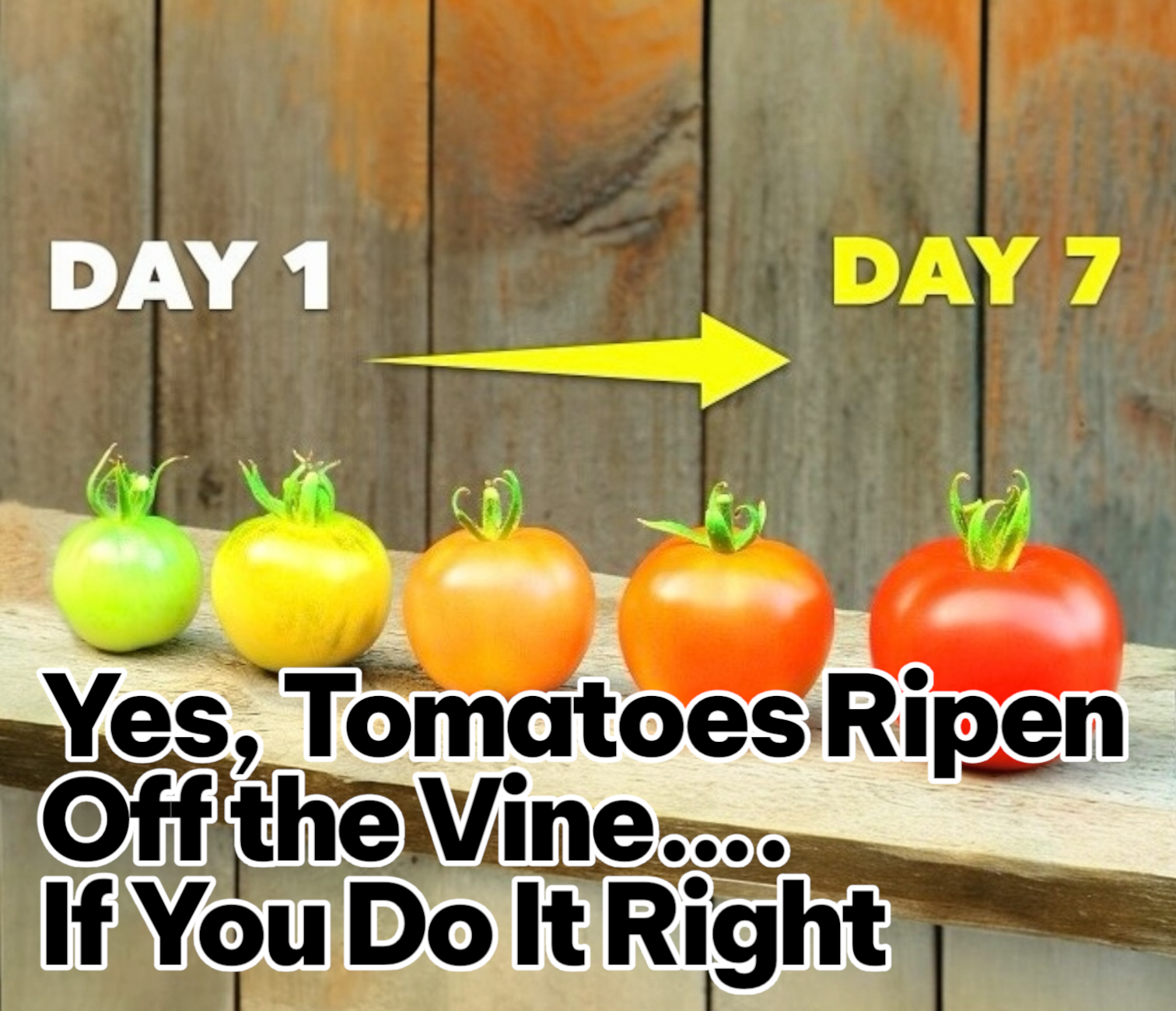
Tomatoes can ripen off the vine when handled correctly, and doing so can save a crop when heavy rain or hungry wildlife is approaching.
I place picked tomatoes in a dry location at normal room temperature. I do not set them in direct sunlight because strong sun can heat and damage the fruit without improving the ripening process.
How I Prevent Common Tomato Fruit Problems
No single method prevents every blemish, but a few steady habits dramatically reduce problems.
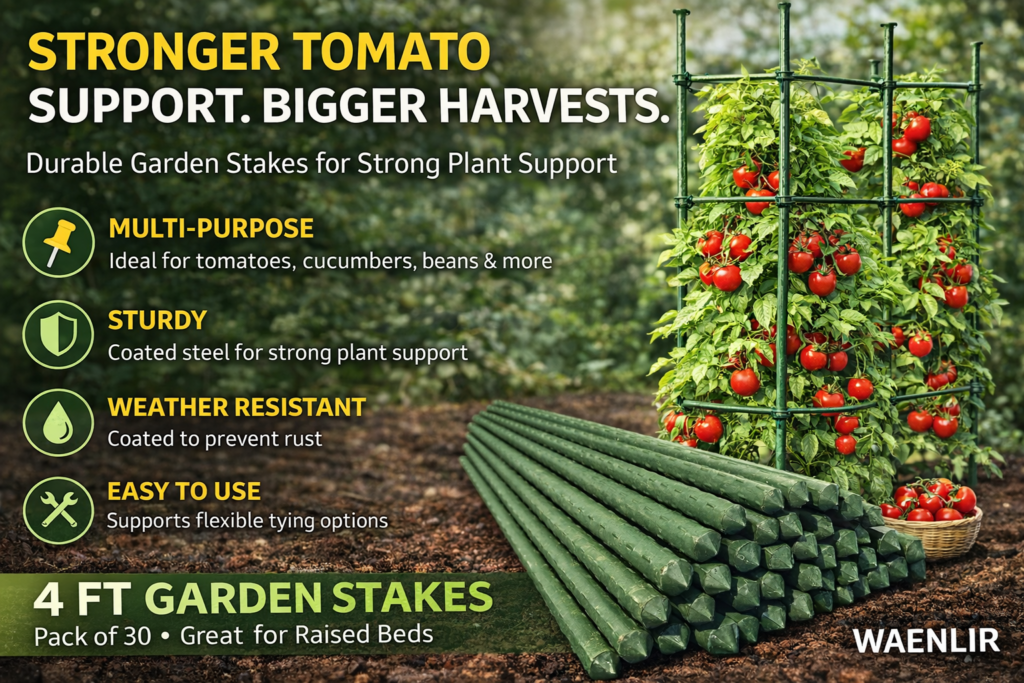
I begin with loose, fertile, well-drained soil. I leave enough space between plants for airflow, support vines before they collapse, and avoid removing excessive healthy foliage. For the support step, tomato support stakes can give collapsing vines a sturdier structure while keeping developing fruit off the ground.
I water deeply and consistently, then use mulch to limit sudden moisture changes. I fertilize according to the plant’s needs rather than assuming more fertilizer will produce more tomatoes.
I also inspect the fruit frequently. The earlier I notice a crack, pest puncture, or developing black spot, the easier it is to determine what happened and protect the remaining crop.
Regular harvesting keeps ripe fruit from splitting or becoming an easy meal for wildlife. If I know heavy rain is coming, I pick tomatoes that have begun changing color rather than leaving them exposed.
Frequently Asked Questions About Damaged Tomatoes
Why do my tomatoes look deformed but the plant looks healthy?
Deformed fruit can result from cool weather during flower formation, incomplete pollination, genetics, or catfacing. The plant may remain completely healthy because the disruption happened to individual flowers rather than the entire plant.
Why are my tomatoes rotting on the bottom before they ripen?
A black, leathery area on the blossom end is usually blossom end rot. Focus on consistent moisture, healthy roots, balanced fertilization, and verified soil conditions before adding calcium products.
Why did all my tomatoes crack after it rained?
The fruit likely absorbed water rapidly after the soil had been relatively dry. The inside expanded faster than the skin could stretch. Mulch, consistent watering, and harvesting nearly ripe fruit before major rain can reduce future cracking.
Can damaged tomatoes finish ripening indoors?
Yes, mature tomatoes with dry cosmetic damage can often finish ripening indoors. Do not bring in fruit that is actively rotting, moldy, leaking, or badly damaged by animals.
Should I remove tomatoes with blossom end rot?
I usually remove severely affected fruit so the plant can direct energy toward new tomatoes. Removing it does not cure the plant, but it keeps unusable fruit from continuing to grow.
Can too much sun ruin tomatoes?
Direct, intense sunlight can cause sunscald on exposed fruit, especially after protective leaves are removed or damaged. The tomato plant needs sun, but the fruit benefits from the shade created by healthy foliage.
Are ugly tomatoes less nutritious?
A harmless scar, unusual shape, or minor cosmetic blemish does not automatically make a tomato less nutritious. The main concern is whether the fruit is fresh and sound or affected by active decay and contamination.
Why do my tomatoes have white hard spots under the skin?
Stink bug feeding is a common cause of pale, firm, or cloudy spots beneath tomato skin. Minor damage can be cut away if the rest of the tomato remains sound.
Can I stop a damaged tomato from getting worse?
Existing damaged tissue will not heal, but you can harvest the tomato before cracking, pests, or secondary rot make it worse. Correcting watering, shade, support, nutrition, or pest problems can protect fruit that is still developing.
Written by Caleb Warren, a lifelong gardener who shares straightforward growing advice, practical troubleshooting, and lessons learned from real plants at TomatoGrowingTips.com.