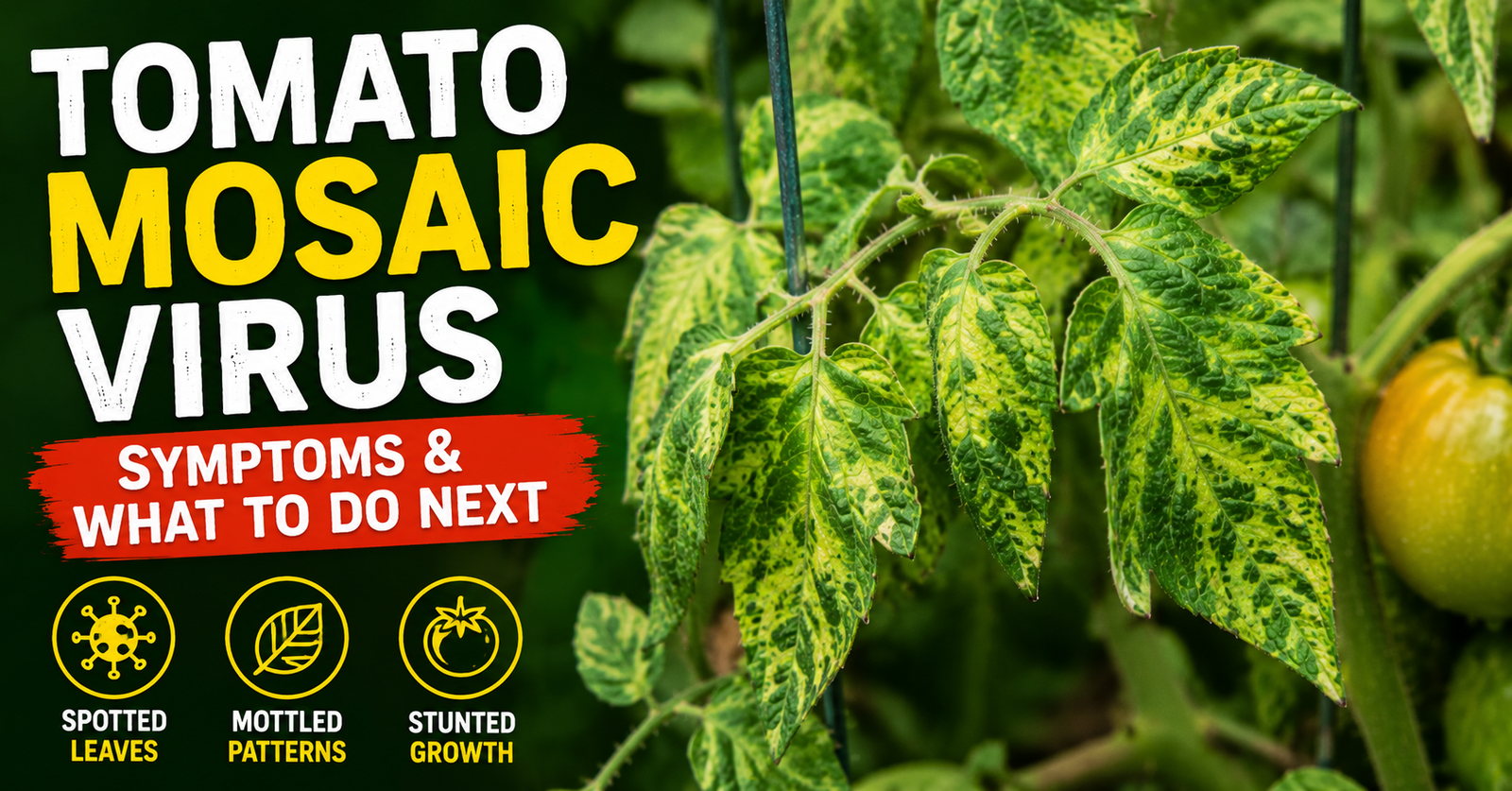
Mottled tomato leaves immediately get my attention, especially when the newest growth also looks curled, twisted or unusually small.
Several problems can distort tomato foliage. Herbicide exposure, insects, heat, uneven watering and nutrient trouble can all create strange-looking leaves. Tomato mosaic virus is another possibility, but it cannot be confirmed from one curled leaf alone. Before treating one curled leaf as viral damage, compare it with this guide to tomato leaf curl and check for broader symptoms.
The classic warning sign is a mosaic pattern made from irregular patches of light and dark green tissue. When that mottling appears with crinkled leaves, stunted growth and reduced fruit production, I begin treating the plant as a possible virus risk.
There is no spray that cures an infected tomato plant. Correct identification and careful removal are the most important ways to protect the rest of the garden.
What Does Tomato Mosaic Virus Look Like?
Tomato mosaic virus symptoms vary based on the tomato variety, plant age, virus strain, temperature and whether the plant has more than one infection.
Some plants show obvious damage. Others have mild symptoms that become difficult to see as the season progresses.
I look for a combination of the following signs.



Light and Dark Green Mottling
The most recognizable symptom is an irregular pattern of light green, yellow-green and dark green areas across the leaf.
The colors do not usually follow the neat outline of a leaf spot. Instead, they form a patchy or marbled pattern within the leaf tissue.
This uneven coloring creates the mosaic appearance that gives the virus its name.

Curled and Distorted Leaves
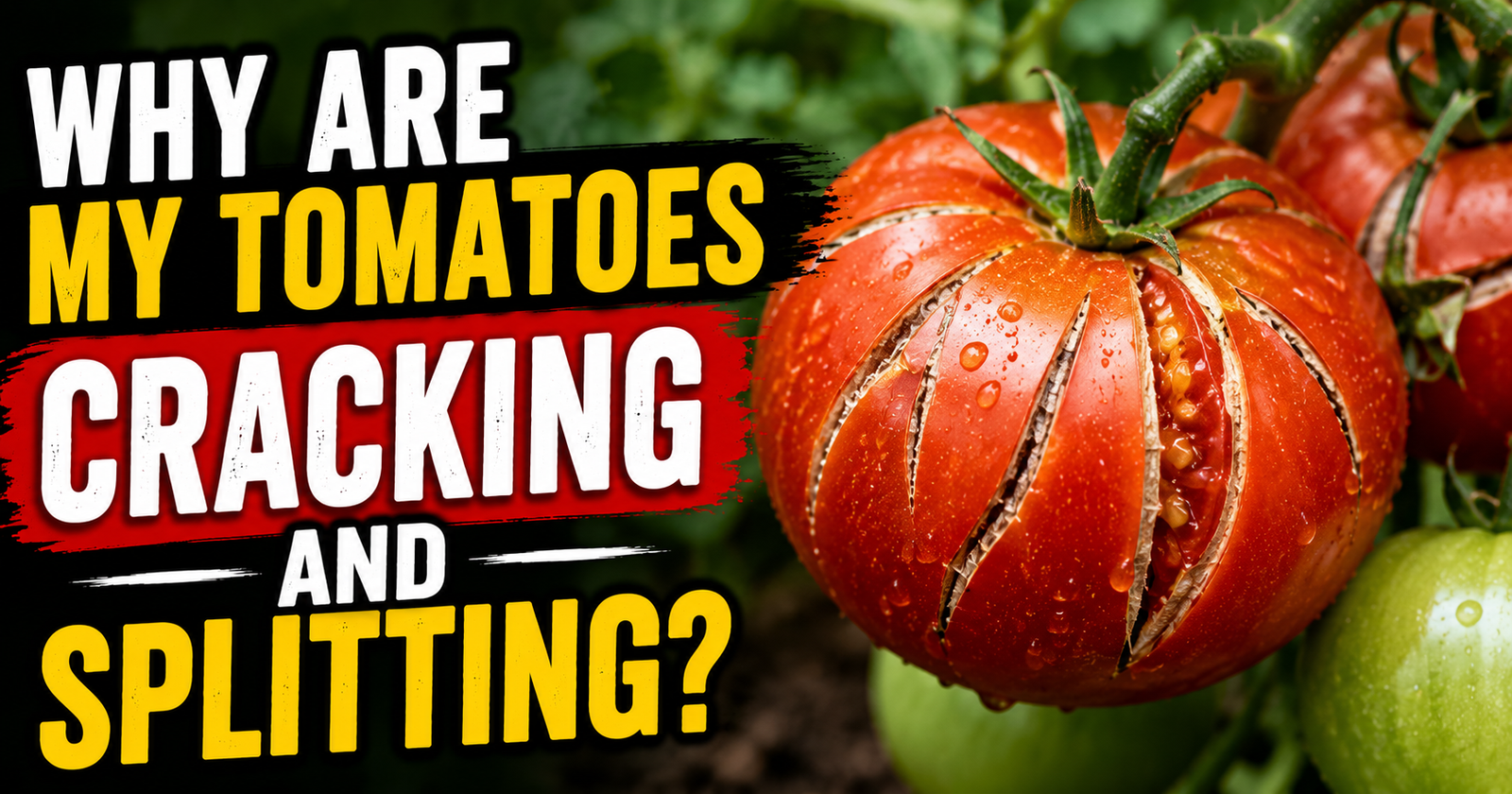
New leaves may emerge twisted, narrow, cupped or curled. Some feel rough and thicker than healthy tomato foliage.
The leaf surface may look wrinkled, blistered or puckered. Individual leaflets can remain smaller than normal and fail to expand properly.
The University of Maryland Extension describes common mosaic virus symptoms as twisted, curled, distorted and undersized tomato leaves that may feel rough or crinkled.
Stunted Tomato Plants
A tomato infected while young may remain noticeably smaller than healthy plants of the same variety.
The spaces between leaves may be shorter, making the plant look unusually compact. New branches may grow slowly, and the plant may never develop a full canopy.
Older plants infected later in the season may show less dramatic stunting.
Fewer Flowers and Tomatoes
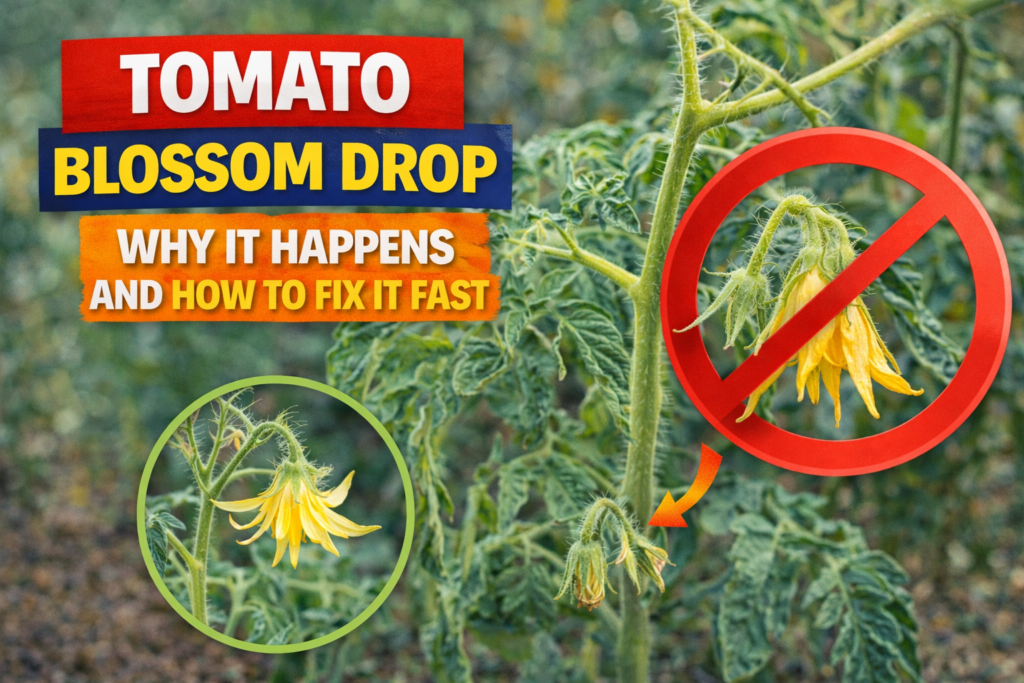
Virus-infected plants may produce fewer blossoms, and some blossoms may be small or misshapen.
Fruit set can decline because the plant is no longer growing normally. The tomatoes that do develop may remain smaller than expected.
Uneven or Abnormal Fruit
Tomato mosaic virus does not always create obvious fruit symptoms. When fruit is affected, I may see uneven coloring, blotchy ripening, internal browning or reduced size. Pale cloudy spots with spongy tissue beneath the skin point more toward cloudy spot symptoms than a virus.
Damage can be especially noticeable in the first cluster of tomatoes.
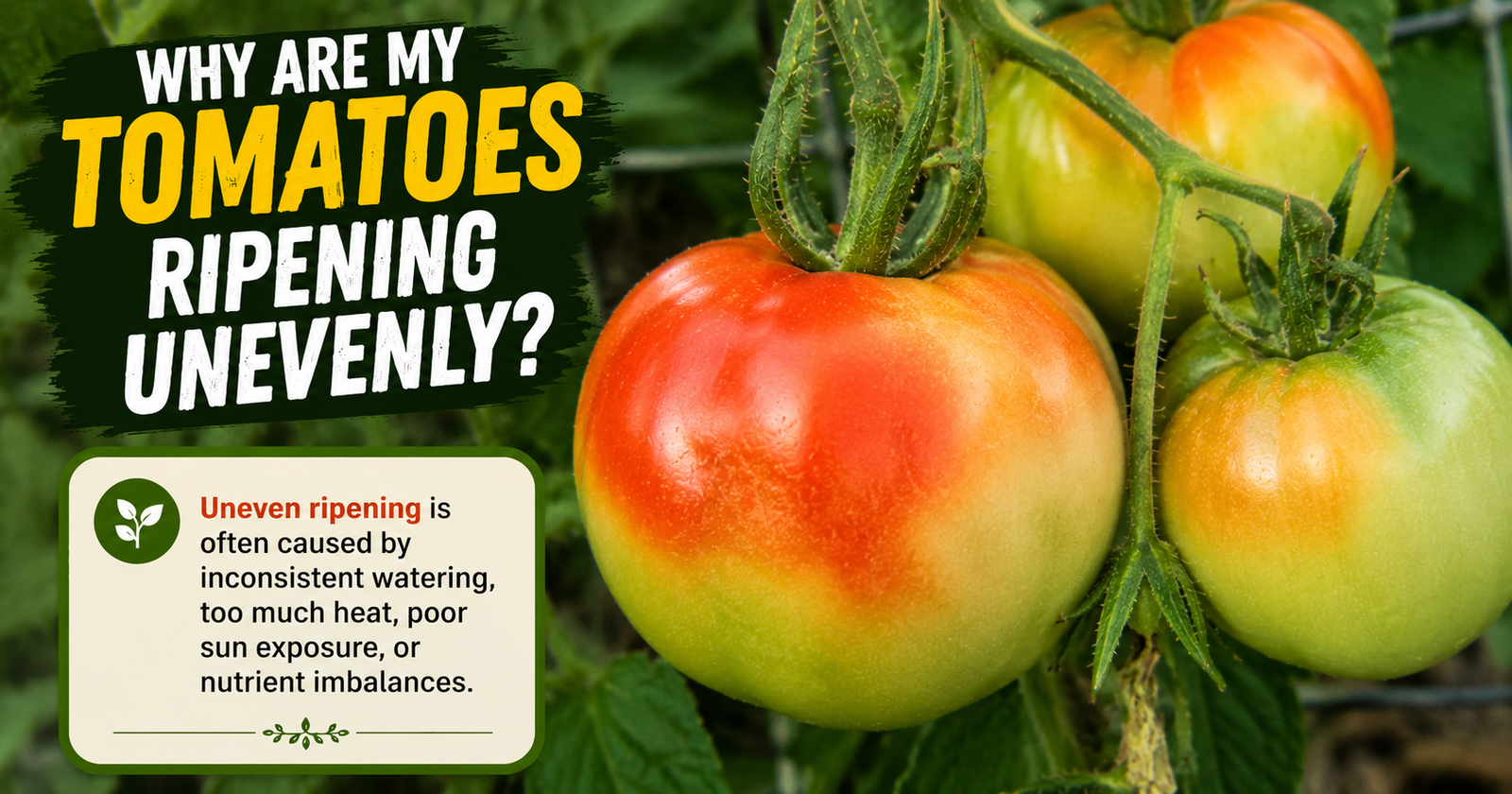
Unevenly colored fruit can have several causes, so I compare it with my guide to tomatoes that are not ripening evenly before assuming a virus is responsible.
Dead Areas on Leaves and Stems
Severe virus strains can produce dead brown areas on leaves, stems and roots.
These symptoms are not present in every infected tomato. When they occur, they may resemble fungal disease, bacterial disease or chemical injury.
That overlap is one reason laboratory testing is often necessary for a reliable diagnosis.
Tomato Mosaic Virus and Tobacco Mosaic Virus
Tomato mosaic virus, commonly shortened to ToMV, and tobacco mosaic virus, shortened to TMV, are closely related but distinct viruses.
Both can infect tomatoes and produce similar symptoms, including mottled coloring, rough leaves, curling, distortion and stunted growth.
Both are commonly spread through contaminated hands, tools, plant contact and infected propagation material. They can remain infectious on contaminated surfaces and dried plant material.
The differences matter to plant pathologists and commercial growers, but a home gardener cannot reliably separate ToMV from TMV based on appearance alone.
The practical response is similar: isolate the suspicious plant, avoid touching healthy tomatoes afterward, clean equipment and seek confirmation when possible. These steps for how to clean pruning shears can help reduce the chance of spreading problems between plants.
Tomato Mosaic Virus Versus Ordinary Leaf Curl
Tomato leaves frequently curl because of environmental stress.
Heat, dry soil, heavy pruning, root disturbance and sudden weather changes can cause physiological leaf roll. The leaves commonly curl upward or inward while remaining green and otherwise normal. When heat and dry soil are part of the picture, watering tomatoes during heat can help distinguish needed watering from overcorrection.
A plant with ordinary environmental leaf curl usually continues growing and producing tomatoes.
Mosaic virus is more likely to cause distorted new growth, uneven mottled coloring, puckering and stunting. The leaves may be misshapen rather than simply rolled.
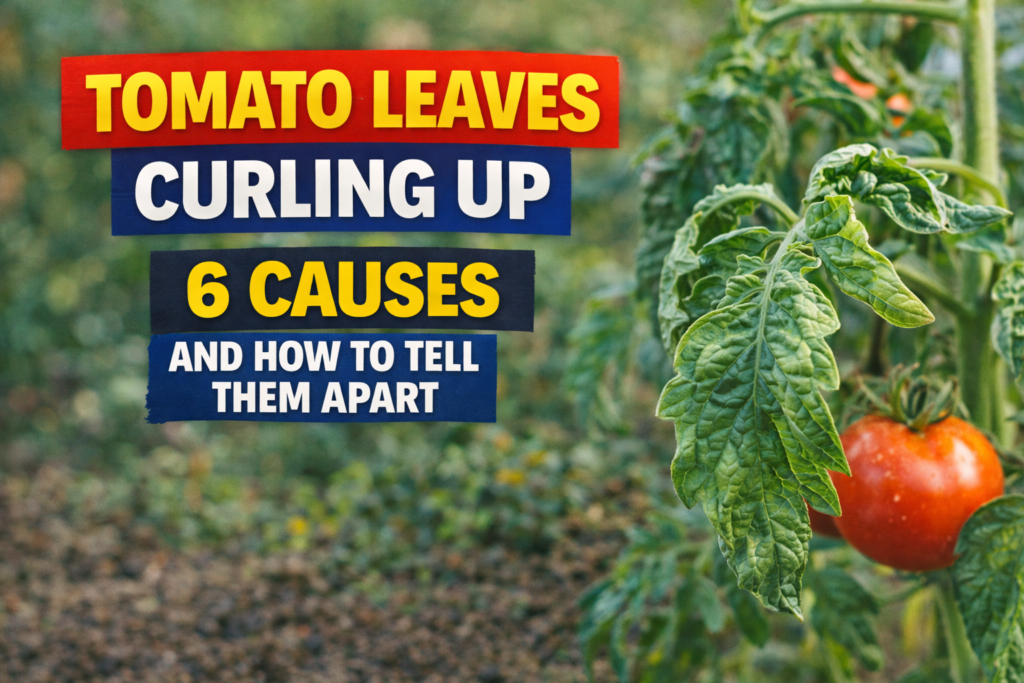
My guide to tomato leaves curling upward covers the environmental causes that should be ruled out before removing a plant.
Tomato Mosaic Virus Versus Herbicide Damage
Herbicide injury is one of the problems most commonly mistaken for a tomato virus.
Tomatoes are extremely sensitive to certain weed killers. Drift from a nearby lawn, contaminated grass clippings, treated manure or herbicide residue in compost can twist and narrow the newest growth.
Affected leaves may look feathery, strapped, cupped or stretched. Stems can bend, and the plant may develop unusually long, narrow leaflets.
Herbicide damage often follows a pattern. Plants along the edge of a garden may be affected more severely, or every tomato mulched with the same contaminated material may develop symptoms around the same time.
A virus may begin with one plant and then appear in additional plants connected through handling, propagation material or insect activity.
The University of Minnesota Extension notes in its tomato virus guidance that herbicide injury is frequently mistaken for viral disease and that laboratory testing may be required for confirmation.
Tomato Mosaic Virus Versus Nutrient Problems
Nutrient deficiencies can create yellow foliage, pale new growth and unusual leaf patterns.

Magnesium deficiency often produces yellowing between the veins on older leaves. Iron deficiency tends to affect newer growth while the veins remain greener. Nitrogen deficiency commonly causes more uniform yellowing beginning with older foliage. Once disease is less likely, diagnosing tomato nutrient deficiencies can help you choose a more targeted feeding approach.
Mosaic virus produces irregular patches of light and dark green, often combined with distorted or rough leaves.

A soil test is more useful than guessing based on color. Adding fertilizer without identifying the cause will not cure a virus and may create an entirely new growing problem. For a practical way to investigate nutrient-related causes before adding fertilizer, consider soil pH and nitrogen test kit.
Tomato Mosaic Virus Versus Fusarium Wilt
Fusarium wilt usually begins with lower leaves turning yellow and drooping. One side of the plant or a single branch may decline first.

The lower stem of a Fusarium-infected plant often contains brown vascular tissue. Mosaic virus is more closely associated with mottled coloring and distorted new growth. The tomato disease diagnosis guide places these internal wilt symptoms alongside the visible signs of mosaic virus and other common problems.
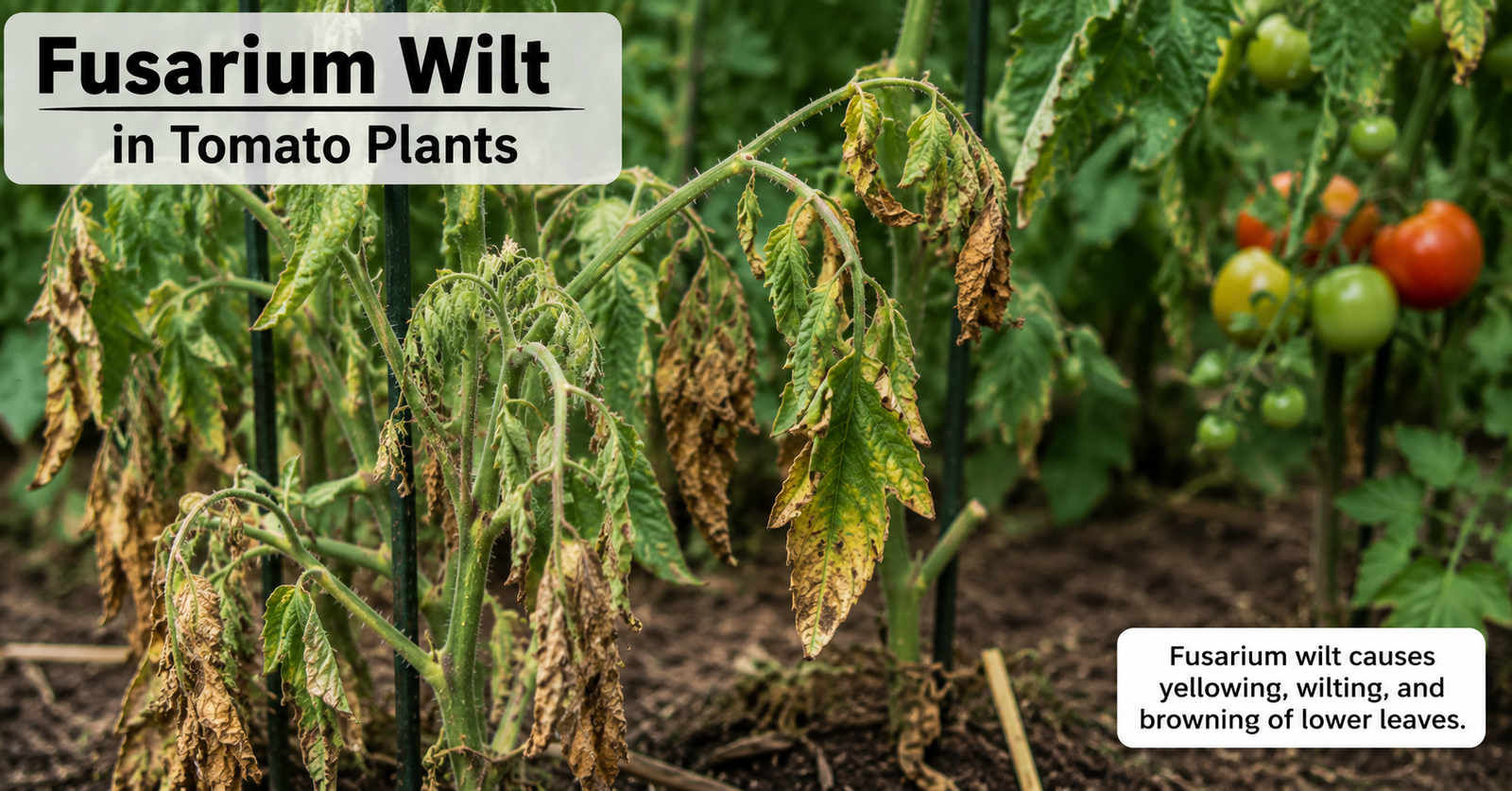
My Fusarium wilt identification guide explains how one-sided wilting and internal stem discoloration separate a vascular disease from a mosaic virus.
Both diseases may stunt the plant, but they reach and damage tomatoes in different ways.
Tomato Mosaic Virus Versus Fungal Leaf Disease
Early blight and Septoria produce defined leaf spots. Bacterial spot creates numerous small dark lesions and may also blemish fruit.
Mosaic virus changes the color, shape and texture of the leaf without producing the classic ringed or pale-centered spots associated with common fungal diseases.
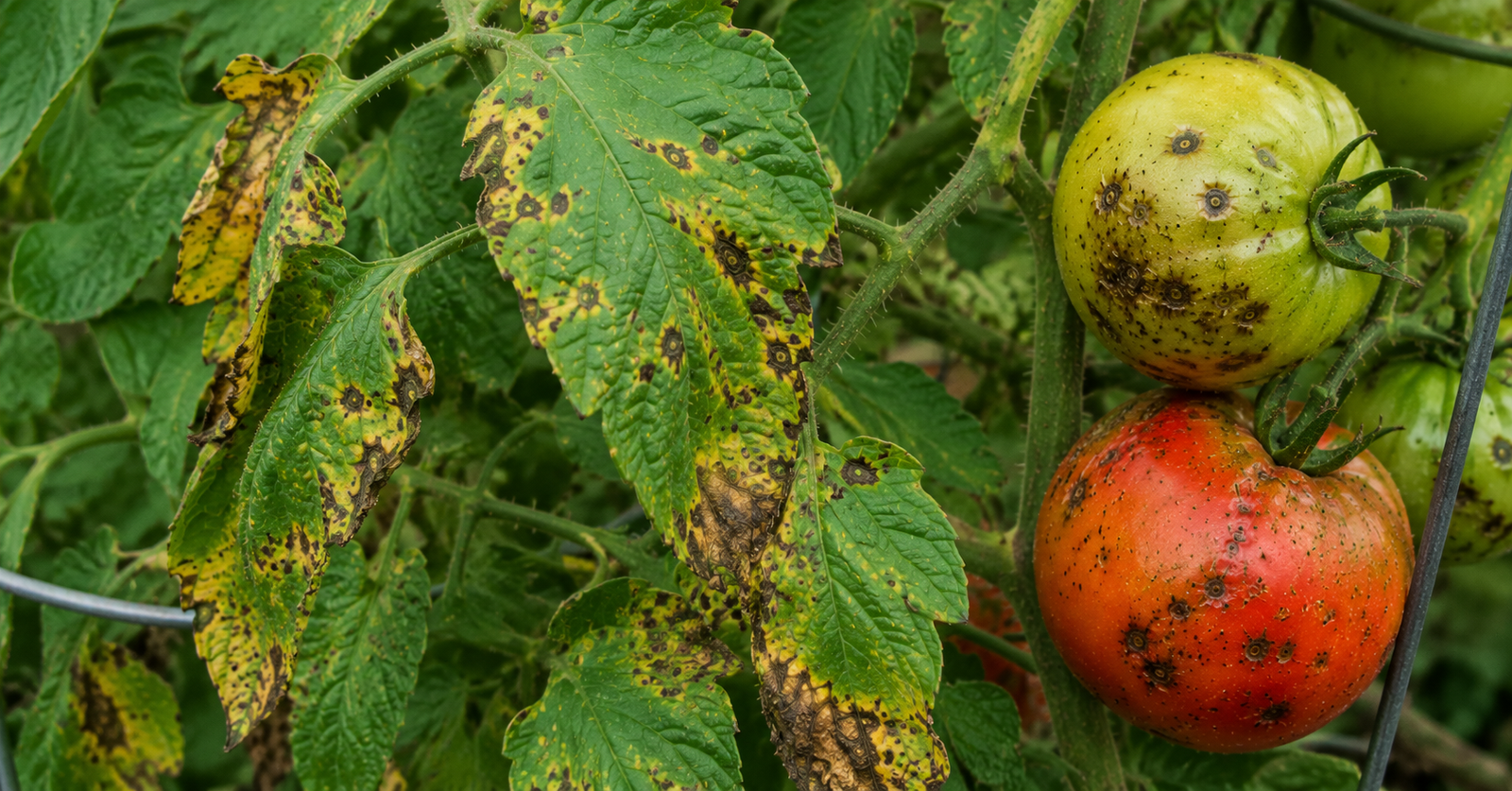
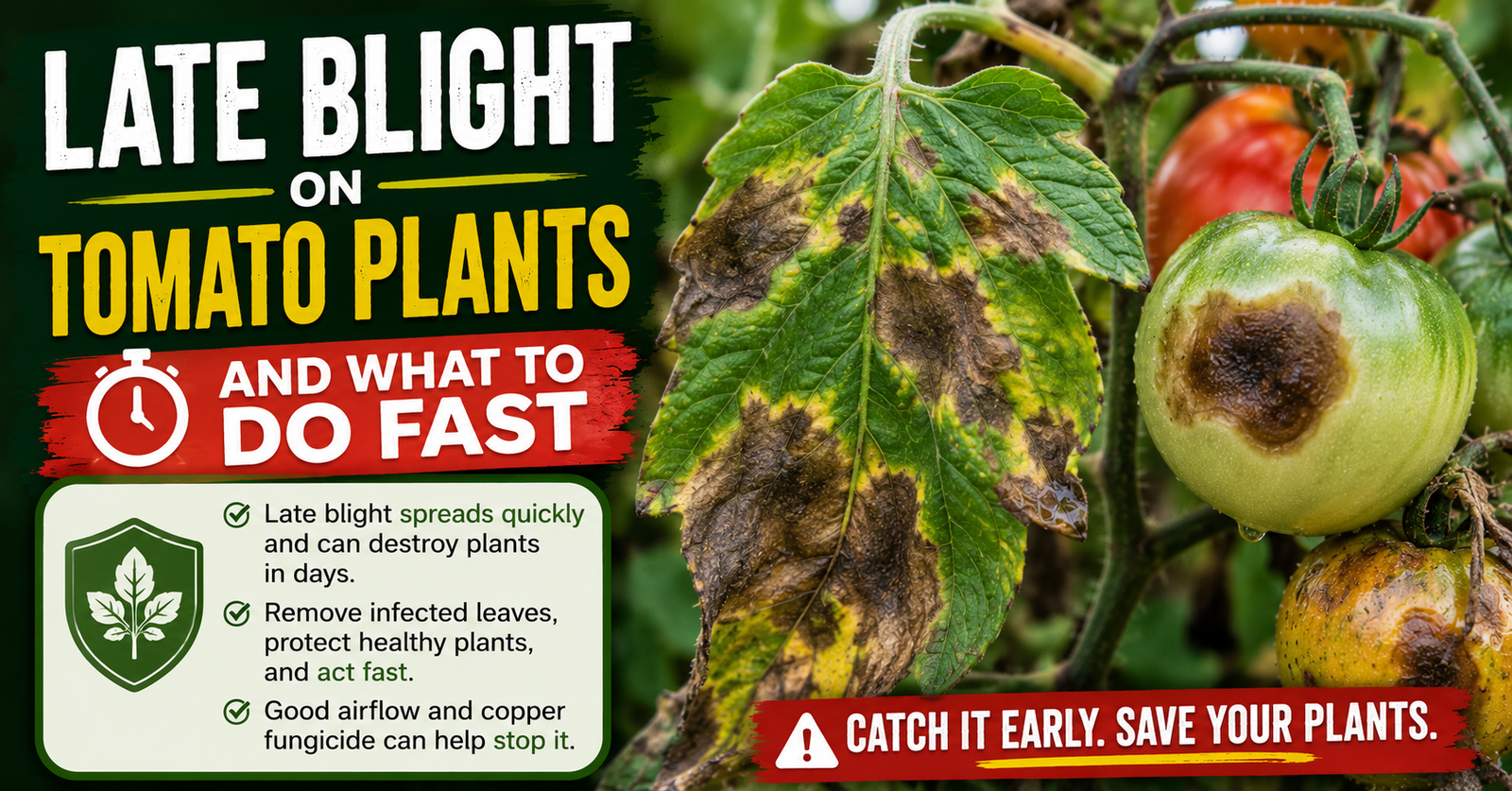
If I see tiny dark lesions, yellow halos or scabby marks on the tomatoes, I compare them with my bacterial spot symptom guide.
A tomato plant can suffer from more than one problem, so visible spots do not completely rule out a virus.
How Tomato Mosaic Virus Spreads
Tomato mosaic virus spreads primarily through mechanical contact.
The virus can move when contaminated hands, gloves or tools touch a healthy tomato plant. Plants rubbing against each other may also spread contaminated sap.
It can enter through tiny wounds that occur during pruning, tying, transplanting and harvesting.
Infected seed and transplants can introduce the virus before the gardener realizes anything is wrong. Cuttings and grafting material taken from infected plants can also carry it.
Unlike some other tomato viruses, tomato mosaic virus does not depend mainly on insects for transmission.
Can Tobacco Products Infect Tomato Plants?
Tobacco mosaic virus can persist in tobacco material and contaminated tobacco products.
Someone who smokes, chews tobacco or handles tobacco products should wash their hands thoroughly with soap and water before touching tomato plants.
I would not smoke or use chewing tobacco while pruning, transplanting or harvesting tomatoes.
This precaution is particularly important when handling young plants because small wounds occur easily during tying and transplanting.
Can Aphids Spread Tomato Mosaic Virus?
Tomato mosaic virus and tobacco mosaic virus are primarily spread through mechanical contact rather than aphids.
However, aphids can spread other tomato viruses, including cucumber mosaic virus. Thrips spread tomato spotted wilt virus.
This distinction matters because controlling aphids will not eliminate the main transmission route for tomato mosaic virus. Garden sanitation and careful handling remain essential.

Aphids can still create separate problems, so I inspect the undersides of curled leaves rather than assuming every distorted plant has a virus. If aphids are present, insecticidal soap for aphids explains a targeted way to address those insects while investigating the plant’s symptoms.
How Long Can Tomato Mosaic Virus Survive?
Mosaic viruses are unusually persistent compared with many other plant pathogens.
They can remain infectious in dried plant debris and on contaminated surfaces for extended periods. Tobacco mosaic virus is particularly durable and can survive without a living host for years under some conditions.
This persistence is why garden cleanup and tool sanitation matter so much. A virus does not need an actively sick plant beside the new tomatoes if contaminated plant material or equipment remains nearby.
What I Do When I Suspect Tomato Mosaic Virus
I avoid moving directly from a suspicious plant to healthy tomatoes.
The virus can spread through contact before I have a confirmed diagnosis, so I treat the plant cautiously from the beginning.
Stop Pruning and Handling Nearby Plants
I finish inspecting the suspicious tomato and then wash my hands.
Any pruners, knives, ties or gloves that contacted the plant are cleaned before I use them elsewhere.
I do not casually pinch leaves from several plants in a row after touching mottled foliage.
Photograph the Entire Plant
I take clear photographs of the newest growth, older leaves, stems, flowers and fruit.
A close-up of one curled leaf does not show how symptoms are distributed. A photograph of the entire plant helps reveal whether the damage is one-sided, limited to new growth or concentrated along the garden’s edge.
Check the Pattern Across the Garden
I inspect neighboring tomatoes, peppers and weeds.
If several plants along the same side of the garden are twisted, herbicide drift becomes more likely. If one plant has mottled, stunted growth while the others remain healthy, a virus deserves more consideration.
Plants sharing the same compost, manure or mulch may develop matching chemical injury.
Contact a Plant Diagnostic Laboratory
A laboratory test is the best way to confirm which virus is present.
Many tomato viruses produce nearly identical symptoms. A plant may also carry multiple viruses at the same time, creating a pattern that does not match any one disease perfectly.
I contact a local Extension office for instructions before sending a sample. They can explain which plant parts are needed and how the sample should be packaged.
Should I Remove a Tomato Plant With Mosaic Virus?
A confirmed virus-infected tomato plant should be removed.
There is no cure, and leaving the plant in the garden gives the virus more opportunities to reach healthy tomatoes through hands, tools and plant contact.
I remove the entire plant, including as much of the root system as practical. I handle it carefully and place it directly into a bag.
The plant does not go into my ordinary compost pile.
The University of Minnesota Extension recommends removing suspected virus-infected tomato plants so they do not remain a source of infection.
Should I Remove a Plant Before Testing?
This depends on the severity of the symptoms and the risk to nearby plants.
If a young tomato has severe mottling, distorted growth and obvious stunting, I am more likely to remove it promptly. A badly affected plant is unlikely to produce a worthwhile harvest.
If the symptoms are mild and herbicide injury is a realistic possibility, I isolate my handling, seek guidance and avoid making an immediate diagnosis based on appearance alone.
I do not continue pruning the suspicious plant and then touch every healthy tomato while I wait.
Can a Tomato Plant Recover From Mosaic Virus?
A virus-infected tomato plant cannot eliminate the virus.
Symptoms may become less visible during certain temperatures or as the plant matures, but the virus remains inside the plant.
A plant that appears to improve can still carry and spread the virus. It may also continue producing fewer or smaller tomatoes.
This differs from environmental leaf curl, where the plant may resume normal growth after the stress passes.
Is There a Spray for Tomato Mosaic Virus?
No fungicide, insecticide, copper spray or homemade mixture can cure tomato mosaic virus.
Viruses reproduce inside living plant cells. A surface spray cannot remove the infection.
Spraying a questionable plant may make the diagnosis more difficult by causing additional leaf damage.

My guide to using copper fungicide on tomato plants explains why copper can help with certain fungal and bacterial problems but not viral infections.
Does Neem Oil Kill Tomato Mosaic Virus?
Neem oil does not kill a virus living inside a tomato plant.
Neem products may be labeled for certain insect pests, but controlling insects does not cure an infected plant.
Since tomato mosaic virus spreads mainly through mechanical contact, spraying neem while continuing to handle plants with contaminated hands or tools misses the most important transmission route.
Can Tomatoes From an Infected Plant Be Eaten?
Plant viruses do not infect people.
A tomato that is firm and free from rot is not made poisonous simply because the plant has a mosaic virus. However, virus-infected plants may produce misshapen, internally browned or poorly developed fruit.
I discard tomatoes that are soft, rotten, moldy, foul-smelling or damaged internally.
If virus symptoms extend into the fruit, I generally remove the plant rather than trying to preserve a poor-quality crop.
Can I Save Seeds From an Infected Tomato?
I do not save seeds from a tomato plant suspected of carrying tomato mosaic virus.
The virus can be associated with seed and contaminate the seed surface. Saving seed creates an unnecessary risk of carrying the problem into the next generation of plants.
I begin the next season with reputable seed from a reliable supplier.
Can I Plant Tomatoes in the Same Soil Next Year?
Tomato mosaic virus does not behave like Fusarium wilt, which can persist as a soilborne fungus for many years.
However, infected tomato roots, stems and other plant debris left in the soil may remain a source of contamination. Volunteer tomato plants can also carry the virus forward.
I remove infected material thoroughly, control volunteers and clean reusable supports before planting again.
If the diagnosis was uncertain and a soilborne wilt could have been involved, I would not immediately assume the bed is safe for another susceptible tomato.
How I Clean Tools After Handling a Suspicious Plant
I first remove all visible soil, sap and plant material from the tool.
Disinfectants work poorly when dried debris remains on the blade. Physical cleaning comes before sanitizing.

I then use a disinfectant labeled or recommended for cleaning garden tools, following its concentration and contact-time directions. Depending on the product, the tool may need to remain visibly wet for a specific period. For gardeners doing this cleanup regularly, better garden tools can make routine tool handling more manageable.
Afterward, I rinse or dry the tool as directed and oil metal parts if necessary to prevent corrosion.
I also clean tomato cages, stakes, clips and reusable ties that contacted infected plants.
How I Prevent Tomato Mosaic Virus
Prevention depends heavily on clean planting material and careful garden habits.
Purchase Healthy Transplants
I inspect seedlings before bringing them home.
I avoid plants with mottled leaves, distorted new growth, unexplained stunting or rough, crinkled foliage. I also look at neighboring plants in the same tray.
A healthy-looking transplant can sometimes carry a virus before symptoms appear, so buying from a reputable grower remains important.
Choose Resistant Varieties
Tomato seed descriptions may include ToMV for tomato mosaic virus resistance or TMV for tobacco mosaic virus resistance.
A variety resistant to one virus is not automatically resistant to the other. It is also not protected from every tomato virus.
Resistance can reduce disease risk and symptom severity, but it should be combined with good sanitation.
Wash Hands Before Handling Tomatoes
I wash my hands before transplanting, pruning, tying or harvesting tomatoes, especially after handling tobacco products or suspicious plants.
Handwashing is a simple step, but it directly interrupts one of the main ways mosaic viruses move.
Clean Pruning Tools Regularly
I clean tools between suspicious plants and healthy ones.
If a virus has been confirmed in the garden, I become more careful about sanitizing tools between individual tomato plants.
Avoid Unnecessary Pruning
Every cut creates a wound and every touch creates an opportunity to move contaminated sap.
I still prune when there is a clear benefit, but I do not repeatedly handle plants without a reason.
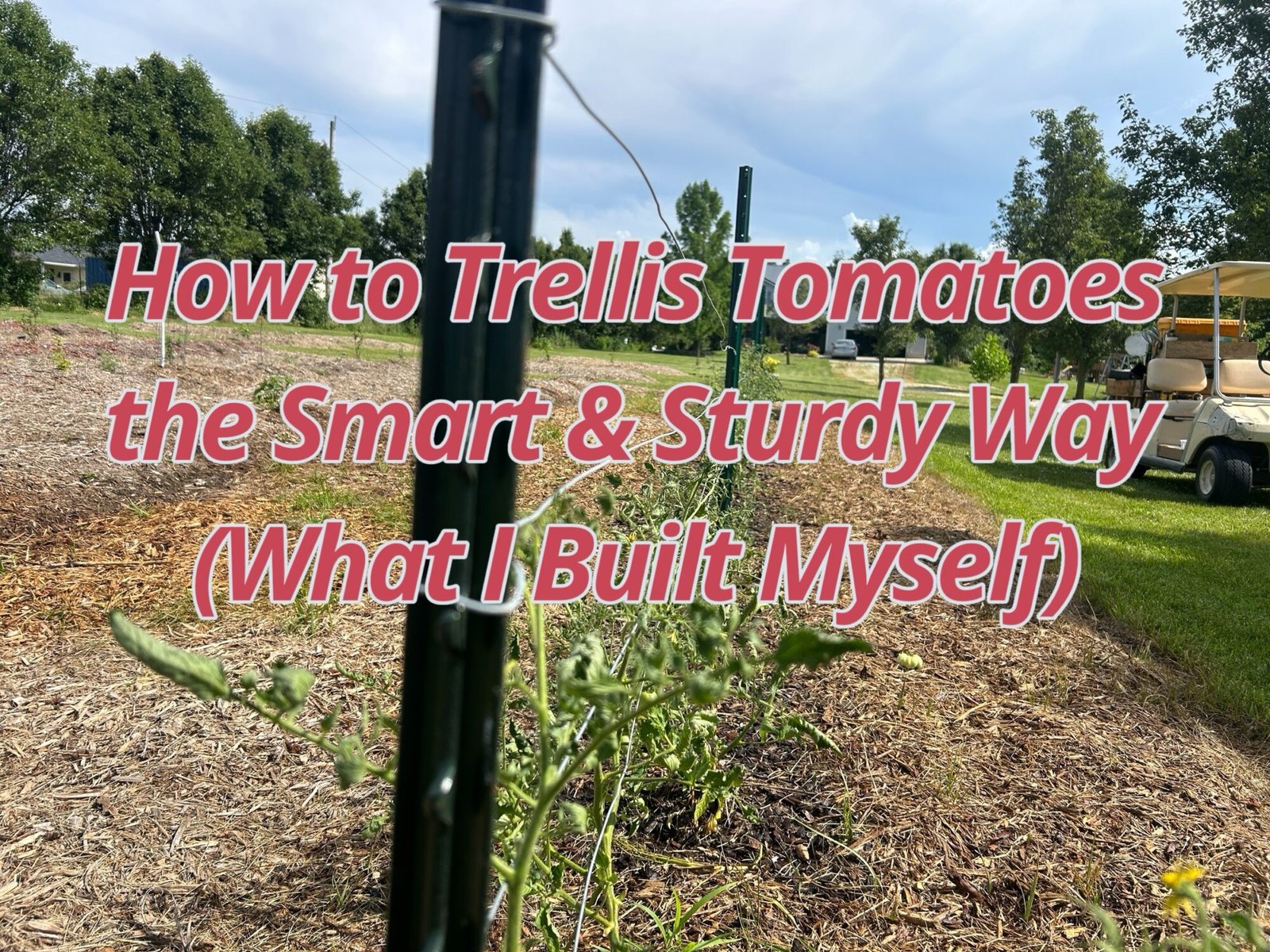
A properly supported tomato requires less untangling and handling. My tomato trellis system keeps branches organized and makes inspections easier.
Remove Volunteer Tomatoes
Volunteer tomatoes may carry viruses from a previous season even when they initially appear healthy.
I remove volunteers growing near planned tomato beds rather than treating them as guaranteed disease-free plants.
Control Weeds
Some weeds can serve as hosts for tomato viruses and the insects that carry them.
Keeping the garden and nearby edges reasonably free from weeds removes possible reservoirs and makes insect monitoring easier.
Watch Aphids and Thrips
Aphids are not the primary carriers of tomato mosaic virus, but they can transmit other viruses. Thrips can spread tomato spotted wilt virus.
I inspect new growth and leaf undersides for insects, especially when distorted foliage appears on several plants.
Managing insect vectors is part of broader virus prevention, even though it cannot cure an already infected tomato.
Avoid Propagating Suspicious Plants
I do not take cuttings, grafting material or seeds from a plant with virus-like symptoms.
A branch that appears less affected may still contain the virus.
Clean Up at the End of the Season
I remove tomato vines, roots, fallen leaves and fruit from an affected growing area.
I clean stakes and cages before storing them. Dried tomato sap and plant tissue should not remain on equipment until next season.
Common Tomato Mosaic Virus Mistakes
Assuming Every Curled Leaf Means Virus
Hot weather, dry soil, heavy pruning and root stress commonly curl tomato leaves.
Virus symptoms are more convincing when curling appears with mottled color, stunting and distorted new growth.
Waiting for the Plant to Outgrow It
Symptoms can temporarily fade, but an infected plant remains infected and may continue spreading the virus.
Spraying Fungicide
A fungicide cannot cure a viral disease. Treating before identifying the problem wastes product and may injure already stressed leaves.
Touching Every Plant During Inspection
A gardener can unintentionally move mosaic virus while checking leaves and tying vines.
I inspect healthy plants first and suspicious plants last.
Composting Infected Plants
A casual backyard compost pile may not destroy a persistent mosaic virus. I bag confirmed infected material instead.
Saving Seeds From a Sick Plant
Seed from a questionable tomato is not worth risking next year’s crop.
Blaming Fertilizer
Adding nutrients cannot correct a viral infection. Excess fertilizer can produce new symptoms and make the diagnosis more confusing.
Ignoring Herbicide Exposure
Herbicide drift and contaminated mulch can closely resemble viral damage. I consider what was sprayed nearby and whether manure, compost or grass clippings were recently added.
My Tomato Mosaic Virus Check
Do the Leaves Have a True Mosaic Pattern?
I look for irregular patches of light and dark green within individual leaves, not simple overall yellowing.
Is New Growth Distorted?
Twisted, puckered, narrow or undersized new leaves make a virus more likely than ordinary lower-leaf aging.
Is the Plant Stunted?
A plant that remains much smaller than neighboring tomatoes deserves closer inspection.
Are Several Unrelated Symptoms Appearing Together?
Mottling, rough leaves, curling, reduced fruit and slow growth together are more meaningful than one isolated symptom.
Could Herbicide Exposure Explain the Pattern?
Damage concentrated along a garden edge or among plants sharing the same mulch may point toward chemical injury.
Have I Handled Tobacco Products?
Tobacco use before pruning or tying tomatoes increases concern about tobacco mosaic virus contamination.
Did the Plant Come From a Questionable Transplant Tray?
An infected transplant can introduce a virus before symptoms become obvious.
Are Other Tomato Plants Beginning to Show Symptoms?
New cases appearing after pruning, tying or handling may suggest mechanical spread.
Is tomato mosaic virus the same as tobacco mosaic virus?
No. They are closely related viruses that produce similar symptoms, but they are distinct pathogens. Laboratory testing may be needed to tell them apart.
Can tomato mosaic virus spread through the air?
It is primarily spread through contaminated sap, hands, tools, plants and propagation material rather than traveling freely through the air like windblown fungal spores.
Can rain spread tomato mosaic virus?
Rain is not considered its primary transmission method, but water and wet plant contact may help contaminated sap move between damaged plants.
Can insects spread tomato mosaic virus?
Mechanical contact is the primary transmission route for tomato mosaic virus. Other tomato viruses are spread by aphids, thrips and additional insect vectors.
How quickly do symptoms appear?
The timing varies with plant age, temperature, variety and infection conditions. A plant may carry the virus before obvious symptoms become visible.
Does tomato mosaic virus stay in tomato cages?
The virus can persist in dried plant material and contaminated sap on surfaces. I remove debris and clean reusable cages, stakes and tools.
Can I treat the soil for tomato mosaic virus?
There is no simple soil drench that cures the problem. Removing infected debris, controlling volunteer plants and cleaning equipment are more useful.
Should I remove nearby healthy plants?
I do not automatically remove symptom-free plants. I monitor them closely, avoid unnecessary handling and clean my hands and tools between plants.
Can tomato mosaic virus affect peppers?
Tomato mosaic virus can infect peppers and other related plants. I inspect nearby peppers and avoid moving directly between suspicious tomatoes and healthy pepper plants.
Will a resistant tomato still show symptoms?
Resistance reduces susceptibility but does not guarantee complete immunity under every condition. Different resistance codes also cover different viruses.
Tomato mosaic virus is difficult to diagnose because its symptoms overlap with herbicide injury, environmental leaf curl, nutrient trouble and several other viruses. When mottled color, distorted new growth and stunting appear together, I stop handling nearby tomatoes, document the symptoms and seek confirmation. A truly infected plant cannot be cured, so careful removal and sanitation provide the best protection for the rest of the garden.
Written by Daniel Harper, an experienced home gardener who shares straightforward advice for diagnosing unhealthy plants, preventing disease and growing better tomatoes through Tomato Growing Tips.