
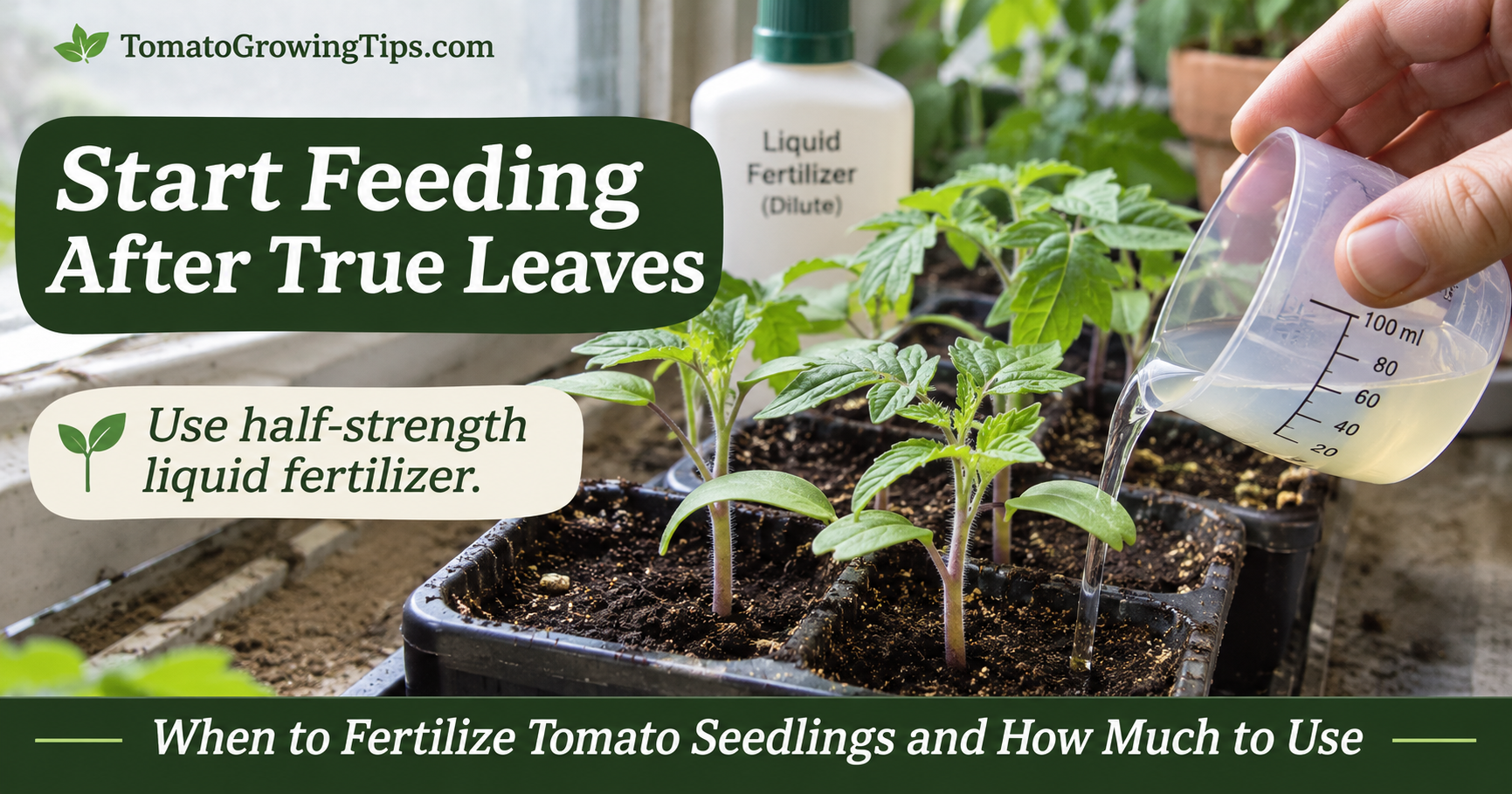
Tomato seedlings do not need fertilizer the moment they sprout. During their earliest stage, they rely on energy stored inside the seed.
I usually wait until the seedlings develop their first true leaves before considering fertilizer. Even then, I begin with a weak mixture because young tomato roots can be damaged by a full-strength feeding.
The type of growing mix also matters. Seed-starting mix often contains little or no fertilizer, while some potting mixes already contain enough nutrients to feed seedlings for several weeks.
When Should I Start Fertilizing Tomato Seedlings?
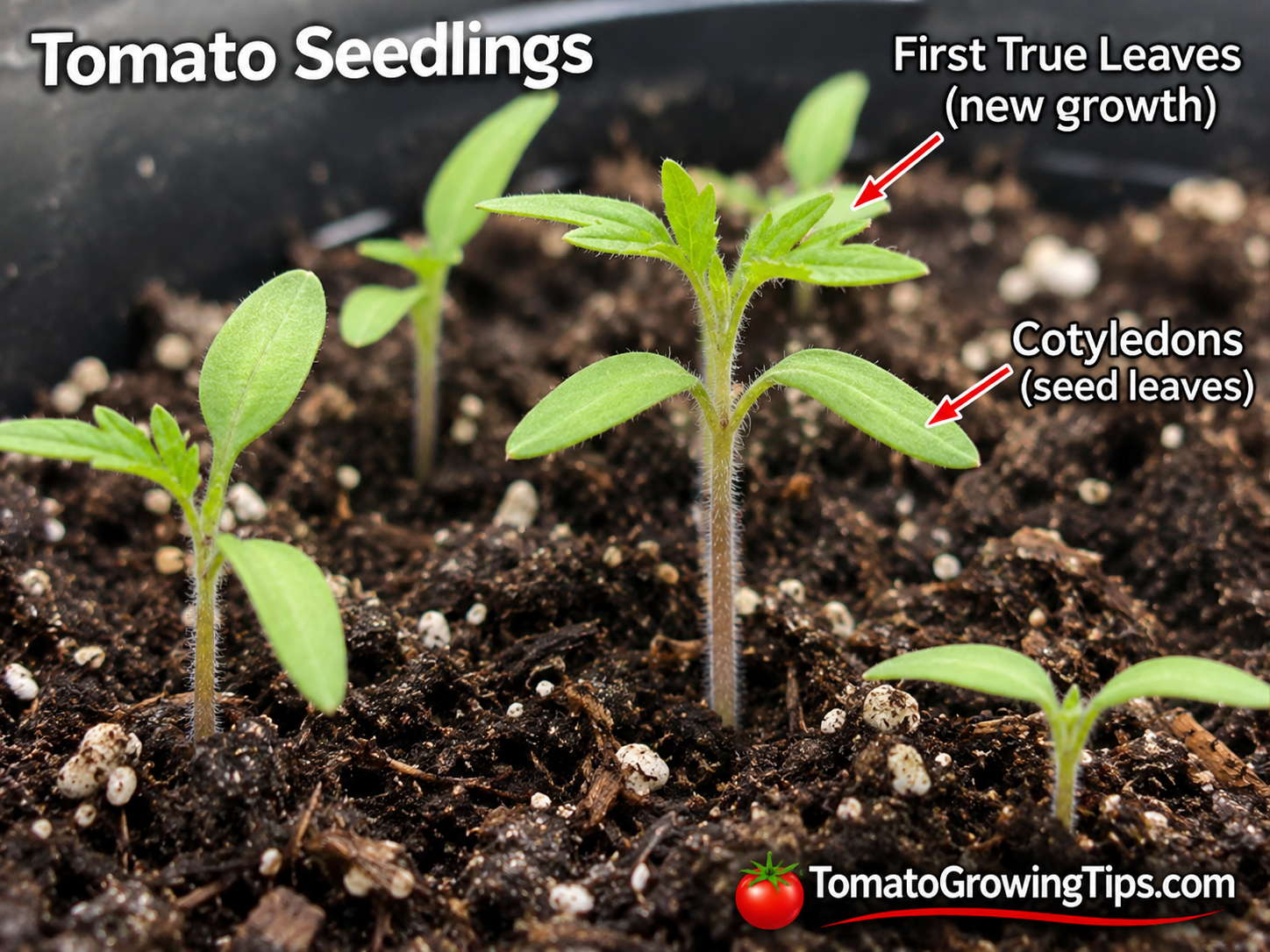
I begin fertilizing after the seedlings have developed at least one set of true leaves.
The first two leaves that appear are called cotyledons or seed leaves. They usually look smooth and simple. The leaves that develop afterward have the more recognizable shape of tomato foliage.
Those true leaves indicate that the seedling has moved beyond its earliest stored-energy stage and is actively growing.
This often happens about two to three weeks after germination, although temperature, light and tomato variety can change the timing. I rely more on the plant’s development than the number of days on the calendar.
My indoor tomato seed-starting method explains how I handle the earlier stage before fertilizer is normally needed.
Check the Growing Mix Before Adding Fertilizer
I check the bag or label from the growing mix before feeding the seedlings.
A plain seed-starting mix may contain peat moss, coconut coir, perlite or vermiculite without much plant nutrition. Seedlings growing in this type of mix may benefit from gentle fertilizer once their true leaves appear.
Some potting mixes contain a starter charge or slow-release fertilizer. These seedlings may not need additional feeding immediately.
Adding fertilizer without knowing what is already in the mix can produce excessive salt buildup and damaged roots.
If the seedlings are green, compact and growing steadily, I do not rush to fertilize them simply because they reached a certain age.
How Much Fertilizer Should I Give Tomato Seedlings?
I begin with approximately one-quarter of the label’s recommended strength unless the product provides specific instructions for seedlings.
For example, if a water-soluble fertilizer calls for one tablespoon per gallon for established plants, one-quarter strength would be about three-quarters of a teaspoon per gallon.
However, fertilizer products vary considerably. I always check the label instead of assuming every product should be measured the same way.
A small amount is safer than a strong dose. I can gradually increase the strength as the plant grows, but damaged seedling roots can be difficult to restore.
What Fertilizer Is Best for Tomato Seedlings?
I prefer a balanced, water-soluble fertilizer that can be diluted easily.
A fertilizer with relatively balanced NPK numbers can support early leaf, stem and root development. The numbers do not need to be identical, but I avoid using a strong bloom fertilizer on tiny seedlings.
At this stage, the plant is not trying to flower or produce tomatoes. It needs healthy roots, compact foliage and a sturdy stem.
Fish emulsion and other organic liquid fertilizers can also work, but they still need to be diluted according to their labels. An organic label does not mean a product cannot burn young roots.
I also avoid relying on homemade mixtures when the nutrient concentration is unknown. Young seedlings leave little room for guessing.
How Often Should I Fertilize Tomato Seedlings?
I generally feed young tomato seedlings every 7 to 14 days with a diluted fertilizer.
The exact schedule depends on the growing mix, fertilizer strength, container size and how quickly the plants are growing.
Seedlings in a nutrient-free mix may need gentle feeding more regularly. Plants in a fertilized potting mix may need little or no additional fertilizer for several weeks.
I do not fertilize every time I water. That can allow fertilizer salts to accumulate in the container, especially when the seedling is growing in a small cell.
Between feedings, I use plain water and watch the plant rather than following a rigid schedule.
Should I Fertilize Before or After Watering?
I apply fertilizer to growing mix that is already slightly moist.
Fertilizing extremely dry soil can expose the roots to a stronger concentration and increase the chance of damage. If the mix is very dry, I lightly water it first and allow the moisture to spread through the container.
I then apply the diluted fertilizer without soaking the seedling in more liquid than the container can drain.
Every seedling container should have drainage holes. Water and fertilizer should not remain pooled around the roots.
Should I Fertilize After Repotting?
I usually give a newly repotted seedling time to settle before feeding it, particularly when the new potting mix already contains nutrients.
Repotting temporarily disturbs the roots. Adding fertilizer immediately may create more stress without providing an immediate benefit.
I watch the plant for several days. Once it resumes normal growth, I can begin or continue a gentle feeding schedule if the growing mix requires it.
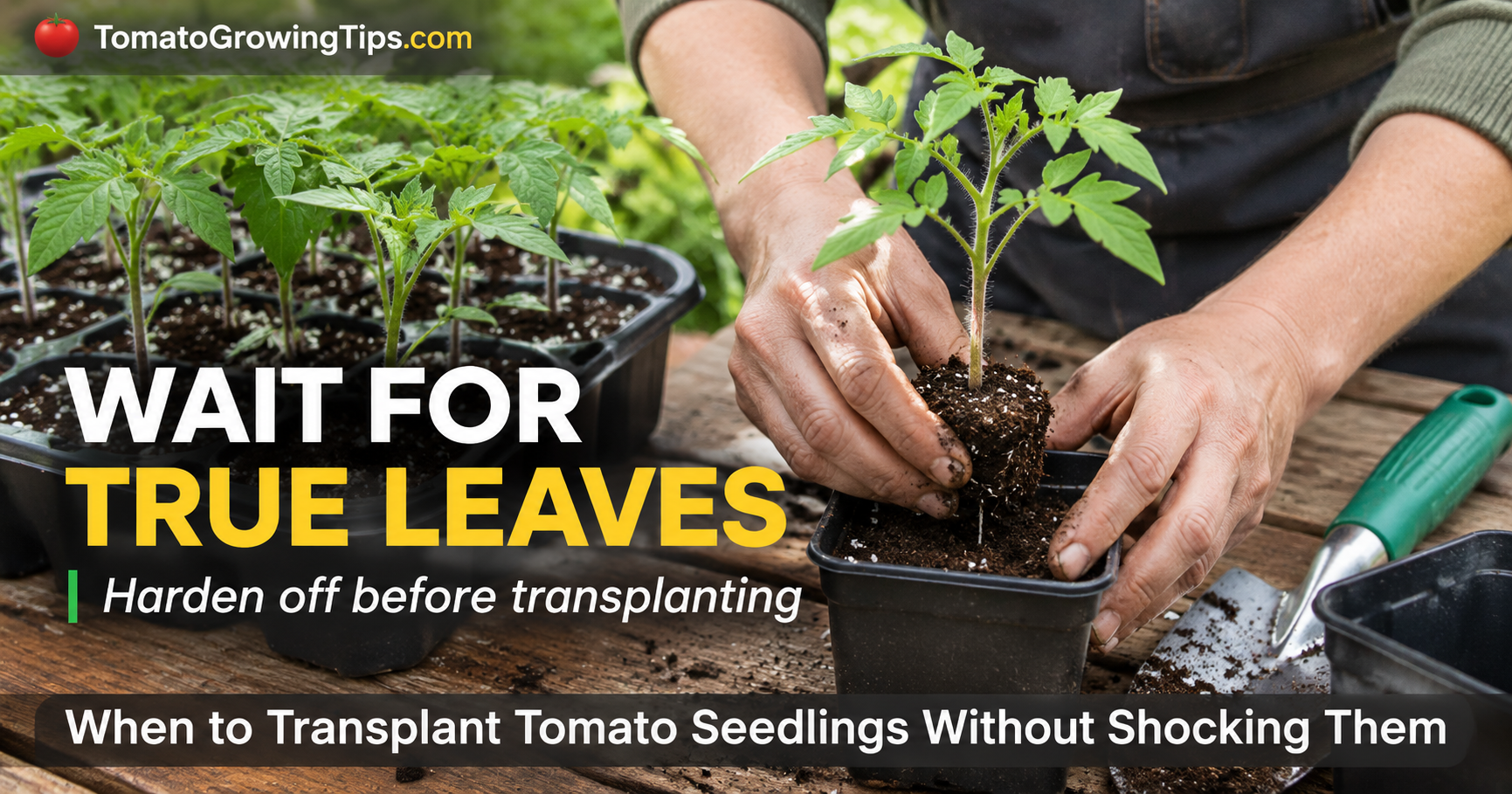
My guide to transplanting tomato seedlings without shock explains how I judge whether a plant is ready to move and how I protect the roots.
Can Fertilizer Fix Leggy Tomato Seedlings?
Fertilizer does not correct leggy growth caused by weak light.
Giving additional nitrogen to a stretched seedling may encourage more rapid, soft growth. The plant can become taller without developing the sturdy stem I want.
I correct the lighting, spacing and temperature before adding more fertilizer.
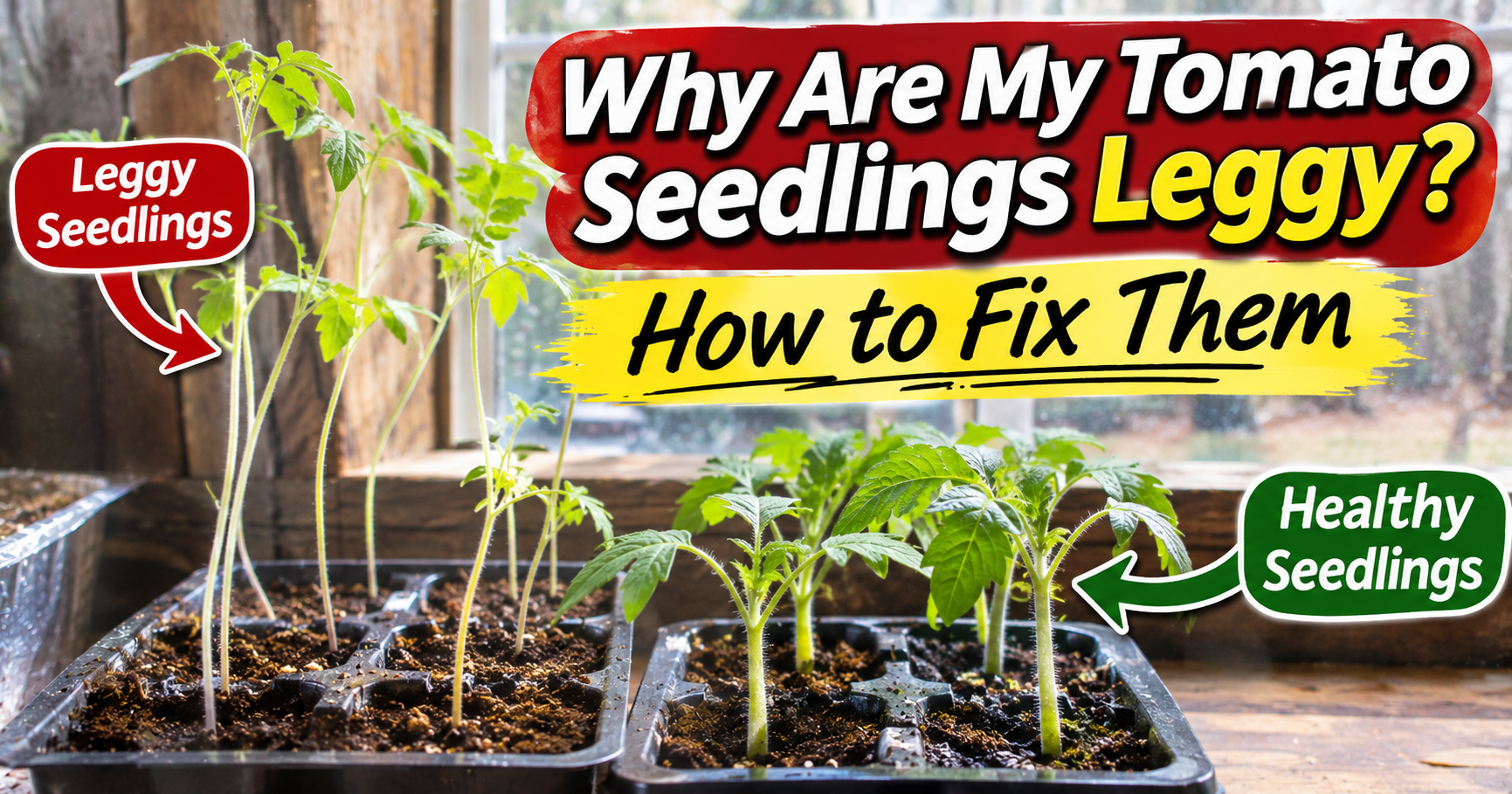
My method for strengthening leggy tomato seedlings covers the changes that help stretched plants develop better new growth.
Signs Tomato Seedlings Need Fertilizer
A seedling may need nutrients when its growth slows after developing true leaves, especially if it is planted in a nutrient-free seed-starting mix.
Possible signs include:
- Pale green true leaves
- Slow growth despite adequate light and warmth
- Small new leaves
- Older leaves gradually becoming lighter
- Seedlings remaining noticeably smaller than expected
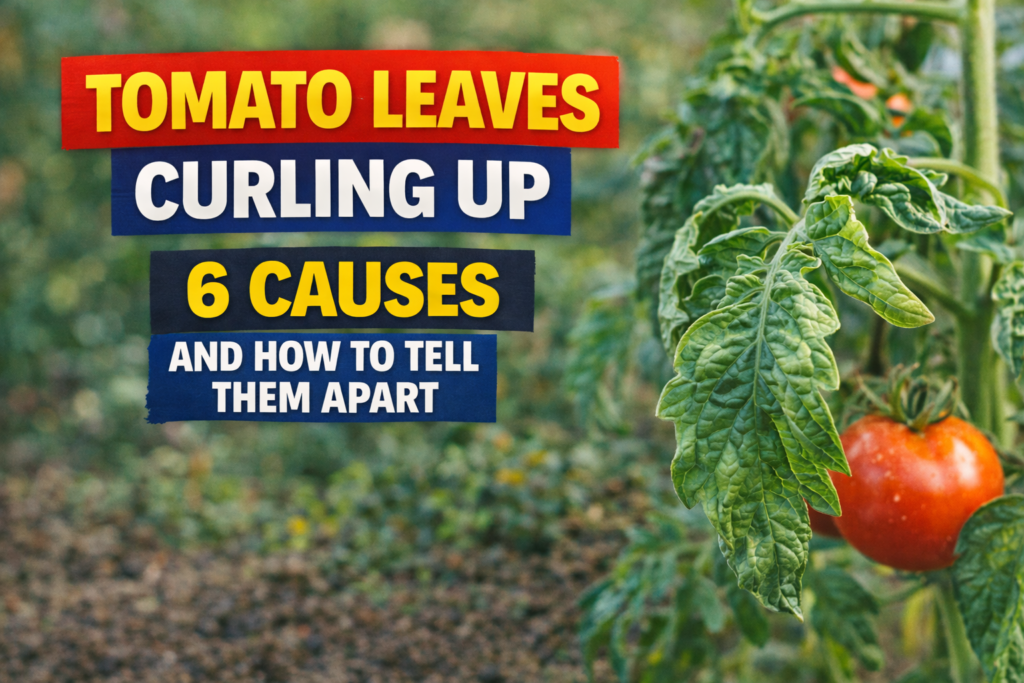
These symptoms do not prove that fertilizer is needed. Overwatering, cold conditions, weak light and unhealthy roots can produce similar problems.
Before feeding a struggling plant, I check whether the soil is draining and whether the roots have access to air.
Signs of Too Much Fertilizer
Young tomato seedlings can be damaged quickly by excessive fertilizer.
Common warning signs include:
- Brown or crispy leaf tips
- Leaf edges turning brown
- Sudden wilting after feeding
- Curled or distorted leaves
- A white crust on the growing mix
- Stopped growth
- Dark, damaged roots
A seedling that was healthy before fertilizing and declined soon afterward may have fertilizer burn.
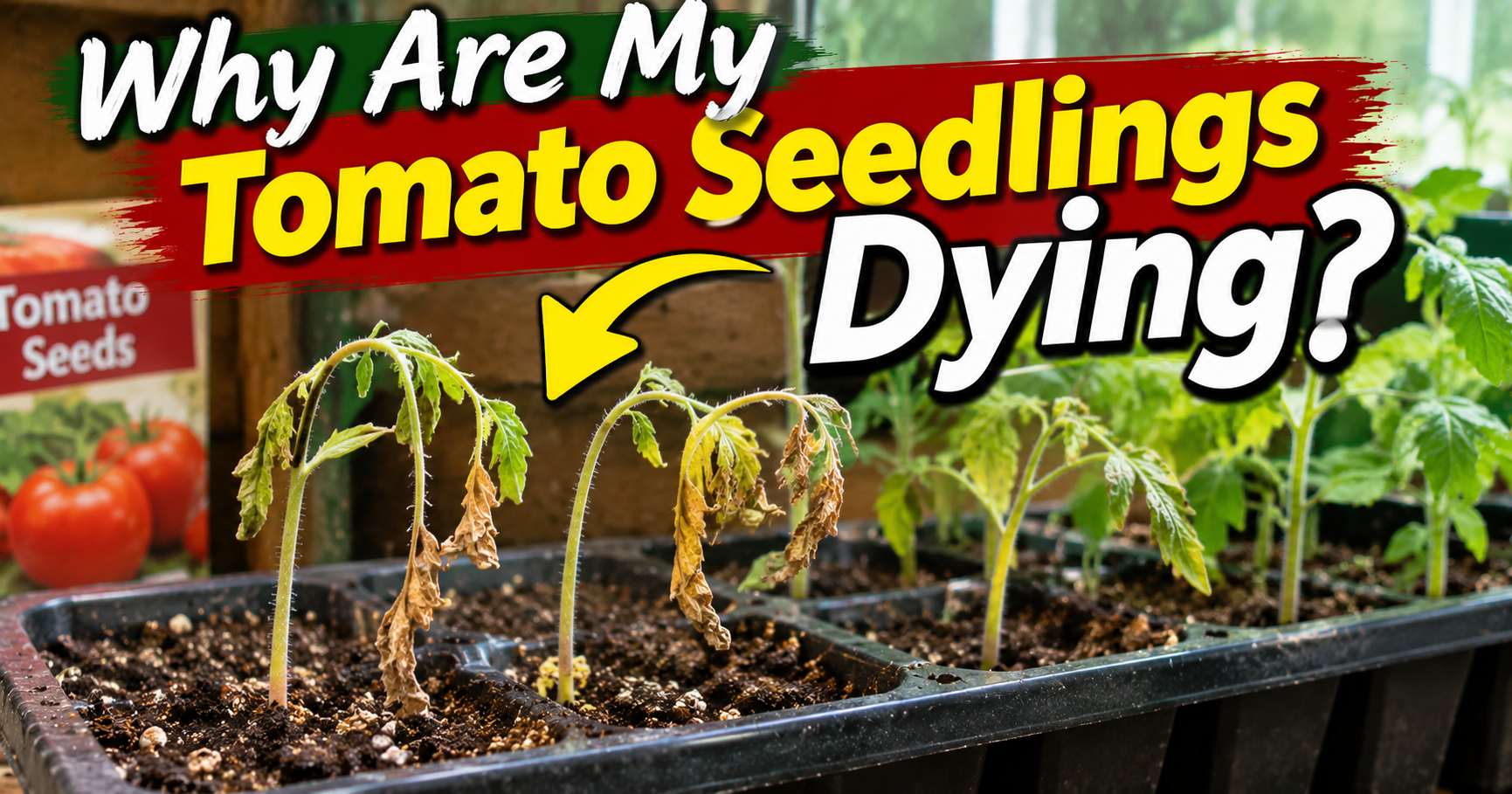
My dying tomato seedling checklist helps separate fertilizer damage from damping off, wet soil, heat and transplant shock.
What I Do When I Use Too Much Fertilizer
I stop fertilizing immediately.
If the container drains properly, I slowly flush the growing mix with clean water and allow the excess to drain completely. This can help carry some accumulated fertilizer salts out of the container.
I do not leave the pot sitting in the drained water. The roots still need oxygen, and saturated soil can create another problem.
Badly damaged leaves will not repair themselves. I watch the growing point for healthy new leaves before feeding the seedling again.
Do Yellow Tomato Seedlings Need Fertilizer?
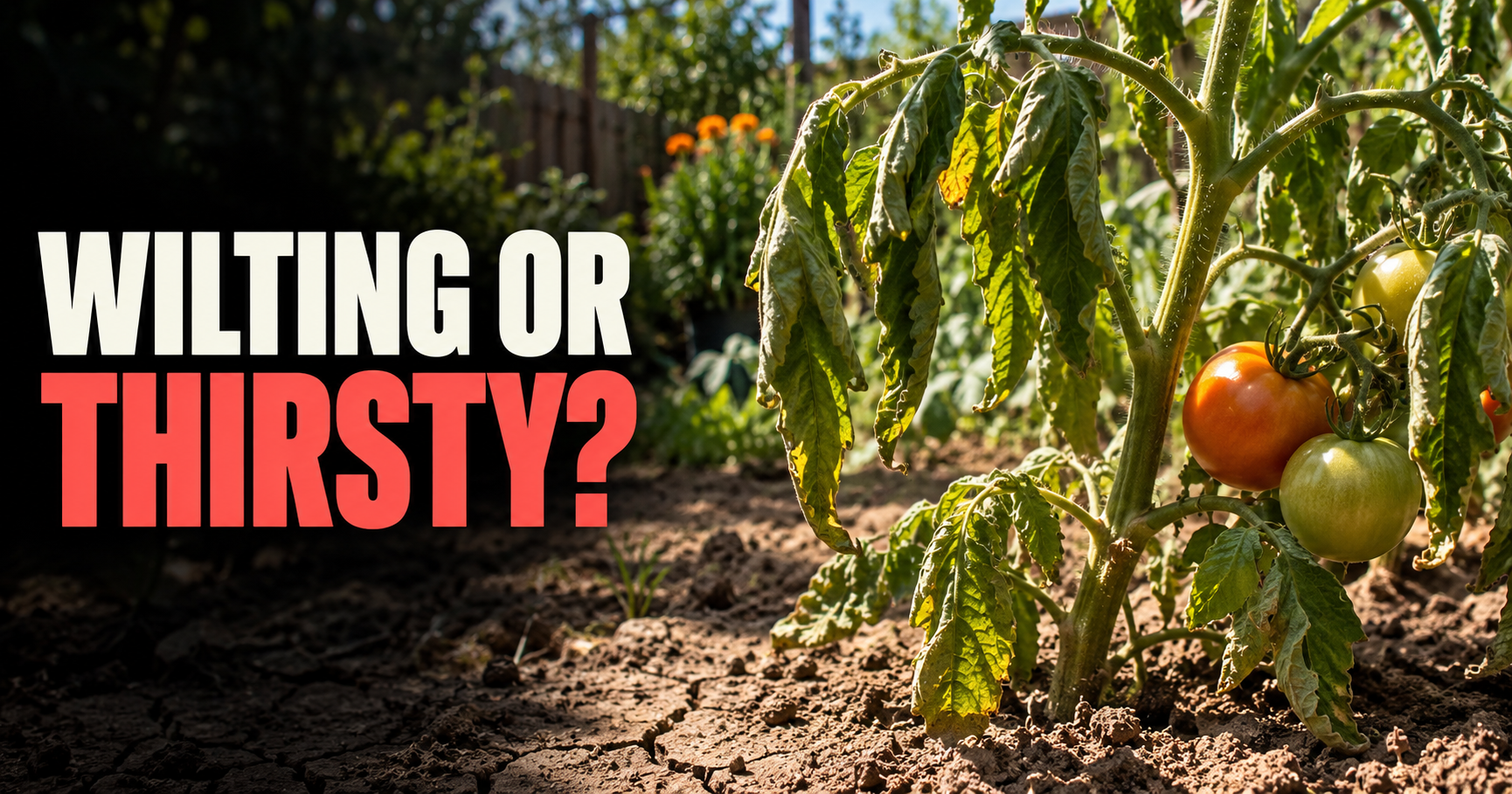
Yellow leaves can indicate a nutrient shortage, but fertilizer is not always the answer.
Constantly wet soil can prevent the roots from functioning properly. A cold growing area can slow nutrient uptake. Weak light can also produce pale, unhealthy growth.
The two original seed leaves may naturally turn yellow as the true leaves develop. That alone does not mean the plant needs an immediate feeding.
I look at the newest true leaves and the plant’s overall growth before deciding what to do.
If several symptoms appear together, I use my tomato seedling troubleshooting guide before adding fertilizer to an already stressed plant.
Is High-Nitrogen Fertilizer Good for Seedlings?
Tomato seedlings need nitrogen, but too much can produce soft, rapid foliage growth.
A young plant with excessive nitrogen may become dark green, tender and difficult to prepare for outdoor conditions. Strong growth is not always sturdy growth.
I prefer moderate, balanced feeding rather than trying to force the seedling to grow as quickly as possible.
The goal is a compact plant with a healthy root system and a stem thick enough to handle transplanting.
When I Increase the Fertilizer Strength
I consider increasing the fertilizer concentration after the seedlings become established in larger containers and continue producing healthy new leaves.
I still follow the product label and avoid exceeding the recommended rate. Moving from one-quarter strength to half strength is usually more reasonable than jumping directly to a full dose.
I watch the leaf tips after every change. Browning, curling or sudden wilting tells me to stop and reconsider the concentration.
Seedlings that are close to outdoor planting do not need to be pushed into rapid growth. A slightly smaller, sturdy plant often handles transplanting better than a large, tender one.
Should I Fertilize Seedlings Before Planting Them Outside?
I do not give seedlings a heavy feeding immediately before moving them outside.
Hardening off already introduces stronger sunlight, wind and changing temperatures. I avoid combining those stresses with an unusually strong fertilizer application.
I continue the normal gentle feeding schedule while the seedlings are indoors. Once they are transplanted and begin establishing roots, their fertilizer needs change.
The transplant-readiness steps I follow help me decide when the plants are prepared for outdoor conditions.
Fertilizing After the Seedlings Enter the Garden
Seedling fertilizer and garden fertilizer serve different stages of growth.
Once a tomato is planted outside, I consider the existing soil fertility, amendments used during planting and the plant’s growth stage. I do not continue treating it like a seedling in a small indoor cell.
Your garden soil may already contain enough nutrients, particularly when compost or fertilizer was added before planting.
My full-season tomato fertilizing schedule explains when I feed established plants as they move toward flowering and tomato production.
The Seedling Feeding Routine I Use
I keep the routine simple because young tomatoes do not need aggressive feeding.
I wait for the first true leaves, check whether the growing mix already contains fertilizer and begin with a diluted water-soluble product only when it is needed.
I apply it to slightly moist soil, allow the container to drain and use plain water between feedings.
Most importantly, I watch the plants. Compact new growth, healthy green leaves and steadily expanding roots tell me more than the calendar does.
Can I fertilize tomato seedlings immediately after they sprout?
I wait until the first true leaves develop. Newly sprouted seedlings normally rely on energy stored inside the seed.
Is one-quarter-strength fertilizer enough?
One-quarter strength is a cautious starting point for many water-soluble products. Always check whether the label provides a specific seedling rate.
How often should I feed tomato seedlings?
I generally feed every 7 to 14 days when the seedlings are growing in a mix without nutrients. The product label and the plant’s condition should guide the final schedule.
Can I use tomato fertilizer on seedlings?
It may be used if the product is suitable for young plants and diluted appropriately. Some granular or slow-release tomato fertilizers are intended for established plants rather than tiny seedlings.
Do tomato seedlings need fertilizer after repotting?
Not always. Fresh potting mix may already contain nutrients. I give newly repotted plants time to recover before deciding whether additional fertilizer is necessary.
Can too much fertilizer kill a tomato seedling?
Yes. Excess fertilizer can damage tender roots, burn leaf tips and cause sudden wilting. Small seedlings are particularly sensitive to strong concentrations.
Should I fertilize a weak or wilted seedling?
I identify the cause first. Fertilizer will not fix damping off, damaged roots, excessive heat, overwatering or insufficient light.
When should I switch to a regular tomato fertilizer schedule?
I switch after the plant has been transplanted outdoors and begun establishing itself. At that point, soil fertility and the plant’s growth stage become more important.
Written by Mason Hale, a home gardener who starts tomatoes indoors and shares practical growing lessons through Tomato Growing Tips.