Some tomatoes grow into smooth, nearly perfect fruit. Others come off the same plant covered in folds, bulges, deep scars, and strange lobes that make them look like several tomatoes fused together.
When gardeners ask why their tomatoes are misshapen, catfacing is usually the first condition I consider. Catfacing begins while the flower is developing, often weeks before the distorted tomato becomes noticeable.
Cool temperatures during flower formation are one of the most common triggers. Large-fruited and heirloom varieties are especially likely to produce these unusual tomatoes.
A misshapen tomato is not automatically diseased or unsafe. Many catfaced tomatoes can be eaten after the scarred portions are removed, provided the remaining fruit is firm, fresh, and free from mold or decay.
Why Are My Tomatoes Misshapen?
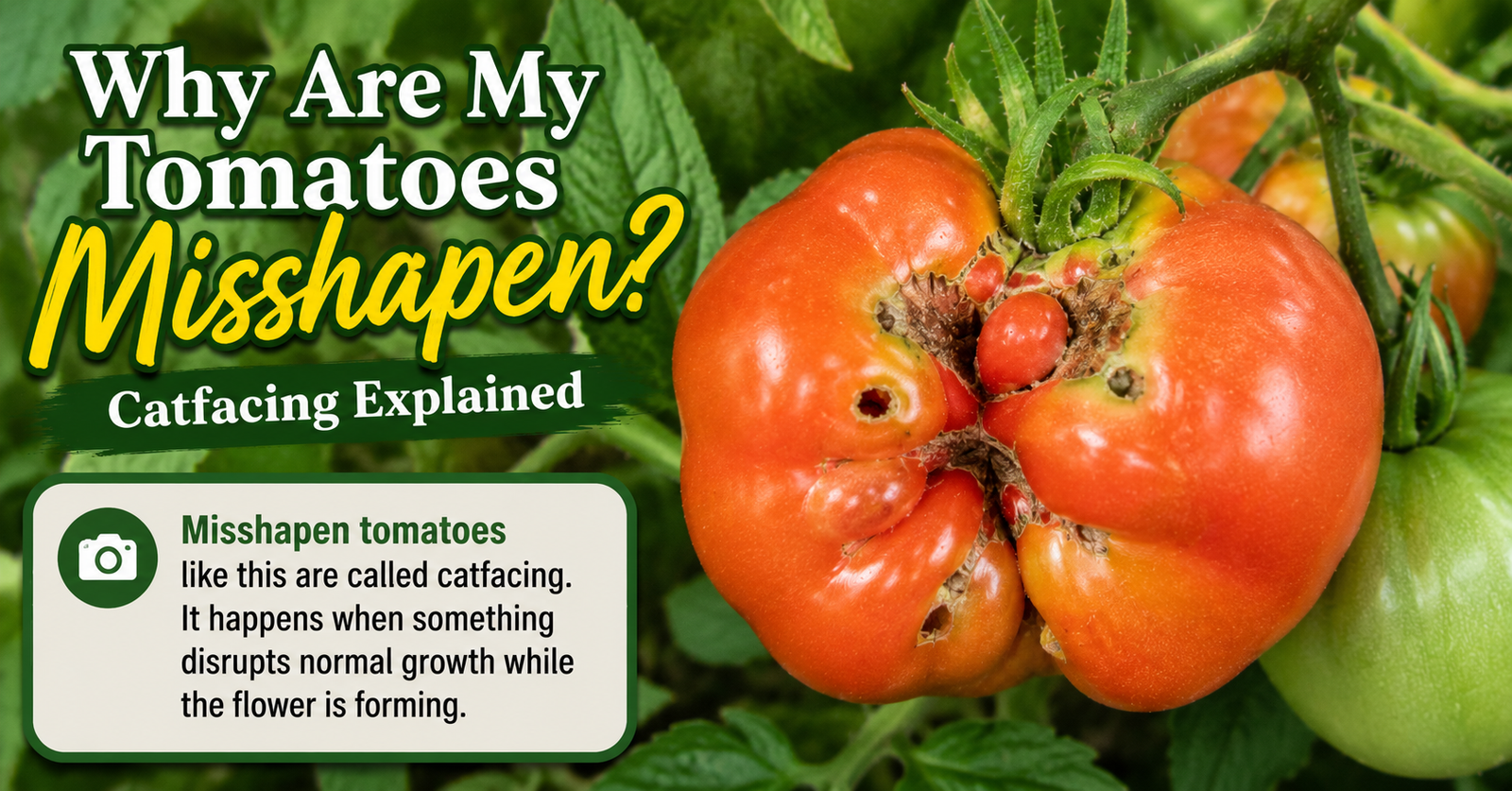
Tomatoes commonly become misshapen because their flowers did not develop normally before pollination. Cool weather, large fused blossoms, variety genetics, excessive nitrogen, physical flower damage, and possible herbicide exposure can all contribute.
The resulting condition is known as catfacing. It usually affects the blossom end, which is the bottom of the tomato opposite the stem.
A catfaced tomato may have:
- Deep folds around the bottom
- Several uneven lobes
- Puckered or twisted skin
- Wide corky scars
- Open cavities or holes
- A blossom end that looks torn or stitched together
- Multiple sections that appear fused
- An unusually flat, wide, or irregular shape
The plant itself may look completely healthy. Catfacing affects individual fruit because the disruption occurred inside specific flowers.



What Does Catfacing Look Like on Tomatoes?
Catfacing can range from a small scar to severe distortion.
A mildly affected tomato may have one crease, a shallow indentation, or a short corky line near its blossom end. A severely catfaced tomato may contain deep channels, exposed cavities, and several bulging sections.
The term comes from the belief that some affected tomatoes resemble a small animal’s face. In reality, the shapes vary so much that two catfaced tomatoes may look completely different.
The key features are distortion and scarring concentrated near the blossom end.
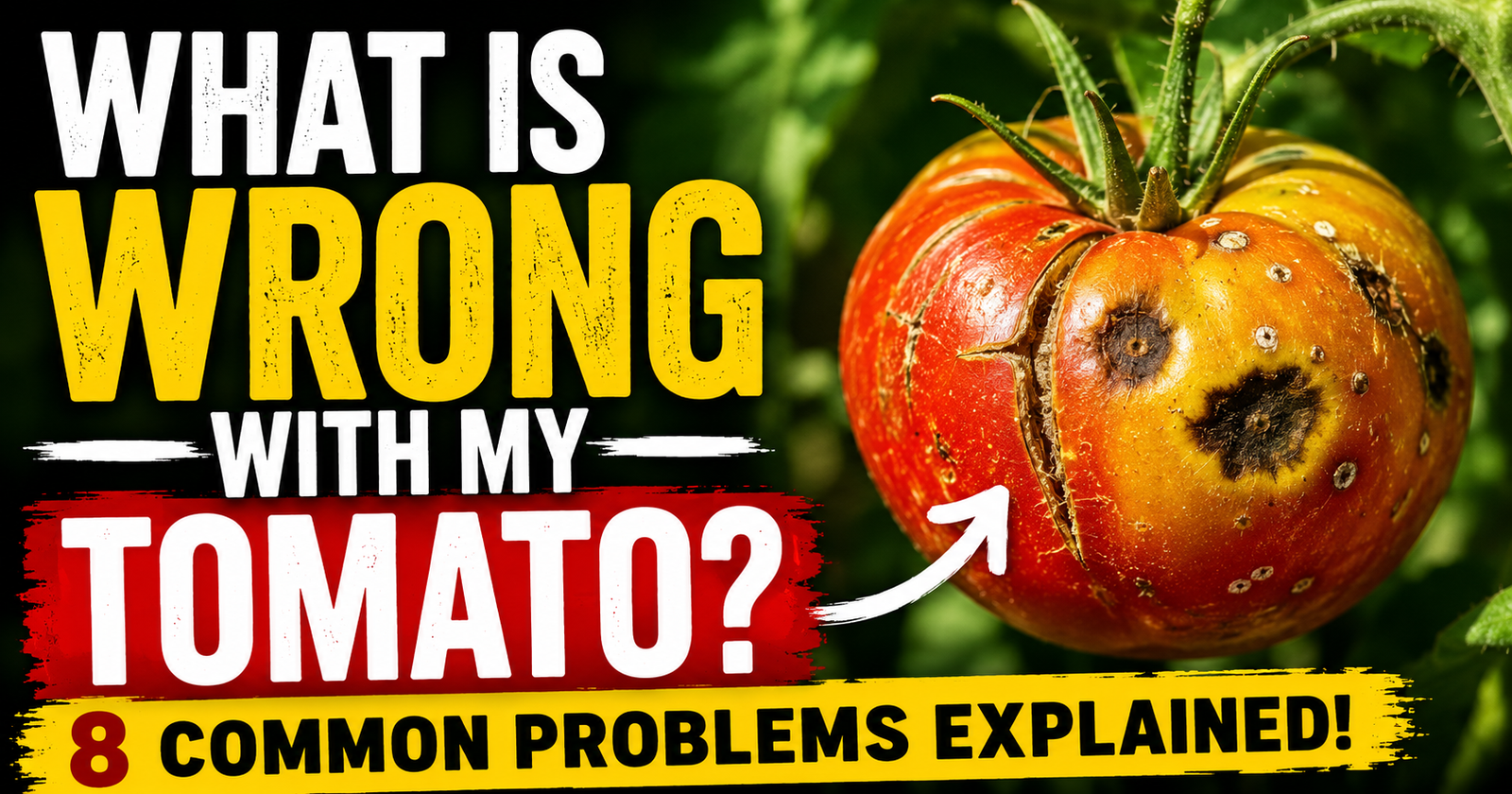
If you are trying to separate catfacing from sunscald, cracking, pest damage, or blossom end rot, compare it with the most common tomato fruit problems before treating the plant.
Catfacing Starts Before the Tomato Appears
Catfacing is unusual because the visible damage begins long before there is a tomato to inspect.
The tomato fruit develops from the flower’s ovary. If that flower forms abnormally, the fruit may continue growing around misshapen or fused structures.
A cold night, unusually large flower, genetic tendency, or physical disturbance can affect the blossom. Pollination may still succeed, but the resulting tomato grows unevenly.
By the time the fruit becomes large enough to show deep folds, the original flower may have fallen away weeks earlier.
This is why spraying the tomato after catfacing appears does not correct it. The distorted growth pattern is already built into the fruit.
Cool Weather Is a Major Cause
Cool temperatures during flower development are strongly associated with catfacing.
Tomato flower parts begin forming before the blossom opens. When temperatures are unusually cool during this sensitive stage, the flower may develop abnormally.

Nighttime temperatures around or below 50°F can increase the risk, particularly for large-fruited varieties. The exact response depends on the variety, duration of the cold, plant maturity, and other growing conditions. Those temperature limits also help explain whether tomato plants survive winter in your growing region.
Early tomatoes are often affected because their flowers formed during cool spring weather. Fruit that develops later in warmer conditions may look completely normal.
This is one reason I do not rush tomatoes outdoors simply because daytime temperatures feel pleasant. Cool nights can stress young plants even when frost is not expected. A soil temperature checking tool can provide another useful measure when deciding whether conditions are ready for young tomato plants.
Can Planting Tomatoes Too Early Cause Catfacing?
Planting too early can expose developing flowers to cold nighttime temperatures.
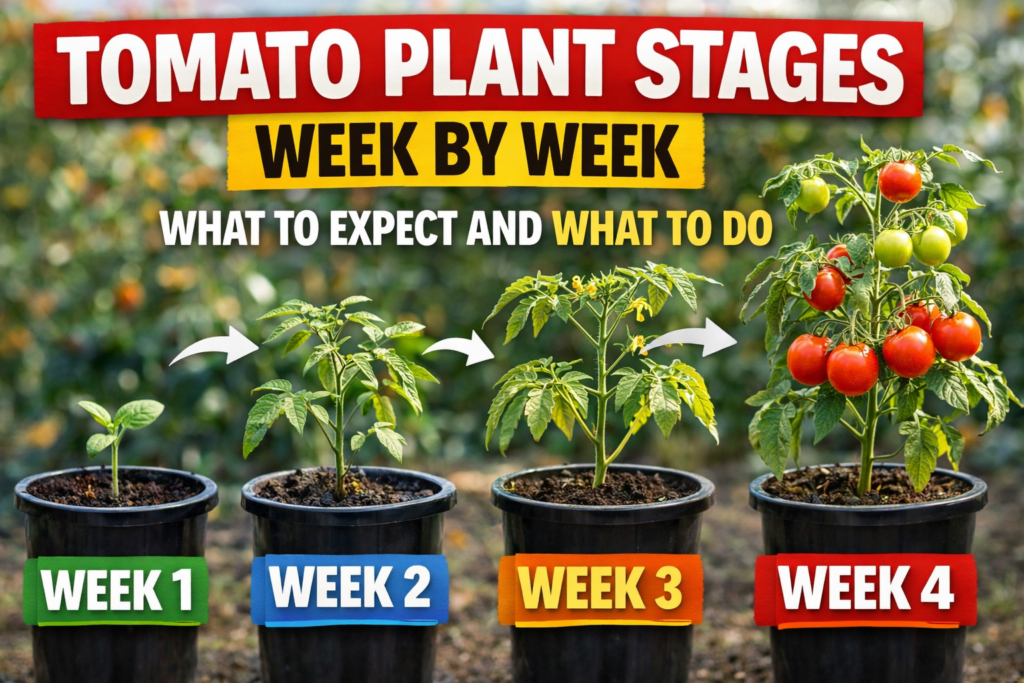
A tomato plant may survive a chilly night without visible leaf damage, but its flower development can still be disrupted. The result appears later as distorted fruit. The tomato flowering stage guide places this vulnerable flowering period in the broader sequence from transplanting to fruit set.
I wait until local frost danger has passed and nighttime temperatures have become reasonably dependable. Soil temperature matters too because cold roots slow plant growth and nutrient uptake.

My guide to planting tomatoes at the right time in every zone explains why the calendar date alone is not enough.
Transplants already carrying flower buds deserve extra attention. Those buds may be forming the first fruit while the plant is still being moved between a greenhouse, store, vehicle, porch, and garden.
Why Early Tomatoes Are Often Misshapen
The first tomatoes of the season commonly develop from flowers exposed to the coldest growing conditions.
Early blossoms may also be unusually large. Large flowers contain more complicated reproductive structures, increasing the chance of fused or irregular fruit.
Once warmer weather arrives, later blossoms often form normally. Gardeners sometimes assume they cured the plant with a fertilizer or spray when the real improvement came from changing temperatures.
If only the earliest fruit is misshapen and new tomatoes look normal, I usually monitor the plant rather than making aggressive changes.


Large and Heirloom Tomatoes Are More Susceptible
Large beefsteak and heirloom varieties are well known for producing catfaced fruit.
Many of these tomatoes naturally develop from blossoms containing several fused sections. That structure helps produce enormous fruit, but it also creates more opportunities for uneven development.
A small cherry tomato comes from a simpler flower and is less likely to develop dramatic folds. A two-pound beefsteak tomato may begin as a wide flower with many connected parts.
This does not mean heirloom varieties are unhealthy or inferior. Their unusual shapes are often connected to the same genetics that produce their distinctive size, color, texture, and flavor.
What Are Megablooms on Tomato Plants?
A megabloom is an unusually large tomato flower that may look wider, flatter, or more complicated than the others.
It can appear to be two or more blossoms fused together. Instead of one simple flower center, it may contain several connected sections.
When a megabloom is pollinated, it can produce a massive tomato with multiple lobes, seams, folds, and blossom-end scars.
Gardeners who compete to grow enormous tomatoes sometimes keep megablooms because they can produce record-sized fruit. Gardeners who prefer smooth, evenly shaped tomatoes may remove them before fruit begins developing.
A megabloom is not necessarily a sign that the plant is diseased. It is commonly associated with large-fruited varieties.
Should I Remove Tomato Megablooms?
Whether to remove a megabloom depends on what you want from the plant.
I may remove it when I want uniform fruit, the plant is still very small, or the flower is so distorted that the resulting tomato is likely to have deep cavities.
Leaving it can produce a large and interesting tomato. The fruit may still taste excellent, but trimming and slicing it can be more difficult.
Removing one unusual flower does not guarantee that every remaining tomato will be smooth. Genetics and weather still influence later fruit.
Excess Nitrogen May Increase Catfacing
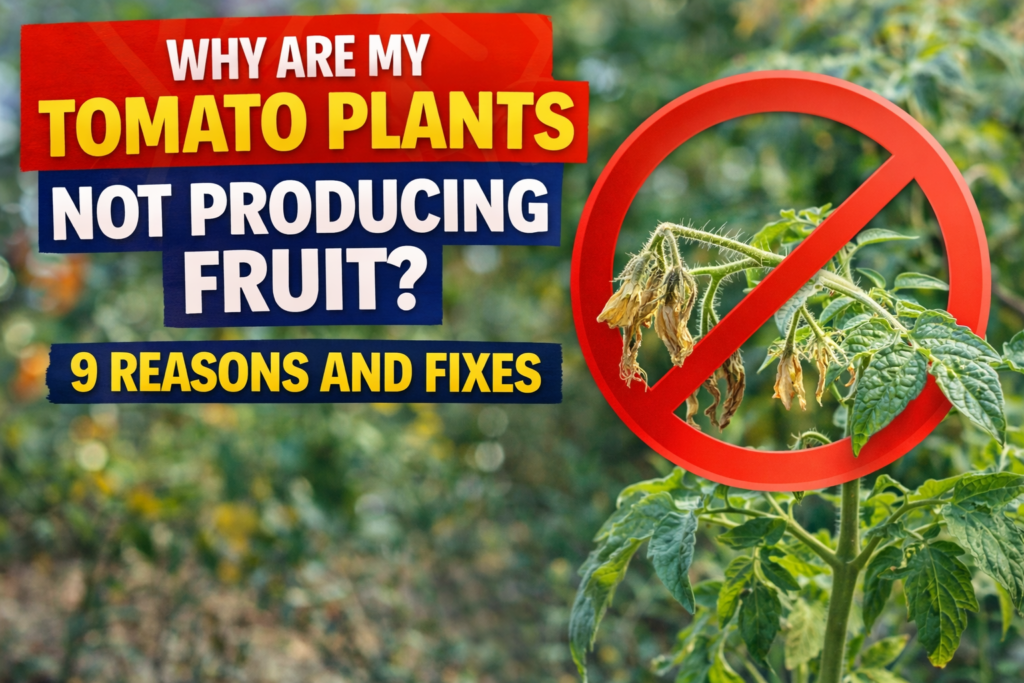
Excess nitrogen can push tomato plants into rapid vegetative growth. The plant may become large, dark green, and leafy while flower and fruit development becomes less balanced. If that imbalance is also accompanied by dropped flowers or little fruit, use tomato plants with excessive nitrogen to check the other common production stresses.
High nitrogen does not create every catfaced tomato, but it is one factor associated with abnormal flower development and severe fruit distortion.
I do not apply extra fertilizer simply because a plant is producing strange fruit. More feeding can make the imbalance worse.

If your plants have huge leaves and thick stems but disappointing fruit, check whether too much nitrogen is affecting your tomatoes before adding another product.
The best fertilizer program supports steady growth without forcing the plant.



Can Herbicide Damage Make Tomatoes Misshapen?
Tomatoes are sensitive to certain herbicides. Drift from nearby spraying, contaminated grass clippings, treated manure, and improperly cleaned equipment can expose plants.
Herbicide injury more commonly causes twisted new growth, narrow leaves, cupping, curling, and distorted stems. Flowers and fruit can also develop abnormally after exposure.
If the entire plant has twisted or unusually narrow new leaves in addition to misshapen tomatoes, herbicide injury becomes a stronger possibility.
Catfacing alone does not prove chemical exposure. Cool weather and variety genetics are much more common explanations when the foliage looks normal.
I never use grass clippings as garden mulch unless I know how the lawn was treated. Some herbicides can persist in plant material and cause problems after the clippings are moved.
Can Poor Pollination Cause Misshapen Tomatoes?
Incomplete or disrupted pollination can contribute to uneven fruit development, but it does not explain every catfaced tomato.
A tomato flower needs successful fertilization throughout its reproductive structure. If some portions develop while others do not, the fruit may become uneven or lopsided.
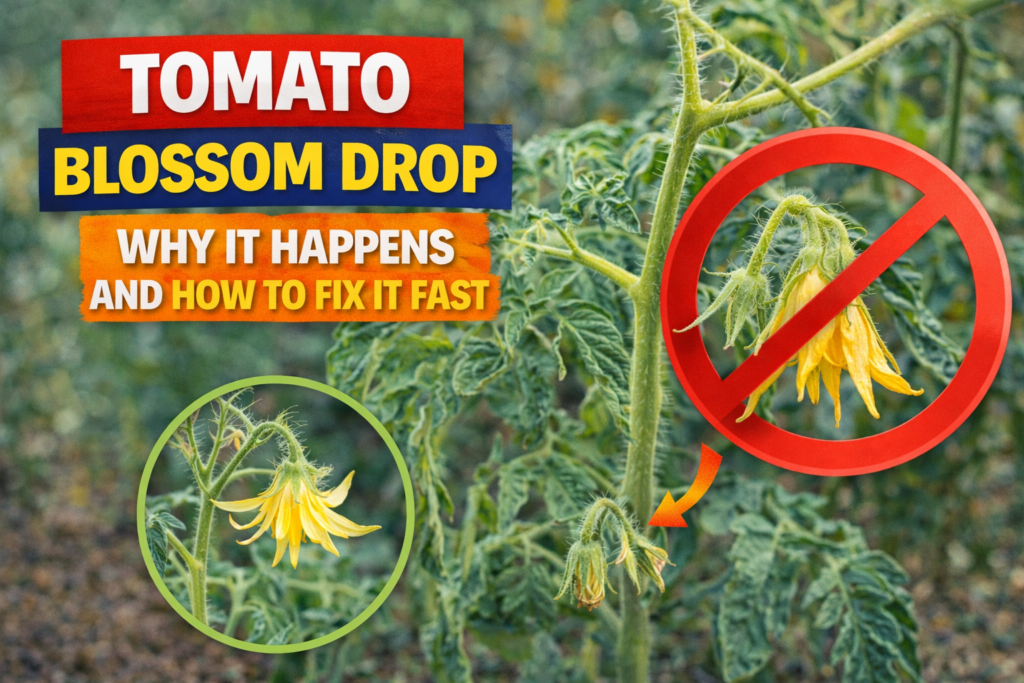
Cold temperatures, very high heat, humidity extremes, and flower damage can all interfere with pollination. When pollination fails completely, flower pollination problems can explain why the entire blossom may fall before fruit forms.
A poorly pollinated tomato may be small, lopsided, hollow, or puffy. A deeply folded blossom end with heavy scarring is more characteristic of catfacing that began during flower formation.
Does Hot Weather Cause Catfacing?
Cool weather is more strongly associated with classic catfacing, but heat can create other fruit-development and pollination problems.
Extreme heat may cause blossoms to drop, pollen to become less effective, or fruit to set unevenly. The resulting tomatoes may be small, lopsided, hollow, or poorly filled.
Heat can also contribute to sunscald and uneven ripening. Those problems may occur alongside catfacing, making one tomato show several kinds of damage.
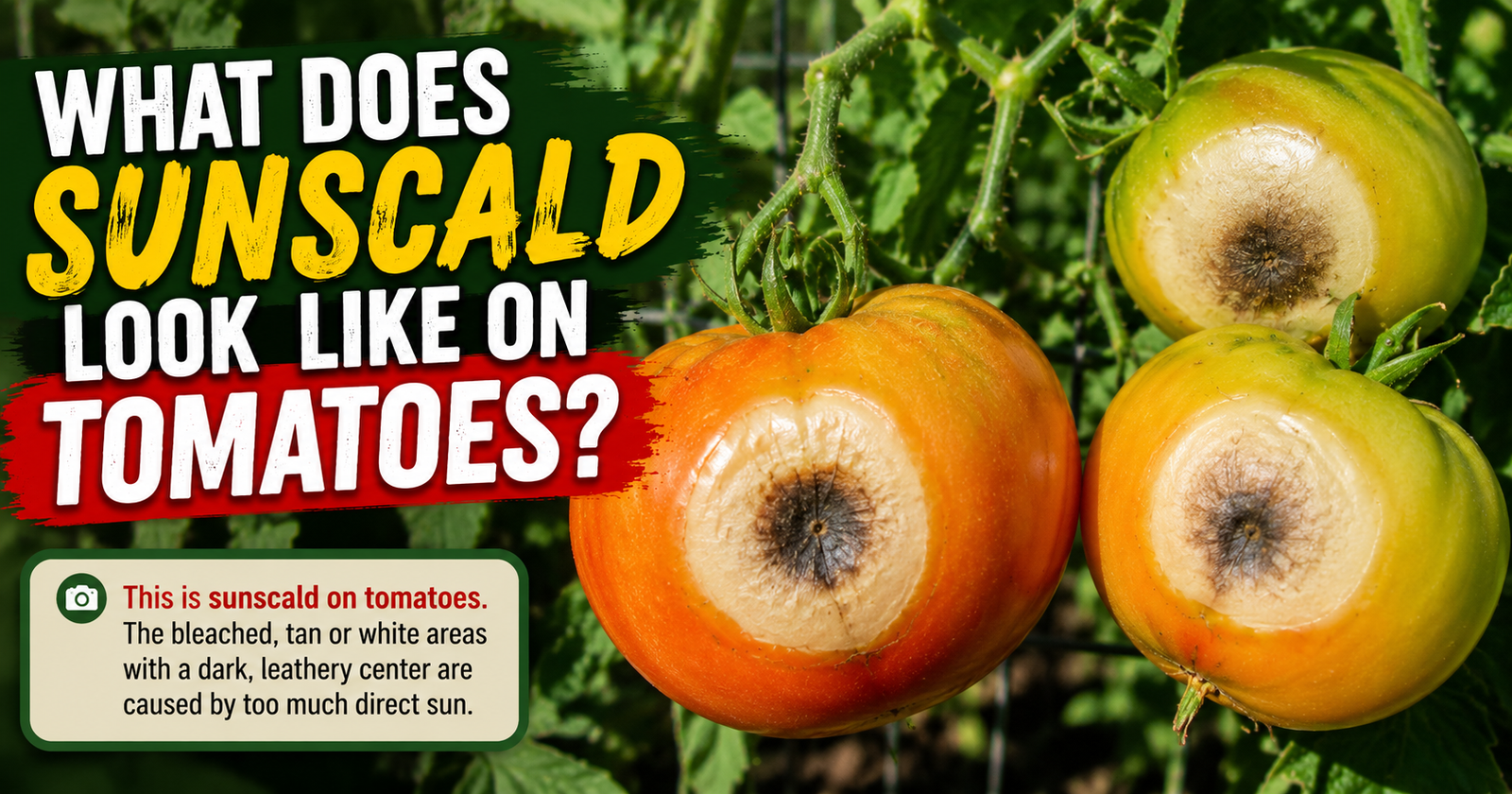
If the fruit has a pale leathery patch on its exposed side rather than deep blossom-end folds, it may be tomato sunscaldinstead.
Can Pruning Cause Catfacing?
Heavy pruning may contribute indirectly by stressing the plant or encouraging rapid regrowth, but it is not the most common cause of catfacing.
Pruning after the tomato has already formed will not change its basic shape. The abnormal development began in the flower.
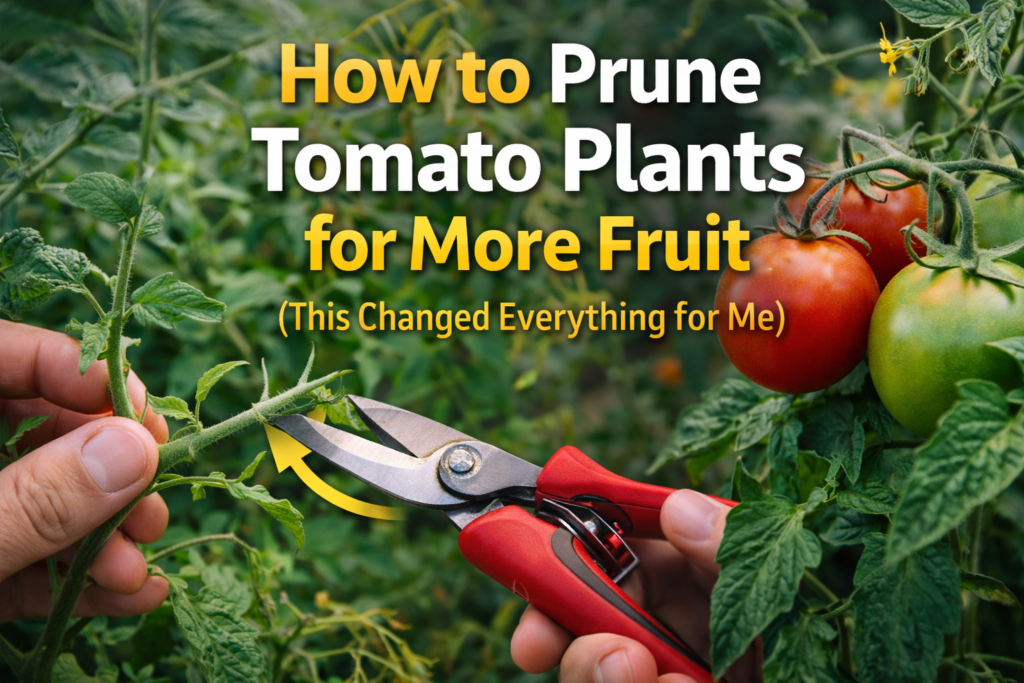
Aggressive pruning can create other fruit problems. Removing too much foliage exposes tomatoes to intense sunlight, while damaged branches may interfere with steady growth. A measured approach is easier to follow with this guide to pruning tomato foliage carefully.
I remove diseased or badly crowded foliage when needed, but I avoid stripping healthy plants simply to expose the fruit.
Is Catfacing a Tomato Disease?
No. Catfacing is a physiological and developmental disorder rather than a contagious disease.
It does not spread from one plant to another. You do not need to apply fungicide to a plant simply because one tomato is catfaced.
Several plants may produce distorted fruit at the same time because they experienced the same cold weather or growing conditions.
Secondary mold or bacteria can enter deep folds and cracks later. Those organisms take advantage of damaged tissue, but they did not cause the original shape.
Will Catfacing Spread to Other Tomatoes?
Catfacing does not spread, but additional fruit may develop it if their flowers experienced the same conditions.
For example, several blossoms forming during a cold period may all produce distorted tomatoes. Fruit developing from later blossoms during warm weather may be normal.
Finding one affected tomato is not a reason to remove the entire plant.
I examine new fruit and watch the pattern. If only the earliest cluster is affected, the issue often improves without treatment.
Can You Eat a Misshapen Tomato?
A misshapen or catfaced tomato is generally safe to eat if it is fully ripe, firm, fresh, and free from mold or decay.
The unusual shape does not make the tomato poisonous. I wash it carefully and cut away the corky scars, deep folds, and any damaged tissue.
A catfaced tomato may require more trimming than a smooth one. Deep channels can collect soil, moisture, insects, and mold, so I inspect every crease.
The remaining flesh often tastes just as good as fruit from the same variety with a perfect shape.
When I Throw a Catfaced Tomato Away
I discard a misshapen tomato if its deep folds contain active decay or contamination.
Warning signs include:
- Fuzzy mold inside a cavity
- Soft or collapsing flesh
- Slimy tissue
- A sour or fermented smell
- Insects living deep inside the fruit
- Black or brown rot spreading internally
- Open cavities filled with soil or animal damage
- Extensive cracking that has remained open outdoors
The shape itself is harmless. The concern is what may have entered or grown inside its folds.
If I cannot clean and trim the tomato while leaving obviously sound flesh, I throw it away.
Can Catfaced Tomatoes Be Used for Sauce?
Yes. Sauce is one of my favorite uses for a large misshapen tomato.
After washing it, I cut the fruit into sections and remove every scarred, cracked, or questionable area. The remaining flesh can be cooked like any other sound tomato.
Catfaced tomatoes may be awkward to slice for sandwiches because of their uneven shape, but that does not matter when they are being chopped, roasted, blended, or cooked into sauce.
I use them promptly because deeply folded fruit may not store as well as smooth tomatoes.
Can I Can Catfaced Tomatoes?
The shape alone does not prevent a tomato from being canned, but only sound, disease-free produce should be used.
I remove all scarred, cracked, moldy, or damaged areas and follow a current tested canning recipe exactly. I never reduce required acid, shorten the processing time, or change ingredient proportions based on guesswork.
A severely catfaced tomato with deep dirty cavities or active decay belongs in the compost or trash rather than a canning batch.
Should I Remove Misshapen Tomatoes From the Plant?
I do not automatically remove every misshapen tomato.
A mildly catfaced fruit can continue ripening and may be perfectly usable. I leave it if the skin remains closed and the tomato is not showing decay.
I remove severely distorted fruit when it has large open cavities, deep cracks, trapped moisture, or little usable flesh. Removing it allows the plant to direct resources toward other tomatoes.
The decision also depends on plant size. A young transplant struggling to support one enormous catfaced tomato may benefit from having that fruit removed.
Will a Misshapen Tomato Become Normal as It Grows?
No. A catfaced tomato will not smooth itself out as it matures.
The fruit may grow large enough to make some scars look less dramatic, but the basic folds and lobes remain.
New tomatoes can develop normally if their flowers form under better conditions. I judge improvement by looking at younger fruit rather than waiting for the existing tomato to change shape.
Catfacing Versus Tomato Cracking
Catfacing begins during flower development and creates an irregular shape, usually around the blossom end.
Cracking occurs later when the inside of the tomato expands faster than the skin can stretch. It often creates rings around the stem or splits running down the side.
A catfaced tomato can also crack because its deep folds place extra stress on the skin. The two conditions may appear together.
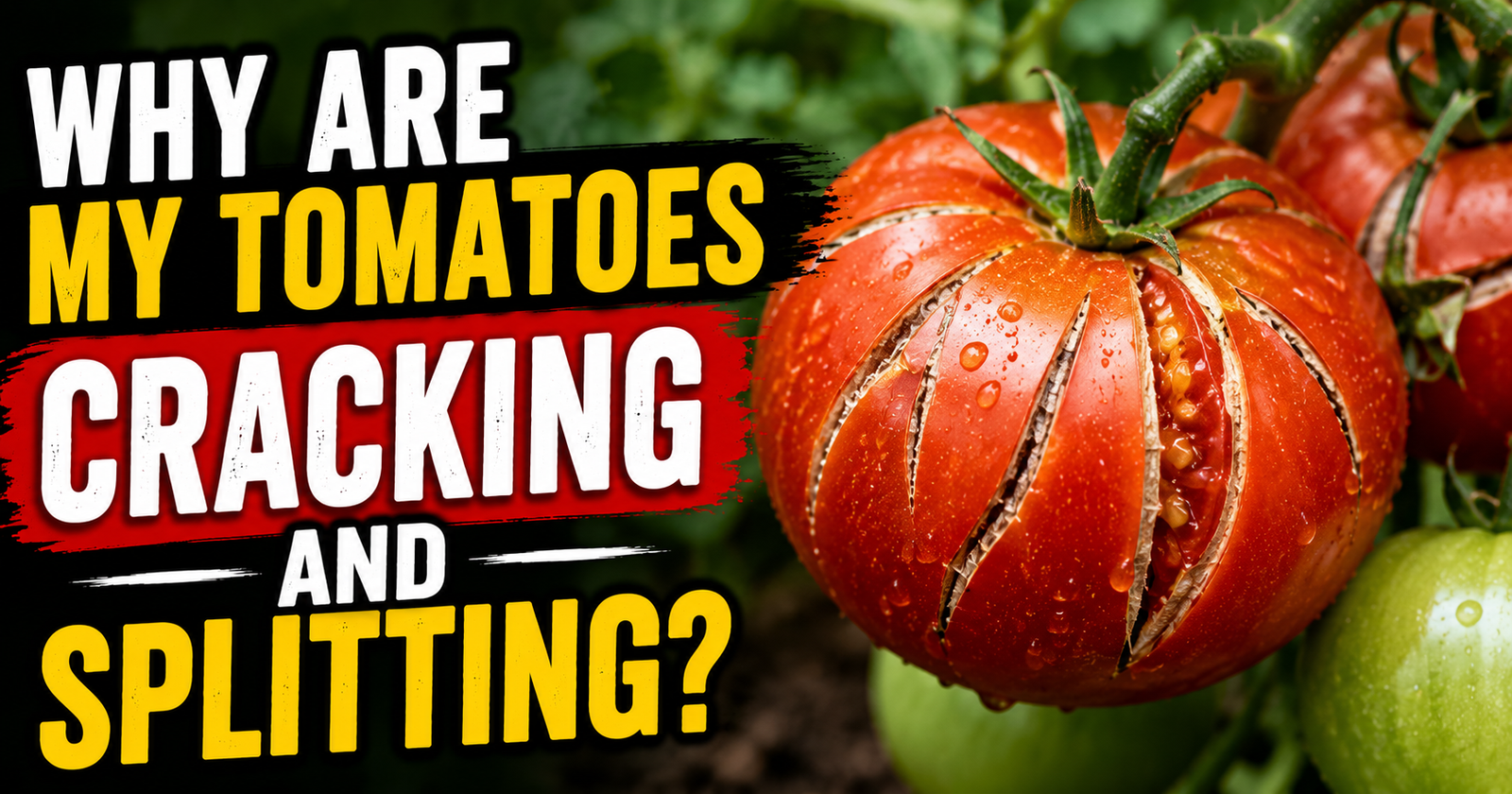
If the tomato is normally shaped but split open after rain, read why tomatoes crack and split on the vine rather than treating it as catfacing.
Catfacing Versus Animal Damage
Deep cavities in a catfaced tomato may look like bite marks.
A natural catface usually has dry corky edges and follows the folds of the fruit. Animal damage removes flesh and commonly leaves wet rough edges, pecks, tooth marks, or torn skin.
Animals and insects may begin feeding inside an existing catfaced cavity. In that case, the original shape developed naturally, but later damage made the tomato unsafe or unusable.
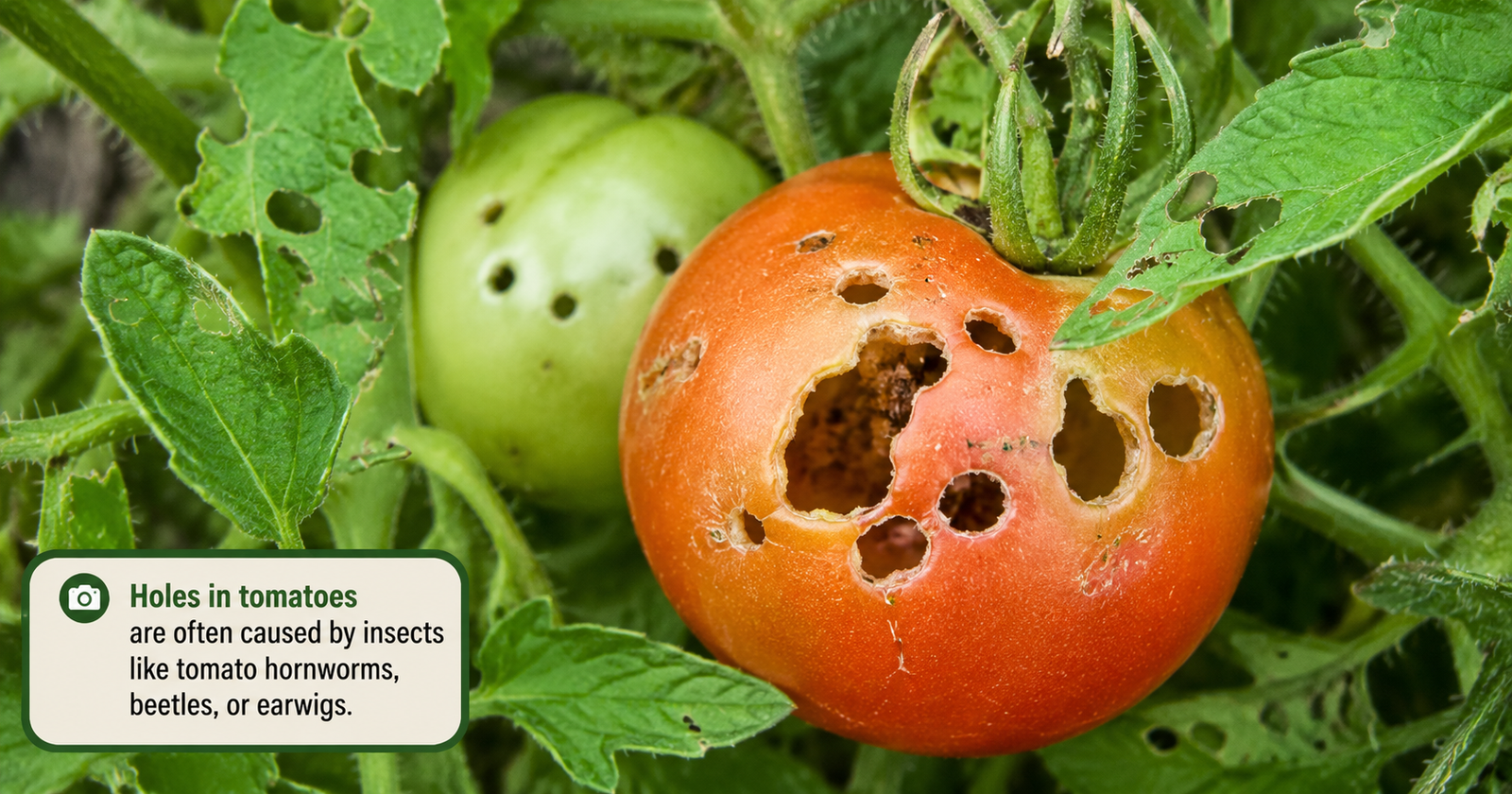
If flesh is clearly missing, use the clues in my guide to what is eating holes in tomatoes to identify the garden visitor.
Catfacing Versus Blossom End Rot
Both problems affect the blossom end, but they look different.
Catfacing causes folds, puckering, lobes, corky scars, and irregular cavities.
Blossom end rot produces a tan, brown, or black patch caused by tissue breakdown at the bottom of the fruit. The damaged area often becomes sunken and leathery.
A distorted tomato can develop blossom end rot too, especially if the plant experiences moisture stress. Look at the type of tissue rather than location alone.
Catfacing Versus Zippering
Zippering creates a narrow line that often runs from the stem down the side of the tomato. Small cross marks may make it resemble a zipper.
It develops when part of the flower sticks to the young fruit as it grows.
Catfacing produces broader distortion and is usually concentrated near the blossom end. The tomato may contain several lobes and deep folds rather than one thin scar.
Both are developmental disorders, and both are usually cosmetic when the skin remains dry and closed.
Catfacing Versus Fasciation
Fasciation is abnormal flattening or widening of plant tissue. A tomato stem may become broad, ribbon-like, or fused.
Fasciated growth can produce unusually large or complicated flowers, which may then develop into deeply lobed tomatoes.
A megabloom on a widened stem may be connected to fasciation. The resulting fruit can resemble severe catfacing because several flower structures developed together.
If the stem itself looks flat or fused, the problem involves more than the individual tomato.
Catfacing Versus Normal Heirloom Shape
Not every ribbed or lobed tomato is catfaced.
Some varieties naturally produce flattened fruit with pronounced ribs. That shape appears consistently across many tomatoes on the plant.
Catfacing is more irregular. It creates unusual folds, scars, cavities, and asymmetrical growth beyond what is typical for the variety.
Seed-catalog photographs and descriptions can help determine whether a ribbed shape is normal. Large heirloom tomatoes are not expected to look like smooth grocery-store slicing tomatoes.
How I Prevent Catfacing
Catfacing cannot always be prevented, especially when spring weather changes suddenly. I still take several steps to reduce the risk.
I Wait for Suitable Planting Weather
I avoid placing flowering transplants outside while nights remain consistently cold.
I Harden Plants Off Gradually
I expose indoor-grown seedlings to outdoor conditions over time rather than moving them directly from a protected space into the garden.
I Avoid Excess Nitrogen
I fertilize according to plant needs instead of pushing rapid leafy growth.
I Choose Less Susceptible Varieties
When smooth fruit is a priority, I select varieties described as uniform and resistant to cracking and catfacing.
I Protect Plants During Cold Snaps
Temporary row cover or another appropriate cover can reduce stress when an unexpected cold night arrives. I remove or vent covers as temperatures rise.
I Remove Severe Megablooms
If a flower is extremely large and fused, I may remove it when I prefer normal-sized, evenly shaped fruit.
I Protect Plants From Herbicide Exposure
I keep lawn and pasture sprays away from the garden and avoid questionable manure, hay, and grass clippings.
I Maintain Steady Growth
Consistent watering, healthy soil, and moderate fertilizer help plants develop without major stress.
Does Fertilizer Fix Misshapen Tomatoes?
No fertilizer can reshape a tomato that is already catfaced.
If a soil test identifies a deficiency, correcting it can support future growth. Applying random fertilizer to a healthy plant may do more harm than good. A soil pH and nitrogen testing kit can help distinguish a genuine nutrient issue from guesswork before you amend the soil.

I examine leaf color, plant growth, soil conditions, watering, and weather before feeding. A 4-in-1 garden soil meter can help you check basic soil and moisture conditions before changing the fertilizer routine.

Using tomato fertilizer at the correct time is more useful than applying it as a reaction to one unusual fruit.
Should I Add Calcium for Catfacing?
Catfacing is not primarily a calcium-uptake disorder, so adding calcium is unlikely to correct it.
Calcium problems are more closely associated with blossom end rot, which causes black or brown tissue at the bottom.
Adding lime or another calcium source without testing can raise soil pH or disrupt nutrient balance.
I test before amending the soil, particularly when the plant otherwise looks healthy.
Can Seeds From a Catfaced Tomato Be Saved?
Seeds from a catfaced tomato may still be viable if the fruit is mature and healthy.
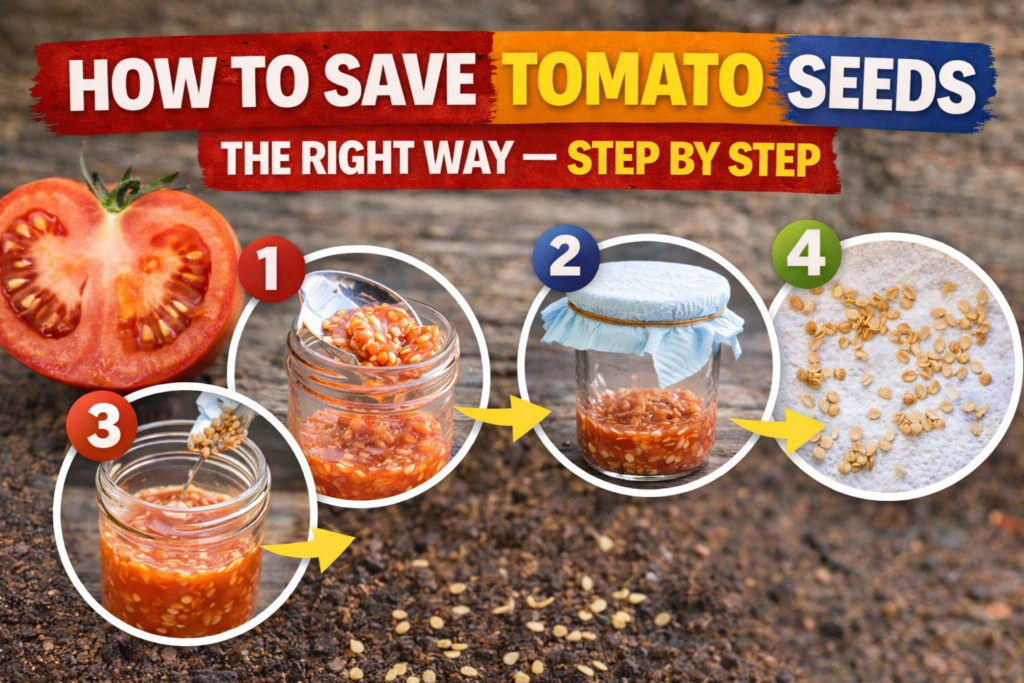
However, catfacing can have both environmental and genetic influences. Saving seeds from open-pollinated or heirloom varieties may preserve the variety’s tendency to produce large fused blossoms.
Seeds from hybrid tomatoes will not necessarily produce plants identical to the parent.
I avoid saving seeds from fruit with active rot or disease. If seed saving is the goal, I choose a healthy mature tomato that best represents the variety.
Why Only One Tomato Is Misshapen
One unusual tomato often developed from one unusual flower.
A single megabloom may produce a heavily lobed fruit while ordinary flowers on the same plant produce smooth tomatoes.
The flower may also have been exposed to a brief cold event or physical disturbance at a particularly sensitive stage.
One misshapen fruit is not evidence that the entire plant has a serious problem.
Why Every Tomato on the Plant Is Misshapen
When most fruit is distorted, I consider variety genetics and repeated environmental stress.
A heavily ribbed heirloom may naturally produce irregular tomatoes. Prolonged cool weather during flower development can also affect several clusters.
Excessive nitrogen, herbicide injury, or abnormal stem growth becomes more suspicious when misshapen fruit continues through warm weather.
I examine new foliage, stems, flowers, and soil conditions instead of focusing only on the tomatoes.
My Quick Plan When Tomatoes Become Misshapen
When I find catfaced fruit, I follow this process:
- Inspect the blossom end for folds, lobes, and corky scars.
- Check whether the fruit came from an unusually large flower.
- Think back to the temperatures when that cluster was flowering.
- Examine new leaves for herbicide-like twisting or narrowing.
- Look for signs of excessive nitrogen.
- Leave mildly affected fruit if it remains closed and healthy.
- Remove severely damaged fruit with open cavities.
- Avoid adding fertilizer or calcium without a reason.
- Monitor younger tomatoes forming during warmer weather.
- Record varieties that repeatedly produce unusable fruit.
The existing tomato will not become smooth, but later fruit may develop normally.
Frequently Asked Questions
What causes tomatoes to grow in weird shapes?
Cool temperatures during flower development, fused blossoms, variety genetics, excessive nitrogen, poor pollination, and flower damage can all cause unusual shapes. Deep folds near the blossom end are commonly called catfacing.
Is catfacing caused by a fungus?
No. Catfacing is a developmental disorder. Fungus may grow later inside damaged folds, but it did not create the original shape.
Are misshapen tomatoes safe to eat?
They are generally safe when the fruit is firm, fresh, and free from mold or decay. Wash carefully and remove scarred or damaged tissue.
Why are only my first tomatoes deformed?
The earliest flowers may have developed during cold spring weather. Later fruit often forms normally after temperatures become warmer.
Do heirloom tomatoes normally look deformed?
Many heirloom varieties naturally produce ribbed and irregular fruit. Severe catfacing includes deeper scars, cavities, and unusual distortion beyond the variety’s normal shape.
What is a tomato megabloom?
A megabloom is an unusually large or fused flower. It can produce a massive tomato with several lobes and deep seams.
Should tomato megablooms be removed?
Remove them if you want uniform fruit or the young plant cannot support a very large tomato. Leave them if you enjoy unusual fruit or want to grow the largest possible tomato.
Will catfacing ruin the entire plant?
No. It affects individual fruit and does not spread. New tomatoes may develop normally.
Can cold nights make tomatoes misshapen?
Yes. Cool temperatures during flower development are one of the strongest known triggers for catfacing.
Can too much fertilizer deform tomatoes?
Excessive nitrogen can encourage abnormal growth and may increase catfacing. Do not fertilize again until you assess the plant and soil.
Will a misshapen green tomato straighten as it ripens?
No. It may become larger and change color, but the folds and scars will remain.
Should I pick a severely catfaced tomato early?
Remove it if it has deep open cavities, active rot, or very little usable flesh. A closed and healthy tomato can remain until it reaches a mature harvesting stage.
Written by Caleb Warren, a lifelong gardener who shares practical growing advice, honest troubleshooting, and lessons learned from real plants through Tomato Growing Tips.