A tomato plant that wilts on a hot afternoon is not always sick. Healthy tomatoes can droop temporarily when their leaves lose water faster than the roots can replace it.
I become concerned when the plant does not fully recover overnight, its lower leaves begin turning yellow, or one side of the plant looks noticeably worse than the other.
Those symptoms can point to Fusarium wilt, a soilborne disease that interferes with the tomato plant’s internal water-carrying system. Adding more water will not fix the blockage, and a fungicide sprayed on the leaves will not reach the real problem inside the roots and stem.
Recognizing that pattern prevents me from repeatedly watering a plant that is not actually thirsty.
What Does Fusarium Wilt Look Like on Tomato Plants?
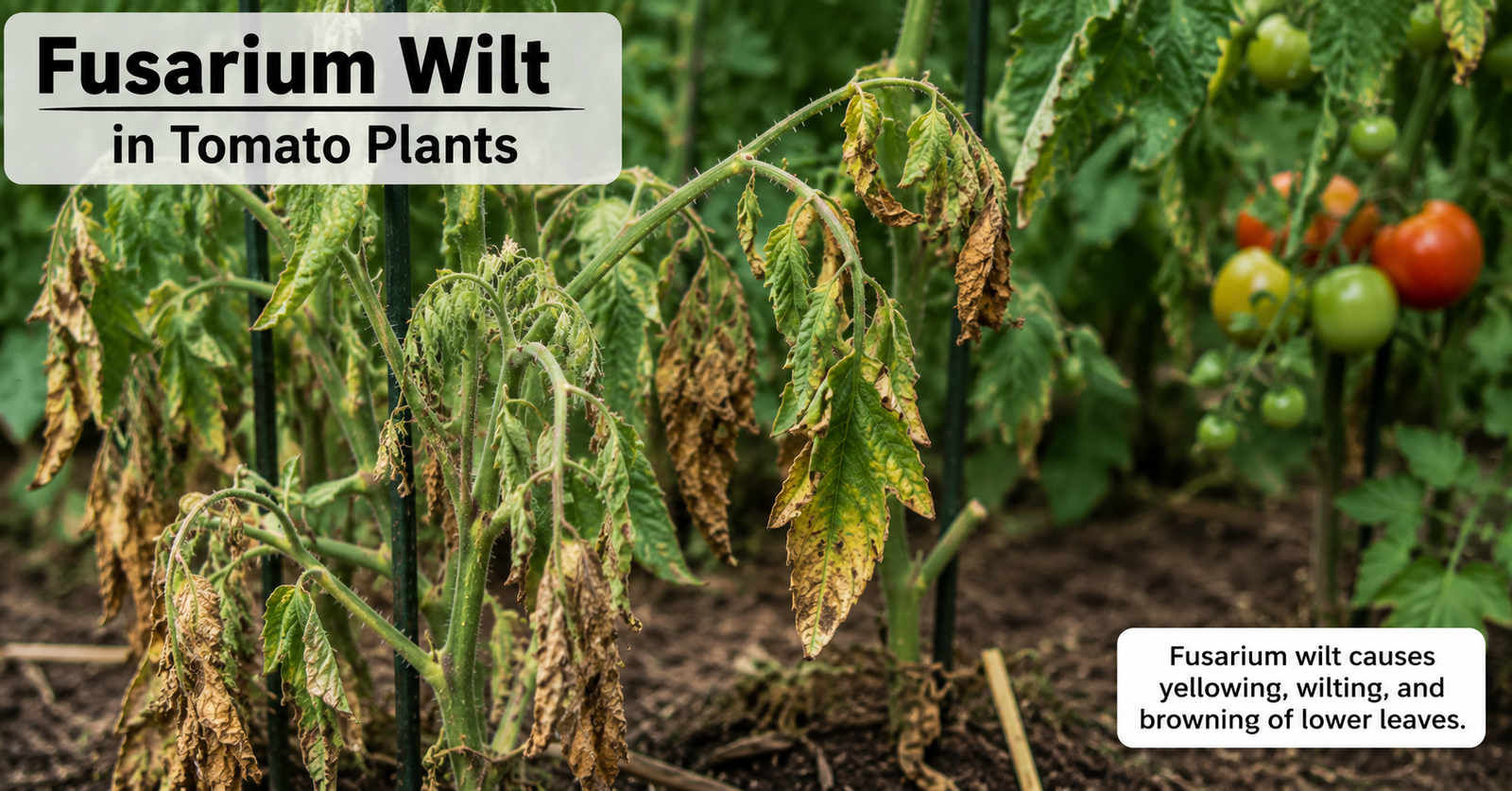
Fusarium wilt commonly begins on the oldest leaves near the bottom of the tomato plant. The symptoms gradually move upward as the infection interferes with water movement.
I look for several clues appearing together.
Lower Leaves Turn Yellow
The first noticeable symptom is often yellowing on the lowest leaves. The yellowing may begin on only one side of a leaf, branch or entire plant.
Those leaves eventually turn brown, dry out and fall.
One Side of the Plant Wilts First
A lopsided appearance is one of the strongest visual clues.
One branch may look wilted while the branch beside it remains relatively normal. In other cases, an entire side of the tomato plant begins yellowing and drooping before the other side.
The Plant Wilts During the Day
An infected tomato may wilt during the hottest part of the day and appear to recover somewhat overnight.
As the disease advances, that recovery becomes less complete. Eventually, the plant remains wilted even when the soil is moist and temperatures are cooler.
Growth Becomes Stunted
The plant may stop growing normally, produce smaller leaves or struggle to support developing tomatoes.
A young infected plant can remain noticeably smaller than healthy plants growing under the same conditions.
The Stem Is Brown Inside
Internal stem discoloration is one of the most useful diagnostic clues.
When the lower stem is cut lengthwise, the water-conducting tissue near the outer edge may appear tan or brown. The center of the stem can remain green and healthy-looking.
The University of Maryland Extension’s Fusarium wilt guide describes brown vascular tissue beneath the outside of an infected stem while the center pith remains healthy.

How Fusarium Wilt Damages a Tomato Plant
Fusarium wilt is caused by the soilborne fungus Fusarium oxysporum f. sp. lycopersici.
The fungus enters through the tomato plant’s roots. Root wounds caused by cultivation, transplanting or root-knot nematodes can provide entry points.
Once inside, the pathogen moves into the vascular tissue that transports water through the plant. The plant responds to the infection, and its water-carrying tubes become clogged.
The roots may still be surrounded by moist soil, but water cannot move efficiently into the leaves. That is why an infected tomato can look severely thirsty immediately after being watered.



The Stem Test I Use for Suspected Fusarium Wilt
Before cutting a productive tomato plant, I consider whether I am prepared to remove it. Cutting deeply into the main stem creates permanent damage.
If the plant is already severely wilted and likely to be removed, I cut through the lower stem close to the soil line. I then split a section lengthwise.
I look for a brown or reddish-brown ring in the vascular tissue near the outside of the stem.
Healthy tomato stems normally have light green or pale tissue inside. A clearly discolored vascular ring supports a diagnosis of Fusarium or another vascular wilt disease.
Stem discoloration is not enough to identify the exact pathogen. Fusarium, Verticillium and bacterial wilt can produce internal changes, so a plant diagnostic laboratory offers the most reliable confirmation.
Fusarium Wilt Versus an Underwatered Tomato
Both problems make tomato leaves droop, but their patterns are different.
An underwatered tomato usually wilts more evenly. The entire plant may look limp, particularly during the afternoon.
If dry soil is the cause, a deep watering generally produces a noticeable improvement within several hours or by the following morning.
Fusarium wilt frequently begins on the lower foliage and may affect only one side. The soil can already be moist, yet the plant continues declining.
I press a finger several inches into the soil before adding water. If the soil is dry at root depth and the entire plant is wilted evenly, ordinary thirst is more likely. A soil moisture meter for tomatoes offers another way to check moisture at the root zone before watering.

Fusarium Wilt Versus Overwatering
Overwatered tomato plants can wilt because saturated soil prevents roots from receiving enough oxygen. The leaves may turn yellow, and root damage can eventually affect the whole plant.
Overwatering often affects multiple plants sharing the same poorly drained area. The soil stays wet, heavy or sour-smelling, and the roots may be brown and soft.
Fusarium wilt may affect one plant while neighboring tomatoes appear healthy. Its one-sided yellowing and brown vascular tissue provide stronger clues.
Before assuming a wilted tomato needs another drink, I check these signs that a tomato plant is getting too much water.
Fusarium Wilt Versus Verticillium Wilt
Fusarium and Verticillium are separate soilborne fungal diseases, but their symptoms overlap so much that home gardeners often cannot distinguish them confidently.
Both can cause lower-leaf yellowing, daytime wilting, stunted growth and brown discoloration inside the lower stem.
The speed, temperature and pattern provide useful clues.
Fusarium Prefers Warmer Conditions
Fusarium wilt is generally more active when soil and air temperatures rise above 80 degrees.
Symptoms may develop quickly during hot summer weather.
Verticillium Prefers Cooler Conditions
Verticillium wilt is more commonly active during moderately cool conditions, often around 68 to 75 degrees.
The disease frequently progresses more slowly than Fusarium.
Fusarium Is Often More One-Sided
Both diseases may affect one side of a plant, but pronounced one-sided yellowing and wilting are strongly associated with Fusarium.
Verticillium symptoms can become more evenly distributed through the plant.
Verticillium May Produce Wedge-Shaped Leaf Damage
Older leaves affected by Verticillium may develop yellow, V-shaped or wedge-shaped areas that narrow toward the leaf stem. The centers may eventually turn brown.
A visual diagnosis is still uncertain because individual plants do not always follow the textbook pattern.


Fusarium Wilt Versus Bacterial Wilt
Bacterial wilt can cause a tomato plant to collapse rapidly while its foliage is still green.
Fusarium usually begins with lower-leaf yellowing and a more gradual decline. Bacterial wilt may appear to move from the top downward, while Fusarium and Verticillium generally begin near the bottom.
Bacterial wilt is more common in warm regions with very warm, wet soil. The internal stem tissue may look water-soaked or discolored.
A bacterial streaming test is sometimes used by placing a freshly cut stem in clear water and watching for milky bacterial strands. However, I would not rely on a casual home test as the final diagnosis.
Fusarium Wilt Versus Leaf Spot Diseases
Early blight, Septoria and bacterial spot can cause lower leaves to yellow, die and drop. A heavily defoliated plant may appear wilted even when the vascular tissue is functioning.
The difference is that leaf spot diseases produce visible lesions before much of the foliage dies.
Fusarium wilt may cause yellowing and drooping without numerous surface spots. Its most revealing damage occurs inside the stem.
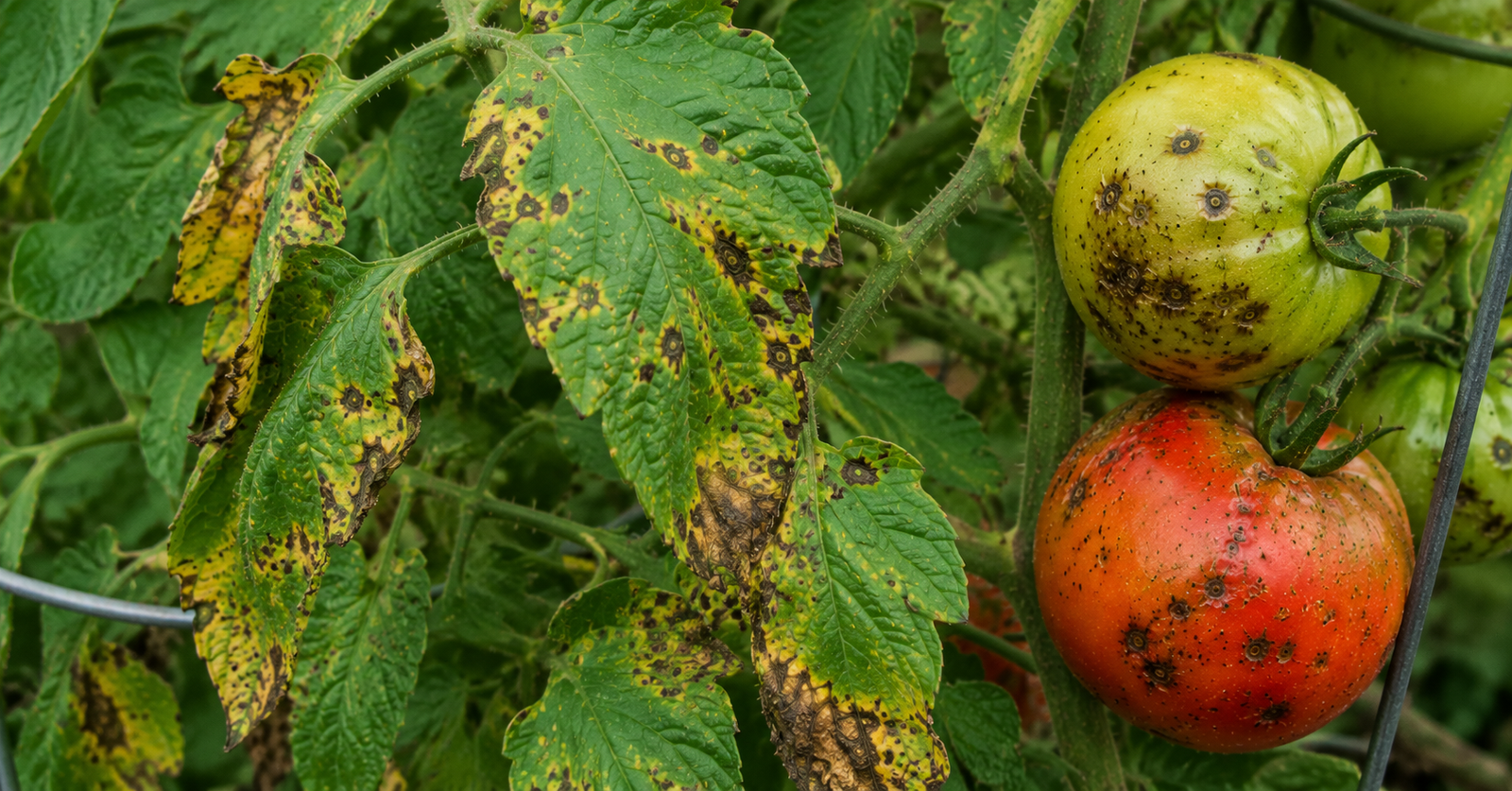
If the leaves contain tiny black spots and the fruit develops raised scabs, I compare them with my bacterial spot identification guide before blaming a soilborne wilt.
Fusarium Wilt Versus Walnut Toxicity
Black walnut trees release juglone, a natural chemical that can injure sensitive plants, including tomatoes.
Affected tomatoes may wilt, yellow and die even when they receive adequate water. Plants growing within or near a black walnut’s root zone are particularly vulnerable.
Walnut toxicity does not normally produce the one-sided progression associated with Fusarium. However, distinguishing the two can be difficult when a garden is located near mature walnut trees.
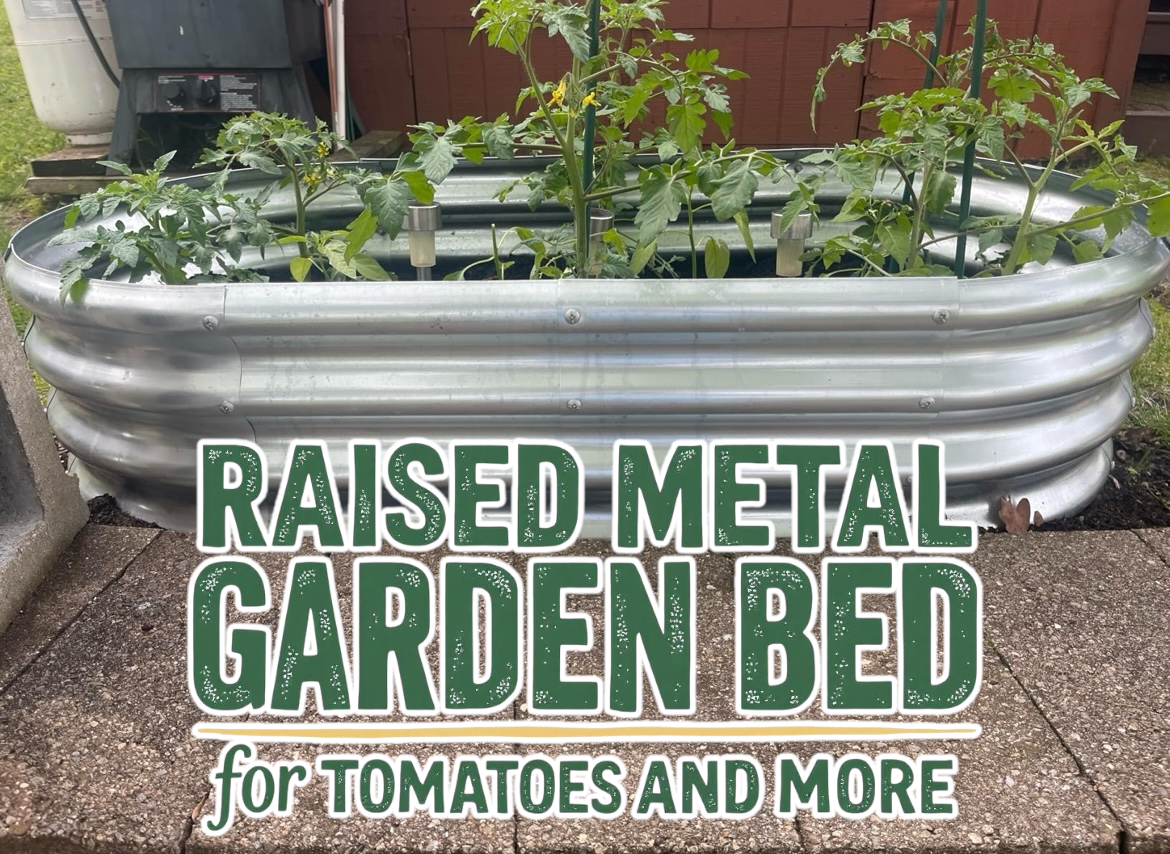
If tomatoes repeatedly wilt in the same area near a black walnut, I consider moving them to raised beds or containers well beyond the tree’s root zone.
Can a Tomato Plant Recover From Fusarium Wilt?
A tomato plant with a confirmed Fusarium infection cannot be cured.
It may temporarily recover overnight or survive long enough to ripen some tomatoes, but the pathogen remains inside its vascular system. Symptoms generally worsen as temperatures rise and the plant’s demand for water increases.
I do not expect fertilizer, extra water or foliar sprays to reverse the disease.
When the plant is severely affected, removing it prevents me from wasting time and water while reducing the amount of infected root and stem material left in the garden.


Should I Remove a Tomato Plant With Fusarium Wilt?
I remove a tomato plant when Fusarium wilt is confirmed or strongly suspected and the plant continues declining.
I try to remove as much of the root system as practical without spreading soil through the garden. The plant goes into a bag rather than an ordinary compost pile.
I do not shake soil from the roots beside healthy tomatoes. Contaminated soil can move on shovels, shoes, tillers, cages and garden carts.
After removing the plant, I clean the tools before using them in another bed.
Does Fusarium Wilt Spread Between Tomato Plants?
Fusarium usually infects each tomato through its roots rather than spreading rapidly across wet foliage.
This makes it different from bacterial spot, Septoria and late blight, which can move above ground through splashing water or wind.
However, Fusarium can still spread around the property when contaminated soil sticks to equipment, shoes, containers or transplants.
The fungus can also enter a garden through infected seedlings. Once introduced, it may survive in the soil for many years.
This is why I do not move soil from a known problem area into new beds or containers.
Can You Eat Tomatoes From a Plant With Fusarium Wilt?
Fusarium wilt affects the plant’s roots and vascular system rather than directly rotting the tomatoes.
Fruit that is firm, normally colored and free from lesions or decay can generally be harvested and used. I wash it under clean running water and inspect it carefully.
I discard tomatoes that are soft, leaking, moldy, foul-smelling or damaged internally.
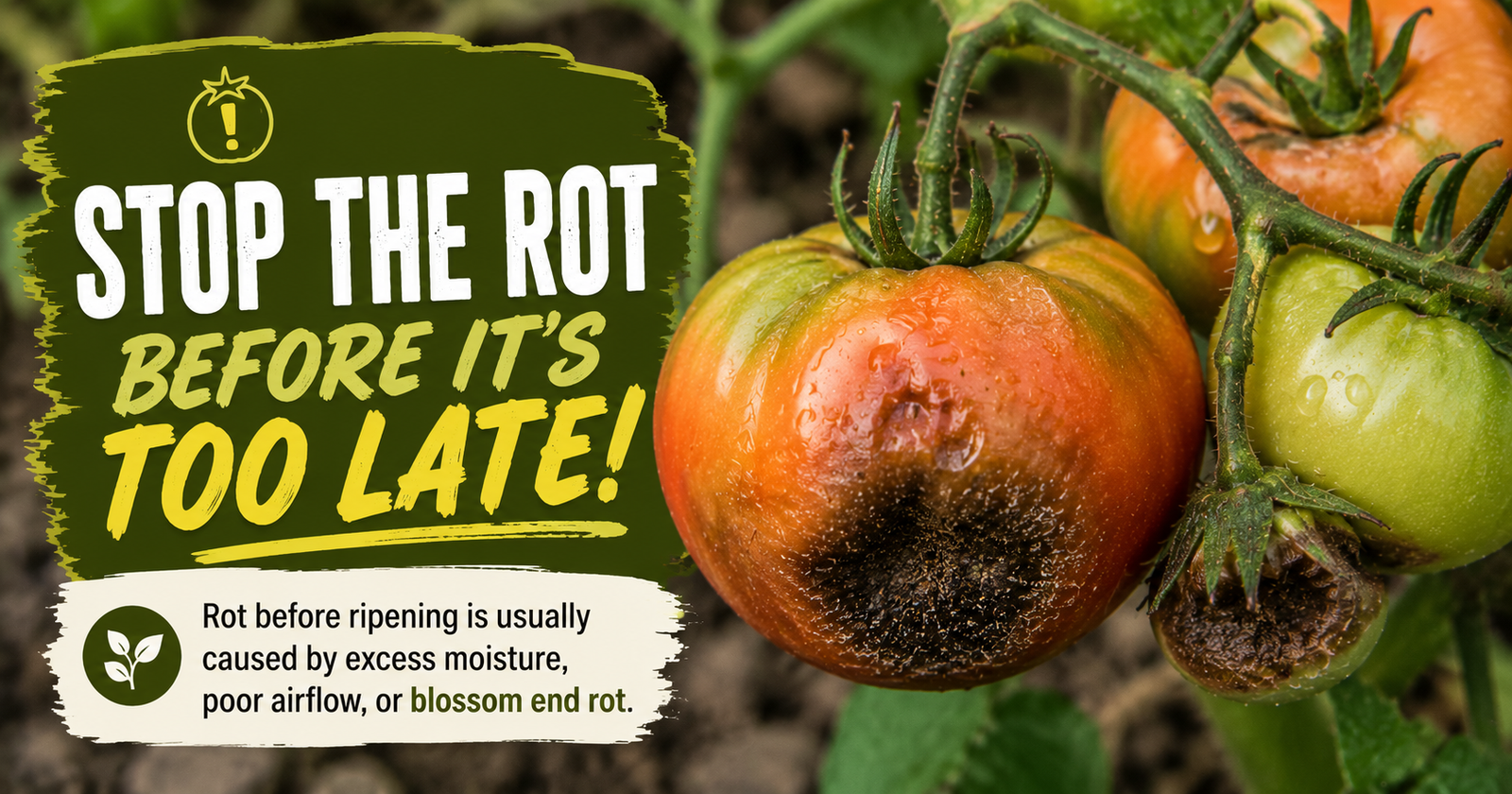
Fusarium-stressed plants may produce smaller fruit or fail to ripen normally. When tomatoes develop rot or unusual tissue, I use my guide to diagnosing tomatoes that rot before ripening to check for a separate fruit problem.
Will Copper Fungicide Stop Fusarium Wilt?
Copper fungicide will not cure Fusarium wilt.
The pathogen enters through the roots and colonizes tissue inside the plant. Spraying copper onto the leaves does not reach the infection.
The University of Minnesota Extension states that there are no chemical control options available for Fusarium wilt.

Copper products are more useful against certain diseases that infect surface foliage. My tomato copper fungicide guide explains which tomato problems are more likely to benefit from preventative treatment.
Does Neem Oil Kill Fusarium Wilt?
Neem oil does not cure a tomato plant with Fusarium wilt.
Spraying leaves cannot clear a soilborne pathogen from the plant’s vascular system. Homemade drenches may also damage roots or disrupt beneficial organisms without eliminating Fusarium.
I focus on removing infected plants, preventing soil movement and choosing resistant tomato varieties for future seasons.
Can I Replant a Tomato in the Same Hole?
I do not replace a Fusarium-infected tomato with another susceptible tomato in the same hole.
The replacement plant may become infected through its roots, especially during warm weather.

I use the space for an unrelated crop that is not susceptible to that particular tomato pathogen. If I want another tomato immediately, I grow it in a large container with fresh potting mix placed away from the contaminated soil. For help selecting that fresh container medium, use my full guide on container soil for tomatoes.
I do not fill the container with soil taken from the affected garden bed.
How Long Does Fusarium Wilt Stay in the Soil?
Fusarium can remain in soil and plant debris for many years by producing durable survival structures.
A one-year break from tomatoes is not enough to guarantee that the pathogen is gone.
Crop rotation can reduce disease pressure, but resistant tomato varieties are usually more practical for gardens with a known Fusarium history.
Weed control also matters because the pathogen may survive around certain weed roots even when tomatoes are absent.
How I Prevent Fusarium Wilt
Fusarium wilt is much easier to prevent than cure.
Choose Resistant Tomato Varieties
Resistance codes on tomato seed packets and plant labels are extremely useful.
The letter F generally indicates resistance to Fusarium wilt race 1. FF commonly indicates resistance to races 1 and 2, while FFF indicates resistance to races 1, 2 and 3.
The letter V indicates resistance to Verticillium wilt.
A label such as VFF tells me that the variety has resistance to Verticillium and the first two Fusarium races.
Resistance does not mean the plant is immune to every disease. It means the variety is better equipped to resist specific pathogens than a susceptible variety.
Start With Healthy Transplants
I purchase seedlings from a reputable grower and avoid plants with unexplained yellowing, stunting or wilt.
A transplant may carry Fusarium before symptoms become obvious, so clean growing practices and trustworthy sources matter.
If one seedling in a tray looks seriously wilted while the others are healthy, I do not take the chance.
Rotate Crops
I rotate away from tomatoes and other susceptible tomato-family plants for several years when space permits.
The University of Minnesota recommends rotating away from susceptible crops for at least three to five years to reduce Fusarium pressure, although the fungus may survive longer.
Rotation works better when weeds and volunteer tomatoes are also controlled.
Avoid Moving Contaminated Soil
I clean dirt from shovels, tillers, stakes and shoes after working in an affected bed.
I do not share soil between garden beds or use questionable garden soil in containers.
Even small amounts of contaminated soil can introduce the pathogen into a clean growing area.
Protect Tomato Roots
Root wounds create entry points for Fusarium.
I cultivate carefully around established plants and avoid chopping through the root zone. I also watch for root-knot nematodes, which can wound roots and make Fusarium damage worse.
Test and Correct Acidic Soil
Fusarium wilt can become more severe in acidic soil.
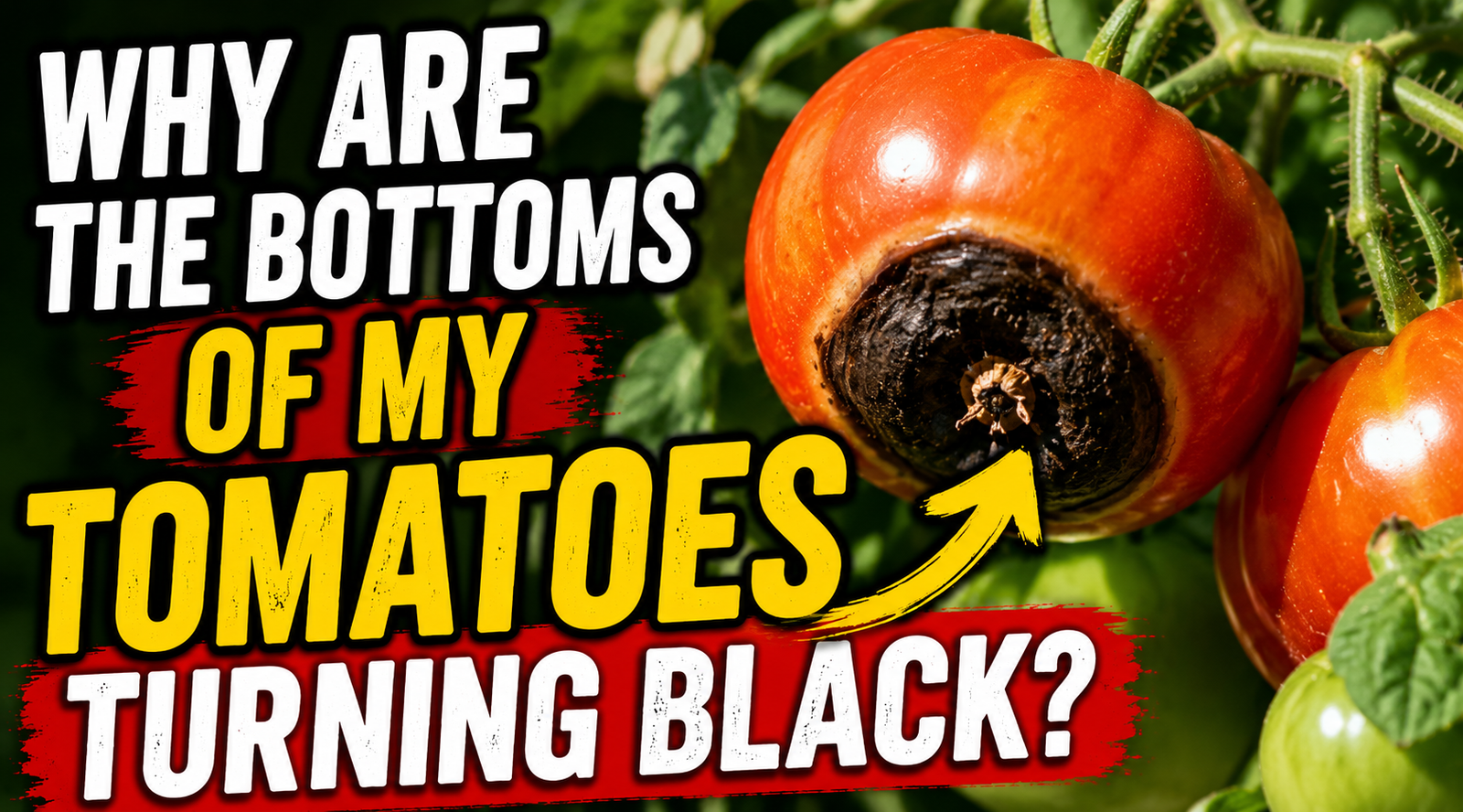
I test the soil before applying lime. Adding lime without knowing the current pH can create nutrient problems and does not guarantee that Fusarium will disappear. The same caution applies when deciding when tomato blossom end rot needs lime: soil testing should come before a major amendment.

My tomato soil pH testing guide explains how I check conditions before making amendments.
The ideal pH for tomatoes is generally lower than 7, so I do not automatically raise every tomato bed to a neutral pH just because Fusarium is possible. Any adjustment should be based on a reliable soil test and local recommendations. A soil pH and nitrogen test kit can provide useful measurements before making those adjustments: soil pH and nitrogen testing.
Avoid Excessive Nitrogen
Too much nitrogen can encourage excessive leafy growth and may increase Fusarium problems.
I feed plants according to their actual needs instead of assuming that a wilted tomato needs fertilizer.

If a plant has heavy dark green growth but limited fruit, I check these signs of excessive nitrogen in tomato plantsbefore adding another feeding.
Grow Tomatoes in Containers
Containers provide a useful option when a garden bed has a history of Fusarium wilt.
I use a clean container and fresh commercial potting mix. Garden soil from the affected area stays out of the container.
The container must have adequate drainage and enough volume to support a mature tomato plant. Small pots dry too quickly and can produce wilting that complicates the diagnosis.
Grafted Tomatoes Can Help
Grafted tomato plants combine a desirable fruiting variety with a disease-resistant rootstock.
They can be especially useful when I want to grow an heirloom tomato that lacks strong Fusarium or Verticillium resistance.
The graft union must remain above the soil. If the fruiting portion develops roots above the resistant rootstock, the plant can lose part of the protection provided by grafting.
Common Fusarium Wilt Mistakes
Watering More Every Time the Plant Wilts
Extra water cannot reopen clogged vascular tissue. Repeated watering may saturate the soil and damage roots that are still functioning.
I check soil moisture before watering and consider the wilt pattern across the plant.
Treating Yellow Leaves With Fertilizer
Lower-leaf yellowing does not always mean the plant lacks nitrogen.
Fusarium, overwatering, root damage and several leaf diseases can all create yellow foliage. Fertilizing without identifying the cause may make the problem worse.
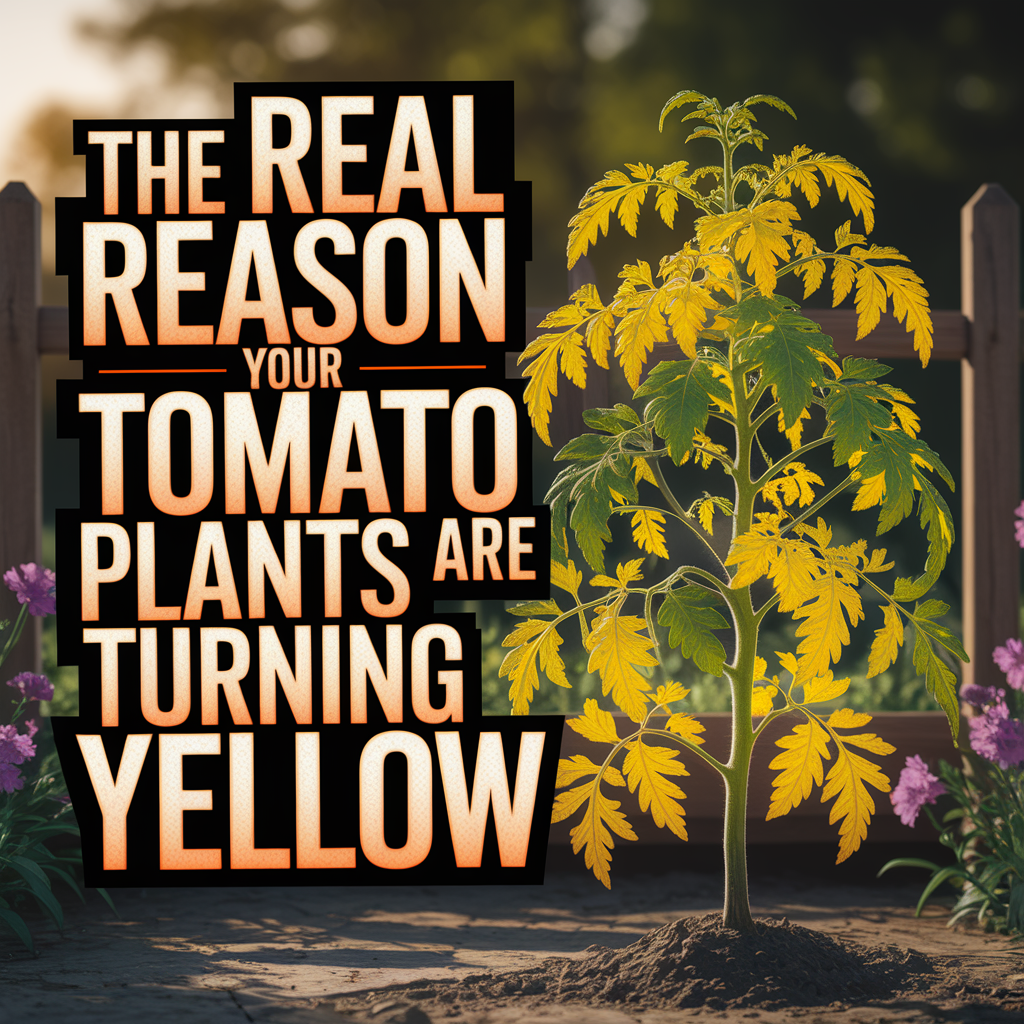
My guide to why tomato plants turn yellow covers the wider range of possibilities.
Spraying Fungicide on the Leaves
Fusarium is inside the roots and vascular tissue. A surface spray cannot cure it.
Replanting Another Tomato Immediately
A susceptible replacement planted in the same soil may develop the same disease.
I switch to an unrelated crop or use a clean container with fresh potting mix.
Composting Infected Plants
I avoid putting Fusarium-infected roots and stems into an ordinary compost pile. The pathogen can survive in plant debris and may return to the garden with unfinished compost.
Moving Soil to Another Bed
A shovel, tiller or wheelbarrow can move contaminated soil. I clean equipment before working in a garden area that has not shown wilt problems.
Assuming Every Wilted Tomato Has Fusarium
Heat, drought, overwatering, damaged roots, black walnut trees, herbicide injury, bacterial wilt and Verticillium can all make tomatoes wilt.
The pattern, internal stem color, soil conditions and plant history must fit before I call it Fusarium.
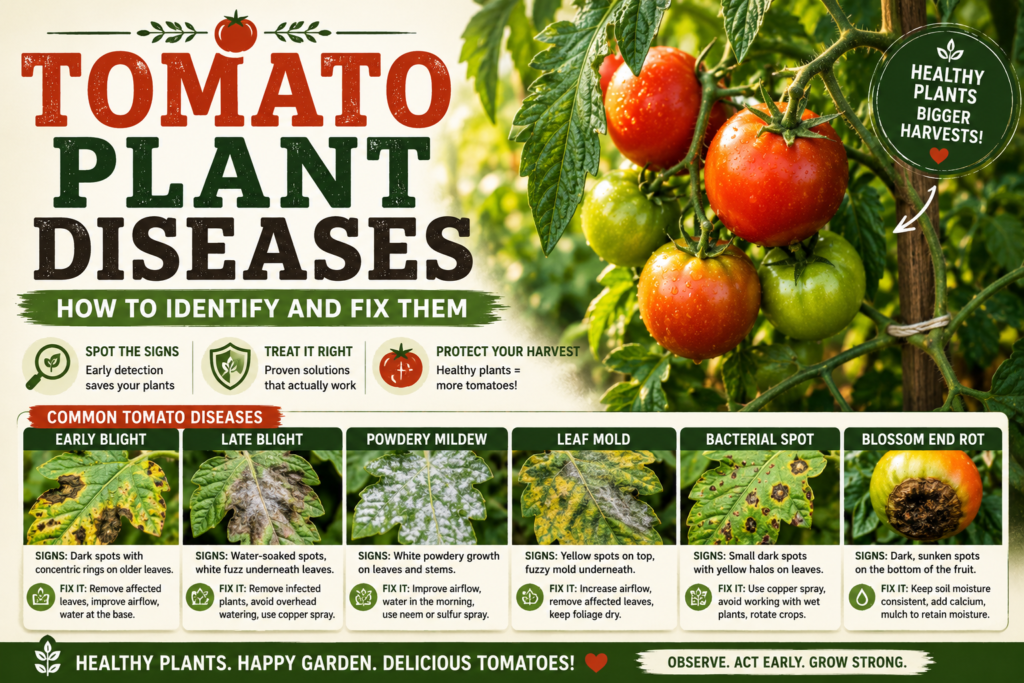
The broader tomato disease identification guide is where I check symptoms that do not clearly match one disease.
My Fusarium Wilt Check
Does the Wilting Begin on the Lower Leaves?
Fusarium usually begins near the bottom and progresses upward.
Is One Side Worse Than the Other?
One-sided yellowing and wilting are strong clues.
Does the Plant Recover at Night?
Early in the disease, an infected plant may perk up overnight before wilting again during the day.
Is the Soil Already Moist?
A wilted tomato in moist soil may have damaged roots or blocked vascular tissue rather than a simple lack of water.
Is the Stem Brown Inside?
Brown vascular tissue near the outer portion of the lower stem supports a vascular wilt diagnosis.
Is the Weather Hot?
Fusarium becomes more active during warm weather and warm soil conditions.
Is the Variety Susceptible?
An heirloom or variety lacking Fusarium resistance may be more vulnerable than a tomato marked F, FF or FFF.
Is Fusarium wilt contagious?
It does not usually spread rapidly through the air or across wet leaves. It spreads through infected soil, plant debris, transplants and equipment carrying contaminated soil.
Can Fusarium wilt affect only one branch?
Yes. Early symptoms may appear on one branch or one side of the tomato plant before becoming more widespread.
Should I cut the stem to check for Fusarium?
Splitting the lower stem can reveal brown vascular tissue, but the cut permanently damages the plant. I reserve this test for plants that are already severely affected or being removed.
Can Fusarium wilt affect tomatoes in containers?
Yes. It can occur if contaminated garden soil, infected transplants or dirty containers introduce the pathogen. Fresh potting mix and clean containers reduce the risk.
Will solarizing the soil kill Fusarium?
Soil solarization may reduce some soilborne pathogens when performed correctly during sufficiently hot weather, but it may not eliminate Fusarium completely from deeper soil. Resistant varieties remain important.
Are heirloom tomatoes more likely to get Fusarium wilt?
Many heirlooms lack the disease resistance found in modern hybrids. Grafting a favorite heirloom onto a resistant rootstock can provide additional protection.
Can I save seeds from an infected tomato plant?
I do not save seeds from a plant with suspected Fusarium wilt. Starting with reputable, disease-free seed avoids carrying unnecessary risk into the next crop.
What should I plant after Fusarium wilt?
I choose a crop outside the tomato family and avoid planting tomatoes, peppers or eggplants in that soil during the rotation period. The best choice depends on local conditions and which Fusarium strain is present.
Fusarium wilt is frustrating because a tomato may look thirsty even when its roots are surrounded by moisture. Once I recognize the one-sided yellowing, repeated daytime wilt and brown vascular tissue, I stop treating it as a watering problem. I remove declining plants carefully and plan future crops around resistant varieties, clean soil and better prevention.
Written by Daniel Harper, an experienced home gardener who shares straightforward advice for diagnosing unhealthy plants, protecting productive gardens and growing better tomatoes through Tomato Growing Tips.