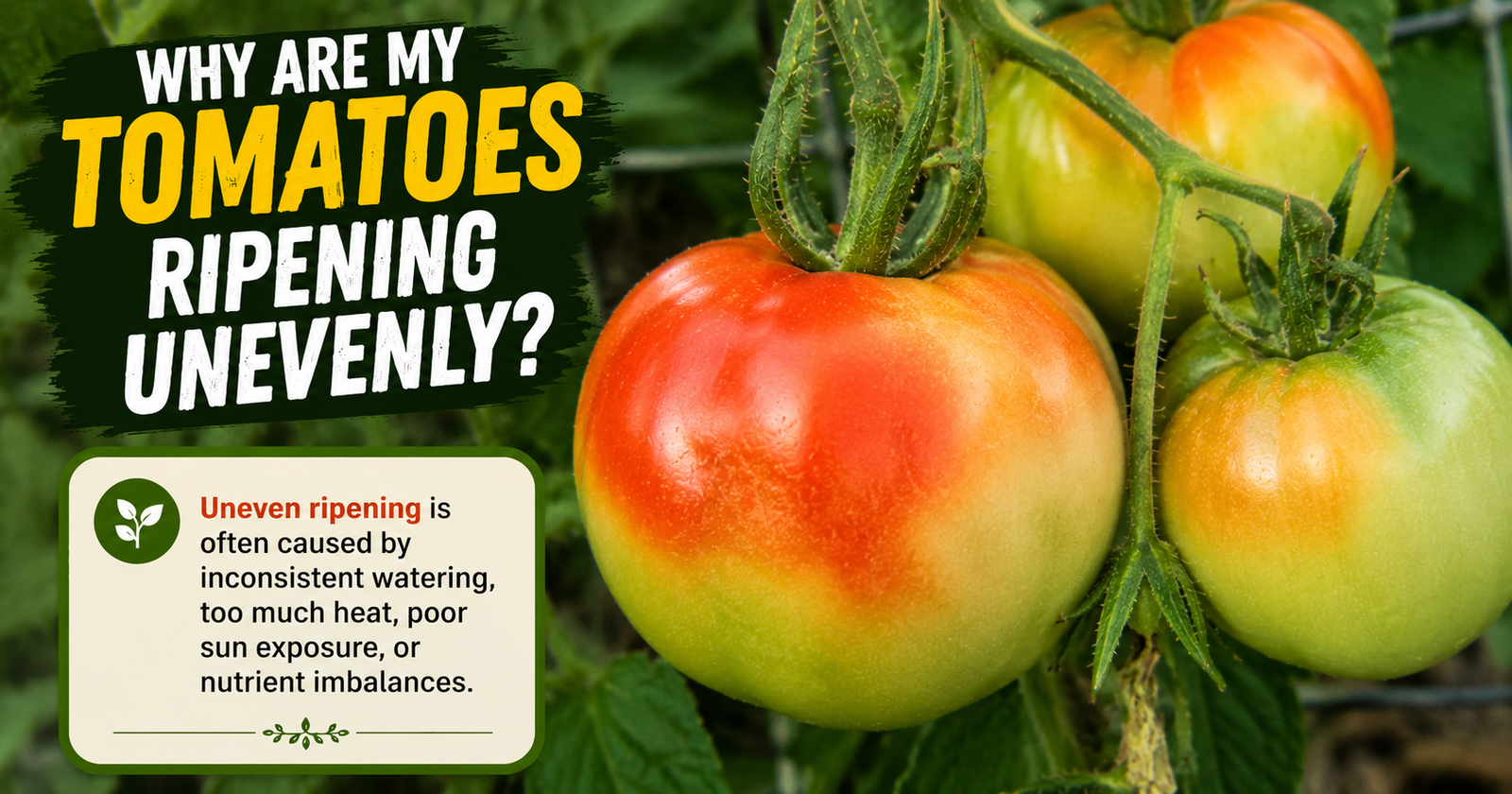
A tomato can look ripe from one angle and completely unready from another. One side may be deep red while the shoulders remain green, yellow, orange, or unusually hard. Other tomatoes develop pale patches scattered across the entire fruit.
When tomatoes are ripening unevenly, I look at temperature first. Extreme summer heat can interfere with the pigments responsible for tomato color. Soil nutrition, root health, insects, plant disease, variety genetics, and the fruit’s exposure can also contribute.
Uneven color does not automatically mean the tomato is rotten or unsafe. Many blotchy tomatoes can be eaten once the firm or damaged areas are removed. However, a fruit that is soft, moldy, leaking, or foul-smelling should be discarded.
Why Are My Tomatoes Ripening Unevenly?
Tomatoes may ripen unevenly because of high temperatures, green or yellow shoulder disorder, potassium problems, root stress, compacted soil, excessive nitrogen, insect feeding, disease, or variety genetics.
Common symptoms include:
- A tomato that is red on one side and green on the other
- Firm green tissue around the stem
- Yellow or orange shoulders that never turn red
- Pale blotches scattered across ripe fruit
- Hard white tissue beneath discolored skin
- A green interior despite ripe outer color
- Uneven color within the same tomato cluster
- Fruit that softens in some areas while remaining hard elsewhere
The appearance alone may not reveal one definite cause. I inspect the leaves, soil, roots, recent weather, and tissue beneath the discolored patch.
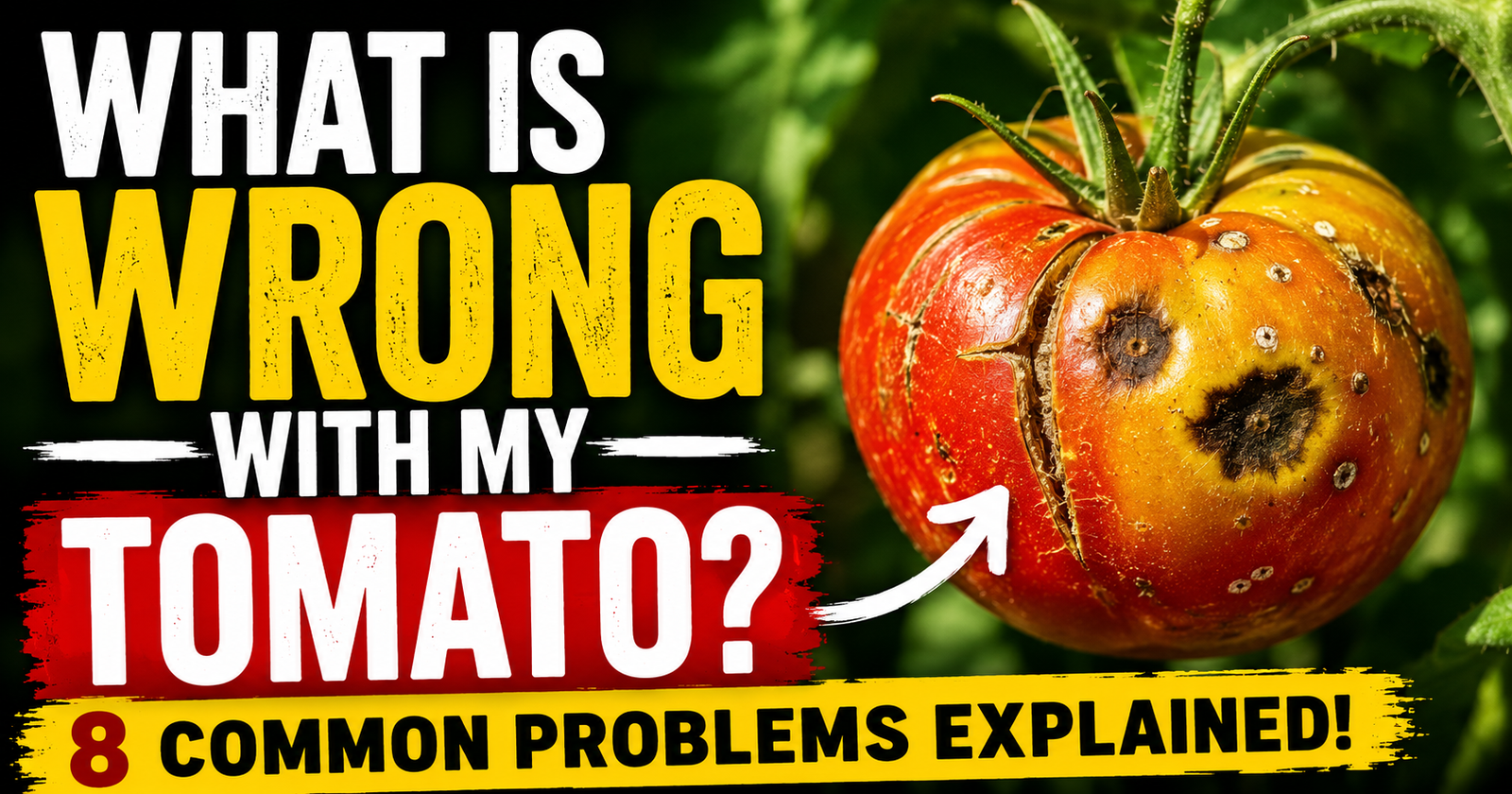
If the fruit has cracking, black bottoms, scars, holes, or sunken spots in addition to uneven color, compare it with the most common tomato fruit problems before assuming it only has a ripening issue.

What Blotchy Ripening Looks Like
Blotchy ripening causes irregular green, yellow, orange, white, or pale areas on a tomato that should be developing a more uniform mature color.
The patches may have poorly defined edges. Instead of one clear injury, the tomato looks mottled or washed out.
When sliced, the flesh beneath a pale area may be normally textured, or it may be firm, white, corky, or underdeveloped.
Blotchy ripening can affect one fruit, several fruit on the same cluster, or much of the crop. A widespread pattern usually points toward heat, root conditions, nutrition, or plant health rather than one isolated injury.
How Tomatoes Normally Change Color
A tomato does not simply turn red because sunlight strikes its skin.
As the fruit matures, its green chlorophyll begins breaking down. Other pigments become visible or are produced, creating the mature color associated with the variety.
Red tomatoes develop lycopene. Orange and yellow varieties produce different pigment balances. Purple, brown, pink, and striped tomatoes follow their own genetic ripening patterns.
Ethylene produced by the mature fruit helps coordinate this process. Temperature strongly affects how efficiently those pigments develop.
This is why a shaded tomato can ripen normally and why placing fruit in intense direct sunlight does not necessarily make it turn red faster.
High Temperatures Can Stop Tomatoes From Turning Red
Heat is one of the most common reasons tomatoes develop uneven color during summer.
Red-pigment development slows significantly during extended high temperatures. When fruit stays too hot, it may remain orange, yellow, or pale even though it has reached maturity.
The plant can continue growing and the tomato may begin softening, but its full color develops slowly or unevenly.
Direct sunlight can make exposed fruit even hotter than the surrounding air. A tomato hanging outside the leaf canopy may develop more severe color problems than fruit shaded by healthy foliage.
High nighttime temperatures also matter because the plant and fruit receive less relief after sunset.
What Temperature Is Too Hot for Tomato Ripening?
Tomatoes generally color best under moderate temperatures. When daytime temperatures remain in the upper 80s or 90s and nights stay very warm, pigment development can slow.
The exact response varies among varieties. Some tolerate heat better, while others remain stubbornly orange or yellow during the hottest part of summer.
A brief hot afternoon may not create a serious problem. Prolonged heat, warm nights, and direct fruit exposure create the greatest risk.
Once temperatures become more moderate, newly developing fruit may ripen more evenly. Mature tomatoes can also be harvested and moved indoors to a cooler location.
Do Tomatoes Need Direct Sunlight to Turn Red?
No. Mature tomatoes do not need direct sunlight on their skin to ripen.
The plant needs sunlight because its leaves use light to produce energy. The fruit benefits from the filtered shade those leaves provide.
Removing foliage to expose green tomatoes can increase their temperature and lead to sunscald or uneven ripening.

My guide explaining how much sun tomato plants need covers the difference between giving the plant adequate light and leaving fruit unprotected.
I keep healthy leaves around fruit clusters whenever possible.
What Are Green Shoulders on Tomatoes?
Green shoulder is a ripening disorder in which the area around the stem remains green while the rest of the tomato develops its mature color.
The green section may also remain firm and less flavorful. When sliced, the flesh beneath the shoulder can appear pale green, yellowish, or white.
Some varieties are genetically more likely to retain green shoulders. Tomatoes with the uniform-ripening gene tend to lose green color more evenly, while many heirlooms naturally keep darker green shoulders during early ripening.
Heat and intense light can make the problem more noticeable.
A green shoulder is different from a tomato that is simply not finished ripening. If the lower portion continues changing color over several days while the shoulder remains hard and green, a disorder or variety trait becomes more likely.
Why Green Shoulders Stay Hard
The tissue around a green shoulder has not completed normal ripening.
Chlorophyll remains, pigment development is incomplete, and the flesh may not soften like the rest of the tomato.
This tissue can be tough, bitter, or less flavorful. It may remain hard even after the lower part becomes soft enough to eat.
Leaving the tomato on the plant longer does not always correct a severe green shoulder. The ripe portion may become overripe while the top remains firm.
What Are Yellow Shoulders on Tomatoes?
Yellow shoulder disorder leaves yellow, orange, or pale areas around the stem of a tomato that should have developed a deeper mature color.
The affected tissue may extend beneath the skin. When the fruit is sliced, the shoulder can look white or yellow inside and feel firmer than normally ripened flesh.
Yellow shoulder is commonly associated with heat and difficulties involving potassium supply or uptake. Soil compaction, damaged roots, moisture stress, excessive nitrogen, and nutrient imbalance can all contribute.
The condition can appear even when the soil contains potassium. Roots must be healthy enough to absorb nutrients and moisture consistently.
Green Shoulders Versus Yellow Shoulders
Green shoulder tissue retains noticeable green color. Yellow shoulder tissue loses some green pigment but fails to develop the expected mature color.
Both problems usually appear around the stem and may produce hard, poorly flavored flesh.
Variety genetics play a particularly visible role in green shoulders. Yellow shoulder disorder is often more closely connected with heat, plant stress, and nutrient availability.
A single tomato can show both green and yellow areas.
Green Shoulders Versus Normal Heirloom Coloring
Some heirloom varieties are supposed to retain green near the stem at certain stages of ripeness.
Green-shouldered varieties may have dark green tops that gradually soften and change somewhat while the lower fruit reaches its mature color.
A naturally green-when-ripe variety can remain green across much of the tomato even when fully mature. These tomatoes are judged by softness, skin appearance, flavor, and the variety’s expected color rather than redness.
I check the seed packet or variety description before treating unusual coloring as a problem.
If every tomato of one variety follows the same pattern and tastes good when harvested, the coloring may be genetic rather than a disorder.
Can Too Much Sun Cause Uneven Ripening?
Direct exposure can heat tomato shoulders and interfere with color development.
Fruit outside the leaf canopy receives the strongest light and heat. The exposed side may remain yellow, develop a hard shoulder, or suffer sunscald.
Sunscald produces a more distinct bleached or leathery patch. Uneven ripening tends to produce blotchy color without immediate dead tissue.
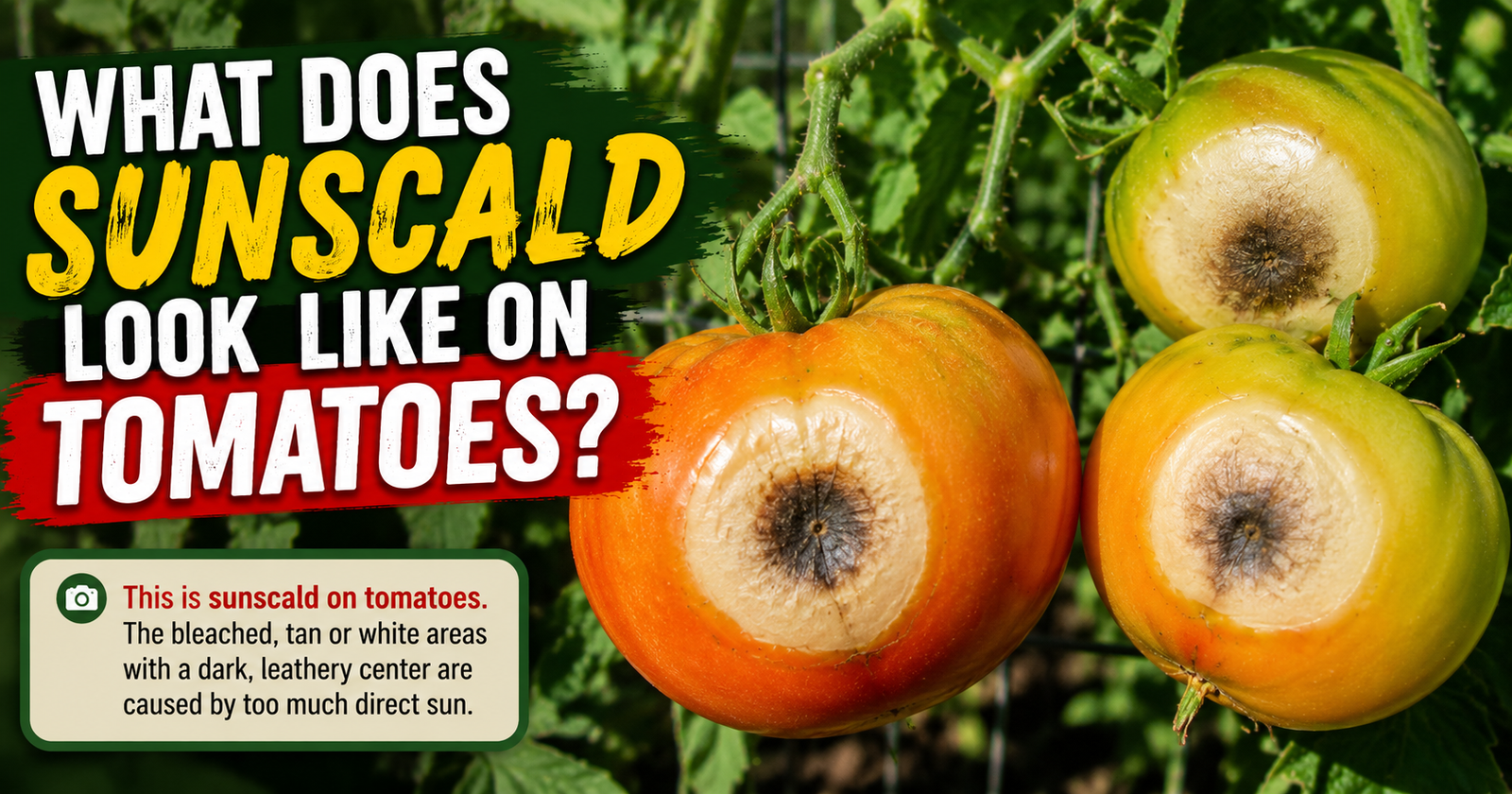
If the pale area looks white, papery, blistered, or sunken, compare it with what sunscald looks like on tomatoes before assuming it is only a color problem.
Potassium and Uneven Tomato Ripening
Potassium supports water movement, plant metabolism, fruit development, and the production of quality tomatoes.
Insufficient potassium availability is associated with yellow shoulder and blotchy ripening. However, this does not mean every uneven tomato needs an immediate dose of potassium fertilizer.
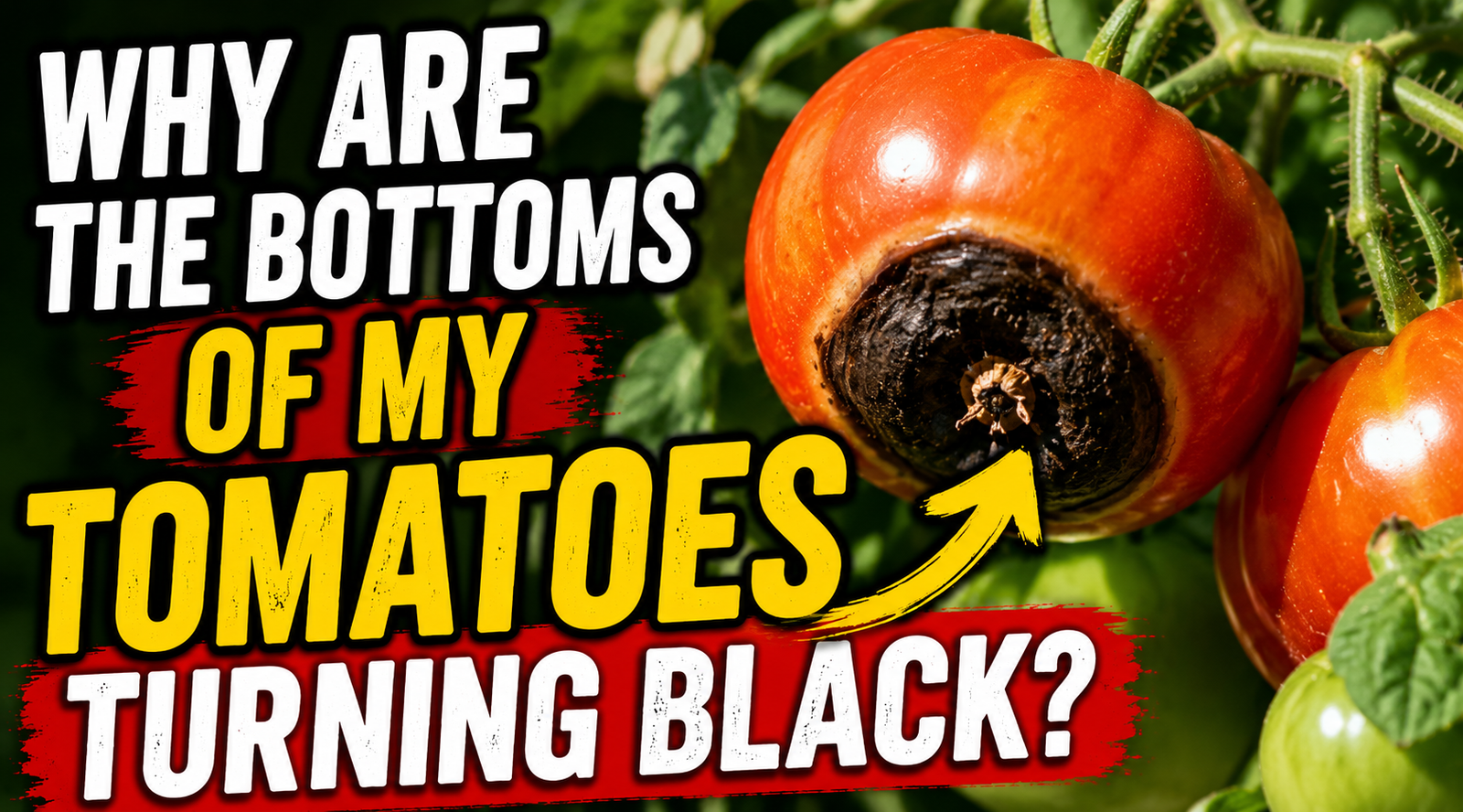
The soil may already contain potassium while roots are unable to absorb it effectively. Compacted soil, poor drainage, damaged roots, dry conditions, excessive salts, and nutrient competition can reduce uptake. Similar root and moisture stresses can also contribute to tomato calcium uptake problems, even when the soil contains enough calcium.
Adding potassium without understanding the soil can create an imbalance. I prefer testing before applying a concentrated amendment.
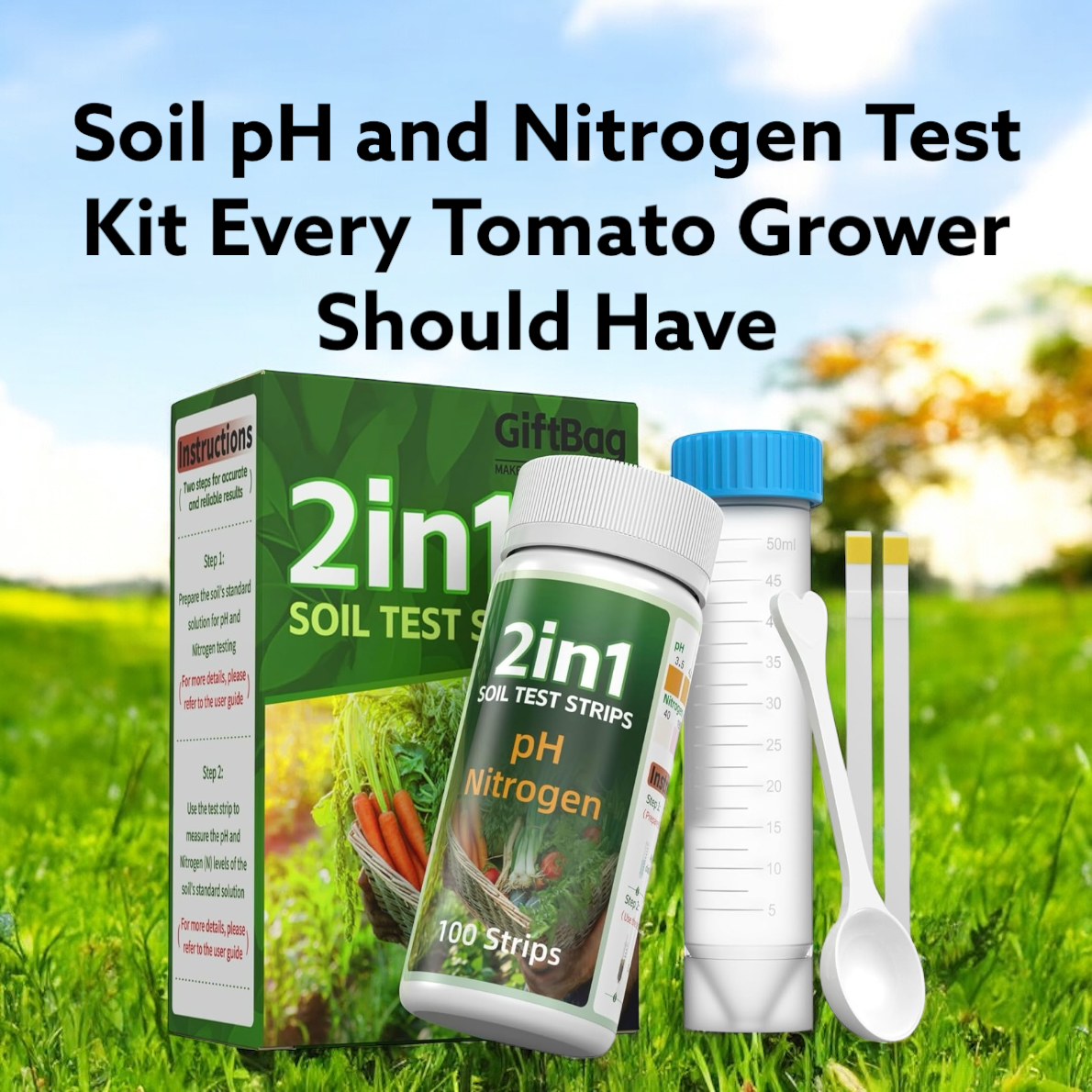
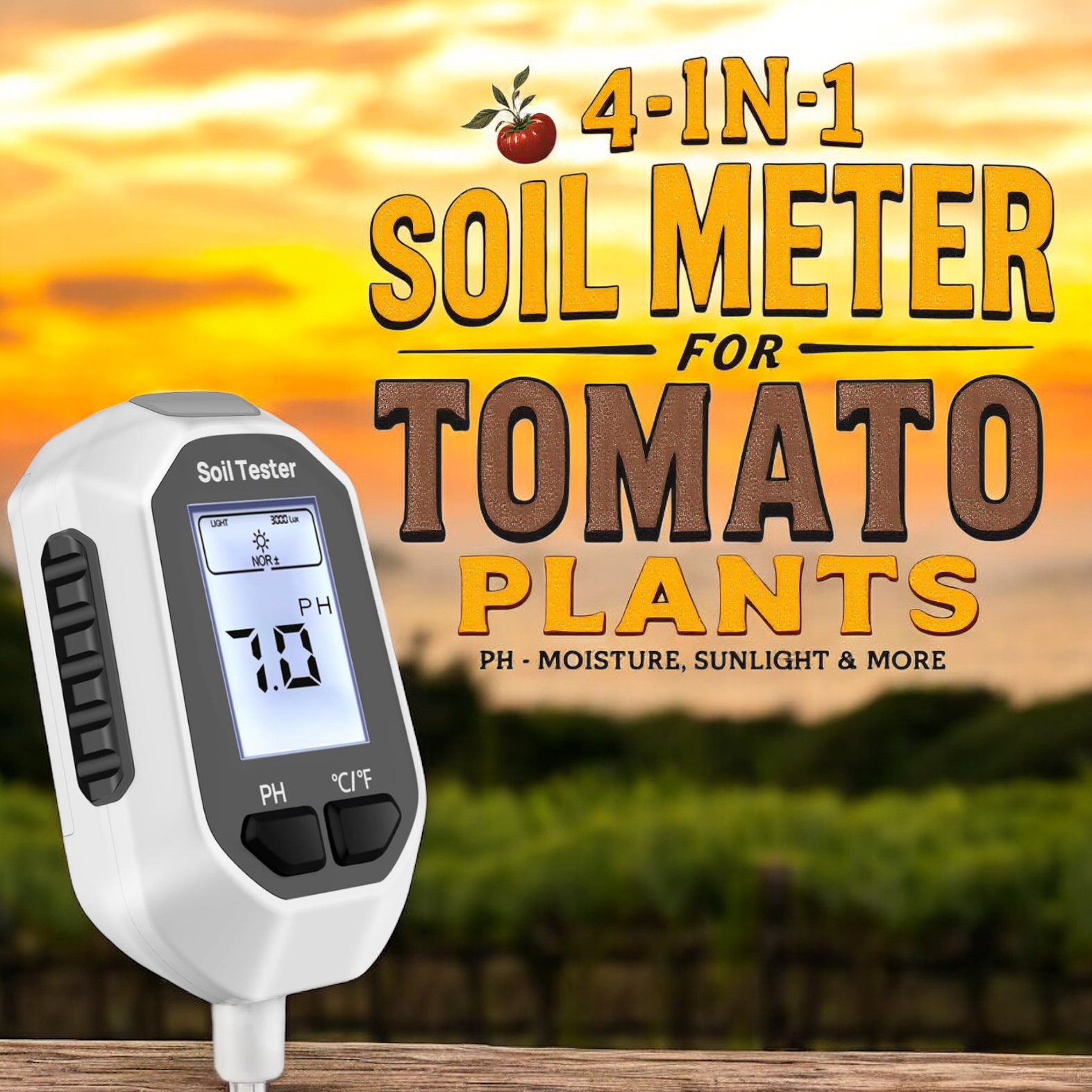
A soil pH and nutrient test provides a better starting point than diagnosing nutrient problems from fruit color alone.
Can Too Much Potassium Hurt Tomato Plants?
Yes. More potassium is not always better.
Excess potassium can interfere with the plant’s access to magnesium and calcium. It can also increase the amount of soluble salts around the roots when overapplied.
A fertilizer labeled for tomatoes may already contain sufficient potassium. Adding another product on top of it can push the soil out of balance. The guide to balancing fertilizer nutrients for tomatoes explains how to compare nutrient ratios before combining products.
I check the fertilizer analysis, application history, and soil conditions before making another treatment. A soil test can help verify whether pH or nitrogen is actually contributing to the problem: soil pH and nitrogen testing.
Can Excess Nitrogen Cause Blotchy Tomatoes?
Excess nitrogen encourages rapid leafy growth and can reduce fruit quality.
A plant receiving too much nitrogen may become tall, dark green, and difficult to manage while fruit develops poorly.
Heavy vegetative growth increases demand for water and nutrients. It can also delay flowering and maturity.
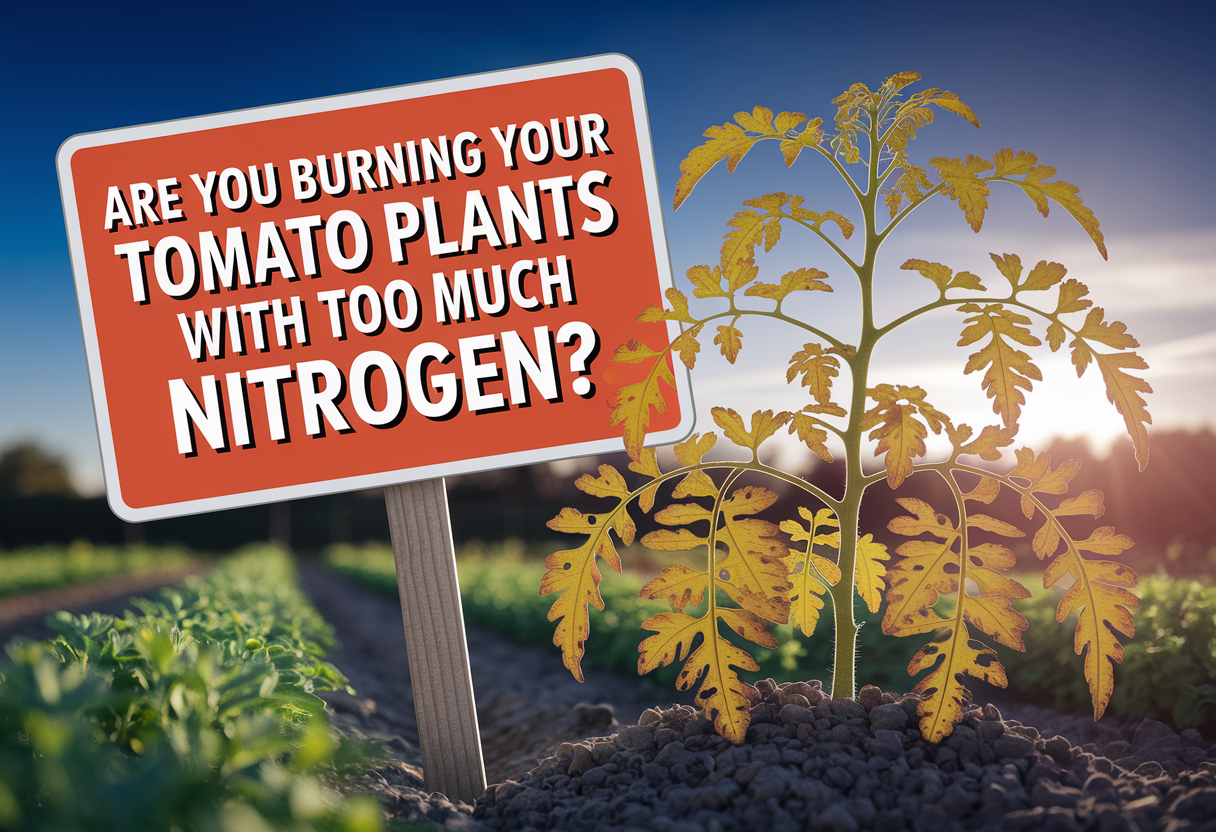
If the plant looks unusually lush but tomatoes remain blotchy or slow to ripen, check whether too much nitrogen is affecting the plant before adding more fertilizer.
I would rather see steady balanced growth than a giant plant that produces disappointing tomatoes.
Can Incorrect Soil pH Cause Uneven Ripening?
Soil pH affects nutrient availability.
Tomatoes usually grow best in slightly acidic soil. When the pH is too high or too low, important nutrients may become less available even when they are physically present.
A pH problem can contribute indirectly to uneven ripening by limiting healthy root function and potassium uptake.
I never apply lime or sulfur based only on tomato color. Both products can change the soil for a long time.
The guide to changing tomato soil pH correctly explains why testing should come before treatment.
Compacted Soil Can Affect Tomato Color
Compacted soil restricts root growth and reduces the amount of oxygen available around the roots.
A limited root system has less access to moisture and nutrients. The plant becomes more vulnerable during heat and drought.
Compaction can occur in garden beds that are walked on, worked while wet, or filled with heavy soil that has little structure.
Container soil can also compact over time, especially when ordinary garden dirt is placed in pots.
Improving soil structure before planting gives roots room to spread. Established plants are difficult to repair without disturbing their roots, so I focus on mulch, careful watering, and avoiding more traffic around them during the current season.
Root Damage and Blotchy Ripening
Damaged roots cannot supply fruit consistently.
Common causes include:
- Digging or hoeing deeply beside the plant
- Pulling large weeds tangled with tomato roots
- Waterlogged soil
- Severe drought
- Root-knot nematodes
- Container crowding
- Fertilizer burn
- Transplant damage
- Soil-borne root disease
- Compaction
Fruit that developed before the root injury may continue growing but ripen poorly.
I avoid cultivating deeply around established tomato plants because their roots spread well beyond the main stem.
Uneven Watering Can Affect Ripening
Moisture fluctuations are better known for causing cracking and blossom end rot, but they also stress the roots and fruit.
A tomato plant that repeatedly wilts and then receives a heavy soaking cannot maintain steady growth.
Waterlogged soil creates a different problem by reducing oxygen around the roots.
I aim for reasonably consistent moisture rather than keeping the soil permanently wet. Mulch makes this easier by slowing evaporation. A 4-in-1 soil moisture meter can provide another way to check moisture before watering.
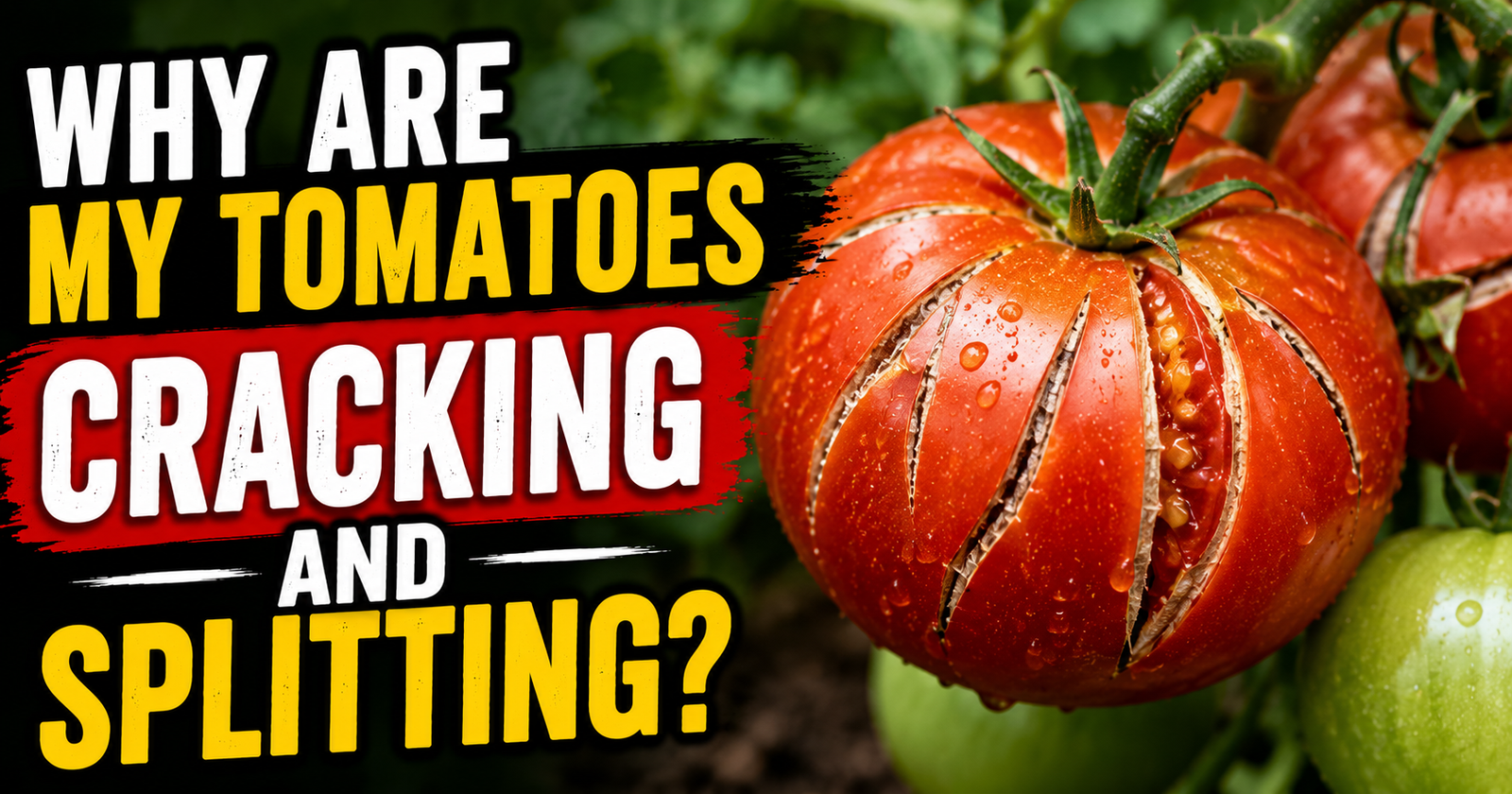
If fruit is splitting along with its uneven color, the guide to why tomatoes crack after moisture changes addresses that related problem directly.
Stink Bugs Can Cause Uneven Tomato Color
Stink bugs and leaf-footed bugs pierce tomato skin and feed on the tissue beneath it.
Their feeding leaves cloudy white, yellow, or greenish spots. The surrounding tomato may ripen while the punctured tissue remains pale and firm.
When sliced, the damaged areas may contain hard white flesh. Tiny dark points are sometimes visible in the center of the cloudy spots.
Insect damage is more likely when the tomato has several distinct pale circles rather than one broad shoulder.
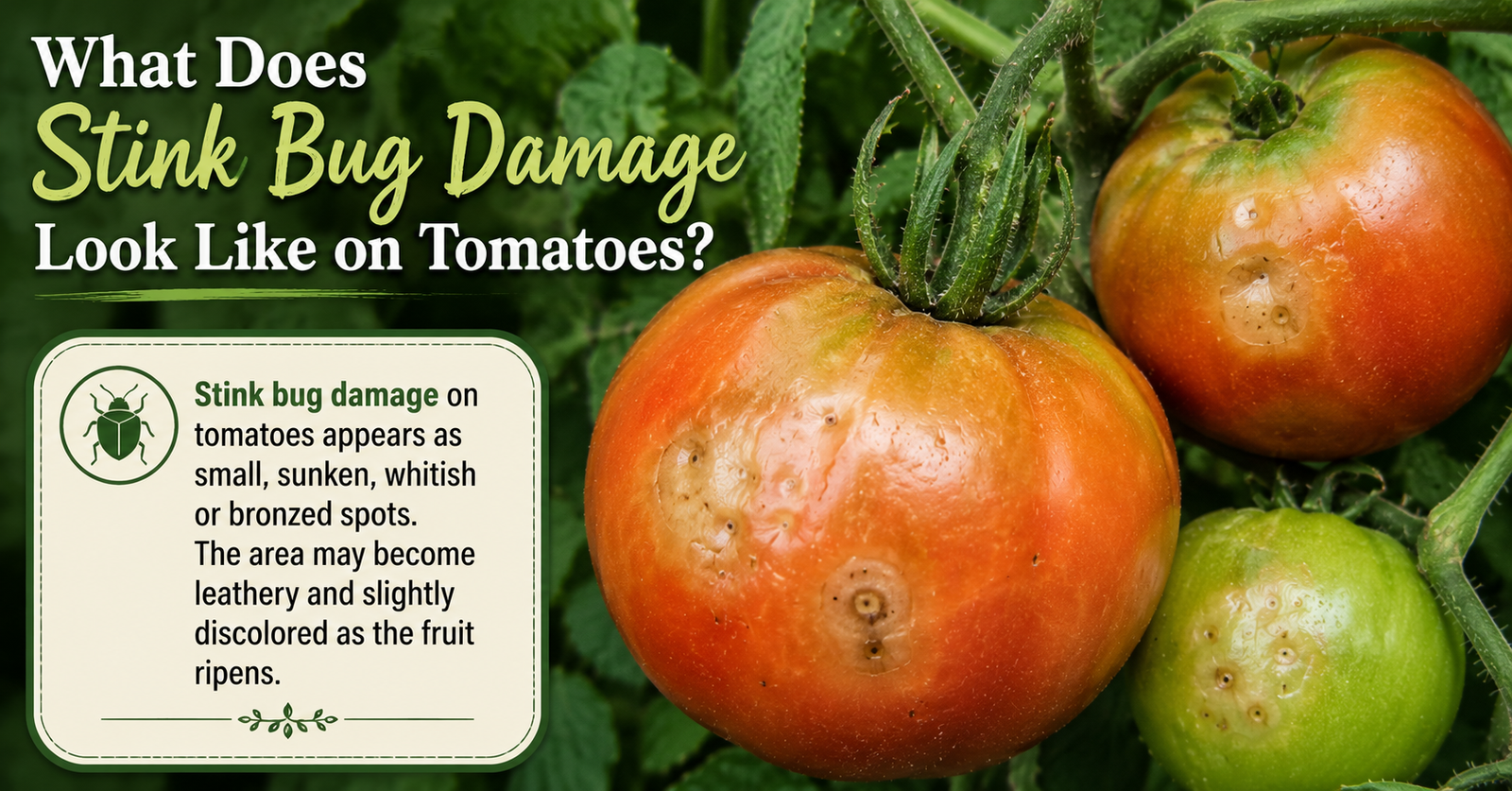
The complete guide to recognizing stink bug damage on tomatoes explains how to identify the punctures and distinguish them from heat-related ripening problems.
Whiteflies and Irregular Tomato Ripening
Certain whiteflies can contribute to irregular ripening.
Affected tomatoes may develop uneven green, yellow, or red areas. The plant may also have clusters of tiny white insects beneath the leaves.
When disturbed, adult whiteflies flutter around the plant. Their immature stages remain attached to leaf surfaces and can be difficult to notice.
Whiteflies remove plant sap and can weaken heavily infested plants. Some species can also transmit viruses.
Uneven fruit color combined with a visible whitefly infestation deserves attention, especially in warm climates, greenhouses, and protected growing spaces.
Can Plant Disease Cause Uneven Ripening?
Disease can interfere with ripening by damaging leaves, stems, roots, or fruit.
A plant losing large amounts of foliage cannot produce and distribute energy normally. Root diseases interfere with moisture and nutrient uptake.
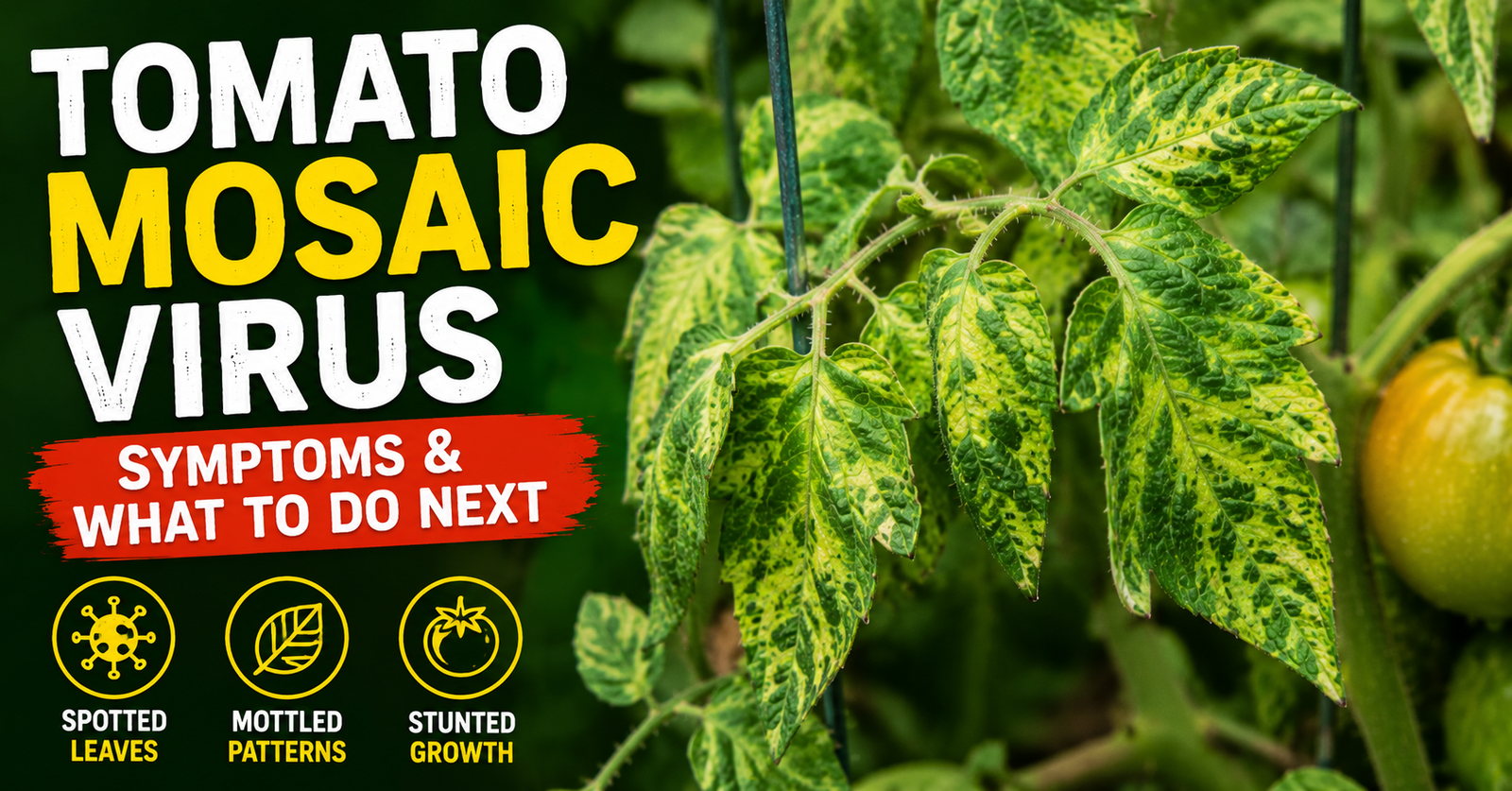
Some viruses create mottled leaves, distorted growth, ringspots, streaking, or unusual fruit color.
Uneven ripening by itself does not prove that a plant has a disease. I look for additional symptoms throughout the plant.
Yellowing, leaf spots, curling, stunted growth, stem lesions, and widespread fruit abnormalities make disease or another plant-wide problem more likely.
Why Leaf Loss Affects Ripening
Leaves produce the sugars and energy used to support fruit development.
When disease, hornworms, pruning, hail, or wind removes too much foliage, the plant loses productive leaf area.
The exposed fruit may also become overheated or sunscalded.
Removing every leaf around a tomato does not force it to ripen faster. It can produce the opposite result by stressing the plant and overheating the fruit.
I remove diseased tissue when appropriate but preserve as much healthy foliage as possible.
Why Tomatoes Ripen on One Side First
A tomato does not always change color evenly from top to bottom.
Normal ripening may begin at the blossom end and progress toward the shoulders. One side can change slightly ahead of another.
This is not necessarily a disorder if the remaining green tissue gradually changes over the next few days.
Concern increases when one area remains hard and green while the ripe portion becomes soft or overripe.
Fruit position, temperature, genetics, and localized insect damage can all create a stronger difference between the two sides.
Why Tomatoes Stay Orange Instead of Turning Red
High temperatures commonly cause red tomatoes to remain orange.
The fruit may be mature and beginning to soften, but lycopene production slows during intense heat.
Picking mature orange tomatoes and bringing them into a moderate indoor environment can help them finish coloring.
I do not place them in a sunny window. Direct sunlight can heat the fruit without improving the internal ripening process.
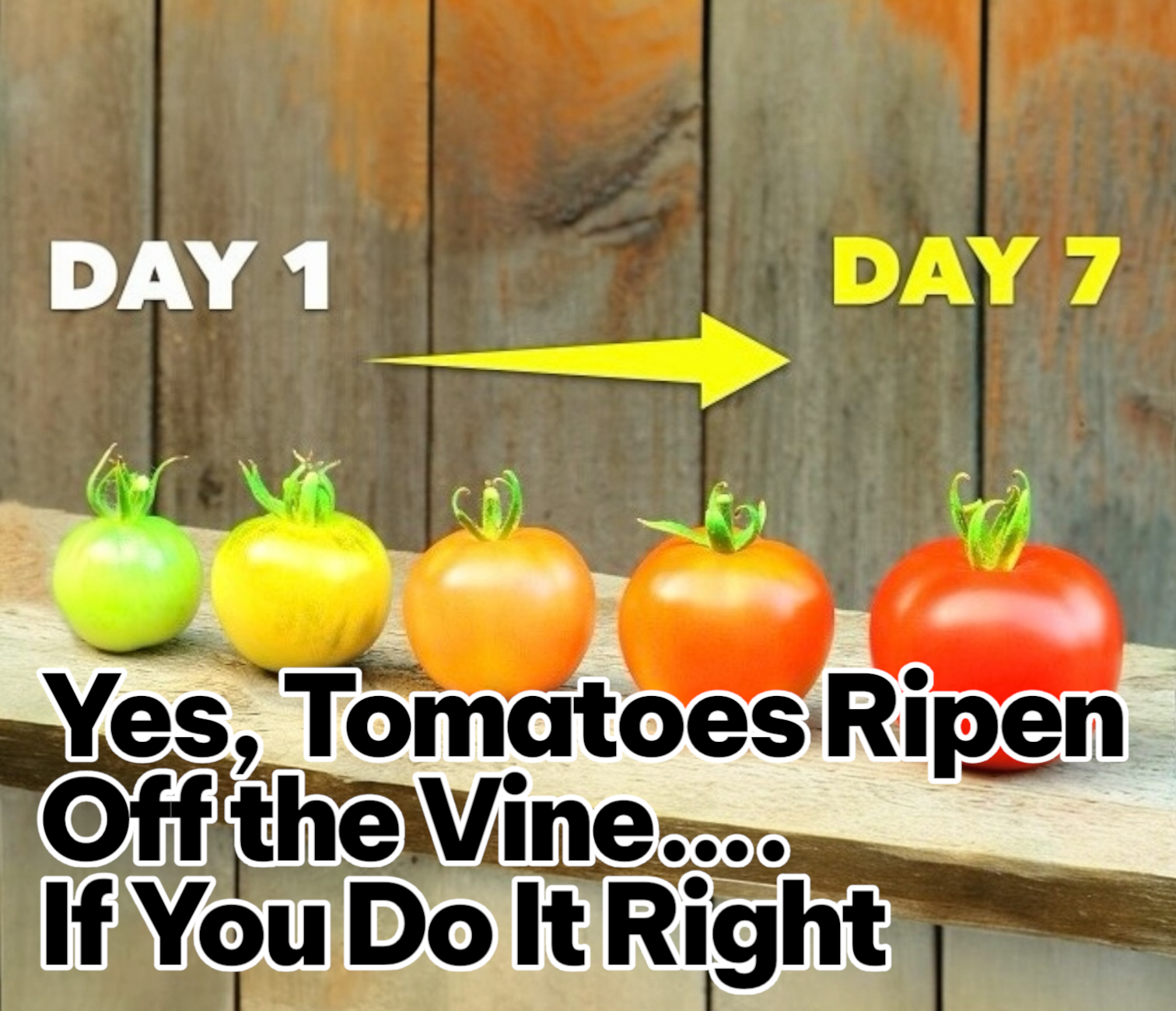
My guide showing how tomatoes ripen off the vine explains where to place them and what stage is mature enough to pick.
Should I Pick Unevenly Ripening Tomatoes?
I pick a tomato once it has reached full size and begun developing its mature color, especially during extreme heat or heavy pest pressure.
Leaving it outside may cause the ripe portion to soften while the green shoulder remains hard.
Indoor ripening protects the fruit from additional heat, insects, rain, cracking, and animals.
I do not pick small, immature green tomatoes unless the season is ending or severe weather is expected. Fruit needs to reach physiological maturity before it can ripen well indoors.
How to Ripen Blotchy Tomatoes Indoors
I place mature tomatoes in a dry area at normal room temperature.
They do not need direct sunlight. A countertop, shelf, or shallow box works when airflow is adequate.
I inspect them daily. The already-ripe portion can soften quickly, so I use the tomato as soon as it reaches a practical stage.
Placing a ripe banana nearby can increase ethylene exposure, but it cannot fix damaged tissue, severe green shoulders, or a tomato picked before maturity.
Will Green Shoulders Turn Red Indoors?
Mild green shoulders may continue changing color after harvest.
Severe hard shoulders may remain green, yellow, or pale even while the rest of the tomato becomes fully ripe.
Heat-related pigment problems may improve when the fruit is moved to a moderate temperature, but tissue that failed to develop normally does not always recover.
I focus on the texture and condition of the whole tomato rather than waiting indefinitely for one stubborn area to turn red.
Can You Eat Unevenly Ripened Tomatoes?
An unevenly ripened tomato is generally safe to eat when it is firm, fresh, and free from decay.
I cut into the discolored area and inspect the flesh. A hard green, yellow, or white shoulder may be tough or bitter, so I remove it.
The normally ripened portion can still taste good.
I discard fruit with mold, sliminess, leaking tissue, an unpleasant odor, deep decay, or evidence of animal contamination.
Can Green Tomato Shoulders Be Eaten?
Firm green shoulder tissue may be edible but unpleasant.
It often has less flavor and a tougher texture than the ripe portion. I usually cut it away.
A small amount of green tissue around the stem does not automatically ruin the tomato.
If the entire fruit is still immature and green, I treat it as a green tomato rather than a ripe tomato with shoulder disorder.
Can Blotchy Tomatoes Be Used for Sauce?
Yes. Sauce is a practical use for tomatoes with mild uneven ripening.
I wash the tomato, remove the stem, cut away firm or discolored tissue, and use the healthy ripe portion.
Cooking will not make spoiled produce safe, so I do not use tomatoes with mold, rot, animal damage, or a foul smell.
Blotchy fruit may produce less richly colored sauce if a large portion remains pale, but flavor depends on the variety and maturity as well.
Can Unevenly Ripe Tomatoes Be Canned?
Only sound, properly matured tomatoes should be used for home canning.
I remove hard shoulders, insect-damaged tissue, scars, cracks, and any questionable portions. Moldy, rotten, diseased, or animal-damaged fruit should not be canned.
I follow a current tested recipe and its required acidification and processing directions exactly.
Tomatoes with extensive white or green internal tissue may not be worth using because too much of the fruit needs to be removed.
Should I Add Fertilizer When Tomatoes Ripen Unevenly?
Not until I understand what the plant and soil need.
Heat is often the main cause, and fertilizer cannot cool the fruit. Excess fertilizer can damage roots or worsen nutrient competition.
I review previous applications, plant growth, soil moisture, pH, and other symptoms before feeding.
When fertilizer is needed, I use it at the appropriate stage rather than applying a concentrated dose as an emergency fix. This guide to fertilizing tomatoes at the right time provides a more balanced approach.
Does Epsom Salt Fix Blotchy Ripening?
Epsom salt supplies magnesium and sulfur. It does not supply potassium.
Adding magnesium without a demonstrated deficiency can interfere with nutrient balance and may make calcium or potassium uptake more difficult.
I do not use Epsom salt as a general cure for tomato color problems.
A soil or tissue test is a much better reason to apply magnesium than an unevenly colored tomato.
Does Removing Leaves Help Green Tomatoes Ripen?
No. Removing healthy leaves is more likely to expose fruit to excessive heat and sun.
Tomatoes produce energy through their leaves. The fruit itself does not need direct sunlight on its skin.
I remove leaves that are diseased, touching wet soil, or creating a serious airflow problem. I leave healthy foliage around fruit clusters.
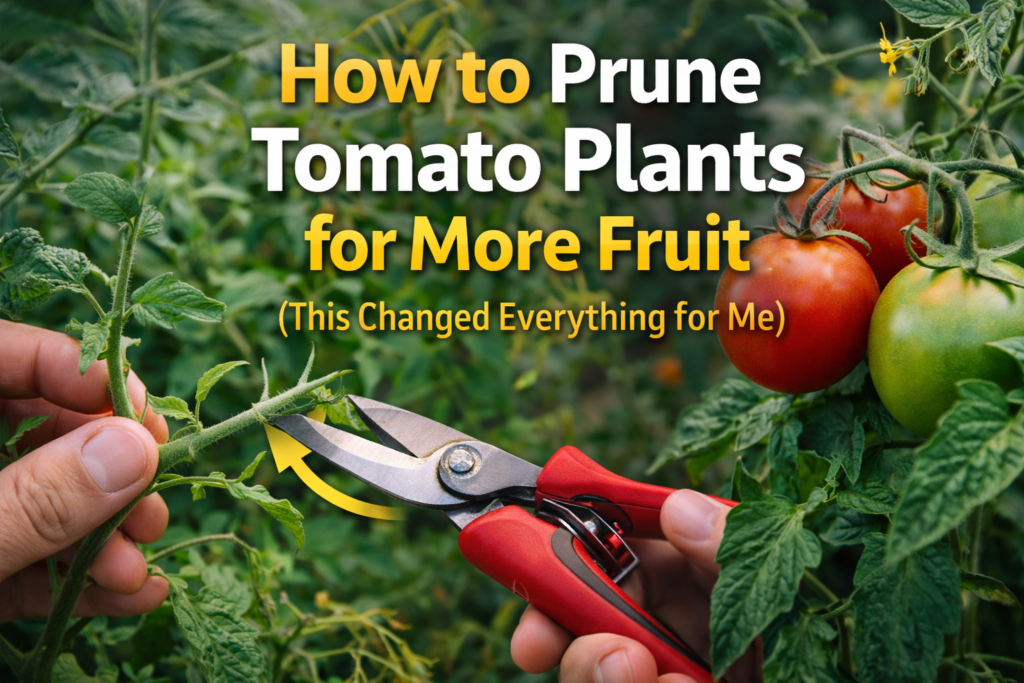
If the plant is extremely dense, I prune gradually rather than stripping it during hot weather.
How I Prevent Uneven Tomato Ripening
I cannot control every heat wave or variety trait, but I can reduce avoidable stress.
I Preserve Healthy Foliage
Leaves protect fruit from intense sunlight and produce energy for development.
I Water Consistently
Steady soil moisture supports healthy roots and nutrient uptake.
I Mulch the Soil
Mulch reduces evaporation and helps moderate soil temperature. For practical guidance on choosing and using mulch, see mulching for steadier soil conditions.
I Test Before Fertilizing
I avoid creating nutrient imbalances by guessing.
I Prevent Soil Compaction
I do not walk or cultivate deeply around established plants.
I Manage Insects Early
I inspect for stink bugs, leaf-footed bugs, and whiteflies before fruit damage becomes severe.
I Support Heavy Vines
A sturdy cage or trellis keeps fruit shaded within the canopy.
I Harvest Mature Fruit During Heat
Once color begins changing, I allow tomatoes to finish indoors during extreme weather.
I Select Heat-Tolerant Varieties
When hot summers repeatedly cause ripening trouble, I choose varieties known to perform better in those conditions.
My Quick Uneven Ripening Check
When a tomato develops strange color, I work through these questions:
- Has the weather been extremely hot?
- Is the pale area one broad shoulder or several small spots?
- Does the fruit have tiny insect punctures?
- Is the discolored tissue hard beneath the skin?
- Does the variety normally have green shoulders?
- Are leaves yellowing, spotted, curled, or distorted?
- Is the plant excessively dark green from nitrogen?
- Has the soil been extremely dry or waterlogged?
- Is the root zone compacted?
- Have nearby plants received herbicide treatments?
- Are whiteflies present beneath the leaves?
- Does the fruit improve after being moved indoors?
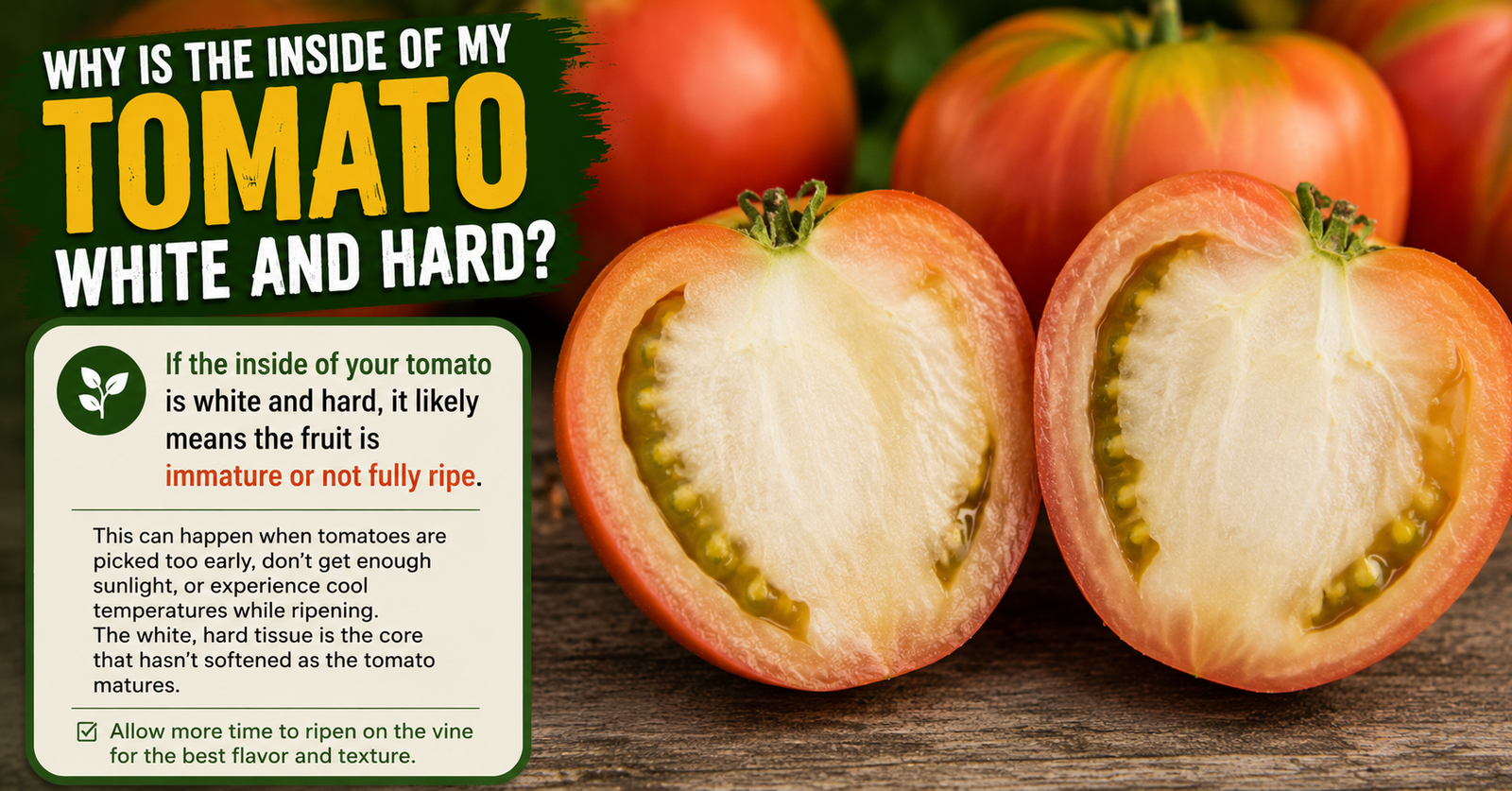
A broad hard shoulder during hot weather suggests a ripening disorder. Several cloudy spots with firm white flesh point more strongly toward piercing insects.
Frequently Asked Questions
Why is my tomato red on the bottom but green on top?
The tomato may have green shoulder disorder, a genetic green-shoulder trait, or simply need more ripening time. Heat can make the difference more severe.
Why are my tomatoes staying orange?
Extended high temperatures can slow red-pigment development. Mature tomatoes may color better after being harvested and moved into moderate indoor temperatures.
What causes yellow shoulders on tomatoes?
Heat, potassium availability, root stress, compacted soil, moisture problems, and nutrient imbalance can all contribute.
Do tomatoes need sun to turn red?
The plant needs sunlight, but fruit does not need direct sunlight on its skin. Strong direct exposure can overheat tomatoes and cause sunscald.
Will green shoulders eventually turn red?
Mild green shoulders may continue ripening. Severe hard shoulders can remain green or yellow after the rest of the fruit becomes ripe.
Are tomatoes with green shoulders safe to eat?
Yes, when the tomato is fresh and free from decay. The green shoulder may be hard or bitter, so I usually remove it.
Can too much fertilizer stop tomatoes from ripening?
Excess nitrogen can delay balanced fruit development and promote excessive leaf growth. Overfertilization can also damage roots and disrupt nutrient uptake.
Does potassium make tomatoes turn red?
Potassium supports fruit development and quality, but applying it blindly will not fix heat or root problems. Too much can create a different nutrient imbalance.
Why are there white hard areas under my tomato skin?
Stink bugs, leaf-footed bugs, heat, yellow shoulder disorder, and other ripening problems can produce pale firm tissue.
Can unevenly ripened tomatoes finish indoors?
Mature tomatoes that have begun changing color can continue ripening indoors. Severely damaged or underdeveloped tissue may remain pale or firm.
Should I cut leaves away from green tomatoes?
No. Healthy leaves protect fruit and produce energy. Removing them can overheat tomatoes and increase sunscald.
Are blotchy tomatoes diseased?
Not necessarily. Heat, nutrition, root stress, insects, and genetics are common causes. Disease becomes more likely when the plant also has damaged leaves, distorted growth, spots, or decline.
Written by Daniel Harper, an experienced home gardener who shares straightforward advice for growing healthier plants and making sense of unusual fruit through Tomato Growing Tips.