
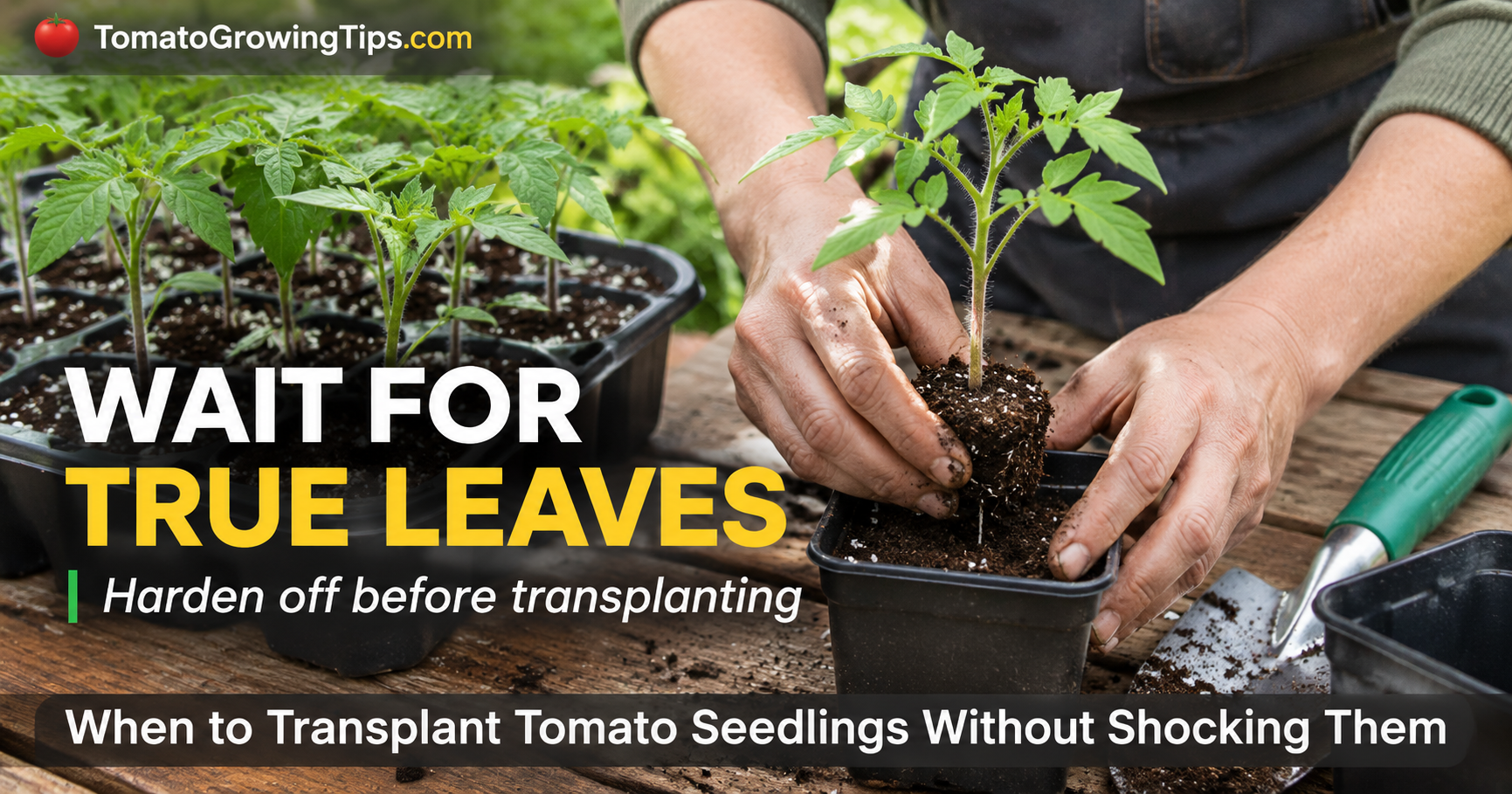
Tomato seedlings are transplanted twice in many home-growing setups.
The first transplant moves young seedlings from small starting cells into larger indoor pots. The second moves hardened plants from those pots into the outdoor garden.
Knowing which transplant a seedling is ready for matters. A tiny plant moved too early can be difficult to handle, while one left in a cramped cell too long may become root-bound, thirsty and stunted.
Outdoor timing is even less forgiving. A healthy tomato seedling can stop growing, develop sunscald or die when it is planted outside before the soil and weather are warm enough.
I look at the plant, its roots, the soil temperature and the forecast instead of relying on its age alone.
The Quick Answer
I move tomato seedlings into larger indoor pots after they develop their first one or two sets of true leaves and their roots begin filling the original cells.
I transplant them into the garden after they have been hardened off, frost danger has passed, the soil has warmed to about 60°F and nighttime temperatures are staying near or above 50°F.
The seedling should be short, sturdy and healthy rather than tall and weak. Several sets of true leaves and a stem approaching pencil thickness are good signs, but weather conditions remain more important than reaching a particular height.

Tomato Seedlings Have Two Different Transplanting Stages
The phrase “transplant tomato seedlings” can refer to two completely different jobs.
Potting Up Indoors
Potting up means moving a seedling from its starting cell into a larger container while it is still being grown indoors.
This provides more room for roots, steadier moisture and additional potting mix to support continued growth.
Planting Outside
Outdoor transplanting means permanently moving the tomato into a garden bed, raised bed or final container.
This step requires warm weather, warm soil and a gradual hardening-off period.
A seedling can be ready for a larger indoor pot weeks before it is safe to plant outside.
When to Move Tomato Seedlings Into Bigger Pots
I normally pot up tomato seedlings after their first true leaves appear and the roots begin holding the seed-starting mix together.
The first smooth leaves are cotyledons, also called seed leaves. The leaves that emerge afterward have the more familiar shape and texture of tomato foliage. Those are the true leaves.
I do not transplant solely because one true leaf has appeared. I also look at the roots, moisture use and size of the original cell.
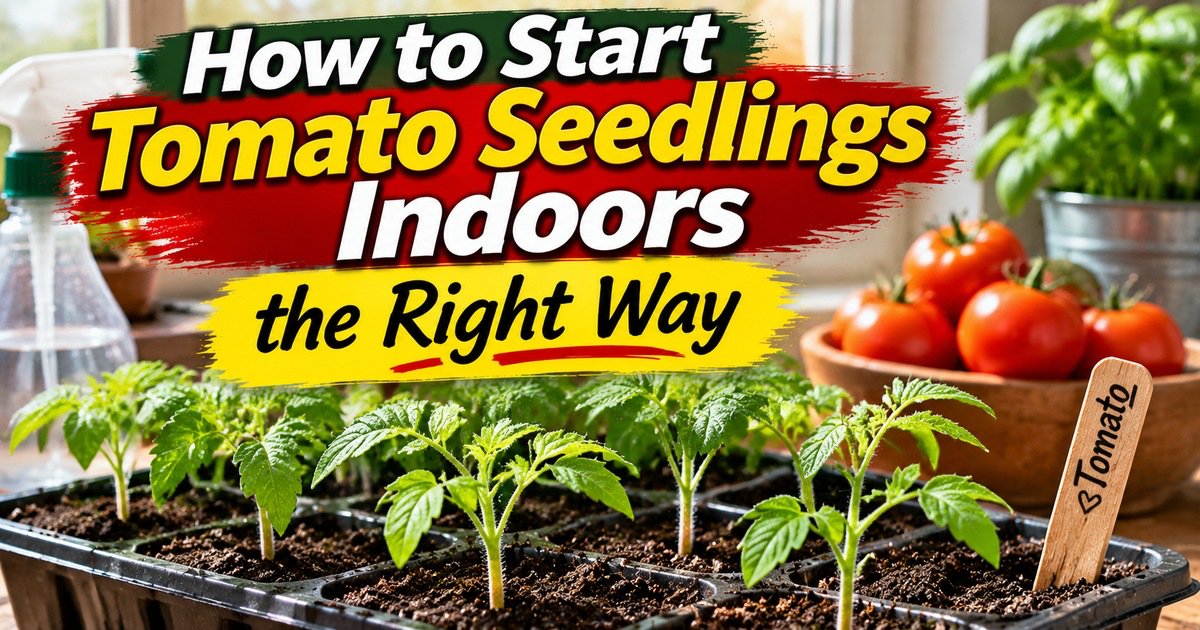
The complete process begins in my guide to starting tomato seedlings indoors the way we do it, including planting depth, germination temperature, grow lights and early watering.
Signs a Seedling Needs a Larger Pot
It Has One or Two Sets of True Leaves
True leaves indicate that the seedling has moved beyond its earliest stage.
A plant with only cotyledons is delicate and usually does not need to be disturbed unless several seedlings are severely crowded together.
Roots Are Reaching the Drainage Holes
A few roots showing through the bottom indicate that the plant is exploring all the available space.
I do not wait until a thick mat of roots is packed beneath the container.
The Root Ball Holds Together
When I carefully remove the seedling, the potting mix should remain loosely held around its roots.
If all the mix immediately falls away, the roots may not have developed enough to make transplanting easy.
The Cell Dries Very Quickly
A seedling that once needed water every few days may begin drying daily as its foliage and root system expand.
Rapid drying is a sign that the small cell may no longer provide enough soil volume.
Growth Has Slowed
A healthy seedling may stop making noticeable progress when its roots run out of room.
I check light, temperature, moisture and nutrients too, since restricted roots are not the only reason growth can slow.
The Seedling Is Becoming Top-Heavy
A seedling that repeatedly tips its cell or leans despite strong overhead light may need a deeper, wider container.
How Big Should Tomato Seedlings Be Before Potting Up?
There is no required height.
Many seedlings are ready when they are approximately two to four inches tall, but height depends heavily on light and growing conditions.
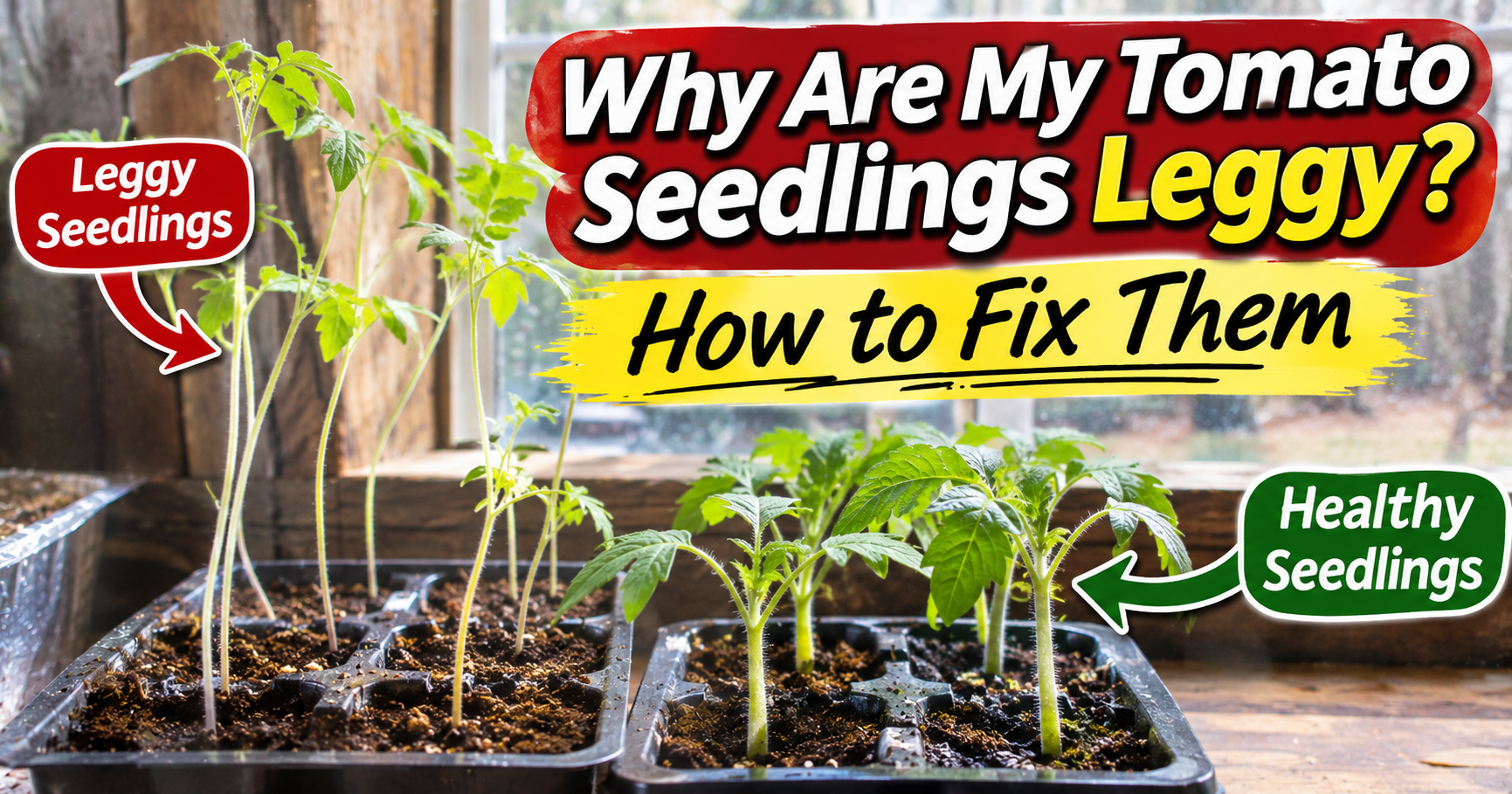
A short plant with true leaves and a developing root ball can be ready before a taller seedling. A tall, thin plant may simply be stretching because its light is insufficient.
I care more about leaf development, stem strength and roots than a number on a ruler.
What Size Pot Should I Use?
I commonly move a young tomato seedling into a three-to-four-inch pot or a cup of similar size.
The container must have drainage holes.
I do not move a tiny seedling directly into an enormous indoor pot unless there is a specific reason. A large mass of wet potting mix surrounding a small root system can remain damp too long.
If outdoor planting is delayed, the seedling may eventually need another move into a larger pot.
The goal is to provide enough space for continued growth without surrounding the plant with more wet mix than it can use.

What Soil Should I Use When Potting Up?

I use a quality potting mix rather than heavy garden soil. For a ready-made option suited to this step, see this tomato potting mix.
Seed-starting mix works well for germination, but a growing seedling eventually benefits from a mix designed to support plants for longer periods.
The potting mix should:
- Drain excess water
- Hold enough moisture for developing roots
- Remain loose enough for air movement
- Avoid becoming hard and compacted
- Be free from insects, weeds and obvious disease contamination
I lightly moisten dry potting mix before transplanting. This helps prevent the new container from pulling moisture away from the original root ball.
How to Move Tomato Seedlings Into Bigger Pots
Prepare the New Container
I fill the pot partway with damp potting mix and create enough space for the seedling’s root ball.
Water the Seedling Before Moving It
Slightly moist mix usually holds together better than bone-dry soil.
I avoid soaking the tray until it becomes muddy.
Remove the Seedling Carefully
I support the root ball and gently press or flex the starting cell.
I do not pull the seedling out by its stem. A damaged leaf may be replaced, but serious stem damage can end the plant.
If I must handle the plant itself, I hold a leaf carefully rather than pinching the main stem.
Inspect the Roots
Healthy young roots are usually light-colored and firm.
Dark, soft or foul-smelling roots suggest that the mix has remained too wet or another root problem has developed.
Set the Seedling Deeper
Tomatoes can develop roots along buried portions of their stems.
If a seedling is slightly stretched, I place it deeper in the new pot and leave the healthy leaves above the mix.
I remove any leaf that would otherwise be buried.
Fill Around the Root Ball
I add potting mix and gently firm it enough to support the plant.
I do not pack the soil into a solid block.
Water the New Pot
I water thoroughly enough to settle the mix around the roots and allow extra water to drain.
The pot should not remain in a tray full of water.
Return It to Good Light
The seedling goes back under strong overhead light after transplanting.
I may slightly reduce light intensity for the first several hours if the plant was heavily disturbed, but it should not be left in a dark area for days.

Can I Separate Tomato Seedlings Growing Together?
Yes, young tomato seedlings can often be separated successfully.
The easiest time is after true leaves appear but before the roots become tightly tangled.
I moisten the mix, remove the group carefully and tease the roots apart with as little pulling as possible. Each seedling goes into its own container.
Some root damage is possible. If I have plenty of seedlings, cutting off the weaker plant at soil level is safer than risking the strongest one.
When the seeds are rare or important, careful separation may be worth the effort.
Should I Fertilize After Potting Up?
I do not apply strong fertilizer immediately to a freshly disturbed seedling.
If the new potting mix contains nutrients, I may not need to feed the plant right away.
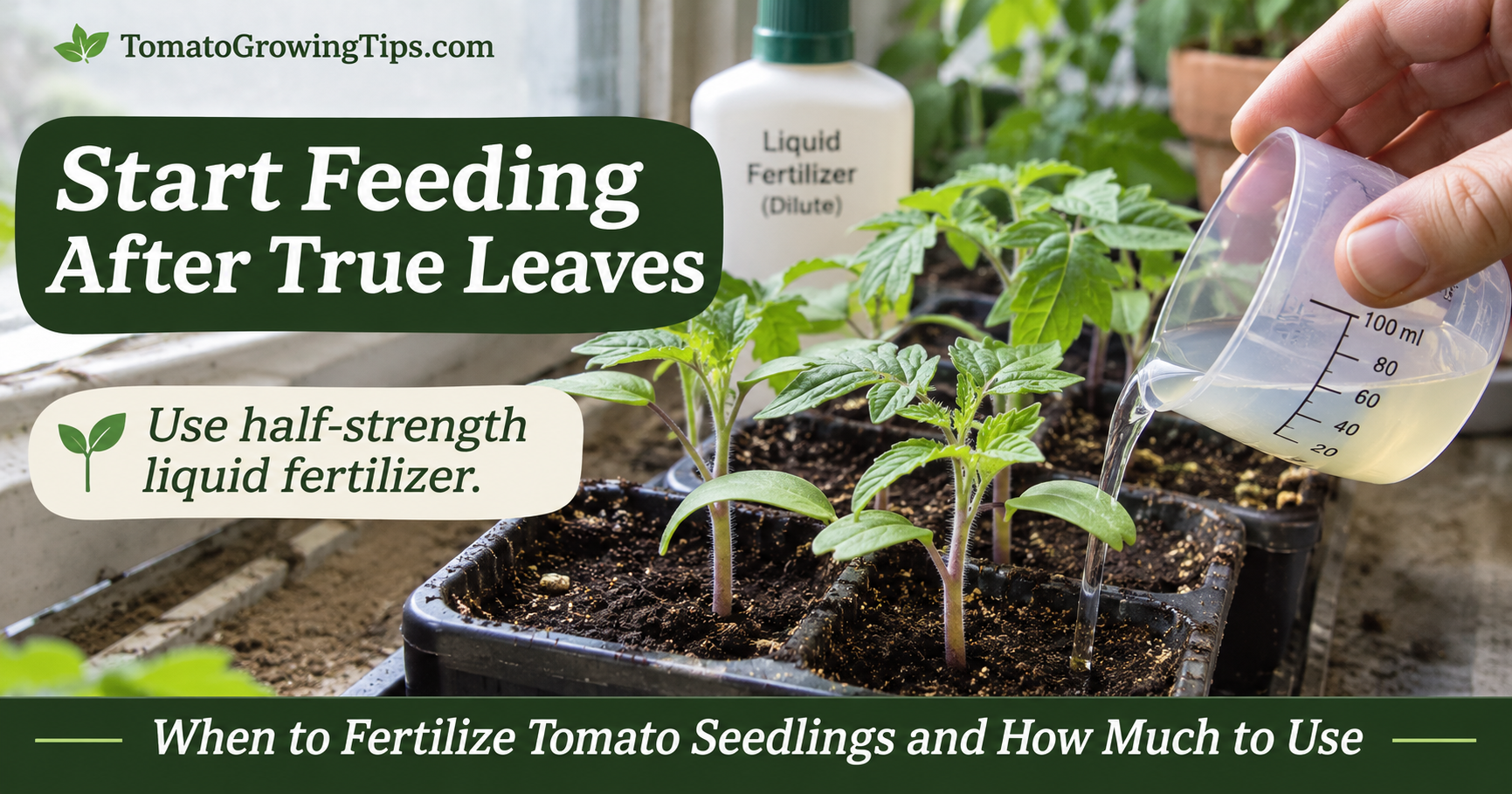
When using a mix with little or no fertilizer, I wait until the seedling settles and resumes growth. I then begin with a diluted fertilizer appropriate for young plants. For guidance on timing, concentration, and avoiding root damage, see this diluted fertilizer for young plants.
More fertilizer does not make a seedling ready for the garden faster. Excessive nitrogen can create lush, weak growth that is more difficult to harden off.
How Long Should Tomato Seedlings Stay Indoors?
Tomato seedlings are commonly grown indoors for approximately six to eight weeks before outdoor transplanting.
This is not a strict deadline.
A plant grown under excellent light may remain manageable longer than one growing in weak window light. A seedling started too early may require multiple pot changes before spring conditions become safe.
This is why I count backward from my realistic garden planting date rather than starting seeds on the first warm-looking day in February.
When to Transplant Tomato Seedlings Outside
I wait until four conditions are met:
- The danger of frost has passed.
- The soil has warmed.
- Nighttime temperatures are suitable.
- The seedlings have been hardened off.
A calendar date alone does not guarantee any of these conditions.
Warm afternoons can create the illusion that tomato season has arrived while nighttime temperatures and garden soil remain too cold.
Wait Until Frost Danger Has Passed
Tomatoes are warm-season plants and do not tolerate frost.
The average last frost date is useful for planning, but it is not a promise. A late cold front can still arrive after the average date.
I check the local forecast before planting, especially the expected nighttime lows.
My tomato planting schedule for different growing zones explains why growing zones and frost dates provide different information.
What Soil Temperature Do Tomato Seedlings Need?
I prefer the soil to be around 60°F before setting tomato plants into the garden.
Cold soil slows root activity and can leave a transplant sitting nearly unchanged. Planting a week or two later into warmer soil can sometimes result in faster establishment than rushing a plant into cold ground.
I check the temperature several inches below the surface in the morning.
A warm afternoon reading taken at the soil surface may look encouraging while the root zone remains cold.
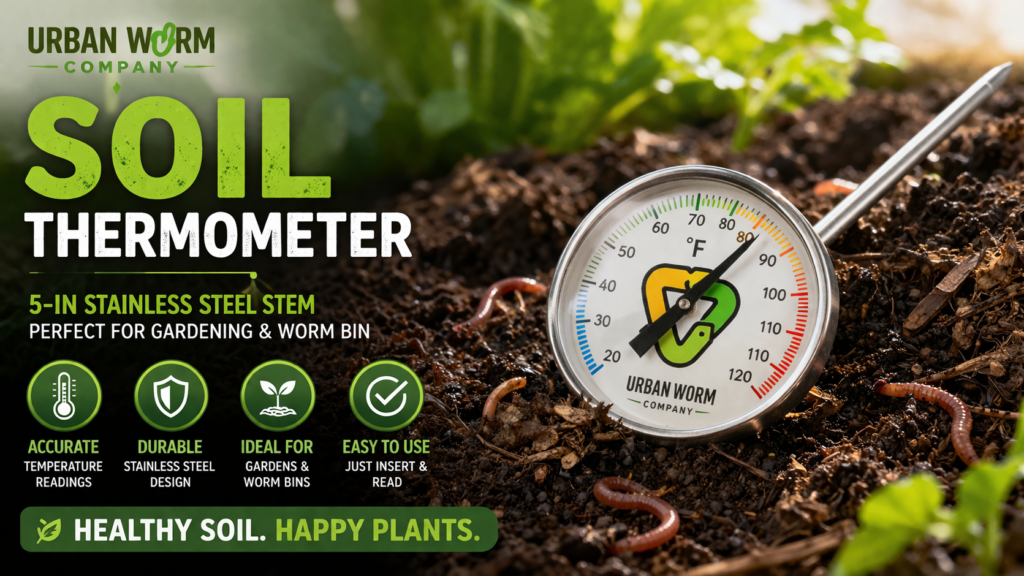
My experience with using a soil thermometer before planting tomatoes explains how I avoid judging soil readiness by air temperature alone.
What Nighttime Temperature Is Safe?
I prefer nighttime temperatures to remain around 50°F or warmer after transplanting.
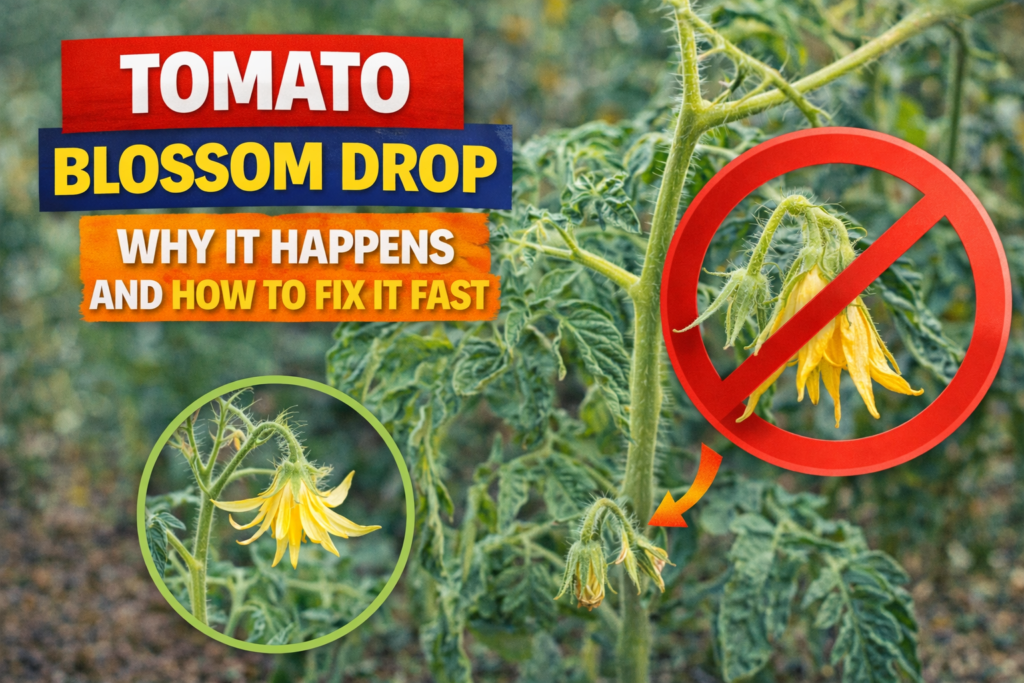
An occasional night slightly below 50°F may not kill a protected tomato plant, but repeated cold nights can slow growth and stress the plant. If those cold conditions occur while plants are flowering, repeated cold nights covers how temperature stress can prevent fruit from setting.
Conditions closer to 55°F and above are more comfortable for active tomato growth.
I become especially cautious when the forecast includes:
- Frost
- Temperatures near 40°F
- Several cold nights in a row
- Cold rain
- Strong wind
- Large swings between daytime and nighttime temperatures
Covering a plant can help during a short cold event, but protection does not turn cold soil into warm soil.
How Big Should Tomato Seedlings Be Before Planting Outside?
A healthy transplant is often six to twelve inches tall, but I do not use height as the deciding factor.
I want a plant with:
- Several sets of true leaves
- A sturdy stem
- Healthy green foliage
- Roots that hold the potting mix together
- No active pest or disease problem
- No severe nutrient deficiency
- A completed hardening-off period
A short, thick plant is generally preferable to a tall, floppy one.
Penn State describes a desirable tomato transplant as short and stocky with a stem approaching pencil thickness. That is a useful visual target, but smaller healthy plants can also establish successfully.
Do Tomato Seedlings Need to Be Hardened Off?
Yes. Indoor-grown seedlings should be gradually introduced to outdoor conditions before permanent planting.
Indoor plants have not experienced full-strength sunlight, wind, changing temperatures or rapidly drying air.
Taking them directly from a grow light to an open garden can cause:
- White or bleached leaves
- Brown leaf patches
- Wilting
- Broken stems
- Dropped leaves
- Stalled growth
- Severe transplant shock
Hardening off usually takes about seven to fourteen days.
My Simple Hardening-Off Schedule
The exact schedule changes with the weather. I never leave tender seedlings outside simply because a chart says it is day five.
Day One
I place the seedlings outside in a sheltered, shaded location for about one or two hours.
They are protected from strong wind.
Day Two
I extend the time slightly and allow gentle early morning light.
Days Three and Four
The plants stay out longer and receive a little more direct sun.
I continue protecting them from harsh afternoon sunlight.
Days Five Through Seven
I gradually expose them to longer periods of sunlight and mild wind.
I continue watching soil moisture because small pots can dry quickly outdoors.
The Second Week
When conditions allow, the seedlings spend most of the day outside.
They may remain outside overnight near the end of the process when temperatures are safely warm.
If a cold, windy or stormy day arrives, I pause or move backward in the schedule. Hardening off is an adjustment process, not a test the plants must pass on a fixed date.
Can Seedlings Be Hardened Off Too Quickly?
Yes.
Sunscald can appear within hours when tender indoor foliage is suddenly exposed to strong sun.
Leaves may turn pale, white, tan or papery. The plant may survive, but damaged foliage does not return to normal.
Wind can also dry leaves and potting mix faster than expected. Tall seedlings may bend or snap.
I start with shade even when the day feels mild.
Should I Reduce Water During Hardening Off?
I allow the potting mix to begin drying slightly between waterings, but I do not deliberately wilt the seedlings.
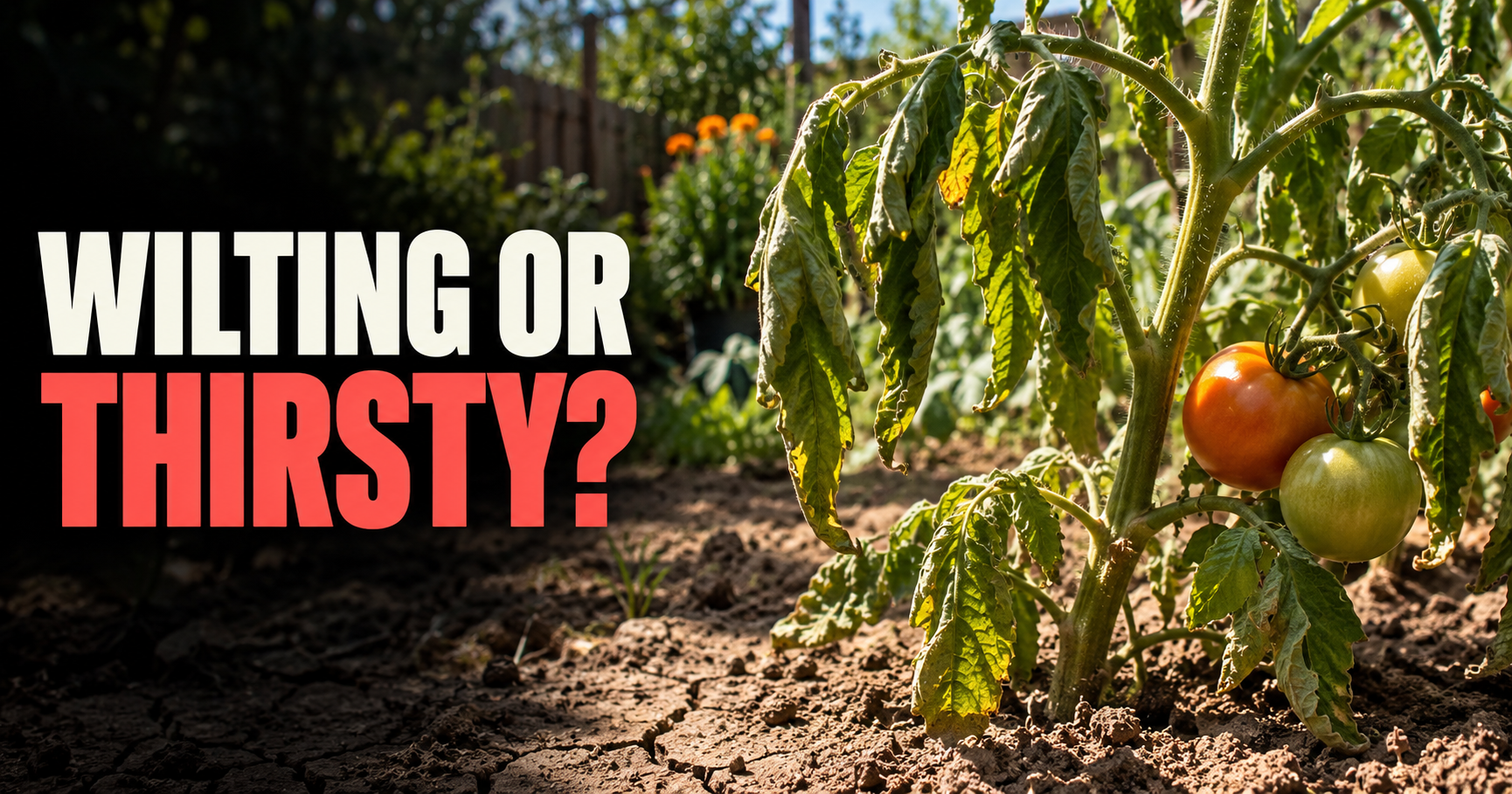
Slightly less frequent watering can help reduce overly soft growth. Severe drought only adds another source of stress. Those stress signs can be easier to interpret alongside signs of an underwatered tomato, especially when a young plant begins drying quickly.
I inspect the pots daily because moving air and sunlight can make them dry much faster than they did indoors.
Should I Fertilize During Hardening Off?
I avoid heavy fertilizing immediately before or during hardening off.
A flush of tender new growth is not what I want while the plant is adjusting to sun, wind and temperature changes.
If the plant has a genuine nutrient problem, I address it carefully. Otherwise, I wait until it becomes established after transplanting before returning to a regular feeding plan.
What Is the Best Day to Transplant Tomatoes?
A calm, cloudy day is ideal.
When that is not possible, I plant in late afternoon or early evening after the strongest sunlight has passed.
This gives the roots several cooler hours to begin adjusting before the plant faces intense sun.
I avoid transplanting immediately before:
- A frost threat
- A severe storm
- Several days of cold rain
- Extreme heat
- Strong wind
- An unusually hot, cloudless afternoon
Waiting for better conditions can save a week of trying to revive stressed plants.
Prepare the Garden Before Removing the Seedlings
I prepare each planting hole, watering supplies and plant supports before taking the tomato out of its pot.
This keeps the root ball from sitting exposed while I search for tools.
The planting area should receive adequate sunlight and drain reasonably well.
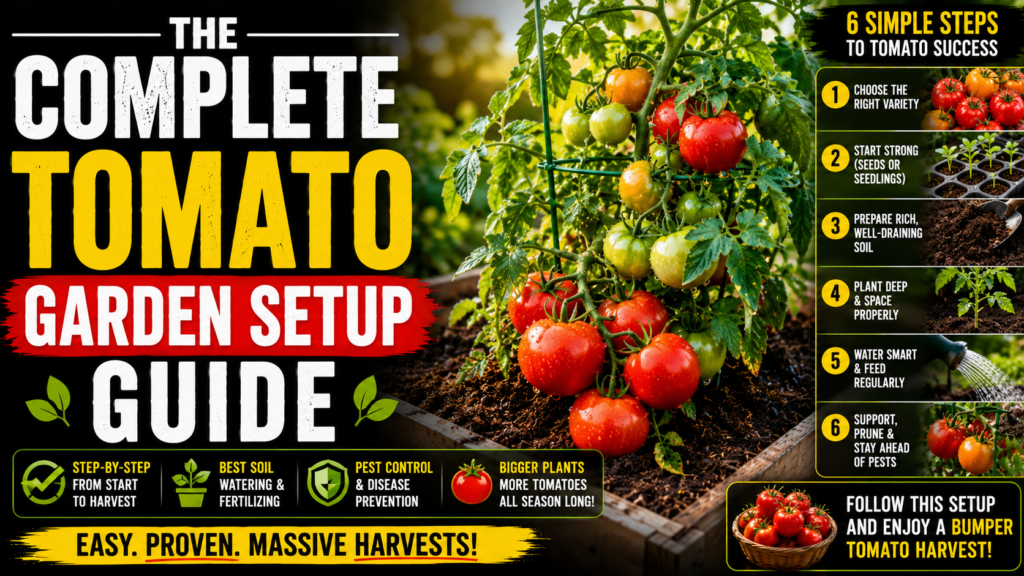
My complete tomato garden setup guide covers bed location, spacing, soil preparation and support planning before planting day.
Water the Seedlings Before Transplanting
I water tomato seedlings several hours before moving them.
Slightly moist potting mix usually holds around the roots better than dry, crumbling mix. A hydrated plant also begins the process with less water stress.
I do not soak the pots until they become muddy and difficult to handle.
How Deep Should I Transplant Tomato Seedlings?
Tomatoes can be planted deeper than they grew in their containers.
The buried stem can develop additional roots, creating a larger root system.
For a compact transplant, I may bury several inches of stem.
For a tall or leggy plant, I can use a deeper hole or a shallow trench. I remove the lowest leaves and keep the remaining foliage above the soil.
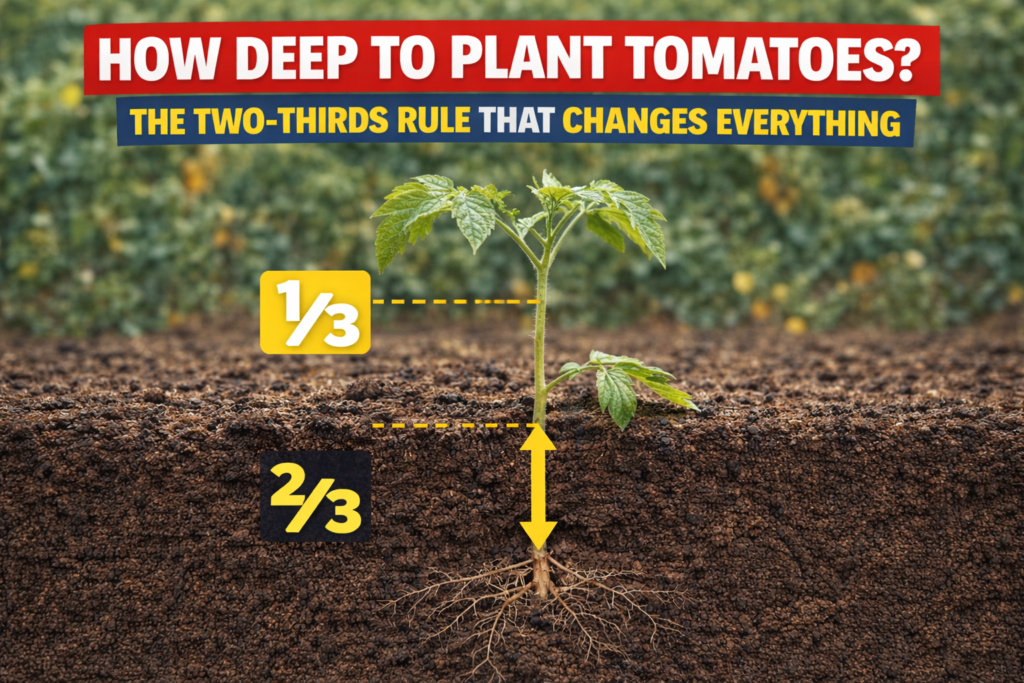
My guide to planting tomatoes deeply explains when I use a vertical hole and when a trench is easier.
How to Transplant Tomato Seedlings Into the Garden
Dig the Planting Hole
I make the hole wide enough to accept the root ball without folding or crushing it.
The depth depends on how much stem I plan to bury.
Remove Lower Leaves
I remove leaves that would sit below the soil surface.
I leave enough healthy foliage above ground to support the plant.
Remove the Plant From Its Pot
I support the root ball and gently slide it from the container.
I do not pull hard on the stem.
Inspect the Roots
If roots are lightly circling the outside, I gently loosen them.
I do not rip apart the root ball or strip all the potting mix away.
Position the Tomato
I place the plant at the desired depth.
If using a trench, I curve the stem upward gently without forcing a sharp bend. The growing tip will naturally turn upward.
Refill the Hole
I return soil around the plant and gently firm it to remove large air pockets.
I do not stomp the soil into a hard surface.
Water Thoroughly
I water the root zone immediately after planting.
This settles soil around the roots and provides moisture while the plant begins establishing.
Add the Support
I install a cage, stake or trellis at planting time when possible.
Adding support later can drive stakes through an established root system.
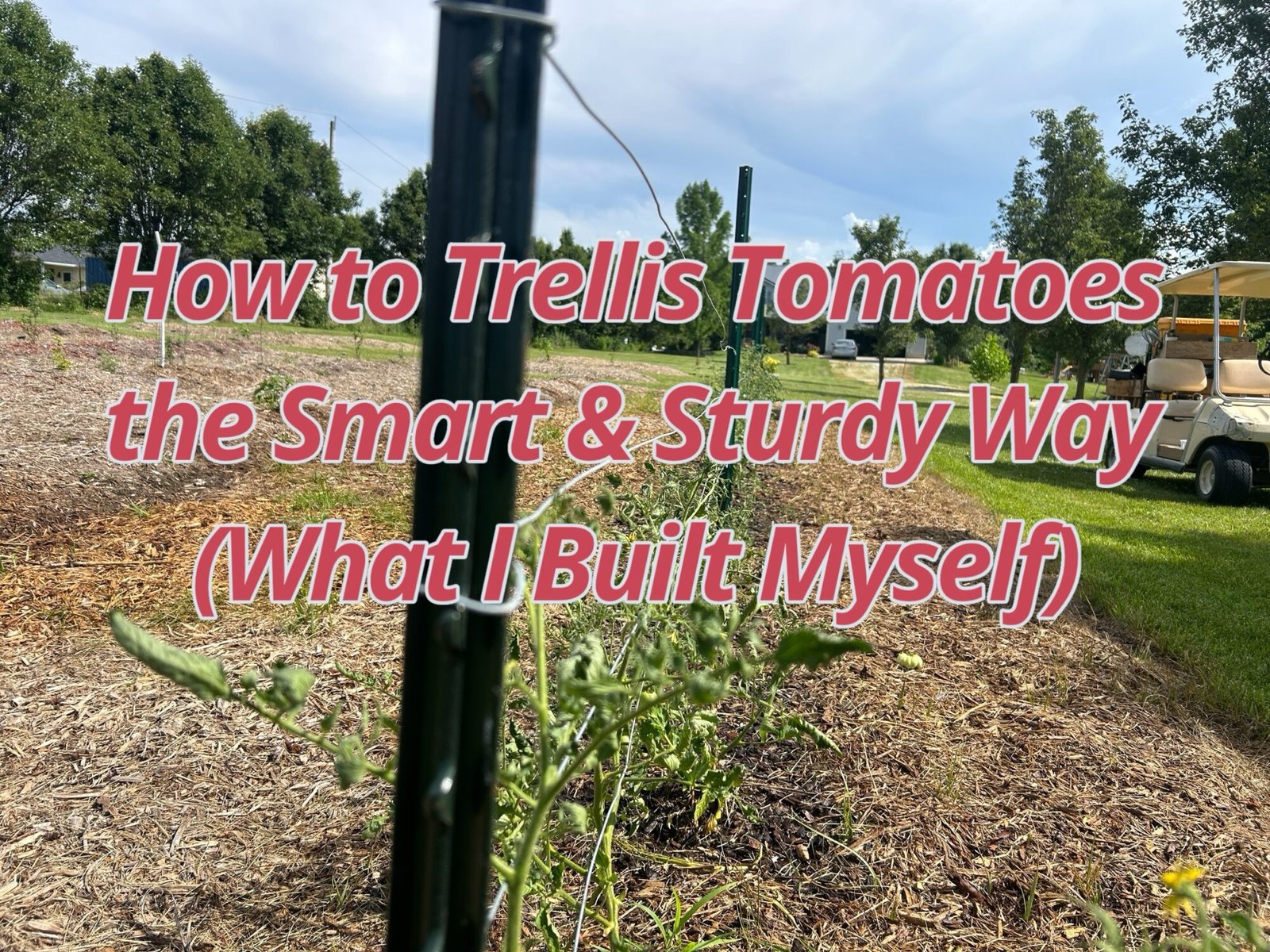
My sturdy tomato trellis setup shows how I keep large plants supported as the season progresses.
Should I Add Fertilizer to the Planting Hole?
I base fertilizer decisions on the soil and product directions rather than automatically dropping a handful into every hole.
Concentrated fertilizer touching roots can cause damage.
If I use a transplant solution or starter fertilizer, I mix and apply it according to the label. More is not better.
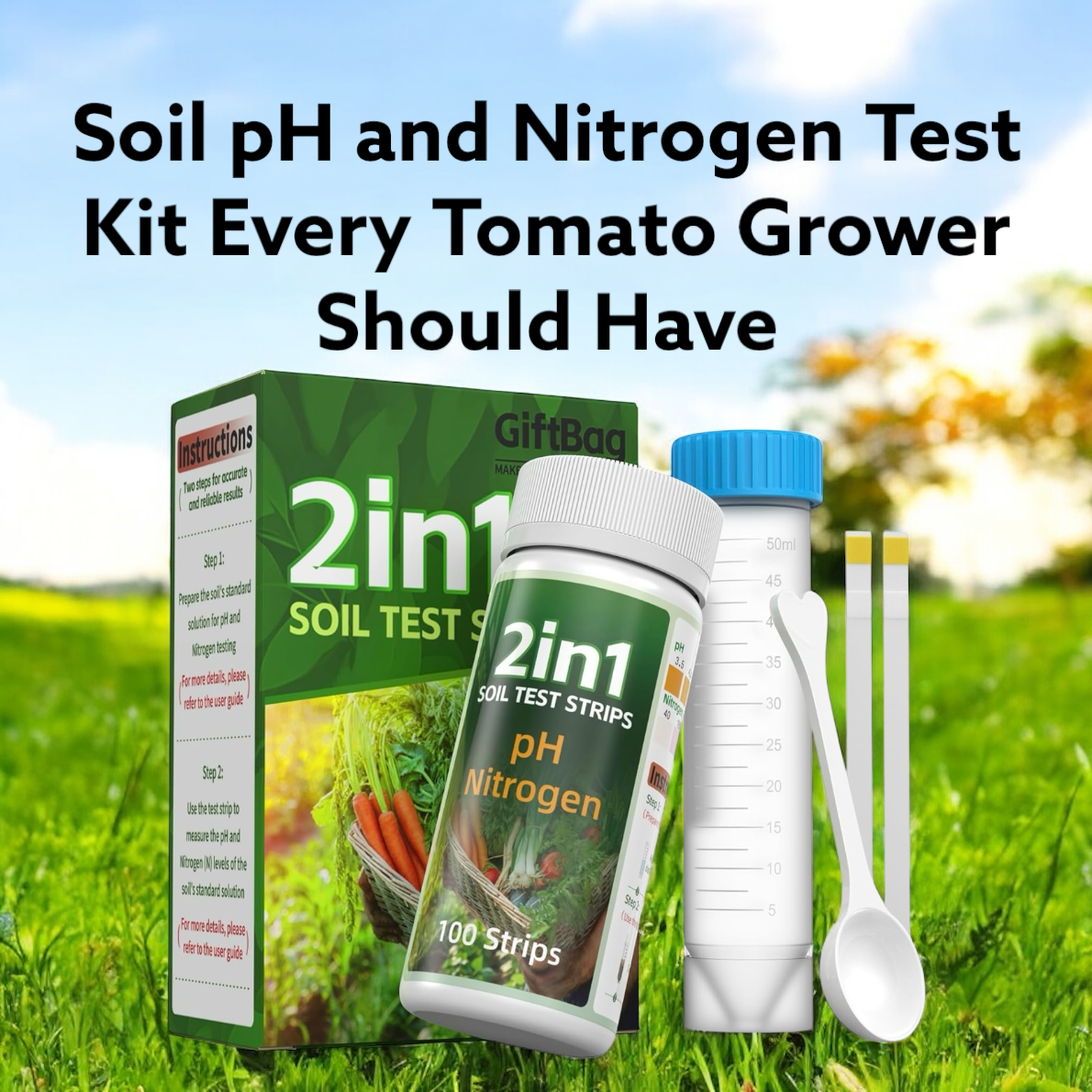
A soil test provides better guidance than guessing what the plant needs. A soil pH and nitrogen test kit can help turn that general guidance into a more informed amendment decision.
How Much Should I Water After Transplanting?
I water thoroughly immediately after planting.
For the first week, I check the root zone daily. A new transplant has not yet extended roots into the surrounding soil, so it can dry faster than an established plant.
Checking daily does not mean watering daily.
If the soil remains moist below the surface, I wait. If it is beginning to dry, I water slowly around the root ball.
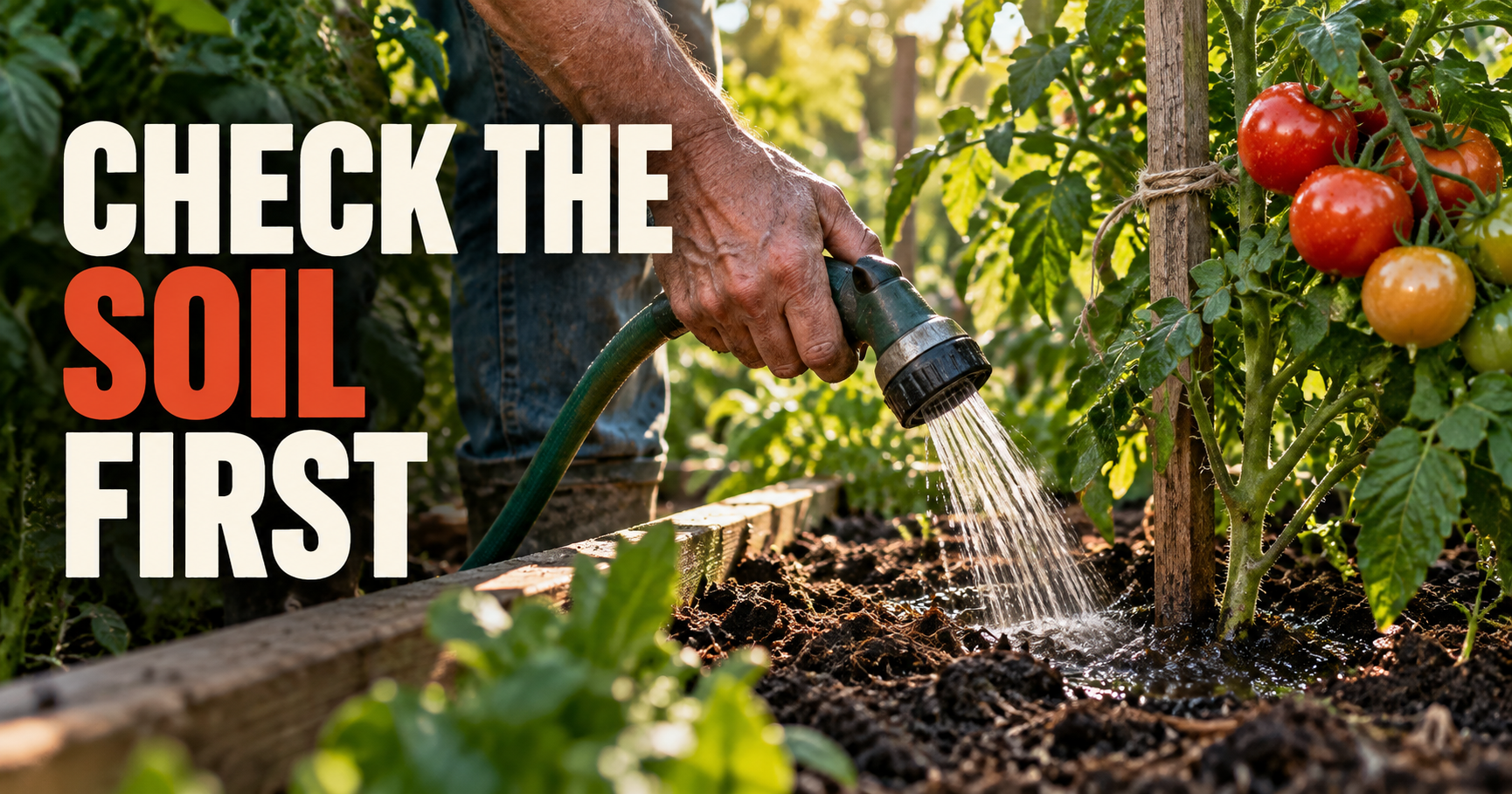
Once the plant begins establishing, I move toward deeper, less frequent watering. My tomato watering schedule for garden beds and pots explains how weather, soil and plant size change the frequency.
Should I Mulch Immediately?
A light layer of mulch can help conserve moisture and limit soil splash.
However, thick organic mulch can slow the warming of cold spring soil.
If the soil is only barely warm enough for planting, I may wait until it warms further before applying a heavy layer.
I keep mulch slightly away from the stem rather than piling it tightly around the plant.
Should I Shade Newly Transplanted Tomatoes?
A properly hardened plant should tolerate normal sunlight, but temporary shade can help when transplanting conditions become unexpectedly hot.

A piece of shade cloth or another light barrier can reduce intense afternoon exposure for the first day or two. Once the temporary protection is removed, use the guidance on 6 to 8 hours of direct sunlight every single day to help the seedling adjust to full outdoor light.
I do not leave the plant in deep shade for an extended period. Tomatoes still need strong sunlight once the immediate stress passes.
What Does Normal Transplant Shock Look Like?
A newly transplanted tomato may droop slightly during the first afternoon.
It may also pause its visible growth while roots begin establishing.
Mild symptoms should improve as the evening cools or within a day or two.
I become concerned when the plant:
- Remains severely wilted the following morning
- Develops widespread white or brown leaf damage
- Loses most of its leaves
- Has a dark or pinched stem
- Sits in saturated soil
- Continues worsening for several days
- Shows spotting, streaking or one-sided wilting
Adding water repeatedly will not correct every form of transplant shock.
How Long Until a Transplanted Tomato Starts Growing?
A healthy plant may begin showing fresh growth within one or two weeks.
Cold temperatures, root disturbance and insufficient hardening can extend the delay.
A tomato may appear to do nothing above ground while roots are becoming established below the surface.
I avoid digging around the plant to check on it. If the stem remains healthy and the leaves are stable, patience is often the best treatment.
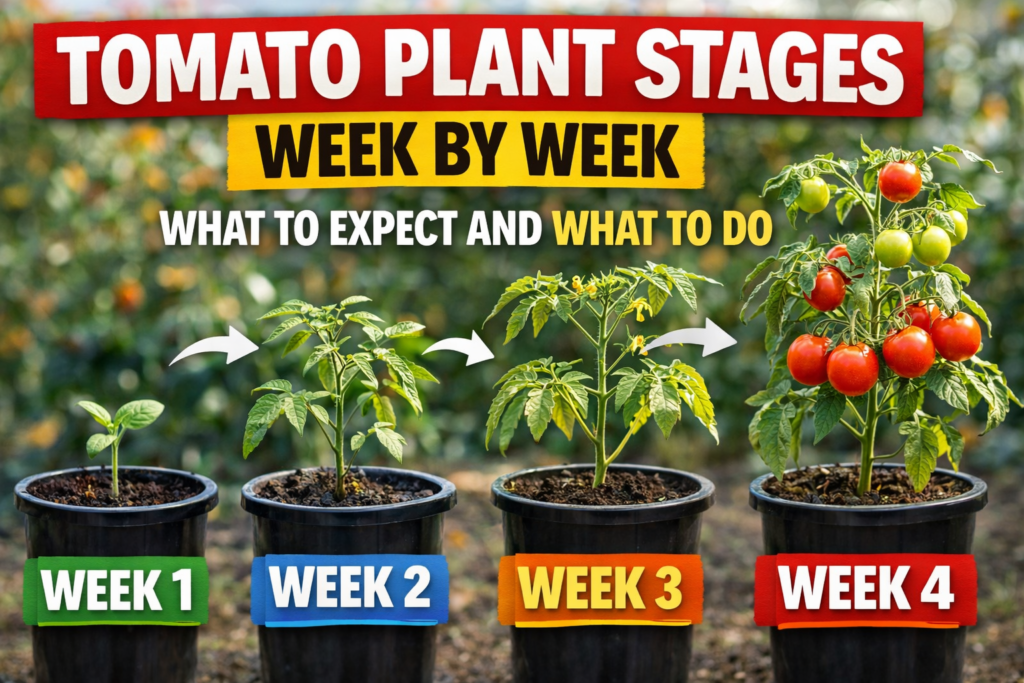
My tomato plant stages week by week provides a practical look at what comes after transplanting.
What If Cold Weather Arrives After Planting?
I protect young plants when an unexpected cold night is forecast.
Depending on the temperature, I may use frost cloth, row cover, a cloche or another breathable protective cover.
The cover should extend to the ground so it can trap warmth rising from the soil.
I avoid placing plastic directly against the leaves during freezing conditions. Foliage touching cold plastic may still be damaged.
I remove or vent covers when temperatures rise so plants do not overheat.
When severe cold or frost is expected, container-grown tomatoes are moved into a protected area if possible.
Can I Transplant Tomato Seedlings Before the Last Frost?
It is possible with substantial protection, but it carries more risk.
A tunnel, greenhouse, cold frame or properly managed row cover can create a warmer environment. Even then, cold soil may slow growth.
For an ordinary uncovered garden, I wait.
Getting a tomato into the ground early means little if it spends the next two weeks cold, purple and motionless.
Can Tomato Seedlings Be Too Old to Transplant?
Older seedlings can still be planted, but they may require more care.
A plant that has outgrown its pot may be root-bound, top-heavy or already producing flowers.
I loosen circling roots gently, bury an appropriate amount of stem and provide support.
If several plants are available, I choose the shortest, sturdiest and healthiest ones rather than automatically selecting the tallest.
Should I Remove Flowers Before Transplanting?
A small transplant carrying early flowers is putting energy into reproduction before it has established a strong garden root system.
I often remove flowers from a young, undersized or stressed transplant so it can focus on roots and vegetative growth.
A large, sturdy plant transplanted with minimal root disturbance may keep its flowers successfully.
This decision deserves its own future article because plant size, variety and growing method affect whether removing early blossoms is worthwhile.
Common Transplanting Mistakes
Moving Seedlings Before True Leaves Develop
Very young seedlings are delicate and may not have enough roots to hold their mix together.
Waiting Until Roots Are Severely Bound
A dense root mass dries quickly and may be slow to expand into new soil.
Pulling a Seedling by Its Stem
The stem is the plant’s main lifeline. Serious damage is difficult to repair.
Moving Into a Pot Without Drainage
Even a perfect watering schedule cannot compensate for trapped water.
Planting Outside According to the Calendar Alone
The average frost date does not measure current soil temperature or next week’s forecast.
Skipping Hardening Off
Unprepared leaves can burn within hours under outdoor sunlight.
Transplanting Into Cold Soil
Roots become slow and the plant may stop growing.
Planting Before a Windstorm
Young stems and newly disturbed roots are vulnerable to strong wind.
Forgetting to Water the Root Ball
Dry potting mix can pull moisture away from newly disturbed roots.
Watering Constantly After Planting
Saturated soil reduces oxygen around roots and can create another kind of stress.
Installing Support Too Late
Driving a stake beside a mature plant can damage established roots.
Adding Too Much Fertilizer
Concentrated fertilizer can burn roots rather than helping them establish.
My Transplant Readiness Check
Before moving a tomato into a larger pot, I check for true leaves, roots reaching the edge of the cell and a root ball that holds together.
Before moving it outside, I use a longer check.
Has Frost Danger Passed?
I examine the current forecast instead of trusting the average date alone.
Is the Soil Warm?
I want soil near 60°F at root depth.
Are Nights Warm Enough?
I prefer nights around 50°F or warmer, with no sharp cold spell approaching.
Is the Plant Sturdy?
The stem should support the plant without collapsing.
Does It Have Several True Leaves?
A healthy transplant needs enough foliage to begin strong growth after planting.
Has It Been Hardened Off?
The plant should already be accustomed to outdoor sun, wind and temperature changes.
Is the Weather Calm?
A cloudy, mild day or late afternoon provides easier planting conditions.
Is the Planting Area Ready?
The hole, support and watering supplies should be prepared before the root ball comes out of its pot.
When should I transplant tomato seedlings into bigger pots?
Move them after one or two sets of true leaves develop and the roots begin filling the starting cells. Rapid drying, slowing growth and roots at the drainage holes are additional signs.
How tall should seedlings be before repotting?
Height is not the best measure. Many are ready around two to four inches tall, but true leaves and root development matter more.
How tall should tomato seedlings be before planting outside?
Healthy transplants are often six to twelve inches tall. A shorter plant with a thick stem is generally better than a tall, weak one.
What temperature is safe for transplanting tomatoes?
Wait until frost danger has passed, soil is around 60°F and nighttime temperatures are generally near or above 50°F.
Can tomato seedlings survive 40°F weather?
They may survive brief exposure, but temperatures near 40°F can stress and slow them. Frost can kill them.
How many true leaves should a tomato seedling have before transplanting?
One or two sets of true leaves are generally enough for potting up. Outdoor transplants should have several sets and a sturdier root system.
Should I water tomato seedlings before transplanting?
Yes. Slightly moist potting mix holds together better, and a hydrated plant handles the transition more easily.
Should I water immediately after transplanting?
Yes. Watering settles soil around the roots and removes large air pockets.
Can I bury tomato seedlings deeply?
Yes. Tomato stems can produce roots along buried sections. Remove leaves that would be below the soil.
How long should I harden off tomato seedlings?
Allow approximately seven to fourteen days, gradually increasing exposure to sunlight, wind and outdoor temperatures.
Can I harden off tomato seedlings in three days?
Three days is usually too fast for indoor-grown seedlings. A gradual week or two provides safer adjustment.
Can I transplant tomatoes on a sunny day?
You can, but late afternoon is safer than midday. A cloudy, calm day is better because it reduces immediate water and sun stress.
Why did my tomato seedlings wilt after transplanting?
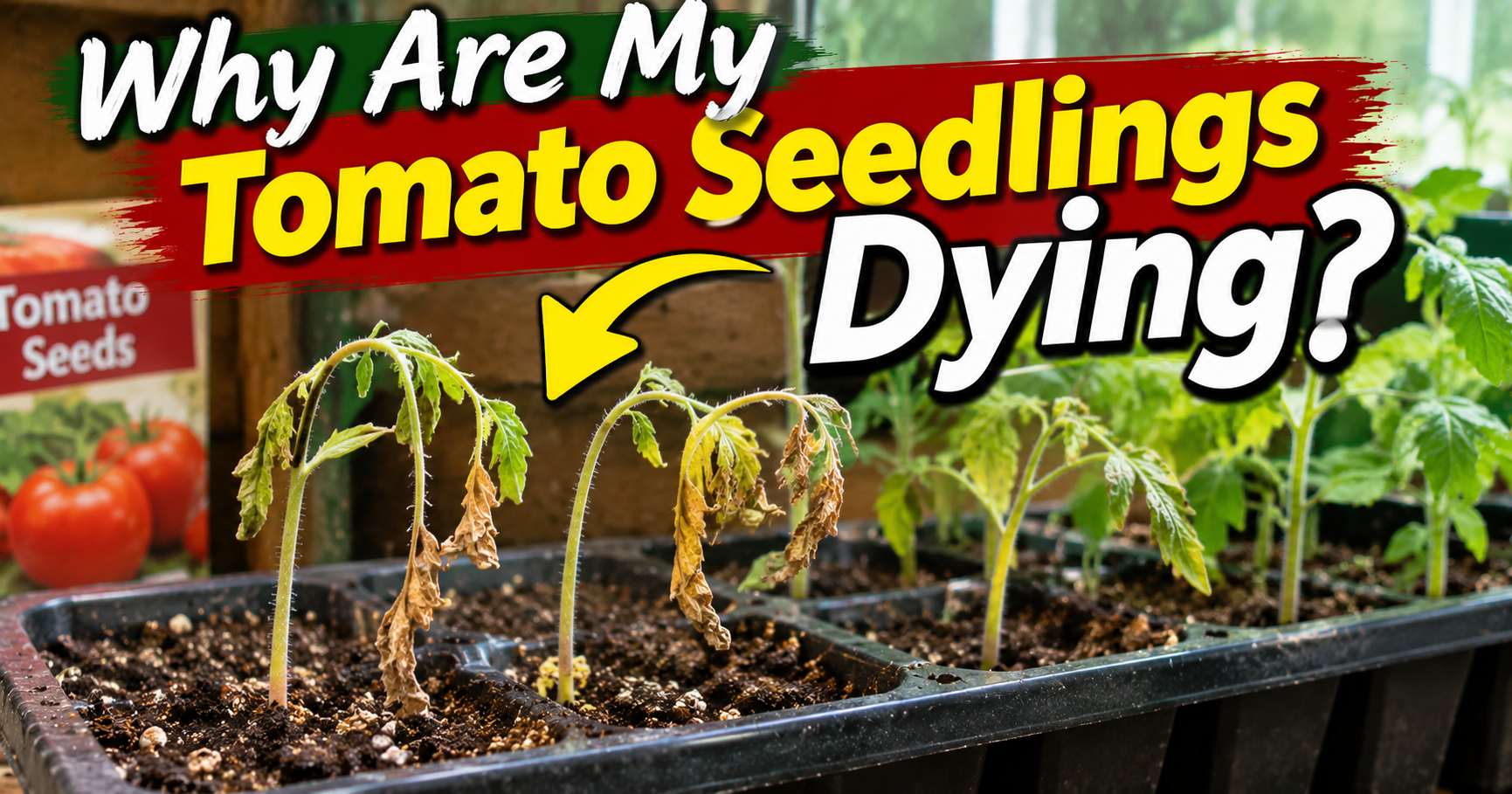
Mild temporary drooping can result from root disturbance and environmental change. Severe or persistent wilting may involve dry soil, saturated soil, root damage, sunscald, cold or disease. When drooping continues, persistent seedling wilting helps narrow down whether the problem is water, roots, temperature or disease.
How long does transplant shock last?
Mild transplant shock may improve within a day or two. Visible new growth may take one or two weeks, especially during cool weather.
Can I transplant a tomato that already has flowers?
Yes, but I may remove flowers from a small or stressed plant so it can focus on establishing roots.
Is it better to transplant tomatoes in the morning or evening?
Late afternoon or early evening is usually preferable because the plant has cooler hours to adjust before facing intense sunlight.
Should I fertilize tomato seedlings when transplanting?
Use only a properly diluted starter fertilizer or a soil-test-based amendment. Avoid placing concentrated fertilizer directly against roots.
Written by Mason Hale, a hands-on home gardener who shares practical seed-starting lessons, transplanting experience and straightforward tomato-growing advice through Tomato Growing Tips.