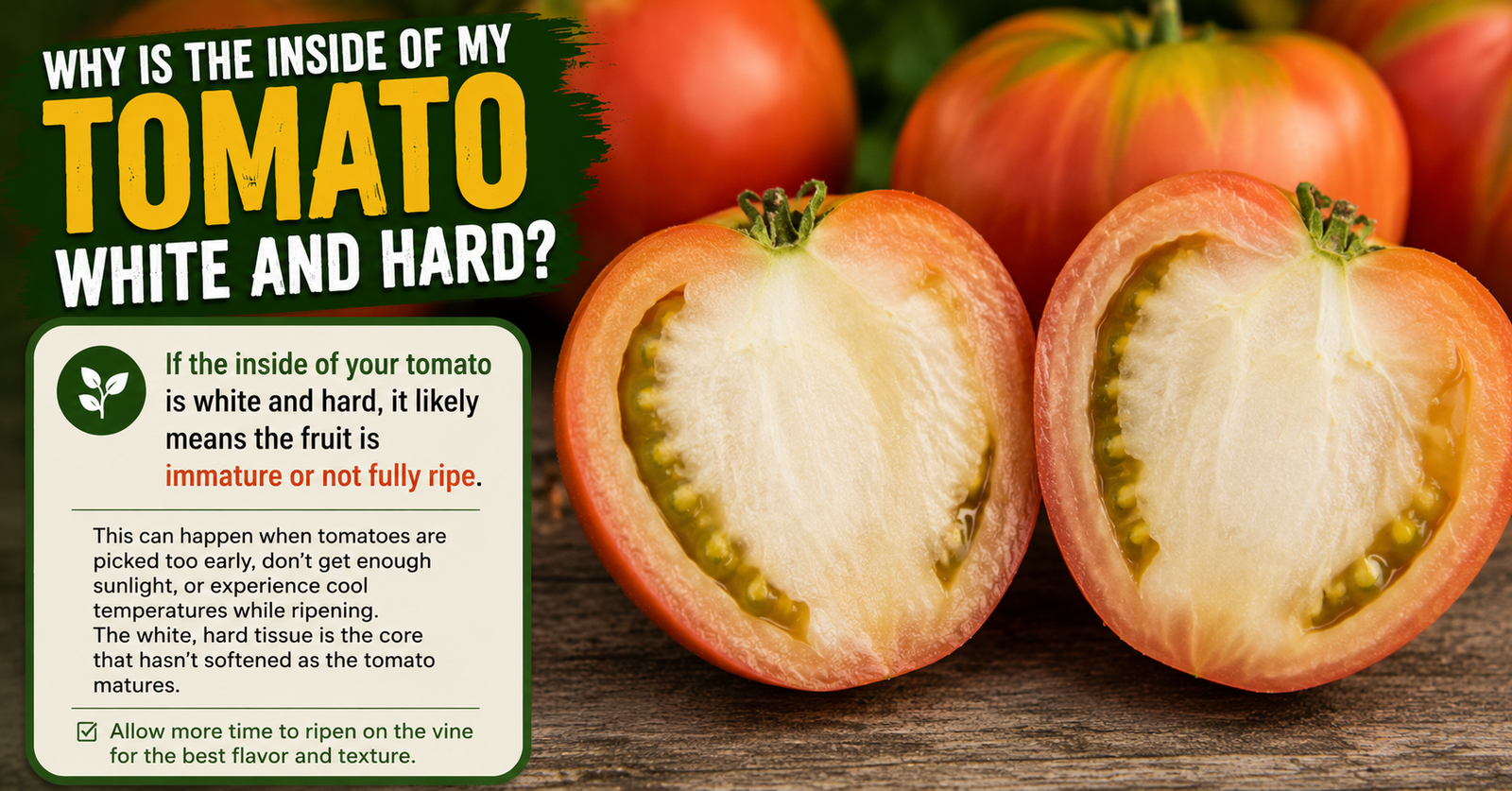
A tomato can look beautifully red and ripe on the outside, then reveal a hard white core or pale streaks the moment you slice it. Sometimes the white tissue stays close to the stem. Other times it spreads through the outer walls or much of the tomato.
I usually see this during the hottest part of summer. High temperatures can interrupt normal ripening, especially when the plant is also dealing with uneven moisture, root stress, or limited potassium uptake.
Stink bugs and leaf-footed bugs can also leave hard white spots beneath the skin. The pattern inside the tomato often provides the best clue.
Why Is the Inside of My Tomato White and Hard?
A tomato may be white and hard inside because of extreme heat, uneven ripening, potassium problems, stink bug feeding, root stress, variety genetics, or harvesting before the fruit was fully mature. If stink bugs are suspected, this guide to tomato stink bug damage explains how their feeding can leave firm white areas inside the fruit.
The most likely cause depends on where the white tissue appears:
- A large hard core near the stem may be related to heat, variety, or uneven ripening.
- Hard white tissue around the outer walls may point toward yellow shoulder disorder or heat stress.
- Several small white spots directly beneath the skin often suggest stink bugs or leaf-footed bugs.
- Pale green or white flesh throughout the tomato may mean it was harvested before reaching full maturity.
- White veins with otherwise normal flesh may simply be part of the tomato’s internal structure.
The white tissue is usually a quality problem rather than a food-safety problem. If the tomato is fresh and free from decay, I cut away the tough sections and use the good flesh.

Start by Looking at the Pattern
Before changing fertilizer or treating for insects, cut the tomato from top to bottom and look at where the white tissue begins.
A uniform white core is different from scattered hard spots. It points toward a different set of causes.
I also inspect the outside for clues:
- Are the shoulders green or yellow?
- Does one side look less ripe?
- Are there tiny punctures in the skin?
- Does the tomato feel ripe everywhere or only in certain areas?
- Have daytime temperatures stayed in the 90s?
- Are the plant’s leaves healthy?
- Are other tomatoes showing the same pattern?
When several tomatoes have broad white tissue during a heat wave, growing conditions are more likely than one insect puncture.
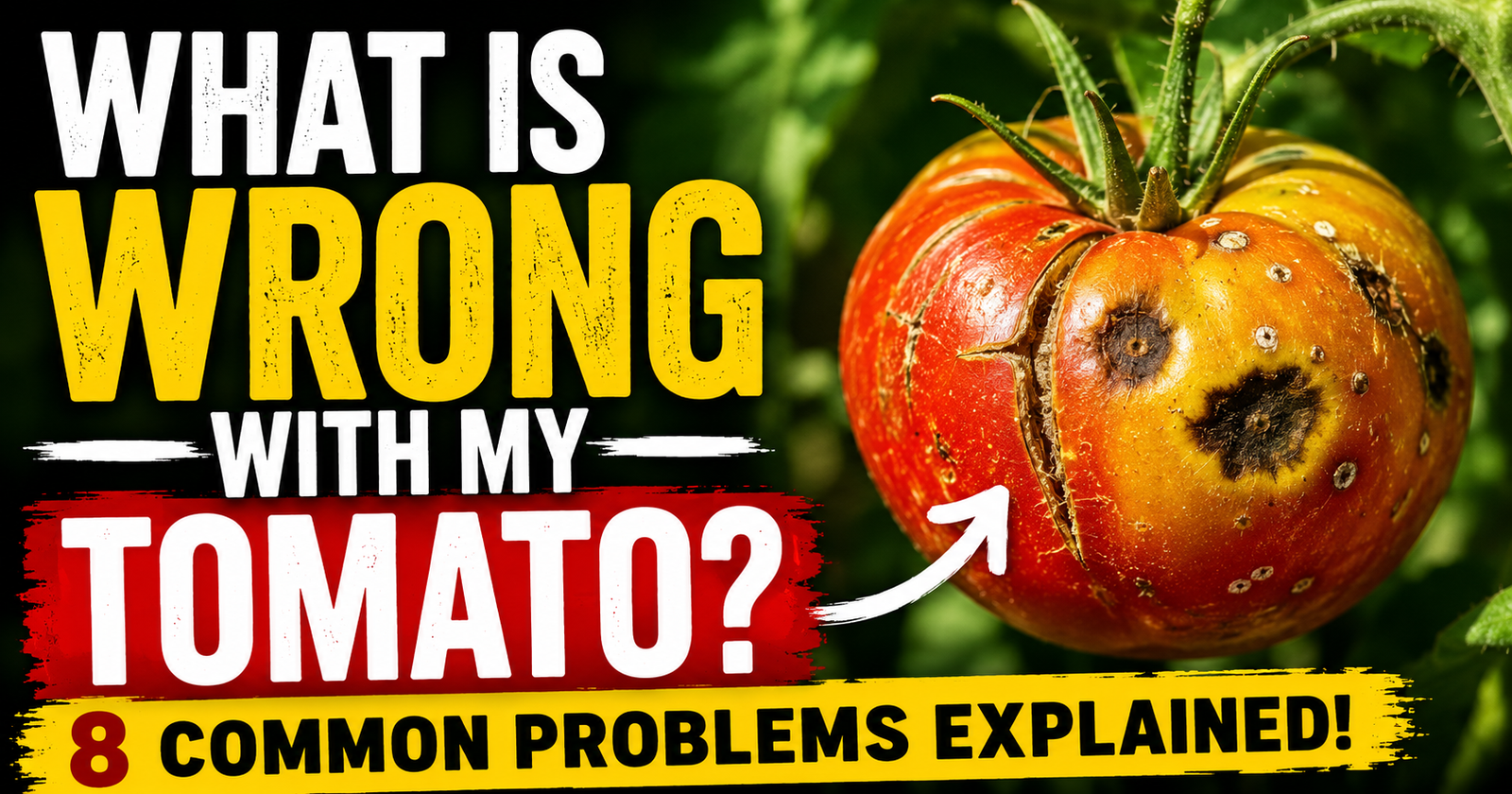
If the fruit has cracks, scars, black areas, or open holes too, use the tomato fruit problem identification guide to separate overlapping problems.
High Heat Is a Common Cause
Hot weather can make a tomato look ripe before its interior finishes developing normally.
The outer skin may turn red, orange, or pink while tissue around the core remains pale and firm. High temperatures can interfere with pigment production and slow the chemical changes that soften the fruit.
Direct sunlight can make the tomato itself hotter than the surrounding air. Fruit hanging outside the leaf canopy is particularly vulnerable.
Very warm nights add to the stress because the plant and fruit receive little time to cool down.
What Heat-Damaged Tomatoes Look Like Inside
Heat-related internal whitening usually appears as:
- A larger white or pale core
- White tissue extending outward from the center
- Firm yellow or white shoulders
- Pale outer walls beneath the skin
- Uneven texture within one tomato
- Sections that remain hard while others soften
The damage may be worse near the stem because that is where green and yellow shoulder problems commonly develop.
Can a White Tomato Core Turn Red Later?
Once the tomato is cut, no. The exposed tissue will not continue ripening normally.
An uncut mature tomato may continue to soften and develop some additional color indoors. Mild pale areas can improve, but severely hardened tissue often remains white or yellow.
I do not leave the ripe portion on the vine indefinitely while waiting for a hard shoulder to change. The soft section may become overripe or split first.
Uneven Ripening Can Extend Inside the Tomato
Uneven ripening is not always limited to skin color.
A tomato that is red on one side and green or yellow on the other may show the same pattern inside. The ripe side can be juicy and normally colored while the other side remains firm and pale.
Heat, root stress, nutrition, insects, and genetics can all interfere with the ripening process.
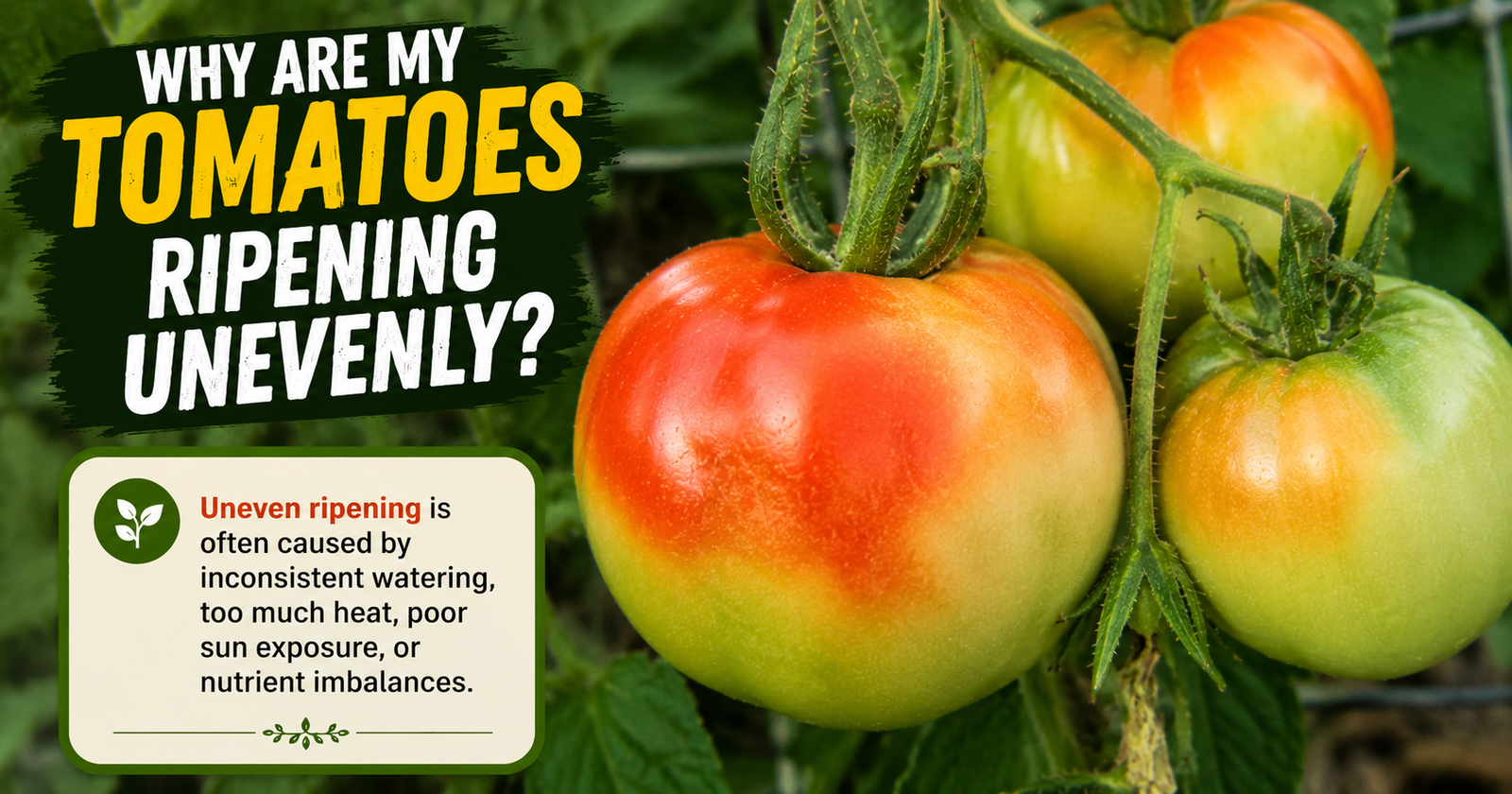
If the outside also looks blotchy, my guide explaining why tomatoes ripen unevenly covers green shoulders, yellow shoulders, high temperatures, and delayed pigment development in more detail.
Green Shoulders Can Create Hard White Flesh
Green shoulder disorder affects the area around the stem.
The rest of the tomato may reach its mature color while the top stays green and firm. When cut, the tissue beneath that green shoulder may appear pale green, yellow, or white.
The hard section can extend deeper than expected. It may reach the central core or spread through the upper outer wall.
Some tomato varieties naturally retain green shoulders longer than others. Many heirloom varieties show this trait.
A natural green shoulder may soften somewhat as the tomato matures. A severe heat-related shoulder often stays hard even when the bottom of the fruit becomes fully ripe.
Yellow Shoulder Disorder
Yellow shoulder disorder is closely related to uneven ripening but produces yellow, orange, or pale tissue around the stem.
The outside may look like it simply needs another day. Inside, however, the shoulder tissue can be white, hard, and poorly flavored.
This disorder is commonly associated with a combination of:
- High fruit temperatures
- Limited potassium availability
- Root stress
- Soil compaction
- Moisture fluctuations
- Excessive nitrogen
- Variety susceptibility
- Unbalanced soil nutrients
It is rarely fixed by dumping one nutrient around the plant. I look at the entire growing environment.
Potassium Availability Matters
Potassium supports water regulation, fruit development, sugar movement, and normal ripening.
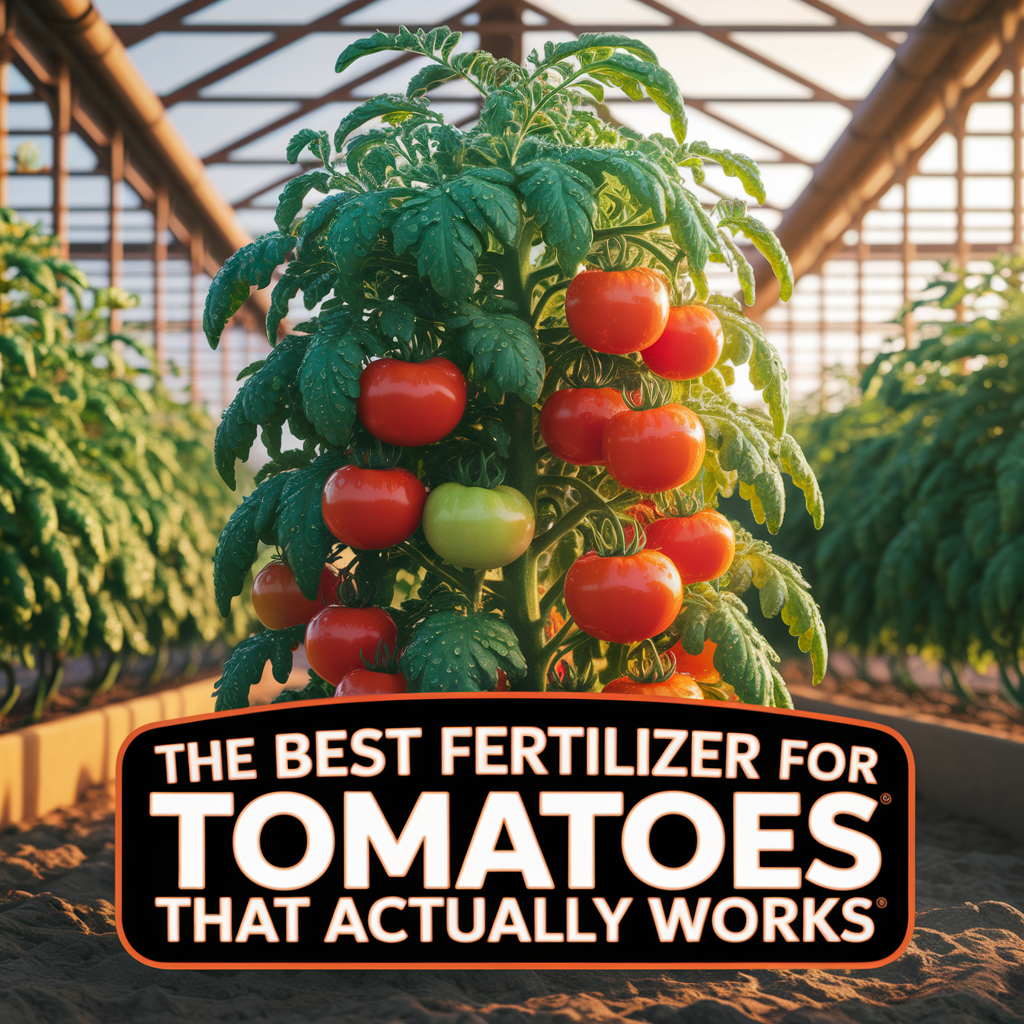
When a tomato plant cannot access enough potassium, fruit may develop yellow shoulders, blotchy color, and hard white tissue. A nutrient-focused guide to choosing the right tomato fertilizer can help you correct feeding problems without adding fertilizer blindly.
However, finding a white core does not prove that the soil lacks potassium.
The soil may contain plenty while compacted, damaged, dry, or waterlogged roots struggle to absorb it. Soil pH and excessive levels of other nutrients can also influence availability. A soil test can help separate a pH or nitrogen imbalance from root and weather stress; soil pH and nitrogen testing is one option for checking those factors before adding fertilizer.

I prefer using a soil test to check pH and nutrients before adding a concentrated potassium product.
Why Adding More Fertilizer Can Backfire
Many tomato fertilizers already contain potassium. Applying another product may not solve the actual problem.
Too much potassium can interfere with calcium and magnesium uptake. Excess fertilizer salts can also injure roots, making nutrient problems worse.
If weather has been extremely hot, temperature may be the main cause. Fertilizer cannot cool the fruit or reverse tissue that has already developed poorly.
Excess Nitrogen Can Contribute
A heavily fertilized tomato plant may grow tall and dark green while its fruit struggles to ripen evenly.
Excess nitrogen pushes the plant toward leaf and stem growth. That growth increases demand for moisture and nutrients while delaying balanced fruit development.
The plant may look impressive but produce tomatoes with green shoulders, pale interiors, weak flavor, or delayed maturity.
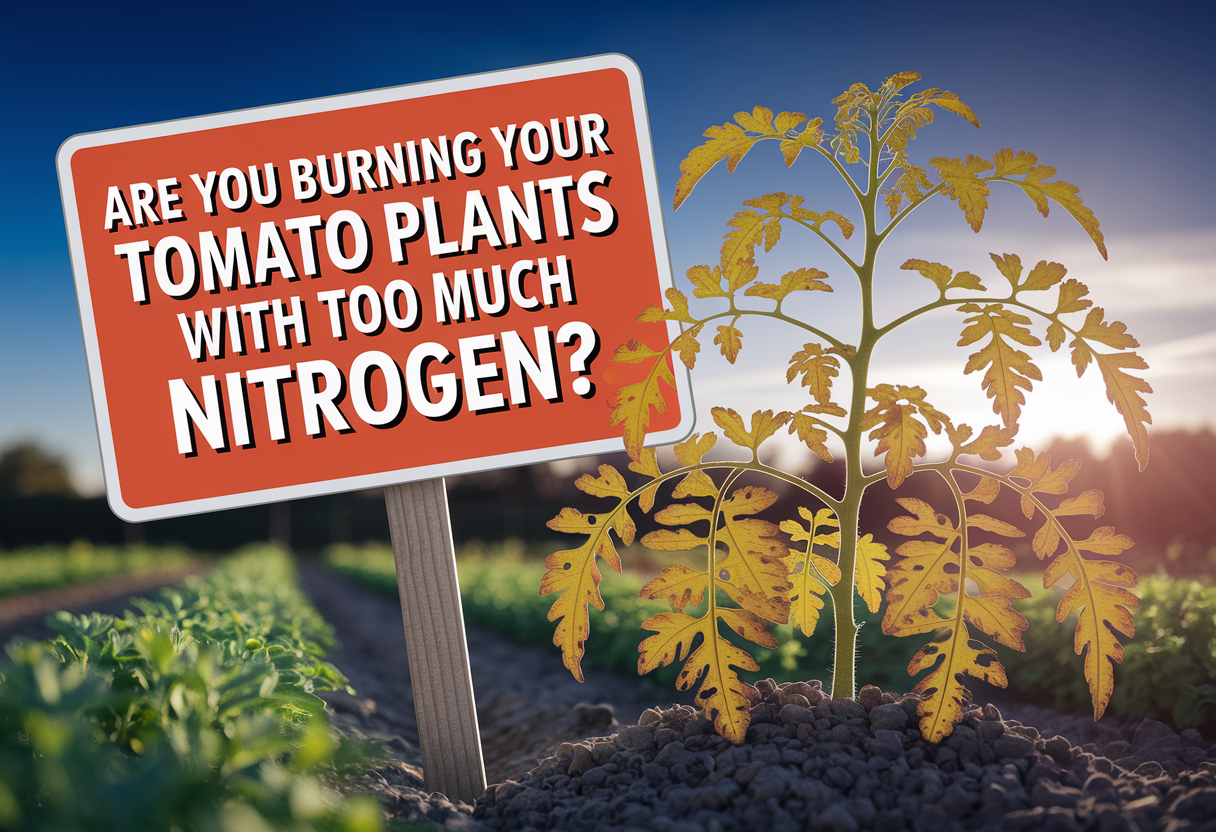
If the foliage is unusually lush, check whether too much nitrogen is affecting your tomato plants before feeding again.
Stink Bugs Leave Small Hard White Spots
Stink bug damage creates a different internal pattern than a large heat-related white core.
These insects pierce the tomato skin and feed on cells underneath. The damaged tissue becomes pale, dry, firm, or corky.
When you slice the tomato, you may find several white spots just beneath the skin. Each one may line up with a cloudy patch or tiny puncture on the outside.
Clues That Point to Stink Bugs
Look for:
- Several separate white spots
- Hard tissue directly beneath the skin
- Cloudy yellow or white circles outside
- Tiny dark punctures
- Shield-shaped bugs on the plant
- Leaf-footed bugs nearby
- Damage affecting one side or several isolated areas
One large solid white core is less likely to be caused entirely by stink bugs.
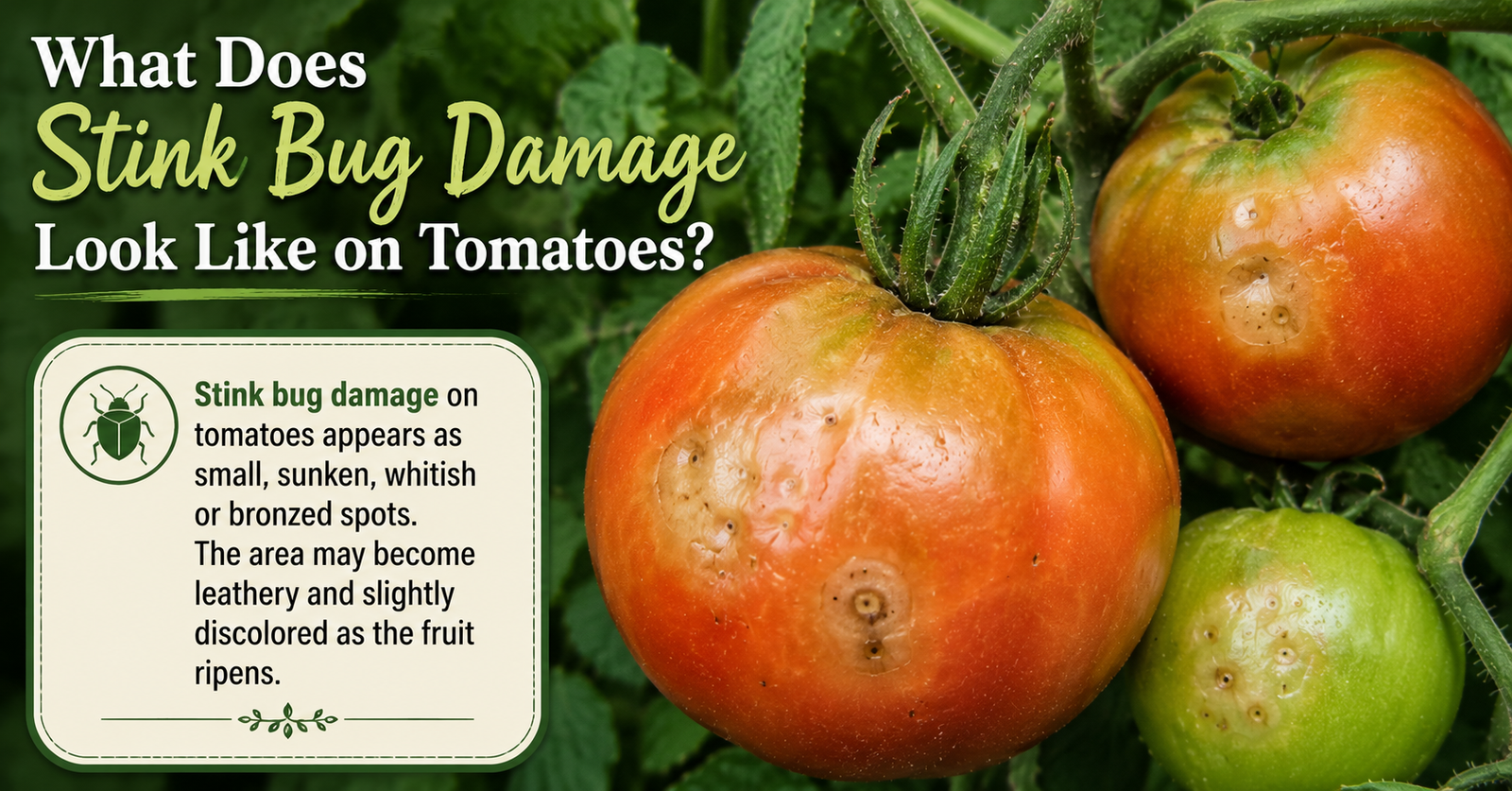
Use this guide to recognize stink bug damage on tomatoes if the tissue appears in separate spots rather than one continuous center.
Leaf-Footed Bugs Cause Similar Damage
Leaf-footed bugs feed in much the same way as stink bugs.
They use piercing mouthparts to damage cells beneath the tomato skin. The fruit may develop cloudy spots, uneven coloring, and hard white tissue.
Adult leaf-footed bugs have longer bodies than stink bugs. Many have flattened, leaf-shaped sections on their hind legs.
Their nymphs may be bright orange or red with dark legs. Do not confuse them with beneficial assassin bug nymphs without looking closely.
Management is similar because both insects must be found and stopped before they make repeated punctures.
A Large White Core May Be Normal for the Variety
Every tomato has internal support tissue connecting the stem area with its seed cavities.
In some varieties, that central core is larger and firmer than in others. Paste tomatoes may have thicker walls and less gel, while large slicing varieties can develop a noticeable central section.
The core becomes more obvious when growing conditions are stressful, but a small pale center does not automatically indicate a disorder.
Compare several tomatoes from the same plant. If they all have a similar modest core and taste normal, it may be a variety characteristic.
Paste Tomatoes Naturally Have Less Gel
Roma and other paste tomatoes are bred to contain dense flesh and less watery seed gel.
Their interiors may look paler, firmer, and drier than a juicy slicing tomato. That is useful for sauce because there is less water to cook away.
A paste tomato should still have normally developed flesh. Large chalky sections or hard green-white shoulders are not explained by variety alone.
Knowing what the variety should look like prevents a naturally meaty tomato from being mistaken for a damaged one.
Was the Tomato Picked Too Early?
An immature tomato may develop some external color without achieving the texture and flavor of a properly matured fruit.
This can happen when fruit is picked before it reaches the breaker stage, particularly if it was still small, hard, and uniformly green.
The tomato may soften somewhat indoors but retain pale green or white tissue.
A mature green tomato has reached its expected size and begun changing internally, even if the outside still looks mostly green. An immature fruit has not completed those steps.
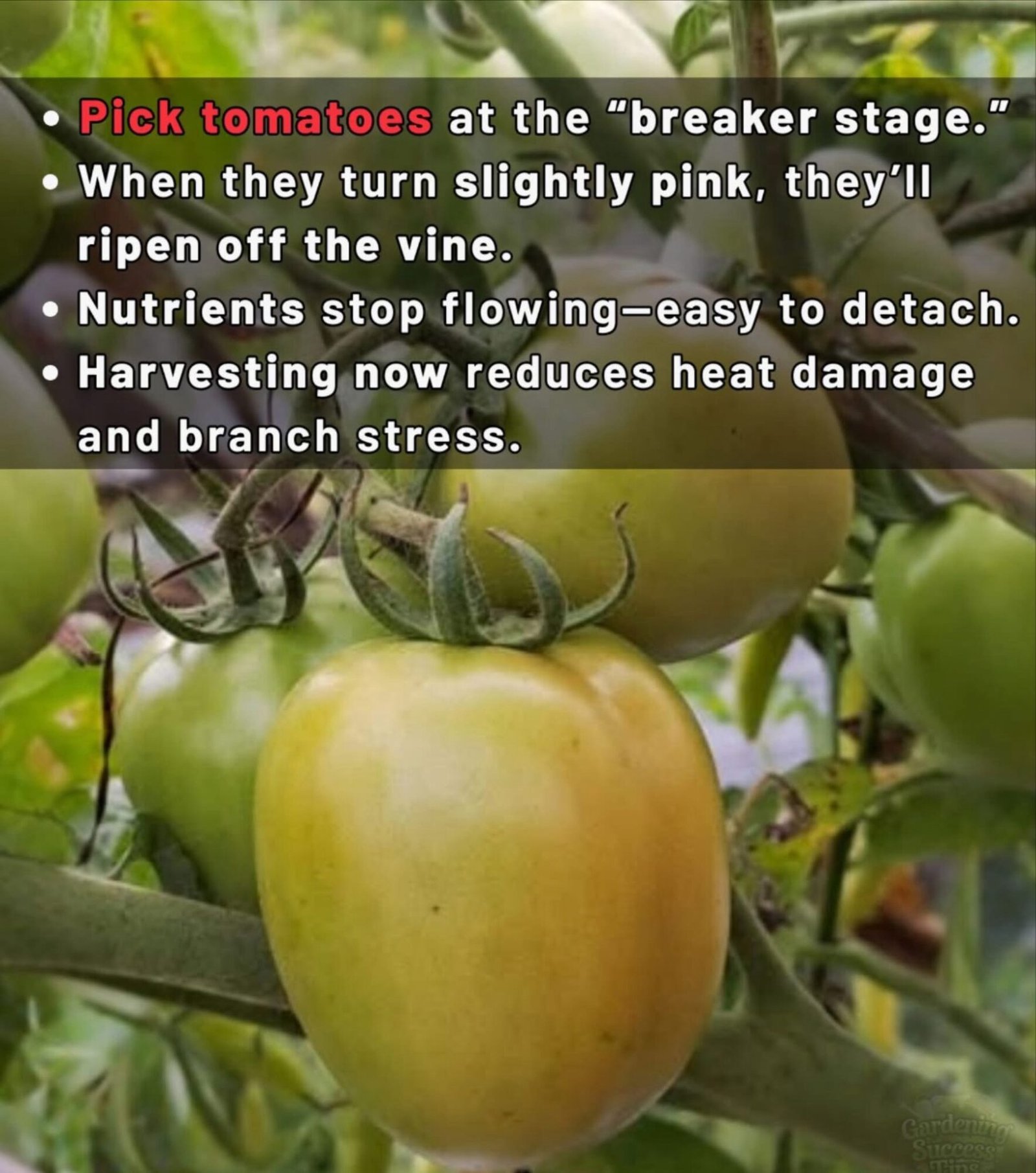
I wait for the first clear color change whenever possible. This article explaining why I pick tomatoes at the breaker stageshows how to harvest early without picking them before they are ready.
Does Refrigeration Cause White Tomato Flesh?
Refrigeration does not usually create a large white core by itself, but cold storage can affect texture and flavor.
Tomatoes kept too cold may become mealy, dull-tasting, or slow to develop normal flavor after removal.
If a tomato was already mature and fully ripened, brief refrigeration is different from chilling an immature tomato and expecting it to finish normally.
The white hard tissue gardeners find immediately after harvest usually developed on the plant rather than inside the refrigerator.
Root Stress Can Show Up Inside the Fruit
Healthy ripening depends on healthy roots.
The plant needs a steady supply of water and nutrients while fruit develops. When roots are restricted or damaged, tomatoes may ripen unevenly and develop firm pale tissue.
Root stress can come from:
- Compacted ground
- Waterlogged soil
- Severe drought
- Root-bound containers
- Fertilizer burn
- Root disease
- Nematodes
- Digging too close to the plant
- Pulling large weeds tangled with the roots
- Poorly prepared soil
Established tomato roots can spread well beyond the stem. I avoid deep cultivation around plants once they begin growing actively.
Container Tomatoes Need Extra Attention
Container tomatoes experience rapid changes in moisture and root temperature.
A small black pot in full sun can become extremely hot. The limited soil volume may dry quickly, stressing roots and reducing nutrient uptake.
The plant may wilt during the afternoon and receive a heavy soaking that evening. Repeating that cycle makes steady fruit development difficult.
I prefer larger containers because they hold more soil, moisture, and root mass. A suitable container soil mixture for tomatoes should retain useful moisture while still draining properly.
Soil Compaction Can Limit Potassium Uptake
Compacted soil contains fewer open spaces for air, water, and roots.
Even fertile soil becomes less useful when roots cannot grow through it. The plant may have access to nutrients only within a small area.
Compaction is common where gardeners walk beside plants, work wet clay, or use heavy native soil inside containers.
The best correction begins before planting. During the growing season, I avoid digging around established roots and add mulch to protect the soil surface.
Can Incorrect Soil pH Cause White Tomato Flesh?
Soil pH affects nutrient availability.
When pH is far outside the range tomatoes prefer, potassium and other nutrients may become harder for roots to use.
This does not mean every white tomato needs lime. Lime raises pH and should not be applied unless testing shows that the soil is too acidic.
Sulfur lowers pH and can create the opposite problem when used unnecessarily.
My guide to changing soil pH for tomato plants explains why I test before making either adjustment.
Can Uneven Watering Cause a White Core?
Uneven watering contributes indirectly by stressing the roots and disrupting nutrient movement.
A plant that repeatedly becomes bone dry and then saturated cannot maintain steady fruit development.
Waterlogged soil creates its own problem because roots need oxygen. Constant saturation can injure them and reduce nutrient uptake.
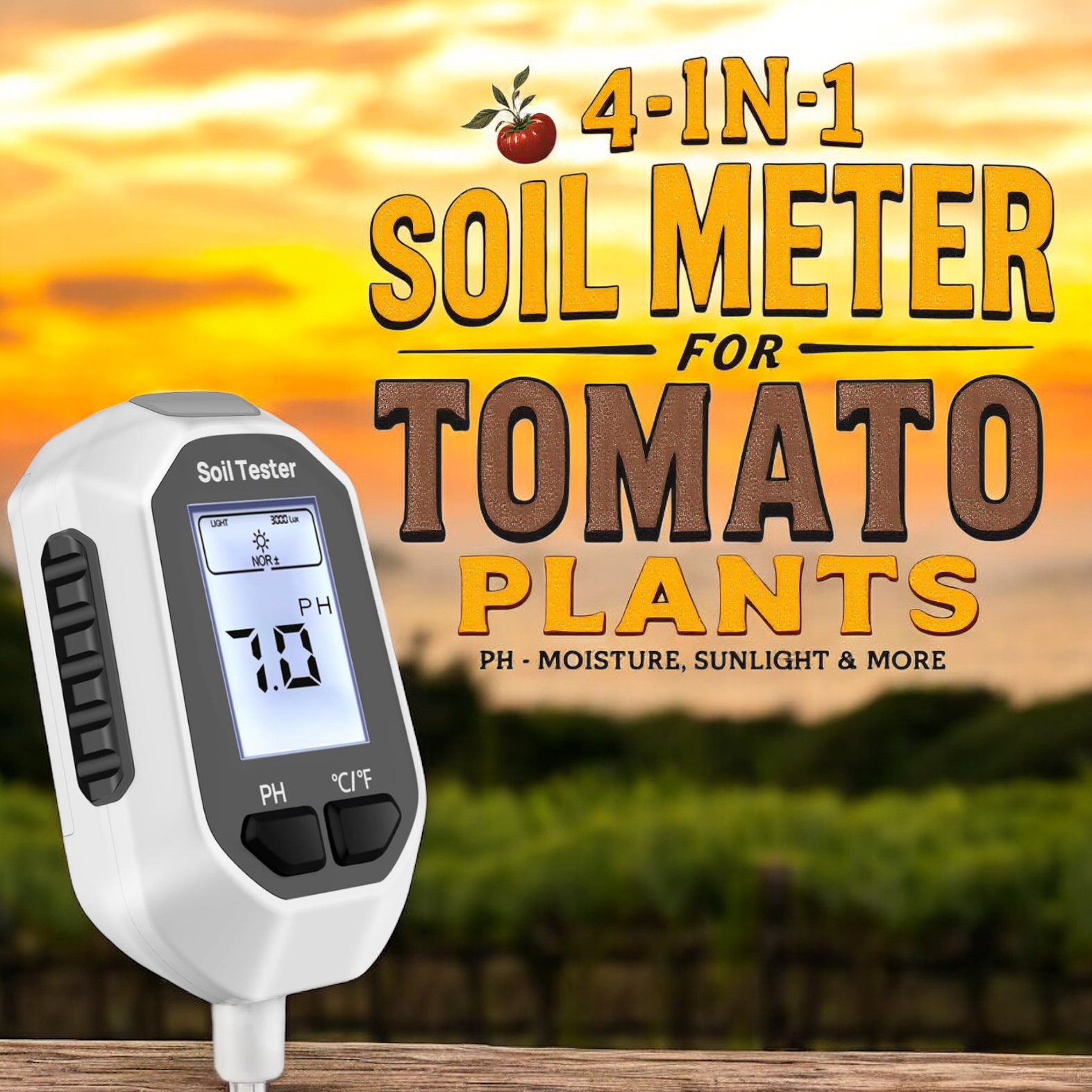
I aim for moisture consistency rather than following a rigid schedule. Soil type, heat, rainfall, plant size, and container size all affect watering frequency. For container plants or changing weather, 4-in-1 soil monitoring meter can help you check moisture and other basic growing conditions before watering.
Mulch helps by slowing evaporation and protecting roots from rapid temperature swings.
Is White Flesh Inside a Tomato a Disease?
Usually not.
Heat stress, uneven ripening, variety characteristics, and insect feeding are more common explanations.
Disease becomes more likely when the white tissue appears alongside other serious symptoms, such as:
- Rotting fruit
- Strong internal discoloration
- Foul odor
- Leaf mottling
- Distorted new growth
- Ringspots on fruit
- Severe plant stunting
- Widespread leaf death
A virus can cause unusual fruit color and plant symptoms, but a single tomato with a hard white core does not prove a viral infection.
White Core Versus Blossom End Rot
Blossom end rot causes a brown or black patch on the bottom of the tomato.
The damaged tissue may extend inside, but the external blackened bottom is usually obvious.
A heat-related white core commonly begins near the stem or appears throughout the center without a black blossom-end lesion.
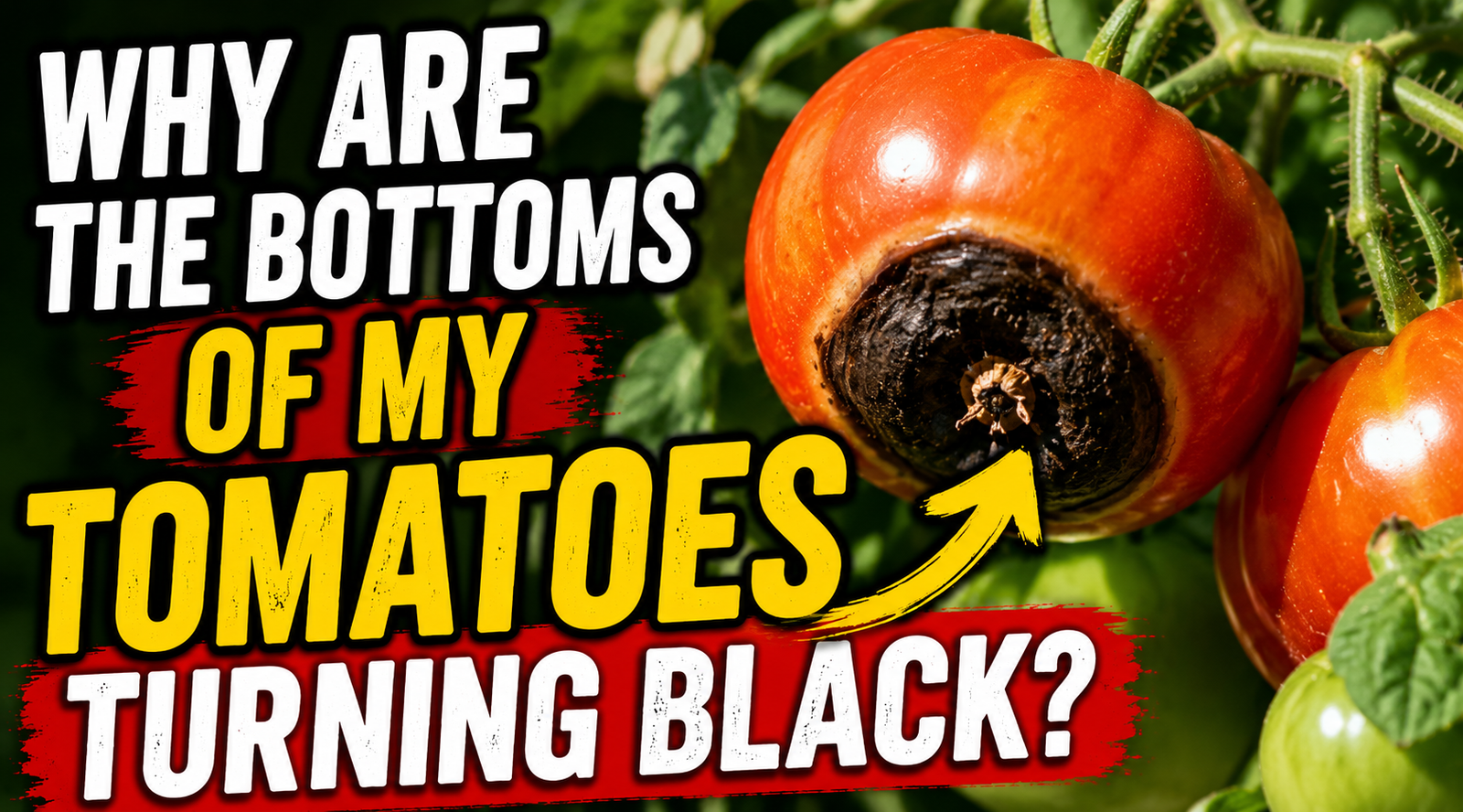
If the fruit is dark and leathery on the bottom, read why tomato bottoms turn black before treating it as an internal-ripening problem.
White Core Versus Sunscald
Sunscald begins on the side of a tomato exposed to intense sunlight.
The outside develops a pale, white, yellow, or tan patch. Advanced damage becomes papery, leathery, or sunken.
The tissue beneath the patch may be pale and firm, but the problem remains concentrated on the exposed side.
A central white core without an external bleached patch is more likely related to heat, uneven ripening, variety, or nutrition.
White Core Versus Hollow Tomatoes
A tomato with a white core contains firm tissue where you expected normally colored flesh.
A hollow or puffy tomato has empty spaces, poorly filled seed cavities, and less internal gel.
Both can be related to temperature and pollination stress, but they are different conditions.
Cutting the tomato makes the difference clear. One contains too much firm pale tissue, while the other appears underfilled.
Can You Eat a Tomato That Is White and Hard Inside?
Yes, if the tomato is fresh, firm, and free from mold or decay.
The white tissue may be bland, bitter, tough, or unpleasant. I cut it away and use the normally colored flesh.
A small white core does not make the tomato poisonous.
The decision changes if the tomato has a sour smell, slimy texture, mold, leaking tissue, animal damage, or deep internal rot. Those are signs to discard it.
When I Throw the Tomato Away
I throw away the entire tomato when I find:
- Fuzzy mold
- Slimy or leaking flesh
- A sour or fermented smell
- Brown or black internal rot
- Maggots or other larvae
- Animal bites
- Extensive tissue breakdown
- An unknown open wound
- Severe softness around the white areas
- Damage covering nearly the entire fruit
A hard white core is a quality issue. Wet, foul-smelling, or decomposing tissue is a spoilage issue.
Can I Use It for Sauce?
Yes. Sauce is a practical use for a tomato with limited white tissue.
I wash the fruit, remove the core and every hard section, then use the sound ripe flesh.
If several tomatoes have extensive white tissue, the finished sauce may have weaker color or flavor. I remove as much pale tissue as practical.
Cooking does not make rotten produce safe. I begin only with fresh tomatoes.
Can Tomatoes With White Cores Be Canned?
Only sound tomatoes should be used for home canning.
I remove the hard core, white shoulders, insect-damaged spots, and any questionable tissue. I do not use moldy, rotten, fermented, or animal-damaged fruit. A tomato huller can help remove the tough central sections before using the sound tomato flesh.
I also follow a current tested recipe, including its acidification and processing instructions.
When most of the tomato is hard and white, it is usually not worth adding to a canning batch.
Will the Next Tomatoes Have the Same Problem?
Not necessarily.
If high heat caused the white cores, fruit developing during cooler weather may be normal. If stink bugs caused scattered spots, controlling the insects can protect future tomatoes.
A variety with a naturally large core may continue producing similar fruit.
If every tomato is affected across different weather conditions, I investigate soil nutrition, roots, watering, and variety characteristics more closely.
How I Reduce Hard White Tissue in Future Tomatoes
I cannot control every heat wave, but I can reduce the stresses that make the problem worse.
Preserve Healthy Leaves
Foliage shades fruit and prevents extreme surface temperatures. I avoid stripping leaves around tomato clusters.
Water Consistently
Steady soil moisture supports root function and nutrient movement.
Mulch the Root Zone
Mulch slows evaporation and helps keep the soil cooler.
Test Before Fertilizing
I confirm pH and nutrient needs instead of guessing from one tomato.
Avoid Excess Nitrogen
Balanced growth supports better fruit development than excessive foliage.
Control Piercing Insects
I inspect fruit, stems, and leaf undersides for stink bugs and leaf-footed bugs.
Harvest During Extreme Heat
Once a mature tomato begins changing color, I may bring it indoors to finish ripening.
Use Larger Containers
More soil provides a steadier supply of moisture and protects roots from rapid temperature changes.
Choose Heat-Tolerant Varieties
When hot summers repeatedly cause white cores, I select varieties known to handle local conditions better.
My Quick White-Tomato Diagnosis
When I cut into a tomato and find hard white tissue, I check these clues:
- One large center core suggests heat, variety, or uneven ripening.
- White shoulders beneath green or yellow skin suggest shoulder disorder.
- Scattered white spots beneath cloudy skin suggest stink bugs.
- Pale tissue throughout an undersized fruit suggests early harvesting.
- Thick flesh with little gel may be normal for a paste variety.
- A white area beneath a bleached outer patch suggests sunscald.
- White tissue with mold or decay means the tomato should be discarded.
The pattern matters more than the color by itself.
Frequently Asked Questions
Why is my tomato red outside but white inside?
High temperatures, uneven ripening, potassium-uptake problems, root stress, or variety genetics can allow the skin to color before the internal tissue ripens properly.
What causes a hard white core in tomatoes?
Heat is a common cause. Green or yellow shoulder disorder, limited potassium uptake, variety traits, and early harvesting can also contribute.
Are white cores in tomatoes safe to eat?
Yes, when the tomato is fresh and free from spoilage. Cut away the tough white tissue and use the normally ripened portion.
Why are there several small white spots under the skin?
Stink bugs or leaf-footed bugs are likely causes, especially when cloudy exterior spots or tiny punctures are present.
Will more potassium fix white tomato flesh?
Only if potassium availability is truly part of the problem. Heat, root damage, pH, and nutrient imbalance can produce similar symptoms, so test before adding fertilizer.
Does too much sun make tomatoes white inside?
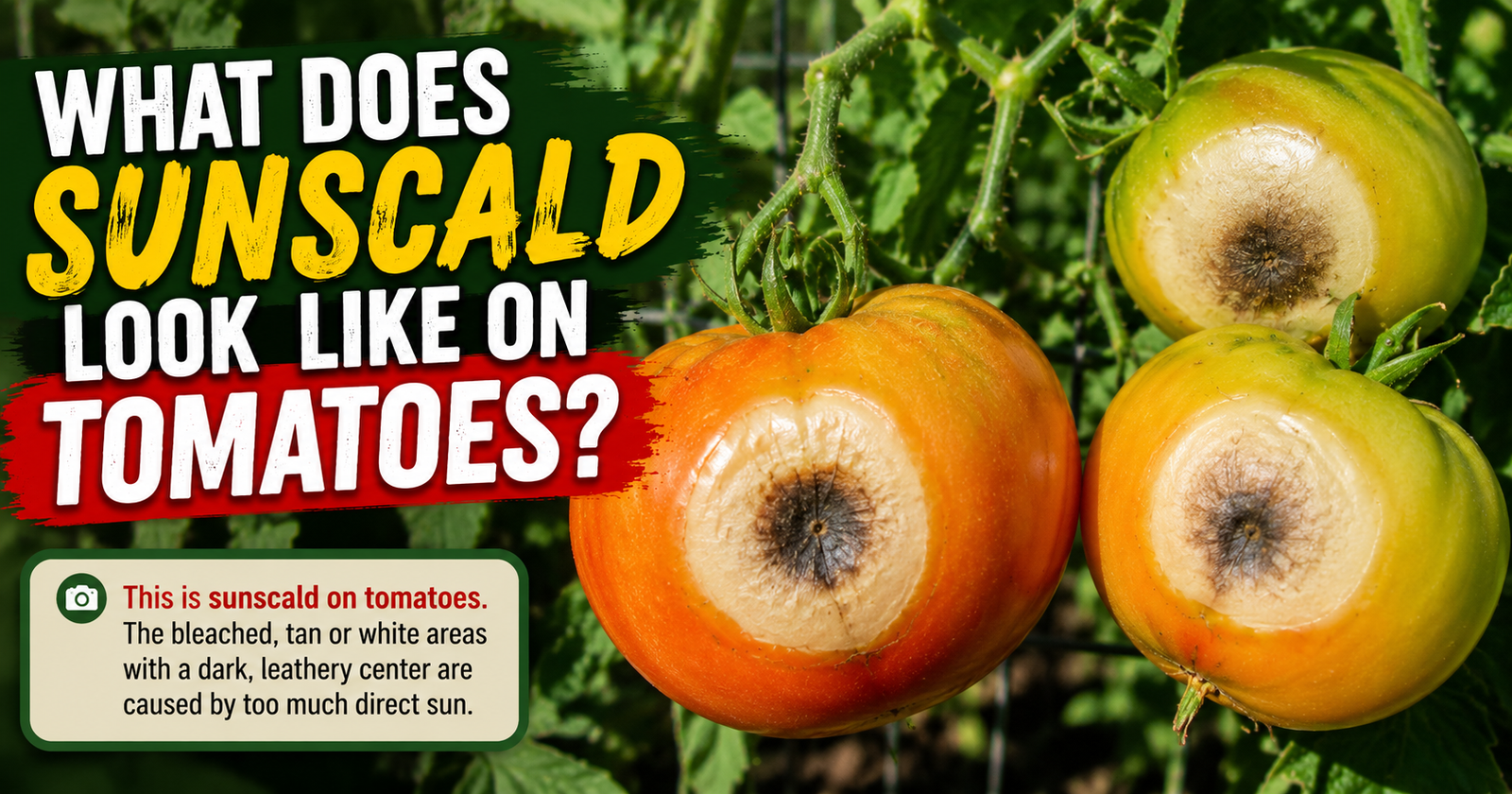
Direct exposure can overheat fruit and contribute to uneven ripening or sunscald. Keep enough healthy foliage to shade tomato clusters. The visible signs are outlined in this guide to sunscald symptoms on tomatoes.
Why do my Roma tomatoes have firm pale flesh?
Paste tomatoes naturally have denser flesh and less gel. Large chalky areas or hard shoulders may still indicate heat or a ripening problem.
Can a tomato with a white core continue ripening?
An uncut mature tomato may soften and gain color indoors. Severely hardened tissue may remain pale even after the rest becomes ripe.
Should I remove tomatoes with hard white cores?
There is no reason to remove healthy fruit before harvest solely because earlier tomatoes had white cores. Correct heat, watering, insect, or root problems and monitor new fruit.
Is Epsom salt a treatment for white tomato cores?
No. Epsom salt supplies magnesium, not potassium. Adding it without a confirmed deficiency can disrupt nutrient balance.
Why does the white tissue start near the stem?
Green and yellow shoulder disorders commonly affect the upper portion around the stem. Heat and uneven ripening can cause that tissue to remain firm.
Can insect-damaged white tissue be eaten?
Minor firm tissue can be cut away if the tomato is otherwise fresh. Discard fruit with mold, softness, leaking, or widespread decay.
Written by Daniel Harper, an experienced home gardener who shares straightforward advice for growing healthier plants and making sense of unusual fruit through Tomato Growing Tips.