Tiny spots covering the lower leaves of a tomato plant can seem harmless at first. Then those leaves begin turning yellow, the spots move higher, and suddenly much of the plant looks unhealthy.
When I see this pattern, Septoria leaf spot is one of the first diseases I consider.
Septoria leaf spot is a common fungal disease that primarily attacks tomato foliage. It rarely damages the fruit directly, but a severe infection can remove so many leaves that the plant becomes weak and its tomatoes lose their natural protection from the sun.
The sooner I recognize it, the better chance I have of slowing it down and protecting the harvest.
What Does Septoria Leaf Spot Look Like?
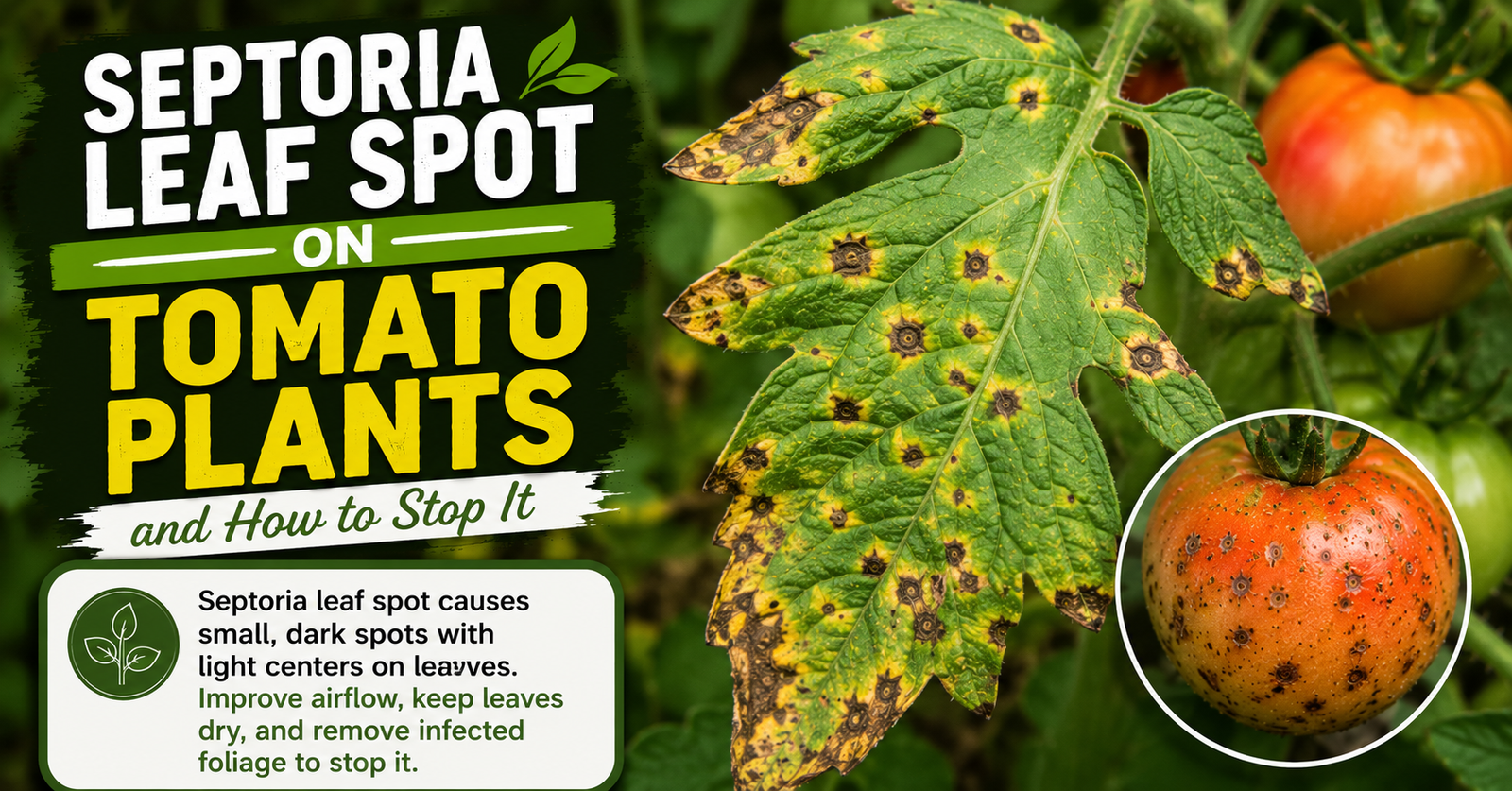
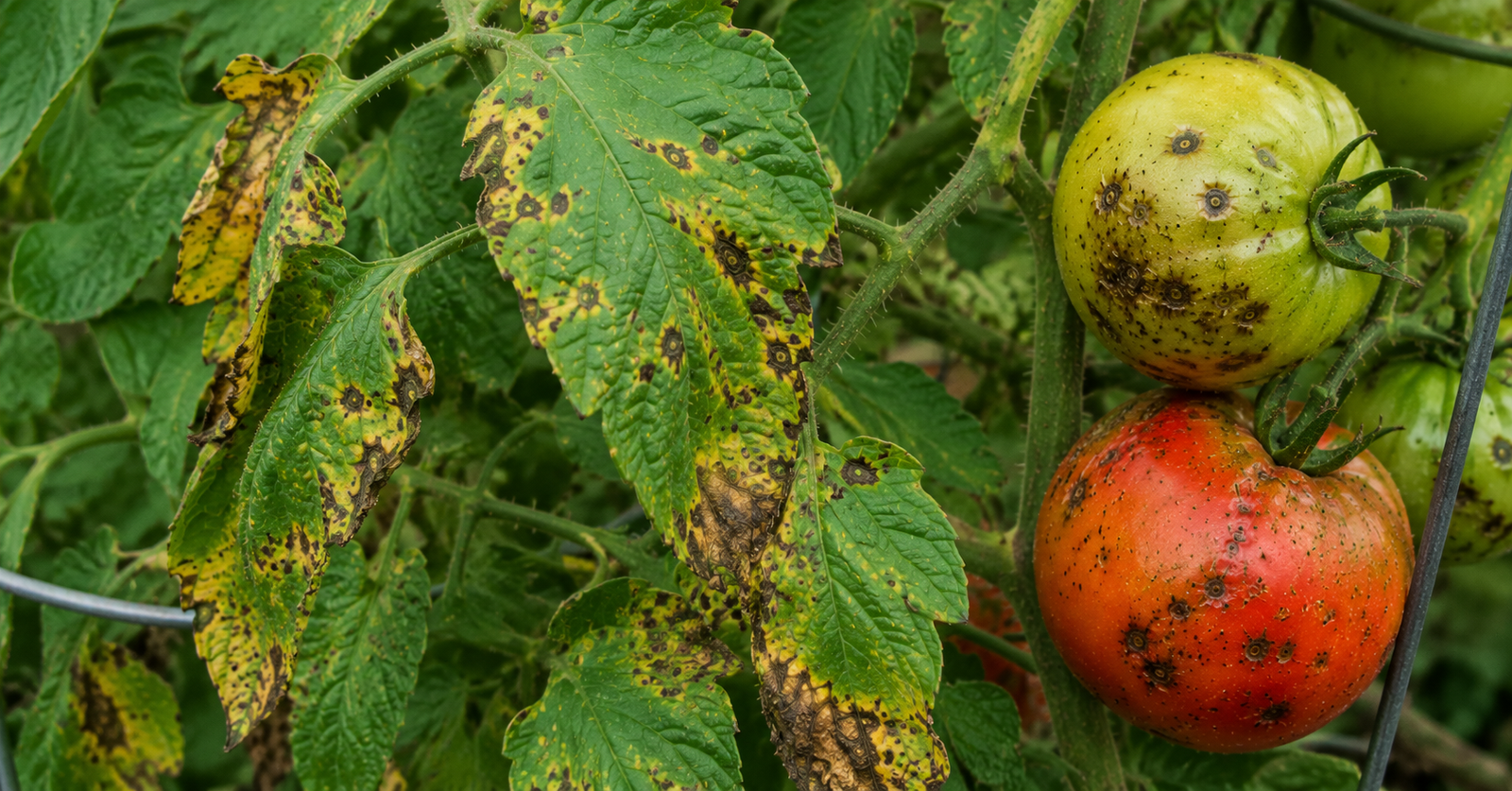
Septoria leaf spot usually produces numerous small, round spots on tomato leaves. The spots are often about the size of a pencil tip, although some become slightly larger.
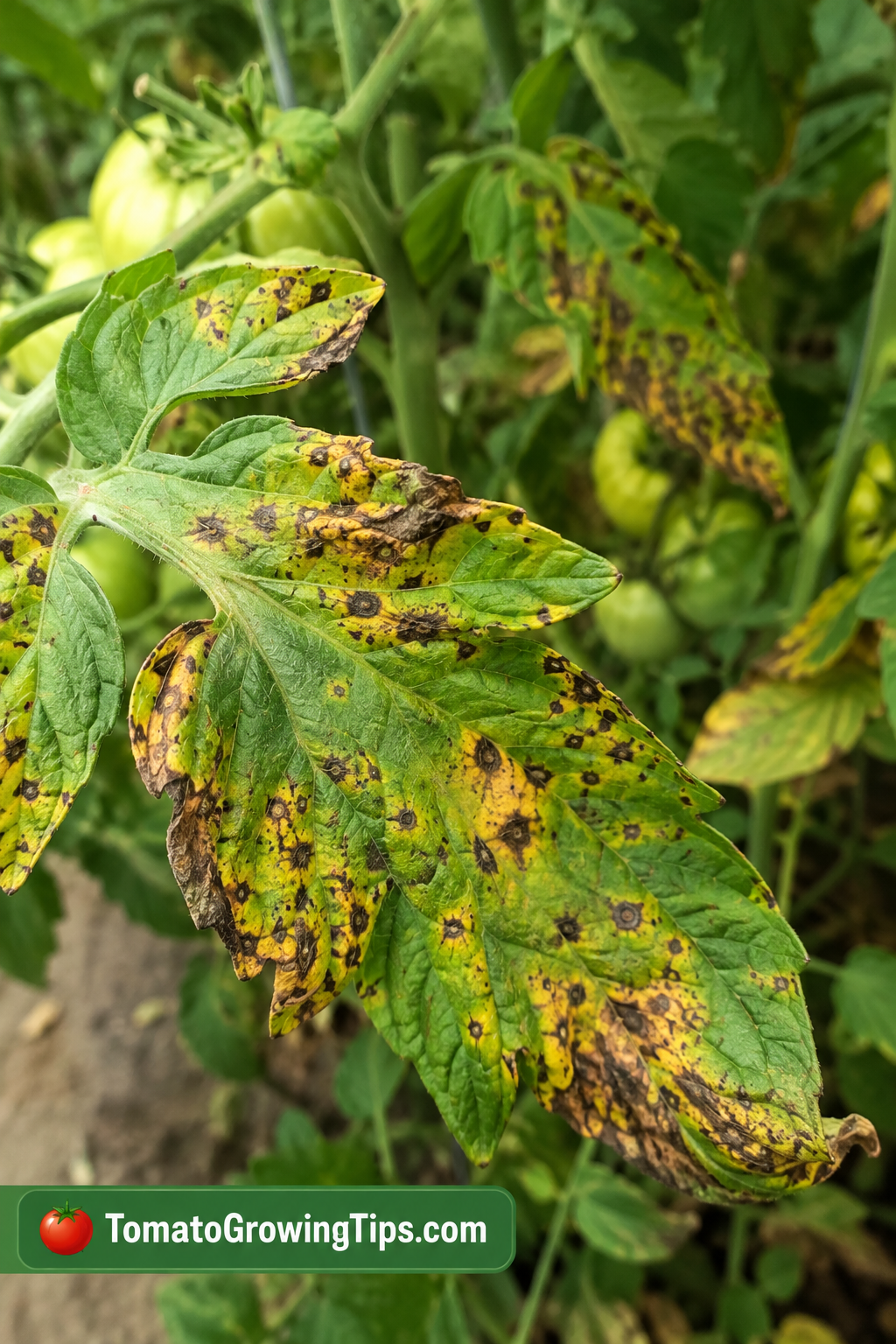
As the spots mature, they commonly develop:
- A pale gray, tan or whitish center
- A dark brown or nearly black border
- Tiny black dots inside the lighter center
- Yellow tissue surrounding heavily affected areas
- Browning and death of the entire leaf
Those tiny black dots are fruiting structures produced by the fungus. They can be difficult to see without looking closely, but they are an important identifying feature.
The disease usually starts on older leaves near the ground. It may then move upward through the plant as spores spread through splashing water, damp hands, clothing and gardening tools.
The Quickest Way I Recognize Septoria
I look at three things first: the size of the spots, their location on the plant and whether the spots contain pale centers.
Septoria normally creates many small spots rather than a few large lesions. The lower foliage is generally affected first, and mature spots often have light centers with dark edges.
A leaf may eventually contain dozens of separate lesions. As they multiply, the tissue between the spots turns yellow and dies.
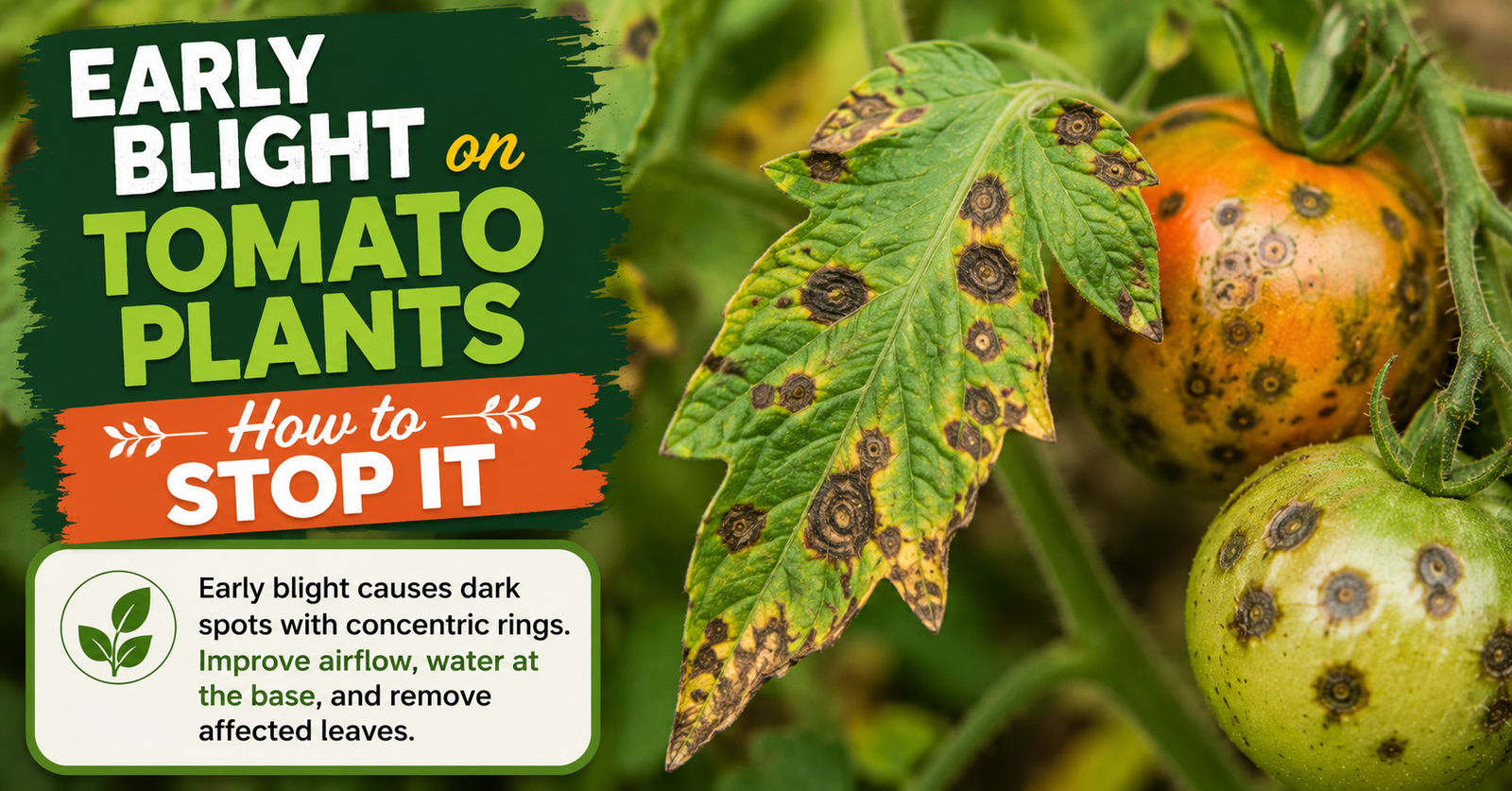
If I find larger brown patches with visible rings inside them, I compare the plant with my guide to recognizing early blight on tomatoes because early blight and Septoria are easily confused.
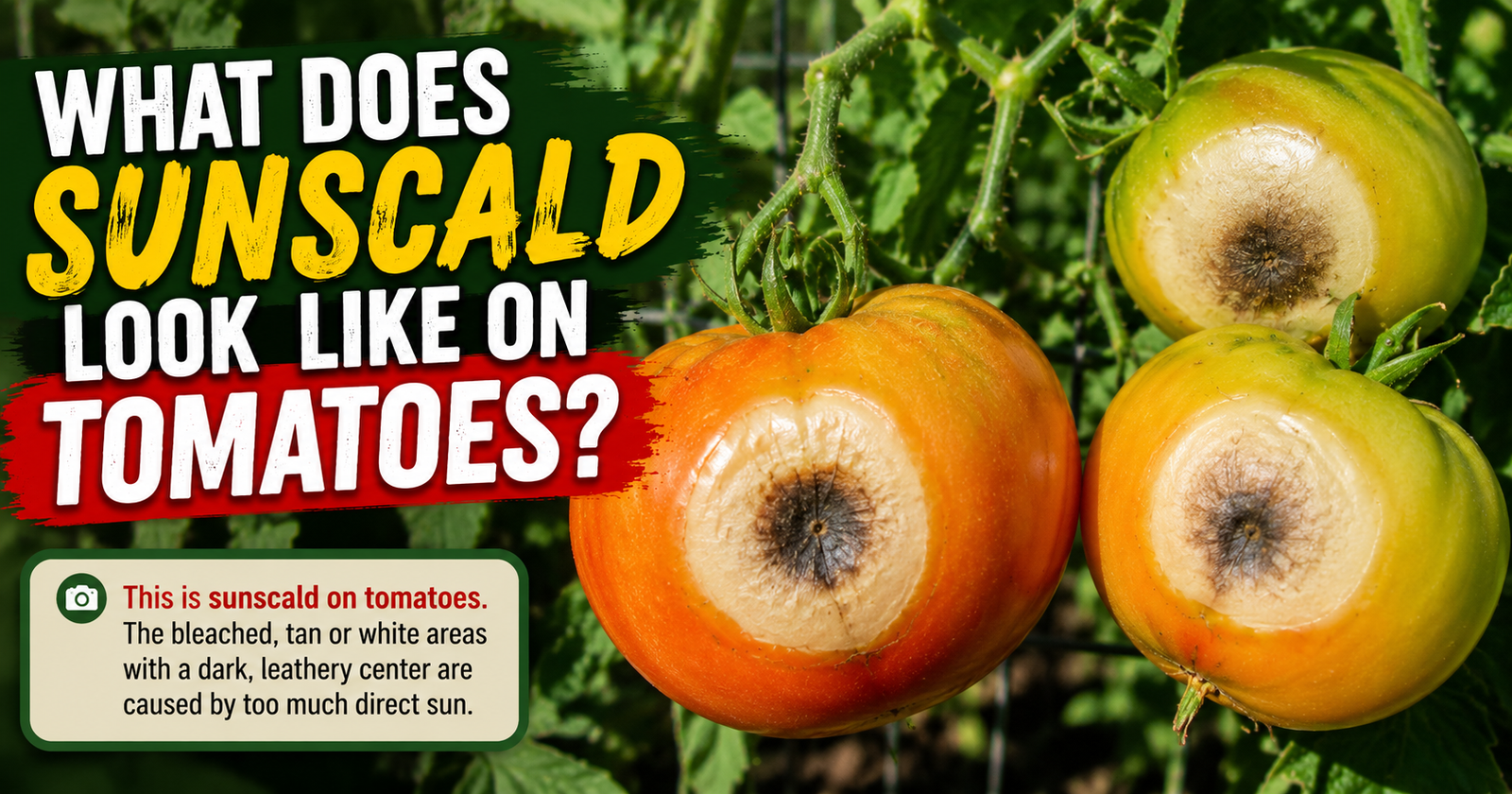
Septoria Leaf Spot Versus Early Blight
Septoria leaf spot and early blight share several symptoms. Both tend to begin on older, lower tomato leaves, and both can cause yellowing, browning and defoliation.
The individual spots provide the best clues.
Septoria Leaf Spot
Septoria generally produces many small, fairly round spots. Mature lesions often have pale centers, dark borders and tiny black specks.
Early Blight
Early blight usually produces larger, irregular brown lesions. As these lesions develop, they frequently reveal concentric rings that resemble a target or bull’s-eye.
Early blight can also infect tomato stems and fruit. Septoria is mainly a foliage disease and does not normally infect the tomatoes themselves.
It is possible for both diseases to appear on the same plant. I do not assume every spot has a single cause, especially late in a wet growing season.
Septoria Leaf Spot Versus Bacterial Spot
Bacterial spot can also create small dark lesions on tomato foliage. It may be particularly difficult to separate from Septoria during the early stages.
Bacterial spot is more likely to produce dark, greasy-looking lesions without the clearly defined pale centers associated with mature Septoria spots. Bacterial diseases may also create small raised or scabby marks on tomato fruit.
Because the symptoms can overlap, I avoid making a diagnosis based on one damaged leaf. I inspect several leaves, the stems, nearby plants and the fruit.
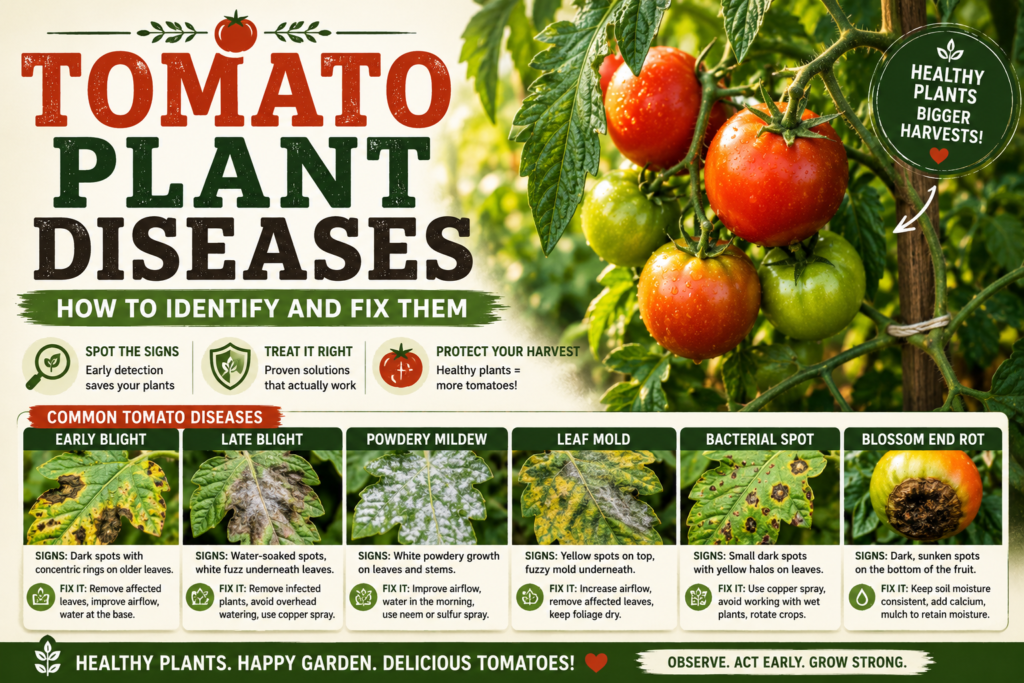
My broader tomato disease identification guide can help when the symptoms do not fit neatly into one category.
Why Septoria Starts at the Bottom of Tomato Plants
The lowest leaves are closest to the soil, where infected plant debris may remain from a previous crop.
When rain or overhead irrigation strikes exposed soil, droplets can splash fungal spores onto the leaves. Lower foliage also receives less airflow and may remain damp longer than the upper part of the plant. A trellis for better airflow can help keep tomato foliage more open and reduce prolonged dampness: trellis for better airflow.
Once the first infections begin, new spores can spread through:
- Rain hitting infected foliage
- Overhead watering
- Wet hands and clothing
- Contaminated pruning tools
- Leaves rubbing against each other
- Weeds and volunteer tomato plants carrying the disease
Warm temperatures, high humidity and frequent leaf moisture create favorable conditions for the disease.
According to the University of Minnesota Extension, Septoria is one of the common leaf spot diseases that can survive on plant debris before being splashed onto lower foliage.
Will Septoria Leaf Spot Kill My Tomato Plant?
A mild infection may only damage a handful of lower leaves. A severe infection can defoliate much of the plant and substantially reduce its strength.
Septoria does not need to infect the tomatoes directly to hurt the harvest. Leaves manufacture energy for the plant and shade developing fruit. When too many leaves are lost, tomatoes may grow more slowly, remain smaller or develop sunscald.
The plant may also struggle to support late-season fruit if it loses a large percentage of its foliage.
I begin managing Septoria as soon as I am reasonably confident about what I am seeing. Waiting until half the plant is yellow makes the disease much harder to contain.

Can a Tomato Plant Recover From Septoria Leaf Spot?
A tomato plant can continue growing and producing after a Septoria infection, particularly when the disease is caught early.
The spotted leaves will not heal. Once a lesion has formed, that damaged tissue cannot become green again. Recovery means preserving healthy foliage and allowing the plant to produce clean new growth.
I judge the plant by its overall condition.
A plant with strong upper growth, developing fruit and limited damage usually has a reasonable chance of remaining productive. A severely weakened plant with extensive leaf loss, stem damage and other diseases may not recover as well.
What I Do When I Find Septoria Leaf Spot
I do not try to solve the entire problem with one spray. Successful management usually requires several small changes working together.
Remove Badly Infected Leaves
I begin by removing the lowest leaves that are heavily spotted, yellow or already dying.
I do not strip every questionable leaf from the plant in one afternoon. Tomatoes depend on their foliage, and excessive pruning can expose fruit to intense sunlight.
I start with the worst leaves and then monitor the plant. If new lesions continue appearing, I remove additional affected foliage gradually.
My pruning tools are cleaned before I move to another tomato plant. I also wait until the leaves are dry before working around them.
Wet plants make it easier to transfer disease from one leaf to another.
Dispose of Diseased Foliage Carefully
I do not leave infected leaves lying beneath the plant. That keeps diseased material close to healthy foliage and allows rain to splash across it.
A casual compost pile may not become hot enough to destroy every plant pathogen. When disease pressure is significant, bagging or otherwise disposing of infected debris is the safer choice.
At the end of the season, I remove affected tomato vines instead of tilling them directly into the bed.
Mulch the Soil Beneath the Plants
Mulch creates a physical barrier between potentially contaminated soil and the tomato foliage.
I commonly use clean straw, shredded leaves or another suitable organic material. I apply enough to cover bare soil while keeping it from piling tightly around the tomato stem.
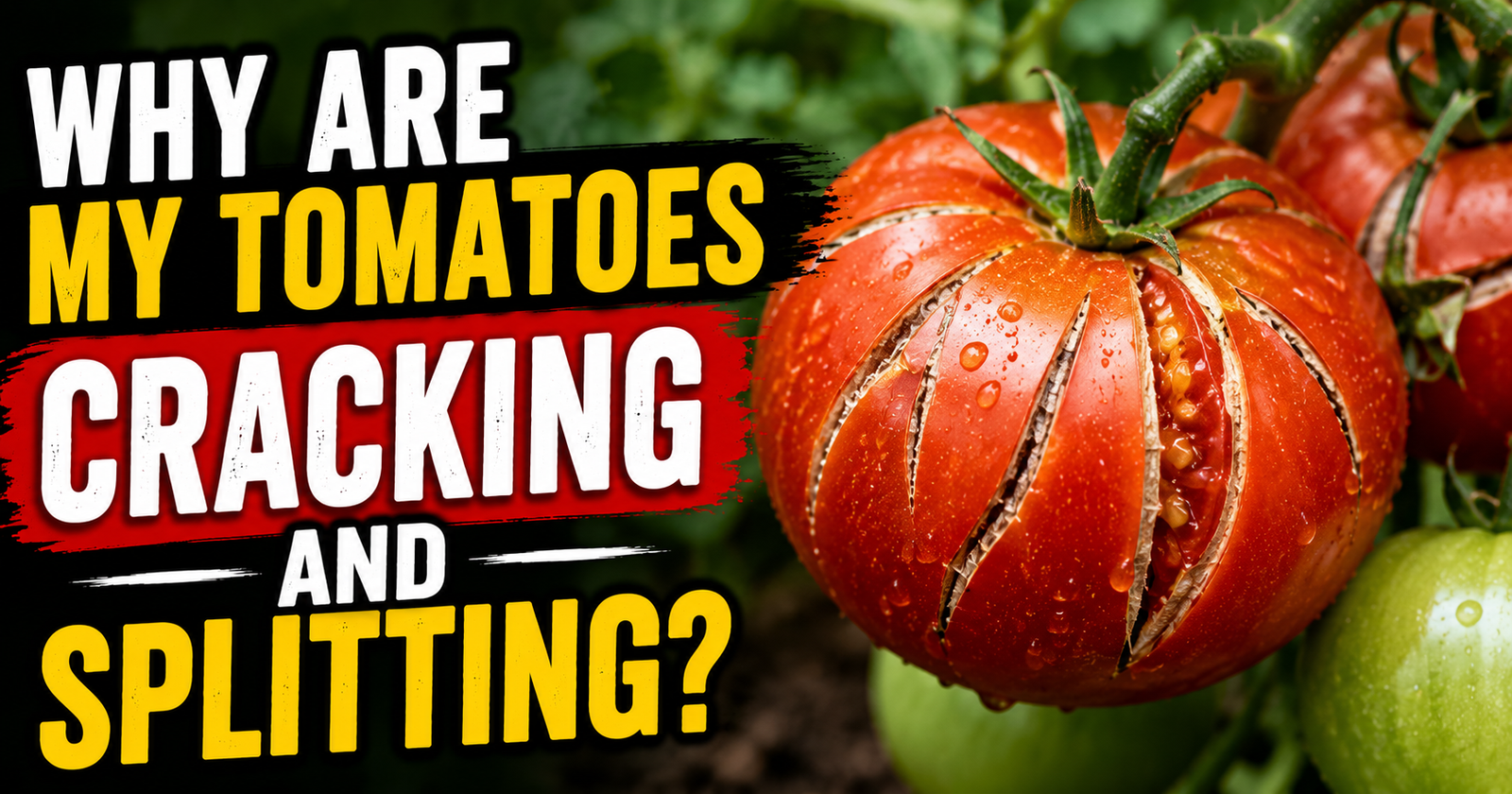
Mulching also helps the soil retain moisture more consistently. This can prevent stress and reduce the moisture swings associated with tomatoes cracking while they are still on the vine.
Water the Soil Instead of the Leaves
Tomato roots need a thorough drink, but the leaves do not benefit from being repeatedly soaked.
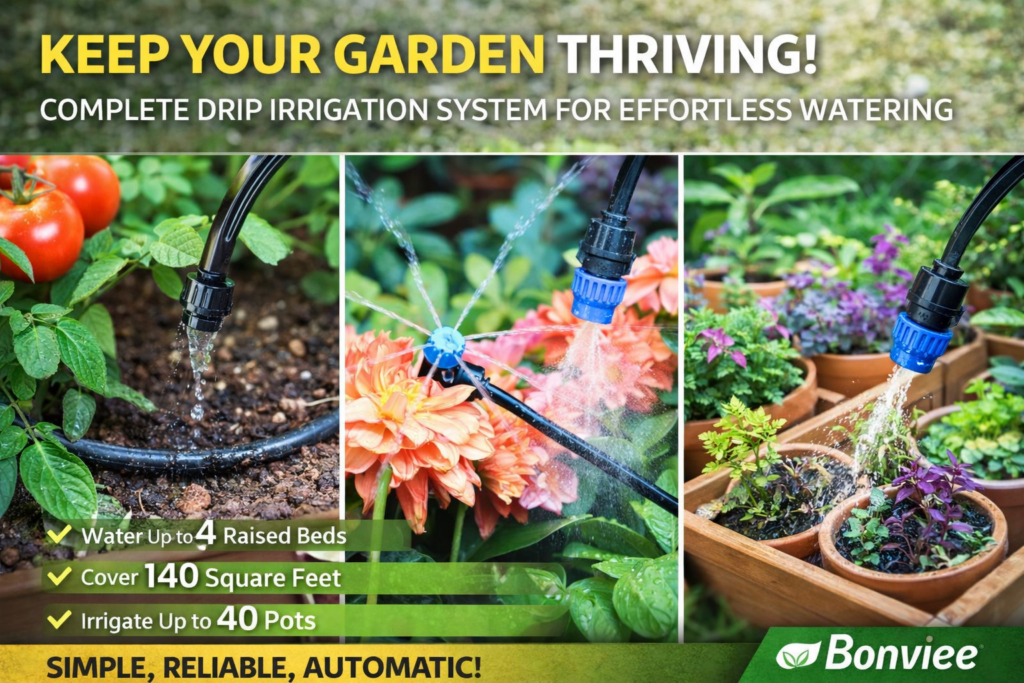
I water near the base of the plant using a soaker hose, drip irrigation or a watering wand directed toward the soil. If I accidentally wet the foliage, watering in the morning gives the leaves time to dry.
Evening overhead watering can leave plants damp for hours. That extended leaf moisture gives fungal diseases a better opportunity to develop.
Before adding more water, I check the soil several inches below the surface. Constantly saturated soil can stress the roots, so I watch for these warning signs that a tomato plant is being overwatered.
Improve Airflow Through the Plant
Thick foliage, crowded beds and sprawling vines trap humidity. I want enough space around the leaves for air to move and moisture to evaporate.
I improve airflow by:
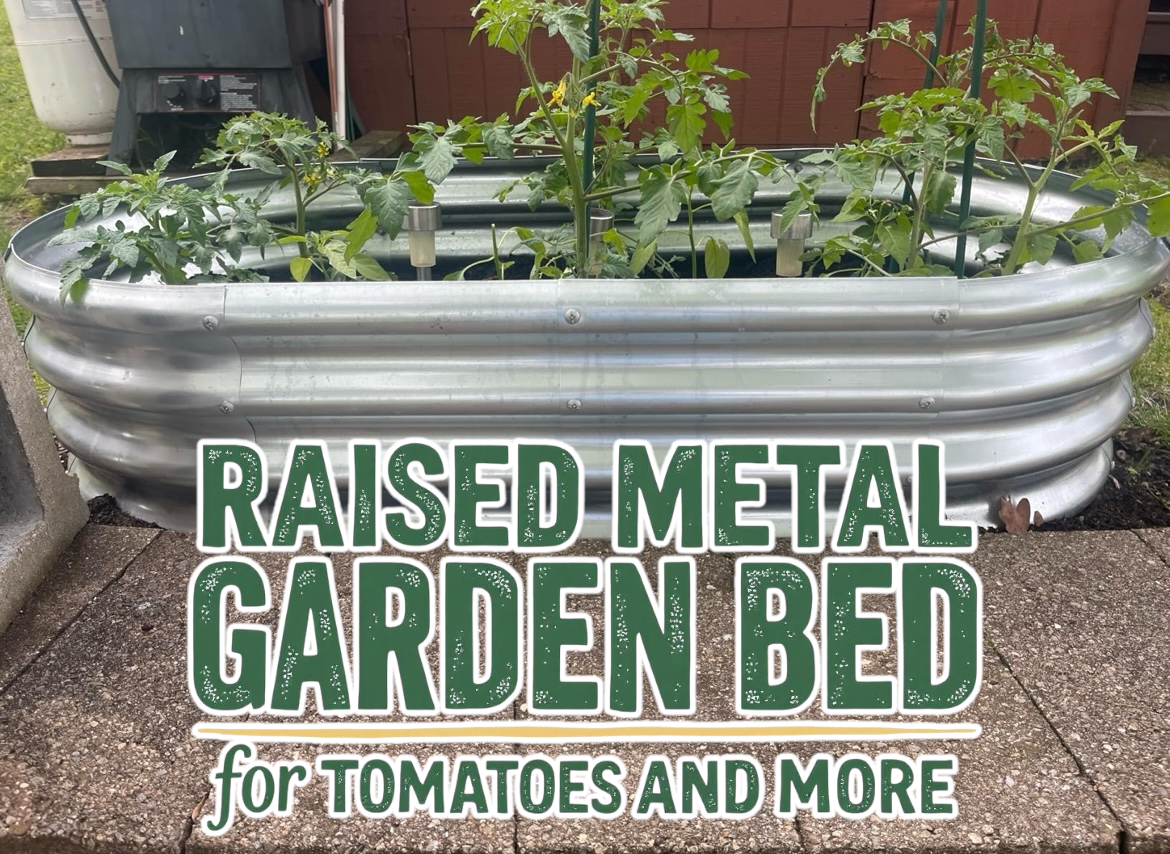
- Supporting vines with a cage, stake or trellis
- Removing weeds growing against the plant
- Keeping branches from resting on the soil
- Pruning selected lower leaves
- Spacing new plants for their mature size
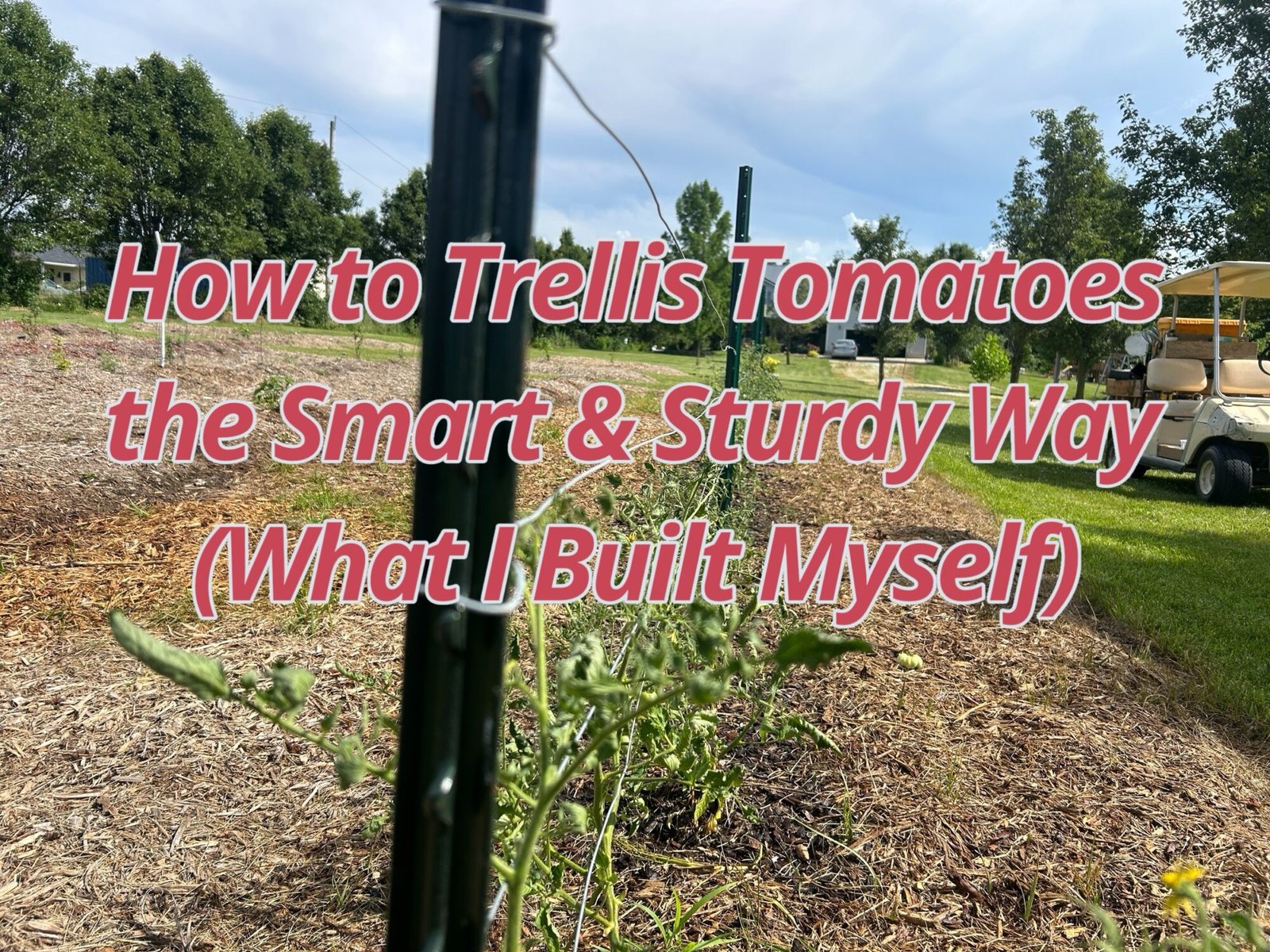
A sturdy support system keeps the plants upright and makes disease inspections easier. My practical tomato trellis setup shows how I keep heavy vines and fruit from sprawling across the garden.
Can Copper Fungicide Stop Septoria?
Copper fungicide may help protect healthy foliage from new infections, but it cannot repair leaves that are already spotted.
This means timing matters. Spraying a nearly defoliated plant will not cause damaged leaves to recover.
Before using copper or another garden fungicide, I read the full product label. The label determines whether the product may be used on tomatoes, which diseases it controls, how it should be mixed and how frequently it can be applied.
I never assume that a stronger concentration will work better. Overapplication can injure the plant and contribute unnecessary copper to the soil.
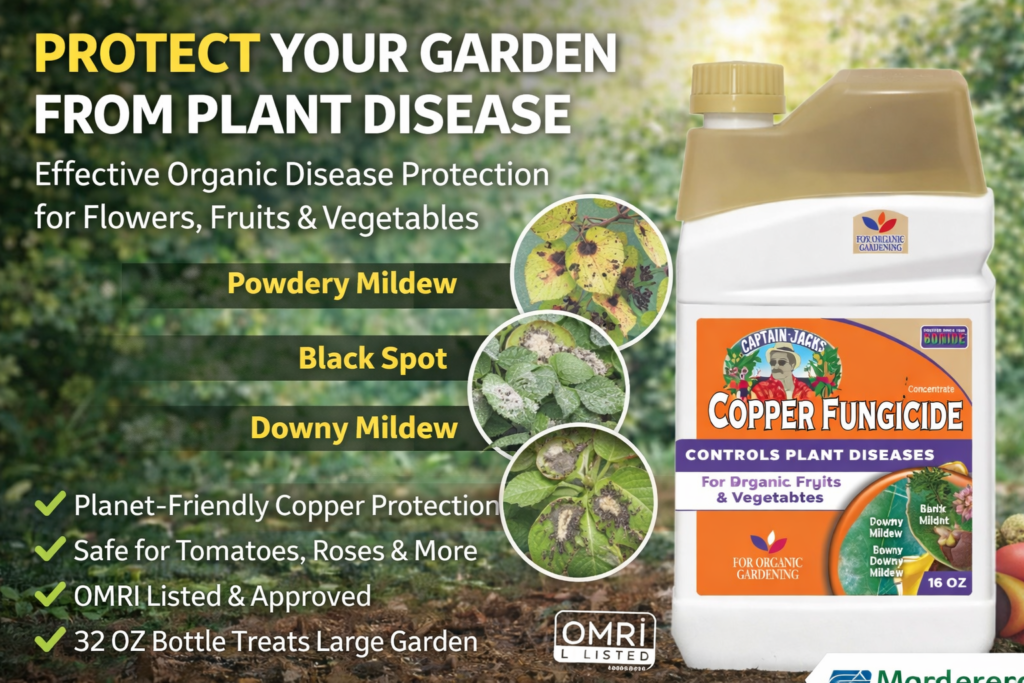
My tomato copper fungicide guide explains why I treat it as one part of disease prevention instead of a cure.
For a light infection, removing diseased leaves, mulching, watering correctly and improving airflow may be enough to keep the plant productive.
Can I Eat Tomatoes From a Plant With Septoria?
Tomatoes growing on a plant with Septoria leaf spot are generally usable if the individual fruit remains firm, normally colored and free from rot.
Septoria primarily affects foliage rather than fruit. I still inspect every tomato before bringing it into the kitchen.
I discard a tomato if it is moldy, leaking, unusually soft, foul-smelling or marked by an expanding rotten area. Another disease or secondary infection may be present even if the plant also has Septoria.
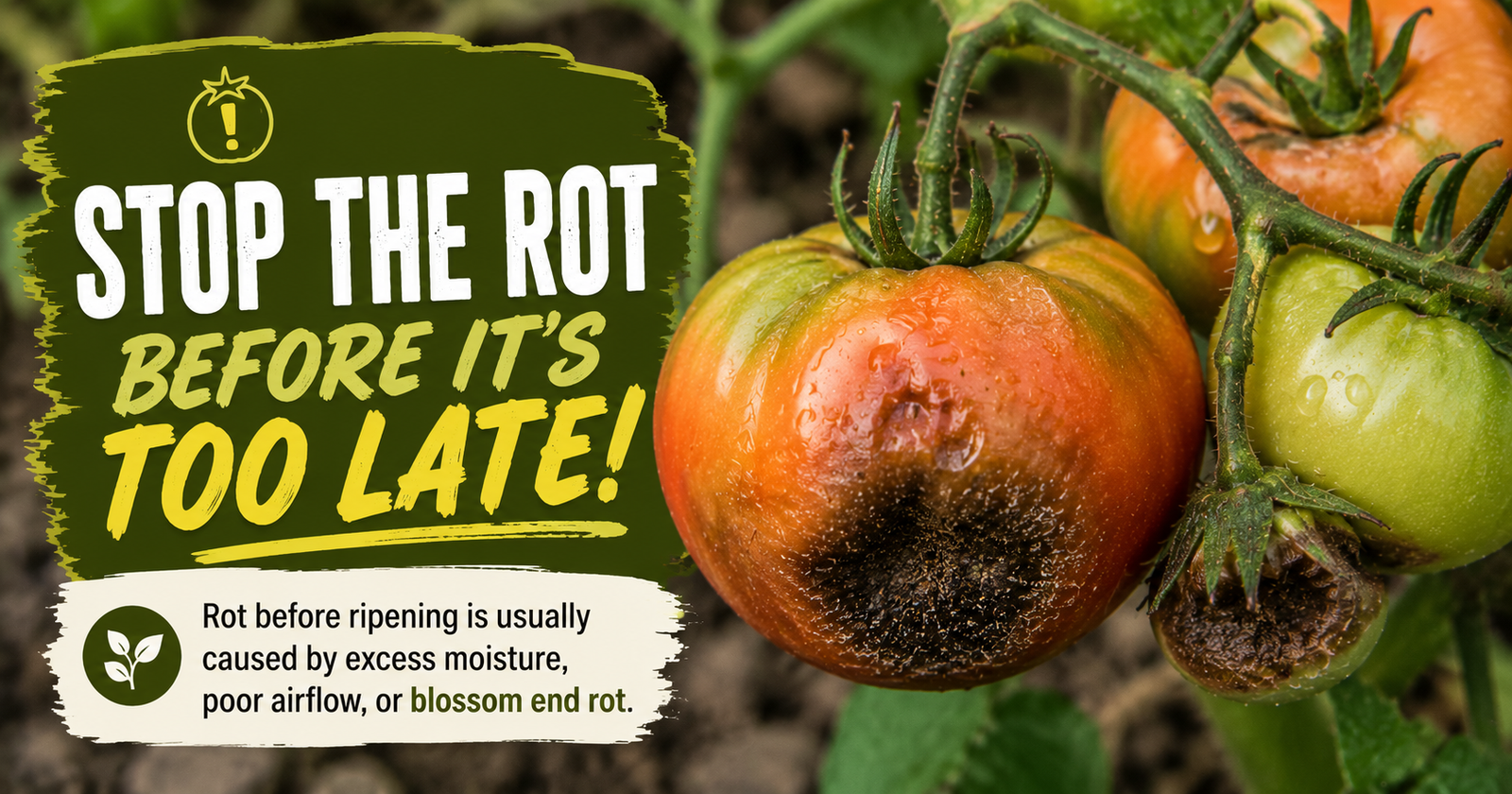
When the fruit itself is deteriorating, I use my guide to diagnosing tomatoes that rot before ripening to narrow down what is happening.
Should I Remove the Entire Tomato Plant?
I rarely remove an entire plant because of a few Septoria spots.
I consider removing it when the plant is heavily defoliated, continues declining despite management or is no longer capable of producing a worthwhile harvest.
I may also remove a badly infected plant if it is surrounded by younger, healthier tomatoes that I want to protect.
Before removing anything, I confirm that I am not reacting to ordinary lower-leaf aging. A few yellow leaves near the base of a mature plant do not automatically indicate disease.
The pattern matters. Septoria produces produces recognizable spots before entire leaves turn yellow and die.
Why Septoria Keeps Coming Back
Septoria can return because the fungus survives on infected crop debris and certain weeds. Replanting tomatoes in the same bed every year makes it easier for the disease cycle to continue.
Weather also changes the severity from season to season. During a dry summer, the disease may remain minor. During a warm, wet summer, it may spread rapidly despite good garden care.
A recurring problem does not necessarily mean the soil must be replaced. It means I need to interrupt as many parts of the disease cycle as possible.
How I Prevent Septoria Leaf Spot Next Year
Prevention begins during fall cleanup and continues through planting time.
Rotate Tomatoes and Related Crops
When space permits, I avoid planting tomatoes in the same bed for at least two growing seasons.
Peppers, potatoes and eggplants belong to the same plant family and can share certain diseases. Planting peppers where diseased tomatoes grew does not provide the kind of rotation I want.
In a small garden where rotation is difficult, growing tomatoes in large containers with fresh potting mix may provide another option.
Begin With Healthy Transplants
I inspect tomato seedlings before buying or planting them.
A transplant with spotted lower leaves, stem lesions or unexplained yellowing is not a bargain. Starting with a sick plant can introduce a problem before the garden season has properly begun.
When I grow my own seedlings, I use clean containers, fresh seed-starting mix and clean tools.
Space Plants for Their Mature Size
A young tomato transplant looks tiny in spring. By midsummer, that same plant may be several feet wide and covered with dense foliage.
I leave enough room for air to circulate after the plants reach their mature size. Crowded planting may fit more tomatoes into a bed initially, but it also creates long periods of dampness after rain.
Remove Low Leaves Before They Touch the Soil
Once the plant is established, I remove selected lower leaves that drag across the ground.
I do not remove large amounts of foliage from a small, newly transplanted tomato. I wait until the plant is actively growing and has enough healthy foliage above the soil.
Control Weeds and Volunteer Tomatoes
Certain weeds and volunteer tomato plants may harbor disease. I remove them rather than allowing them to grow between the cultivated tomatoes.
Volunteer tomatoes can look healthy while still creating a bridge between last season’s crop and the new garden.
Clean Up at the End of the Season
When the season ends, I remove tomato vines, fallen leaves and rotten fruit from the growing area.
This does not eliminate every possible source of infection, but it reduces the amount of diseased material available to begin the cycle again.
I also clean reusable cages, stakes and tools before storing them.
Common Septoria Leaf Spot Mistakes
Assuming Every Yellow Leaf Is Septoria
Tomato leaves can turn yellow because of age, watering problems, nutrient deficiencies, root damage and several diseases.
Septoria normally creates visible spots before the entire leaf dies. I look for that pattern instead of diagnosing the plant by color alone.
If the foliage is yellow without obvious lesions, my tomato leaf yellowing guide covers several other likely causes.
Pruning the Plant Bare
Removing every spotted leaf may leave the plant with too little foliage to support its crop.
I prioritize badly infected leaves and preserve as much healthy foliage as possible.
Spraying Without Correcting the Growing Conditions
A fungicide cannot compensate for constantly wet leaves, plants lying on the soil and a bed packed with diseased debris.
Sprays work best when combined with practical garden sanitation and moisture management.
Handling Plants While They Are Wet
Pruning, tying and harvesting from wet tomato plants can help move pathogens around the garden.
I wait until dew or rain has dried whenever possible.
Adding Heavy Fertilizer to Make the Plant Recover
Extra fertilizer does not cure Septoria. Too much nitrogen can encourage excessive leafy growth, creating a dense canopy that dries slowly.
I feed tomatoes based on their actual needs rather than trying to force them outgrow a disease. If a plant has dark green foliage and lots of leaves but limited fruit, I check for these signs of excessive nitrogen in tomato plants before adding anything else.
My Septoria Leaf Spot Action Plan
When I find small, pale-centered spots on lower tomato leaves, I take action in this order.
Confirm the Pattern
I inspect several leaves and compare the spots with early blight, bacterial spot and ordinary leaf damage.
Remove the Worst Foliage
I prune badly infected lower leaves while the plant is dry and clean my tools afterward.
Cover Bare Soil
I apply mulch to reduce soil splash during rain and watering.
Change How I Water
I direct water toward the root zone and avoid soaking the foliage.
Open the Plant
I support sprawling branches, remove weeds and improve airflow without stripping away excessive healthy growth.
Check It Again
I inspect the plant every few days, especially after rain, and watch for new spots moving upward.
Does Septoria leaf spot infect tomato fruit?
Septoria primarily attacks tomato foliage and does not normally infect the fruit. However, severe leaf loss can expose tomatoes to sunscald and weaken the plant.
Will Septoria leaf spot go away on its own?
The damaged leaves will not recover, and the disease may continue spreading when conditions remain favorable. Removing infected foliage and keeping healthy leaves dry can slow its progress.
Should I cut off leaves with Septoria?
I remove leaves that are heavily infected, yellowing or dying. I avoid removing so much foliage that the tomatoes lose their shade and the plant cannot produce enough energy.
Can Septoria live in tomato seeds?
Septoria is primarily associated with infected plant debris, weeds and volunteer plants. I still begin with clean seed and healthy transplants because several other tomato diseases can be introduced through contaminated planting material.
Does neem oil cure Septoria leaf spot?
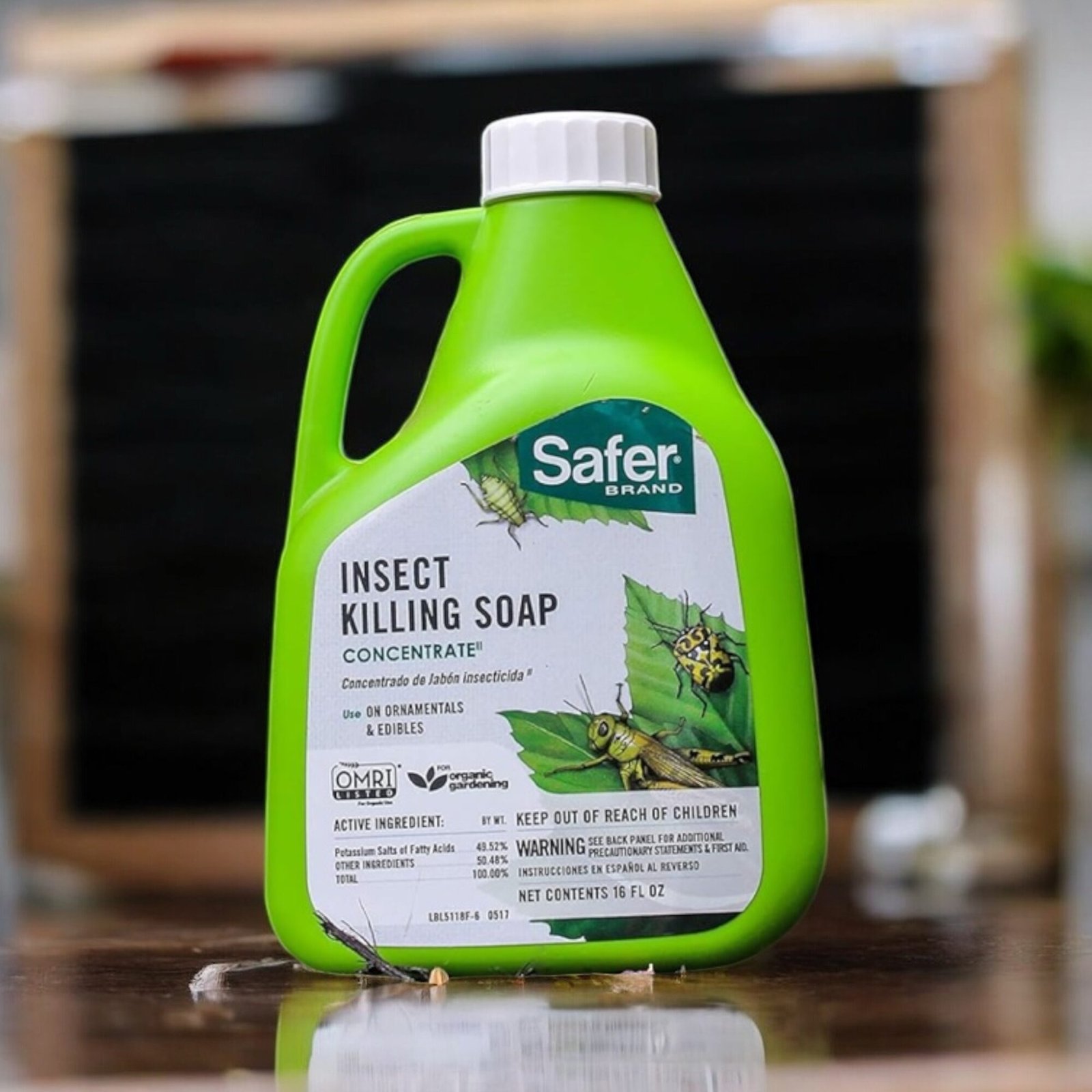
Neem oil does not repair infected leaves. Some products may be labeled for suppressing certain fungal diseases, but results depend on correct timing, coverage and label directions. I rely first on sanitation, mulching, dry foliage and good airflow.
Can I compost tomato leaves with Septoria?
I avoid placing heavily infected leaves in a backyard compost pile unless I know the pile reaches and maintains temperatures capable of destroying plant pathogens. Disposing of the material prevents it from returning to the garden in unfinished compost.
Does Septoria leaf spot stay in the soil?
The fungus survives mainly on infected plant debris and certain living plant hosts. Removing diseased debris and rotating crops reduces the opportunity for it to infect next season’s tomatoes.
How often should I check an infected tomato plant?
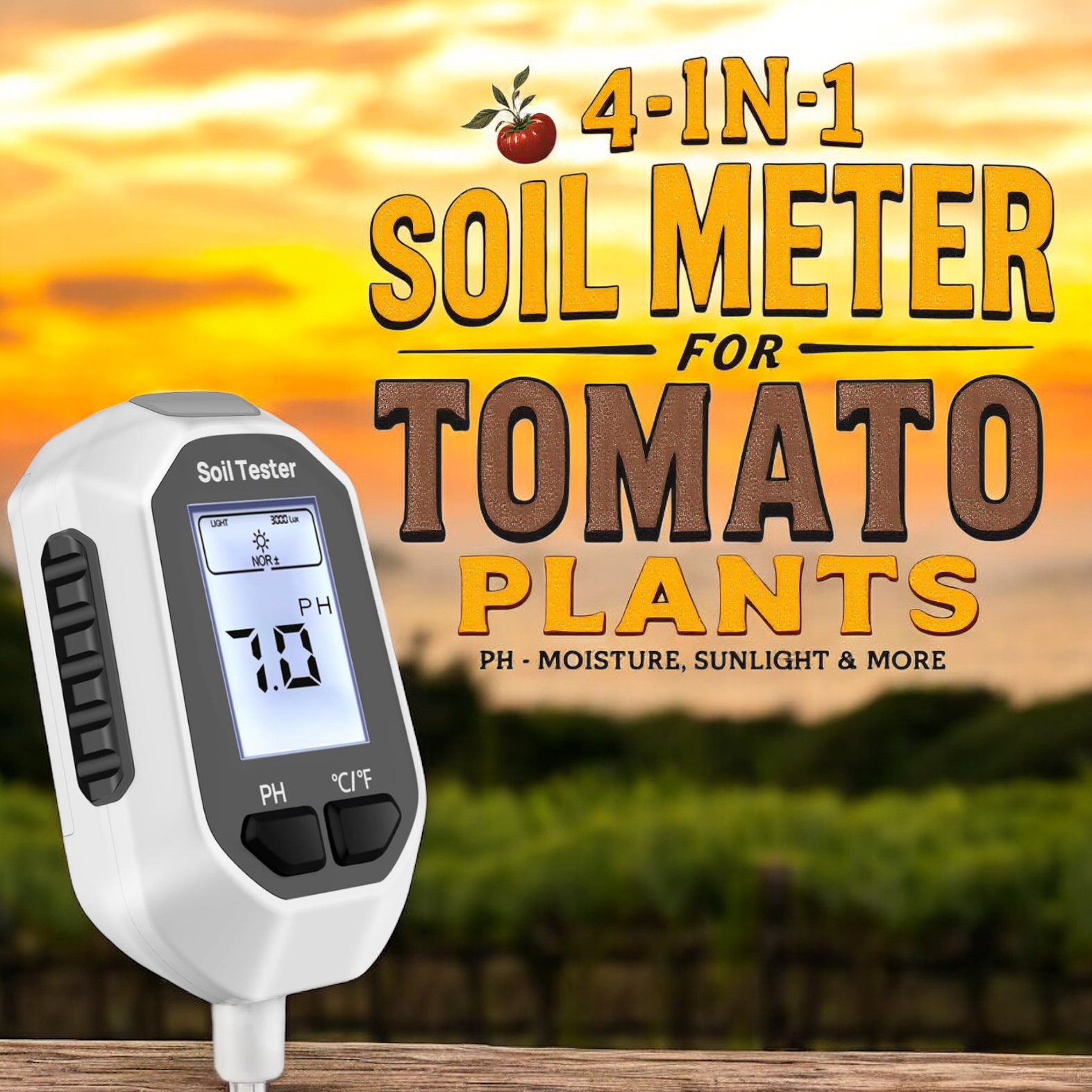
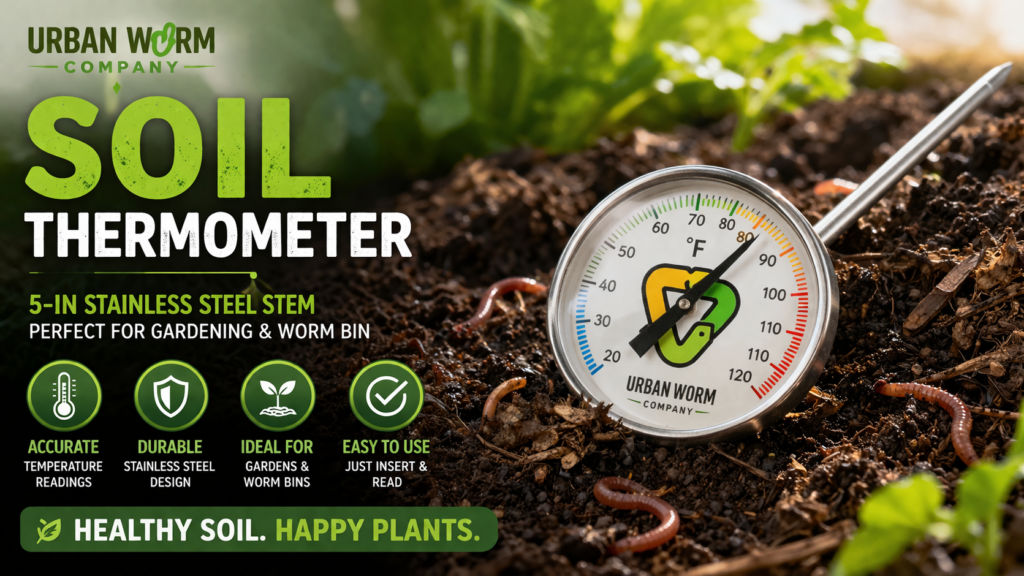
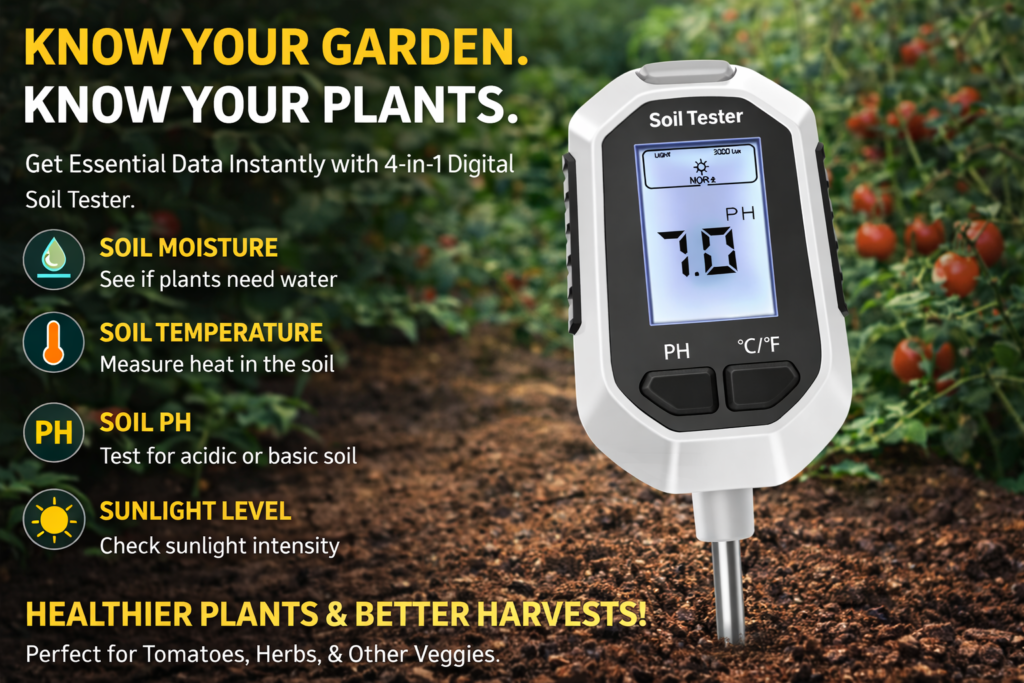
I check affected plants every few days and after significant rain. Frequent inspection lets me remove newly infected lower foliage before the disease becomes established throughout the canopy. Checking moisture conditions can also support more consistent disease-prevention decisions with a 4-in-1 soil monitoring meter.
Septoria leaf spot can look alarming once the lower half of a tomato plant begins turning yellow, but early action often keeps the problem manageable. My goal is to preserve healthy leaves, slow additional infections and give the plant enough strength to finish producing its crop.
Written by Rebecca Dawson, a lifelong home gardener who shares practical ways to recognize plant trouble, prevent common growing problems and raise healthier tomatoes through Tomato Growing Tips.